By Affordable Dentist Near Me Editorial Team · Updated 2026-08-24
Key Takeaways
Avoid disturbing the surgical wound for 24 hours after implant placement at your Fort Worth dental office.
Some bleeding occurs normally after surgery; monitor the site without rinsing or spitting on day one.
Pain typically lasts several days following the procedure as tissues heal around the titanium implant rod.
Metal healing abutments protrude through gum tissue immediately after surgery in most dental implant cases.
What Should You Expect Right After Surgery?
When it comes to Consultation for Dental Implant Solutions, recovery immediately after implant placement brings mild numbness, tender gums, and a temporary adjustment to normal chewing patterns. Skipping proper preparation for this window raises the risk of unnecessary discomfort and slower healing. Patients who understand the timeline in advance tend to manage the first 24 to 48 hours with far less stress.
A thorough consultation for dental implant solutions before the procedure gives patients a realistic picture of what recovery involves. Affordable Dentist Near Me emphasizes accessibility online. The provided sources do not state that Affordable Dentist Near Me offers free consultations, they mention a ‘FREE ONLINE EVALUATION,’ which allows patients to review healing expectations, ask questions, and plan post-op logistics before any surgical work begins. This upfront conversation removes much of the guesswork that otherwise causes anxiety in the days following treatment.
Behind that planning sits a team of experienced dentists using current diagnostic technology to map out implant placement from the very first visit. Careful imaging and treatment planning at this stage help reduce surprises once the procedure is underway.
Will There Be Pain During the Implant Placement Itself?
Pain during the actual surgery is not expected. Patients stay under local anesthesia throughout implant placement, so sensation in the treatment area is blocked while the dentist works. Any discomfort typically begins only after the anesthesia fades, several hours later.
What Changes in the First Few Days?
Swelling around the jaw and cheek, often peaking within the first two days
Sensitivity when biting or speaking near the implant site
Gradual improvement rather than a single turning point
Recovery does not follow a single fixed path. Early planning through a dedicated consultation helps most patients feel prepared rather than caught off guard.
How Does Cold Therapy Calm Swelling?
Cold temperature constricts blood vessels near the surgical site, slowing fluid buildup that causes facial swelling after implant placement. Skipping this step allows inflammation to peak higher. Linger longer, stretching recovery out over extra days of visible puffiness and tenderness. A simple ice bag or cold pack, held against the cheek over the treated area, keeps swelling in check during the critical hours right after surgery.
Timing matters as much as the ice itself. Cold compresses work best in short bursts rather than one long session pressed against the skin.
How long should ice be applied after implant surgery?
Dental teams generally recommend 10 to 15 minute intervals, followed by a brief break before reapplying. This on-off rhythm numbs discomfort and limits swelling while protecting the skin from irritation or cold burn. Patients recovering from consultation for dental implant solutions often receive this exact timing guidance as part of their take-home care instructions.
A basic routine looks like this:
Fill a plastic bag or wrap ice in a towel — never apply ice directly to skin.
Hold the pack against the cheek over the surgical area for 10-15 minutes.
Remove for a short break, then repeat as needed through the first day.
Watch for mild, expected puffiness rather than sharp or worsening pain.
Does cold therapy replace professional follow-up care?
No. Cold packs manage comfort at home, but they don’t substitute for guidance from a dental team monitoring healing progress. Affordable Dentist Near Me positions its clinicians to walk patients through swelling management. Broader recovery expectations as part of comprehensive, high-quality implant care. Anyone noticing swelling that worsens instead of easing should contact their dental office promptly rather than relying on ice alone.
Which Medications Help Manage Implant Pain?
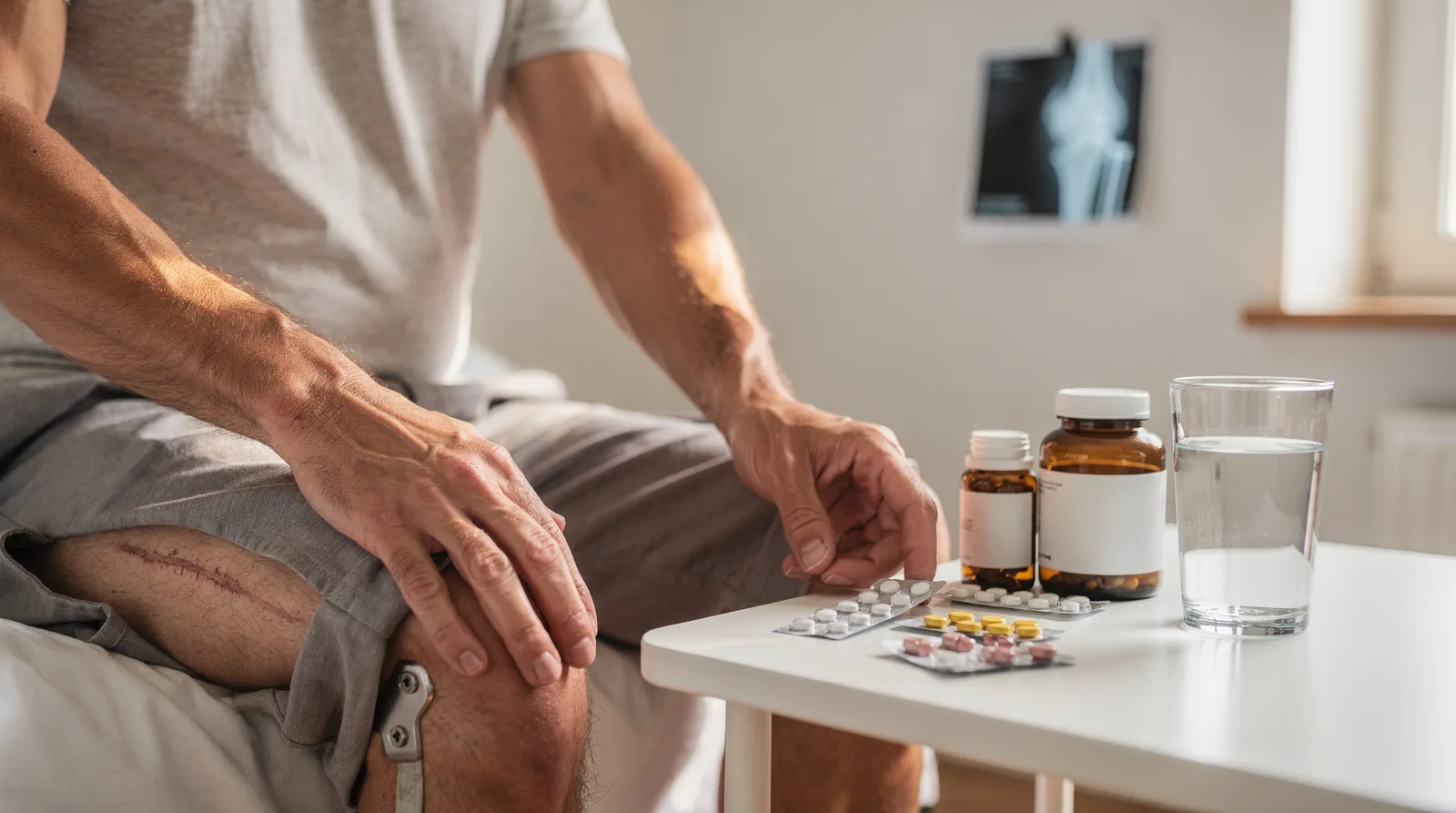
Ibuprofen and other NSAIDs rank among the most effective options for controlling swelling and discomfort after implant placement. These non-steroidal anti-inflammatory drugs target inflammation directly at the surgical site, easing both pain and puffiness in the days following treatment. Most patients experience discomfort that fades within a few days. The dental team tailors a medication plan to fit each recovery timeline.
Pain after implant surgery rarely requires anything beyond a short course of standard medication. The dental team at Affordable Dentist Near Me typically recommends an NSAID regimen, adjusted based on the complexity of the procedure and the patient’s medical history. Sticking to the prescribed schedule, rather than waiting for pain to build, keeps inflammation lower and recovery smoother.
How Long Does Implant Pain Medication Need to Continue?
Discomfort that lingers for a few days generally responds well to medication taken as directed by the dental team. Patients should not need to extend their regimen much beyond that window under normal healing conditions. Pain that intensifies or persists past the expected timeframe warrants a follow-up call rather than simply increasing the dosage.
What if Follow-Up Visits Are Needed for Pain Management?
Some patients require an additional visit if discomfort does not respond to the initial medication plan. Cost should never stand between a patient and that follow-up care. Affordable Dentist Near Me accepts a wide range of insurance plans, including all PPO insurance, and offers payment plans with installment options.
Ibuprofen or comparable NSAIDs for inflammation and pain control
Medication schedules set by the dental team, not self-adjusted
Follow-up visits available and covered through PPO insurance or flexible payment plans
Consistent communication with the dental team remains the safest path to comfortable healing.
When Does Discomfort Signal a Problem?
Recovery pain follows a predictable arc: sharpest in the first two days, then fading steadily. A different pattern — pain that lingers past the expected window or grows worse instead of better — signals something requires medical attention rather than home care. That shift from “improving” to “worsening” is the single clearest warning sign implant patients should track.
How long should implant pain last before seeing a dentist?
Most discomfort eases within a few days of surgery. Pain stretching beyond that window, or intensifying rather than settling down, points to a problem that needs professional evaluation instead of more ice and rest.
What should patients do if pain won’t stop improving?
Waiting it out rarely helps once pain trends the wrong direction. Prompt follow-up prevents small issues, like an infection or improper healing, from becoming larger and more costly complications.
Patients weighing whether to call or wait can use this quick check:
Pain steadily decreasing since surgery — normal healing, continue home care.
Pain unchanged after several days — worth a phone call to the dental team.
Pain increasing or new swelling appears — seek evaluation promptly.
Fever, pus, or a bad taste develops — treat as urgent and seek care immediately.
Affordable Dentist Near Me accommodates walk-in visits for patients facing dental emergencies mid-recovery. A worsening symptom doesn’t have to wait for the next scheduled opening. The Fort Worth, TX location serves as one of several Texas centers available for urgent follow-up care after implant placement. Scheduling a consultation for dental implant solutions early — before pain escalates — gives the dental team a chance to catch complications while they’re still simple to manage. Recognizing the difference between routine soreness and a genuine red flag protects both the implant and the investment behind it.
How Do You Start Your Recovery Plan?
Recovery planning begins before surgery, not after. A free consultation for dental implant solutions at Affordable Dentist Near Me walks patients through healing expectations, timeline questions, and financing details before any procedure gets scheduled. Skipping this step often leaves patients guessing about aftercare, which raises the risk of setbacks during the first critical days.
The consultation also identifies who qualifies for accelerated treatment paths. Some patients meet the criteria for custom permanent teeth completed within 24 hours, made possible through the practice’s in-house lab capabilities. That eligibility gets confirmed during the initial visit. Recovery planning and treatment timeline go hand in hand from day one.
What Should Get Discussed During the Consultation?
Patients should raise questions about pain management, follow-up visits, and what activities to avoid during early healing. Financing options belong in this conversation too, since payment concerns shouldn’t delay necessary care. Affordable Dentist Near Me positions itself as patient-centered, actively inviting patients to bring recovery concerns forward at any stage of treatment, not just at intake.
Can Patients Traveling From Outside the Area Get Support?
Patients living outside a center’s immediate service area can still access care. Calling the nearest office reveals scheduling options built specifically for traveling patients, including how appointments and follow-up visits get coordinated around distance.
A solid recovery plan rests on three pillars:
Pre-treatment consultation covering expectations and cost
Eligibility review for expedited permanent teeth
Open communication with staff throughout healing
Building this foundation early keeps recovery predictable rather than reactive.
FAQ
Is pain normal during dental implant placement?
Pain does not occur during the procedure itself. Local anesthesia blocks sensation throughout implant placement, and discomfort typically starts only after the anesthesia wears off, hours later.
How long does discomfort last after dental implant surgery?
Pain typically lasts several days as tissues heal around the titanium implant rod. Swelling around the jaw and cheek often peaks within the first two days before gradually improving.
How should ice be applied to reduce swelling after implants?
Apply cold packs in 10 to 15 minute intervals with a brief break before reapplying. This on-off rhythm numbs discomfort and limits swelling while protecting the skin from irritation.
Conclusion
In closing, managing discomfort after dental implants requires patience, proper aftercare, and clear communication with your dental team. By following post-operative instructions, maintaining oral hygiene, and attending follow-up appointments, you support successful healing and long-term implant stability. Your commitment to these steps protects your investment in a restored smile. Should concerns arise during recovery, reach out to your dentist promptly—expert guidance ensures your implant journey progresses smoothly toward the confident, functional smile you deserve.