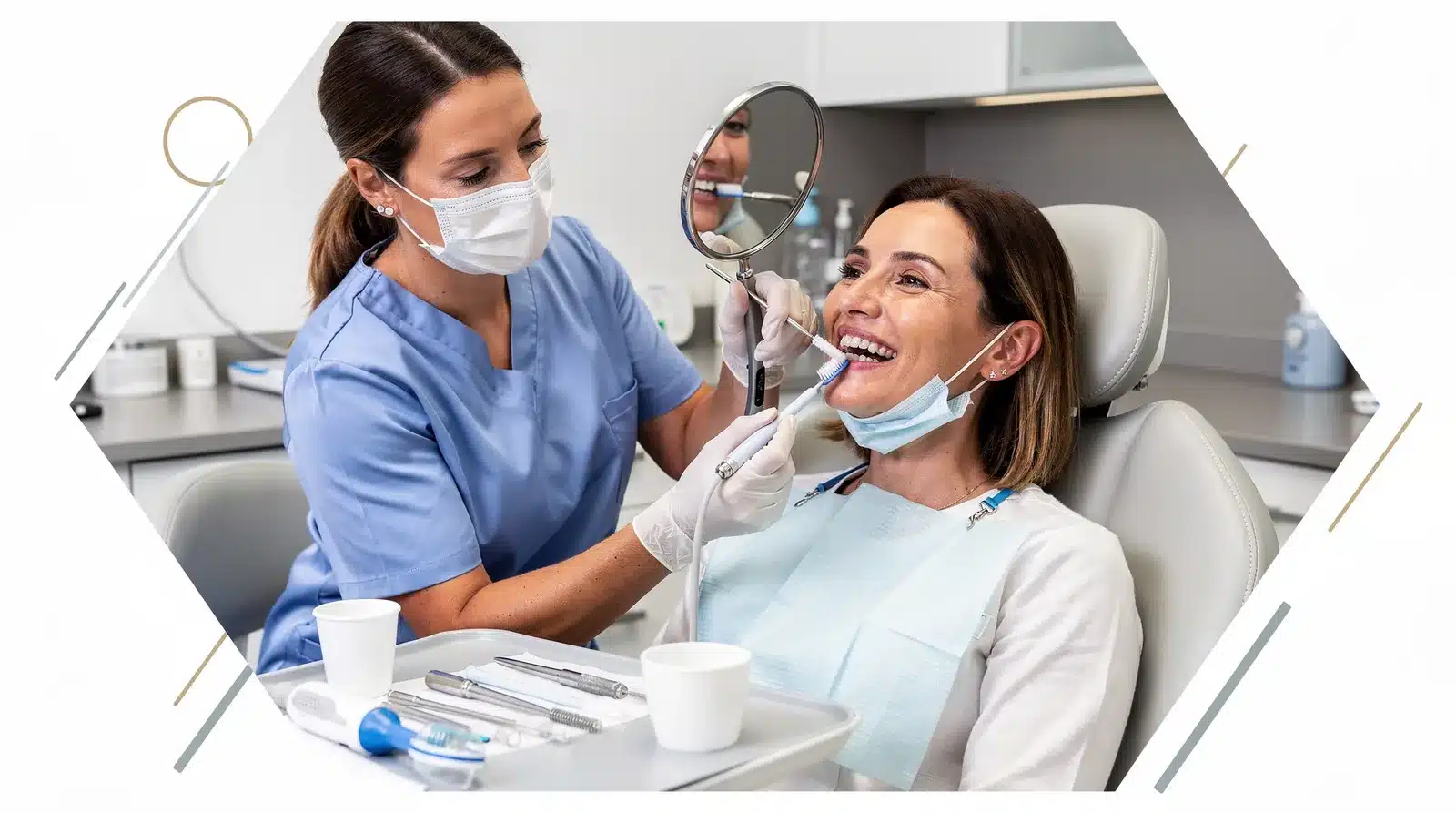
Dental implant longevity depends on consistent daily care: brushing twice, flossing around abutments, and scheduling regular cleanings at Affordable Dentist Near Me in Longview. Routine checkups catch early signs of infection or bone loss, while avoiding hard foods and tobacco protects the implant’s foundation, ensuring decades of reliable function.
Key Takeaways
Brush implants twice daily with a soft-bristled toothbrush to prevent plaque buildup and maintain long-term health.
Floss around implants daily using unwaxed tape or implant-specific floss to remove debris between teeth.
Schedule professional cleanings every 3-4 months with your periodontist to monitor implant stability and bone health.
Avoid smoking and limit hard foods that stress implants, ensuring durability of your investment for years ahead.
What tools do I need for implant cleaning?
Dental implants require diligent care to ensure their longevity and prevent complications. The right tools make this daily maintenance straightforward and effective. Patients need a combination of standard oral hygiene items and specialized instruments designed for implant surfaces.
Essential Cleaning Tools
Soft-bristled toothbrush: A manual or electric brush with soft bristles prevents scratching the implant surface while removing plaque.
Low-abrasive toothpaste: Standard whitening pastes can be too harsh; choose a non-abrasive formula safe for implant materials.
Interdental brushes: These small brushes clean between the implant and adjacent teeth where a regular brush cannot reach.
Water flosser: A water irrigator targets debris around the implant crown and gumline with gentle pressure.
Implant-specific floss: Thicker floss or floss with a stiffened end threads easily under fixed bridges and around abutments.
How do professional cleanings differ from home care?
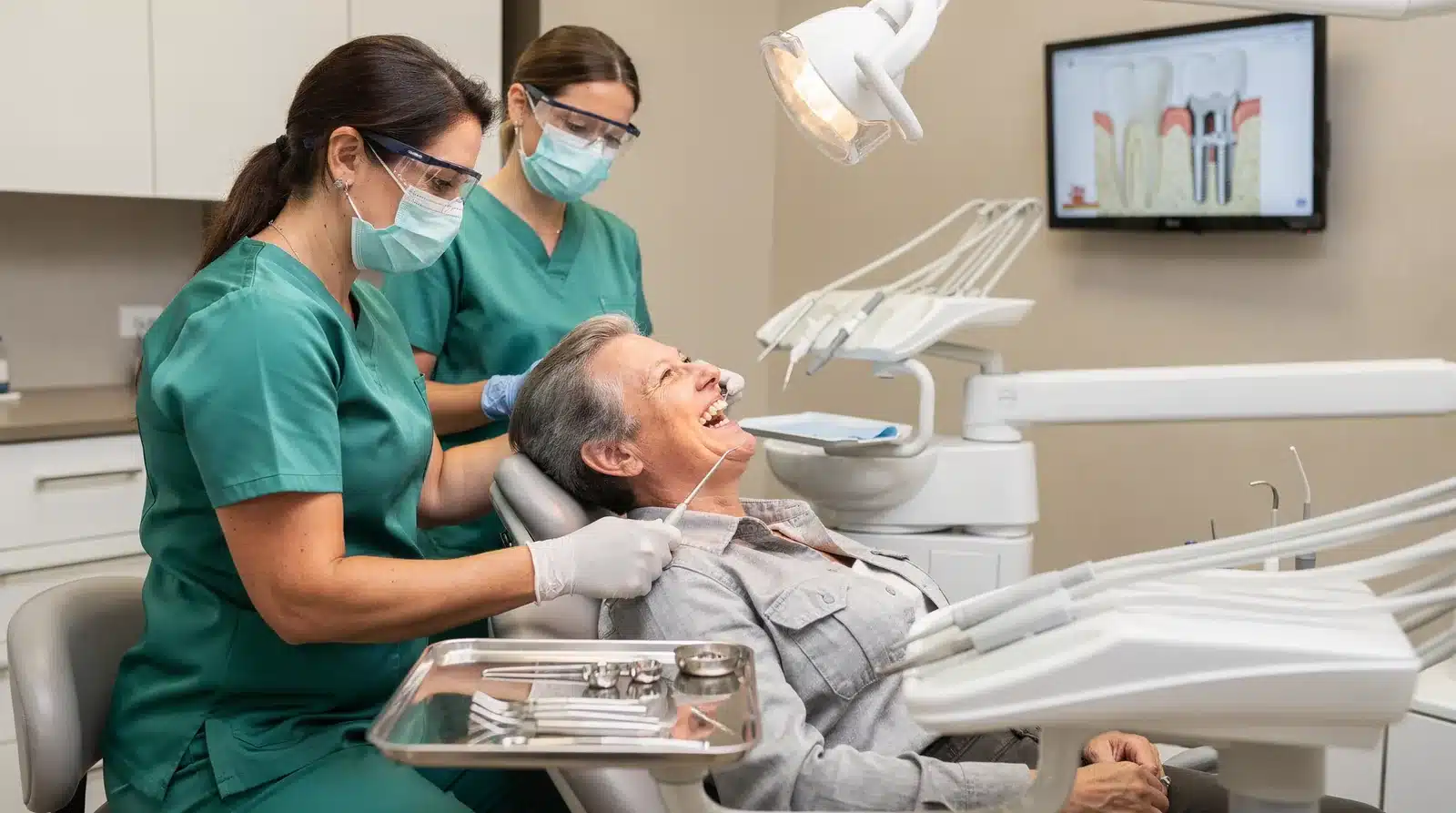
Routine cleanings benefit dental implants the same way they do natural teeth. During a professional visit, a hygienist will carefully remove plaque that has built up around the gums using specialized scalers made of plastic or titanium. These materials avoid scratching the implant surface, which standard metal instruments can damage. The dentist also checks for early signs of implant failure, potentially making a decisive intervention before complications develop.
What technique works best for daily implant cleaning?
Dental Implant Cleaning Techniques follow a simple sequence. First, brush all implant surfaces for two minutes using gentle circular motions. Second, use an interdental brush or implant floss to clean between each tooth and the implant. Third, finish with a water flosser set to low pressure, directing the stream along the gumline. This three-step routine removes biofilm that causes inflammation and peri-implantitis.
Daily Dental Implant Cleaning Techniques That Protect Your Investment
Your dental implant depends on daily cleaning habits that remove plaque before it hardens into tartar. Skipping these steps risks peri-implantitis, an infection that destroys the bone supporting your implant and leads to implant failure. The good news: consistent care takes only minutes each day. These Dental Implant Cleaning Techniques keep your implant stable, your gums healthy, and your smile secure for decades.
Prerequisites Before You Begin
Gather the right tools first. You need a soft-bristled toothbrush, low-abrasive toothpaste, and either implant-specific floss or a water flosser. Standard floss can fray and leave fibers around the implant base. Your dentist at Affordable Dentist Near Me in Longview can recommend specific products during your next visit.
Step-by-Step Daily Cleaning Routine
Follow these steps in order every morning and evening. Each action targets a specific area where bacteria collect.
Rinse your mouth with water. This loosens food particles and softens debris before brushing. Swish vigorously, especially around the implant crown.
Brush with a soft-bristled toothbrush at a 45-degree angle. Position the bristles where the crown meets the gum line. Use gentle, circular motions for two full minutes. Apply light pressure — aggressive scrubbing damages gum tissue and can scratch the implant surface.
Clean the implant crown with low-abrasive toothpaste. Standard toothpaste contains silica, which scratches titanium and ceramic surfaces. Scratches trap bacteria and stain over time. Use a paste designed for implants or a mild, non-abrasive formula.
Floss around the implant base using implant-specific floss. Thread the floss between teeth, then curve it around the implant post. Slide it gently below the gum line in a C-shape. Move to a clean section of floss for each tooth. Never snap floss down hard — this damages the gum attachment.
Use a water flosser on the lowest pressure setting. Aim the tip at the gum line and the implant-abutment junction. Hold the device at a 90-degree angle and trace along the gum margin. The pulsating water flushes out bacteria from deep pockets that brushing and flossing miss.
Finish with an antibacterial, alcohol-free mouth rinse. Swish for 30 to 60 seconds. This reduces bacterial load and soothes irritated gum tissue. Alcohol-based rinses dry out oral tissues and can cause discomfort around a healing implant.
What to Avoid During Cleaning
Do not use metal tools, hard-bristled brushes, or abrasive powders on your implant. These scratch the surface and create rough spots where plaque thrives. Avoid charcoal toothpaste and baking soda — both are too abrasive. Skip traditional thread floss if it shreds or catches; switch to a water flosser instead.
When to See Your Dentist
Routine home care alone does not guarantee implant longevity. Schedule professional cleanings regularly. Your dentist at Affordable Dentist Near Me in Longview checks for early signs of implant failure, including gum recession, bone loss, and loose components. Professional cleanings remove tartar that home brushing cannot reach.
Your implant represents a significant investment in your smile and your health. Daily cleaning takes a short amount of time. Skipping it risks the bone and gum support that keeps your implant anchored. Protect that investment with these techniques, and your implant can last a lifetime.
What mistakes shorten implant lifespan?
Skipping regular professional cleanings ranks as the most common error that reduces implant longevity. Routine dental visits catch early signs of implant failure before minor problems become irreversible — a step many patients overlook. Neglect accelerates bone loss around the implant, inflames surrounding gum tissue, and forces premature replacement procedures that cost far more than prevention.
How does skipping cleanings damage implants?
Professional cleanings remove biofilm deposits that standard brushing misses. A dentist identifies subtle changes in gum color, pocket depth, or implant stability during these appointments. Without this monitoring, infection advances silently underneath the gumline.
What cleaning mistakes cause implant failure?
Using abrasive toothpaste: Scratching the implant surface creates grooves where bacteria colonize.
Avoiding floss: Interdental spaces trap food debris that triggers peri-implantitis.
Skipping water flossers: Low-pressure irrigation fails to dislodge particles from tight implant-gum junctions.
Mistake
Immediate Consequence
Long-Term Risk
Irregular dental visits
Missed early infection signs
Implant loosening within 2-3 years
Harsh cleaning tools
Surface scratches
Bacterial biofilm formation
Neglected gumline
Localized inflammation
Bone loss requiring implant removal
Patients who adopt proper Dental Implant Cleaning Techniques from day one avoid these costly outcomes entirely.
FAQ
What tools do I need to clean dental implants at home?
Use a soft-bristled toothbrush, low-abrasive toothpaste, interdental brushes, a water flosser, and implant-specific floss. These tools clean implant surfaces effectively without scratching them or leaving fibers behind.
How often should I get professional implant cleanings?
Schedule professional cleanings every 3-4 months with your periodontist at Affordable Dentist Near Me in Fort Worth. These visits monitor implant stability, bone health, and catch early signs of infection.
What daily routine keeps my implant healthy?
Brush implant surfaces for two minutes using gentle circular motions, clean between teeth with interdental brushes or implant floss, then finish with a low-pressure water flosser along the gumline.
Conclusion
In closing, proper dental implant care requires commitment to daily hygiene, regular professional checkups, and mindful lifestyle choices that protect your investment. By following these best practices—brushing, flossing, avoiding harmful habits, and maintaining consistent dental visits—you ensure your implants remain strong and functional for years to come. Your dedication to these fundamentals transforms implants from a procedure into a lasting foundation for the confident, healthy smile you deserve.