By Affordable Dentist Near Me Editorial Team · Updated 2026-08-19
Dental implant longevity depends on consistent daily hygiene practices. Twice-daily brushing removes plaque before it hardens near the implant site, preventing peri-implant disease. Flossing or interdental brushes clean under the crown daily. Regular checkups at Affordable Dentist Near Me catch early bone or gum issues, protecting the implant’s function and appearance for decades.
Key Takeaways
Dental implants last decades or even a lifetime with proper maintenance and consistent oral hygiene practices.
Diligent daily care prevents complications that compromise implant success and longevity after treatment.
Professional dental visits monitor implant health and catch issues before they become serious problems.
Proper brushing, flossing, and antimicrobial rinses protect implants just like natural teeth require protection.
What tools do I need for daily implant care?
Daily oral hygiene routines form the foundation of successful implant maintenance. Plaque and bacteria accumulate around the implant site just as they do on natural teeth. Without the right tools, patients cannot effectively remove this buildup, which directly threatens the [Lasting Advantages of Dental Implants for Oral Health Benefits](https://affordabledentistnearme.com/lasting-advantages-of-dental-implants-for-oral-health-benefits/). The correct instruments make [Keep Your Dental Implants Healthy: Top Care Tips](https://affordabledentistnearme.com/keep-your-dental-implants-healthy-top-care-tips/) straightforward rather than frustrating.
Which toothbrush works best for implants?
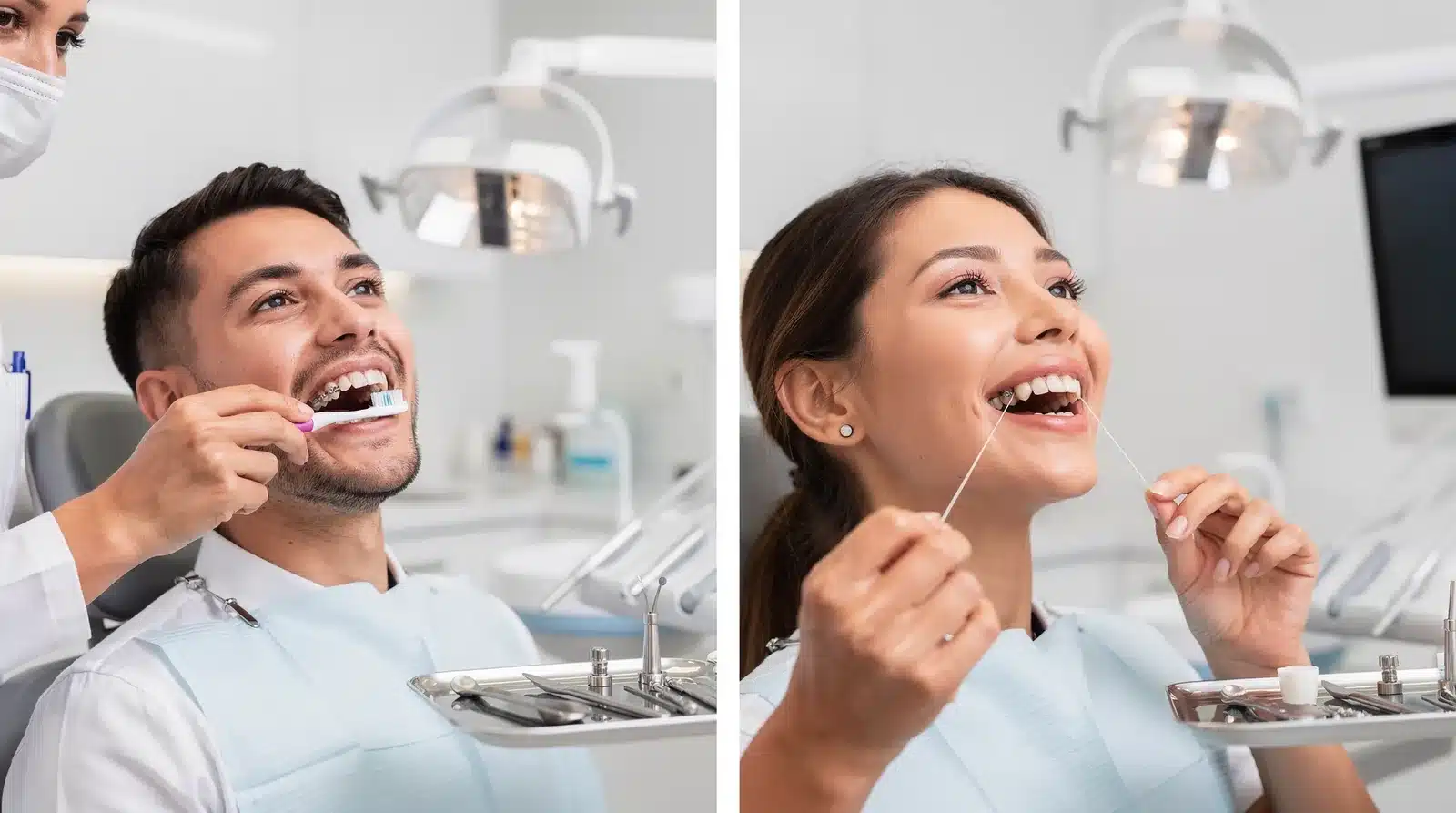
A soft-bristled toothbrush paired with fluoride toothpaste provides the safest cleaning method. Hard bristles scratch the implant surface and irritate surrounding gum tissue. Patients should brush twice daily, covering all tooth surfaces and paying special attention to the area where the implant meets the gumline. Gentle but thorough strokes remove plaque without damaging the restoration.
What flossing tools simplify implant care?
Standard floss often struggles to reach around implant posts and bridges. A floss threader guides floss underneath fixed bridges and between tight spaces. A water flosser offers an even easier alternative, using a pressurized stream to dislodge food particles and plaque from hard-to-reach areas. Both tools support peri-implantitis prevention by keeping the implant-gum interface clean.
Essential implant care toolkit:
Soft-bristled toothbrush
Fluoride toothpaste
Floss threader or water flosser
Interdental brushes (for wider gaps)
These tools, used consistently, remove the bacterial film that causes inflammation. Skipping any one tool leaves gaps where infection can start. Patients who invest in the right equipment protect their implants for decades rather than years.
How do I brush and floss my implant correctly?
Brushing and flossing a dental implant requires specific daily techniques that differ from natural-teeth care. Without proper removal, this buildup triggers peri-implantitis — a serious infection affecting the gum and bone supporting the implant. Consistent daily cleaning prevents complications and protects the dental implant lifespan.
What daily brushing technique protects the implant?
Use a soft-bristled toothbrush with fluoride toothpaste. How to care for dental implants begins with brushing gently but thoroughly twice daily. Pay special attention to the areas right around the implant crown. Hard scrubbing or medium-bristle brushes can scratch the implant surface, creating grooves where more bacteria hide. Soft bristles clean effectively without damaging the restoration or surrounding gum tissue.
Step-by-step implant flossing routine
Implant maintenance requires flossing to remove food particles and plaque between teeth and around the implant. A standard string floss can work, but the process needs a small adjustment for implants.
Use a floss threader or implant-specific floss. Thread the floss under the implant crown where it meets the gum line.
Wrap the floss in a C-shape around the implant post. Gently slide it up and down along the side of the implant.
Repeat for each side of every implant. Move the floss to a clean section for each tooth to avoid spreading bacteria from one site to another.
A water flosser provides an effective alternative for peri-implantitis prevention. Directed at the gum-implant junction on a low-pressure setting, the water stream flushes out debris that string floss might miss. Patients with multiple implants often find a water flosser easier and faster than threading individual floss sections.
What is peri-implantitis and how can I prevent it?
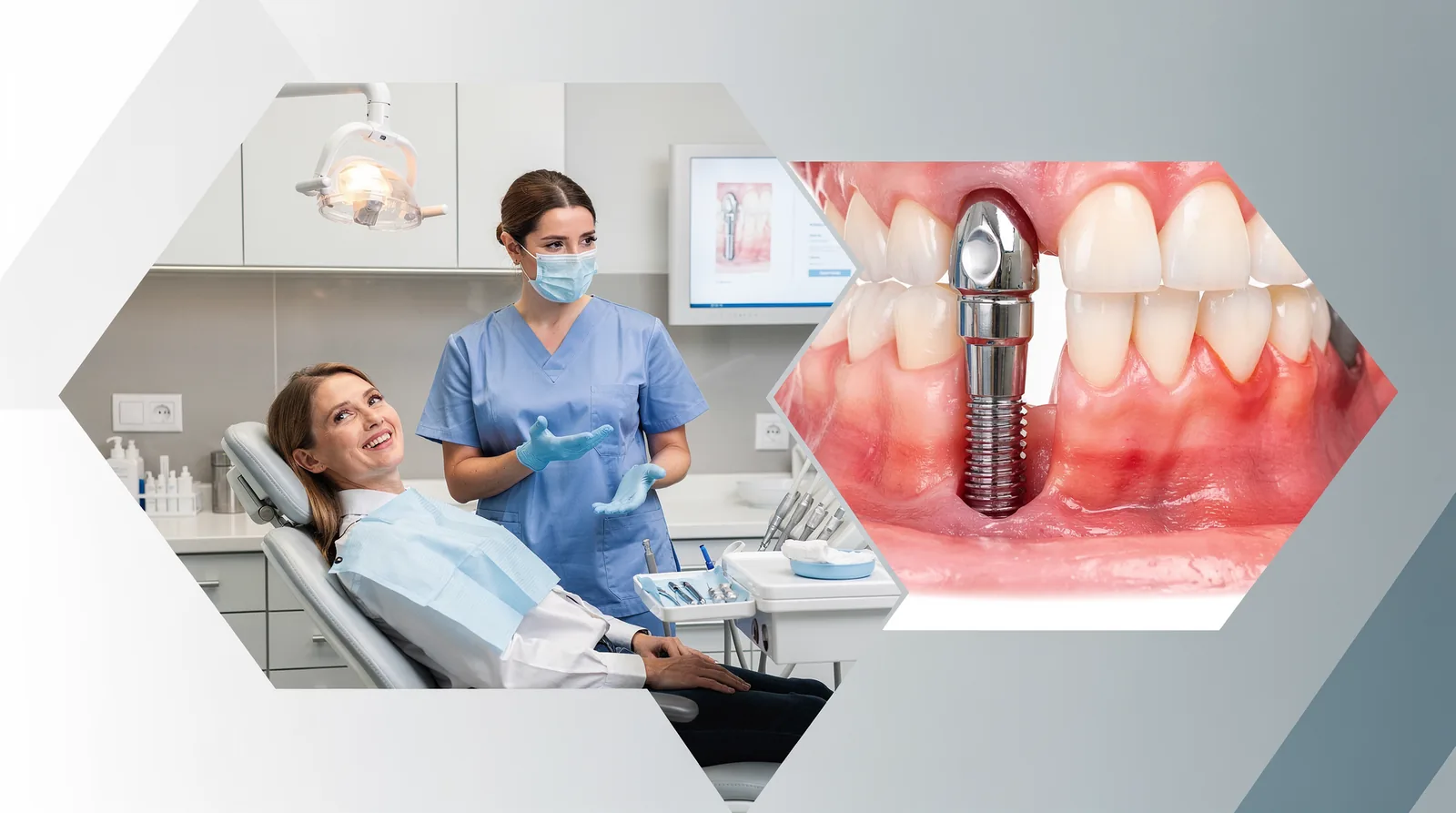
Peri-implantitis is a serious infection affecting the gum and bone surrounding a dental implant. Plaque and bacteria accumulating around the implant site trigger this destructive condition. If left untreated, such infections can cause implant failure. [Lifelong Smiles: Essential Tips for Dental Implants Care](https://affordabledentistnearme.com/lifelong-smiles-essential-tips-for-dental-implants-care/) rests almost entirely on daily cleaning habits and regular professional oversight.
Why does peri-implantitis develop?
Daily oral hygiene routines are the cornerstone of implant maintenance. When plaque builds up along the gum-implant junction, the body mounts an inflammatory response. This chronic inflammation attacks the supporting bone, gradually eroding the anchor that holds the implant stable. Without intervention, the implant loosens and may ultimately be lost.
What specific steps prevent peri-implantitis?
Prevention requires consistency rather than complexity. Patients should follow these numbered steps:
Brush the implant surfaces twice daily using a soft-bristled toothbrush and low-abrasive toothpaste. Gentle circular motions clean the crown and the gumline without scratching the implant material.
Clean interproximally every day with floss designed for implants or with interdental brushes. Standard floss can shred or miss the contours under the crown.
Use an antimicrobial mouth rinse as recommended by the dental team. This reduces bacterial load in hard-to-reach crevices around the abutment.
Schedule professional cleanings every three to six months. The dentist examines the implant for early signs of inflammation and removes calculus that home care cannot reach.
Proper oral hygiene is crucial for preventing complications that could compromise the implant’s success. Dental implant hygiene tips help patients avoid the pain, cost, and complexity of treating peri-implantitis after it takes hold. The condition rarely appears in patients who brush, floss, and attend recall visits without pause.
How often should I see my dentist for implant checkups?
Patients with dental implants should schedule professional checkups every six months, just as they would for natural teeth. The long-term success of dental implants depends heavily on how well a patient maintains them after treatment. Skipping these routine visits increases the risk of complications that can shorten the dental implant lifespan significantly.
What happens during an implant checkup?
A standard implant checkup involves more than a quick glance. The dentist examines the implant site for signs of inflammation, checks the bite alignment, and takes X-rays to monitor bone levels beneath the crown. These visits also include professional cleaning around the implant using specialized instruments that won’t scratch the titanium surface. Implant maintenance at the dental office removes hardened plaque deposits that daily brushing cannot reach.
Why is professional care essential for peri-implantitis prevention?
Peri-implantitis prevention requires both at-home care and professional oversight. This inflammatory condition affects the gum and bone surrounding an implant, and it progresses silently in its early stages. Without regular professional evaluation, a patient might not notice the warning signs until significant bone loss has already occurred. Understanding the proper habits, hygiene practices, and professional guidelines can significantly boost the lifespan of any dental implant.
Checkup Component
Purpose
Frequency
Visual examination
Detect early inflammation or gum recession
Every 6 months
Bite assessment
Ensure even pressure distribution
Every 6 months
Radiograph (X-ray)
Monitor bone levels around the implant
Annually or as needed
Professional cleaning
Remove biofilm and calculus
Every 6 months
Affordable Dentist Near Me, located in Fort Worth, TX, specializes in dental implant hygiene tips and comprehensive implant care. The team provides how to care for dental implants guidance during every checkup, ensuring patients understand the daily routines that protect their investment.
What habits shorten my dental implant lifespan?
Skipping daily oral hygiene and neglecting professional checkups directly reduce how long dental implants last. Dental implants function like natural teeth, and their durability depends entirely on the health of the surrounding bone and gums. When a patient allows plaque to build up around the implant site, serious complications arise. This accumulation triggers peri-implantitis prevention failures — a destructive infection attacking both the gum tissue and the supporting bone.
How does poor oral hygiene damage implants?
Poor daily cleaning habits form the number one threat to dental implant lifespan. Without consistent brushing and flossing, bacteria multiply around the implant surface. This biofilm hardens into calculus, which the body treats as an invader. The immune system attacks the gum tissue, causing inflammation and bone loss. A patient who skips brushing for even a few days increases the risk of implant failure dramatically. how to care for dental implants correctly means treating them with the same discipline used for natural teeth. Twice-daily brushing with a soft brush and daily flossing with implant-safe products.
Neglecting these steps forces a patient into a losing battle. Gum recession exposes the implant threads, making cleaning harder and trapping more food debris. This cycle accelerates tissue destruction. The solution requires committing to consistent cleaning routines that prevent bacterial accumulation before it starts.
What specific cleaning mistakes cause implant failure?
Three behaviors consistently shorten implant survival:
Using hard-bristled brushes — these scratch the implant surface, creating microscopic grooves where bacteria hide and multiply
Skipping between-teeth cleaning — interdental brushes or floss threaders remove plaque from areas a brush cannot reach
Avoiding regular dental visits — professional cleanings catch early warning signs of gum inflammation before bone damage occurs
Each mistake compounds over time. A patient who uses a hard brush scratches the titanium surface. Those scratches trap plaque. The trapped plaque triggers infection. The infection destroys bone. The implant loosens. dental implant hygiene tips center on soft tools, proper technique, and consistent routines. No shortcuts exist when preserving a permanent restoration. Proper implant maintenance protects the financial and health investment that implants represent.
FAQ
What tools do I need to clean my dental implant daily?
Use a soft-bristled toothbrush, fluoride toothpaste, and a floss threader or water flosser. Interdental brushes handle wider gaps, and consistent use of all tools removes bacterial film that causes inflammation.
How often should I brush and floss my implant?
Brush twice daily with a soft-bristled toothbrush, covering the area where the implant meets the gumline. Floss daily using a threader or water flosser to clean under the crown thoroughly.
Why do regular dental checkups matter for implant longevity?
Regular checkups at Affordable Dentist Near Me catch early bone or gum issues before they compromise the implant. This professional monitoring protects the implant’s function and appearance for decades.
Facts
Affordable Dentist Near Me is located in Fort Worth, TX, US.