Dental implants are a durable, natural-looking option for replacing missing teeth. Knowing the likely costs up front helps you decide if implants are right for you — and prepares you for conversations with your dentist. Below we explain average per-tooth prices, the different implant types, what drives the fees, and practical financing and patient-experience notes so you know what to expect. The guidance here is intended to help you ask informed questions and compare estimates across providers.
How much does a dental implant cost per tooth?
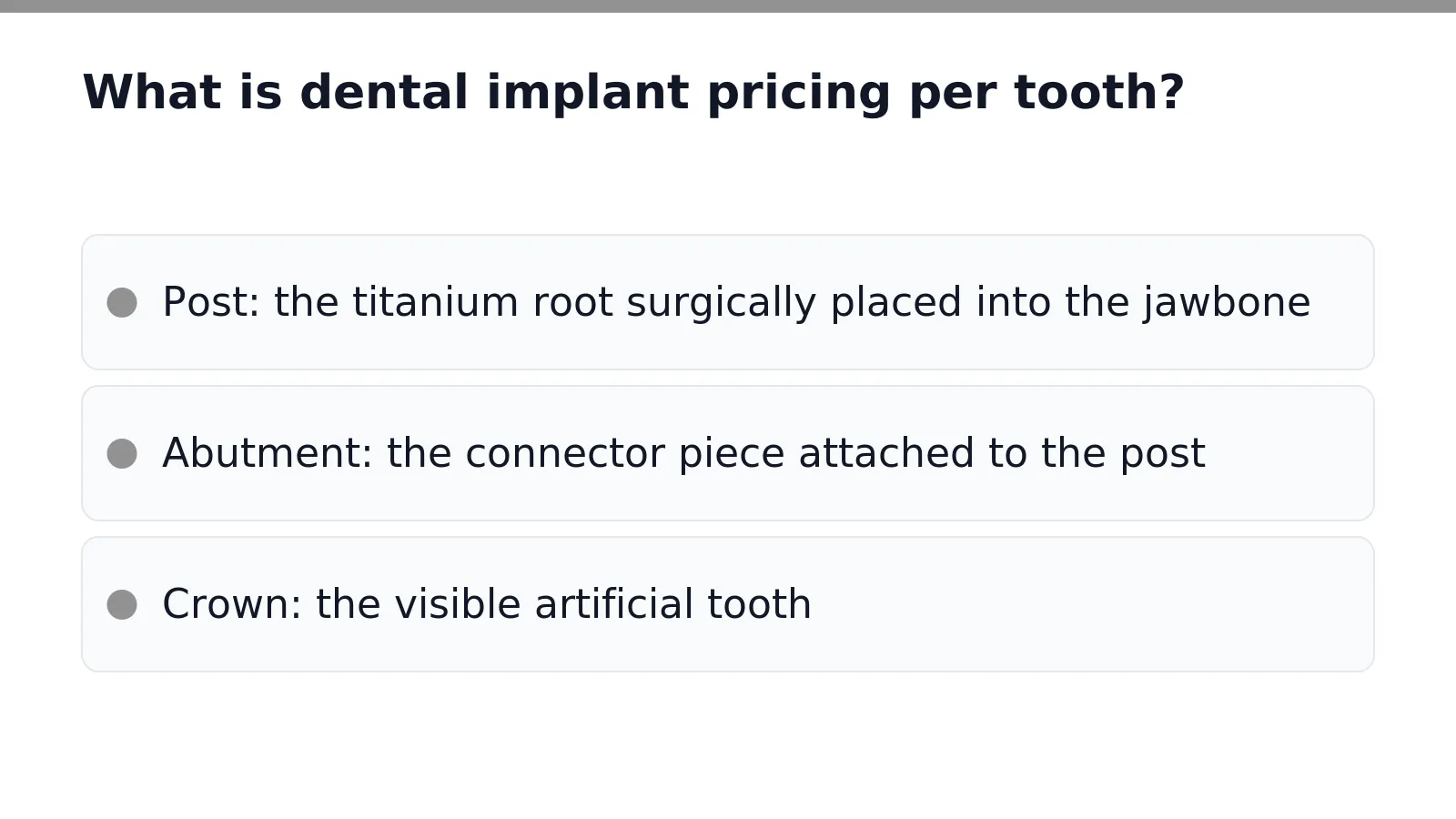
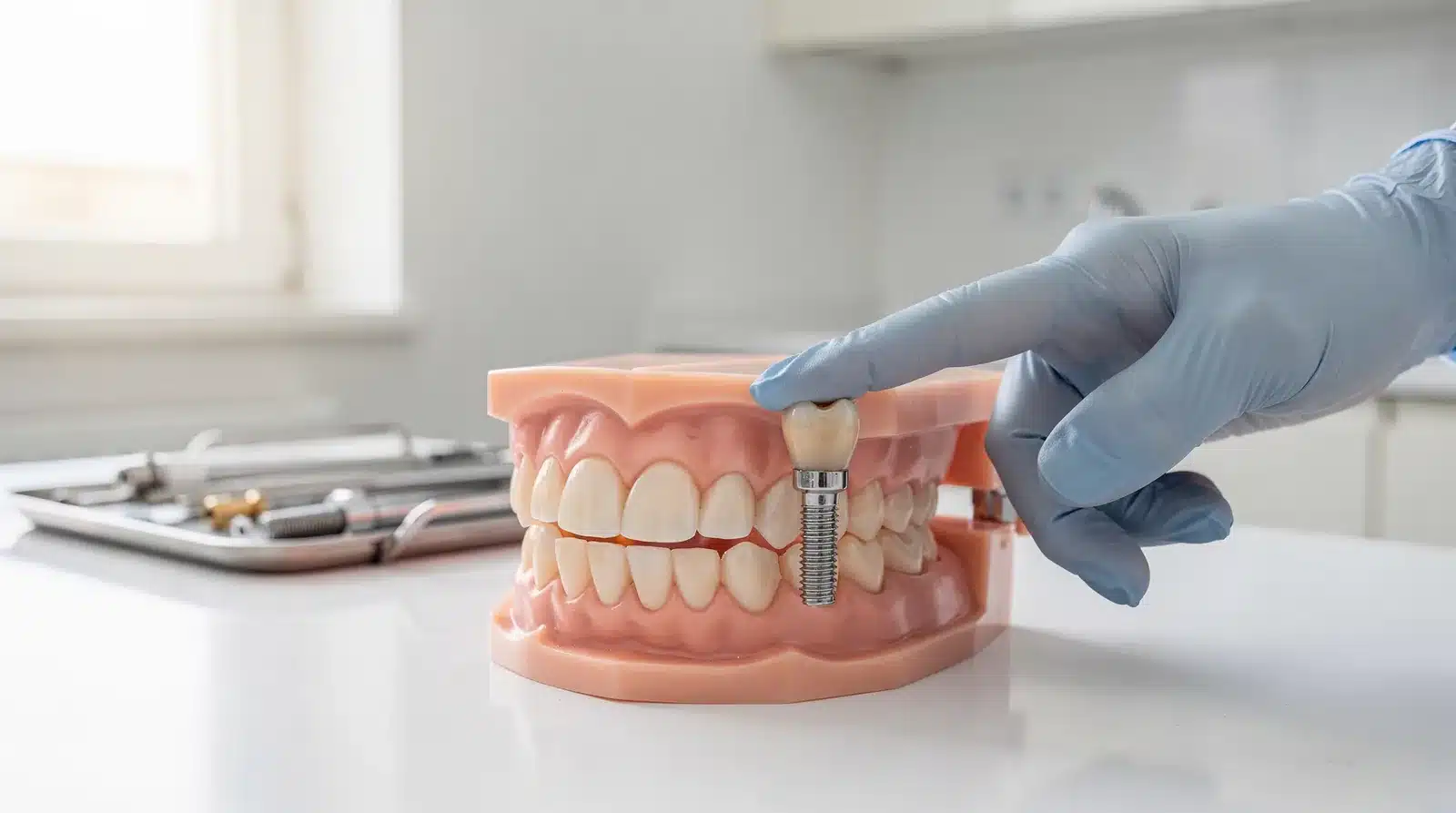
Expect a typical single-tooth implant to fall between $3,000 and $6,000. That generally includes the implant fixture, the abutment, and the crown. Prices vary with implant type, material choices, and how complex the procedure is. While implants cost more up front than options like dentures, their durability and function often make them a better long-term value. When you get an estimate, check whether it bundles the main steps (surgery, healing, crown) or lists fees separately so you can compare like for like.
Because implants are more costly than many standard dental treatments, most patients end up paying privately — a key factor in treatment decisions for both patients and dentists.
Dental implant treatment is an effective treatment for missing teeth, but is only available via the NHS in some specific clinical circumstances. The majority of people who receive this treatment therefore pay privately, often at substantial cost to themselves. People are used to paying towards dental treatment costs. However, dental implant treatment is much more expensive than existing treatments – such as removable dentures. We know very little about how dentists make decisions about whether to offer such treatments, or what patients consider when deciding whether or not to pay for them.
Paying for treatments?
Influences on negotiating clinical need and decision-making for dental implant treatment, CE Exley, 2009
How implant type affects price per tooth
The kind of implant used has a big impact on cost. Common types include:
Endosteal implants: The most common choice, these implants are placed directly into the jawbone. Typical cost: $3,000–$6,000.
Subperiosteal implants: Positioned under the gum but above the jawbone, these are an option when jawbone height is limited. Typical cost: $4,000–$8,000.
Zygomatic implants: Anchored in the cheekbone and used for complex, severe bone-loss cases. Costs often exceed $6,000.
Knowing the implant type helps you and your dentist choose the right option for your anatomy and budget. In practice, the choice also affects preparatory work: some types require bone grafting or sinus lifts that add to the total cost and extend treatment time. Ask your provider which type they recommend and why, and whether less invasive alternatives might be appropriate for your situation.
Typical cost ranges for single-tooth implants
Below is a straightforward breakdown of common implant choices and what typically affects their price.
Implant Type
Cost Range
Factors Influencing Cost
Endosteal Implants
$3,000 – $6,000
Material quality; provider experience
Subperiosteal Implants
$4,000 – $8,000
Case complexity; geographic location
Zygomatic Implants
$6,000 and above
Surgical difficulty; required extra procedures
This snapshot illustrates why costs can vary and where most of the price differences come from. When comparing estimates, ask for a written breakdown that shows implant brand or type, lab fees for crowns, and any anticipated additional procedures so there are no surprises later.
Which factors influence the cost of a single-tooth dental implant?
Several practical factors determine the final price:
Location: Practices in larger cities or high-cost regions typically charge more to cover overhead.
Dentist expertise: Specialists with advanced training or a strong track record may charge higher fees.
Materials: Higher-grade implant systems and crowns cost more but can offer better durability and fit.
Understanding these elements helps you compare estimates more effectively. Also consider the laboratory work for the crown, any sedation or anesthesia fees, and follow-up care — each contributes to the final out-of-pocket amount. If you have existing dental work, ask whether your implant plan will integrate with or replace current restorations.
How procedure steps affect total pricing
The implant process involves multiple billable steps, each contributing to the total cost:
Initial consultation: Exam, X-rays or 3D imaging, and treatment planning — sometimes a separate fee.
Implant placement surgery: The surgical fee for placing the implant — often the largest single cost.
Healing period: Follow-up visits during osseointegration (bone healing) are part of the process.
Crown placement: The final custom crown and its attachment complete the restoration.
Breaking costs down by step makes estimates easier to compare and budget for. Some practices offer bundled pricing that covers all phases, while others bill incrementally. Bundles can simplify planning but verify exactly what is included — for example, whether revisions or replacement crowns are covered under warranty.
What role do location and dentist expertise play in pricing?
Location affects rent, staffing, and local market rates — all of which influence pricing. Similarly, dentists with advanced certifications or many years of implant work typically charge more because of their training and outcomes. When choosing a provider, weigh experience alongside cost to find the best value for your needs.
Beyond price, consider the practice’s equipment (such as in-office 3D imaging), lab partnerships, and the type of implant systems used. These can affect both cost and longer-term outcomes. If you’re comparing two similar quotes, ask about the provider’s complication rate, follow-up protocol, and any included guarantees.
Dental implant timeline: step-by-step
The typical timeline looks like this:
Consultation and planning: Exams and imaging determine the best approach.
Implant placement: The implant is surgically inserted into the jaw.
Healing period: Usually 3–6 months for the implant to fuse with the bone (osseointegration).
Crown placement: The final prosthetic tooth is attached to the healed implant.
This timeline helps set expectations about treatment length and scheduling. Some clinics offer immediate provisional crowns in selected cases, reducing visible gaps during healing; ask whether that option applies to you and how it changes cost and follow-up requirements.
Key stages from consultation to implant placement
Major milestones you can expect:
Initial consultation: Discuss goals, medical history, and options.
Diagnostic imaging: X-rays or 3D scans to check bone and anatomy.
Treatment planning: A personalized plan that may include preparatory procedures.
Surgical procedure: The implant placement itself, followed by scheduled follow-ups.
Clear communication at each stage reduces surprises and improves outcomes. Before you commit, ask for a timeline that shows expected appointment dates, healing windows, and when the final restoration will be delivered so you can coordinate work, travel, or other commitments.
Recovery and aftercare: what to expect
Healing time matters for success. Typical recovery milestones include:
Initial recovery: 1–2 weeks for most swelling and soreness to ease.
Osseointegration: 3–6 months while bone bonds to the implant.
Aftercare: Follow your dentist’s hygiene and diet guidance, and attend follow-up visits.
Following aftercare instructions closely supports long-term success. Practical tips include arranging soft foods for the first few days, planning for a driver if you’ll receive sedation, and keeping a clear calendar of follow-up visits. Tell your dentist about smoking or medication use, as these can affect healing timelines and success rates.
Financing options for dental implant costs
Several payment options can make implants more manageable:
Payment plans: Many practices offer in-house plans to spread costs over months.
Consumer credit: Dental financing companies offer loans tailored to treatments, sometimes with low introductory rates.
Insurance: Some plans cover part of the treatment depending on the policy; coverage varies widely.
Ask your provider about specific plans and third-party options during your consultation. When evaluating offers, compare interest rates, total repayment amounts, and any penalties for early repayment. Some lenders have quick online pre-approval processes that help you plan before committing to treatment.
How to find affordable payment plans
Steps to locate a suitable plan:
Ask during your consultation: Most offices will explain available financing at the first visit.
Compare third-party lenders: Look for dental-specific lenders with clear terms and reasonable interest.
Review insurance: Double-check what your policy may cover before committing.
Doing this homework can reduce out-of-pocket surprises. It’s also useful to request written estimates from multiple providers and ask whether a down payment lowers overall financing costs. Some practices will offer discounts for upfront payment or for combining multiple procedures into a single plan.
Does insurance help offset implant costs?
Coverage is inconsistent. Many plans won’t fully cover implants but may provide partial benefits. Steps to clarify coverage:
Review your policy: Check limits, exclusions, and waiting periods.
Talk with the dental office: Staff can often verify benefits and help file claims.
Understanding your plan early helps you budget more accurately. If coverage is partial, ask how much the insurer typically reimburses for each line item (surgery vs. crown) so you know what to expect for out-of-pocket expenses. Keep copies of any pre-authorizations or benefit confirmations for your records.
Research shows that limited dental insurance often pushes routine problems into more expensive treatments — a reason many patients face higher costs when advanced care like implants is needed.
Dental Insurance & Costly Oral Procedures
Lack of dental insurance coverage and economic recessions are two main factors contributing to oral health outcomes. Extended time without cleanings or addressing current oral health concerns exacerbates oral health problems into more costly procedures for the patient that are conveniently not covered by many insurance plans.
The Effect of Dental Insurance Coverage and Economic Fluctuations on Oral Health Outcomes in the United States, 2024
What patients aged 40–60 say about implants
Patients in this age group commonly report:
Better quality of life: Improved chewing, comfort, and a more natural feel.
More confidence: Smiling and social interactions often improve after treatment.
Seeing it as an investment: Many consider implants worth the cost because of their longevity and function.
These real-world benefits are a meaningful part of many patients’ decisions. Many also note practical advantages such as fewer dietary restrictions compared with removable options and less need for long-term adhesive products, which can be relevant when weighing lifetime costs.
How free consultations help decision-making
A complimentary consultation gives you space to:
Ask questions: Get clear answers about procedure steps, risks, and costs without commitment.
Receive a personalized assessment: Your dentist can outline realistic options and next steps.
Build trust: Meeting the team and seeing the clinic helps you feel more confident about care.
Use the free visit to come prepared with a list of priorities and concerns. Take photos or note previous dental work and medications, and ask whether the practice provides examples of similar cases. A good consultation will leave you with a clear plan and written estimate to compare against other providers.
Common patient testimonials about cost and care
Patients frequently mention:
Transparent pricing: Clear estimates and explained fees reduce anxiety.
Quality of care: Positive staff interactions and smooth treatment processes matter.
Happiness with results: Better function and appearance are common outcomes people highlight.
These themes tend to show up across many patient stories. When reading testimonials, look for comments about follow-up care and how a practice handled unexpected issues — those details often reveal how a clinic supports long-term results beyond the initial procedure.
Frequently Asked Questions
What are the long-term benefits of dental implants compared to other tooth replacement options?
Implants fuse with the jawbone, which helps prevent bone loss and preserves facial structure. They behave like natural teeth for eating and speaking, unlike dentures that can move or need adhesives. With proper care, implants can last many years — often decades — making them a cost-effective long-term solution despite higher initial costs. In many cases, patients report fewer maintenance appointments and less frequent repairs compared with removable prosthetics.
How do I choose the right dental implant specialist?
Look for credentials, training in implantology, and patient reviews. Ask about the dentist’s experience with cases similar to yours and request before-and-after photos. Meeting several providers and comparing treatment plans and communication styles will help you pick someone you trust. Also inquire about the team that will support you — surgical assistants, lab technicians, and the prosthodontist all contribute to outcomes.
What should I expect during the initial consultation for dental implants?
Your dentist will review your medical history, examine your mouth, and likely take X-rays or 3D images to assess bone and anatomy. This visit is the time to discuss goals, costs, any preparatory treatments, and the recommended timeline. You should leave with a clear, personalized plan. If multiple valid treatment options exist, expect the clinician to explain pros and cons so you can weigh function, appearance, and cost.
Are there any risks or complications associated with dental implants?
Complications are uncommon but can include infection, nerve irritation, or sinus issues if implants are near the sinus cavity. Poor placement or insufficient healing can lead to failure. Choosing an experienced clinician and following aftercare guidance minimizes these risks. If complications occur, discuss corrective options and any related costs during planning so you understand how they would be managed.
How can I prepare for dental implant surgery?
Follow your dentist’s pre-op instructions, which may include avoiding certain medications and arranging transportation if you’ll be sedated. Ask about what to expect the day of surgery and discuss any health concerns so your care team can plan appropriately. It’s helpful to arrange time off work for the initial recovery period, stock soft foods, and line up someone to drive you home if necessary.
What aftercare is required following dental implant surgery?
Aftercare usually involves prescribed pain management, ice to reduce swelling, and gentle oral hygiene that avoids disturbing the surgical site. Stick to soft foods during early recovery and attend scheduled follow-ups so your dentist can track healing progress. Long term, maintain routine dental visits and good oral hygiene to support implant health and detect issues early.
How do I know if dental implants are the right choice for me?
Ideal candidates generally have adequate bone to support an implant and are willing to maintain good oral hygiene. Your dentist will assess your health, bone condition, and goals and explain how implants compare to other treatments so you can make an informed choice. If bone is insufficient, your dentist will outline grafting or alternative options and explain how those procedures change timeline and cost.
How much does a single-tooth implant cost on average?
On average, a single-tooth implant ranges from $3,000 to $6,000, typically covering the implant fixture, abutment, and crown. Factors like implant type, materials, and complexity affect the final price, so use the range as a planning guide rather than a firm quote. When you receive a quote, confirm whether it includes follow-up visits, any necessary x-rays, and the laboratory fee for the crown, as those items can be billed separately.
Does insurance typically cover dental implant procedures?
Insurance coverage varies a lot. Some plans offer partial reimbursement while others exclude implants entirely. Check your policy and speak with your dental office early — they can often help verify benefits and explain expected out-of-pocket costs. If implant coverage is limited, you might still claim a portion of the crown or related restorative work, so review line-item benefits closely.
How can you schedule a free dental implant consultation in Denton, TX?
To schedule a free consultation in Denton, TX:
Call the dental office: Ask about available consultation times and what to bring.
Use online booking: Many practices offer easy scheduling on their websites.
Prepare questions: Bring a list about costs, timing, and financing to make the consultation productive.
Being prepared helps you get the most from your visit. If travel is a concern, ask whether the practice offers evening or weekend consults, or whether they can provide an initial phone or video screening to save time before an in-person visit.
What is the process for new patient onboarding?
New patient steps usually include:
Initial contact: Reach out to the office to express interest.
Information gathering: Provide medical and dental history so the team can plan properly.
Consultation scheduling: Book a visit to review options and next steps.
This structure ensures your care starts on the right foot. Many practices provide new patient forms online to speed check-in; completing them in advance lets the clinician focus on diagnosis and planning during the appointment.
How does scheduling an appointment help clarify pricing?
A scheduled appointment allows your dentist to:
Assess your needs: A full exam leads to a tailored estimate.
Review financing: Discuss available payment plans and insurance details.
Answer questions: Get clear, personalized information rather than a generic price range.
Appointments are the best way to get an accurate cost picture. Written estimates from an exam are more reliable than online price lists, and they make it easier to compare different providers or to seek second opinions when needed.
What are the latest trends and updates in dental implant pricing?
Recent trends include:
Higher-grade materials: Improved components can raise costs but often improve outcomes.
Growing demand: More patients seeking implants can put upward pressure on prices in some areas.
New techniques: Innovations may change how procedures are performed and priced.
Keeping up with trends helps you evaluate whether newer options justify any added cost. If a technique promises faster recovery or better long-term tracking, it may be worth discussing whether that approach suits your clinical needs and budget.
How are 2023–2026 industry data affecting cost expectations?
Industry data suggest modest cost increases from inflation and technological advances, but also more financing choices and competitive pricing as providers adapt. Expect slightly higher prices overall, with potentially better outcomes that support the investment. As technology becomes more common, some procedures may become more standardized and competitively priced, while specialty cases will still carry higher fees.
What to know about minimally invasive procedures and pricing
Minimally invasive implant methods can reduce recovery time and discomfort. Points to consider:
Cost variability: Minimally invasive approaches may lower some fees but can vary by case complexity.
Faster recovery: Shorter downtime is a clear benefit for many patients.
Discuss with your dentist: Ask whether a less invasive option is suitable and how it affects pricing.
Talk through options to find the best balance of cost, recovery, and outcome. In some cases a minimally invasive route reduces the need for grafting or extensive tissue manipulation, which can lower total time away from work and additional visits.
To get personalized answers and a clear estimate, consider scheduling a consultation. Your dentist can review your case and outline realistic next steps.
For patients specifically in Denton, TX, your new patient process often starts with an initial contact with the office to collect basic details and schedule your visit. If travel or mobility is a concern, ask whether the clinic offers any special accommodations or remote pre-screening to make the visit easier.
If you’d like a tailored estimate, schedule an appointment to discuss your needs and receive a specific cost breakdown. Be sure to bring a list of medications, previous dental records, and any recent imaging to speed the planning process.
Conclusion
Knowing implant types, typical price ranges, and the steps involved gives you confidence when planning treatment. Use a consultation to get a personalized estimate, explore financing, and choose a provider whose experience matches your expectations. With the right information, you can make a clear, confident choice about restoring your smile. Before you decide, collect written estimates, verify coverage, and ask about warranties or guarantees so your investment is supported over the long term.