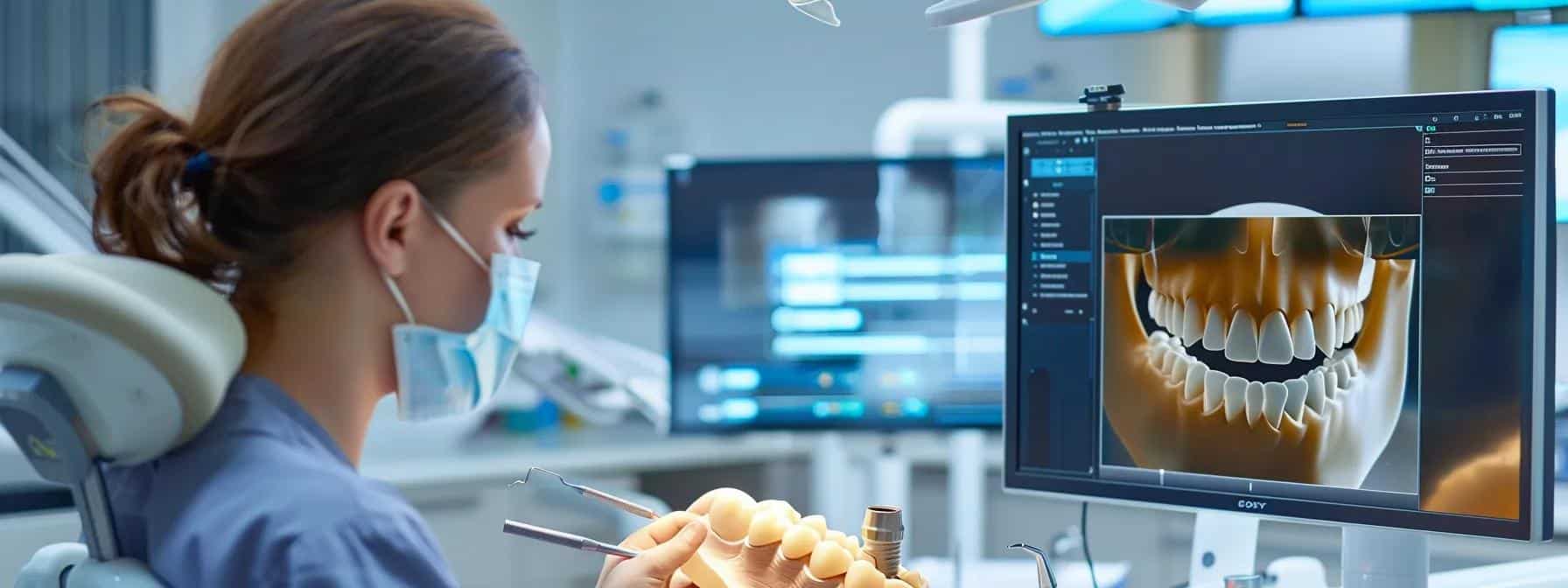
Dental implants are engineered for long-term permanence but depend on several critical factors including jawbone health, proper osseointegration, and excellent oral hygiene.
The longevity of implants is influenced by surgical technique, material quality, patient lifestyle, and regular professional maintenance.
Understanding osseointegration and potential challenges, such as peri‐implantitis, is essential for ensuring durable results.
Patients in Mansfield and similar communities can achieve long-lasting results through consultation, advanced techniques, and tailored aftercare programs.
Defining the Longevity of Dental Implants
Dental implants are widely marketed as a permanent solution for missing teeth, but their longevity depends on multiple factors that interplay over time. Typically, dental implants are designed to last several decades, and with proper care, many patients experience implant survival rates of 90–95% over 10 to 15 years. However, permanence does not equate to invulnerability—ongoing care, professional maintenance, and the patient’s overall health substantially affect outcomes. Research published by the American Dental Association indicates that while implants are very durable, they require commitment to good oral hygiene and regular dental exams.
Typically, lifespan expectations for implants are not standardized because each patient’s situation is unique. According to clinical studies, the average implant in healthy patients with good bone density can function without complications for over 20 years. Comparatively, dentures and bridges may require more frequent replacement or adjustments, making implants a preferable long-term solution when successful osseointegration occurs. The concept of “lifetime” in relation to dental implants is tied to factors such as the quality of the implant material, the precision of the surgical procedure, and the natural regenerative capacity of the jawbone.
Success rates for dental implants have improved with technological advancements and refined surgical techniques. Data from recent studies often show survival rates above 90% after a decade, particularly when implants are installed by experienced Mansfield dentists with expertise in periodontology and prosthodontics. Therefore, while the term “permanent” is often used in marketing, the real longevity of dental implants is ultimately determined by the interplay of patient-specific factors and professional aftercare. Maintaining the health of the surrounding bone and soft tissue is paramount, and early detection of any complications can help preserve the longevity of the implant even further.
Key Factors Determining Dental Implant Permanence
Determining the permanence of dental implants involves evaluating several key factors that ensure the continued success and stability of the implant over time. One primary determinant is the health and density of the patient’s jawbone. A densely structured bone supports an implant more effectively and allows for robust osseointegration—the process where the bone fuses to the implant surface. Patients with adequate bone density and proper alignment have a significantly higher implant survival rate compared to those who suffer from bone loss or periodontal disease.
Oral hygiene plays an equally essential role; poor oral care can compromise implant integration and lead to complications such as peri‐implantitis—a bacterial infection that affects the gum and bone tissue around the implant. Regular brushing, flossing, and dental cleanings are non-negotiable for preserving the implant’s condition. Other lifestyle choices such as smoking, diet, and even bruxism (teeth grinding) can also impact the longevity of the implant, as these factors affect the overall oral environment and bone remodeling processes.
Another crucial aspect is the quality and design of the implant components themselves. Modern implants are typically made of high-grade titanium that is both biocompatible and resistant to corrosion. Advanced designs that incorporate smartpegs and optimized surface textures improve the rate of osseointegration and provide better load distribution, reducing the risk of mechanical failure. Moreover, the skill and experience of the dental implant surgeon are irreplaceable. Surgeons in Mansfield who specialize in dental implants bring not only technical expertise but also experience in handling complex cases, ensuring that each implant is placed under optimal conditions for long-term success.
Furthermore, the material quality, including the crown or abutment, directly affects the appearance and function of the implant. With advancements in digital scanning technology and precise surgical guides, dental implants are now more accurately placed, aligning perfectly with natural occlusion and reducing undue stress on the implant. In summary, achieving permanent dental implants depends on a combination of patient health, professional expertise, and the technological sophistication of the implant system used.
Osseointegration the Foundation of Permanent Dental Implants
Osseointegration is a critical process that fundamentally determines how well dental implants become permanent parts of the oral structure. Simply defined, osseointegration is the natural process through which a dental implant fuses with the jawbone, creating a stable and long-lasting foundation that mimics natural tooth roots. The first stage of this process involves the surgical placement of the implant, followed by a healing period during which the bone cells grow around the implant threads. This fusion not only stabilizes the implant but also supports the adjacent teeth and gums.
The healing and integration process typically takes several months, during which time the bone gradually remodels and tightly adheres to the surface of the titanium implant. Scientific studies have shown that successful osseointegration is associated with reduced levels of inflammation, enhanced load distribution, and overall improved implant stability. Factors such as bone density, patient age, and underlying health conditions can significantly impact the speed and effectiveness of osseointegration. For many patients, the success of this process is the single most important determinant of the implant’s longevity.
Certain conditions like diabetes, osteoporosis, or even the chronic use of certain medications (for example, bisphosphonates) may hinder effective osseointegration, subsequently impacting the implant’s long-term success. To mitigate these risks, pre-surgical assessments such as bone density scans (using advanced imaging modalities like the ELos Scanbody) are critical. In cases where bone loss is detected, grafting procedures may be recommended to augment the deficient area, thereby enhancing the potential for successful integration.
Additionally, ensuring strong bone fusion entails not just the surgical technique but also post-operative care. Patients need to adhere to strict dietary guidelines and avoid excessive pressure on the implant during the initial healing period. Regular follow-up visits with a Mansfield dentist help in monitoring the integration process and detecting any early signs of potential complications. In this way, osseointegration remains the biological bedrock that enables dental implants to function similarly to natural teeth for many years.
Maintaining Your Dental Implants for Enduring Results
Long-lasting dental implants require a proactive maintenance regimen both at home and through regular professional checkups. At the most basic level, essential at-home care for dental implants includes thorough brushing, flossing, and the use of adjunctive tools such as interdental brushes or water flossers. These daily practices help keep harmful bacteria at bay and reduce the risk of plaque buildup, thus preventing complications like peri‐implantitis. The use of non-abrasive toothpaste is also recommended to protect the delicate surface of the implant and its surrounding tissue.
Beyond at-home hygiene, professional cleanings and checkups are key to sustaining the health of dental implants. Routine visits with a Mansfield dental care provider allow for early detection of potential issues such as inflammation, gum recession, or soft tissue problems. These appointments typically include a thorough examination and specialized cleaning procedures that target deposits around implant fixtures. Advanced technologies, such as smart imaging systems, may be used to monitor implant integrity and ensure that no hidden complications are developing.
It is also vital for patients to recognize early signs of dental implant problems. Unusual symptoms such as persistent pain, prolonged bleeding after brushing, or swelling around the implant site should prompt immediate consultation with a dental professional. Early intervention can prevent minor issues from escalating into serious complications. Additionally, protecting dental implants from accidental damage—such as by wearing a custom-made mouthguard during sports—can further safeguard their longevity.
Furthermore, lifestyle modifications like reducing tobacco use and moderating alcohol consumption contribute to a healthier oral environment. Regular communication with a dental care provider can help tailor a maintenance plan that addresses the individual needs of each patient, ensuring that implants continue to perform reliably. Preventative measures combined with active regular care not only help maintain the physical stability of dental implants but also enhance the overall confidence patients experience in their smile and oral function.
Potential Challenges to the Permanence of Dental Implants
Despite the high success rates of dental implants, several challenges may compromise their permanence. One of the most serious complications is peri‐implantitis, an inflammatory condition that affects the soft and hard tissues surrounding the implant. This condition, largely attributed to bacterial infection and poor oral hygiene, can lead to bone loss and eventual implant failure if not addressed promptly. Early detection and treatment, which may include antibiotic therapy or even surgical intervention, are essential to safeguard the longevity of the implant.
Mechanical failures can also occur over time. Implant parts such as the abutment or crown may fracture or wear down due to repeated stress, especially if the bite force is unevenly distributed. This wear can necessitate repair or replacement to restore function and aesthetics. In some instances, patients might experience looseness of the implant fixture, which indicates that the osseointegration process has been compromised. In such scenarios, corrective measures are required to stabilize or replace the implant to prevent further complications.
Another potential challenge lies in the patient’s systemic health conditions. Diseases like uncontrolled diabetes, autoimmune disorders, or even severe osteoporosis can hinder the healing process and impair the bone’s ability to support the implant long-term. Medications that affect bone metabolism, such as certain antiresorptive drugs, may also pose risks by inhibiting adequate osseointegration. With such complexities, comprehensive pre-surgical evaluations that include a detailed medical history, bone density measurements, and other diagnostic tests become critical.
Addressing failed dental implants becomes equally important. In cases where implants have not integrated successfully, alternatives such as a new implant procedure, grafting techniques, or even different types of prostheses may be considered. Advances in implant technology have provided solutions for cases of failed implants, ensuring that patients can still achieve acceptable outcomes even if the initial treatment does not endure. In Mansfield and other communities, patients benefit from experienced implant surgeons who can adeptly manage these potential setbacks with state-of-the-art techniques and materials.
Achieving Long-Lasting Dental Implants in Mansfield
Achieving permanent dental implants in Mansfield requires an integrative approach that combines comprehensive diagnostic assessments, advanced surgical techniques, and ongoing patient follow-up. The initial consultation plays a critical role in determining the suitability of the patient for implant surgery. During this consultation, a Mansfield dentist thoroughly reviews the patient’s medical and dental history, performs clinical and radiographic examinations of the jawbone, and discusses potential risks and benefits. This in-depth evaluation ensures that the implant treatment plan is customized to the individual’s unique oral health conditions.
The consultation process in Mansfield typically involves discussions about advanced techniques and modern technology used during implant placement. Digital imaging, computer-guided surgery, and precision instruments ensure that implants are positioned optimally for both aesthetic appeal and functional performance. For instance, techniques such as All-on-4 or All-on-6 allow for the rehabilitation of entire dental arches with fewer implants, providing a cost-effective and time-efficient solution. These state-of-the-art procedures not only enhance the success rate of implants but also cater to patients seeking minimal downtime and immediate function.
After the surgical procedure, aftercare and support are vital for ensuring continued implant success. Patients in Mansfield are advised to adhere to a strict post-operative care regimen that includes dietary modifications, oral hygiene protocols, and scheduled follow-up appointments. These appointments are crucial for monitoring the healing process, adjusting any occlusal discrepancies, and managing any initial complications before they affect long-term outcomes. Most modern dental clinics in Mansfield offer customized aftercare packages and patient education programs that emphasize the importance of self-care and preventive maintenance.
Additionally, patient experiences in Mansfield indicate that those who actively participate in aftercare tend to enjoy significantly longer implant survival times. Testimonials often highlight the relief of eating comfort, improved aesthetics, and enhanced self-confidence as long-term benefits of well-maintained dental implants. Choosing the right provider for implant treatment is imperative; patients should seek out clinics that offer free consultations, flexible financing options, and proven success rates. With these support systems in place, dental implants in Mansfield can offer enduring results that closely resemble the function and appearance of natural teeth.
Frequently Asked Questions
Q: How long do dental implants usually last? A: Dental implants are engineered to last for several decades when proper care is maintained. Studies suggest that in healthy individuals, implant survival rates can be as high as 90–95% over 10 to 15 years, with many implants functioning effectively for over 20 years. Longevity largely depends on factors such as jawbone density, surgical technique, and diligent oral care.
Q: What is osseointegration and why is it important? A: Osseointegration is the process by which the jawbone fuses with the titanium implant surface, providing stable support similar to natural tooth roots. This process is essential for implant permanence because it ensures the implant is firmly anchored, which minimizes the risk of movement or failure during chewing or other activities. A successful integration process leads to a durable and reliable implant.
Q: What are some maintenance tips to keep dental implants healthy? A: Maintaining healthy dental implants involves a dedicated oral hygiene routine that includes regular brushing and flossing, as well as periodic professional cleanings. Patients should avoid abrasive toothpaste and use interdental brushes or water flossers to clean around the implant area. Regular dental check-ups are critical for early detection of any signs of peri‐implantitis or mechanical wear, helping to protect the implant over time.
Q: Can lifestyle choices affect the longevity of dental implants? A: Yes, lifestyle factors such as smoking, poor diet, and inadequate oral hygiene can adversely affect dental implant longevity. Smoking, in particular, can impair bone healing, while high-sugar diets may increase the risk of gum inflammation and bacterial growth. Maintaining a healthy lifestyle with proper nutrition, regular exercise, and diligent oral care can significantly boost the survival rate of implants.
Q: What causes dental implant failure? A: Implant failure can result from several factors including poor osseointegration, peri‐implantitis (an infection around the implant), mechanical failure of the prosthetic components, or systemic health conditions like uncontrolled diabetes. Inadequate surgical technique or insufficient bone density can also contribute to failure. It is important to address any issues promptly with the help of an experienced dental professional to mitigate these risks.
Q: Is there a free consultation available for dental implants in Mansfield? A: Yes, many dental practices in Mansfield offer free initial consultations to help potential patients determine their suitability for dental implants. During this consultation, the dentist assesses the patient’s oral health, discusses treatment options, and explains financing options, making it easier for patients to plan their treatment without immediate financial commitment.
Final Thoughts
Dental implants represent a long-term solution for individuals seeking to restore their smile and regain full oral function. Their purported permanence is supported by modern surgical techniques, robust implant designs, and the critical process of osseointegration, which together ensure implants can serve effectively for decades. However, the true longevity of an implant is contingent upon proactive maintenance, professional care, and healthy lifestyle habits. Patients in Mansfield and similar communities should take advantage of free consultations and personalized treatment plans to ensure that they receive optimal care that meets both functional and aesthetic needs while enjoying the benefits of a renewed smile.