Understanding Dental Implant Longevity: How Long Can You Expect Dental Implants to Last?
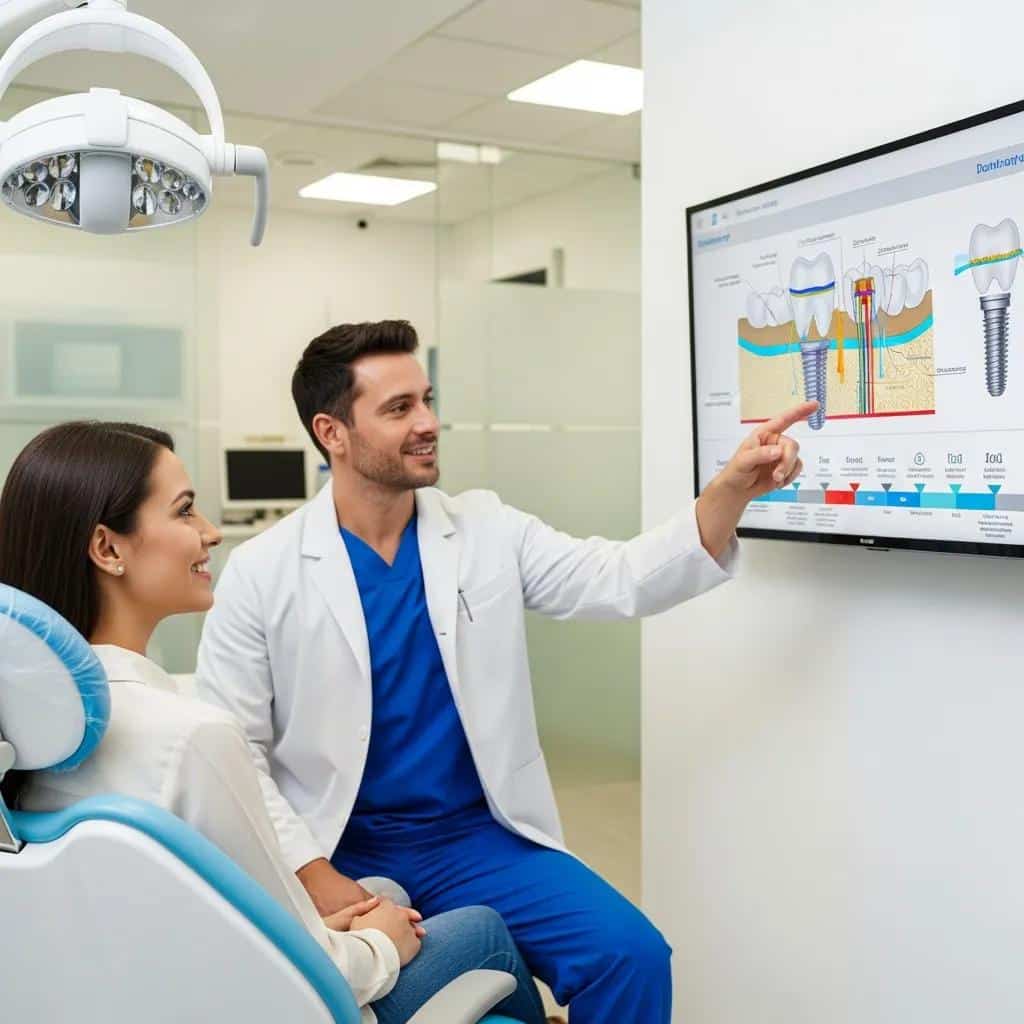
Dental implants are carefully designed replacements for missing teeth. A metal post is placed into the jaw, an abutment connects the post to a crown, and the whole assembly restores chewing, speech, and appearance. The key to their durability is osseointegration — the bone growing tightly to the implant surface — which gives implants strong, long-lasting support. This guide answers the common question patients ask: not just “do implants work?” but “how long will they last?” You’ll find clear, evidence-based timelines for implant fixtures and crowns, explanations of materials like titanium and zirconia, how your oral and overall health affect outcomes, and simple maintenance steps that help implants last. If you want personalized advice, schedule a free dental implant consult to get a plan tailored to your mouth and lifestyle. Below we cover survival rates, component durability, risk factors, practical care tips, common problems to watch for, and local options for affordable, long-lasting care in Grand Prairie.
What Is the Typical Lifespan and Success Rate of Dental Implants?
Because the implant post fuses with the jawbone, implants often provide a stable replacement for missing teeth and help prevent the bone loss that follows extraction. That bone integration is why many implant posts last for decades. The prosthetic parts — the abutment and crown — see most of the wear from chewing and may need replacement sooner. In short: the implant fixture (the post) is usually the long-lasting foundation, while crowns and some abutments can require periodic restorative care. The sections below put numbers on those timelines and explain success and failure rates so you can plan realistically for long-term oral health.
How Long Do Dental Implants Usually Last?
When placed in healthy bone and cared for properly, an implant post can last many decades and often functions for a patient’s lifetime unless disease or trauma occurs. Crowns attached to implants face chewing forces and cosmetic wear; most crowns last roughly 10–15 years depending on the material, bite forces, and upkeep. Different situations affect these expectations — for example, an implant supporting a removable overdenture will have different wear patterns than a single front-tooth implant. Clinical reviews show that, with good planning and maintenance, the implant fixture commonly survives for many years while the crown and abutment are the parts most likely to need work over time. Knowing this helps you budget for care and set realistic expectations.
What Are the Success and Failure Rates of Dental Implants?
Modern dental implants have high success rates. Large studies often report 10-year survival in the neighborhood of 90–95% for implants placed in healthy patients following standard protocols. Failures fall into two groups: early failures (during healing and osseointegration), usually caused by surgical trauma, poor initial stability, or infection; and late failures (after the implant is in function), often linked to peri-implantitis, excessive bite forces, or systemic health issues. For patients without uncontrolled systemic disease and who maintain good hygiene, the long-term outlook is very good. Keep in mind factors like smoking and uncontrolled diabetes raise risk. A typical patient experience might be one or two crown replacements over 30 years while the implant post remains stable — a helpful way to translate survival stats into what you’ll likely experience. Careful case selection, precise surgery, and regular follow-up keep those success numbers high.
Dental Implant Longevity: Success Rates and Long-Term Stability
Dental implants are an established option to replace missing teeth in many clinical situations. Studies have reported success rates such as 82.9% after 16 years follow-up in some cohorts. With proper case selection and attention to anatomy and individual risk factors, implant treatment is generally a predictable and safe choice.
What Are the Key Components of Dental Implants and Their Durability?
An implant restoration has three main parts: the implant post (fixture) that goes into the bone, the abutment that connects the post to the restoration, and the prosthetic crown. Each part wears differently. The post is designed to be a permanent, load-bearing anchor once it integrates with bone. Abutments and crowns take the chewing forces and are therefore more likely to need repair or replacement over time. Material choices — titanium or zirconia posts, and ceramic or zirconia crowns — affect corrosion resistance, biocompatibility, and fracture risk, which in turn influence how often components may need attention. The table below compares these parts so you know where to expect durability and where regular maintenance is normal.
Component
Characteristic
Typical Outcome
Implant post (fixture)
Material: titanium or zirconia; function: osseointegrates with bone
Often lasts decades; low mechanical failure when osseointegration and bone support are good
Abutment
Connects post to crown; available in titanium, zirconia, or hybrid forms
May need replacement if damaged or for aesthetic reasons; typically lasts many years with proper care
Prosthetic crown
Ceramic or porcelain-fused-to-metal; exposed to chewing forces
Common replacement window: about 10–15 years depending on wear, fractures, and esthetic demands
This comparison reinforces that the fixture is usually the longest-lasting piece while crowns are the parts most likely to need periodic replacement.
How Durable Is the Implant Post Compared to the Crown and Abutment?
The implant post is the long-term anchor and, once integrated with bone, is usually the most durable component. Post failure is uncommon when the implant is well-placed in healthy bone and infection is absent. By contrast, abutments and crowns bear chewing loads and face the oral environment, so they’re more prone to wear, chipping, or loosening. In practice, a single implant post can support multiple crown replacements during its life — that’s why good surgical planning and quality components reduce future prosthetic issues and increase overall value.
Before we look at materials, here’s a clear comparison of which parts are more likely to require attention down the road.
Component
Material Options
Replacement Likelihood
Post
Titanium (commercially pure/grade 4) or zirconia
Low; replacement is uncommon once osseointegrated
Abutment
Titanium, zirconia, titanium with ceramic collar
Moderate; replaced when damaged or for esthetic updates
Crown
Porcelain-fused, full ceramic, zirconia
Higher; routine replacement over decades is expected
In short: prosthetic parts need more long-term maintenance, while the post provides the stable foundation.
What Materials Are Used in Dental Implants and How Do They Affect Longevity?
Titanium and its alloys are the most common materials for implant posts because they’re strong, corrosion-resistant, and have a long clinical track record for successful osseointegration. Zirconia implants offer a metal-free option and can be helpful in thin gum tissue or for patients with metal sensitivities, though long-term comparative data are still growing. Crowns come in glass ceramics for high aesthetics or strong zirconia for durability — the trade-off is translucency versus fracture resistance. Material choice should match your bite forces, cosmetic goals, and health history to balance longevity and appearance. Choosing the right combination of post, abutment, and crown helps reduce mechanical failure and supports predictable results over time.
Which Factors Most Influence the Longevity of Dental Implants?
Several interrelated factors affect how long an implant lasts: your daily oral hygiene, the quality and amount of bone where the implant sits, lifestyle choices (like smoking), systemic health (for example, diabetes), and the clinician’s planning and technique. Each factor affects the implant differently — hygiene controls harmful biofilm, bone density affects how well the implant integrates, and provider skill influences placement and prosthetic design. Many of these risks are modifiable: for instance, bone grafting can strengthen a weak site, and regular recall visits catch problems early. Understanding these factors helps you and your dentist take practical steps to protect your implant investment.
Daily interdental cleaning + professional maintenance every 3–6 months as recommended
Bone health/density
Poor bone reduces osseointegration and increases micromotion
Pre-op imaging and grafting when needed; maintain bone-friendly health habits
Smoking
Reduces blood flow and healing → higher infection and failure risk
Quit smoking before and after surgery to lower complications
Systemic disease (e.g., diabetes)
Changes healing and immune response → higher infection risk
Work with your medical team to optimize control before surgery
Provider skill/planning
Poor placement increases overload and prosthetic problems
Choose clinicians who use CBCT planning and evidence-based restorative design
Many longevity risks can be managed — and patients who follow recommended steps improve their chances for long-term success.
How Does Oral Hygiene Impact Dental Implant Longevity?
Good oral hygiene prevents harmful biofilm from building up around the implant. If biofilm is left unchecked it can cause peri-implant mucositis and progress to peri-implantitis, which destroys bone and threatens the implant.
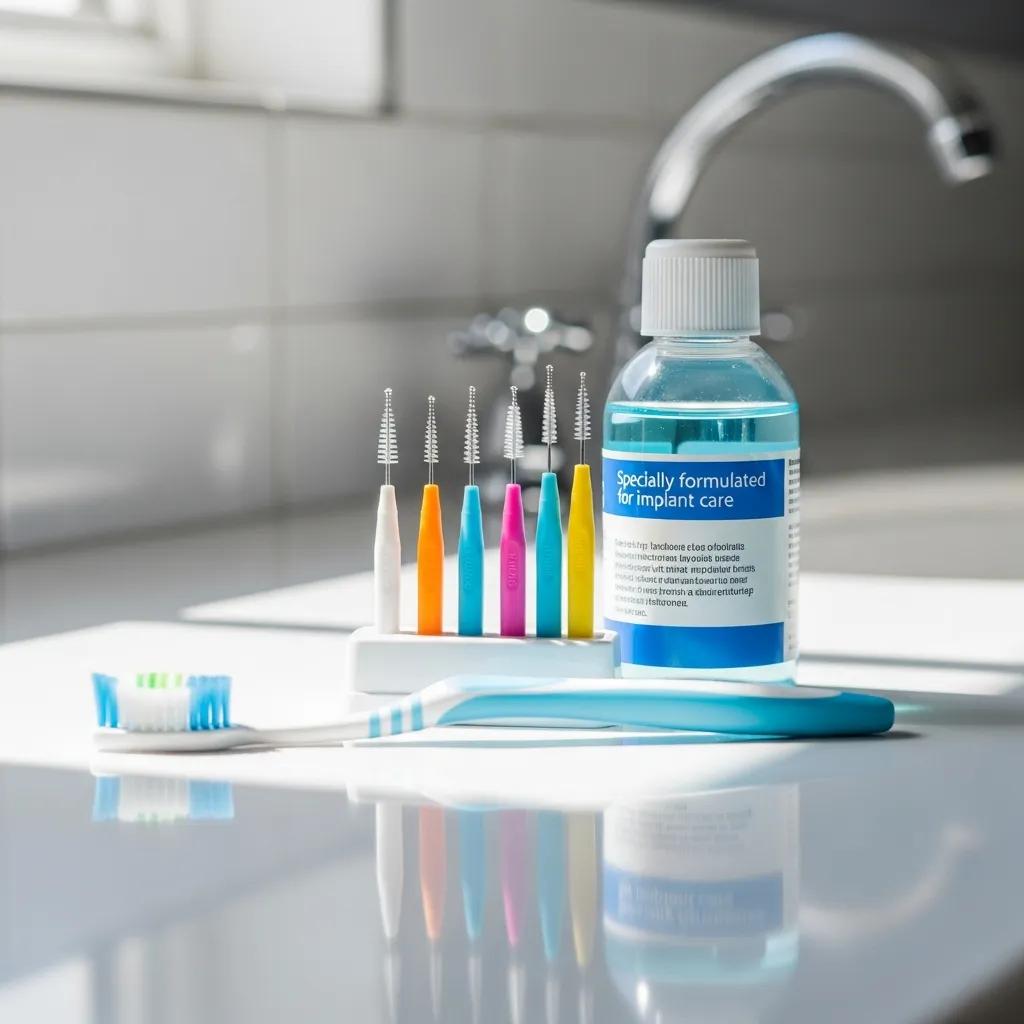
Daily cleaning should include interdental brushes or floss substitutes to disrupt biofilm where a toothbrush can’t reach. Chemical adjuncts, like an antimicrobial rinse, may be helpful when recommended by your clinician.
Electric or soft-bristled powered toothbrushes remove plaque effectively without harming the surrounding tissues, and water flossers can help people with limited dexterity or complex prosthetics keep spaces clean.
Clinical evidence shows consistent home care plus routine professional maintenance greatly lowers the chance of peri-implant disease and implant loss.
Good hygiene now reduces the need for invasive treatment later — next we’ll look at why bone health matters so much.
Why Is Bone Health and Density Critical for Implant Durability?
Bone is the living foundation for osseointegration. Adequate bone volume and density let the implant surface contact bone tightly and distribute bite forces so the implant stays stable. When bone is insufficient, grafting procedures such as ridge augmentation or sinus lifts can rebuild the area, though they add steps and healing time before loading the implant.
Imaging and clinical exams identify sites with low density or limited height so your team can plan grafts or choose implant options that reduce failure risk. Systemic issues like osteoporosis or medications that affect bone metabolism should be reviewed with your dental and medical providers to optimize results.
Supporting bone health through good nutrition, stable medical conditions, and avoiding behaviors that promote bone loss helps implants last longer.
How Do Lifestyle Choices and Systemic Health Affect Implant Success?
Smoking and heavy alcohol use reduce blood flow and impair healing, increasing implant complications and failure risk. Uncontrolled systemic conditions such as diabetes affect immune response and wound repair, making infection and poor osseointegration more likely.
Bruxism and other parafunctional habits create excessive forces that wear or fracture prosthetics and can overload the implant; night guards and careful prosthetic design reduce that risk.
Patients who optimize their health, stop smoking, and follow recommended pre- and post-op protocols can still achieve excellent outcomes — risk is often manageable rather than absolute.
Lifestyle and medical optimization should be part of any treatment plan focused on long-term durability.
These clinical realities lead to the importance of the provider’s experience and planning.
How Does the Dentist’s Expertise Influence Implant Longevity?
A dentist’s training in surgical planning, 3D imaging, and restorative design directly affects how long an implant lasts. Thoughtful planning minimizes surgical trauma, positions the implant for ideal load distribution, and avoids soft-tissue problems.
Using CBCT-guided planning and matching restorative goals to surgical placement lowers the chance of unfavorable loading and complications. Choosing the right implant size, connection type, and prosthetic design improves mechanical stability.
Restorative skill ensures the bite, crown shape, and emergence profile support hygiene and reduce damaging lever forces on the implant. When these elements align, complications are less likely and restorations last longer.
Ask potential providers about their planning processes and follow-up care — technique and teamwork matter for reliable results.
Now let’s move to practical maintenance steps you can use at home and with your dental team.
How Can You Maximize the Lifespan of Your Dental Implants?
Maximizing implant life is a mix of disciplined home care, the right products, and regular professional visits that catch problems early and adjust care as needed.
Follow this straightforward routine to protect your implant and reduce complications.
Brush twice daily with a soft or electric brush and use a low-abrasive toothpaste to clean around the prosthetic margin.
Clean between teeth and around the implant every day with the right-sized interdental brush or a floss alternative to remove biofilm.
Use a water flosser or an antimicrobial rinse as an adjunct when recommended by your clinician or when access is limited.
If you grind your teeth, wear a custom occlusal guard to reduce overload and protect crowns and abutments.
Keep scheduled professional maintenance visits for exam, cleaning, and periodic radiographs as your dentist recommends.
Combining good home care with professional maintenance lowers inflammation and mechanical wear, directly improving long-term outcomes.
What Is the Best Daily Care Routine for Long-Lasting Dental Implants?
The most effective daily routine focuses on plaque control, protection from excessive forces, and habits that support healthy peri-implant tissues. Brush twice daily, clean interdental spaces once daily, and use adjuncts as needed.
Choose a soft-bristled powered toothbrush for effective plaque removal without damaging tissues, and use interdental brushes sized to the spaces your clinician recommends so you remove biofilm without causing trauma.
Water flossers can be especially helpful for people with limited dexterity or around complex prosthetic work; antimicrobial rinses are useful when advised by your dentist.
Avoid abrasive toothpastes that can roughen restorations, and ask your clinician which products best suit your prosthetic materials and oral environment.
Keeping this routine helps prevent peri-implant disease and reduces the need for invasive care.
Why Are Regular Dental Check-ups and Professional Cleanings Essential?
Professional monitoring matters because dentists can spot early bone changes and soft-tissue inflammation with measurements and radiographs long before symptoms appear. Early detection allows less invasive care and better outcomes.
Pro cleanings use instruments and techniques designed to clean around implants without damaging surfaces, and visits often include peri-implant probing and documentation to track trends over time.
Radiographs let clinicians monitor crestal bone levels objectively and prompt timely measures like localized cleaning, antimicrobial therapy, or prosthetic adjustments to rebalance forces.
Recall intervals are individualized: patients with prior periodontal disease or signs of inflammation often come every three to six months, while low-risk patients may have longer intervals.
Regular professional care complements home routines and is a cornerstone of long-term implant health.
Affordable Dentist Near Me – Grand Prairie offers professional maintenance and patient education designed to protect implant outcomes. We emphasize follow-up schedules and tailored home-care instructions so patients in Grand Prairie can set up a realistic, long-term maintenance plan.
What Are the Common Complications That Can Shorten Dental Implant Lifespan?
Complications that shorten implant life fall into two main groups: biological problems (like peri-implant mucositis and peri-implantitis) and mechanical problems (such as loose screws, crown fractures, or connector failure). Early detection and targeted treatment often determine whether an implant can be saved. Peri-implantitis — inflammatory bone loss around an implant — is the main biological threat and usually results from unmanaged biofilm, systemic vulnerability, or ongoing mechanical overload. Mechanical complications often come from prosthetic design or excessive bite forces and present as loose or broken parts that affect function and comfort. The list below summarizes common issues, their signs, and typical clinical responses so you know what to watch for and when to seek care.
Common complications can be caught early by their warning signs and treated to improve outcomes.
Peri-implant mucositis: inflammation of the soft tissue around an implant without bone loss — often reversible with better hygiene and professional care.
Peri-implantitis: progressive bone loss around the implant — may need debridement, antimicrobials, or surgery to control.
Mechanical failures: loose screws, broken crowns, or abutment problems that require prosthetic repair or component replacement.
Early recognition and appropriate treatment often stop progression and preserve the implant. Next we explain peri-implantitis and how clinicians approach it.
What Is Peri-implantitis and How Does It Affect Implant Longevity?
Peri-implantitis is an inflammatory condition where soft-tissue inflammation progresses to bone loss around the implant, undermining the structural support the post relies on. It usually develops from pathogenic biofilm, the body’s inflammatory response, and subsequent crestal bone destruction. Risk increases with poor hygiene, smoking, and uncontrolled systemic illness. Early mucositis is reversible with improved home care and professional therapy, but once bone loss advances, treatments can include localized debridement, antiseptic protocols, or surgery to arrest disease. Preventing peri-implantitis depends on solid daily care, scheduled professional maintenance, and prompt treatment of any soft-tissue inflammation before it becomes bone loss. Knowing the early signs and acting quickly preserves bone and the implant’s long-term stability.
How Can You Recognize and Address Signs of Implant Failure?
Watch for warning signs like mobility of the restoration, ongoing pain or swelling, repeated infections or pus, and X-ray evidence of progressive bone loss — any of these warrant urgent evaluation. In the short term, avoid chewing on the affected area, keep the area gently clean, and contact your dental provider right away. Your dentist will examine the site, take radiographs, and recommend treatments such as antibiotics, debridement, or prosthetic adjustments. In advanced cases with infection or severe mechanical overload, revision or removal of the implant followed by staged replacement may be necessary after addressing the underlying risks. Prompt reporting of symptoms and following your dentist’s plan improves the chance to salvage the implant and avoid complex re-treatment.
How Do Dental Implants Compare to Other Tooth Replacement Options in Longevity?
Compared with bridges and removable dentures, implants have biomechanical and biological advantages that usually translate to better long-term durability and bone preservation — though implants cost more up front. Implants replace the tooth root and help maintain the underlying bone, which supports facial structure over time. Bridges rely on adjacent teeth for support and dentures sit on soft tissue, both of which allow bone loss to continue. The table below summarizes average lifespans, maintenance needs, and cost-effectiveness so you can compare long-term outcomes. For many patients, implants offer better lifetime value when you factor in repeated bridge or denture replacements and potential restorative work on neighboring teeth.
Option
Average Lifespan
Maintenance & Cost-Effectiveness
Dental implant + crown
Decades for post; crowns 10–15 years
Higher upfront cost but often lower long-term costs and less impact on adjacent teeth; good lifetime value
Fixed dental bridge
7–15 years
Dependent on health of abutment teeth; may require replacement or additional work over time
Removable denture
5–8 years for fit and comfort
Lower upfront cost but ongoing relines, adjustments, and eventual replacement; bone loss continues
Overall, implants are often an investment up front that pays off with better function, fewer downstream restorations, and preservation of bone.
Why Are Dental Implants Considered More Durable Than Bridges and Dentures?
Implants integrate with the jawbone and transfer chewing forces into the bone in a way that helps maintain bone volume and support function. Bridges shift loads to neighboring teeth and require altering those teeth, which can lead to further treatment down the road. Dentures rest on soft tissue and accelerate bone resorption, making fit and function degrade over time and increasing the need for relines and replacements. Because implants preserve bone and avoid compromising adjacent teeth, they typically outlast alternatives and reduce the chance of cascading restorative needs. With planned prosthetic maintenance, implants give reliable function and lower long-term restorative burden.
What Are the Cost-Effectiveness and Replacement Needs Compared to Alternatives?
When you compare upfront cost to lifetime maintenance and replacement, implants frequently become more cost-effective over many years because they prevent bone loss, reduce the risk of future work on neighboring teeth, and limit the frequent replacement cycles typical with dentures and some bridges. For example, a denture might be cheaper initially but needs relines and replacements over time and can contribute to progressive bone loss. Bridges may lead to additional restorative costs if abutment teeth fail. Patients planning decades of oral function who value bone preservation often find implants deliver better long-term value when you include maintenance and replacement cycles.
Long-Term Dental Implant Success: 8-Year Follow-Up and Risk Factor Analysis
Rehabilitation with osseointegrated implants is a predictable and widely used therapy. In one large series from 2004–2012 (13,147 implants in 4,316 patients), overall implant survival after 8 years was about 97%. Many patient- and implant-related variables showed no clear effect, but smoking significantly increased failure risk in that dataset.
Why Choose Affordable Dentist Near Me – Grand Prairie for Long-Lasting Dental Implants?
Affordable Dentist Near Me – Grand Prairie focuses on delivering implant care that balances cost-conscious options with clinical practices proven to support durable outcomes. We use modern planning tools and experienced clinicians who prioritize comfort and predictable results. Our practice offers affordable packages and promotes a free dental implant consult so you can learn options, timeline, and maintenance expectations without pressure. Local patients share positive reviews, and our team uses clear communication and imaging to coordinate surgical and restorative steps that preserve long-term function. If you want a local provider who pairs affordability with a longevity-focused approach, here’s how we support durable implant care and how to get started.
How Does Our Practice Ensure Durable and Affordable Dental Implants?
We combine modern surgical planning, coordinated restorative care, and patient-focused maintenance to help implants last while keeping treatment accessible. Our clinicians use contemporary imaging and individualized planning to evaluate bone, choose the right implant size and position, and anticipate prosthetic needs — steps that reduce mechanical complications and support stable osseointegration. Follow-up visits and structured maintenance catch early signs of peri-implant disease and preserve bone and soft tissue. We emphasize patient education so daily home care aligns with professional protocols. Affordable options and a free consultation let patients explore choices without financial pressure, and we talk openly about expected maintenance and prosthetic replacement timelines so you can plan confidently.
How Can You Schedule a Free Dental Implant Consultation in Grand Prairie?
To arrange a free dental implant consultation in Grand Prairie, call Affordable Dentist Near Me – Grand Prairie at +1-817-200-7086 or visit us at 2501 I-20 Grand Prairie, TX 75052 to request an appointment. The free consult typically includes an oral exam, a discussion of implant options, and an initial plan for timing and maintenance so you know what to expect.
Call the office at +1-817-200-7086 to speak with our scheduling team.
Visit the office at 2501 I-20 Grand Prairie, TX 75052 to request an appointment in person if you prefer.
Bring prior dental records and a list of medications or health conditions to discuss with the clinician during the consult.
These easy steps get you started on a practical, longevity-focused implant plan with local, affordable care.
Frequently Asked Questions
What are the signs that a dental implant may be failing?
Watch for movement of the restoration, ongoing pain or swelling, pus or recurring infections, and X-ray signs of bone loss. If you see these signs, contact your dental provider right away. Early intervention can often save the implant with adjustments, cleaning, or other targeted treatment.
How often should I have professional cleanings for my dental implants?
We typically recommend professional cleanings every three to six months depending on your risk factors — for example, a history of periodontal disease or peri-implant inflammation usually means shorter recall intervals. Regular check-ups let your dentist monitor implants, review bone levels, and provide the kind of cleaning you can’t do at home.
Can I get dental implants if I have a history of gum disease?
Yes — many people with past gum disease can still get implants, but careful evaluation and treatment of any active disease are essential first steps. Your dentist may treat gum disease and set up a strict maintenance plan before placing implants to improve long-term success.
What lifestyle changes can improve the success of my dental implants?
Quitting smoking is one of the most important steps because smoking reduces healing and increases complications. Managing chronic conditions like diabetes helps healing and lowers infection risk. A balanced diet with adequate calcium and vitamin D supports bone health, and keeping regular dental visits ensures problems are caught early.
Are there any specific foods I should avoid after getting dental implants?
Right after surgery, avoid hard, crunchy, or sticky foods that could stress the healing site — things like nuts, hard candies, or tough meats. Stick to soft foods such as yogurt, smoothies, and mashed potatoes during the initial healing period, and gradually return to your normal diet as your clinician advises.
How do I care for my dental implants at home?
Brush twice daily with a soft-bristled brush and low-abrasive toothpaste, and clean between teeth daily with interdental brushes or floss alternatives. Use an antimicrobial rinse if recommended, and keep regular professional cleanings and exams to maintain implant and gum health.
What should I do if I experience discomfort around my dental implant?
If you have discomfort, contact your dental provider promptly. Discomfort can indicate infection, inflammation, or mechanical issues. Your dentist will examine the area and may take X-rays to determine the cause. Early treatment often resolves problems before they become serious.
Conclusion
Dental implants can provide decades of dependable function when placed and maintained correctly. Paying attention to oral hygiene, bone health, lifestyle factors, and choosing an experienced provider all increase the chances your implants will last. For advice built around your mouth and health, consider scheduling a free dental implant consultation with Affordable Dentist Near Me – Grand Prairie. Investing in proper care now helps you enjoy a healthy, comfortable smile for years to come.