What Could Go Wrong? Common Dental Implant Complications and Risks Explained
Dental implants replace missing teeth by anchoring a titanium post into the jawbone and attaching a prosthetic crown, restoring function and appearance while relying on osseointegration to become stable. Many patients ask, “What could go wrong?” because oral surgery, healing, and long-term maintenance involve biological and mechanical steps where complications can occur. This article explains the most common early and late dental implant complications, the mechanisms behind them, practical signs to watch for, and clear, step-by-step actions patients can take when problems arise. It also maps risk factors such as smoking and chronic disease to failure mechanisms, outlines prevention and post-operative care protocols, and shows how local evaluation and timely intervention preserve implant outcomes. If you are trying to schedule a free consult, the guidance below will help you identify urgent issues and prepare for an effective implant evaluation at a local clinic. The following sections cover early complications, late complications, risk factors, prevention, when to seek professional help in Mansfield, why to choose Dentist In Mansfield– Dentures and Dental Implants for implant-related concerns, long-term management, and frequently asked questions about implant complications.
What Are the Most Common Early Complications of Dental Implant Procedures?
Early complications occur during the immediate post-operative period—typically the first few days to a few weeks—and arise from surgical trauma, contamination, or inadequate initial stability. Recognizing which symptoms are part of expected healing versus indicators of a complication helps patients take the right next step and reduces the risk of implant loss. Early complications most commonly include surgical site infection, nerve-related sensory changes, and abnormal swelling, bleeding, or bruising that exceed normal timelines; each of these issues has identifiable mechanisms and direct actions that improve outcomes when addressed promptly. Understanding early signs and treatments empowers patients to report problems early and allows clinicians to intervene with antibiotics, debridement, or corrective procedures when necessary. The list below summarizes the typical early complications and what they mean for immediate patient care.
Common early complications include:
Infection at the implant site, which causes worsening pain, pus, and sometimes fever.
Nerve injury presenting as numbness or tingling of the lip, chin, or tongue after surgery.
Excessive swelling or bleeding that continues beyond the expected healing window or worsens over time.
These early problems require timely assessment because early intervention often prevents progression to implant failure and avoids more extensive surgery. The next subsection explains why infections occur around implants and how clinicians treat them to protect osseointegration and surrounding tissues.
What Causes Infection at the Dental Implant Site and How Is It Treated?
Infection at an implant site typically results from bacterial contamination introduced during surgery, suboptimal post-operative hygiene, or an existing oral infection that was not controlled before placement. Bacteria form a biofilm on the implant surface and surrounding tissues, leading to localized inflammation, pain, discharge, and in some cases fever; the biological mechanism involves bacterial enzymes and host immune response degrading soft tissue defenses and, if unchecked, bone. Clinicians treat early implant infections through targeted antibiotic therapy, mechanical debridement of the soft tissues and implant surface when indicated, and in severe or refractory cases, removal of the implant followed by site regeneration. Preventive measures include sterile surgical technique, preoperative infection control, and strict adherence to post-op cleaning protocols. Recognizing infection early preserves bone and increases the likelihood of retaining the implant, while delayed care increases the chance of osseointegration failure and the need for removal.
Intro to quick symptoms and actions: the table below lists early complications, typical symptoms, and immediate steps patients and clinicians commonly take to address them.
Complication
Typical Symptoms
Immediate Actions / Treatments
Implant site infection
Increasing pain, pus or discharge, redness, warmth, fever
Numbness, tingling, altered sensation in lip/ chin/ tongue
Stop irritating activities, arrange urgent clinical assessment, consider imaging and referral to a specialist for neurosensory testing
Excessive swelling / bleeding
Swelling that worsens after 48–72 hours, persistent bleeding, spreading bruising
Apply local compression and cold initially, seek prompt evaluation for possible hematoma or infection, adjust medications as needed
This quick-reference table highlights how prompt recognition and early clinician-directed steps can reduce the risk of implant loss. The following subsection explains how nerve injuries occur and how they are evaluated and managed.
How Can Nerve Damage Occur During Dental Implant Surgery?
Nerve damage during implant placement most commonly involves the inferior alveolar or mental nerves in the lower jaw and results from proximity of the implant osteotomy to neural canals or from intraoperative mechanical trauma. Mechanisms include incorrect implant depth or angulation, inadequate preoperative imaging or planning, and unanticipated anatomic variation causing direct compression, transection, or prolonged pressure on neural tissue. Symptoms include numbness, tingling, or altered taste affecting the lip, chin, or tongue and may start immediately or within hours after surgery; severity ranges from transient paresthesia to persistent loss of sensation. Management begins with immediate clinical assessment, cessation of any offending manipulation, use of anti-inflammatory medications, and close follow-up; persistent or severe neural deficits may require advanced imaging, specialist referral, and possible surgical decompression or implant removal. Preventive planning—thorough imaging, nerve mapping, and conservative osteotomy depth—is vital to minimize risk and protect sensory function.
A related early sign patients notice is abnormal swelling, bleeding, or bruising beyond expected patterns, which is the focus of the next subsection and helps differentiate normal healing from complications requiring care.
When Is Swelling, Bleeding, or Bruising a Sign of a Problem?
Post-operative swelling, mild bleeding, and bruising are normal within the first 48–72 hours after implant surgery, driven by surgical trauma and early inflammatory processes that support tissue repair. Swelling that continues to worsen after three days, bleeding that soaks through dressings or restarts after initially stopping, or bruising accompanied by fever or progressively severe pain are red flags suggesting hematoma, infection, or vascular injury. Immediate at-home measures include gentle cold packs in the first 24–48 hours, keeping the head elevated, and avoiding vigorous rinsing or exertion; persistent or worsening signs warrant urgent clinical evaluation for drainage, hemostasis, or infection control. Timely assessment reduces the chance that these early issues compromise osseointegration or require implant removal. Recognizing the difference between normal recovery and problematic signs helps patients seek care at the right time and improves long-term implant prognosis.
What Are the Typical Late Complications of Dental Implants to Watch For?
Late complications develop months to years after placement when the implant is exposed to oral biofilms, occlusal forces, and systemic factors that affect bone and soft tissue health. These complications include peri-implantitis with progressive bone loss, osseointegration failure manifesting as loosening, and prosthetic problems such as crown or abutment fracture or wear; each has distinct signs, diagnostics, and treatment pathways that influence prognosis. Detecting late complications relies on routine clinical exams, probing for pocket depth around implants, and radiographic monitoring to identify bone changes early so that less invasive treatments can be effective. Treatment options range from non-surgical cleaning and local antibiotics for early peri-implant disease to regenerative bone grafting and implant replacement when structural support is lost. Understanding typical timelines and symptoms helps patients maintain implants and seek targeted care before small issues become irreversible.
What Is Peri-Implantitis and How Does It Affect Implant Success?
Peri-implantitis is an inflammatory condition driven by bacterial biofilm on the implant surface that leads to progressive loss of supporting bone and deepening soft-tissue pockets around the implant. The mechanism involves chronic inflammation and host-mediated bone resorption triggered by persistent microbial challenge, often exacerbated by poor oral hygiene, smoking, or systemic disease; clinically it presents with bleeding on probing, increased pocket depths, purulent discharge, and radiographic bone loss. Early-stage peri-implant mucositis—reversible soft-tissue inflammation—responds well to improved hygiene and professional cleaning, while established peri-implantitis often requires mechanical debridement, local or systemic antibiotics, and in many cases surgical access with decontamination and regenerative procedures. Prevention through meticulous plaque control and regular maintenance appointments is critical because once bone is lost, regenerative success varies by defect size and patient factors. Prompt detection and staged treatment can halt progression and preserve implant function in many cases.
How Does Osseointegration Failure Lead to Implant Loosening or Failure?
Osseointegration is the direct structural and functional connection between living bone and the implant surface; failure occurs when this bond is compromised by infection, micro-movement during healing, poor bone quality, or systemic factors that impair bone remodeling. Clinically, osseointegration failure presents as implant mobility, pain under load, or persistent inflammation and is confirmed by radiographs showing loss of bone-to-implant contact. Management depends on severity: early detection may allow conservative measures and reloading strategies, while true loss of osseointegration usually requires implant removal, site debridement, and often bone grafting before attempting re-implantation. Decision-making considers patient health, bone volume, and prior infection; successful re-implantation often follows a staged approach with bone regeneration and cautious prosthetic loading. Preventing micro-movement through good primary stability, appropriate healing time, and careful prosthetic design reduces the risk of this late complication.
What Prosthetic Issues Can Occur After Dental Implant Placement?
Prosthetic complications include crown loosening, abutment screw fracture, wear, chipping of ceramic restorations, and esthetic problems such as recession or shadowing around the crown margin; these issues stem from occlusal overload, material fatigue, or suboptimal restorative design. Mechanistically, improper load distribution or parafunctional habits like bruxism increase cyclic stresses that lead to loosening or fracture of prosthetic components, while poor fit or inadequate emergence profile can cause soft-tissue problems and food impaction. Management ranges from tightening or replacing loose screws, remaking crowns with stronger materials or adjusted occlusion, to redesigning the prosthesis for better force distribution; in recurring mechanical failure, clinicians may consider occlusal guards, alternative restorative materials, or referral to a prosthodontist. Regular maintenance checks and prompt repairs of small prosthetic issues prevent escalation to implant-level complications and extend the functional life of the restoration.
Causes of Early and Late Dental Implant Failure
This concise review highlights the main causes associated with early and late implant failure, the field of oral implantology.
Factors associated with early and late failure of dental implants, S Sakka, 2012
This review emphasizes that both early and late implant failures have distinct causes that require specific attention.
Micro-movement, poor bone quality, early loading, infection
Implant removal, site debridement, bone grafting, staged re-implantation
Prosthetic complications
Occlusal overload, bruxism, material fatigue
Prosthetic repair or replacement, occlusal adjustment, protective occlusal appliance
This comparison clarifies how risk factors drive specific treatments and why early identification is essential for conservative management. The next major section identifies patient and procedural risk factors that increase the chance of implant failure and how they operate biologically.
What Risk Factors Increase the Chances of Dental Implant Failure?
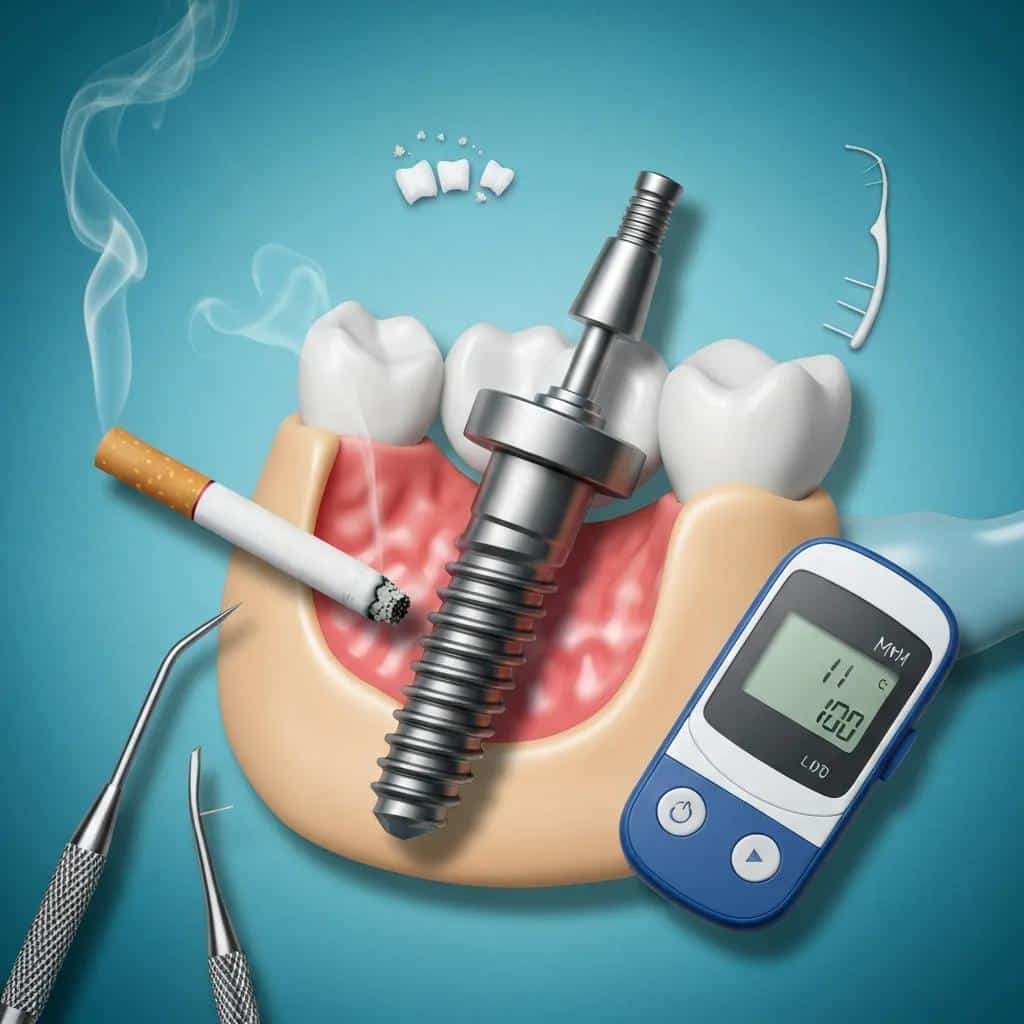
Multiple patient-related and procedural factors raise the probability of implant complications by altering healing capacity, promoting infection, or undermining mechanical stability. Key modifiable risk factors include smoking and poor oral hygiene, which increase biofilm formation and reduce blood flow; chronic systemic conditions like uncontrolled diabetes impair immune response and bone healing; and low bone density or inadequate bone volume compromise primary stability and osseointegration. Procedural risks include insufficient imaging and planning, inadequate surgical technique, and improper prosthetic design that produce micro-movement or overload. Understanding each risk factor’s mechanism allows clinicians and patients to mitigate them through preoperative optimization, targeted medical management, smoking cessation, and augmentation procedures such as bone grafting. The table below lays out major risk factors, how they increase failure risk, and practical mitigation strategies to reduce complications.
Risk Factors for Early vs. Late Dental Implant Failure
Early DIF is about twice as common as late DIF. Main risk factors for early DIF are implant location in the (posterior) mandible as well as younger age. On contrary, late DIF is rather associated with older patients, cancellous bone quality, and longer implants.
Potential risk factors for early and late dental implant failure: a retrospective clinical study on 9080 implants, B Al-Nawas, 2020
Research indicates that the factors contributing to early implant failure can differ significantly from those leading to late failure, with location and patient age playing key roles.
Risk Factor
Mechanism of Increased Risk
Mitigation
Smoking
Reduces blood flow and immune response, increases biofilm formation
Smoking cessation before and after surgery, counseling and cessation aids
Uncontrolled diabetes
Impairs wound healing and increases infection risk
Medical optimization, glycemic control pre- and post-op
Low bone density / inadequate volume
Reduces primary stability and interferes with osseointegration
Pre-op imaging, bone grafting, staged implant placement
Understanding these connections helps patients see how lifestyle and medical optimization directly influence implant success. The following subsections unpack smoking and hygiene, and the role of chronic conditions like diabetes and bone density in greater detail.
How Do Smoking and Poor Oral Hygiene Impact Implant Success?
Smoking exerts multiple deleterious effects: nicotine and other tobacco constituents constrict blood vessels, reduce oxygen delivery, impair immune cell function, and increase the risk of both early and late implant complications such as infection and peri-implantitis. Poor oral hygiene increases bacterial biofilm accumulation around the implant-abutment interface and prosthesis, elevating the risk of mucositis progressing to peri-implantitis; both conditions accelerate bone loss and compromise the implant-bone interface. Evidence shows that smokers and patients with inadequate plaque control have significantly higher rates of implant complications and failure. Practical mitigation includes formal smoking cessation before surgery and continued avoidance afterward, a strict oral hygiene regimen with mechanical plaque control and professional maintenance, and individualized recall schedules to monitor and intervene early. Emphasizing these behaviors before and after implant placement markedly improves long-term outcomes.
What Role Do Chronic Conditions Like Diabetes and Bone Density Play?
Uncontrolled diabetes interferes with multiple stages of wound healing by impairing neutrophil function, altering cytokine responses, and reducing collagen synthesis, which increases infection risk and slows bone remodeling necessary for osseointegration. Low bone density or poor local bone volume reduces the implant’s primary mechanical stability and increases micromotion during healing, raising the chance of osseointegration failure. To mitigate these risks, clinicians assess medical history, request necessary medical optimization (such as improved glycemic control), and use preoperative imaging to evaluate bone structure. Bone grafting, sinus lifts, or staged surgical approaches are common strategies to restore volume and quality prior to implant placement. Coordinated care with medical providers and careful surgical planning aligns systemic health and local bone conditions to support predictable implant integration.
How Can Patients Prevent Common Dental Implant Complications?
Prevention combines careful preoperative assessment, optimized systemic health, precise surgical planning, strict post-operative care, and long-term maintenance to minimize both early and late complications. Patients should complete a thorough medical evaluation, control chronic conditions, and follow clinician instructions for pre-surgical oral hygiene and smoking cessation where applicable. Surgical planning with appropriate imaging and experienced clinicians reduces intraoperative risk, while post-op regimens—including proper wound care, medication adherence, and activity restrictions—support uneventful healing. Long-term prevention relies on routine professional maintenance, patient self-care to control plaque, and prompt reporting of any warning signs. The checklist below summarizes practical prevention steps that together lower complication rates and help sustain implant longevity.
Pre-op Optimization: Control systemic conditions and achieve good oral hygiene before surgery.
Surgical Planning: Use appropriate imaging and conservative surgical techniques to protect vital structures.
Post-op and Maintenance: Follow post-op protocols, attend scheduled recalls, and maintain rigorous plaque control.
These prevention measures are interdependent; robust pre-op preparation facilitates smoother surgery, and consistent maintenance preserves long-term stability. The following subsections provide a patient-ready post-operative checklist and explain how early detection during maintenance visits averts more invasive treatments.
What Are the Best Practices for Post-Operative Care After Implant Surgery?
Effective post-operative care focuses on promoting healing while minimizing infection and mechanical disruption during the critical osseointegration window. Core practices include keeping the surgical area clean with gentle rinsing as directed, avoiding strenuous activity and smoking for the recommended period, following prescribed medication and pain-management regimens, and maintaining a soft diet that reduces pressure on the implant. Patients should attend scheduled follow-up appointments for suture removal, clinical checks, and radiographic evaluation to confirm progressive bone stability; failing to follow these steps increases the chance of early complications. Practical wound-care tips—such as avoiding direct trauma to the site, using recommended antiseptic rinses if instructed, and contacting the clinic for unusual symptoms—help patients protect their investment and reduce the need for corrective procedures.
How Does Early Detection Help Avoid Serious Implant Problems?
Early detection relies on routine clinical exams, probing of peri-implant tissues, and periodic radiographs that reveal pocket formation or marginal bone loss before patients experience major symptoms. Many issues such as early peri-implant mucositis, minor prosthetic loosening, or surface contamination respond well to non-surgical debridement and local therapies when identified promptly; delaying care often necessitates surgeries like flap access, regenerative grafts, or implant removal. Establishing a recall schedule tailored to patient risk factors—more frequent visits for smokers or those with systemic disease—improves the chance of catching problems early and improving long-term prognosis. Regular monitoring and fast action are keystones of preserving implants.
When Should You Seek Professional Help for Dental Implant Problems in Mansfield?
When implant-related symptoms appear, prioritizing the signs that indicate urgent evaluation versus those that can be monitored helps patients act appropriately and avoid unnecessary delays. Red-flag symptoms that require prompt professional assessment include sudden severe pain, swelling with fever, persistent numbness, and any mobility of the implant or prosthesis; these signs suggest infection, neural involvement, or loss of the bone-implant interface. For non-urgent but concerning signs—mild persistent tenderness, small areas of redness, or minor loosening of a crown—patients should schedule an evaluation within days to prevent progression. Local clinics in Mansfield offer diagnostic imaging, clinical assessment, and treatment planning to triage and manage such issues efficiently, ensuring timely interventions that reduce the risk of implant failure. If you are trying to schedule a free consult, present your symptoms to the clinic as soon as possible so the team can prioritize an in-person exam and create an appropriate action plan.
What Symptoms Indicate You Need an Expert Dental Implant Evaluation?
Certain symptoms require urgent or same-day evaluation because they indicate active infection, hemorrhage, or neural compromise; these include severe or worsening pain that is not controlled by prescribed analgesics, swelling with fever or spreading redness, sudden or progressive numbness or tingling in the lip or tongue, and any movement of the implant or attached crown. Less urgent but important signs include persistent mild swelling beyond the expected timeframe, chronic bleeding on brushing, and gradual changes in bite or prosthetic fit; these deserve evaluation within a few days. While waiting for an appointment, patients should avoid manipulating the area, maintain gentle oral hygiene as instructed, and avoid smoking or heavy exertion. Prompt professional assessment clarifies whether conservative management, antibiotics, minor prosthetic adjustments, or surgical intervention is necessary to protect the implant and surrounding structures.
How Does Dentist In Mansfield Support Safe and Effective Implant Care?
Dentist In Mansfield- Dentures and Dental Implants provides local diagnostic and treatment capabilities relevant to implant complications, including clinical assessments, diagnostic imaging to evaluate bone and implant position, conservative peri-implant therapies, and referral pathways for advanced surgical care when needed. The practice’s patient-centered workflows emphasize careful assessment, clear education on warning signs, and coordinated treatment plans that prioritize conservative options when appropriate; these processes aim to protect osseointegration and restore comfort with targeted interventions. The clinic lists offers such as a free implants consultation and a $79 consultation option for patients seeking an initial evaluation or second opinion, and staff discuss flexible financing and patient testimonials to help patients feel supported in decision-making. If you are trying to schedule a free consult, contacting Dentist In Mansfield- Dentures and Dental Implants allows a focused implant assessment that includes review of symptoms, diagnostic planning, and recommended next steps to address the problem.
Why Choose Dentist In Mansfield for Managing Dental Implant Complications?
Choosing a local clinic for implant complication management centers on access to diagnostic tools, coordinated care, and clinicians who balance preservation of existing implants with evidence-based interventions. Dentist In Mansfield- Dentures and Dental Implants positions itself as a local resource offering patient-centered evaluations and treatment planning tailored to each patient’s medical profile and implant history. The practice highlights consult options including a complimentary implants consultation and a $79 dental consultation to lower barriers for patients seeking assessment; these options provide an entry point for patients who need symptoms triaged or treatment plans developed. Emphasis on clear communication, staging care to minimize invasiveness, and offering flexible financing information helps patients make informed choices without feeling rushed. The following subsections describe the clinician’s role and clinic practices that reduce complication risk and support better outcomes.
What Makes Dr. Elvis Le an Expert in Dental Implant Procedures?
Dr. Elvis Le serves as the named clinician at the practice and plays a central role in patient education, evaluation, and treatment planning for implants and dentures, focusing on thorough diagnostic assessment and individualized care pathways. The clinician’s approach emphasizes careful preoperative planning with appropriate imaging and conservative surgical technique to protect vital structures and maximize initial stability, which are essential components of implant safety. Communication with patients about risk factors, postoperative expectations, and maintenance helps align treatment goals and fosters adherence to preventive behaviors that reduce complications. While specific professional credentials beyond the provided name are not detailed here, the practice emphasizes Dr. Elvis Le’s role in coordinating implant care and guiding patients through both restorative and complication-management pathways. This patient-focused model supports safer outcomes by combining clinical planning with clear patient education.
How Does the Clinic’s Patient-Centered Approach Reduce Implant Risks?
The clinic implements a structured workflow that begins with risk stratification—reviewing medical history, smoking status, and bone quality—and proceeds to detailed imaging and treatment planning to select appropriate implant size, position, and a staged approach when needed. Preoperative optimization includes coordinating with medical providers for systemic disease control and recommending smoking cessation to improve healing prospects; these steps reduce biological risk before surgery. During surgery, conservative technique and sterile protocols minimize contamination, and post-operative instructions with scheduled follow-ups promote early detection of problems; the clinic’s emphasis on education ensures patients know which signs to report. Finally, routine maintenance visits and tailored recall intervals based on risk factors support long-term implant health and early intervention when changes occur. This coordinated, educational, and preventative model reduces complication incidence and supports effective management when problems emerge.
What Are the Long-Term Problems and How Can They Be Managed?
Long-term problems include progressive bone loss around implants, late peri-implantitis, and sinus-related complications for implants placed in the upper jaw; these issues develop over months to years and require ongoing surveillance to protect function. Management strategies vary from non-surgical maintenance—professional cleaning and local antimicrobial therapy—to surgical interventions such as regenerative grafting, repositioning, or implant removal and replacement when necessary. Preventive monitoring with periodic radiographs and clinical exams detects early bone changes, allowing less invasive treatment to be effective. For upper-jaw implants, sinus proximity introduces additional considerations: preoperative imaging, appropriate sinus lift techniques, and careful surgical execution reduce the risk of sinus perforation or infection. The following subsections outline signs and treatments for bone loss and sinus complications, helping patients understand long-term management options and expectations.
What Are the Signs and Treatments for Bone Loss Around Implants?
Bone loss around implants often presents subtly with soft-tissue changes such as gum recession, increased pocket depths on probing, or a gradual change in prosthetic fit; radiographs confirm marginal bone loss and help stage the condition. Early intervention typically involves non-surgical measures—professional debridement, improved plaque control, and local antiseptic or antibiotic therapy—to arrest progression, while moderate to severe bone defects often require surgical access, decontamination, and regenerative procedures using bone grafts and membranes to rebuild support. Outcome depends on defect size, patient risk factors, and adherence to maintenance; smaller defects caught early have higher regenerative success. Regular radiographic monitoring and prompt action on soft-tissue changes are critical because progressive bone loss undermines implant stability and may ultimately necessitate implant removal if left untreated.
Dental Implant Fracture: A Frustrating Late Complication
After this review of the literature, it is possible to conclude that fracture of osseointegrated dental implants is a late complication that, despite its low incidence, is highly frustrating.
Osseointegrated implant fracture: causes and treatment, 2011
Implant fracture, though uncommon, is identified as a particularly challenging late complication that can significantly impact treatment outcomes.
How Are Sinus Complications Related to Upper Jaw Implants Prevented and Treated?
Upper-jaw implants placed near the sinus floor require preoperative imaging to evaluate sinus anatomy and residual bone height and to plan techniques such as lateral or crestal sinus lifts when additional vertical bone height is needed. Sinus complications include membrane perforation during sinus lift, sinusitis due to contamination, or migration of graft material into the sinus; prevention relies on accurate imaging, gentle surgical technique, and appropriate selection of grafting method. When sinus perforation or infection occurs, small membrane tears may be repaired intraoperatively while larger or infected cases may require referral to an ENT or a specialist for combined medical-surgical management and careful debridement. Timely recognition of post-operative nasal symptoms, persistent sinus congestion, or unusual drainage after upper-jaw implant procedures triggers appropriate imaging and collaborative management to resolve the complication and preserve implant outcomes.
What Are the Most Frequently Asked Questions About Dental Implant Complications?
This section answers concise, high-priority patient questions about implant complications in snippet-friendly formats for easy reference and rapid patient education. Each answer targets a common patient concern with a brief, actionable explanation and next-step guidance to support quick decision-making. The following H3s address early warning signs, nerve damage risk, infection severity thresholds, and treatment pathways for failed implants; one entry also explains how to book a free consultation and what to expect at that appointment in Mansfield. Clear, short answers help patients recognize issues early and seek appropriate care to protect implant function and oral health.
What Are the Early Warning Signs of Dental Implant Failure?
Early warning signs include persistent or worsening pain after the expected healing period, visible discharge or pus at the implant site, increasing mobility of the implant or attached crown, and swelling that continues or worsens beyond three days. Additional signs are bleeding that does not subside with basic measures and systemic symptoms such as fever, which suggest spreading infection and require immediate assessment. If any of these signs appear, patients should avoid manipulating the area, maintain gentle hygiene, and contact their implant provider promptly for clinical evaluation and possible intervention. Early detection and conservative treatment frequently prevent loss of the implant, while delayed care increases the likelihood of removal and more complex reconstruction.
Can Dental Implants Cause Permanent Nerve Damage?
Yes, dental implant surgery has a small risk of causing permanent nerve damage if a nerve is fractured, compressed, or extensively traumatized during osteotomy or implant insertion, but the vast majority of nerve injuries are transient and improve with time and conservative care. Risk is higher when preoperative imaging is inadequate, when implants are placed very close to known nerve canals, or when intraoperative complications occur; immediate assessment and early referral improve the chance of recovery. Treatment options range from observation and medical therapy to surgical revision or implant removal for persistent deficits, and prognosis depends on the injury type and timeliness of intervention. Any new or worsening numbness, tingling, or loss of sensation after implant surgery should prompt urgent clinical evaluation.
How Do You Know If an Implant Infection Is Serious?
An implant infection is more serious when local signs are accompanied by systemic symptoms such as fever, malaise, or spreading swelling, or when pus, rapid worsening pain, or radiographic evidence of progressive bone loss are present. Mild localized inflammation without systemic involvement may respond to local care and antibiotics, but severe infections require immediate clinician assessment and often more aggressive interventions such as drainage, surgical debridement, or removal of affected hardware. Time is critical: infections that persist or worsen despite initial care have higher risks of extensive bone loss and implant failure. Patients should seek timely evaluation for infections that do not improve within 24–48 hours of basic measures or that present with systemic signs.
What Are the Treatment Options If an Implant Fails?
Treatment options depend on the cause and severity of failure and include conservative monitoring for minor complications, non-surgical management for early peri-implant disease, removal of the implant with site debridement for lost osseointegration, and staged re-implantation following bone grafting when conditions permit. Prosthetic adjustments may resolve mechanical failures such as screw loosening or crown fracture without removing the implant, while infectious or structural failures often require removal and regeneration. Decision-making considers patient health, bone volume, and the presence of infection; after removal, a period of healing and regeneration is typically followed by a carefully staged re-implantation when indicated. If you are trying to schedule a free consult, bring a concise summary of your symptoms and any prior imaging to the appointment so the clinician can evaluate implant status, explain treatment options, and outline next steps tailored to your situation.
Prepare Documentation: Bring prior dental records and a list of symptoms.
Expect a Focused Exam: Clinicians perform a clinical review and recommend targeted imaging as needed.
Receive a Clear Plan: The consult provides options ranging from conservative care to staged surgery depending on findings.
This FAQ-style guidance helps patients know when and how to get help and what outcomes to expect after professional evaluation.