Dental Implant Procedure FAQs You Need to Know: Cost, Recovery, Types, and Risks
Dental implants are a popular solution for individuals seeking to replace missing teeth, offering a permanent and natural-looking alternative. This article aims to provide comprehensive insights into the dental implant procedure, addressing common questions regarding types, costs, recovery times, and potential risks. Understanding these aspects is crucial for anyone considering dental implants, as it helps in making informed decisions about their oral health. We will explore the various types of dental implants, the key steps involved in the procedure, recovery expectations, and the associated risks. By the end of this article, readers will have a clearer understanding of what to expect throughout the dental implant journey.
What Are the Common Types of Dental Implants?
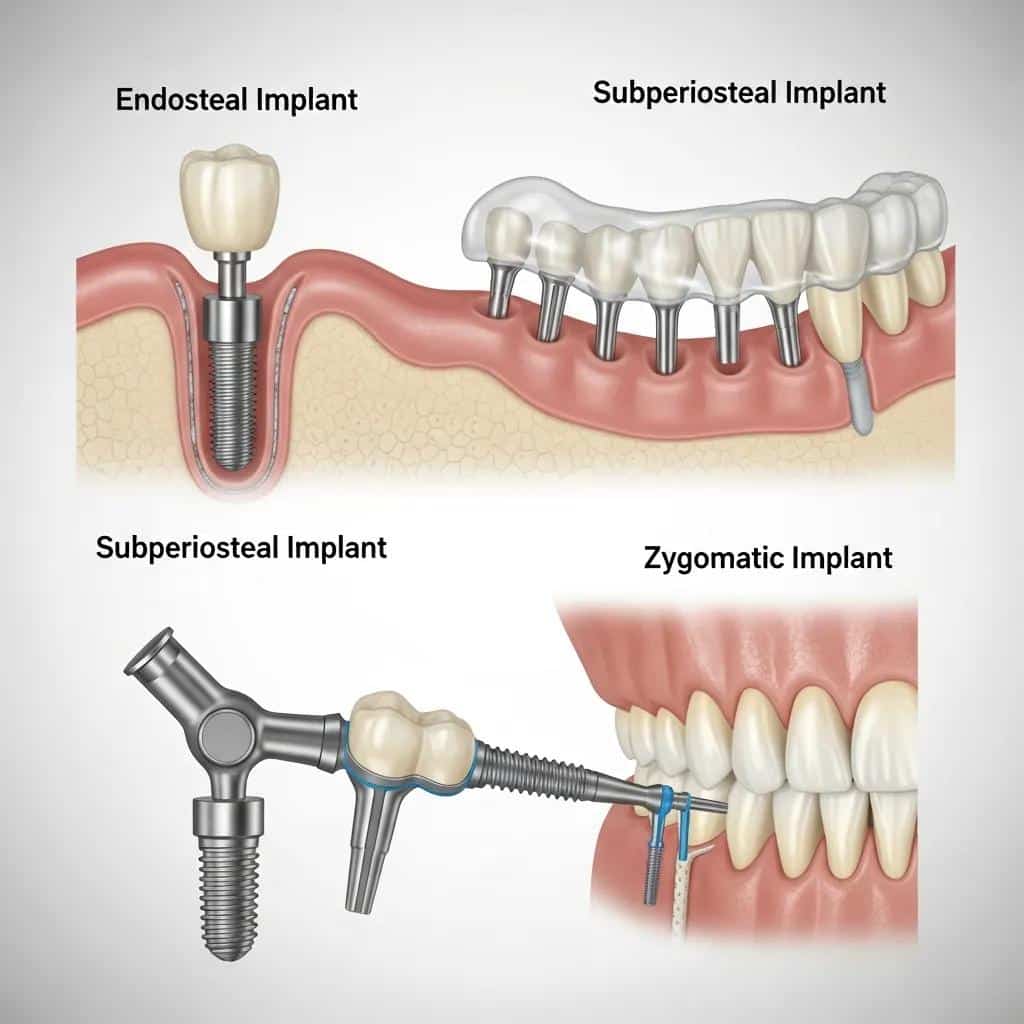
Dental implants come in several types, each designed to meet specific patient needs. The most common types include endosteal implants, subperiosteal implants, and zygomatic implants. Endosteal implants are the most widely used, placed directly into the jawbone, while subperiosteal implants are positioned under the gum but above the jawbone, suitable for patients with insufficient bone height. Zygomatic implants are a specialized option anchored in the cheekbone, often used in complex cases.
Further studies emphasize the advantages of specialized implant types like zygomatic implants for complex cases.
Zygomatic Implants: Cost, Complications, and Recovery
Zygomatic implants appears to offer a promising alternative to formal bone grafting techniques with lower costs, less complications, less morbidity, shorter treatment times, and comparably high survival rates.
Zygomatic implants placed in atrophic maxilla: an overview of current systematic reviews and meta-analysis, S Ramezanzade, 2021
For those considering dental implants, it’s essential to understand the differences between these types to choose the best option for individual circumstances. Information Hub provides resources to help patients navigate their choices effectively.
How Do Implant Materials Affect Procedure Outcomes?
The materials used in dental implants significantly influence the success of the procedure. Titanium is the most common material due to its biocompatibility and strength, allowing for effective integration with the jawbone. Other materials, such as zirconia, are also gaining popularity for their aesthetic appeal and reduced visibility. The choice of material can affect healing times, durability, and overall patient satisfaction.
Research further highlights the distinct properties and benefits of these materials.
Zirconia vs. Titanium Dental Implants: Material Types & Osseointegration
Titanium and titanium alloys are widely used for fabrication of dental implants. Since the material composition and the surface topography of a biomaterial play a fundamental role in osseointegration, various chemical and physical surface modifications have been developed to improve osseous healing. Zirconia-based implants were introduced into dental implantology as an altenative to titanium implants. Zirconia seems to be a suitable implant material because of its tooth-like colour, its mechanical properties and its biocompatibility.
Osseointegration of zirconia implants compared with titanium: an in vivo study, 2008
What Are the Differences Between Endosteal and Subperiosteal Implants?
Endosteal and subperiosteal implants serve different purposes based on the patient’s jawbone condition. Endosteal implants are inserted directly into the jawbone, making them suitable for patients with adequate bone density. In contrast, subperiosteal implants are ideal for those with insufficient bone height, as they sit on top of the jawbone. Each type has its pros and cons, and the choice depends on individual anatomical considerations and treatment goals.
What Are the Key Steps in the Dental Implant Procedure?
The dental implant procedure involves several critical steps, ensuring a successful outcome. Initially, a thorough examination and imaging studies are conducted to assess the jawbone’s condition and plan the treatment. Following this, the implant is surgically placed into the jawbone, which may require bone grafting if the bone is insufficient. After placement, a healing period is necessary for osseointegration, where the implant fuses with the bone.
What Happens During Bone Grafting and Implant Placement?
Bone grafting may be necessary if the jawbone lacks sufficient density to support an implant. This procedure involves adding bone material to the jaw, which can be sourced from the patient or a donor. Once the graft has healed, the implant is placed, typically taking about one to two hours. This step is crucial for ensuring the stability and longevity of the implant.
How Long Does Each Step of the Procedure Take?
The duration of the dental implant procedure varies based on individual circumstances. The initial consultation and imaging can take a few hours, while the surgical placement of the implant usually lasts one to two hours. The healing process, including osseointegration, can take several months, typically ranging from three to six months, depending on the patient’s health and bone condition.
How Long Is the Recovery Time After a Dental Implant?
Recovery time after a dental implant can vary significantly among individuals. Generally, patients can expect a healing period of about 6 to 12 weeks before the final restoration is placed. During this time, it is essential to follow post-operative care instructions to promote healing and minimize discomfort.
What Are Typical Recovery Milestones and Care Tips?
Recovery milestones typically include the initial healing of the gums, followed by the integration of the implant with the jawbone. Patients should manage discomfort with prescribed medications and maintain oral hygiene to prevent infection. Regular follow-up visits with the dentist are crucial to monitor healing progress and address any concerns.
How Can Patients Manage Discomfort and Promote Healing?
To manage discomfort after the procedure, patients can use over-the-counter pain relievers and apply ice packs to reduce swelling. Maintaining a soft diet during the initial recovery phase can also aid in comfort. Additionally, following the dentist’s care instructions, including avoiding strenuous activities, is vital for promoting healing.
Clinical research provides further guidance on effective pain management strategies following dental implant surgery.
Managing Post-Operative Pain After Dental Implant Surgery
To evaluate the clinical efficacy of various analgesic medications in mitigating orofacial pain following dental implant surgery. Individual studies and meta-analysis indicated that nonsteroidal anti-inflammatory drugs (NSAIDs) significantly reduced post-operative pain and consumption of rescue analgesics. Transdermal NSAIDs may be superior to oral due to fewer side effects. Pain modulation is most critical during the first 72 h following dental implant placement.
Post-operative pain management in dental implant surgery: a systematic review and meta-analysis of randomized clinical trials, I Khouly, 2021
What Are the Risks and Potential Complications of Dental Implants?
While dental implants are generally safe, there are potential risks and complications to consider. These can include infection at the implant site, nerve damage, and implant failure due to insufficient bone integration. Understanding these risks is essential for patients to make informed decisions about their treatment.
What Are Common Risk Factors and How Are They Mitigated?
Common risk factors for dental implant complications include smoking, uncontrolled diabetes, and poor oral hygiene. To mitigate these risks, patients are encouraged to quit smoking, manage their health conditions, and maintain excellent oral hygiene practices. Dentists may also recommend pre-operative assessments to identify and address any potential issues.
When Should Patients Seek Professional Help Post-Procedure?
Patients should seek professional help if they experience severe pain, prolonged swelling, or signs of infection, such as fever or pus at the implant site. Early intervention can prevent complications and ensure a successful outcome. Regular follow-up appointments are also essential for monitoring the healing process and addressing any concerns.
To schedule a consultation and learn more about your options, consider scheduling an appointment with a qualified dentist.
For more information on dental implants and related services, visit Dentist in Tyler.