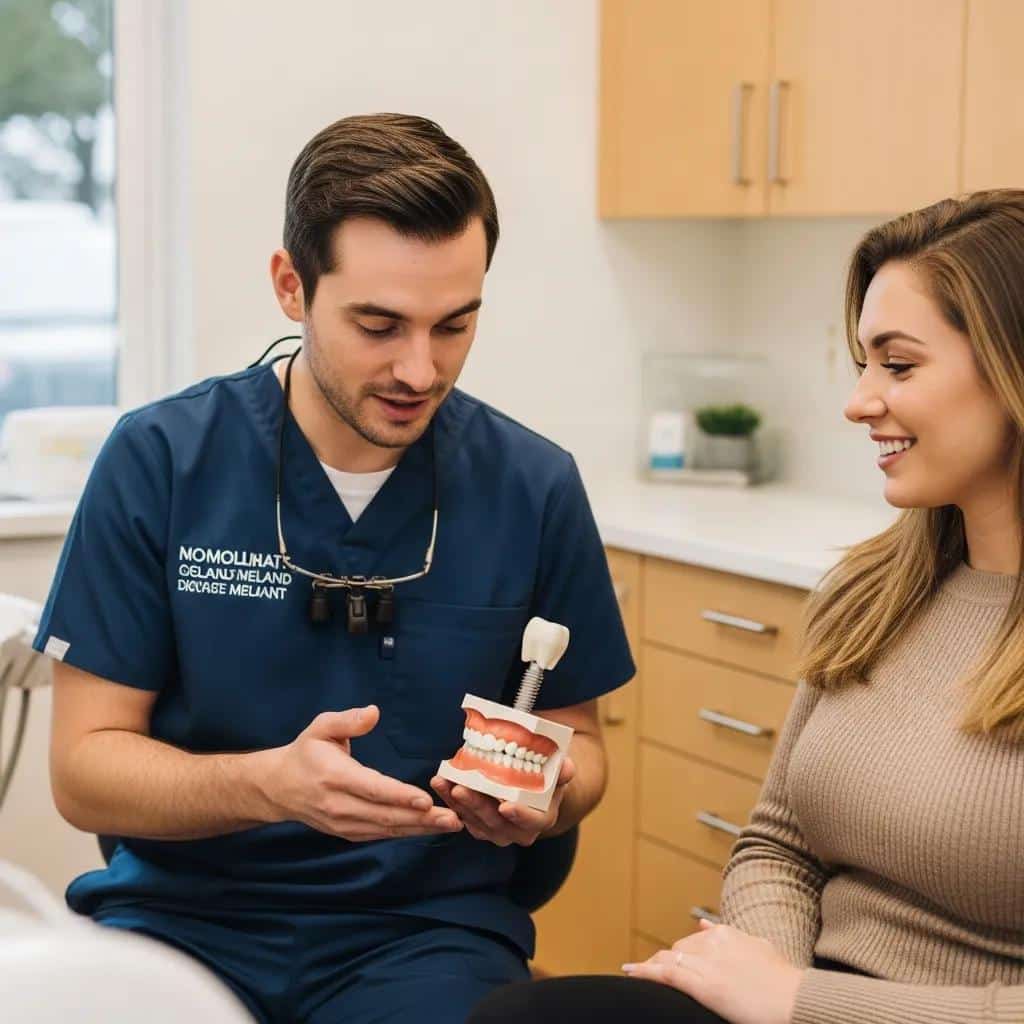
How Long Does Healing Take? A Side-by-Side Comparison of Dental Implant, Denture, and Bridge Recovery Times
Healing after tooth replacement refers to the biological and functional process by which soft tissue, bone, and prosthetic components stabilize so you can return to normal eating, speech, and oral hygiene. This article compares recovery timelines for dental implants, dentures, and bridges, explains stage-by-stage healing, and gives practical guidance to set realistic expectations. Many patients ask how long pain, swelling, and functional restrictions last, and whether short-term convenience or long-term function should drive their choice. We break down implant osseointegration phases, denture adaptation windows, and bridge preparation recovery so you can align a treatment option with your lifestyle and medical factors. The sections below cover implant healing timelines, denture adaptation differences, bridge recovery, a side-by-side comparison table, common patient concerns, and local options to evaluate treatment and healing support. Throughout, we use clear timelines, lists of post-op care, and comparison tables to help you decide and prepare for a smoother recovery.
What Is the Typical Healing Timeline for Dental Implants?
Dental implant healing is a staged process that combines immediate soft-tissue recovery with a longer biologic integration of titanium into bone called osseointegration; the result is a stable foundation for a crown or prosthesis. Initial soft-tissue healing generally occurs over days to two weeks, allowing sutures to settle and mucosa to reepithelialize, while the implant-bone interface matures over months. Understanding those stages helps patients plan diet, work limitations, and expectations for returning to full chewing function. This section outlines immediate post-op expectations, the biology of osseointegration, timing for abutment placement, and long-term care to maximize implant longevity.
What Happens During Initial Recovery After Implant Placement?
Initial recovery after implant placement typically involves controlled bleeding for the first 24 hours, moderate swelling that peaks at 48–72 hours, and mild-to-moderate discomfort manageable with analgesics. During the first week most patients reduce swelling and resume light activity while maintaining a soft diet and avoiding pressure at the surgical site; oral hygiene is modified to protect the clot and suture line. Antibiotics or antimicrobial rinses may be prescribed based on the clinical protocol, and clinicians advise cold packs for the first 24 hours and warm salt rinses after 24–48 hours. If bleeding persists beyond 24 hours, severe swelling, fever, or unusual pain occurs, patients are instructed to contact their provider for evaluation.
How Long Does Osseointegration Take and What Are Its Stages?
Osseointegration is the biological process where new bone forms and remodels around the implant surface, producing mechanical stability; clinically this typically unfolds over about 3–6 months for most patients. The process follows phases: an initial inflammatory phase (days), a proliferative phase with woven bone formation (weeks), and a remodeling phase where lamellar bone and functional loading integration occur (months). Factors such as bone quality, implant surface, grafting, and systemic health influence the timeline, and clinicians confirm readiness for restoration by radiographic evaluation and clinical stability testing. Patients should appreciate that while soft tissue may look healed within weeks, the deeper bone interface needs months to mature for long-term success.
The process of osseointegration is fundamental to the stability and longevity of dental implants, involving a complex biological response between the implant and surrounding bone.
Osseointegration in Dental Implants: A Review of Concepts and Success Factors
Contemporary concepts in osseointegration of dental implants: a review. The process of osseointegration is crucial for the long-term success of dental implants, referring to the direct structural and functional connection between living bone and the surface of a load-bearing artificial implant. This review explores the biological basis of osseointegration, factors influencing its success, and advancements in implant surface technologies aimed at enhancing bone-to-implant contact and accelerating healing.
Contemporary concepts in osseointegration of dental implants: a review, D Rokaya, 2022
Decades of research have refined our understanding of osseointegration, leading to significant advancements in implant dentistry.
Osseointegration in Modern Implant Dentistry: Progress and Trends
Modern implant dentistry based on osseointegration: 50 years of progress, current trends and open questions. The concept of osseointegration, pioneered by Brånemark, revolutionized tooth replacement by enabling direct bone anchorage of implants. Over the past five decades, significant progress has been made in understanding the biological processes involved, refining surgical techniques, and developing innovative implant designs. Current trends focus on immediate loading protocols, minimally invasive surgery, and patient-specific treatment planning to optimize functional and esthetic outcomes.
Modern implant dentistry based on osseointegration: 50 years of progress, current trends and open questions, D Buser, 2000
When Does Abutment Placement Occur and How Does Soft Tissue Heal?
Abutment placement can follow either a one-stage protocol where the abutment is placed at implant surgery or a two-stage approach where the implant is covered and reopened after osseointegration; soft tissue healing around the abutment usually completes within two to six weeks. Soft tissue contouring and emergence profile develop during this time, influencing final aesthetics and the margin between crown and gingiva; careful tissue management reduces gaps that trap food and bacteria. Sutures are typically removed within 7–14 days, and patients are advised to avoid excessive brushing at the site until mucosal closure is robust. Proper aftercare, including antimicrobial rinses and gentle cleansing, accelerates mucosal healing and prepares the site for definitive prosthetic impressions.
The timing of surgical and prosthetic procedures, particularly concerning soft tissue augmentation, plays a critical role in achieving stable and aesthetically pleasing results around dental implants.
Timing of Surgical-Prosthetic Procedures for Dental Implant Soft Tissue Augmentation
Aim of the study : the aim of the present study was to investigate the most effective timing of the surgical-prosthetic procedure in order to obtain a stable soft tissue augmentation around dental implants using BOPT abutments. Materials and Methods : Overall, 13 patients have been enrolled. A total amount of 21 implants have been placed and they have been alternatively assigned to the case (immediate provisionalization) or control group (delayed provisionalization) on the basis of the waiting list. The clinical criteria adopted for the enrollment in the study were the partial edentulism in which the teeth were lost at least 2 months before the date of implant placement with KM lower than 2 mm or inadequate soft tissues volume for a proper ridge contour. The two parameters evaluated for test and control groups were the apico-coronal migration and the soft tissue gain after grafting procedure. Results : gingival recession: for the control group 10 implants were analyzed between first
HEALING AND REMODELING OF CONNECTIVE TISSUE GRAFT AROUND IMPLANTS WITH POOR KERATINIZED MUCOSA. INFLUENCE OF …, 2017
What Is the Full Recovery Period and Long-Term Care for Implants?
Full recovery for dental implants—meaning restored chewing function and stable integration—generally completes when the permanent crown is placed after osseointegration, often three to six months after implant insertion for standard cases. Long-term care centers on excellent oral hygiene, regular professional exams and radiographs, and avoiding habits that overload the implant such as bruxism or hard biting on unyielding objects. Implant maintenance also includes monitoring peri-implant tissues for signs of inflammation and scheduling professional cleanings designed for implant surfaces. With attentive care, implants provide durable function; the initial longer healing period trades off for superior stability, preserved bone, and reduced compromise to adjacent teeth.
How Does the Denture Healing and Adaptation Process Compare?
Denture healing and adaptation focus less on bone integration and more on soft-tissue remodeling, residual ridge changes, and neuromuscular adaptation for speech and chewing. Immediate dentures deliver instant aesthetics and function but require relining as swelling subsides and the ridge remodels, while conventional dentures follow extraction healing and fabrication once tissues stabilize. The adaptation period for new dentures commonly spans several weeks to months as patients retrain chewing patterns and resolve sore spots. Below we explain what to expect with immediate versus conventional dentures, extraction healing windows, adjustment timelines, and daily care practices that support comfort and fit.
What Should You Expect with Immediate Dentures During Healing?
Immediate dentures are inserted at the time of tooth removal, preserving appearance and basic chewing function immediately, but fit predictably changes as tissues swell and later shrink. Patients should expect increased adjustments in the first weeks: relines or pressure adjustments at follow-up visits are common to manage sore spots and improve retention as the sockets heal and the ridge remodels. Speech and chewing adaptation start quickly but may feel awkward until neuromuscular coordination improves; clinicians often schedule multiple follow-ups in the first two months. Expect the need for a definitive reline or new dentures once tissue remodeling is complete, typically several months after extractions.
How Long Is the Healing Period After Tooth Extractions for Conventional Dentures?
For conventional dentures made after extractions, clinicians commonly wait until soft tissue and alveolar bone remodeling stabilize—often four to eight weeks or longer depending on extraction complexity and healing rate. The initial soft tissue closes within one to two weeks, but significant bone remodeling and reduction of ridge height occur over months, impacting denture fit. Temporary prostheses or immediate dentures may bridge function during healing, but final impressions and definitive prostheses are best delayed until healing equilibrates to reduce refitting. Patients with extensive extractions or socket grafting may require longer stabilization before definitive dentures are fabricated.
What Is the Typical Adjustment Period for New Dentures?
Adjustment to new dentures commonly involves progressive improvements in comfort, speech, and chewing over a period of weeks to a few months as patients adapt and clinicians adjust fit. Sore spots and rubbing are frequent in the first two weeks, and timely relining or minor adjustments usually resolve pressure points; persistent discomfort beyond several weeks should prompt a professional review. Patients are advised to start with soft, cut foods and practice speech exercises to accelerate neuromuscular adaptation. With proper follow-up and incremental adjustments, most denture wearers reach functional comfort within one to three months.
How Do You Care for Dentures to Support Optimal Healing?
Daily denture care supports mucosal health, reduces candidal stomatitis risk, and maintains prosthesis longevity through cleaning and overnight soaking routines. Patients should remove and rinse dentures after meals, brush them with a nonabrasive cleaner, and soak them overnight in a denture solution to prevent microbial buildup and help maintain fit. Oral hygiene for the underlying gums includes gentle brushing and rinses to stimulate circulation and monitor for redness or ulceration; report persistent sore areas to the clinician promptly. Routine professional checks identify the need for relines, repairs, or rebasing as tissue contours change over time.
What Is the Recovery Period for Dental Bridges and How Do They Integrate?
Dental bridge recovery centers on the response of prepared abutment teeth and surrounding soft tissues rather than bone integration under implants; the process generally involves short-term sensitivity followed by a temporary phase and then final restoration seating. Tooth preparation can produce transient pulpal sensitivity and gingival tenderness lasting days to a couple of weeks, and temporary bridges preserve function during fabrication of the definitive prosthesis. Successful bridge outcomes depend on the health of abutment teeth and periodontal tissues, and maintenance focuses on interdental hygiene to prevent decay or periodontal disease. Below we compare abutment preparation recovery, differences between temporary and permanent bridge phases, and maintenance strategies for long-term success.
How Long Does Healing Take After Abutment Tooth Preparation?
Healing after tooth preparation for a bridge often involves minor sensitivity and gingival inflammation that subsides within days to a couple of weeks with proper home care. Temporary cementation protects prepared teeth and maintains occlusion while the lab fabricates the permanent bridge; patients may notice sensitivity to cold or pressure during this interim period. Good oral hygiene, desensitizing toothpaste if needed, and avoiding very hard foods minimize discomfort during the temporary phase. If prolonged sensitivity, swelling, or worsening pain occurs, it may indicate pulp involvement or a need for further evaluation.
What Is the Difference Between Temporary and Permanent Bridge Healing?
Temporary bridges provide immediate protection, aesthetics, and basic function, but they are often bulkier or less finely contoured than final restorations and may cause brief soft-tissue irritation. Once the permanent bridge is seated, patients often notice improved fit, smoother margins, and better occlusal harmony, with any residual tissue tenderness settling within days. The permanent seating usually requires minor adjustments to bite and contacts; follow-up checks within one to two weeks optimize comfort. Over time the permanent bridge integrates into the patient’s functional pattern; ongoing oral hygiene prevents recurring decay at margins and supports longevity.
How Do You Maintain Your Dental Bridge for Long-Term Success?
Maintaining a bridge requires meticulous plaque control around abutment teeth, use of interdental cleaners such as floss threaders or water irrigators, and routine professional evaluations to detect early decay or periodontal issues. Effective daily cleaning removes biofilm at pontic interfaces and margins where food traps occur, reducing the risk of abutment failure. Regular dental visits allow monitoring of occlusion and early intervention for cement loss or loosened retainers. With consistent care, bridges can function reliably for many years while preserving adjacent natural teeth.
How Do Healing Times Compare Across Dental Implants, Dentures, and Bridges?
A direct comparison clarifies tradeoffs between biological timelines and functional return: implants require longer biologic integration but yield durable function, dentures offer rapid initial replacement but need longer adaptation, and bridges sit between them with a moderate recovery timeline. Summarizing typical soft tissue healing, bone/integration timelines, and functional return helps patients prioritize immediate needs versus long-term outcomes. Below is a compact comparison table and discussion of factors that influence healing speed and quality and the recovery tradeoffs for each option.
Different tooth replacement options have distinct healing profiles that affect recovery planning and daily life.
Option
Typical Soft Tissue Healing
Typical Bone/Integration Healing
Typical Functional Return (eating/speech)
Typical Adjustment Period
Dental Implant
1–2 weeks for mucosa
3–6 months osseointegration
Gradual; provisional function early, full at crown seating
Several months (prosthetic adjustments)
Denture
Days to 2 weeks for mucosa after extractions
No osseointegration; ridge remodels over months
Immediate for immediate dentures; adaptation weeks–months
Weeks to months (relines/adjustments)
Bridge
Days to 2 weeks for gingival recovery
N/A (depends on abutment health)
Rapid after temporary; full at permanent seating in weeks
What Are the Typical Healing Timeframes for Each Tooth Replacement Option?
Here are concise numeric ranges and context to help scan options quickly: implants typically show soft tissue healing in 1–2 weeks with osseointegration over 3–6 months, dentures involve extraction healing of about 4–8+ weeks and adaptation that may take several weeks to months, and bridges usually allow return to normal function within days to weeks after finishing the permanent restoration. The practical meaning is that implants delay final chewing strength but preserve bone in the long term, dentures provide immediate aesthetics but may need repeated relines, and bridges balance speed with reliance on neighboring teeth. These timelines assume routine healing without graft complications or significant medical comorbidities.
Which Factors Influence Healing Speed and Quality?
Healing speed and quality depend on modifiable and non-modifiable factors including medical conditions, oral hygiene, tobacco use, and procedural complexity such as grafting or multiple implants. Patient-related factors like diabetes control, nutrition, and smoking status materially affect osseointegration and soft-tissue healing rates. Procedural factors such as bone grafting, sinus lifts, or immediate loading protocols alter timelines and may extend recovery. Finally, adherence to postoperative care instructions, timely follow-ups, and careful prosthetic design influence both short-term comfort and long-term outcomes.
Key modifiable factors include:
Smoking cessation and nicotine avoidance.
Good glycemic control for diabetic patients.
Consistent oral hygiene and follow-up attendance.
What Are the Pros and Cons of Each Option Regarding Recovery?
Understanding tradeoffs helps align treatment with priorities: implants require a longer initial healing period but typically restore near-normal chewing and protect bone; dentures offer the fastest route to replacing missing teeth but often require months of adaptation and maintenance; bridges allow a quicker prosthetic timeline but rely on adjacent teeth and can increase load on abutments. Below is a compact pros/cons list to aid decision-making.
Implants: Pros: Superior long-term function, bone preservation, single-tooth replacement without altering adjacent teeth.Cons: Longer biologic healing, potential need for grafting, higher upfront surgical care.
Dentures: Pros: Fast replacement, affordable initial cost, non-invasive options available.Cons: Long adaptation, need for relines, possible compromised chewing efficiency.
Bridges: Pros: Faster recovery than implants, stable aesthetics, predictable short-term function.Cons: Requires healthy abutments, risk to adjacent teeth, may need future replacement.
Get Dental Patients to schedule a free consult
What Are Common Patient Concerns About Healing After Tooth Replacement?
Patients commonly worry about pain, duration until normal eating, visible swelling, and the stages of healing; addressing these concerns with clear timelines and management strategies reduces anxiety. This section answers common worry points, gives practical pain management and diet progression advice, and explains what warning signs should trigger a call. Clear expectations for each option—implants, dentures, bridges—help patients prepare mentally and logistically for recovery.
Is Dental Implant Healing Painful and How Can Discomfort Be Managed?
Implant procedures typically produce moderate discomfort limited to the first 48–72 hours, with most pain controlled by over-the-counter analgesics or short courses of prescription medication when needed. Cold compresses, elevation, soft diets, and rest reduce swelling and pain in the initial days; antimicrobial rinses and gentle oral hygiene protect the site as tissues heal. Sedation dentistry available at some clinics reduces intraoperative anxiety and may result in a smoother immediate recovery for anxious patients. If pain intensifies after the first few days, or is accompanied by fever and drainage, contact your dental team for evaluation.
How Long Until You Can Eat Normally After Implants, Dentures, or Bridges?
Diet progression varies by option: implants require a soft diet initially and a gradual return to normal chewing once the prosthesis is placed, often weeks to months; dentures allow immediate eating but require a soft-food approach and progressive reintroduction of firmer foods over weeks to months; bridges typically permit a faster return to normal diet after temporary discomfort subsides, generally within days to a couple of weeks. Example food progression for implants: liquids 24–48 hours, soft solids 1–2 weeks, gradual return to tougher foods after crown seating and clinician clearance. Watching for pain, mobility, or pressure guides when to advance diet safely.
What Are the Stages of Healing for Each Tooth Replacement Option?
Clear stage lists help patients visualize the recovery roadmap for each option and set realistic expectations.
Implant stages:
Initial soft-tissue recovery and clot stabilization (days to 2 weeks). Osseointegration and bone remodeling (3–6 months). Abutment placement and soft-tissue contouring (weeks). Final crown placement and functional return (months).
Denture stages:
Immediate post-extraction healing (1–2 weeks). Tissue remodeling and ridge stabilization (4–8+ weeks). Prosthetic relines and adjustments (weeks to months). Long-term maintenance and periodic relines (ongoing).
Bridge stages:
Tooth preparation and temporary bridge phase (days to weeks). Final impression and permanent bridge seating (weeks). Occlusal adjustments and maintenance (weeks to ongoing).
Why Choose Affordable Dentist Near Me – Crowley for Your Tooth Replacement Healing Journey?
Affordable Dentist Near Me – Crowley offers restorative dentistry services including dental implants, dentures, crowns, and bridges, and positions patient comfort and affordable pricing as core value propositions. The Crowley location highlights sedation dentistry and comprehensive service options to support patients throughout surgical and prosthetic phases. Their patient satisfaction metrics—849 Google reviews averaging a 4.7 rating—indicate community trust in service and outcomes. Below we outline how their expertise, comfort options, and scheduling support healing and decision-making for local patients.
How Does Our Expertise Ensure Smooth Healing and Successful Outcomes?
The practice integrates restorative and surgical services so patients can receive coordinated care for implants, dentures, crowns, and bridges without fragmented referrals, which supports continuity during healing. Standardized aftercare protocols, follow-up visits, and guidance on oral hygiene reduce complication risk and improve prosthetic outcomes. Sedation dentistry options support anxious patients and enable more controlled procedures, which can translate to smoother immediate recovery. Affordability and a free consultation offer help patients evaluate options without pressure, aligning clinical recommendations with realistic financial planning.
What Comfort and Sedation Options Support Patient Healing?
Sedation dentistry is available to reduce anxiety and improve patient cooperation during surgical and restorative procedures, contributing to a calmer experience and potentially less immediate post-op stress. Options commonly include minimal sedation measures that make procedures more tolerable while maintaining safety, and clinicians discuss sedation choices during preoperative visits. Lower anxiety often correlates with easier intraoperative management and better initial healing due to reduced physiological stress responses. Discuss sedation preferences and medical history during the free consultation to identify the best approach for your comfort.
How Can You Schedule a Free Consultation to Discuss Your Healing Needs?
To book a free consultation at Affordable Dentist Near Me – Crowley, mention the Crowley location and the free consultation offer when you contact the practice or use their location scheduling tools. The free consultation (noted as a $79 value) provides an opportunity to review implant, denture, and bridge timelines, discuss sedation needs, and get a tailored healing and aftercare plan. Visit the Crowley office at 200 E Main St, Crowley, TX 76036 to speak with the team in person or request an appointment through the practice’s scheduling options. The consultation helps you align clinical recommendations with lifestyle needs and budget considerations.
What Are Frequently Asked Questions About Tooth Replacement Healing?
This FAQ-style section provides direct answers to common patient questions with short, actionable guidance to capture quick PAA-style answers and reduce uncertainty. Each question begins with a concise direct answer, followed by a brief elaboration and red flags that warrant contact with the dental team.
How Long Does a Dental Implant Take to Fully Heal?
A dental implant typically takes about 3–6 months to fully integrate into bone through osseointegration, though visible soft tissue healing occurs in 1–2 weeks. The exact timeframe depends on bone quality, whether grafting was required, and patient health factors like smoking or diabetes. Crowns are placed after clinicians confirm stable integration and satisfactory radiographic evidence. Contact your dentist if persistent mobility, severe pain, or infection signs appear.
What Is the Adjustment Period for New Dentures?
Most patients experience an adjustment period of several weeks to a few months when adapting to new dentures, with the first two weeks being the most active for sore spots and speech changes. Regular follow-ups for relines and pressure adjustments during this period substantially improve comfort. If chronic instability or persistent ulcers develop, professional relining or alternative prosthetic solutions may be necessary. Good denture hygiene and gradual dietary progression ease adaptation.
How Soon Can You Eat After Getting a Dental Bridge?
You can often begin eating soft foods within a day or two after bridge placement, and most patients resume a normal diet within days to a couple of weeks as sensitivity subsides and occlusion is adjusted. Avoid extremely hard or sticky foods initially to protect margins and cement integrity. If biting produces sharp pain or the bridge feels loose, seek prompt evaluation to adjust contacts or recement the prosthesis. Proper maintenance prevents recurrent problems around abutment teeth.
What Factors Can Delay Healing After Tooth Replacement?
Common delay factors include uncontrolled systemic conditions (like diabetes), tobacco use, poor oral hygiene, infection at the surgical site, and procedural complexities such as bone grafts or sinus lifts. Medications that impair healing or bone metabolism can also slow integration or tissue recovery. Mitigation strategies include smoking cessation, optimizing medical conditions before surgery, and following postoperative care instructions closely. Persistent inflammation, draining fistulas, or progressive pain are signals to obtain clinical assessment.
How Can Understanding Healing Timelines Help You Choose the Right Tooth Replacement?
Choosing the best tooth replacement option depends on matching healing timelines to your lifestyle priorities, medical profile, and long-term goals for function and maintenance. If immediate aesthetics with minimal surgery is essential, dentures may be preferable despite longer adaptation; if long-term chewing efficiency and bone preservation matter more, implants are often the superior choice despite longer healing. This section provides scenario-based guidance and compares long-term benefits versus upfront recovery burden to support decision-making.
Which Option Offers the Fastest Recovery for Your Lifestyle?
For rapid initial replacement with minimal surgical recovery, immediate dentures usually offer the fastest cosmetic solution, though they require adjustment over time. Bridges can deliver a relatively quick return to function in a matter of weeks when adjacent teeth are healthy and require only short-term recovery. Implants are generally slower to reach final function but yield superior long-term outcomes for patients who prioritize durability and bone preservation. Choose the option that balances your short-term schedule and long-term oral health priorities.
How Do Long-Term Benefits Compare to Healing Time?
Longer healing periods frequently correlate with longer-lasting, higher-functioning results: implants take longer to heal but often preserve bone and provide near-natural chewing for years, whereas dentures heal quickly but often demand ongoing relines and maintenance. Bridges offer a middle ground with quicker recovery and good short-to-mid-term function but may compromise abutment teeth over decades. Discuss long-term maintenance expectations during a consultation to weigh immediate recovery inconvenience against years of functional and aesthetic outcomes.
Get Dental Patients to schedule a free consult
Key takeaways for planning recovery:
Implants: longer biologic healing, superior long-term function. Dentures: immediate aesthetics, longer adaptation and maintenance. Bridges: faster functional return, dependent on abutment health.
Get Dental Patients to schedule a free consult
For a personalized assessment of which tooth replacement best matches your healing expectations and lifestyle, request a free consultation at Affordable Dentist Near Me – Crowley. The Crowley location at 200 E Main St, Crowley, TX 76036 emphasizes patient comfort, sedation dentistry, and affordable care to support a smooth healing journey and reliable restorative outcomes.