Discover Consumer Insights on Dental Implants in Longview
Consumer Insights: Notable Differences in Feedback for Major Dental Implant Brands
Dental implant choices increasingly hinge not only on clinical performance but on what patients report about durability, comfort, and aesthetic outcomes. This article analyzes patient feedback and clinical indicators across major dental implant brands to highlight meaningful differences that matter for prospective recipients, particularly those searching for “Dental Implants in Longview.” Readers will learn which brands tend to be praised for natural feel, which draw cost or recovery concerns, and how clinical success rates and patient sentiment align or diverge in current research and review synthesis. The piece synthesizes brand features, patient-reported outcomes, comparative evidence, and a decision checklist so readers can prioritize factors such as material, prosthetic planning, and clinician expertise. Throughout, the article uses patient-centered language and recent research contexts to translate technical attributes—like surface treatments and zirconia options—into practical expectations for aesthetics, comfort, and long-term satisfaction.
What Are the Leading Dental Implant Brands and Their Key Features?
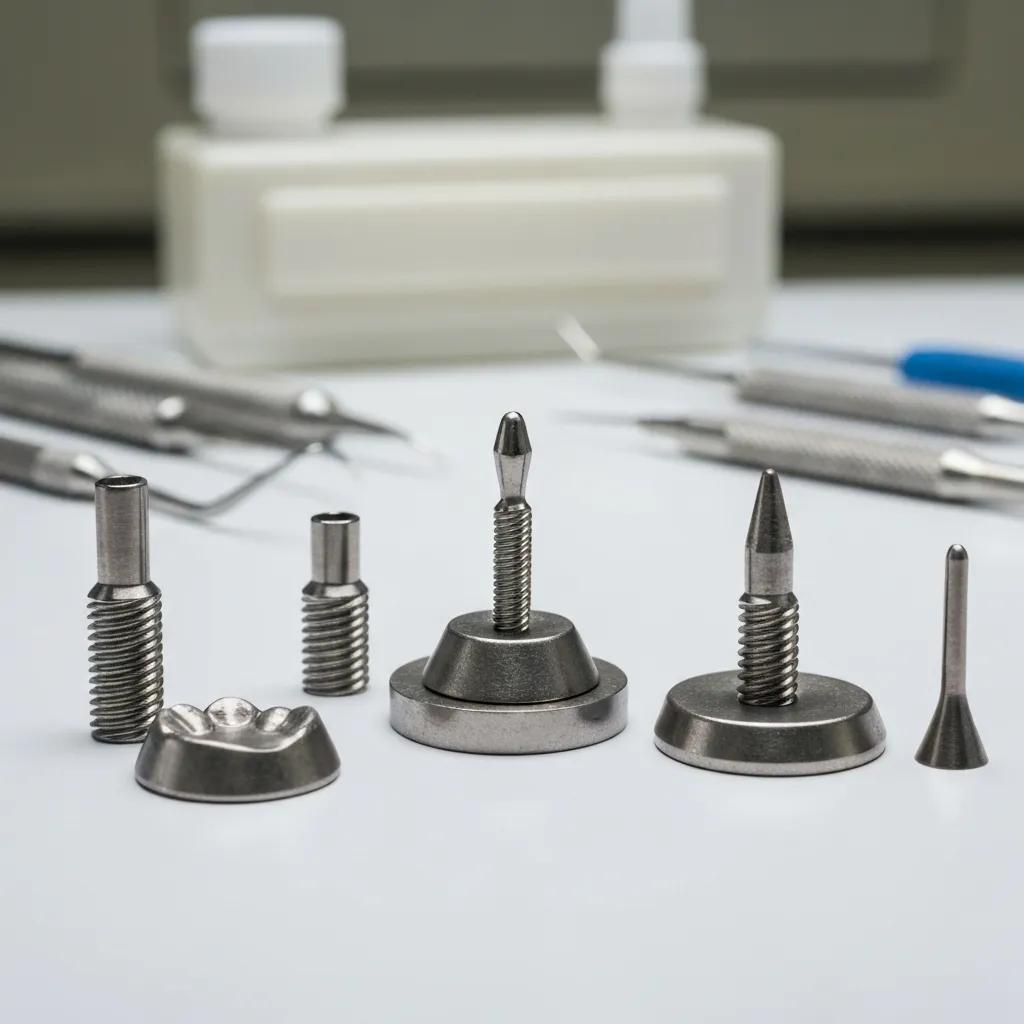
Leading implant manufacturers differ by material science, surface technology, and prosthetic workflows, and these differences explain much of the variation in patient feedback. Brands like Straumann, Nobel Biocare, Zimmer Biomet, and BioHorizons each emphasize distinct technologies—some focus on proprietary surfaces that promote osseointegration while others advance alternative materials like titanium-zirconium or full zirconia. Understanding these distinctions helps patients predict likely outcomes for aesthetics, healing speed, and mechanical longevity, and it frames patient reviews in technical terms. The following brief list highlights top brands and a concise one-line feature for each to help readers scan options quickly before diving into more detailed comparisons below.
Major implant brands and a snapshot of their positioning:
Straumann is often associated with proprietary surface technologies and options for both titanium and zirconia components that aim to optimize osseointegration.
Nobel Biocare emphasizes comprehensive prosthetic workflows and digital workflow compatibility designed for complex restorative cases.
Zimmer Biomet focuses on mechanical design and proven implant geometries intended to support functional stability under load.
BioHorizons highlights surface treatments and platform-switching prosthetic approaches intended to preserve crestal bone and soft-tissue profiles.
These highlights establish a foundation for comparing patient impressions in Longview and beyond, and the next subsection will present a compact product matrix to make brand differences easier to navigate.
Different implant brands emphasize distinct materials and clinical use-cases, summarized here for rapid reference.
Esthetic zones and single-tooth replacements where integration and soft-tissue outcomes matter
Nobel Biocare
Prosthetic-driven platforms; digital workflow integration
Complex full-arch restorations and implant-supported prosthetics requiring precise lab workflows
Zimmer Biomet
Robust implant geometries and connection systems
Functional posterior restorations and cases prioritizing load-bearing stability
BioHorizons
Surface treatments and platform switching
Preservation-focused cases and restorations that emphasize long-term soft-tissue stability
Which Brands Are Most Trusted by Patients in Longview?
Patient trust in Longview frequently depends on clinician recommendations, visibility of past outcomes, and affordability; national brand reputations cascade into local perceptions but individual clinician experience often weighs heavier in decisions. While aggregated online reviews reflect broader sentiment—favoring brands tied to predictable esthetic outcomes and straightforward restorative workflows—local patients commonly prioritize a dentist’s demonstrated track record of comfortable surgeries and reliable prosthetic fit. Trust is therefore a function of brand quality combined with the provider’s ability to translate technology into predictable results, and patients in Longview often ask for visual examples and explanations of material choices before committing. Given the limited public local-brand data, individual consultations remain the most reliable way to determine which brand aligns with a patient’s esthetic goals and anatomical needs. This emphasis on provider-patient communication naturally leads into the next subsection on how materials and technologies create the different patient experiences that shape trust.
What Materials and Technologies Differentiate These Implant Brands?
Material and surface technologies—titanium alloys, titanium-zirconium blends, and full zirconia—directly influence patient perceptions of strength, allergy risk, and tooth-like appearance, and therefore shape much of the feedback captured in reviews. Titanium remains the clinical standard for strength and osseointegration, while titanium-zirconium alloys offer higher fracture resistance in narrow-diameter situations; zirconia provides superior optical qualities that some patients prefer in visible anterior zones. Proprietary surface treatments alter bone-implant contact and early healing dynamics, which patients describe as faster stability or more predictable recovery when clinicians pair appropriate surgical protocols. Digital workflow compatibility and guided-surgery systems reduce human variability during placement, and patients often report smoother recoveries when their treatment involved guided planning. Understanding these material- and tech-driven mechanisms helps translate technical features into the patient-facing outcomes discussed in subsequent brand-specific sections.
What Are Patients Saying About Straumann Dental Implants?
Straumann frequently appears in patient feedback as a brand associated with long-term stability, natural aesthetics, and high perceived durability, and these impressions derive from the company’s focus on surface science and material options. Patients who praise Straumann implants often describe a natural feel under biting forces and satisfaction with crown match and soft-tissue appearance; reviews also highlight predictable osseointegration in standard cases. Concerns in reviews typically center on cost and anxiety about healing time, rather than technical failure, and clinicians address these concerns by explaining timelines and staging options. Clinical evidence discussed in professional literature suggests strong long-term outcomes for Straumann platforms, which aligns with patient reports emphasizing durability.
Straumann Dental Implants: Design, Osseointegration, and Clinical Review
This article discusses Straumann dental implants that have been successfully used in various clinical applications. It reviews the design features, surface modifications of the Straumann dental implants that beneficially alter to enhance osseointegration, and their long-term clinical performance.
The following subsections delve into patient-rated durability and aesthetics, then summarize common praises and concerns to help readers weigh trade-offs.
How Do Patients Rate Straumann Implants for Durability and Aesthetics?
Patients often report that Straumann implants feel stable under normal function and hold prosthetic restorations securely over time, reflecting the brand’s emphasis on reliable osseointegration surfaces and robust connection designs. Aesthetic satisfaction is commonly linked to the availability of zirconia abutments and careful prosthetic planning that preserves gingival contours, leading many patients to describe results as “natural-looking” in visible areas. When reviewers note long-term success, they tend to reference years of comfortable chewing and minimal complaints about crown loosening, which corresponds to the brand’s clinical messaging about integration. Some patient concerns appear when complex cases require more advanced prosthetic work, and clinicians often mitigate these by staged planning and soft-tissue management. These experience patterns show how material choice and prosthetic execution converge to influence both durability perceptions and aesthetic outcomes.
What Common Praises and Concerns Do Straumann Users Report?
Common praises in patient reports include a sense of secure chewing function, satisfactory color match for crowns, and a perception of lasting outcomes; these positives often reflect coordinated surgical and prosthetic care around Straumann systems. Concerns raised by some patients include higher out-of-pocket cost and occasional sensitivity during the healing phase, which clinicians typically address by setting expectations for staged healing and analgesic protocols. Complaints about complications tend to be case-specific—such as peri-implantitis in patients with challenging hygiene or systemic risk factors—rather than brand-specific mechanical failures. Clinicians responding to these reports emphasize preventive maintenance and the importance of prosthetic design in minimizing stress on the implant. The next section examines how Nobel Biocare’s patient feedback compares on comfort and integration, building on these themes of prosthetic-driven satisfaction and case selection.
Straumann note for Longview practice context: Local providers may recommend Straumann components when case goals prioritize soft-tissue esthetics and a wide range of prosthetic options, and the Longview practice will discuss whether Straumann is suitable for your anatomy and budget.
How Does Nobel Biocare Perform According to Patient Experiences?
Nobel Biocare’s patient feedback often emphasizes comprehensive prosthetic workflows and the advantages of digital planning, with patients reporting favorable fit and function when restorative planning is tightly coordinated. Patients who appreciate Nobel systems frequently cite smooth transitions from planning to final restoration and a sense that the prosthetic matched expectations due to precise digital communication between clinic and lab. Comfort and integration feedback tends to reflect both surgical technique and the prosthetic approach; good outcomes are described when the surgical plan accounts for bone quality and the restorative stage is meticulously executed. Concerns sometimes focus on the complexity and cost of full-arch solutions, and when patients report postoperative discomfort it is commonly tied to individual healing variables rather than implant design alone. The following H3 subsections analyze comfort and integration themes and summarize longevity perceptions as reflected across patient reviews and clinical summaries.
What Comfort and Integration Feedback Do Nobel Biocare Patients Share?
Nobel Biocare patients frequently report that guided planning and digital prosthetic workflows contribute to a perception of smoother treatment and better-fitting restorations, with many noting that preoperative visualization reduced anxiety about outcomes. Comfort during healing is often linked to the minimally invasive techniques enabled by guided systems; patients describe lower immediate postoperative discomfort when flapless or guided approaches are used. Integration feedback also depends on bone quality and the clinician’s choice of staging; where bone augmentation was required, patients reported longer treatment timelines but ultimately satisfactory integration when protocols were followed. Some patients mention higher complexity in follow-up appointments due to prosthetic fine-tuning, which reflects Nobel’s emphasis on prosthetic accuracy over rapid timelines. These patterns show that Nobel Biocare’s strengths in restorative planning translate into perceived comfort when both surgical and prosthetic phases are well-managed.
What Are the Success Rates and Longevity Insights for Nobel Biocare?
Patient perception of Nobel Biocare longevity tends to align with clinical literature reporting strong success in well-selected cases, yet comparative study heterogeneity means direct brand-to-brand claims require cautious interpretation. Reviews and clinical summaries indicate that longevity outcomes depend on case selection, prosthetic design, and maintenance—all factors that Nobel systems emphasize through integrated workflows. Where patient reviews highlight longevity, they often reference consistent follow-up care and precise prosthetic fit as key contributors to long-term satisfaction. Divergences between perceived and measured success frequently arise when patient expectations of timelines or aesthetics exceed clinical realities, underscoring the importance of clear pre-treatment counseling. The next section turns to Zimmer Biomet implants to compare how functional feedback and stability reports map to patient experience across brands.
Nobel Biocare note for Longview practice context: The Longview practice may present Nobel Biocare as an option for prosthetic-driven cases and will review whether Nobel’s workflow aligns with your restorative goals and budget.
What Are Zimmer Biomet Dental Implants’ Patient Outcomes and Feedback?
Zimmer Biomet implants commonly receive patient feedback focused on stability and functional performance, with users reporting confidence in chewing and daily use when prosthetic design complements the implant geometry. Feedback often highlights ease of achieving occlusal function and straightforward restorative workflows in posterior load-bearing scenarios, which patients interpret as reliable long-term performance. Criticisms that appear in reviews typically relate to specific case complexities—such as narrow ridges or limited bone volume—rather than inherent design flaws, and clinicians address these by selecting appropriate implant diameters and abutment options. The subsection H3s below explore stability and functionality reports and list common praises and criticisms to help readers weigh Zimmer Biomet relative to other manufacturers.
How Do Patients Describe Zimmer Biomet Implants’ Stability and Functionality?
Patients describing Zimmer Biomet implants commonly note a firm, secure sensation during chewing and report confidence returning to normal dietary habits following healing, which aligns with the brand’s focus on mechanical stability and connection integrity. Functional reports emphasize day-to-day reliability: fewer adjustments, predictable bite force distribution, and consistent prosthetic retention when occlusal planning is carefully executed. Recovery narratives often credit straightforward surgical protocols and adequate primary stability at placement as contributors to comfortable rehab experiences. Some variability in reports arises when prosthetic components require custom lab work, which highlights the role of restorative planning in perceived functionality. These insights make clear that patient-reported stability is as much about surgical execution and prosthetic design as it is about implant geometry.
What Are Common Praises and Criticisms for Zimmer Biomet Implants?
Praise for Zimmer Biomet implants centers on functional robustness and the perception that the system supports heavy-use dental demands with minimal mechanical complaints, reinforcing patient confidence in eating and speaking. Criticisms often address situations where bone quantity or quality complicates placement, leading to longer treatment timelines or adjunctive grafting procedures; patients in such cases emphasize process length rather than product failure. Clinicians typically mitigate these concerns by discussing staged approaches and alternative prosthetic designs to reduce biomechanical risk. Prosthetic fit and lab coordination occasionally appear in feedback as limiting factors, demonstrating again how restorative execution influences patient satisfaction. The following section synthesizes cross-brand feedback to highlight how aesthetics, comfort, and long-term satisfaction differ among major manufacturers.
Zimmer Biomet note for Longview practice context: The Longview practice may consider Zimmer Biomet systems for cases prioritizing functional stability, and clinicians will discuss whether Zimmer Biomet is appropriate given your bone anatomy and restorative plan.
How Do Patient Feedback and Satisfaction Differ Across Major Implant Brands?
Patient feedback varies across brands primarily along three axes: perceived aesthetics and natural feel, short-term comfort and recovery, and long-term satisfaction tied to maintenance and complication rates. These dimensions are influenced by materials (zirconia vs titanium), surface technologies that affect early integration, and prosthetic planning that determines final appearance and function. To make this actionable, the table below summarizes common patient-reported values across major brands for quick comparison, followed by analysis of aesthetic differences, recovery experiences, and long-term satisfaction trends that synthesize review themes with clinical reasoning. This comparative framing helps readers map subjective patient reports onto objective attribute clusters that should inform decision-making.
Brand
Aesthetics (Patient Reports)
Comfort (Patient Reports)
Durability (Patient Reports)
Cost (Patient Reports)
Straumann
High satisfaction with natural look in anterior cases
Generally smooth healing when prosthetics planned
Frequently described as long-lasting
Perceived as premium-priced
Nobel Biocare
Good esthetics when digital workflows used
Comfort linked to guided protocols
Viewed as durable in prosthetic-driven cases
Often associated with higher total treatment cost
Zimmer Biomet
Functional esthetics acceptable; focus on posterior strength
Comfort tied to primary stability at placement
Reports emphasize mechanical reliability
Seen as mid-to-upper range depending on components
BioHorizons
Favorable soft-tissue outcomes reported
Comfort often linked to platform-switching benefits
Perceived as durable with bone-preserving design
Viewed as competitive in value
What Are the Differences in Aesthetics and Natural Feel Among Brands?
Aesthetics and the sense of a “natural” tooth result from material choice, abutment design, and laboratory work, and patient reports reflect these technical pathways. Zirconia and ceramic abutment options improve translucency and gingival blending in anterior zones, which is frequently noted by patients who prioritize smile appearance. Brands that provide flexible prosthetic interfaces and access to esthetic abutment materials often receive higher marks for natural feel, but the clinician’s skill in shaping soft tissue and matching shade remains decisive. Patient reviews that laud natural outcomes commonly reference close lab collaboration and temporary prosthetics used to sculpt emergence profiles before final restorations. Given this link between material, lab work, and clinician execution, patients should evaluate esthetic portfolios and not just brand names when aiming for natural-looking results.
How Do Post-Procedure Comfort and Recovery Vary by Brand?
Short-term comfort and recovery narratives depend on surgical protocol, implant design that affects insertion torque, and whether guided or flapless techniques were used, all of which vary by brand emphasis and clinician choice. Patients frequently report less discomfort when guided surgery and minimally invasive approaches are employed, and brands that integrate well with digital planning typically see more such reports. Conversely, when augmentation is required or staging is complex, recovery tends to be longer regardless of brand, and patient feedback reflects procedure complexity more than product selection. Brands that prioritize surface treatments to accelerate osseointegration may contribute to quicker stabilization, but the decisive factor in pain levels and recovery trajectory remains surgical technique and patient health. Therefore, recovery expectations should be set based on the planned surgical approach rather than brand alone.
What Are the Long-Term Satisfaction and Complication Rates by Brand?
Long-term satisfaction arises from a combination of mechanical durability, prosthetic stability, and the patient’s ability to maintain peri-implant health; complication reports in reviews often relate to hygiene lapses, peri-implantitis, or prosthetic issues rather than primary implant failure. Brands with design features that preserve crestal bone and support soft tissues tend to generate positive long-term sentiment, as patients notice fewer esthetic changes and less food impaction over time. Complication patterns documented in reviews frequently emphasize the importance of maintenance and recall visits, with the implication that brand differences are meaningful but moderated by follow-up care. Readers should therefore weigh long-term satisfaction reports in light of their willingness to commit to maintenance regimes and the clinician’s preventive strategies, which are central to lowering complication risk across all major brands.
How Do Dental Implant Success Rates Compare by Brand?
Clinical success rate comparisons require careful interpretation because studies vary in design, patient population, and follow-up periods, and brand-specific outcomes must be viewed within that heterogeneity. Success rates reported in literature typically focus on osseointegration, absence of mobility, and prosthetic function over defined follow-up periods; these clinical metrics are complemented by patient satisfaction measures that capture esthetics and comfort. The following table summarizes study-aligned success descriptors and typical follow-up contexts for major brands, using qualitative summaries rather than precise figures to avoid overclaiming. After the table, the section contrasts patient reviews with clinical data, explaining why concordance or divergence can occur.
Brand
Clinical Success Summary
Typical Follow-up Context
Straumann
Strong clinical evidence for osseointegration and long-term stability in peer-reviewed literature
Long-term studies often include multi-year follow-up emphasizing soft-tissue outcomes
Nobel Biocare
Robust results in prosthetic-heavy protocols with attention to digital workflows
Studies often focus on full-arch and complex restorations with structured follow-up
Zimmer Biomet
Consistent outcomes in load-bearing posterior applications with emphasis on mechanical stability
Research includes mid-to-long-term mechanical performance assessments
BioHorizons
Favorable results tied to bone-preserving prosthetic strategies and surface treatments
Follow-up often highlights crestal bone levels and soft-tissue health
What Recent Studies Reveal About Brand-Specific Implant Longevity?
Recent studies through 2024 increasingly compare implant survival and marginal bone change across systems but vary widely in design—randomized trials, cohort studies, and registry analyses—so trends are more meaningful than isolated numbers. High-quality reports tend to show that when surgical technique, bone quality, and prosthetic design are controlled, major brands yield comparable survival outcomes, with differences emerging mainly in esthetic metrics or in challenging anatomical situations. Meta-analyses often emphasize that implant surface technologies and platform-switching strategies can reduce marginal bone loss, whereas material selection (titanium vs zirconia) influences esthetic outcomes but shows less divergence in mechanical survival in standard cases. Researchers caution that heterogeneity in follow-up duration and patient selection makes direct brand ranking unreliable without detailed study appraisal, and this caveat helps explain occasional mismatches between patient reviews and study conclusions.
How Do Patient Reviews Align with Clinical Success Rates?
Patient reviews and clinical success rates align when patients experience predictable function and esthetic stability, because clinical metrics like osseointegration and absence of mobility directly support subjective satisfaction. Divergences appear when cost, treatment complexity, or unmet aesthetic expectations color patient perceptions despite technically successful implants; for example, a technically sound implant may still yield a dissatisfied patient if prosthetic shade or emergence profile fails to meet expectations. Patient-reported complications such as sensitivity or peri-implantitis often reflect maintenance or systemic health variables more than implant brand, indicating that reviews should be interpreted alongside clinical audit data. Therefore, readers should consult both structured study summaries and aggregated patient feedback to form a rounded expectation of likely outcomes for their own circumstances.
How Should Patients Choose the Right Dental Implant Brand in Longview?
Choosing the right implant brand in Longview requires balancing brand features with clinician skill, patient anatomy, budget, and esthetic goals; brand matters, but it is only one element of an integrated treatment plan. A practical checklist helps prioritize decisions: clinician experience and prosthetic planning usually weigh most heavily, followed by material preferences (zirconia vs titanium), the need for digital workflow compatibility, and cost/financing considerations. Patients in the 40–60 age range often prioritize durability and preservation of bone and soft tissue, while also seeking predictable esthetic results, so discussions should center on trade-offs that map to individual lifestyle and health factors. The following numbered checklist offers actionable factors to discuss at consultation to make an informed brand-inclusive decision.
Clinician Experience and Prosthetic Expertise: Evaluate the dentist’s track record with the proposed implant system and their restorative skill.
Bone Quality and Anatomical Constraints: Determine whether bone volume necessitates grafting or special implant geometries.
Aesthetic Goals: Decide if zirconia components or esthetic abutments are important for visible teeth.
Digital Planning and Guided Surgery: Ask if the practice uses guided workflows to improve placement precision and reduce variability.
Cost, Financing, and Maintenance: Review total treatment cost, financing options, and long-term maintenance expectations.
What Factors Beyond Brand Name Influence Implant Selection?
Beyond brand, the most decisive influences are clinician skill in both surgical and prosthetic phases, patient systemic health (diabetes, smoking status), bone quality and volume at the site, and the intended prosthetic design which dictates component selection. Surgical technique, including guided placement and soft-tissue management, frequently trumps brand differences in determining comfort and esthetic outcomes, and patients should ask about sample cases and expected timelines. Financial considerations and willingness to engage in maintenance protocols also shape whether a premium brand or a value-oriented option is appropriate, with trade-offs between initial cost and perceived long-term value. These factors form the core of a patient-specific decision matrix, and the next subsection explains how a local practice supports patients through that matrix.
How Does Affordable Dentist Near Me of Longview Support Brand Selection?
Affordable Dentist Near Me of Longview provides patient-centered consultations that explain brand features, prosthetic options, and financing considerations to help patients weigh brand differences alongside clinical realities. During consultations the practice reviews material choices, discusses likely recovery timelines, and outlines how different brands map to a patient’s aesthetic and functional goals without promoting any single manufacturer. The Longview team emphasizes coordination between surgical planning and prosthetic lab work to achieve predictable outcomes and helps patients understand maintenance and follow-up commitments required for long-term success. For patients prioritizing affordability, the practice discusses cost options and staged treatments that can align budget constraints with clinical best practices. These localized support steps help patients convert brand-level information into an individualized treatment plan.
What Are the Most Frequently Asked Questions About Dental Implant Brands and Patient Feedback?
Direct answers to common questions help readers capture quick guidance about brand selection, trade-offs, and expectations, and the concise Q&A below is optimized for quick decision support. The following H3 subsections address typical patient queries about “best” brands, common problems reported, value of higher-cost implants, and direct comparisons between Straumann and Nobel Biocare to provide practical clarity for patients navigating brand choices. Each short answer focuses on actionable criteria or comparative insight to help readers form reasonable expectations before consulting with their Longview provider.
Which Dental Implant Brand Is Considered the Best?
“No single brand is universally best” is the correct short answer because “best” depends on clinical context, patient priorities, and clinician experience; top-tier brands commonly referenced by clinicians include Straumann, Nobel Biocare, Zimmer Biomet, and BioHorizons for differing strengths. For esthetic anterior cases where translucency and abutment options matter, brands offering zirconia solutions may be preferred; for load-bearing posterior cases, systems emphasizing mechanical geometry and proven connections may be optimal. Patient priorities—such as minimizing treatment time, maximizing esthetic outcome, or controlling cost—determine which brand functions as the “best” choice in an individual case. Therefore, patients should evaluate brands within the framework of their anatomical needs and the treating dentist’s familiarity with specific systems.
What Are the Most Common Problems Reported by Patients for Each Brand?
Common problems reported by patients tend to cluster around prosthetic fit, peri-implant tissue management, and recovery expectations rather than intrinsic brand failure; examples include sensitivity during healing, prosthetic loosening, or esthetic issues when soft tissue is thin. For Straumann, complaints sometimes emphasize cost and occasional sensitivity during healing; for Nobel Biocare, patients occasionally note complexity and longer timelines for full-arch prosthetics; for Zimmer Biomet, feedback can point to extended treatment when grafting is needed; and for BioHorizons, some patients discuss trade-offs between preservation-focused strategies and upfront planning needs. Clinicians typically counter these issues through careful case selection, staged protocols, and maintenance programs that mitigate common risks.
Are Expensive Dental Implants Worth the Cost According to Patients?
Patients who perceive higher-cost implants as “worth it” generally cite long-term comfort, lower incidence of prosthetic adjustments, and better esthetic match as value drivers, while other patients prioritize affordability and accept staged approaches or alternative components. Factors that justify higher cost include advanced material options (e.g., esthetic abutments), robust warranty and support structures, and integrated digital workflows that reduce laboratory errors and refine prosthetic outcomes. Conversely, well-selected mid-range systems can be appropriate for many cases, especially where clinician skill and prosthetic planning are strong determinants of success. The decision about value therefore depends on the patient’s priorities, the complexity of the case, and the clinician’s ability to deliver predictable outcomes with the chosen system.
What Is the Difference Between Straumann and Nobel Biocare Implants?
Straumann and Nobel Biocare differ primarily in their historical emphasis and technological focus: Straumann highlights proprietary surface treatments and material options that support soft-tissue esthetics, whereas Nobel Biocare emphasizes prosthetic-driven platforms and digital workflow integration designed for complex restorative cases. In practice, Straumann is often selected for cases where soft-tissue preservation and esthetic outcomes are primary, while Nobel may be chosen for full-arch or prosthetically complex restorations where digital planning streamlines lab communication. Clinicians may prefer one over the other based on their restorative protocols and the specific case demands, and patients should prioritize how each brand’s strengths map to their own functional and esthetic goals.
For quick reference, here are three practical lists that condense selection guidance into actionable items.
Important pre-consultation questions to ask your dentist:
Which implant systems do you use most and why?
Can you show before-and-after cases with the proposed brand?
What prosthetic options exist for esthetic zones (zirconia, custom abutments)?
What is the expected timeline, and are staged approaches available?
How is long-term maintenance handled and scheduled?
This article has synthesized patient feedback patterns, brand technologies, clinical evidence trends, and a Longview-focused decision framework to help readers choose an implant strategy aligned with their priorities. For personalized recommendations and to discuss which brands and prosthetic options best suit your anatomy and budget, consider scheduling a consultation with Affordable Dentist Near Me of Longview to review treatment plans and financing choices.