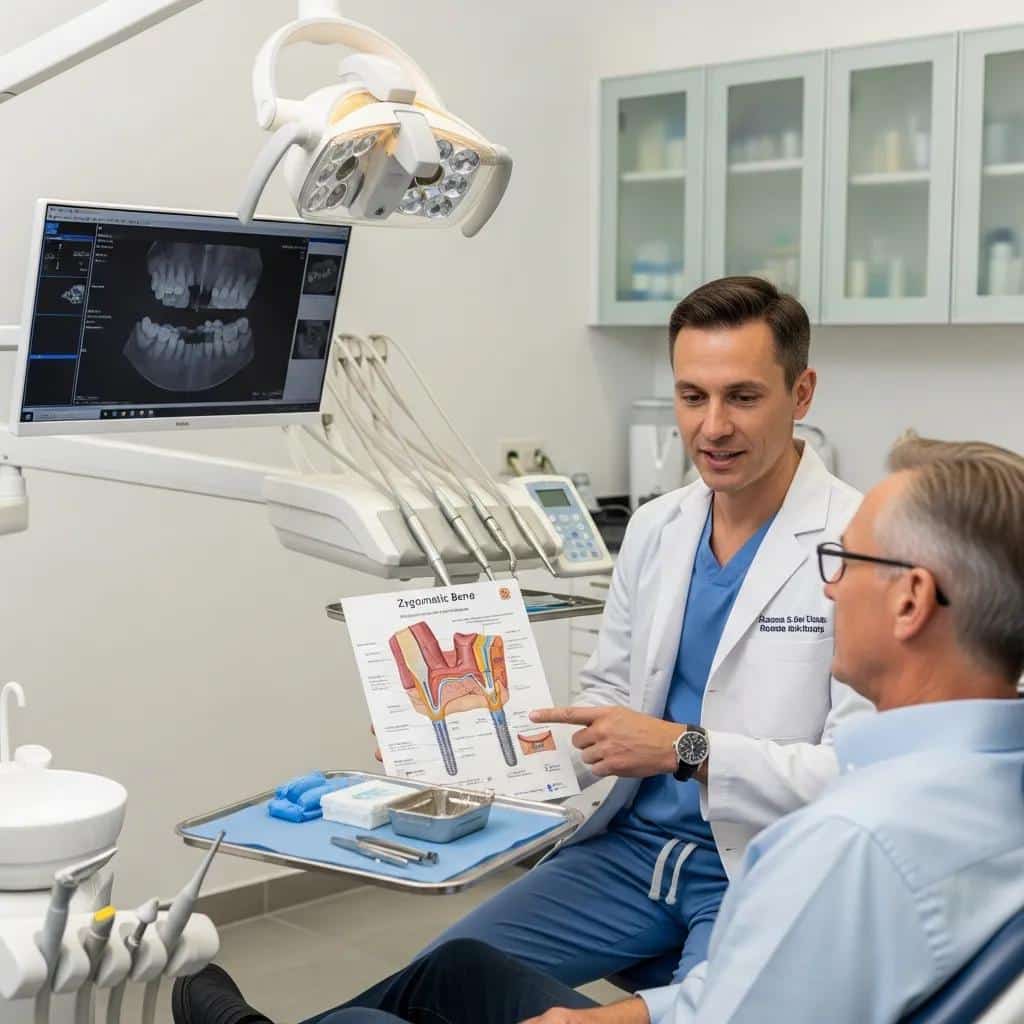
Why Choose Zygomatic Dental Implants Over Traditional Options?
Zygomatic implants represent a revolutionary advancement in dental restoration, particularly for patients with significant maxillary bone loss. Unlike traditional dental implants, which require sufficient bone density for placement, zygomatic implants are anchored in the zygomatic bone, providing a viable solution for those who may have been deemed ineligible for conventional implants. This article will explore the unique benefits of zygomatic implants, their candidacy criteria, and the advantages they offer over traditional options. We will also discuss cost considerations and recovery expectations, ensuring you have a comprehensive understanding of this innovative dental solution.
What Are Zygomatic Implants and How Do They Differ From Traditional Dental Implants?
Zygomatic implants are specialized dental implants designed for patients with severe maxillary bone loss. They differ from traditional dental implants in their placement and the anatomical structures they utilize for support. While traditional implants are inserted directly into the jawbone, zygomatic implants are anchored in the zygomatic bone, which is denser and more stable. This unique approach allows for immediate loading of the implants, providing patients with a functional solution more quickly than traditional methods.
Indeed, research supports that zygomatic implants offer a reliable and efficient alternative to conventional bone augmentation.
Zygomatic Implants: Safe Alternative to Traditional Bone Grafting
Zygoma implants with or without traditional dental implants are a safe and predictable first line of treatment in lieu of more time-consuming and financially burdensome traditional bone augmentation procedures.
Zygomatic implants in combination with dental implants, 2021
Definition and Medical Classification of Zygomatic Implants
Zygomatic implants are classified as a type of dental implant specifically designed for patients with insufficient maxillary bone. They are longer than traditional implants and are placed at an angle to maximize stability and support. This classification allows dental professionals to offer a solution to patients who would otherwise require extensive bone grafting procedures.
Key Differences Between Zygomatic and Traditional Implants
The primary differences between zygomatic and traditional implants include:
Placement: Zygomatic implants are placed in the zygomatic bone, while traditional implants are inserted into the jawbone.
Bone Requirements: Zygomatic implants do not require significant bone density, making them suitable for patients with severe bone loss.
Procedure Duration: Zygomatic implants can often be placed in a single surgical session, whereas traditional implants may require multiple procedures and healing time.
These differences highlight the advantages of zygomatic implants for patients facing challenges with traditional dental solutions.
Who Is a Candidate for Zygomatic Implants?
Candidates for zygomatic implants typically include individuals who have experienced significant bone loss in the upper jaw due to conditions such as periodontal disease, trauma, or congenital defects. Understanding the eligibility criteria is crucial for determining if this innovative solution is appropriate for a patient.
Eligibility Criteria and Bone Loss Considerations
To qualify for zygomatic implants, patients should have:
Severe maxillary bone loss: This condition often disqualifies them from receiving traditional implants.
Good overall health: Candidates should be free from systemic conditions that could impede healing.
Non-smokers: Smoking can negatively affect healing and implant success rates.
These criteria ensure that patients are well-suited for the procedure and can achieve optimal outcomes.
Further studies confirm the critical role of zygomatic implants in addressing severe maxillary atrophy, especially when traditional methods are not viable.
Zygomatic Implants for Severe Maxillary Atrophy: Candidacy & Outcomes
Purpose: Zygomatic implants are considered one of the last options for the rehabilitation of severe maxillary atrophy when standard implants are not feasible, or when patients refuse or are not suitable for bone grafting procedures. This study aimed to evaluate the long-term clinical and radiographic outcomes of zygomatic implant placement.
Zygomatic implants in the rehabilitation of severe maxillary atrophy: A retrospective study of 274 zygomatic implants with a mean follow-up period of 7.5 years., P Felice, 2024
Advantages for Patients With Severe Maxillary Bone Loss
Zygomatic implants offer several advantages for patients with severe maxillary bone loss, including:
Immediate Functionality: Patients can often receive a fixed prosthesis on the same day as the implant placement.
Reduced Need for Bone Grafting: This minimizes the number of surgical procedures required, leading to a more streamlined treatment process.
Higher Success Rates: Zygomatic implants have shown higher success rates in patients with significant bone loss compared to traditional implants.
These benefits make zygomatic implants an appealing option for those who have struggled with traditional dental solutions.
What Are the Advantages of Zygomatic Implants Compared to Traditional Options?
Zygomatic implants provide several key advantages over traditional dental implants, making them a preferred choice for many patients.
Reduced Need for Bone Grafting and Sinus Lift Procedures
One of the most significant benefits of zygomatic implants is the reduced need for bone grafting and sinus lift procedures. Traditional implants often require these additional surgeries to ensure adequate bone support, which can extend treatment time and increase costs. In contrast, zygomatic implants are designed to bypass these issues, allowing for a more efficient treatment process.
This advantage is further elaborated by research highlighting how zygomatic implants specifically bypass the need for extensive bone augmentation.
Zygomatic Implants: Alternative to Bone Grafting for Atrophic Maxilla
Zygomatic implants are long screw‐shaped implants developed as a partial or complete alternative to bone augmentation procedures for the severely atrophic maxilla. One to three zygomatic implants can be inserted through the posterior alveolar crest and maxillary sinus to engage the body of the zygomatic bone. The potential main advantages of zygomatic implants could be that in some situations bone grafting may not be needed and a fixed denture could be fitted sooner.
Interventions for replacing missing teeth: dental implants in zygomatic bone for the rehabilitation of the severely deficient edentulous maxilla, HV Worthington, 2005
Shorter Recovery Time and Higher Success Rates
Patients receiving zygomatic implants typically experience shorter recovery times compared to those undergoing traditional implant procedures. The immediate loading capability of zygomatic implants means that patients can enjoy functional teeth sooner. Additionally, studies have shown that zygomatic implants have higher success rates, particularly in patients with compromised bone structures.
What Are the Cost and Recovery Considerations for Zygomatic Implants?
Understanding the cost and recovery considerations associated with zygomatic implants is essential for prospective patients.
Cost Comparison and Insurance Factors
The cost of zygomatic implants can vary significantly based on several factors, including the complexity of the case and the specific materials used. Generally, zygomatic implants may be more expensive than traditional implants due to the specialized nature of the procedure. However, the reduced need for additional surgeries can offset these costs. Insurance coverage for zygomatic implants may also differ, so it is advisable for patients to consult with their insurance providers to understand their benefits.
Expected Recovery Time and Aftercare Guidelines
Recovery from zygomatic implant surgery typically involves:
Initial Healing: Patients can expect some swelling and discomfort for the first few days, which can be managed with prescribed medications.
Follow-Up Appointments: Regular check-ups are essential to monitor healing and ensure the implants are integrating properly.
Aftercare: Patients should follow specific aftercare guidelines, including maintaining oral hygiene and avoiding hard foods during the initial healing phase.
Overall, the recovery process is generally quicker than that of traditional implants, allowing patients to return to their normal activities sooner.
Cost Factor
Description
Estimated Range
Zygomatic Implants
Specialized implants for severe bone loss
$2,000 – $5,000 per implant
Traditional Implants
Standard implants requiring bone density
$1,500 – $3,000 per implant
Bone Grafting
Additional procedure for traditional implants
$500 – $3,000
This table illustrates the cost considerations associated with zygomatic implants compared to traditional options, highlighting the potential savings from reduced surgical needs.
In conclusion, zygomatic implants offer a transformative solution for patients with significant maxillary bone loss, providing immediate functionality and a higher success rate than traditional dental implants. With their unique placement and design, they eliminate the need for extensive bone grafting and allow for quicker recovery times. As dental technology continues to advance, zygomatic implants stand out as a viable option for those seeking effective dental restoration.
For those interested in exploring dental implant options further, visiting a local provider such as Affordable Dentist in Tyler can provide personalized consultations and treatment plans tailored to individual needs.