Cost vs. Longevity: A Deep Dive Into Dental Implants and Alternative Restorations in Mansfield, TX
Missing teeth create a clear trade-off between upfront cost and long-term value, and understanding that trade-off helps patients aged 40–60 make restorative choices that fit their budget and lifestyle. This article explains how dental implants, dentures, and bridges differ in initial expense, expected lifespan, maintenance demands, and real-world patient outcomes so readers can judge true cost-effectiveness. You will learn what implants are and how osseointegration produces durable function, how dentures and bridges compare in durability and comfort, and which restoration types tend to be more cost-effective over 10–20 years. The guide also maps local financing options, insurance realities, and the practical steps to schedule a free implants consultation in Mansfield. Throughout, the discussion integrates current technologies, material choices such as titanium versus zirconia, and clinical factors like bone grafting that influence both cost and longevity. By the end you will have evidence-based comparisons and actionable next steps for deciding whether to prioritize lower upfront cost or longer-term durability.
What Are Dental Implants and How Do They Provide Long-Term Value?
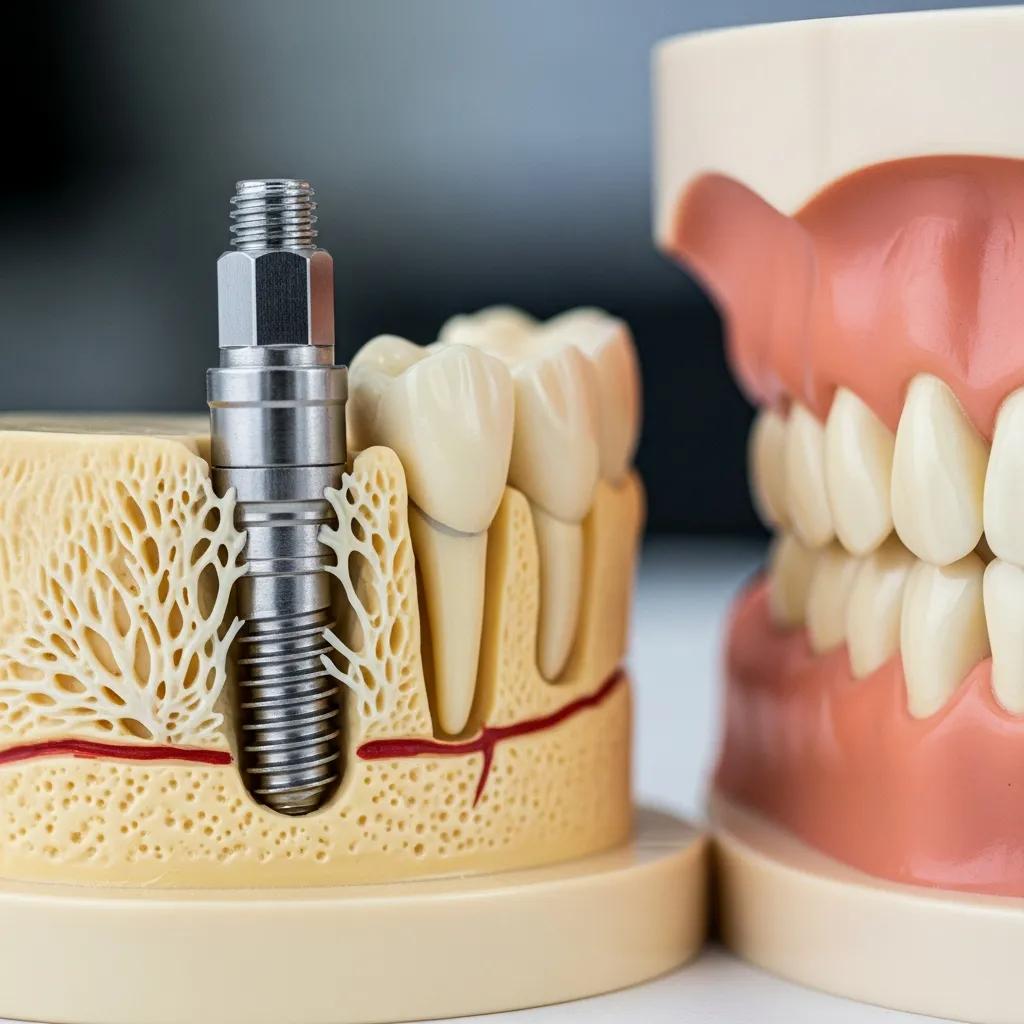
Dental implants are fixed dental prosthetics that replace missing tooth roots with a titanium or ceramic fixture that bonds to the jawbone, restoring chewing function and preventing bone loss. The mechanism—osseointegration—occurs when the implant fixture becomes biologically integrated with surrounding bone, creating a stable foundation for an abutment and crown; this stability translates into superior load transfer and long-term durability compared with tooth-supported restorations. Implants deliver value by reducing the need for adjacent-tooth alteration, preserving jawbone volume, and often requiring fewer replacements over decades, which offsets higher initial costs. Contemporary implant systems also allow solutions ranging from single-tooth replacement to full-arch restorations such as All-on-4 protocols, making implants a versatile option across restorative dentistry scenarios. Understanding the implant components and local cost drivers prepares patients to weigh immediate price against decades of function and reduced maintenance.
While All-on-4 protocols offer a versatile and often more affordable full-arch solution, it’s important to consider the potential for mechanical and biological complications due to fewer implant supports.
All-on-4 Implants: Affordability, Complications, and Full Arch Rehabilitation
Typically, full arch reconstruction of edentulous ridges requires five to 10 dental implants; however, some patients demanding fixed implant-supported prostheses are not able to medically or economically afford complex bone grafts and/or a greater number of implants. These situations could pivot the treatment plan toward the All-on-4 protocol. Nevertheless, due to less implant support in this treatment option, mechanical and biological complications might arise. This article describes the treatment of a fully edentulous patient with two types of fixed implant-supported prostheses on four dental implants along with the following complications.
Full arch all-on-4 fixed implant-supported prostheses with 8.5 years of follow-up: a case report, A Rokn, 2018
Dental implant components and benefits are best understood by breaking down the parts and their roles. The implant fixture anchors to bone, the abutment connects the prosthetic crown, and the crown restores occlusion and esthetics; each meronym contributes to the overall longevity of the restoration. These components interact through biological and mechanical relationships: implant → undergoes → osseointegration; abutment → supports → implant crown. The practical outcome is improved chewing efficiency and long-term preservation of facial structure, which often shifts value calculations in favor of implants for patients prioritizing longevity.
How Do Dental Implants Work to Replace Missing Teeth?
Dental implants follow a predictable clinical pathway from assessment to restoration that balances surgical precision and prosthetic planning to maximize long-term success. The process begins with a comprehensive consultation and diagnostic imaging to evaluate bone volume and adjacent structures, which determines whether bone grafting or sinus lift procedures are necessary before implant placement. During surgery the implant fixture is placed into the jawbone; healing follows while osseointegration occurs over several weeks to months and the clinician monitors integration before attaching the abutment and definitive crown. Final restoration restores occlusion, articulation, and esthetics, with the prosthetic crown custom-made to match adjacent dentition; successful integration yields near-natural function for chewing and speech. Patients aged 40–60 often appreciate that this predictable sequence emphasizes long-term outcomes, and understanding each phase helps set expectations about timeline, comfort, and maintenance.
This stepwise approach reduces surprises and clarifies cost drivers by tying each stage to its purpose. Pre-op imaging determines whether grafting is needed, surgical expertise affects implant positioning and bone contact, and lab fabrication of the crown influences esthetic outcomes and price. Recognizing that each phase contributes to both upfront fees and downstream durability connects the implant process to the larger cost-versus-longevity question, which is the next key area of consideration.
What Factors Influence the Cost of Dental Implants in Mansfield?
Local dental implant cost is a composite of clinical complexity, material selection, laboratory fees, and specialist involvement; in Mansfield these variables create a range rather than a single price point. The primary cost drivers are the number of implants required (single vs. multi-unit or full-arch solutions such as All-on-4), the need for adjunctive procedures like bone grafting or sinus lifts, implant material (titanium fixtures versus zirconia fixtures), and the experience level of the treating clinician or surgical team. Additional contributors include the type of final prosthesis (single crown, implant-supported bridge, fixed full-arch denture) and the quality of laboratory work, which affects both esthetics and marginal fit—factors that influence long-term success and potential rework. Geographic market conditions in Mansfield, practitioner expertise, and availability of digital workflows or guided surgery can also modulate cost while potentially improving predictability.
Understanding these local drivers allows patients to interpret estimates and compare value rather than price alone. A more expensive initial plan that includes bone grafting and a higher-grade lab crown may provide better long-term outcomes and fewer replacements, shifting lifetime cost calculus. The ability to discuss these specific factors during a consultation—when precise imaging and a personalized treatment plan are available—transitions cost comparison from abstract figures to meaningful, patient-specific projections, which we will quantify later in EAV tables.
How Long Do Dental Implants Last and What Affects Their Longevity?
Dental implants demonstrate high survival rates over decades when placed and maintained appropriately, and multiple contemporary studies report 10-year survival rates exceeding 95% for endosteal implants under favorable conditions. Longevity depends on a combination of patient-related factors such as smoking status, glycemic control in diabetes, and oral hygiene, as well as procedure-related factors including bone quality at the implant site, precise implant placement, implant design and surface treatment, and the material used for the fixture and prosthesis. Peri-implantitis prevention through regular professional maintenance and early detection of soft tissue changes is essential to long-term success; failures often correlate with chronic inflammation, biomechanical overload, or untreated systemic conditions. Quantifying these factors helps patients anticipate realistic survival ranges—commonly 15–25+ years in well-maintained cases—and choose interventions that maximize the implant’s lifespan.
To present survival data and influencing attributes clearly, the following EAV-style table summarizes typical implant performance metrics and key longevity modifiers for quick reference.
This table highlights evidence-based success rates and common risk factors for implant survival.
Restoration Type
Key Longevity Metric
Typical Value / Influence
Implant (endosteal)
10-year survival rate
>95% in controlled studies
Implant (All-on-4 style)
5–10 year prosthesis survival
High fixture survival; prosthesis repairs possible
Implant-supported crown
Maintenance burden
Regular hygiene and recalls reduce failure risk
Influencing factor (smoking)
Relative risk of failure
Smoking increases risk significantly
What Is the Average Lifespan of Dental Implants?
In contemporary restorative dentistry the average functional lifespan of a well-placed dental implant commonly extends beyond 15 years and often surpasses 25 years, contingent on patient health and maintenance. Clinical literature and long-term cohort studies consistently show 10-year survival rates above 95% for implants placed in healthy, non-smoking patients with adequate bone volume and controlled systemic conditions; these statistics translate into multi-decade functionality for many recipients. Caveats apply: prosthetic components (crowns, abutments) may require replacement or repair more frequently than the implant fixture itself, and peri-implant soft tissue complications like peri-implantitis can compromise outcomes if not managed. Thus, realistic lifespan expectations combine fixture survival statistics with likely prosthetic maintenance needs, and a conservative planning approach accounts for occasional prosthetic rework while anticipating extended fixture longevity.
These lifespan expectations inform the financial comparison between implants and alternatives by emphasizing that long-term value depends on both survival probabilities and prosthetic maintenance over time, which we quantify in later sections.
How Does Maintenance Impact Dental Implant Durability?
Maintenance is a determinative factor in implant durability; daily oral hygiene, proper interdental cleaning, and regular professional recall visits together form the primary defense against peri-implant disease and mechanical complications. At-home care should include thorough plaque control around implant crowns and implant-supported prostheses, with adjunctive interdental brushes or floss designed for implants to remove biofilm from abutment margins and prosthetic interfaces. Professional maintenance visits—typically every 3–6 months depending on risk profile—allow for debridement, soft tissue assessment, occlusal checks, and early intervention for signs of inflammation or prosthetic wear; these visits materially reduce the risk of late failures. Lifestyle adjustments such as smoking cessation and control of systemic conditions like diabetes further bolster implant longevity by improving healing capacity and lowering infection risk. Together, these maintenance behaviors convert high theoretical survival rates into real-world long-term success.
A structured maintenance schedule and patient adherence are the practical levers that transform implant potential into predictable outcomes, making maintenance planning an essential part of the initial treatment decision.
What Are Dentures and How Do Their Costs Compare to Implants?
Dentures are removable or fixed prosthetic appliances that replace missing teeth and associated soft tissues, delivering an affordable path to restored appearance and basic masticatory function but typically with shorter lifespan and more maintenance than implant-based solutions. Dentures range from traditional removable full dentures and removable partial dentures to implant-retained overdentures and fixed implant-supported dentures; each variation has distinct cost, stability, and maintenance profiles. Traditional removable dentures generally have the lowest upfront cost per arch and require periodic relines and remakes due to alveolar ridge resorption and material wear, whereas implant-retained overdentures and fixed implant-supported dentures increase stability and patient satisfaction while raising initial investment. Understanding these gradations clarifies why dentures can be the most budget-friendly immediate option but may incur recurring costs and functional compromises over time.
Research indicates a strong patient preference for implants, even when considering the higher initial investment compared to conventional dentures.
Dental Implants vs. Dentures: Patient Willingness to Pay & Cost-Effectiveness
with conventional dentures or dental implants; 70% of those with implants were willing to pay three times the cost of conventional dentures for implants, rising to 96% of implant wearers
Evaluating the health economic implications and cost-effectiveness of dental implants: a literature review., 2013
Comparing denture types and their typical price ranges helps set expectations about immediate expense versus long-term value; the list below outlines denture categories and common considerations for cost and durability.
Removable full denture (per arch): Lower upfront cost, requires relines every few years.
Removable partial denture: Economical for segmental tooth loss, can affect adjacent teeth if clasping.
Implant-retained overdenture: Increased retention and chewing function with moderate additional cost.
Fixed implant-supported denture (per arch): Highest initial investment with superior stability.
These categories show how adding implants to support a denture shifts the longevity profile; choosing the right approach depends on priorities for cost, comfort, and function, which we explore in lifecycle comparisons.
What Types of Dentures Are Available and Their Price Ranges?
Denture types span a spectrum from simple acrylic removable prostheses to complex fixed implant-supported arches, and price reflects materials, laboratory complexity, and whether implants are used to retain or support the prosthesis. Removable full dentures typically involve an acrylic base with acrylic teeth and represent the most economical per-arch solution; maintenance includes relines and occasional remakes every 5–10 years as bone resorbs. Removable partial dentures use metal frameworks or flexible materials and cost slightly more depending on design complexity and clasping needs. Implant-retained overdentures require two or more implants to anchor the prosthesis and increase upfront cost but substantially improve retention and chewing efficiency. Fixed implant-supported dentures or full-arch prostheses carry the highest initial cost because they combine multiple implants with precision lab work, but they deliver the closest approximation to natural dentition in function and esthetics.
These distinctions clarify where denture options fit into cost-versus-longevity decisions and prepare patients to balance immediate affordability against longer-term quality of life and maintenance needs.
How Do Denture Longevity and Maintenance Requirements Affect Value?
Denture longevity is typically shorter than implant-fixed solutions, with removable dentures often needing significant adjustments, relines, or replacement every 5–10 years due to wear and alveolar ridge changes, which increases cumulative lifetime cost. Routine maintenance for dentures includes occasional relining to re-establish fit, periodic rebasing or replacement as the ridge resorbs, and routine adjustments for sore spots or occlusal changes; these interventions create recurring expenses and interruptions in function. Implant-retained overdentures reduce many of these issues by stabilizing the prosthesis and slowing bone resorption locally, thereby extending functional lifespan and patient satisfaction, though attachment components may require periodic replacement. When calculating long-term value, patients should include the cost and inconvenience of relines, repairs, and reduced masticatory efficiency; for many, dentures remain the most cost-effective short-term solution, while implant-based options become comparatively economical over longer horizons due to fewer replacements and better function.
Factoring lifecycle maintenance into financial planning converts a low upfront price into a realistic long-term budget estimate, which aids in informed decision-making for different patient priorities.
How Do Dental Bridges Compare to Implants in Cost and Lifespan?
Dental bridges are prosthetic devices that span a gap using adjacent teeth as abutments or using implant abutments, offering a fixed solution without placing a root-form implant into the bone. Bridges include traditional fixed bridges that rely on prepared natural teeth, cantilever bridges, resin-bonded Maryland bridges, and implant-supported bridges that combine bridge design with implant fixtures; each type has distinct cost and lifespan implications. Traditional tooth-supported bridges have lower surgical requirements and often lower initial cost than implants but require alteration of adjacent healthy teeth and carry an elevated risk of abutment tooth failure or decay over time. Implant-supported bridges avoid sacrificing adjacent teeth and can provide durability closer to single-tooth implants, but they increase initial surgical and prosthetic costs. The choice between bridge and implant often hinges on the condition of neighboring teeth, bone volume, patient preference for invasiveness, and long-term value calculations.
A brief list below clarifies typical bridge types and when each is indicated, which sets the stage for cost and longevity comparison.
Traditional fixed bridge: Uses prepared adjacent teeth as abutments; good when neighboring teeth require crowns.
Cantilever bridge: Supported on one side; used in limited scenarios with suitable occlusion.
Maryland (resin-bonded) bridge: Minimally invasive, bonded to enamel; suitable for small anterior gaps.
Implant-supported bridge: Does not burden adjacent teeth; preferred for larger spans or when adjacent teeth are healthy.
This taxonomy makes clear that bridges can be cost-effective for certain clinical presentations but may demand earlier replacement if abutment teeth develop problems.
What Are the Different Types of Dental Bridges and Their Costs?
Bridge types vary in material, design, and clinical indication, which produces a range of costs and expected maintenance profiles. Traditional bridges use porcelain-fused-to-metal or all-ceramic pontics supported by crowns on adjacent prepared teeth; cost depends on the number of units and lab fees. Resin-bonded Maryland bridges are less invasive and generally less costly but can debond more easily and are best for anterior teeth with light occlusal demands. Implant-supported bridges replace missing teeth without affecting adjacent teeth and involve the cost of implants plus prosthetic fabrication, increasing initial investment but often reducing long-term replacement frequency. Decisions around bridge type also depend on the health of neighboring teeth—when abutment teeth already need crowns, a bridge can be a cost-efficient dual-purpose solution by combining crowns and tooth replacement in one restoration.
Understanding these cost and indication differences helps patients and clinicians select the most value-driven restorative path for the clinical scenario at hand.
What Is the Expected Lifespan of Dental Bridges Compared to Implants?
Lifespan for tooth-supported bridges typically falls in the 5–15 year range, influenced by abutment tooth health, oral hygiene, and the development of recurrent decay or periodontal disease; many bridges need replacement or repair sooner than well-maintained implants. Implant-supported bridges can approach implant lifespans in terms of structural longevity because they rely on fixtures anchored in bone rather than on potentially compromised natural teeth; however, prosthetic components may still require replacement or adjustment over time. Failure modes differ: bridge failures often stem from decay or fracture of abutment teeth, while implant failures relate to peri-implantitis or biomechanical overload. The comparative analysis shows that implants offer a higher probability of extended service life, especially when adjacent teeth are healthy and bone conditions are favorable, but bridges remain a practical option when adjacent teeth are suitable abutments or when surgical options are limited.
This comparative perspective helps prioritize treatments according to whether the patient values reduced invasiveness or maximized long-term durability.
What Are the Direct Cost vs. Longevity Comparisons Among Implants, Dentures, and Bridges?
Direct comparisons require a clear presentation of initial costs, expected lifespans, typical maintenance, and projected long-term replacement frequency to reveal which restoration delivers the best long-term value. Initial cost typically ranks from lowest to highest as removable dentures, traditional bridges, single-tooth implants, implant-retained overdentures, and fixed implant-supported full-arch prostheses, but lifetime cost may invert this order when accounting for relines, replacements, abutment tooth failures, and prosthetic rework. For many patients seeking durable function and minimal interference with adjacent teeth, implants deliver superior value across a 10–20 year horizon despite higher upfront fees. The EAV-style table below offers a concise, scannable comparison of typical initial costs, average lifespans, maintenance expectations, and replacement frequency to support feature-by-feature decision-making.
This table summarizes typical initial costs, lifespans, and maintenance implications for common restorative options.
Restoration
Initial Cost (typical range)
Average Functional Lifespan
Maintenance / Replacement Notes
Single implant + crown
$3,000–$6,000 per unit
15–25+ years (fixture)
Crown may need replacement; hygiene essential
Traditional bridge (3-unit)
$1,500–$3,500
5–15 years
Abutment tooth risk; possible rework
Removable full denture (per arch)
$500–$2,000
5–10 years
Relines, remakes likely; comfort issues
Implant-retained overdenture
$4,000–$12,000 per arch
8–15 years (prosthesis)
Attachments require periodic replacement
Fixed implant-supported arch
$15,000–$30,000 per arch
10–20+ years
High upfront; fewer replacements over time
How Do Initial and Long-Term Costs Differ Across Restoration Types?
Initial and long-term costs diverge primarily because some restorations displace future expenses onto routine maintenance and replacements rather than on a single upfront payment. Removable dentures have low initial outlay but recurring relines, adjustments, and remakes accumulate over a 10–20 year horizon. Traditional bridges have moderate initial cost but may cause progressive decay or periodontal problems in abutment teeth, triggering subsequent restorative expenses. Implants concentrate cost up front—surgery, materials, and high-quality prosthetics—but reduce future replacement frequency and preserve bone, which can minimize long-term indirect costs such as bone grafting or further prosthetic cycles. Example scenarios—single-tooth replacement, three-tooth span, and full-arch rehabilitation—demonstrate how lifetime cost comparisons often favor implants for patients planning long-term oral function and stability.
Recognizing where costs recur versus where they are front-loaded helps patients selecting restorations that align with their financial planning horizon and functional priorities.
Which Restoration Offers the Best Balance of Durability and Affordability?
Deciding which restoration best balances durability and affordability depends on patient priorities, clinical constraints, and long-term planning horizon; no single answer fits every scenario. For budget-conscious patients seeking immediate improvement and who accept periodic maintenance, removable dentures deliver the best short-term affordability. For patients prioritizing medium-term fixed function without surgery, traditional bridges may be appropriate when abutment teeth are already compromised. For longevity-focused patients aged 40–60 who value bone preservation, chewing efficiency, and fewer replacements over decades, implants—especially single-tooth implants or implant-supported bridges—tend to provide superior long-term value despite higher initial cost. Persona-based guidance below synthesizes these considerations into actionable recommendations aligned with common patient profiles.
Budget-conscious, short-term focus: Prioritize removable dentures and plan for periodic relines and replacements.
Moderate budget, minimal surgery: Consider traditional bridges when adjacent teeth warrant crowns.
Longevity-focused, long-term planning: Favor implants or implant-supported prostheses for durable results and bone preservation.
This persona-based approach clarifies how patient values and clinical status should direct restoration choice.
How Can Patients in Mansfield Finance Their Dental Restorations Affordably?
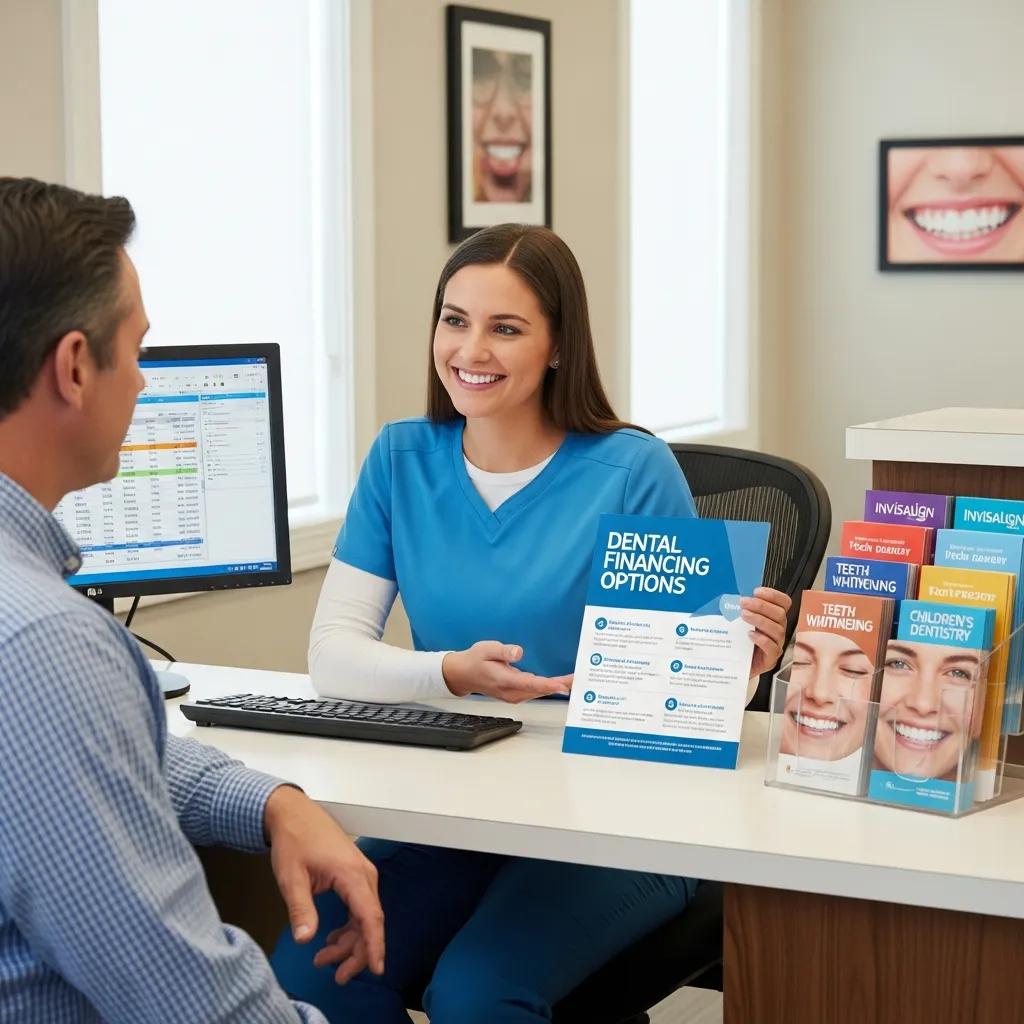
Financing options in Mansfield commonly include dental insurance with limitations for implants, third-party financing like credit plans, and in-house payment arrangements that spread cost over time; combining options can make implants attainable while balancing monthly budgets. Insurance often covers portions of bridge or denture costs but typically provides limited or no coverage for implants, which means patients should verify benefits and potential reimbursements before committing to a plan. Third-party financing products such as patient finance lines or third-party healthcare lenders offer structured payments and promotional low-interest periods; in addition, some dental practices provide in-house payment plans tailored to patient timelines. For patients in Mansfield seeking to bridge the gap between cost and long-term value, discussing Affordable Payment Plans and the clinic’s Free Dental Consultation and Free Implants Consultation during the financing conversation produces personalized options and clearer cost projections.
Below is an EAV-style table comparing common payment approaches and their typical attributes to help patients weigh financing choices.
Payment Option
Typical Down Payment / Terms
Applicability / Notes
Dental insurance
Varies; partial coverage
Often covers bridges/dentures more than implants
Third-party financing
0–20% down; 6–60 months
Can include promotional interest-free periods
In-house payment plans
Varies by practice
Flexible for patients; terms depend on clinic policy
Affordable Payment Plans (clinic-specific)
Varies
Designed to improve accessibility for restorative care
What Payment Plans and Insurance Options Are Available Locally?
Locally, patients should expect that dental insurance may offset part of the cost for bridges and dentures but often provides limited benefits for implant fixtures, requiring supplemental financing for implant-based plans. Common third-party financing solutions allow patients to spread payments across several months or years with promotional rates for qualified applicants; these plans make implant rehabilitation more accessible by converting a single large expense into manageable monthly payments. Many dental practices also offer in-house or clinic-partnered Affordable Payment Plans that tailor schedules to patient needs, and discussing these options during consultation helps align treatment sequencing with financing. Verifying coverage details—annual maximums, waiting periods, and exclusions—before accepting a treatment estimate prevents surprises and clarifies whether an implant plan will need to be self-funded or supplemented by third-party financing.
Because financing changes the immediate burden while preserving access to higher-value restorative options, patients should compare plan examples and ask the treating practice for written estimates that include projected long-term maintenance costs.
How Can You Schedule a Free Dental Implant Consultation in Mansfield?
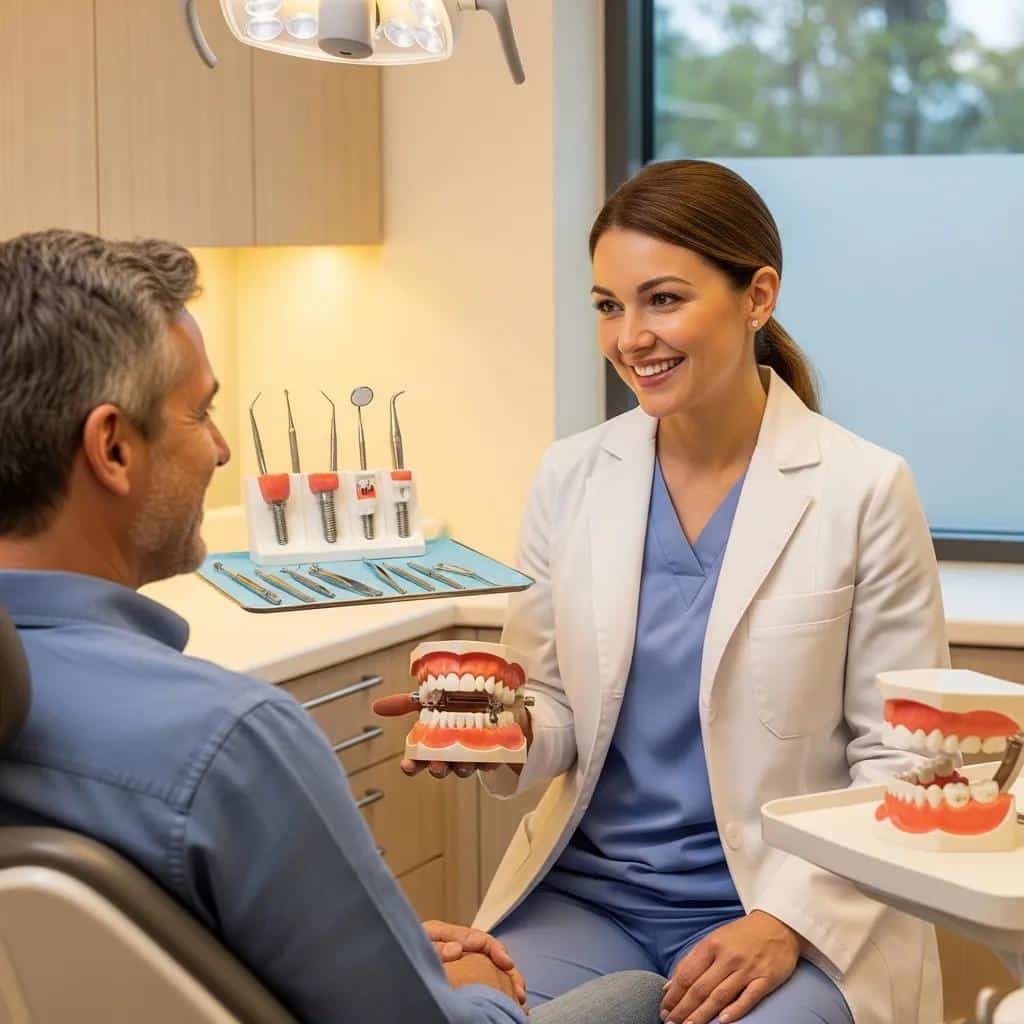
To schedule, call the practice at (817) 567-2529 and request the free implants consultation; bring a list of current medications, any recent dental records or X-rays if available, and questions about budget and function so the team can prepare. At the consultation the clinician will perform an oral examination, discuss possible imaging needs to evaluate bone volume, outline restorative options including costs and financing strategies, and provide an initial estimate and next steps. Taking advantage of the free consult helps patients convert abstract comparisons into a clear, personalized plan tailored to their oral health status and financial preferences.
What Are the Benefits and Considerations for Patients Aged 40-60 Choosing Restorations?
Patients aged 40–60 often prioritize long-term function, facial support, and predictable outcomes; these priorities make implants appealing because they preserve bone and reduce future prosthetic cycles, aligning with mid-life planning horizons. At this stage many patients balance family, career, and financial responsibilities while also thinking ahead to decades of oral function—so durability and maintenance burden become central decision factors. Clinical considerations like bone density (which tends to decline slowly with age), periodontal health, and systemic conditions must influence restoration choice and sequencing; early intervention to preserve bone and treat periodontal disease expands implant candidacy. Additionally, esthetic expectations and the desire for fixed, natural-feeling restorations push many in this demographic toward implant-supported solutions when feasible.
Understanding the intersection of clinical condition and life priorities helps frame restoration choice in realistic terms and informs the planning required to achieve durable, cost-effective outcomes.
Why Are Dental Implants Preferred by Patients in Their 40s to 60s?
Dental implants are often preferred by patients in their 40s to 60s because they address mid-life priorities: preservation of bone and facial support, restoration of full chewing efficiency, and a fixed solution that reduces ongoing maintenance compared with removable prostheses. At these ages patients typically value long-term planning—investing in a restoration that will likely function well for decades aligns with family and financial goals. Implant therapy also helps prevent progressive bone resorption that can alter facial profile over time, which is particularly relevant for patients who wish to minimize the need for future complex reconstructions. The psychological benefits—improved confidence, social comfort, and reduced dietary limitations—complement functional gains and explain why implants often resonate with this age group.
These advantages must be weighed against surgical considerations and upfront cost, but for many 40–60-year-old patients the balance favors implants because the projected long-term benefits match mid-life objectives.
What Oral Health Factors Should Influence Restoration Choice?
Clinical evaluation for restoration choice centers on bone volume, periodontal status, and systemic health because these factors determine implant candidacy and influence prognosis for bridges and dentures as well. Adequate bone density and volume reduce the need for bone grafting and simplify implant placement, while active periodontal disease must be controlled prior to placing either implants or bridges to lower failure risk. Systemic conditions such as uncontrolled diabetes and smoking status increase complication risk and should be optimized or modified before pursuing implant treatment. Additionally, occlusion, parafunctional habits (e.g., bruxism), and the condition of adjacent teeth influence whether a bridge is viable or whether implant-supported restoration is preferable; the dentist will assess these attributes and recommend the option that best balances clinical feasibility with the patient’s functional and financial priorities.
A thorough pre-treatment assessment converts clinical constraints into a realistic, individualized pathway toward durable restoration.
What Technological Advances Improve the Longevity and Cost-Effectiveness of Dental Implants?
Technological advances—including digital dentistry workflows, cone-beam computed tomography (CBCT), guided surgical guides, and improved implant surface treatments—have raised implant precision and predictability while sometimes reducing chair time and complication-driven costs. Digital planning creates detailed treatment simulations that map implant positions relative to anatomical structures, improving prosthetic outcomes and minimizing surgical risk; this digital-to-physical workflow often translates into fewer complications and more accurate prosthetic fit. Guided surgery and 3D-printed surgical templates increase placement accuracy, which enhances osseointegration and reduces the likelihood of mechanical complications. Materials science advances—better implant surface coatings, stronger prosthetic ceramics, and improved attachment systems for overdentures—contribute to longevity by improving biological integration and prosthetic resilience. Together, these innovations shift the cost-versus-longevity equation by lowering the incidence of corrective procedures that drive long-term expense.
Understanding how specific technologies reduce complication rates helps patients appreciate when paying for advanced planning and materials can be cost-effective in the long run, especially for complex reconstructions.
The following short list highlights key technological improvements that influence implant success and long-term economics.
Digital 3D planning (CBCT): Improves anatomical assessment and prosthetic-driven implant placement.
Guided surgery and surgical templates: Enhance placement accuracy and reduce intraoperative variability.
Advanced implant surfaces and materials: Promote rapid osseointegration and resist bacterial colonization.
How Does Digital Dentistry Enhance Implant Precision and Outcomes?
Digital dentistry enhances implant precision by combining CBCT imaging with CAD/CAM planning to produce a virtual plan that aligns prosthetic goals with optimal implant positions, reducing surgical guesswork and improving prosthetic fit. The workflow typically includes 3D imaging, virtual implant placement, and fabrication of surgical guides that translate the plan to clinical reality with high repeatability and accuracy; this reduces intraoperative time, minimizes the risk of damaging adjacent structures, and helps ensure proper emergence profiles for crowns. Improved prosthetic fit reduces microgaps that can harbor bacteria, lowering long-term biological complication risk and thereby improving longevity. Additionally, digital workflows allow laboratories to fabricate restorations with predictable margins and occlusion, which reduces the need for remakes and adjustments, ultimately improving cost-effectiveness by decreasing labor-intensive corrective procedures.
By tying preoperative planning directly to prosthetic outcomes, digital dentistry converts precision into measurable reductions in complication rates and prosthetic rework, which supports long-term value.
What Materials Are Used in Implants and How Do They Affect Durability?
Implant fixtures are most commonly titanium due to its biocompatibility and long clinical track record, while zirconia implants offer an alternative with aesthetic advantages and promising early results; prosthetic crowns commonly use porcelain, zirconia, or layered ceramic systems depending on esthetic and strength needs. Titanium implants integrate reliably through osseointegration and have decades of outcome data supporting their durability under load, while zirconia fixtures are increasingly used when metal-free solutions are desired, though long-term comparative data is still accumulating. Prosthetic materials also affect durability: high-strength zirconia crowns resist fracture and retain polish, improving wear characteristics, whereas porcelain-fused-to-metal crowns offer a balance between strength and cost. Material choice influences initial cost, esthetic outcome, and maintenance profile, and selecting the optimal combination for a patient’s anatomy and functional demands improves both longevity and cost-effectiveness.
Despite the growing interest in zirconia implants for their aesthetic benefits, ongoing research is crucial to fully understand and compare their long-term osseointegration with the well-established titanium implants.
Titanium vs. Zirconia Dental Implants: Osseointegration Comparison
While Zr implants are a promising treatment option, more research on osseointegration is needed to fully understand and compare the histologic levels of osseointegration between Ti and Zr dental implants.
Histologic Osseointegration Level Comparing Titanium and Zirconia Dental Implants: Meta-analysis of Preclinical Studies., 2023
Choosing materials is therefore a strategic decision: fixture material determines biological integration potential while prosthetic materials determine wear resistance and esthetic longevity, which together drive the restoration’s real-world lifespan. In light of these material considerations, patients should discuss options during planning to align material performance with long-term expectations and budget.
Free Dental Consultation, Free Implants Consultation, and Affordable Payment Plans are available for patients who want to discuss material choices, financing, and digital planning options in person. To schedule a consult, call (817) 567-2529 or visit the practice in Mansfield; during the appointment the team will review imaging options, material trade-offs such as titanium versus zirconia, and financing arrangements. This targeted discussion helps patients weigh the incremental costs of advanced materials and digital workflows against projected longevity benefits so they can make informed choices aligned with long-term goals. Integrating technology and financing pathways in the initial consult simplifies decision-making and clarifies the true cost-to-value ratio for each restorative option.
Option
Characteristic
Impact on Cost & Longevity
Titanium implant fixture
Proven osseointegration
Long-term reliability; established outcomes
Zirconia implant fixture
Metal-free, aesthetic
Emerging evidence; may increase material cost
Zirconia crown
High strength, aesthetic
Greater resistance to fracture; higher lab cost
Free Dental Consultation, Free Implants Consultation are offered by Dentist In Mansfield- Dentures and Dental Implants to help patients understand these trade-offs and to outline financing options, including Affordable Payment Plans. The clinic’s approach emphasizes patient comfort and modern technology to align restorative choices with long-term outcomes and realistic budgets.
1. Prepare for your consult: Bring medical history and any prior dental records to speed assessment. 2. Discuss material priorities: Address esthetics, strength, and cost trade-offs with the clinician. 3. Review financing: Ask about Affordable Payment Plans and third-party financing to align treatment timing with cash flow.
Payment Plan
Typical Feature
Typical Benefit
In-house plan
Flexible schedules
Makes implants accessible without large upfront payment
Third-party finance
Promotional terms
Spreads cost over months or years
Insurance reimbursement
Partial coverage
Reduces prosthetic cost where applicable
Free Dental Consultation, Free Implants Consultation, and Affordable Payment Plans are part of the practice’s commitment to making restorative dentistry accessible while preserving patient comfort and modern technology in care delivery. These offers are most useful when paired with evidence-based comparisons like those provided earlier in this article, ensuring that cost decisions are grounded in projected longevity and maintenance realities.
Immediate practical steps: Get an exam and imaging during the free consult to produce a tailored estimate.
Match priorities: Choose restorative types based on whether you prioritize lower upfront cost or longer-term durability.
Plan maintenance: Build hygiene and recall into the cost model to protect your investment.
The following final comparison emphasizes maintenance planning across restoration types.
Restoration
Maintenance Frequency
Typical Repair Items
Implant + crown
Recall every 3–6 months
Crown replacement, abutment screw checks
Denture
Annual check; relines every 2–5 years
Relines, repairs for fractures
Bridge
Recall every 6 months
Abutment tooth repair, replacement bridges
This final table emphasizes that maintenance planning is integral to the financial equation and that realistic scheduling of follow-up care improves longevity across restoration types.