Dental Implants: Are You a Good Candidate? What to Expect and How to Prepare
Dental implants are a long-lasting way to replace missing teeth. They restore your ability to chew, support facial structure, and protect long-term oral health by anchoring a crown to a titanium implant that bonds with your jaw. This guide walks through how we check implant candidacy, why those checks matter for lasting results, and real next steps if you’re not immediately eligible. You’ll learn the key criteria—jawbone volume, gum health, medical stability, and lifestyle habits—along with the tests we use, common fixes like bone grafts or periodontal care, and other prosthetic options. We also explain what our Fort Worth team looks for when planning treatment, so you can decide whether implants are the right path and how to prepare for a predictable outcome.
What Are Dental Implants and Why Does Candidacy Matter?
In simple terms, a dental implant replaces a tooth root with a metal post, adds an abutment, and finishes with a crown that looks and functions like a natural tooth. The implant integrates with the jawbone (osseointegration), creating a stable base that helps preserve nearby bone. Candidacy checks are important because factors such as bone quality, gum disease, medical conditions, and smoking affect healing and long-term stability. A proper pre-op evaluation reduces complications and tells us if preparatory work—like grafting or treating gum disease—is needed. Knowing this up front helps set realistic expectations for timing, cost, and recovery.
Implants offer advantages over removable options and bridges, and thorough assessment is the first step to getting those benefits reliably.
What Is a Dental Implant and How Does It Work?
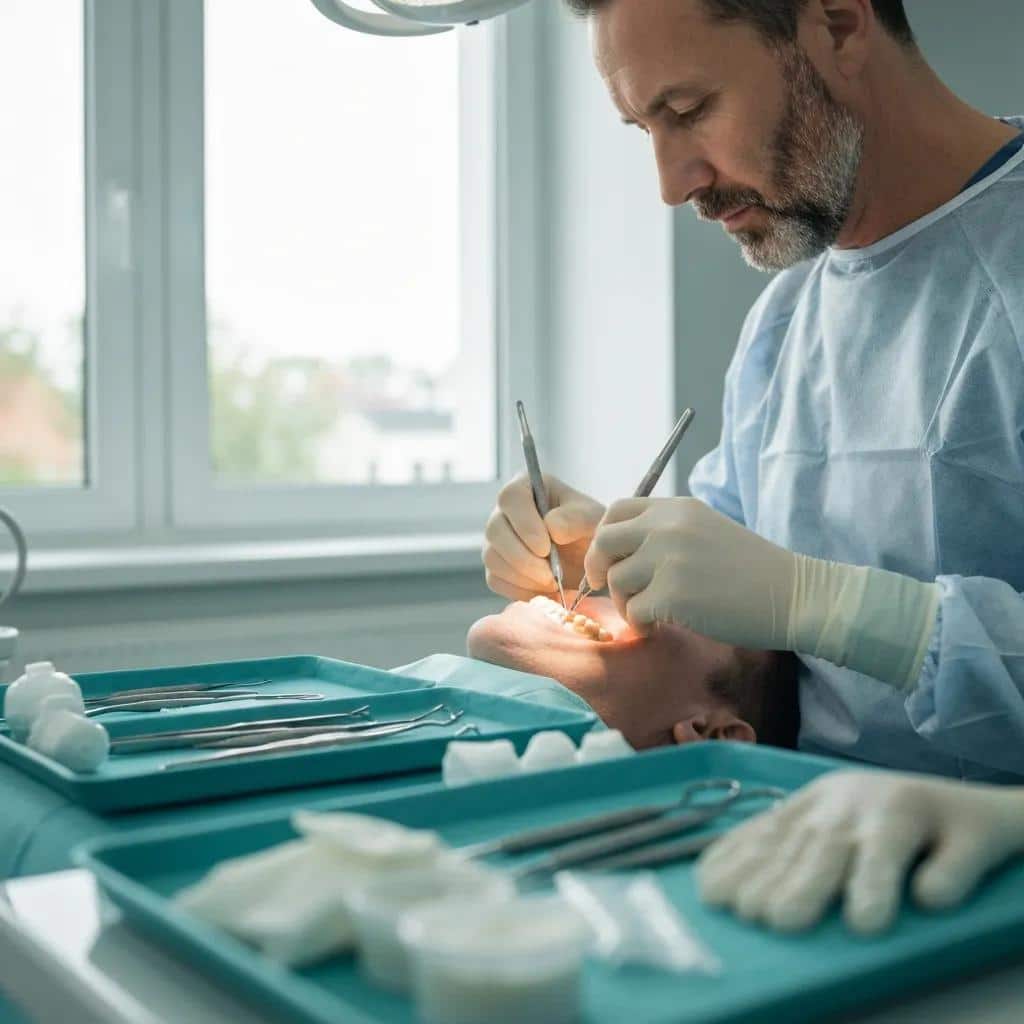
An implant has three parts: the implant post (usually titanium), an abutment to connect parts, and the crown that does the chewing and looks natural. The post is placed into the jaw where bone grows around it and stabilizes it. That process needs enough healthy bone—without it, movement during healing can cause failure. Implant approaches vary: most are placed in the bone (endosteal), some rest on top of bone under the gum (subperiosteal) for special cases, and full-arch options like All-on-4 replace many teeth at once. Understanding the steps—surgery, healing, abutment connection, and the final crown—helps explain why candidacy screening matters.
Next, we’ll look at how preoperative checks catch risks and shape personalized treatment plans.
Why a Candidacy Check Improves Your Chances of Success
A candidacy assessment spots both modifiable and non-modifiable risks that affect integration, gum health around the implant, and how long the restoration lasts. Imaging like CBCT shows bone volume and nearby anatomy, and a periodontal exam reveals any active infection that needs treatment first. Your medical history may uncover conditions or medications—such as uncontrolled diabetes or certain bone drugs—that change healing and require coordination with your physician. With this information we can sequence care (for example: graft first, implant later), set realistic timelines, and plan follow-up. In short, a structured assessment turns uncertainty into a clear plan that increases the odds of a stable, long-lasting result.
That risk-based planning leads into the next section on who typically makes a good implant candidate.
Who Is a Good Candidate for Dental Implants? Key Things We Check
Good candidates usually have enough jawbone, healthy or treatable gums, controlled medical conditions, and a willingness to keep up with oral care and follow-up visits. These factors determine whether implants can go in right away, after treatment, or if another restoration makes more sense. Our evaluation centers on X-rays or CBCT (when we need a detailed bone map), periodontal probing, bite and space checks, and a full medical review including medications that affect bone. Lifestyle habits like smoking and daily hygiene also influence candidacy because they impact healing and long-term health. Knowing these factors gives you a clear checklist and helps us focus any prep work to improve success.
Here are the main eligibility areas we review:
Jawbone volume and quality: Enough height and width are needed for stable implants.
Systemic health: Conditions such as diabetes should be well controlled; some meds affect bone healing.
Lifestyle commitment: Stopping smoking and good home care are important for long-term success.
Occlusion and space: Proper spacing and bite alignment prevent overload and prosthetic problems.
The table below gives practical actions for each factor.
Eligibility Factor
How It Affects Candidacy
Recommended Action
Jawbone volume
Determines implant size and initial stability
CBCT to measure bone; consider grafting if low
Gum health
Active periodontitis raises failure risk
Treat periodontal disease and re-evaluate before placing implants
Diabetes control
Poor control slows healing and raises infection risk
Work with your physician to optimize blood sugar before surgery
Smoking
Reduces blood flow and impairs integration
We recommend stopping 4–6 weeks before and during healing
Medications (bone-targeting drugs)
Can affect bone remodeling and raise complication risk
Review meds with prescribing doctor; obtain medical clearance as needed
These checkpoints help you see which areas need attention. The next sections go into oral and medical specifics we commonly encounter.
What Oral Health Requirements Affect Dental Implant Eligibility?
Oral requirements focus on enough alveolar bone, no active infection, a stable bite, and healthy soft tissue that can form a protective seal around the implant. We measure bone on X-rays and CBCT; narrow ridges, vertical loss, or a close sinus may require augmentation or different implant positioning. Any active infections or untreated gum disease must be resolved first, since bacteria around an implant can cause early or late failure. Adequate space and a favorable bite prevent excessive forces that could harm the implant. Typical diagnostics include periapical and panoramic films, CBCT when needed, periodontal charting, and occlusal analysis to confirm the site is suitable for implant therapy.
These oral checks connect directly with systemic health factors that may change the treatment approach.
How Do Systemic Health Conditions Influence Implant Candidacy?
Your overall health affects healing, infection risk, and bone metabolism, so we review medical history and, when needed, coordinate with your physician. Well-controlled diabetes often still allows implants, but uncontrolled blood sugar increases risks and needs medical optimization first. Conditions like osteoporosis and drugs such as bisphosphonates or denosumab change bone remodeling and may require special consent or adjusted plans. Autoimmune conditions or immunosuppressive therapy can also affect healing and infection defense, calling for closer monitoring. When needed, we get medical clearance and adapt procedures—staging treatment, using antibiotics, or changing loading timelines—to protect your outcome while accommodating medical realities.
Bone quality itself is a major focus, which we cover next.
How Does Bone Density Impact Your Dental Implant Candidacy?
Bone density and volume are central to implant stability because the post needs solid bone for osseointegration. We assess bone with CBCT to measure height, width, and cortical thickness, and use panoramic films for an overview. Low density or heavy resorption raises the risk of micromotion and failed integration, but modern options—bone grafts, ridge augmentation, and sinus lifts—can rebuild sites to acceptable levels. Clinicians weigh defect type, donor and graft materials, timeline, and expected success when deciding between immediate, delayed, or staged placement. Understanding how density shapes these choices helps you plan for time, cost, and possible extra procedures.
Below is a quick comparison of common bone defects and typical remediation timelines.
Defect Pattern
Diagnostic Indicator
Typical Remediation and Timeline
Horizontal ridge deficiency
Narrow ridge width on CBCT
Lateral ridge augmentation with grafting; healing 4–6 months
Vertical bone loss
Reduced height relative to occlusal plane
Vertical augmentation or staged approach; healing 6–9 months
Posterior maxillary resorption
Close to sinus floor on imaging
Sinus lift (lateral or crestal); 4–9 months before placing implants
Localized extraction socket loss
Socket collapse after tooth loss
Socket preservation at extraction; healing 3–6 months
Each deficiency has established ways to restore implant feasibility; the next parts explain causes and graft options in more detail.
What Causes Bone Loss and How Is It Diagnosed?
Jawbone loss commonly follows tooth loss, chronic gum disease, injury, or long-standing infection. Without the mechanical stimulation from a tooth, the socket often resorbs over time. We diagnose bone loss with a clinical exam plus imaging: periapical and panoramic X-rays for a baseline and CBCT for three-dimensional detail—showing volume, angulation, and proximity to structures like the sinus or nerve. Timing matters: immediate socket preservation after extraction limits collapse, while delayed cases can require larger grafts. Matching the cause to the correct procedure—socket preservation, lateral augmentation, or sinus lift—creates realistic healing timelines and predictable implant placement.
With a clear diagnosis, we can pick the most suitable grafting approach to rebuild the site.
What Are Bone Grafting Options to Improve Implant Eligibility?
Grafting choices include autografts (your own bone), allografts (donor bone), xenografts (animal-derived material), and synthetic substitutes. Autografts bring live bone cells and integrate quickly but require a donor site. Allografts and xenografts avoid extra surgery and act as scaffolds while new bone grows. Sinus lifts restore height in the back upper jaw using a lateral or crestal approach depending on how much bone remains; healing after a sinus graft commonly takes four to nine months before implant placement. When done correctly and followed by proper care, grafts yield high success rates. We tailor graft selection to the defect, your preferences, timeline, and goals so you know what to expect during recovery.
Healthy soft tissue also matters, which brings us to periodontal health.
How Do Gum Health and Periodontal Disease Affect Implant Success?
Healthy gums form a protective seal around implants that keeps bacteria out and helps preserve bone. Periodontal disease causes chronic inflammation, pocketing, and biofilms that increase the risk of peri-implant mucositis and peri-implantitis—conditions that can threaten an implant. Active gum disease must be treated and controlled before placing implants, and ongoing maintenance visits are crucial to catch problems early. Soft-tissue management may include grafting to increase the band of keratinized tissue and create a better seal at the implant neck. Preventing peri-implant disease depends on good surgery and consistent patient home care plus regular professional cleanings.
Key soft-tissue points to protect implant health:
Soft-tissue seal: Adequate keratinized tissue helps reduce inflammation and makes hygiene easier.
Peri-implant monitoring: Regular probing and X-rays spot early disease before major issues develop.
Professional maintenance: Routine cleanings and hygiene reinforcement lower long-term risk.
Soft-tissue grafting: When needed, grafts improve tissue thickness and appearance.
These points set up the next two sections that explain tissue roles and treatment paths when periodontal disease is present.
What Role Do Healthy Gums Play in Implant Stability?
Healthy gum tissue creates a biologic barrier—the peri-implant mucosal seal—that protects bone and the implant interface from bacteria and inflammation. This soft-tissue cuff helps keep crestal bone stable and supports good esthetic results, especially in the front teeth. When the keratinized zone is thin, cleaning around the implant is harder and the site becomes more vulnerable to mucositis and bone loss. We assess tissue thickness, keratinized width, and mucosal phenotype during candidacy checks and suggest soft-tissue grafts when needed to strengthen the seal and make hygiene simpler. Keeping these tissues healthy requires both professional care and daily home maintenance.
Next we cover how periodontal therapy restores candidacy when disease is present.
How Can Periodontal Disease Be Treated to Improve Candidacy?
Treatment starts with non-surgical care—scaling and root planing, targeted antimicrobials, and improved home care—to lower bacterial levels and shrink pockets. If non-surgical measures aren’t enough, surgical periodontal treatment such as flap debridement, osseous recontouring, or regenerative techniques with grafts and membranes can rebuild the support around teeth. After treatment we allow a healing and maintenance period, then reassess tissue stability before moving ahead with implants. Effective periodontal care not only improves candidacy but also lowers the chance of peri-implant problems later on.
What Lifestyle Factors Affect Your Dental Implant Success?
Lifestyle choices—especially smoking, oral hygiene habits, alcohol use, and behaviors like teeth grinding—affect healing, bacterial balance, and mechanical stress on implants. Smoking reduces blood flow and weakens the immune response, raising infection and failurerisk. Poor home care increases plaque and peri-implant disease. Excessive alcohol can slow healing, and clenching or grinding puts extra force on implants, causing loosening or fractures. We discuss these behaviors during candidacy checks and offer advice, such as smoking-cessation support and night guards for bruxism, because changing habits along with clinical care greatly increases the chance of long-term success.
How Does Smoking Affect Implant Outcomes?
Smoking harms wound healing through vasoconstriction and reduced oxygen delivery, and it impairs immune function—factors that make osseointegration and long-term survival less likely. Studies show smokers face higher rates of peri-implantitis and marginal bone loss than non-smokers, with greater risk tied to heavier or longer tobacco use. We typically advise stopping before and after surgery—often several weeks—to improve blood flow and recovery. Patients who can’t quit may still get treatment but with tailored risk management; full counseling on the effects of smoking and cessation resources helps improve candidacy and outcomes.
Why Is Good Oral Hygiene Essential for Implant Longevity?
Keeping implants clean prevents plaque buildup and biofilm formation around implant parts—key contributors to mucositis and peri-implantitis. Daily cleaning with interdental brushes, floss, or a water flosser plus gentle brushing around the implant platform helps disrupt bacteria. Regular professional cleanings and risk-based recall schedules (often every three to six months) remove deposits and monitor tissuehealth. Spotting early signs—bleeding on probing or deeper pockets—lets us intervene before larger problems develop, protecting your implant investment.
What Happens During an Implant Candidacy Assessment at Affordable Dentist Near Me in Fort Worth?
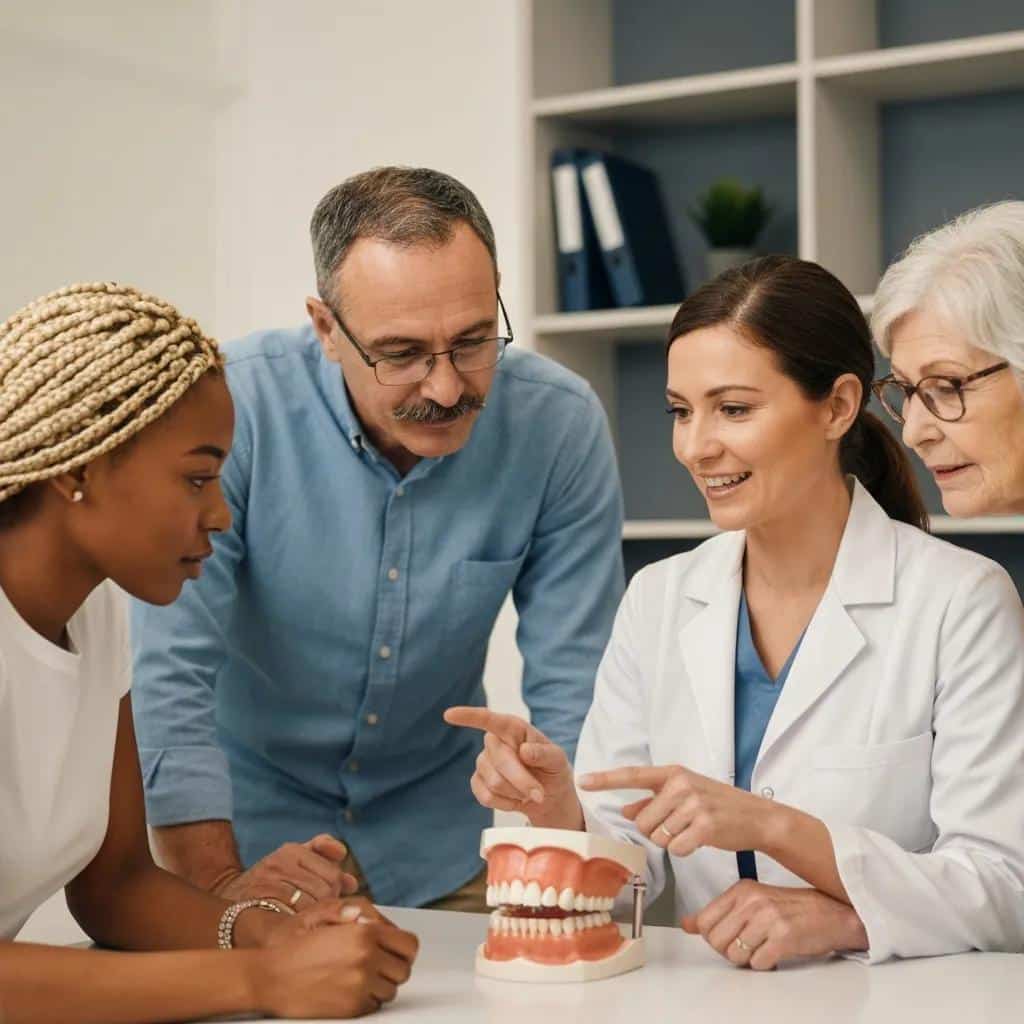
Our candidacy check starts with a no-cost consultation that includes an oral exam, medical history review, and diagnostic imaging to look at bone and soft tissue. During the visit we screen for periodontal disease, check bite and restorative space, and review your medical background and medications; we use CBCT when we need a detailed 3D view for planning. At the end of the visit we deliver a personalized treatment plan that explains whether an implant can be placed now, whether preparatory work is needed, and a timeline and cost estimate with financing options. This clear, evidence-based workflow gives you a roadmap—either to implant candidacy or to the best alternative restoration.
Affordable Dentist Near Me in Fort Worth provides a free implants consultation as part of this process, so you can learn your options at no initial cost. We emphasize affordable care, financing, patient comfort including sedation choices, and experienced treatment led by Dr. Mike Tri Pham, DDS. The free consult is a no-pressure way for Fort Worth residents to get expert feedback, imaging review, and clear next steps without committing financially up front.
Here’s what typically happens during the free consultation:
Intake and medical history review: We gather your health background and medication details that affect healing.
Clinical oral exam: The dentist inspects teeth, gums, and bite to assess implant-related issues.
Diagnostic imaging: X-rays or CBCT measure bone volume, sinus anatomy, and nerve position.
Treatment discussion and financing: We explain options, timelines, and available payment plans to fit your needs.
Next steps and scheduling: If remediation is needed, we outline the sequence and book follow-up appointments.
What Happens During Your Free Dental Implant Consultation?
At the consult we perform a focused oral exam, review your medical history, and use imaging to measure bone and soft tissue so we can plan safely. We take periodontal readings to check for inflammation, evaluate your bite and restorative space, and order a CBCT when three-dimensional detail is needed to map sinuses or nerve locations. After collecting this data, we explain any recommended remediation—like bone grafting or gum treatment—and provide a phased timeline that fits your goals. We finish with a transparent cost estimate, discuss financing and sedation options for comfort, and recommend next steps to move forward.
If you’re ready to explore candidacy or want a personalized plan, our Fort Worth team offers this free consult as a zero-cost evaluation where we outline eligibility and practical next steps. We prioritize affordability, comfort, and experienced care.
How Does Dr. Mike Tri Pham Evaluate Your Eligibility?
Dr. Mike Tri Pham combines clinical exam findings, radiographic evidence, and your medical history to make a clear, patient-focused recommendation that balances predictability with your goals. He emphasizes objective criteria—adequate bone and favorable tissue—while factoring in systemic health and lifestyle. Dr. Pham explains the reasoning behind each recommendation, covers sedation and comfort options, and reviews financing choices when helpful. This approach ensures decisions about implants are transparent, evidence-based, and aligned with your functional and esthetic priorities.
What If You’re Not an Ideal Candidate Right Now?
Many issues that limit candidacy can be addressed through bone grafting, sinus lifts, periodontal care, or by choosing alternative restorations like dentures, bridges, or implant-supported overdentures. Which path we choose depends on the specific problem, your preferences, timeline, and budget. Staged reconstruction often restores candidacy for traditional implants, while alternatives give reliable function and appearance when grafting isn’t an option or isn’t desired. We weigh invasiveness, healing time, maintenance, and cost to recommend the best personalized plan. The table below compares common choices to help you understand trade-offs.
Option
When Appropriate
Pros, Cons and Typical Timeline
Bone grafting (ridge augmentation)
Horizontal or vertical bone shortages
Pros: restores bone for predictable implants; Cons: adds about 4–9 months to treatment time
Sinus lift
Posterior upper jaw with limited height below sinus
Pros: enables back implants; Cons: more complex surgery and variable healing time
Periodontal therapy
Active gum disease or soft-tissue problems
Pros: reduces infection and stabilizes tissues; Cons: may require months of maintenance before implants
Removable dentures
When augmentation is not desired or cost is a constraint
Pros: lower cost and quick restoration; Cons: less bone preservation and stability than implants
Implant-supported overdentures
When a compromise between function and cost is preferred
Pros: better retention and comfort than standard dentures; Cons: surgical placement of fewer implants and ongoing maintenance
Most limitations can be solved or managed; we’ll guide you toward remediation or the best alternative based on your goals and clinical findings.
How Can Bone Grafting or Gum Therapy Improve Your Candidacy?
Bone grafting rebuilds deficient areas by placing bone or bone-like materials that act as a scaffold for new bone growth. Techniques range from socket preservation at extraction to lateral and vertical ridge augmentation; each requires a healing window of several months before implant placement. Gum therapy treats infection and soft-tissue problems with scaling, root planing, localized antimicrobials, or surgical periodontal procedures when needed, followed by maintenance to ensure stability. Together, these therapies can turn previously unsuitable sites into reliable implant platforms—but they do require time and follow-up visits.
If grafting or periodontal treatment isn’t wanted, we’ll discuss alternative restorations that restore appearance and function.
What Alternative ToothReplacement Options Are Available?
If implants aren’t right now an option, alternatives include removable partial or complete dentures, fixed bridges, and implant-supported overdentures when a few implants are still possible. Removable dentures are non-surgical and cost-effective but don’t preserve bone as well as implants. Fixed bridges restore function and look great but may need alteration of nearby teeth. Implant-supported overdentures improve retention and chewing compared with regular dentures while requiring fewer implants and possibly less grafting. Each option has trade-offs in maintenance, longevity, cost, and effect on adjacent structures, so we’ll help you choose what best fits your situation.
Why Choose Affordable Dentist Near Me in Fort Worth for Dental Implants?
At Affordable Dentist Near Me in Fort Worth, implant care starts with a free consultation and continues through imaging, custom planning, and affordable financing when needed. We focus on patient comfort—offering sedation—and bring an experienced, supportive team led by Dr. Mike Tri Pham, DDS. Our streamlined process clarifies whether you need grafting or periodontal work and balances predictable outcomes with accessibility. For Fort Worth residents, our location and no-cost starting point make it easy to begin the implant evaluation and get a transparent plan for next steps.
Our key advantages:
Free implants consultation: A no-cost first visit to review candidacy and next steps.
Affordable care and financing: Clear pricing and payment options to help you move forward.
Experienced team and comfort: Skilled clinicians and sedation choices to keep you relaxed during care.
What Makes Our Dental Implant Services Affordable and Accessible?
We make implant care approachable by offering a free consultation that explains procedures and costs before you commit. During the consult we discuss financing so you can plan phased care if needed, and we’re upfront about pricing and timelines to avoid surprises. Our Fort Worth team has experience in both restorative and surgical implant workflows, and sedation options improve comfort during procedures. Together, a no-cost starting point, clear financing conversations, and attentive care lower barriers so more patients can explore implant solutions.
How Do Patient Testimonials and Success Stories Reflect Our Expertise?
Patient stories and anonymized case examples show real results—cases where limited bone or periodontal issues were managed with grafts or therapy to allow successful implants. These examples highlight treatment sequencing, improved function and looks, and what the patient experienced at each step. Public review data shows high satisfaction among local patients, which supports confidence in our process and team. We encourage prospective patients to read reviews and view sample cases when choosing a provider—real stories help you see how careful planning leads to reliable outcomes.
Combined with our free consult, these local success stories make it easy for Fort Worth residents to take a low-risk, informed first step toward implant care.
Frequently Asked Questions
1. What are the potential risks associated with dental implants?
Dental implants are commonly successful, but like any surgery they carry risks: infection at the surgical site, nerveinjury causing numbness or pain, and implant failure. Insufficient bone or poor oral hygiene can raise the chance of problems. Talk with your provider about risks in your case and follow pre- and post-op instructions to reduce complications.
2. How long does the dental implant process take from start to finish?
Timelines vary. After the consultation and any needed prep (for example, bone grafting), implant placement usually requires 3–6 months of healing for osseointegration before the abutment and crown are placed. Overall, expect about 4–12 months from start to finish depending on your needs and whether grafting or other treatments are required.
3. Are dental implants suitable for older adults?
Yes. Age alone isn’t a contraindication—what matters is overall health, bone quality, and gum condition. Older adults with controlled medical conditions can often receive implants. We evaluate each person’s health and risks to determine whether implants are a good option.
4. What should I expect during the recovery period after implant surgery?
After surgery you may have swelling, mild discomfort, and minor bleeding for a few days. Pain is usually manageable with OTC or prescribed meds. Follow dietary and hygiene instructions and attend follow-up visits so we can monitor healing and make sure the implant is integrating properly.
5. Can dental implants fail, and what are the signs of failure?
While uncommon, implants can fail. Warning signs include ongoing pain, swelling, persistent infection, or mobility of the implant. Changes in the gums—redness or recession—can also signal trouble. Contact your dentist promptly if you notice these signs so we can evaluate and treat as needed.
6. How do I maintain my dental implants for long-term success?
Good home care—brushing, interdental cleaning, and avoiding harmful habits like smoking—plus regular professional cleanings and checkups are essential. We’ll set a personalized recall schedule and teach the best tools and techniques to protect your implants for years to come.
7. What are the costs associated with dental implants?
Costs vary with case complexity, need for grafting, and materials used. A single implant (implant, abutment, crown) can range widely; many patients see typical costs in the mid-thousands per tooth. We offer financing options and will review expected costs during your free consultation so you can plan ahead.
Conclusion
Knowing whether you’re a good candidate for dental implants is the first step toward a long-lasting, natural-feeling smile. By checking bone, gum health, medical status, and lifestyle factors, we help you choose a safe, predictable path—whether that means implants, preparatory care, or another restoration. If you’re considering implants, start with a free consultation at Affordable Dentist Near Me in Fort Worth. We’ll review your options and create a clear plan so you can move forward with confidence.