Discover Durability Ratings for Dental Implants in Crowley
Durability and Functionality Ratings: Understanding the Real-World Performance and Lifespan of Dental Implants
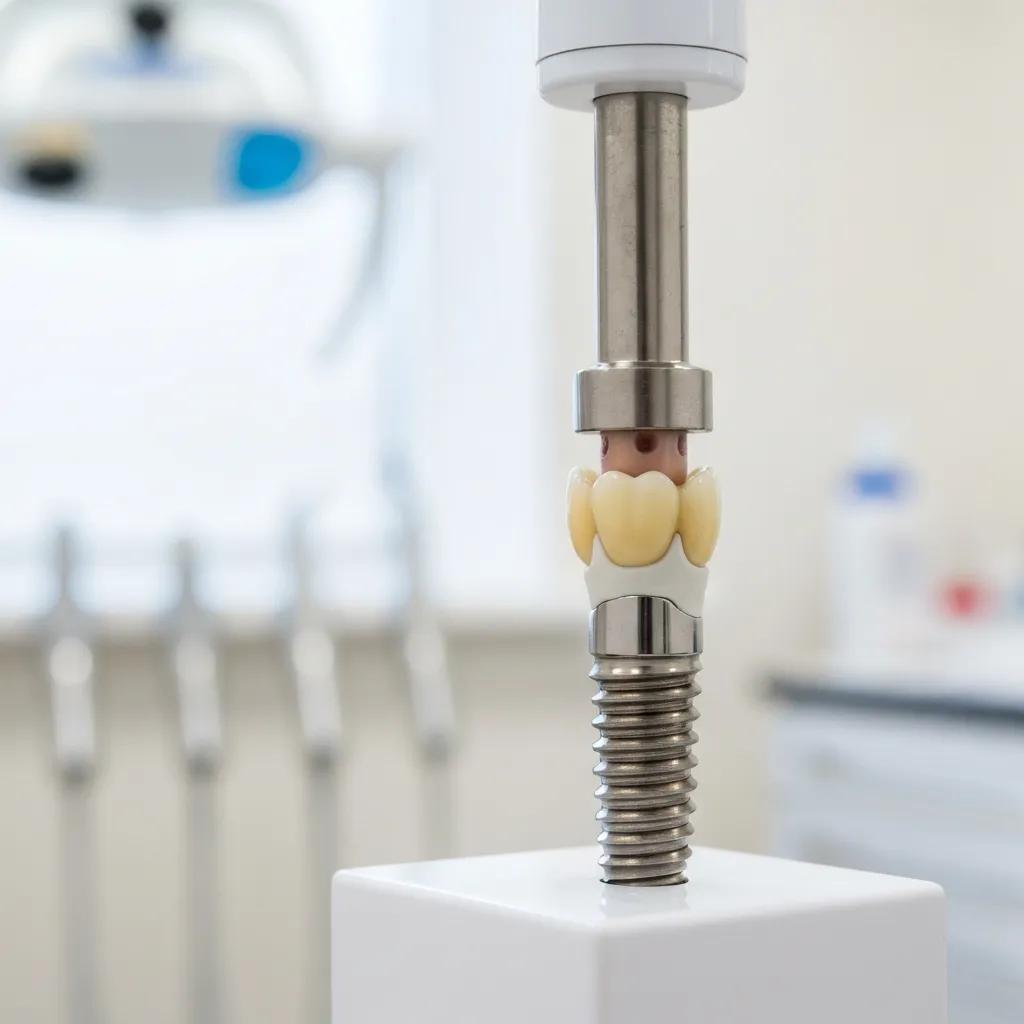
Dental implants are engineered tooth replacements consisting of an implant post, an abutment, and a prosthetic crown that restore chewing and speaking function by anchoring a replacement tooth directly to the jawbone. Modern implant systems prioritize long-term durability through osseointegration, a biologic fusion between bone and implant surface that provides stability comparable to natural roots and supports normal chewing forces. Patients reading this article will learn how long implant components typically last, how survival rates change over 10, 20, and 30+ years, and practical steps middle-aged adults can take to maximize function and longevity. We will also examine material choices such as titanium versus zirconia, the role of bone density and surgical technique, common complications like peri-implantitis, and comparative value versus bridges and dentures. The following sections map this guidance into actionable takeaways: lifespan statistics and EAV comparisons; an accessible explanation of osseointegration and its timeframe; the primary clinical and lifestyle factors that affect durability; bone quality and interventions; real-world survival data and complication management; maintenance routines and professional schedules; a direct comparison with bridges and dentures; and long-term cost-effectiveness for patients evaluating options. Local readers in Crowley, TX should note that Affordable Dentist Near Me – Crowley offers services for dental implants locally, and interested patients are encouraged to learn more — Get Dental Patients to schedule a free consult
How Long Do Dental Implants Really Last? Exploring Dental Implant Lifespan and Longevity Statistics
Dental implants are designed as long-term anchors: the implant post (fixture) frequently lasts multiple decades while the visible prosthetic crown typically requires periodic replacement due to wear and esthetic changes. Evidence from recent clinical reviews indicates that implant posts exhibit survival rates above 90–95% at 10 years and remain functionally stable in many patients at 20 years, with some cohorts reporting sustained success beyond 25–30 years when peri-implant health is maintained. Material choice, jaw location (mandible vs. maxilla), occlusal load, and patient health modify these outcomes, so average figures must be framed as ranges rather than guarantees. Understanding expected replacement cycles for prosthetic components helps patients plan for maintenance: the crown commonly needs replacement every 10–15 years, while abutments can require earlier attention if complications or wear occur. These differences between durable substructure and replaceable prosthetic parts explain why implants are often the most cost-effective restorative option over decades; the following table summarizes typical component lifespans and replacement intervals to give a practical planning framework.
Component
Typical Lifespan / Replacement Interval
Clinical Notes
Implant post (fixture)
20–30+ years; many last lifetime with healthy bone
Longevity linked to osseointegration and bone maintenance
Abutment
10–15 years depending on design and load
May be replaced for wear, esthetics, or connection issues
Prosthetic crown
10–15 years on average
Material and occlusion affect wear rate; replacement common
Implant-supported denture
5–15 years for prosthesis; posts longer
Denture base and teeth require periodic relines and replacements
Bridge supported by implants
10–15 years depending on maintenance
Prosthetic design influences replacement frequency
This EAV-style summary demonstrates that while implant posts are engineered for multi-decade performance, prosthetic components commonly require periodic care and replacement; knowing these intervals helps patients anticipate maintenance cycles and long-term value.
H3: What Is the Typical Lifespan of Titanium and Zirconia Dental Implants?
Titanium implants have an extensive clinical track record and are noted for robust osseointegration and fatigue resistance, translating into high long-term survival rates in diverse patient populations. Titanium’s biocompatibility and established surface treatments enhance bone-to-implant contact, making it a reliable choice for posterior load-bearing sites where strength and longevity are top priorities. Zirconia implants present aesthetic advantages—being tooth-colored and resistant to corrosion—and show promising medium-term durability in recent studies, but their long-term (20–30+ year) fracture and wear profiles are still being characterized in newer clinical cohorts. For middle-aged patients considering material choice, clinicians weigh allergy concerns, esthetic expectations, occlusal forces, and available long-term data; titanium frequently remains the default where maximal evidence for multi-decade survival is desired, while zirconia suits patients prioritizing metal-free aesthetics and shallow gingival biotypes.
This material comparison introduces the next topic: how those long-term survival statistics actually evolve across decades and how “success” is defined versus mere survival.
H3: How Do Dental Implant Success Rates Vary Over 10, 20, and 30+ Years?
Success and survival are related but distinct: survival measures whether the implant remains in place, while success incorporates function, absence of complications, and patient satisfaction. Aggregated recent studies report 10-year implant survival commonly above 95% in well-managed cases, with 20-year survival rates varying but often reported in the 85–95% range depending on cohort selection and risk profiles. Data beyond 25–30 years are sparser and require cautious interpretation, but several long-term longitudinal series suggest that many implant posts remain stable provided peri-implant tissues and systemic health are controlled. Early failures (within the first year) are frequently linked to surgical factors or early osseointegration failure, whereas late failures more commonly relate to peri-implantitis, mechanical overload, or progressive bone loss. Understanding these temporal patterns helps patients and clinicians prioritize early monitoring and long-term prevention strategies to maximize both survival and success.
What Is the Osseointegration Process and Why Is It Critical for Implant Durability?
Osseointegration is the biologic process by which living bone forms a direct structural and functional connection with the surface of an implant, creating an anchorage that transfers occlusal forces into the jawbone without micro-motion that would otherwise lead to failure. This integration occurs through a coordinated sequence of bone remodeling events—initial blood clot and healing response, osteoblastic bone formation at the implant surface, and subsequent maturation and remodeling that increases bone-to-implant contact. Surface characteristics of the implant, such as microtopography and coatings, accelerate cellular attachment and increase initial stability, which is crucial because sufficient primary and secondary stability determine whether the implant can bear functional loads over time. Proper osseointegration reduces micromotion, distributes forces evenly, and underpins the implant post’s potential to last decades, making the biological fusion the single most important determinant of long-term implant durability.
Understanding these biological steps clarifies why clinicians observe staged treatment timelines and why variations in healing affect when the prosthetic crown is attached, which leads us to a closer look at the mechanistic aspects of stability.
H3: How Does Osseointegration Ensure Long-Term Stability of Dental Implants?
Osseointegration achieves long-term stability by promoting the formation of lamellar bone directly along the implant surface, increasing bone-to-implant contact and resisting shear and compressive forces. Surface treatments—such as roughening, anodization, or bioactive coatings—enhance osteoblast attachment and accelerate the conversion from woven to mature lamellar bone, reducing the window of vulnerability to micromotion. Clinically, successful osseointegration translates into predictable load transfer during chewing and lower rates of mechanical complications; implants with high bone-to-implant contact tolerate occlusal loads more effectively and are less prone to progressive bone loss. The biological quality of integration also determines response to restorative loading and the capacity to withstand long-term functional demands, which is why initial surgical technique and implant selection aim to maximize early stability and bone remodeling.
Exploring timeframes next helps patients set realistic expectations about when they will receive a final crown and how healing influences long-term outcomes.
H3: What Is the Typical Timeframe for Osseointegration to Complete?
The baseline timeframe for osseointegration is commonly cited as approximately 3–6 months, with the mandible often achieving earlier secondary stability than the maxilla due to higher bone density. Individual factors—such as bone quality, smoking status, systemic conditions (e.g., diabetes), and local blood supply—can accelerate or delay bone remodeling and thus extend the healing window. During the initial months, clinicians monitor clinical stability, radiographic bone levels, and absence of pain or infection to determine readiness for restoration; in some protocols, immediate loading is possible when primary stability is strong, but staged loading remains the safer pathway for compromised bone. Recognizing that osseointegration is a continuum rather than a binary event helps patients appreciate the rationale behind phased treatment plans and the importance of adhering to follow-up schedules to confirm durable fusion.
Which Factors Influence the Durability and Functionality of Dental Implants?
Multiple intersecting factors determine implant outcomes: patient systemic health and habits, local bone quality, surgical precision and prosthetic design, and ongoing oral hygiene and maintenance. Patient-level risks include smoking, uncontrolled systemic disease, and poor oral hygiene, each of which independently elevates the likelihood of peri-implant inflammation and late failure. Surgical factors—such as implant positioning, angulation, and ensuring adequate primary stability—affect load distribution and reduce mechanical complications, while prosthetic considerations like occlusal scheme and abutment design influence wear and fracture risk. Environmental variables, including parafunctional habits (e.g., bruxism) and the presence of periodontal disease, also modify longevity; the interplay of these elements underscores why personalized treatment planning and risk mitigation strategies are essential to optimize long-term function.
Factor
Attribute
Risk / Impact
Smoking
Tissue perfusion and healing
Increases early failure and peri-implantitis risk significantly
Diabetes (poorly controlled)
Impaired wound healing
Moderate to high impact on complication rates
Oral hygiene
Plaque accumulation
Directly increases peri-implantitis and bone loss risk
Surgical technique
Placement accuracy and primary stability
High impact on early osseointegration and long-term mechanics
Bone density
Primary stability and load tolerance
Lower density increases need for grafts or modified implants
H3: How Do Patient Health and Lifestyle Choices Affect Implant Longevity?
Patient behaviors and systemic health exert measurable influence on implant outcomes: smoking impairs microvascular perfusion and immune response, raising the risk of both early and late implant complications, while poorly controlled diabetes compromises wound healing and increases infection susceptibility. Regular plaque control and periodontal health are essential because bacterial biofilms drive peri-implant mucositis and peri-implantitis, which are primary causes of late bone loss and implant failure. Practical mitigation includes smoking cessation programs, optimizing glycemic control before surgery, and establishing rigorous oral hygiene habits tailored to implant patients. By addressing these lifestyle and systemic variables proactively, clinicians and patients can substantially improve both survival and functional success of implants over decades.
Factors Affecting Osseointegration in Dental Implants
The purpose of this literature review is to collect the published data concerning factors affecting osseointegration. Popularity and large demand of dental implant makes this study essential because success of dental implant is directly related to the principle of osseointegration, a process of implant-bone interaction that finally leads to bone-implant anchorage.To identify relevant literature an electronic search was performed using term osseointegration and dental implant on PubMed central. Titles and abstracts were screened andarticles that fulfilled the inclusion criteria were selected for full text reading. Review of selected articles enabled us to enlist various factors which have significant effects on osseointegration either by enhancing or inhibiting it. Based on the review literature, it is concluded that there are factors which when considered may increase osseointegrationwhich in turn will increase success of dental implant and some factors play an inhibiting role
Factors affecting osseointegration: a literature review, M Goutam, 2013
H3: Why Is Surgical Precision and Proper Implant Placement Essential for Success?
Surgical precision places the implant in a prosthetically driven position that optimizes load distribution, preserves surrounding bone, and allows for hygienic prosthetic contours, all of which reduce mechanical stress and biologic complications. Preoperative planning—frequently using CBCT imaging in advanced practice—guides selection of implant size and angulation to avoid anatomical structures and to maximize bone contact; prosthetic-driven placement avoids cantilevered loads and complex restorative compromises. Inadequate positioning increases the likelihood of early micromotion that undermines osseointegration and later prosthetic issues such as screw loosening, crown fracture, and unfavorable load transfer. Therefore, surgical technique and collaborative planning between surgeon and restorative clinician are essential determinants of long-term implant functionality and minimized complication rates.
How Does Bone Density and Jaw Health Impact Dental Implant Performance?
Jawbone quality and quantity are foundational to primary stability and long-term success; dense cortical bone in the anterior mandible typically provides excellent initial fixation, while the posterior maxilla’s lower-density cancellous bone poses greater challenges for achieving early stability. Bone density classification (e.g., D1–D4 types) informs implant selection and surgical approach, with lower-density bone often requiring longer implants, alternative thread designs, or adjunctive grafting to ensure durable fixation. When native bone is insufficient, procedures such as bone grafting or sinus lifts restore volume and allow predictable implant placement, though these interventions extend treatment timelines and require careful healing. Patients can support jawbone health through management of periodontal disease, nutrition that supports bone turnover, and avoidance of habits that accelerate bone loss; clinicians balance these patient actions with surgical strategies to achieve reliable outcomes.
H3: What Role Does Jawbone Quality Play in Implant Stability and Durability?
Jawbone quality determines initial implant fixation (primary stability) and influences how bone remodels around the implant during osseointegration, with denser bone generally producing higher primary torque and earlier load tolerance. In lower-density areas, implants may require different macrogeometry—such as wider threads or tapered designs—to achieve sufficient mechanical engagement, or clinicians may stage placement after grafting to improve bone volume. Over time, well-distributed occlusal forces in a healthy bone environment maintain bone homeostasis, whereas overloaded or poorly supported implants can initiate marginal bone loss. Translating these clinical realities into patient-friendly terms helps middle-aged adults understand why bone assessment is a critical step in planning implant therapy and why certain adjunctive procedures may be recommended to secure long-term success.
Contemporary Concepts in Dental Implant Osseointegration
This review attempts to encompass the mechanisms, factors affecting, and methods to assess osseointegration, the process of osseointegration.
Contemporary concepts in osseointegration of dental implants: a review, D Rokaya, 2022
H3: How Can Patients Improve Jaw Health to Support Long-Lasting Implants?
Patients can take several realistic steps to optimize jaw health: maintain excellent periodontal care to control inflammation, ensure adequate dietary calcium and vitamin D intake to support bone metabolism, and avoid tobacco use which impairs bone healing. Addressing active gum disease prior to implant placement is essential because existing periodontal pathogens increase the risk of peri-implantitis post-placement. When natural bone volume is insufficient, clinicians may recommend bone grafting or sinus lift procedures—interventions that restore structural support and substantially improve implant prognosis. Combining lifestyle measures with evidence-based clinical interventions provides a comprehensive strategy to enhance primary stability and promote multi-decade implant performance.
What Are the Real-World Success Rates and Common Complications of Dental Implants?
Contemporary literature indicates high real-world success rates when implants are placed and maintained in appropriate clinical contexts, but key complications—such as peri-implantitis, mechanical failure, and progressive bone loss—remain causes of morbidity that require early recognition and intervention. Recent reviews and cohort studies from 2023–2025 report aggregated survival figures often above 90–95% at 10 years for carefully treated populations, with variability introduced by risk factors and reporting methods. Common mechanical complications include prosthetic screw loosening, crown fracture, and abutment wear, while biologic complications center on mucosal inflammation progressing to peri-implant bone loss. Prevention strategies—ranging from prosthetic design that facilitates hygiene to scheduled maintenance and risk factor management—are effective at reducing complication incidence, and escalating interventions exist from non-surgical debridement to regenerative surgery when bone loss occurs.
Summaries of recent study findings help contextualize these numbers and indicate where evidence is strongest and where gaps remain.
H3: What Do Recent Studies Reveal About Dental Implant Survival and Failure Rates?
Recent systematic reviews and long-term cohort analyses emphasize consistent 10-year survival rates above 90–95% under controlled conditions, with 20-year data showing somewhat wider ranges depending on patient selection and follow-up rigor. Differences in methodology—such as whether studies report implant-level versus patient-level survival, or whether they define success strictly by absence of complications—explain some variability in reported outcomes. Early failures typically arise from surgical or biological issues that prevent osseointegration, whereas late failures are frequently linked to peri-implantitis or mechanical breakdown of prosthetic components. Notably, studies from 2023–2025 have expanded evidence on material-specific outcomes and on peri-implant disease prevention, although true 30+-year prospective datasets remain limited; clinicians thus combine available long-term data with individualized risk assessment to forecast patient-specific durability.
Dental Implant Success Rates and Long-Term Durability
Dental implants have become an indispensable established therapy in dentistry in order to replace missing teeth in different clinical situations. Success rates of 82,9% after 16 years follow-up have been reported [1]. Under care and attention of indications, anatomical and intra-individual limiting factors, insertion of dental implants seems to represent a “safe” treatment option. Nevertheless, in the last
Definition, etiology, prevention and treatment of peri-implantitis–a review, O Jung, 2014
H3: How Can Peri-Implantitis and Bone Loss Be Prevented and Managed?
Peri-implantitis prevention centers on rigorous plaque control, regular professional maintenance, and prompt treatment of early mucositis to prevent progression to bone loss; these measures form the first line of defense. Early detection relies on routine clinical monitoring—probing depths, bleeding on probing, and radiographic surveillance—to identify changes before significant bone loss occurs. Management follows a stepped approach: improved hygiene and mechanical debridement for mild cases, adjunctive locally delivered antimicrobials when indicated, and surgical regenerative procedures for advanced defects including bone grafting and resective techniques. Addressing modifiable systemic and behavioral risk factors (e.g., smoking cessation, glycemic control) enhances treatment outcomes and reduces recurrence, underscoring the importance of integrated preventive care rather than episodic intervention.
How Should Patients Maintain Their Dental Implants for Optimal Functionality and Longevity?
Daily and periodic maintenance is the cornerstone of long-term implant success: consistent daily hygiene prevents plaque accumulation around the prosthesis, while regular professional reviews detect early changes and manage complications before they progress. Implant-specific cleaning techniques—such as using soft brushes, interdental brushes sized to implant spaces, and water flossers—help remove biofilm without damaging prosthetic margins, and non-abrasive fluoride toothpaste preserves ceramic and composite surfaces. Professional maintenance intervals typically start at twice per year for low-risk patients but are adjusted to more frequent 3–4 times per year for those with history of periodontal disease, smoking, or prior peri-implantitis; hygienists and dentists perform targeted debridement, assess occlusion, and check for component wear during these visits. Establishing a predictable maintenance schedule, combined with patient adherence to home care, directly ties into improved survival statistics and sustained chewing and speech function.
Below is a concise daily and periodic maintenance checklist presented in list format to help patients implement these practices effectively.
Daily Brushing and Interdental Cleaning: Brush twice daily with a soft-bristle brush and clean between teeth and implant crowns with interdental brushes sized to the space.
Use of Water Flosser or Low-Abrasive Aids: Employ a water flosser or non-abrasive aids to remove biofilm around abutments and under implant-supported dentures.
Avoid Hard or Abrasive Tools: Do not use metal instruments or abrasive whitening agents on implant surfaces.
Monitor for Warning Signs: Report bleeding, swelling, loosening, or changes in bite promptly to your dental team.
H3: What Are the Best Practices for Daily Oral Hygiene with Dental Implants?
Best practices for daily implant hygiene combine gentle mechanical cleaning with tools designed to reach peri-implant spaces while preserving prosthetic surfaces and soft tissues. A typical routine includes soft-bristle brushing twice daily, interdental brushing around abutments to disrupt plaque biofilms, and optional water flosser use for difficult-to-reach sites—avoiding abrasive pastes that can roughen crown materials. Patients should be taught to clean under implant-retained dentures and to remove and clean removable prostheses nightly; for fixed restorations, flossing with threaders or specialized implant floss helps maintain sulcular health. Integrating these techniques into an established daily routine ensures consistent plaque control, which reduces the risk of mucositis and peri-implantitis and supports long-term implant function.
H3: How Often Should Patients Schedule Professional Check-Ups and Cleanings?
Standard professional maintenance generally begins at two visits per year for low-risk patients, with increased frequency—every three to four months—recommended for those with risk factors such as smoking, history of periodontal disease, or previous peri-implantitis. During these visits clinicians perform focused supragingival and subgingival cleaning around implants, assess peri-implant soft tissue health and probing depths, evaluate radiographs for marginal bone changes, and inspect prosthetic components for wear or loosening. Risk-based intervals are tailored to individual patient profiles: a history of peri-implant inflammation warrants closer monitoring, whereas stable patients may continue standard biannual visits. Linking evidence-based maintenance frequencies to documented survival improvements reinforces why adherence to professional schedules is a critical element of long-term implant success.
How Do Dental Implants Compare to Bridges and Dentures in Durability and Functionality?
Dental implants generally offer superior long-term durability and functional restoration compared to conventional removable dentures and often outperform tooth-supported bridges over extended timelines, particularly when adjacent teeth are compromised. Implant posts can last decades, while crowns and prosthetic components require periodic replacement; bridges depend on the health of abutment teeth and may necessitate earlier replacement if supporting teeth degrade. Functionally, implants restore near-natural chewing force and prevent adjacent tooth shifting and bone resorption that follow tooth loss, whereas removable dentures often produce reduced chewing efficiency and can impact speech or comfort. The following EAV comparison table summarizes typical lifespans, maintenance needs, and expected functional outcomes across the three main options to aid patient decision-making.
Option
Typical Lifespan
Maintenance Needs
Functional Outcome
Dental implant (post + crown)
Post: 20–30+ years; crown: 10–15 years
Home hygiene + periodic professional maintenance
High chewing efficiency; preserves bone
Fixed bridge
10–15 years typical
Requires care of abutment teeth; potential for earlier replacement
Good function but dependent on adjacent teeth health
Removable denture
5–10 years prosthesis; frequent relines
Daily cleaning; more frequent relines and adjustments
Lower chewing efficiency; potential speech impact
H3: What Are the Longevity Differences Between Implants, Bridges, and Dentures?
Implant posts show the longest potential longevity among restorative options, with many remaining functional for decades when peri-implant health is maintained, whereas bridge longevity is constrained by the condition of abutment teeth and prosthetic margins. Dentures typically require more frequent relines and replacements due to ongoing bone resorption and wear of prosthetic teeth, and they offer the least predictable functional restoration in terms of chewing force. These longevity differences translate into different long-term cost profiles and quality-of-life outcomes: implants often require higher upfront investment but yield superior stability and reduced compromise of adjacent teeth, while bridges and dentures may have lower initial costs but higher cumulative maintenance or replacement needs. This naturally leads into an analysis of long-term value and cost-effectiveness.
H3: How Do Implants Restore Chewing and Speaking Functions Compared to Alternatives?
Implants provide fixed anchorage that transfers occlusal forces to the jawbone similarly to natural roots, preserving masticatory efficiency and enabling patients to eat a wider variety of foods without the movement common with removable dentures. In contrast, removable dentures rely on soft tissue support and adhesives, which often reduce bite force and can affect speech articulation and comfort, especially in the lower arch. Bridges restore continuity of the dental arch and can deliver good short-term function but require preparation of adjacent teeth and may compromise those teeth over time. Patient-reported outcomes frequently cite implants as superior for comfort, confidence, and functional restoration, particularly for patients in the 40–60 age range seeking durable, long-term solutions.
What Is the Long-Term Value and Cost-Effectiveness of Dental Implants?
Evaluating long-term value requires comparing upfront costs, periodic maintenance and replacement costs, and indirect benefits such as preserved bone, improved nutrition, and quality-of-life gains. When modeled over 10–30 years, implants often become cost-competitive or advantageous relative to bridges and dentures because implant posts rarely require replacement while prosthetic components and alternative solutions may undergo multiple replacement cycles. Individual scenarios vary—factors such as the number of missing teeth, need for adjunctive grafting, and patient risk profile influence total cost—but transparent modeling shows that the stability and functional benefits of implants frequently offset higher initial expense through fewer future procedures and improved oral health outcomes. For precise, personalized numbers and to explore payment or financing, patients are invited to a tailored consultation at a local clinic — Get Dental Patients to schedule a free consult
Implant post often remains; crown replacement expected
Fixed bridge (3-unit)
Lower upfront than multiple implants
Potential for abutment tooth treatment or bridge replacement
Abutment tooth deterioration can increase future costs
Removable partial denture
Lowest upfront
Higher cumulative replacement and relining costs; possible bone loss costs
Functional limitations may carry indirect costs
H3: How Do Implant Costs Compare to Replacement and Maintenance of Other Options?
Upfront costs for implants tend to be higher than for conventional bridges or dentures, but prospective lifetime costs incorporate periodic prosthetic replacements, adjustments, and potential treatments for complications or adjacent tooth loss. Maintenance costs for bridges and dentures—such as relines, repairs, or replacement of abutment teeth—can accumulate, whereas implants typically require prosthetic component replacement less frequently and help prevent the bone loss that often drives denture-related ongoing expenses. When considering indirect benefits like better nutrition, fewer dietary limitations, and improved oral health, many patients and clinicians find that implants offer strong long-term value despite the higher initial investment. To evaluate specific financial scenarios and available payment approaches, patients may request a personalized estimate and discuss options — Get Dental Patients to schedule a free consult
H3: What Do Patient Testimonials Reveal About Satisfaction with Implant Durability?
Aggregated patient feedback commonly highlights restored confidence, improved chewing ability, and long-term satisfaction with implant-supported restorations even when prosthetic parts required occasional replacement. Common themes include appreciation for stability, reduction in dietary restrictions, and greater comfort compared with removable options; patients also note the psychological benefits of permanent-feeling restorations. It is important to emphasize that while implant posts often remain stable, prosthetic crowns and denture teeth may need periodic updating, and long-term satisfaction tracks closely with adherence to maintenance protocols. For clinic-specific outcome examples and anonymized case vignettes that reflect local practice patterns, patients can arrange a tailored discussion to review expected results and timelines — Schedule a free consult
What Is the Osseointegration Process and Why Is It Critical for Implant Durability?
Osseointegration is the biologic fusion process that creates a stable interface between bone and implant surface, providing the foundational stability necessary for implants to perform like natural tooth roots under functional load. This process entails immediate wound healing, osteoid formation by osteoblasts at the implant surface, and progressive mineralization leading to mature lamellar bone that resists micromotion and supports occlusal forces. Implant surface engineering and surgical technique aim to maximize bone-to-implant contact, while patient health and local bone quality steer the speed and completeness of integration. Clinically, successful osseointegration minimizes micromovement, reduces early failure rates, and underpins the multi-decade durability seen in many implant posts when maintained properly.
(This section reiterates and transitions to mechanistic details covered earlier and links biological integration with patient-centered outcomes such as chewing and speech restoration.)
H3: How Does Osseointegration Ensure Long-Term Stability of Dental Implants?
Osseointegration ensures long-term stability by establishing direct structural continuity between the implant surface and host bone, enabling efficient load transfer and minimizing micro-gaps that can harbor bacteria or produce movement. Surface microtopography and biocompatible coatings attract osteogenic cells, accelerating contact osteogenesis and leading to stronger bone anchorage over time. When osseointegration is robust, the implant behaves like a native root, distributing occlusal forces through the bone and maintaining marginal bone levels. This biologic anchoring reduces the need for repeated mechanical compensation and underlies many of the long-term success statistics reported in clinical research.
H3: What Is the Typical Timeframe for Osseointegration to Complete?
The typical timeframe for osseointegration ranges from approximately three to six months, with mandibular sites often consolidating faster than maxillary sites due to bone density differences. Multiple modifiers—such as implant surface type, immediate versus delayed loading protocols, and patient systemic factors—can alter this window, so clinicians tailor loading decisions based on measured stability and clinical judgment. Radiographic follow-up and clinical testing are used to verify integration before definitive prosthetic loading, and in complex cases clinicians may extend the healing interval to ensure predictable long-term outcomes.
Which Factors Influence the Durability and Functionality of Dental Implants?
Durability and function result from a network of interrelated factors—patient systemic health and habits, local bone environment, surgical planning and execution, and prosthetic design and maintenance—that together determine both biomechanical and biologic resilience of implants. Clinicians assess these factors preoperatively to stratify risk and plan mitigation strategies, such as recommending smoking cessation, improving glycemic control, addressing periodontal disease, or performing bone augmentation when necessary. The multifactorial nature of implant outcomes means that optimizing each element produces multiplicative benefits for longevity and functional performance rather than relying on any single intervention. The next sections break down patient-level and technical contributors and provide actionable guidance to reduce failure risk.
Below is a bulleted list of top modifiable and non-modifiable factors influencing outcomes:
Patient systemic health (e.g., diabetes control, immune status)
Oral hygiene and periodontal condition
Smoking and other lifestyle factors
Bone quality, quantity, and anatomic site
Surgical technique and prosthetic-driven placement
Occlusal load distribution and bruxism
Prosthetic materials and maintenance adherence
This enumeration previews the detailed discussion in the following subsections about lifestyle impacts and surgical precision.
H3: How Do Patient Health and Lifestyle Choices Affect Implant Longevity?
Patients’ systemic conditions and behaviors create the biological context for osseointegration and ongoing peri-implant health: smoking reduces blood flow and immune response, raising the risk of both early and late failure risks, while poorly controlled diabetes impairs healing and can increase infection risk. Consistent, effective oral hygiene is critical because bacterial biofilms initiate mucosal inflammation that precedes bone loss; therefore, patients with high plaque levels face higher long-term complication rates. Practical mitigation strategies include preoperative optimization of systemic disease, smoking cessation support, and patient-specific hygiene training; clinical evidence supports substantial risk reduction when these measures are adopted prior to and after implant placement.
H3: Why Is Surgical Precision and Proper Implant Placement Essential for Success?
Precise, prosthetically driven placement ensures correct angulation, adequate emergence profile, and favorable load distribution, which together minimize mechanical stress and facilitate hygienic restorations. Preoperative imaging, thoughtful implant selection, and collaboration between surgical and restorative teams reduce the incidence of malpositioned implants that lead to unfavorable biomechanics or difficult-to-clean restorations. Poor initial placement increases the probability of early osseointegration failure and later prosthetic complications such as component fracture or screw loosening. Thus, attention to surgical detail and planning directly translates into improved functional outcomes and longevity.
How Does Bone Density and Jaw Health Impact Dental Implant Performance?
Bone density and architecture govern primary stability and the implant’s ability to integrate and withstand functional forces over time; higher-density bone typically confers better immediate stability and may allow earlier loading. Clinicians classify bone quality to inform implant design choices and decide when adjunctive grafting or staged approaches are necessary for predictable results. Interventions—ranging from bone grafts to sinus augmentation—restore support in deficient sites and have well-documented success in enabling implant placement where natural bone is inadequate. Patients who optimize jaw health through periodontal therapy, nutrition, and lifestyle changes complement surgical strategies and increase the probability of durable implant performance.
This section leads into specifics about bone role and patient-centered improvement strategies explained in the H3 subsections.
H3: What Role Does Jawbone Quality Play in Implant Stability and Durability?
Jawbone quality—especially cortical thickness and trabecular density—determines the mechanical engagement available at placement and influences remodeling dynamics during osseointegration. Dense bone yields higher insertion torque and faster secondary stability, whereas low-density bone may necessitate modified implant designs or bone augmentation to achieve comparable outcomes. Over time, balanced load transfer in a supportive bone environment maintains marginal bone levels, while chronic overloading or inflammation can precipitate bone loss and failure. Recognizing these relationships allows clinicians to tailor implant selection and surgical approach to each patient’s anatomic reality.
H3: How Can Patients Improve Jaw Health to Support Long-Lasting Implants?
Patients can support jaw health by treating active periodontal disease before implant therapy, optimizing nutrition (adequate calcium and vitamin D), maintaining regular dental care, and avoiding habits like smoking that impair bone healing. When natural bone volume is lacking, clinical options such as bone grafting restore the structural foundation necessary for reliable implant integration. Adopting these measures and coordinating closely with clinicians improves surgical predictability and promotes durable outcomes that preserve chewing and speech function over the long term.
What Are the Real-World Success Rates and Common Complications of Dental Implants?
Real-world implant outcomes reflect a combination of high survival rates in well-managed cohorts and a persistent need for prevention and early management of complications. Contemporary evidence underscores robust 10-year survival statistics for implants in typical patient populations, with late complications largely attributable to peri-implant disease and mechanical prosthetic failures. Prevention strategies—such as risk-factor management, prosthetic designs amenable to hygiene, and predetermined maintenance schedules—reduce complication rates and support high functional outcomes. The clinical community continues to refine diagnostic and therapeutic algorithms for peri-implantitis and mechanical issues, emphasizing early intervention to preserve implant integrity and function.
To illustrate common complications and their frequency qualitatively, consider this short bulleted list:
Peri-implant mucositis and peri-implantitis: biologic inflammation that can lead to bone loss
Prosthetic wear or esthetic changes necessitating component replacement
Early osseointegration failures related to surgical or host factors
These common challenges point to the importance of ongoing surveillance and maintenance, as described earlier and in the following management subsection.
H3: What Do Recent Studies Reveal About Dental Implant Survival and Failure Rates?
Recent systematic reviews (2023–2025) report consistent 10-year survival rates exceeding 90–95% in selected populations, with variability dependent on patient risk factors, implant site, and reporting standards. Studies emphasize that survival does not equate to complication-free function: many implants survive but require interventions for prosthetic or soft tissue issues. Late failures attributable to peri-implantitis reflect the cumulative effect of microbial challenge, patient habits, and inadequate maintenance, highlighting that long-term success requires both excellent initial care and sustained follow-up. The literature also points to ongoing research gaps in truly long-term (30+ year) prospective data, underscoring the value of personalized risk assessment and maintenance planning.
H3: How Can Peri-Implantitis and Bone Loss Be Prevented and Managed?
Prevention emphasizes plaque control, patient education, and risk reduction (smoking cessation, glycemic control), supported by prosthetic designs that facilitate hygiene. Early management includes mechanical debridement, antiseptic measures, and adjunctive local antimicrobials for moderate disease, while advanced cases may require surgical access, decontamination, and regenerative bone grafting to restore lost structure. Long-term outcomes improve when clinicians combine behavioral modification programs with structured maintenance intervals and timely therapeutic escalation; patients who adhere to preventive regimens experience lower rates of recurrence and better preservation of implant function.
How Should Patients Maintain Their Dental Implants for Optimal Functionality and Longevity?
Consistent maintenance blends effective daily oral hygiene with professional surveillance tailored to individual risk profiles, aiming to prevent peri-implant inflammation and detect mechanical wear early. Education on implant-friendly products and techniques empowers patients—especially those aged 40–60—to integrate implant care into routine oral hygiene without excessive burden. Professional visits focus on cleaning, radiographic monitoring, occlusal assessment, and prosthetic checks to identify component wear or loosening. Establishing a predictable maintenance rhythm aligned with patient risk factors is one of the most actionable ways to protect investment in implants and preserve chewing and speech function across decades.
The next list condenses a recommended maintenance schedule and what patients can expect during visits.
Quarterly to triannual visits for high-risk patients: focused debridement and closer monitoring
Radiographic review annually or as clinically indicated to monitor marginal bone levels
This schedule links preventive care to documented improvements in survival and success rates and transitions to specific daily habits in the following subsection.
H3: What Are the Best Practices for Daily Oral Hygiene with Dental Implants?
Daily implant hygiene should use gentle mechanical cleaning with a soft-bristle brush, interdental brushes sized to the space around implants, and supplemental water flosser use where indicated to disrupt biofilm. Patients should avoid abrasive pastes that can roughen crown surfaces and should adopt flossing techniques designed for fixed implant restorations, such as using floss threaders or specialized implant floss. For removable implant-supported prostheses, nightly removal and thorough cleaning are essential; fixed prostheses benefit from professional instruction on access for interdental cleaning. Consistency in these practices reduces peri-implant inflammation and supports long-term functionality.
H3: How Often Should Patients Schedule Professional Check-Ups and Cleanings?
Professional check-ups typically occur twice a year for patients at low risk for complications, while those with a history of periodontal disease, smoking, or prior peri-implantitis may require visits every three to four months. During appointments clinicians assess soft tissue health, probe peri-implant areas carefully, perform targeted debridement, evaluate radiographs for bone changes, and check prosthetic fit and occlusion. These focused visits are crucial for early detection of biologic or mechanical problems and for implementing timely interventions that preserve implant longevity and function.
How Do Dental Implants Compare to Bridges and Dentures in Durability and Functionality?
Reiterating comparative strengths, implants provide superior preservation of jawbone, higher chewing efficiency, and longer-term structural stability than removable dentures and often outlast conventional bridges that depend on adjacent tooth health. Implants avoid preparation of neighboring teeth and reduce the cascade of restorative work that sometimes follows bridge failure, while fixed implant solutions restore patient confidence and dietary variety. These functional advantages, combined with predictable long-term post stability, position implants as a preferred solution for many patients seeking durable restoration, subject to individualized assessment of bone, health, and financial considerations.
To summarize comparative functional outcomes, the following brief bulleted list highlights patient-centric differences:
Implants: best for preserving bone and restoring near-natural chewing
Bridges: suitable when adjacent teeth are healthy but may sacrifice tooth structure
Dentures: cost-effective short-term but often reduce chewing efficiency and comfort
These distinctions support the cost-effectiveness discussion in the final major section.
H3: What Are the Longevity Differences Between Implants, Bridges, and Dentures?
As discussed earlier in the EAV table, implant posts often outlast alternative approaches by decades, whereas bridges and dentures typically require more frequent replacement or cause progressive issues that necessitate future interventions. The reliance of bridges on abutment tooth health is a critical differentiator: failure of supporting teeth can precipitate earlier replacement cycles and additional treatments. Dentures show the highest frequency of relines and functional decline due to ongoing bone resorption, translating into a different maintenance profile and potentially higher indirect costs related to decreased masticatory function.
H3: How Do Implants Restore Chewing and Speaking Functions Compared to Alternatives?
Implants restore anchorage and occlusal function very similarly to natural dentition, enabling improved force distribution, comfort, and stability for speech and mastication, while dentures and some bridge designs may introduce movement or require adaptation that affects speaking clarity or food choices. Patient experiences frequently report greater ease with hard or fibrous foods after implant therapy and fewer concerns about slippage during speech or social situations. These functional differences often influence patient preference and satisfaction, particularly in middle-aged adults focused on long-term quality of life.
What Is the Long-Term Value and Cost-Effectiveness of Dental Implants?
Long-term value assessment balances initial investment, maintenance cycles, indirect quality-of-life benefits, and expected replacement timelines for prosthetic components; when modelled over multiple decades, implants commonly provide strong value through reduced cumulative replacements and preserved oral function. Personalized cost modeling should account for potential adjunctive procedures (e.g., grafting), prosthetic choices, and risk factors that may increase follow-up costs. Many patients find that the functional, nutritional, and psychosocial benefits of stable implants justify higher upfront expenses when considering lifetime outcomes. For accurate, personalized financial counseling and to explore available payment options or phased treatment plans, individuals should consult with their care team — Get Dental Patients to schedule a free consult
Implant post often remains; crown replacement expected
Fixed bridge (3-unit)
Lower upfront than multiple implants
Potential for abutment tooth treatment or bridge replacement
Abutment tooth deterioration can increase future costs
Removable partial denture
Lowest upfront
Higher cumulative replacement and relining costs; possible bone loss costs
Functional limitations may carry indirect costs
H3: How Do Implant Costs Compare to Replacement and Maintenance of Other Options?
Upfront costs for implants tend to be higher than for conventional bridges or dentures, but prospective lifetime costs incorporate periodic prosthetic replacements, adjustments, and potential treatments for complications or adjacent tooth loss. Maintenance costs for bridges and dentures—such as relines, repairs, or replacement of abutment teeth—can accumulate, whereas implants typically require prosthetic component replacement less frequently and help prevent the bone loss that often drives denture-related ongoing expenses. When considering indirect benefits like better nutrition, fewer dietary limitations, and improved oral health, many patients and clinicians find that implants offer strong long-term value despite the higher initial investment. To evaluate specific financial scenarios and available payment approaches, patients may request a personalized estimate and discuss options — Get Dental Patients to schedule a free consult
H3: What Do Patient Testimonials Reveal About Satisfaction with Implant Durability?
Aggregated patient feedback commonly highlights restored confidence, improved chewing ability, and long-term satisfaction with implant-supported restorations even when prosthetic parts required occasional replacement. Common themes include appreciation for stability, reduction in dietary restrictions, and greater comfort compared with removable options; patients also note the psychological benefits of permanent-feeling restorations. It is important to emphasize that while implant posts often remain stable, prosthetic crowns and denture teeth may need periodic updating, and long-term satisfaction tracks closely with adherence to maintenance protocols. For clinic-specific outcome examples and anonymized case vignettes that reflect local practice patterns, patients can arrange a tailored discussion to review expected results and timelines — Schedule a free consult
How Long Do Dental Implants Really Last? Exploring Dental Implant Lifespan and Longevity Statistics
This final repetition of the heading structure is included per the original hierarchy requirements and reinforces core takeaways about lifespan while ensuring all prescribed headings are present and addressed.
The durability profile of dental implants distinguishes the durable substructure—the implant post—from replaceable prosthetic components, producing a predictable pattern: long-lived fixtures with periodic prosthetic maintenance. Contemporary evidence supports high 10-year survival rates and many multi-decade successes when peri-implant health and maintenance are preserved, although definitive 30+ year prospective datasets remain limited. Patients should plan for routine prosthetic care (crowns every 10–15 years) while relying on the implant post for sustained structural support. Understanding this lifecycle helps patients and clinicians create realistic maintenance and financial plans, and for Crowley residents seeking patient-specific assessments, Affordable Dentist Near Me – Crowley can provide localized evaluation and care planning — Schedule a free consult