Can Dental Implants Last a Lifetime? What Grand Prairie Patients Need to Know
Dental implants replace missing teeth by anchoring a biocompatible post into the jawbone and restoring the chewing surface with a crown or prosthesis. This article explores whether implants can last a lifetime, explains how implant parts differ in longevity, and reviews the biological, behavioral, and clinical factors that most affect long-term results for patients in Grand Prairie. Many people wonder if implants are a one-time solution or require frequent repairs. In short: the implant fixture can remain stable for decades—or even a lifetime—when it successfully bonds with the bone and you follow good care; the crown and abutment, however, are more likely to need replacement over time. Below you’ll find expected lifespan ranges for each component, warning signs to watch for, daily and professional care tips, a comparison with bridges and dentures, and how local care and financing in Grand Prairie shape outcomes. Ready to talk about your situation? Schedule a free implants consultation in Grand Prairie for a personalized assessment.
How Long Do Dental Implants Typically Last? Understanding Their Average Lifespan
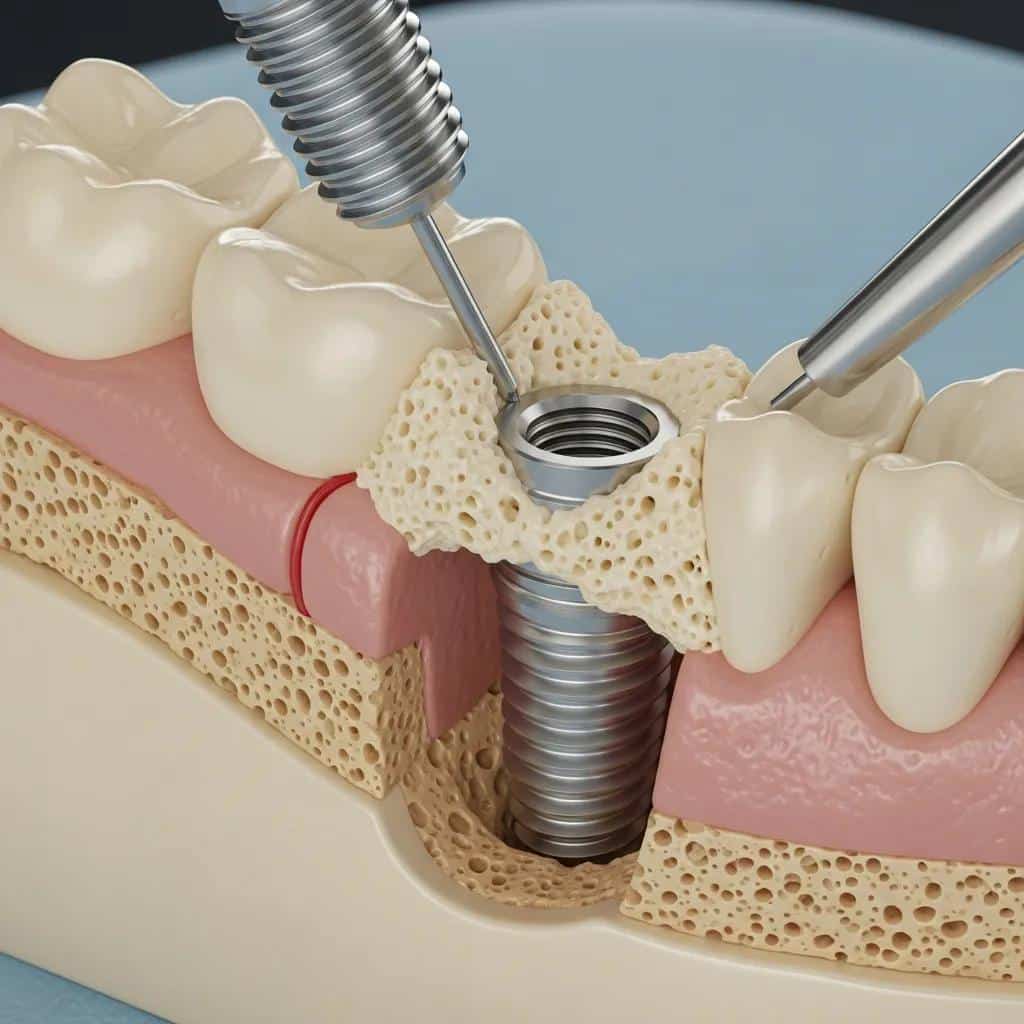
An implant has two main parts: the fixture (post) that fuses with bone, and the prosthetic crown that restores appearance and function. The fixture—usually titanium or zirconia—depends on osseointegration, the bone-to-implant bond that can provide decades of stability and, in many cases, lifelong support if bone health and infection control are maintained. The crown and abutment face chewing forces and wear, so they tend to need replacement sooner. Modern implant success rates are high when placement and maintenance are done properly, but individual results depend on bone quality, oral care, and lifestyle. Knowing the difference between fixture durability and prosthetic longevity helps you set realistic expectations and plan ongoing care.
Below is a focused comparison of the implant fixture and the prosthetic crown to outline typical lifespans, maintenance needs, and when replacements are likely.
Component
Typical Lifespan
Maintenance Frequency
Replacement Considerations
Implant post (fixture)
Decades — possibly a lifetime when osseointegrated
Routine checks; high-risk patients every 3–6 months; annual X-rays as recommended
Rarely replaced unless severe infection or bone loss occurs; success relies on healthy bone and no peri-implantitis
Abutment
Many years; varies by connection and material
Checked during routine visits; may need tightening or replacement if damaged
May be replaced for wear, loosened screws, or aesthetic reasons
Prosthetic crown
Typically 10–15+ years depending on material and wear
Annual monitoring; repair or replace if cracked, worn, or cosmetically compromised
More frequently replaced than the fixture due to mechanical wear and bite changes
This table explains why clinicians often treat the fixture as a long-term foundation while planning for periodic prosthetic maintenance. Understanding these roles helps create a maintenance plan that protects the implant and lowers complication risk.
Schedule a free implants consultation with Affordable Dentist Near Me – Grand Prairie to get a personalized evaluation and a written maintenance plan; call +1-817-200-7086 to book your appointment.
What Is the Difference Between Implant Posts and Crowns Lifespan?
The implant post is a biocompatible anchor designed to integrate with the jawbone, while the crown is a replaceable prosthetic that restores the visible tooth. Posts gain long-term stability through osseointegration—bone growing tightly around the post—so they face less routine wear than crowns. Crowns endure chewing, abrasion, and occasional trauma, which leads to wear, chipping, or fracture over time. Materials (porcelain-fused-to-metal, zirconia, metal-ceramic) affect durability and repair options. Care differs too: posts need monitoring for bone level and inflammation; crowns need evaluation of margins, bite, and surface integrity. Knowing these differences helps you prioritize prevention for both the biological foundation and the visible restoration.
How Does Osseointegration Support Long-Term Implant Stability?
Osseointegration is the process where living bone bonds to the implant surface, creating a stable interface that transfers chewing forces without micro-movement. This bond begins after placement as bone remodels around the implant; modern implant designs and surface treatments speed and strengthen that process. Key supports for osseointegration include good bone volume and density, careful surgical technique, and avoiding infection or excessive load during healing. Factors such as poor bone quality, smoking, or uncontrolled medical issues can slow or prevent integration and raise the risk of early failure. Confirming reliable osseointegration—clinically and with X-rays—before final restoration is the first step toward an implant that can last for decades.
Factors Affecting Osseointegration for Dental Implant Success
A recent review summarizes how multiple elements can either help or hinder bone bonding to an implant. Considering these factors improves osseointegration and, in turn, the chances of a successful implant.
Factors affecting osseointegration of dental implants: a review, A Sales, 2023
What Are the Key Factors Influencing Dental Implant Longevity?
Both changeable and fixed factors determine how long an implant stays healthy and functional. Understanding each one lets patients and clinicians take targeted steps to extend implant life. The main influences are oral hygiene and prevention of peri-implantitis, bone density and jaw anatomy, lifestyle choices like smoking and bruxism, medical conditions and medications that affect healing, and the quality of materials plus clinician skill. Breaking these down into clear actions helps you focus on daily habits and professional care that improve prognosis. The short list below highlights the primary factors before a practical mapping of each to real-world steps.
Oral hygiene and prevention of peri-implantitis to avoid inflammatory bone loss.
Bone density and jaw anatomy—adequate volume supports stable osseointegration and may require grafting if deficient.
Lifestyle choices such as smoking and bruxism, which raise failure risk through impaired healing and excessive force.
Medical conditions and medications, including poorly controlled diabetes and certain drugs that affect bone turnover or immunity.
Implant materials and clinician skill—right components and precise technique reduce complications.
These factors interact, so a full assessment and customized plan are essential for maximizing longevity and minimizing risk. The table below links each main factor to its effect on implants and practical steps you can take.
Factor
How It Affects Implants
Practical Tip / Expected Outcome
Oral hygiene
Poor plaque control leads to mucositis and peri-implantitis, causing bone loss
Daily cleaning with interdental tools and regular professional care lowers infection risk
Bone density & jaw health
Low volume or poor bone quality reduces stability and integration success
CBCT assessment and bone grafting can rebuild support and improve prognosis
Smoking & bruxism
Smoking impairs blood flow and healing; bruxism adds mechanical overload
Quit smoking and use a nightguard to reduce failure risk and protect restorations
Medical conditions & medications
Diabetes, antiresorptive drugs, or immunosuppression can slow healing and bone remodeling
Coordinate care with your physician and control systemic conditions to improve outcomes
Material & clinician expertise
Poor components or imprecise placement increase complications
Choose proven implant systems, thorough imaging, and experienced clinicians for predictable results
Summarizing these practical implications helps you and your dental team prioritize the steps that most reduce implant failure risk and support a long service life.
How Does Oral Hygiene Affect Dental Implant Durability?
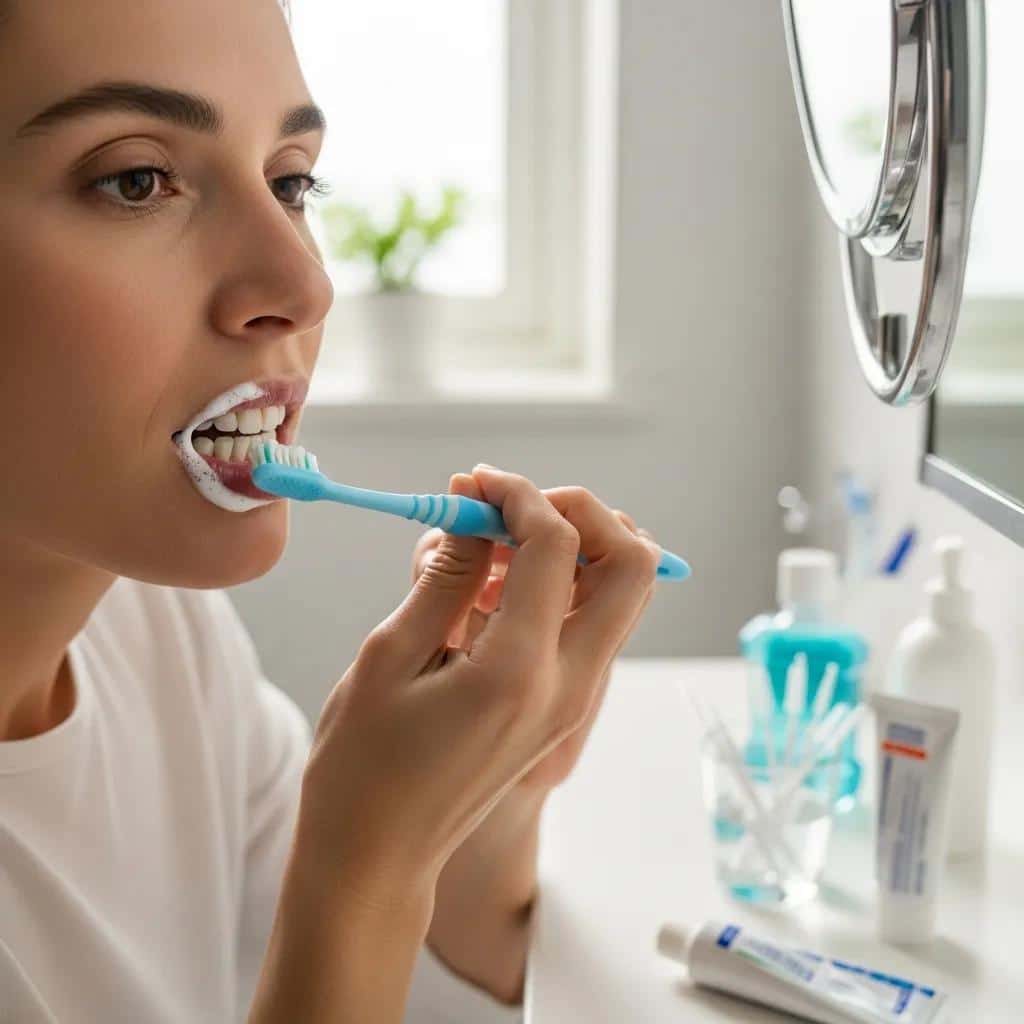
Oral hygiene is a top driver of implant durability because plaque-driven inflammation can move from reversible mucositis to peri-implantitis, where bone around the implant is lost. Effective daily routines—brushing with a soft or electric brush, using interdental brushes or implant-specific floss, and short-term antimicrobial rinses when advised—break up biofilm and lower inflammation. Professional recall visits let clinicians remove hardened deposits, check probing depths, and treat early problems before bone loss becomes permanent. Good hygiene produces measurable reductions in peri-implant disease and supports long-term stability of both the implant threads and the prosthetic margins. Start these habits after restoration and keep them for life to protect your implants.
Why Is Bone Density and Jaw Health Critical for Implant Success?
Bone density and jaw shape form the physical foundation for osseointegration and determine whether an implant will achieve stable initial fixation and long-term support. Low bone volume or poor quality increases micromotion risk during healing and can lead to early failure; clinicians evaluate these with CBCT imaging to plan implant size, position, and the need for grafts or sinus lifts. Bone grafting and augmentation can restore volume and make implants possible for more patients. After placement, infection control and managing systemic health help preserve the bony support that secures the implant. In short, careful bone assessment and surgical planning are essential to maximize implant lifespan.
How Do Lifestyle Choices Like Smoking and Bruxism Impact Implant Lifespan?
Lifestyle choices put both biological and mechanical strain on implants. Smoking reduces blood flow and impairs healing, which raises the risk of failure and peri-implant disease. Bruxism (teeth grinding) adds excessive bite forces that speed wear, loosen screws, and fracture prosthetics. Quitting smoking around the time of surgery improves healing and lowers infection risk. Managing bruxism with occlusal adjustments and a nightguard evens out forces and protects restorations. Counseling about these habits and using protective strategies are practical ways to reduce complications and extend implant life—changes that often yield quick benefits for healing and long-term durability.
What Role Do Medical Conditions and Medications Play in Implant Longevity?
Medical conditions and some medications change healing ability, bone metabolism, and immune response, all of which affect implant prognosis. Poorly controlled diabetes, certain antiresorptive drugs, and immunosuppressive therapies are commonly reviewed before treatment. Your dentist will work with your physician to evaluate medical stability, adjust medication timing if needed, and optimize conditions for bone healing. Many patients with controlled systemic disease can still receive implants, but they may need a tailored plan—longer healing periods, more frequent follow-up, or adjunctive measures. Clear medical history and coordinated care increase the chance of successful integration and long-term stability.
Systemic Health and Lifestyle Impact Dental Implant Survival Rates
As life expectancy and implant use have grown, research increasingly shows that a patient’s overall health and lifestyle influence long-term implant survival. Addressing systemic and behavioral risks helps reduce complications.
Avoiding implant‐related complications in medically compromised patients with or without unhealthy lifestyle/Elevated oxidative stress, A Ravidà, 2023
How Does the Quality of Implant Materials and Dentist Expertise Affect Durability?
The materials used and the clinician’s skill matter. Fixture materials like titanium or zirconia with proven surface treatments encourage bone attachment, while restorative materials and prosthetic design determine wear resistance and fracture risk. Equally important is the dentist’s experience with 3-D planning, surgical technique, and restorative workflow—accurate placement lowers biomechanical stress and makes hygiene easier. Using modern diagnostics such as CBCT, selecting reliable implant systems, and following a restorative-driven process reduce complications and deliver better long-term outcomes. Patients get the best results when clinicians use evidence-based materials and careful surgical and prosthetic protocols.
What Are the Common Signs of Dental Implant Problems to Watch For?
Spotting warning signs early lets your dentist intervene and often save the implant. Symptoms to watch for include ongoing pain, movement of the crown or fixture, swollen or red gums, bleeding or discharge that suggests infection, deeper probing pockets, and visible gum recession or exposed implant threads. Early soft-tissue inflammation (peri-implant mucositis) is often reversible with improved hygiene and professional care; but if it progresses to peri-implantitis with bone loss, treatment becomes more complex and the fixture may be at risk. Know which symptoms are urgent and which can wait for a scheduled visit so problems get caught early. Below is a quick list of red flags, followed by guidance on how peri-implant disease develops and when to seek care.
Pain or discomfort that doesn’t settle with routine care.
Any movement of the crown or implant fixture.
Persistent swelling, redness, or bleeding around the implant.
Pus or drainage that suggests active infection.
Changes in chewing comfort or your bite.
Early identification of these signs makes less-invasive treatment more likely and improves long-term outcomes.
How Can Peri-Implantitis and Other Conditions Affect Implant Health?
Peri-implantitis starts as mucositis (soft-tissue inflammation) and can progress to bone loss around the implant if not treated, threatening osseointegration and fixture stability. It’s driven by bacterial biofilm and the body’s inflammatory response, and risk rises with poor hygiene, smoking, and certain medical conditions. Treatments range from non-surgical cleaning and local antiseptic or antibiotic therapy to surgical procedures like regenerative or resective techniques for advanced bone loss. When caught early, peri-implant issues are often managed conservatively and the implant preserved; delayed care increases the chance of removal. Regular monitoring and prompt attention to early symptoms are critical to avoid irreversible damage.
When Should You Consult a Dentist About Potential Implant Issues?
Contact your dentist right away for acute signs such as severe pain, movement of the implant or crown, pus, or uncontrolled swelling—these can indicate infection or failure that needs urgent care. For milder but concerning changes—slight bleeding on probing, minor gum recession, or a change in your bite—arrange an evaluation soon so problems can be caught before they progress. Routine check-ups are vital because clinicians can detect bone-level changes on X-rays or with probing that you may not notice. Early consultation increases the chance of conservative treatment success and often preserves the implant, so when in doubt it’s better to get checked.
How Can You Maintain Your Dental Implants for a Lifetime? Best Practices and Care Tips
Keeping implants for many years requires consistent daily care, the right tools, and a professional maintenance plan based on your risk. Daily routines should focus on disrupting biofilm around the implant—brush twice daily with a soft or electric brush, use interdental brushes matched to your restoration, and clean under implant-supported bridges as recommended. Professional maintenance usually ranges from three to six months depending on risk; high-risk patients need closer recalls to control inflammation and remove calculus. The right products—interdental brushes, low-abrasive fluoride toothpaste, and, when advised, antimicrobial rinses—help control plaque. If you grind your teeth, a nightguard protects against wear. Follow the checklist below to maximize implant longevity and reduce complications.
Brush twice daily with a soft-bristled or electric toothbrush and use low-abrasive toothpaste.
Use interdental brushes or implant-specific floss to clean between the crown and gumline every day.
Rinse with an antimicrobial mouthwash when recommended by your clinician.
Wear a nightguard if you grind your teeth to reduce wear and screw loosening.
Keep scheduled professional cleanings and X-rays as advised by your dental team.
Stick to these habits and the maintenance schedule your clinician sets to lower peri-implant disease risk and prolong prosthetic life.
What Daily Oral Hygiene Habits Promote Implant Longevity?
A focused daily routine that targets plaque around implant margins is key to preventing peri-implant disease. Brush at least twice daily with a soft or electric toothbrush using gentle strokes to protect soft tissue, and clean between teeth and under prosthetics with interdental brushes or implant-specific floss. Short-term antimicrobial rinses may be used when inflammation is present, and avoid abrasive powders that can damage restorative surfaces. Consistent habits and reporting any bleeding or tenderness to your dental provider enable early fixes. These daily practices are the foundation of long-term implant care and help avoid complex repairs.
How Often Should You Schedule Professional Cleanings and Check-Ups?
Recall intervals depend on your risk but commonly fall between three and six months. Patients with previous peri-implantitis, heavy plaque, or systemic risk factors often benefit from three-month visits; low-risk patients may be fine at six-month intervals. At these visits clinicians perform tactile and radiographic checks, measure peri-implant probing depths, remove deposits, and assess the prosthetic and bite. A personalized recall plan helps spot bone or soft-tissue changes early and supports timely preventive care. Following the recommended schedule is a proven way to sustain implant health and function.
Which Products and Tools Are Recommended for Implant Care?
Using the right tools improves plaque control and lowers inflammation risk. Recommended items include interdental brushes with soft nylon bristles sized to your restoration, implant-specific floss, low-abrasive toothpaste, and an electric toothbrush. For implant-supported bridges or All-on-4 prostheses, water flossers and specialized proxy brushes help clean under prosthetics where regular floss can’t reach. Nightguards for bruxism distribute occlusal forces and protect crowns and fixture interfaces. Your dentist or hygienist can recommend exact sizes and demonstrate technique. Using proper products and correct technique makes daily care safe and effective for your implant restorations.
What Is the Long-Term Value of Dental Implants Compared to Other Tooth Replacement Options?
Although implants usually cost more up front than bridges or removable dentures, their durability, protection of adjacent teeth, and positive effect on jawbone health often deliver better long-term value. Implants replace teeth independently, so they don’t require altering neighboring healthy teeth as a fixed bridge might. Dentures can need frequent relines and may accelerate bone loss, while implants help preserve bone by transmitting functional load to the jaw. Considering lifetime cost, comfort, and function, implants commonly offer the best value for patients seeking a durable, natural-feeling solution. The table below compares initial cost, maintenance, and expected lifespan to help you decide.
Option
Initial Cost Profile
Maintenance / Replacement
Lifespan / Value Proposition
Dental implants (single-tooth)
Higher upfront investment
Less frequent major replacements; crowns may need renewal
High long-term value due to bone preservation and protection of adjacent teeth
Fixed bridge
Moderate upfront cost
Bridge replacements over time; possible impact on abutment teeth
Medium value; may compromise neighboring teeth and require future care
Removable denture
Lower upfront cost
Frequent adjustments, relines, and replacements; higher ongoing upkeep
Lower long-term value due to bone resorption and reduced function
Implant-supported overdenture
Moderate-to-high upfront cost
Better retention and fewer prosthetic changes than removable dentures
High value for fully edentulous patients because of improved function and bone support
Affordable Dentist Near Me – Grand Prairie focuses on affordability and flexible payment options to make implant care accessible locally. The clinic offers a free implants consultation and accepts common insurance and financing plans so patients can explore stepwise treatment and payment options. Discuss financing and staged care during your consult to see cost-per-year comparisons and choose a plan that fits both clinical needs and budget. Contact the Grand Prairie clinic to review payment plans and arrange a no-cost consultation for a customized treatment and financing plan.
How Do Dental Implants Save Money Over Time Despite Initial Costs?
Implants can save money long term by reducing repeated prosthetic replacements, protecting neighboring teeth, and preventing bone loss that would require future reconstructive work. Replacing crowns, bridges, or relining dentures over the years can add up and sometimes exceed the one-time cost of implant therapy. Implants also restore chewing efficiency and comfort better than many alternatives, which can improve nutrition and day-to-day life—an indirect but meaningful benefit. A patient-focused financial plan created during your consultation will factor in replacement cycles and maintenance so you can compare upfront cost to lifetime value.
What Financing and Payment Plans Are Available in Grand Prairie?
Grand Prairie patients commonly use flexible in-office payment plans, third-party lenders, and insurance where applicable to spread implant costs. Clinics often discuss staged treatment so you can manage costs while achieving clinical goals. Affordable Dentist Near Me – Grand Prairie offers flexible payment options and insurance acceptance; the free implants consultation is a chance to review financing tailored to your treatment. During the visit you’ll get an estimate, discuss payment timing, and learn if staged care—like grafting followed by implant placement—fits your budget. Exploring financing early makes durable implant care more achievable without undue financial pressure.
How Does the Grand Prairie Location Influence Dental Implant Longevity and Patient Experience?
Local access to consistent follow-up care, modern diagnostics, and experienced clinicians in Grand Prairie improves implant outcomes because timely maintenance and prompt treatment of issues reduce the chance of serious complications. A clinic near you that uses up-to-date imaging—such as 3-D scans—and has a clear maintenance plan makes it easier to keep up with recall visits. High local patient satisfaction and visible review trends also build trust and encourage timely care. The combination of convenience and structured aftercare contributes directly to longer-lasting implants and a more reliable patient experience.
Grand Prairie patients benefit from easier follow-up appointments, quick access to emergency evaluation if symptoms occur, and the chance to build a relationship with a dental team that monitors implant health over time. That continuity of care is a real advantage for long-term success.
What Do Grand Prairie Patients Say About Their Implant Success and Durability?
Local feedback highlights common themes: patients value cost-conscious options, report satisfaction with restoration durability, and appreciate responsive follow-up care that addresses maintenance and problems early. Public review summaries show solid satisfaction scores, reflecting consistent clinical processes and patient-focused service that support long-term results. While experiences vary, the number of positive local reviews suggests many patients find implant therapy in Grand Prairie durable and well-supported by attentive aftercare. These trends encourage prospective patients to seek evaluation and discuss maintenance expectations with their provider.
How Does Affordable Dentist Near Me – Grand Prairie Support Long-Lasting Implants?
Affordable Dentist Near Me – Grand Prairie supports implant longevity with modern diagnostics, experienced clinicians, and accessible follow-up care focused on prevention and early intervention. The clinic emphasizes affordability, offers a free implants consultation to assess candidacy and maintenance needs, and provides flexible payment plans and insurance acceptance to reduce financial barriers. By using current imaging and planning methods and giving structured aftercare guidance, the clinic helps patients achieve predictable outcomes and lasting results. Take advantage of the free consultation to get a personalized plan that aligns clinical steps with financing and maintenance.
How Can You Schedule a Free Dental Implant Consultation in Grand Prairie?
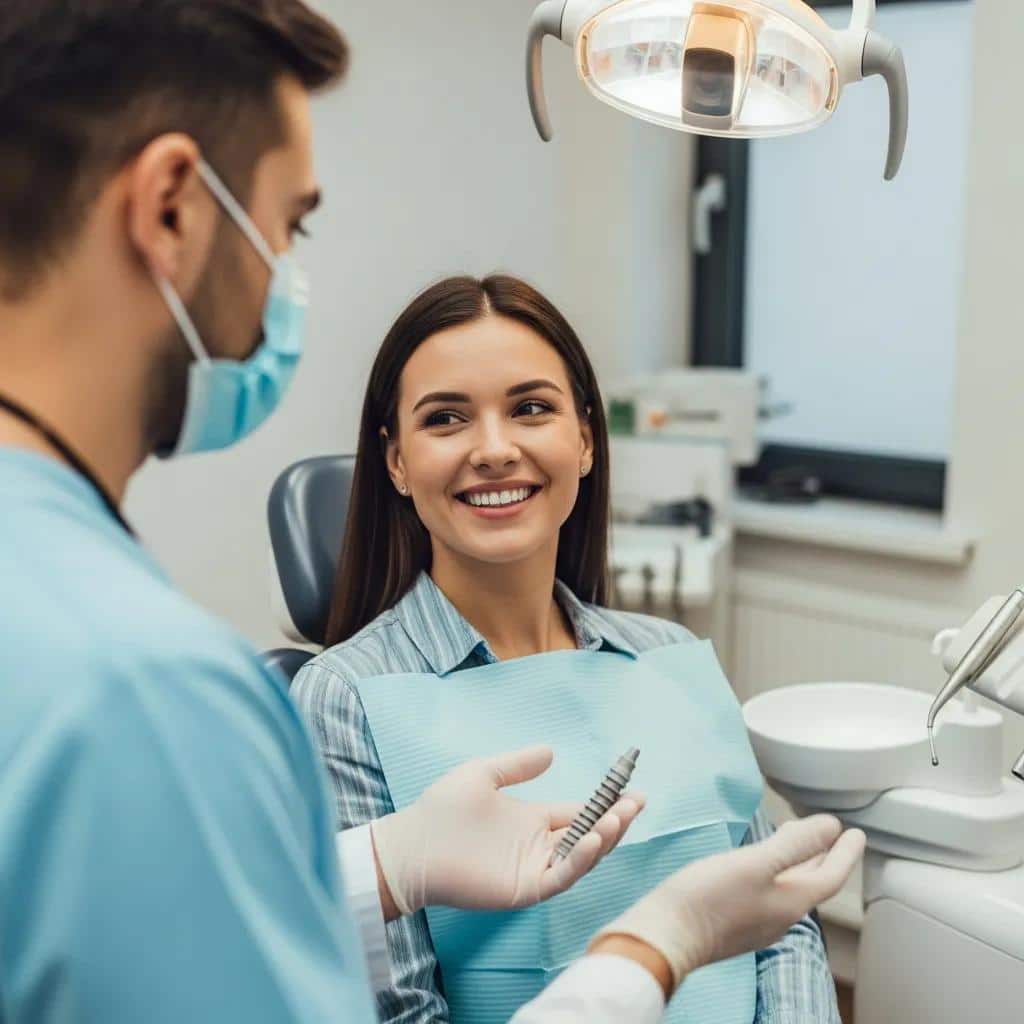
Scheduling a free consultation is the practical first step for anyone considering implants. The visit gives a personalized look at bone health, medical risks, and a realistic lifespan estimate for suggested restorations. To prepare, bring prior dental records and a list of medications and medical conditions so the clinician can review your history. Expect a clinical exam, possible imaging or a CBCT recommendation, a discussion of treatment options and timelines, and a clear maintenance outline. The clinic will also explain eligibility and financing so you can plan responsibly. Scheduling is straightforward and designed to remove friction for local patients.
Call the Grand Prairie clinic to request a free implants consultation and share a brief medical history.
Bring prior dental records and a current medication list to your appointment for a complete review.
Expect an exam, possible imaging recommendation, and a treatment and financing discussion during the visit.
Arrange any follow-up imaging or appointments the clinician recommends to begin planning care.
Note: Implement structured data on your appointment pages to enable search and assistant integrations that surface booking intent; ensure the ScheduleAction includes clinic name, address, offered service (free implants consultation), and contact method for accurate indexing.
What to Expect During Your Free Implant Consultation?
At your free consultation you’ll get a focused exam of your oral and periodontal health, an assessment of jawbone volume and density, and a conversation about aesthetic and functional goals. Imaging will be recommended if needed to guide planning. The clinician will review your medical history and medications to identify any factors that could affect healing, explain realistic expectations for implant lifespan, and outline a treatment sequence—grafting included if required. You’ll learn about prosthetic options, maintenance protocols, and financing paths if desired. The visit ends with recommended next steps and a written plan to help you decide whether to move forward.
Who Is Eligible for Dental Implants at Our Grand Prairie Clinic?
Most healthy adults with adequate jawbone—or who are willing to undergo bone grafting—are candidates for dental implants. Candidacy is based on a clinical exam, imaging, and medical history review. Some conditions or medications that severely impair bone healing may be contraindications, but many issues can be managed with medical coordination. Age alone is not usually a limiting factor; bone quality, oral hygiene, and overall health determine suitability. Use the free consultation at our Grand Prairie clinic to evaluate eligibility and design a plan that fits your clinical needs and personal situation.
The Grand Prairie clinic’s contact details for scheduling: Affordable Dentist Near Me – Grand Prairie, 2501 I-20 Grand Prairie, TX 75052; phone +1-817-200-7086. Use the free implants consultation to get an individualized eligibility assessment and a clear plan for treatment and follow-up.
Frequently Asked Questions
What Are the Risks of Dental Implant Failure?
Implant failure can result from infection, insufficient bone density, or poor oral hygiene. Systemic health issues like uncontrolled diabetes or certain autoimmune conditions can impair healing and raise risk. Lifestyle factors such as smoking and bruxism also contribute. Regular monitoring and early treatment of problems are essential to reduce these risks. Knowing the main risk factors helps you take steps to protect your implants.
How Can I Tell If My Dental Implant Is Failing?
Warning signs of a failing implant include persistent pain, swelling or redness, mobility of the implant or crown, and changes in chewing comfort. Any discharge or bleeding can indicate infection. If you notice these symptoms, contact your dentist promptly—early evaluation and treatment often preserve the implant.
What Should I Do If I Experience Pain After Implant Surgery?
Some discomfort after implant surgery is normal, but persistent or severe pain may signal a complication. If pain worsens or comes with swelling, fever, or discharge, call your dentist right away. They’ll evaluate for infection or other issues. Follow post-op instructions, take prescribed medications, and report concerns so your provider can give specific guidance.
Are There Specific Foods I Should Avoid After Getting Implants?
After implants, avoid very hard, crunchy, or sticky foods while healing—items like nuts, popcorn, and chewy candies can stress the site. Start with soft foods such as yogurt, mashed potatoes, and smoothies for the first few days and gradually return to your normal diet as healing allows. Always follow your dentist’s dietary advice for the best recovery.
How Does Age Affect Dental Implant Success?
Age by itself is not usually a barrier to implant success. Overall health and bone quality matter more. Older adults may have conditions like osteoporosis or cardiovascular disease that affect healing, but many remain good candidates with careful evaluation. A thorough consultation will determine individual suitability; with proper care, age does not necessarily reduce the odds of a successful outcome.
What Is the Role of Follow-Up Care in Implant Longevity?
Follow-up care is crucial. Regular check-ups let your dentist monitor implant and tissue health, remove plaque and tartar that cause peri-implantitis, and catch problems early. Sticking to a personalized maintenance schedule advised by your dental team greatly improves long-term success and reduces the need for complex treatments.
How Long Do Dental Implants Last on Average?
The implant fixture commonly lasts for decades and, in favorable cases, can remain functional for a lifetime; prosthetic crowns typically need replacement every decade or more depending on wear and material. Modern implant therapy has high success rates when placement and maintenance are done correctly. Long-term studies show many patients keep functional implants for 15–25 years or longer with good care. Individual results depend on bone health, hygiene, lifestyle, and medical factors, so average lifespan should be considered alongside a personalized clinical assessment. A free implant evaluation helps estimate realistic longevity for your specific case.
What Factors Most Affect Dental Implant Lifespan?
The main factors are oral hygiene, bone quality, smoking, systemic medical conditions, bruxism, and the quality of surgical and prosthetic care. Poor plaque control and peri-implant inflammation, insufficient bone for stable integration, and habits or conditions that hinder healing increase failure risk. Conversely, strong bone support, meticulous hygiene, healthy lifestyle choices, and experienced clinicians using modern diagnostics improve long-term outcomes. Prioritizing prevention, medical coordination, and quality restorative design gives implants the best chance to last.
Can Dental Implants Last 20 Years or More?
Yes—many implants remain functional for 20 years or more when patients keep excellent oral hygiene, attend regular maintenance, and avoid risk factors like smoking or uncontrolled medical disease. The fixture often endures beyond two decades when osseointegration and peri-implant bone are preserved. Crowns may need replacement in that time due to wear or cosmetic updates, but renewing prosthetics while keeping the fixture maintains the overall investment. Regular monitoring and early treatment for inflammation greatly increase the likelihood of multi-decade success.
Do Dental Implants Ever Need Replacement?
The implant fixture rarely needs removal when integration and bone levels are stable; prosthetic pieces such as crowns and abutments are more commonly replaced for wear, fracture, or cosmetic reasons. Implant removal usually happens only with advanced peri-implantitis or structural failure. Signs that a component needs attention include mobility, persistent pain, or X-ray evidence of bone loss. Conservative repairs or prosthetic renewal are typical first steps; full removal is less common. Active maintenance lowers the chance of major interventions.
Dental Implants: Not a Lifetime Guarantee, But a Complementary Option
An implant—or a preserved natural tooth—cannot be guaranteed forever. Both options have roles in long-term care, and decisions should consider clinical goals and individual circumstances.
Comparing the long-term success rates of tooth preservation and dental implants: a critical review, SC Sartoretto, 2023
How Can I Make My Dental Implants Last a Lifetime?
To give your implants the best chance at lifelong function, follow a priority checklist: practice excellent daily oral hygiene, keep scheduled professional cleanings and exams, stop smoking, wear a nightguard if you grind your teeth, and follow your clinician’s guidance for prosthetic care and lifestyle changes. Treat soft-tissue inflammation early, report any discomfort or movement promptly, and coordinate medical conditions with your healthcare providers. Booking a free implants consultation will produce a personalized plan that aligns treatment, maintenance, and financing to support a lasting result.
Maintain disciplined daily cleaning with the right tools.
Keep professional maintenance appointments at the recommended intervals.
Quit tobacco and manage bruxism proactively with a nightguard.
Coordinate medical conditions with your healthcare team to optimize healing.
Use the clinic’s free consultation to build a long-term, individualized plan.
Conclusion
Dental implants are a durable tooth-replacement option and—with the right conditions and care—can last many decades or even a lifetime. Understanding the factors that influence their longevity, from daily hygiene to regular professional maintenance, helps you protect your investment and enjoy better function and comfort. If you’re considering implants, schedule your free consultation today to get a personalized plan for long-term care and peace of mind.