Can Dental Implants Last a Lifetime? Exploring Dental Implant Lifespan and Longevity Factors
Dental implants have revolutionized restorative dentistry, providing a durable solution for missing teeth. Many patients wonder about the longevity of these implants and the factors that influence their lifespan. This article delves into the typical lifespan of dental implants, the components involved, and the various factors that can affect their durability. Understanding these elements is crucial for anyone considering dental implants, as it can help set realistic expectations and inform care practices. We will explore the average lifespan of dental implants, the impact of oral hygiene, lifestyle choices, and medical conditions, as well as best practices for maintaining implants. Additionally, we will discuss the long-term value and cost-effectiveness of dental implants, and why choosing a reputable provider like Affordable Dentist Near Me – Crowley can enhance your experience.
What Is the Typical Lifespan of Dental Implants and Their Components?
Dental implants are designed to be a long-lasting solution for tooth loss, with many lasting 20 years or more and some even a lifetime. The lifespan of dental implants can vary based on several factors, including the type of implant, the patient’s oral health, and adherence to care routines.
How Long Do Implant Posts and Crowns Usually Last?
Implant posts, typically made from titanium or zirconia, can last 20 years or more with proper care, and often a lifetime. Crowns, which are placed on top of the posts, generally have a lifespan of 10 to 15 years, depending on the material used and the patient’s oral hygiene practices. Regular check-ups and maintenance can significantly extend the life of both components.
Can Dental Implants Truly Last a Lifetime?
While many dental implants can last a lifetime, this is contingent upon several factors. Key among these is the patient’s commitment to oral hygiene and regular dental visits. Additionally, the expertise of the dentist and the quality of the materials used play a crucial role in determining the longevity of dental implants.
Which Factors Most Influence Dental Implant Longevity?
Several factors can significantly impact the longevity of dental implants. Understanding these can help patients make informed decisions about their dental health.
How Does Oral Hygiene Affect Dental Implant Success?
Maintaining excellent oral hygiene is vital for the success of dental implants. Neglecting oral care can lead to peri-implantitis, an inflammatory condition that can jeopardize the stability of the implant. Daily brushing, flossing, and regular professional cleanings are essential to prevent complications.
What Role Do Bone Health and Osseointegration Play in Implant Durability?
Bone health is critical for the success of dental implants. Osseointegration, the process by which the implant fuses with the jawbone, is essential for stability. Factors such as bone density and overall health can influence this process. Patients with osteoporosis or other bone-related conditions may face challenges in achieving successful osseointegration but can still be candidates with proper management.
How Do Lifestyle and Medical Conditions Impact Dental Implant Lifespan?
Lifestyle choices and medical conditions can have a profound effect on the longevity of dental implants.
What Lifestyle Choices Can Shorten or Extend Implant Life?
Certain lifestyle choices, such as smoking and poor diet, can negatively impact the success of dental implants. Smoking, in particular, is associated with a higher risk of implant failure. Conversely, a balanced diet rich in vitamins and minerals can promote healing and support implant longevity.
How Do Diabetes, Osteoporosis, and Other Conditions Affect Implants?
Chronic conditions like diabetes and osteoporosis can complicate the success of dental implants. Diabetes can impair healing and increase the risk of infection, while osteoporosis can affect bone density, making osseointegration more difficult. Patients with these conditions should discuss their health status with their dentist to ensure appropriate care.
What Are the Best Practices to Extend the Life of Dental Implants?
Implementing best practices for dental implant care can significantly enhance their longevity.
Which Daily Care Routines Maximize Implant Durability?
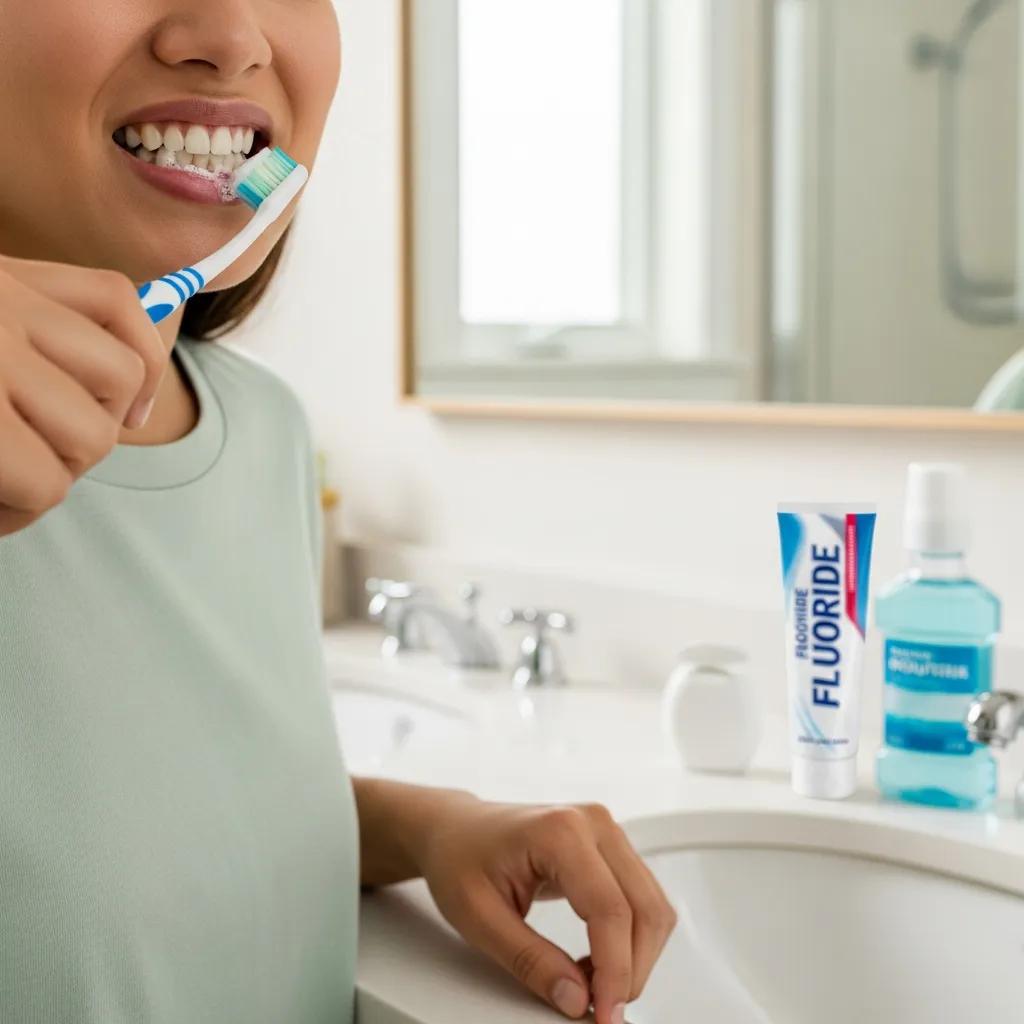
Daily care routines should include brushing twice a day with a soft-bristled toothbrush and using non-abrasive toothpaste. Flossing around the implant area is also crucial to remove plaque and food particles. Additionally, using an antibacterial mouthwash can help maintain oral health.
Why Are Regular Professional Check-Ups Essential for Implant Longevity?
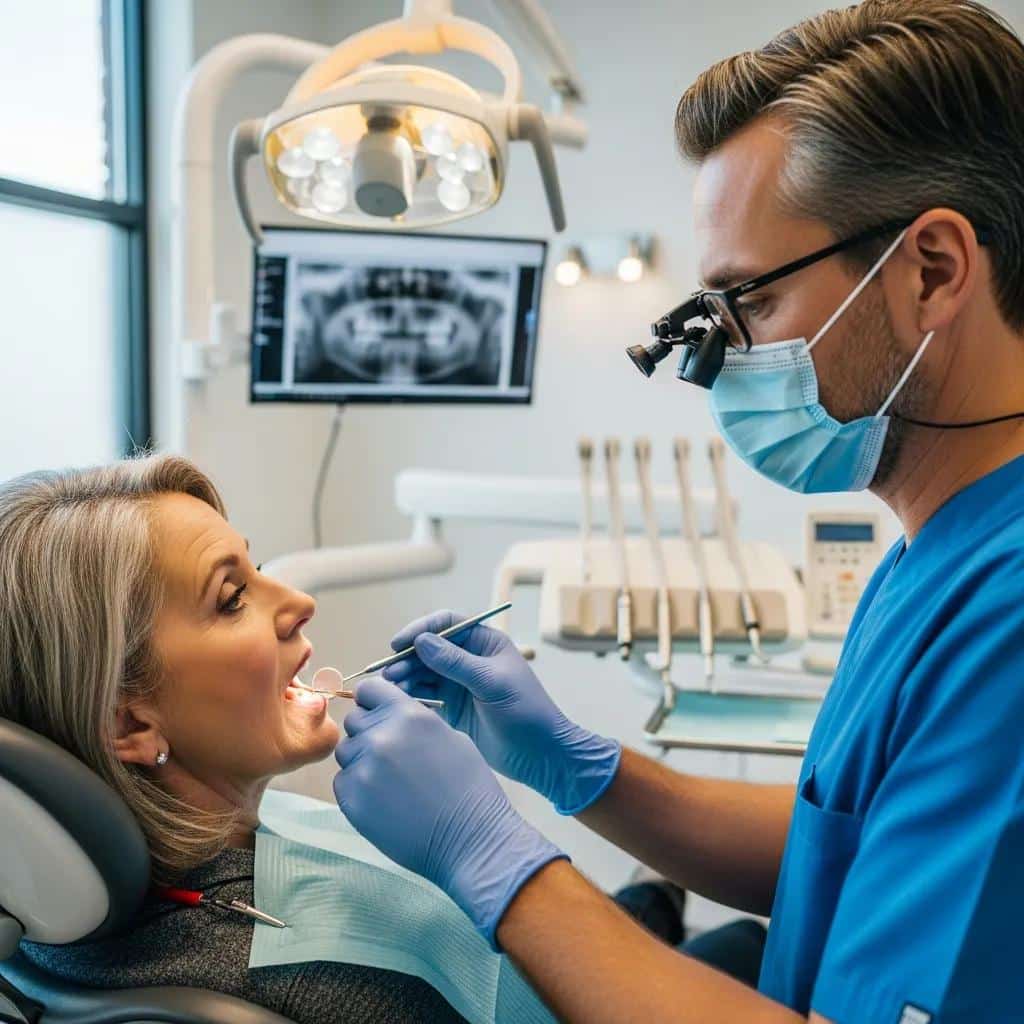
Regular professional check-ups are vital for monitoring the health of dental implants. Dentists can identify potential issues early, such as signs of infection or bone loss, and provide timely interventions. Patients should schedule check-ups at least once or twice a year to ensure their implants remain in optimal condition.
How Can You Recognize and Address Dental Implant Problems Early?
Being aware of the signs of potential implant issues can help patients seek timely care.
What Are the Common Signs of Dental Implant Failure?
Common signs of dental implant failure include persistent pain, swelling, and mobility of the implant. If any of these symptoms occur, it is crucial to contact a dentist immediately for evaluation and treatment.
When Should You Contact Your Dentist About Implant Issues?
Patients should reach out to their dentist if they experience any unusual symptoms, such as discomfort or changes in the appearance of the gums around the implant. Early intervention can prevent more serious complications and preserve the integrity of the implant.
What Is the Long-Term Value and Cost-Effectiveness of Dental Implants?
Dental implants represent a significant investment, but they can offer long-term value and cost-effectiveness.
How Does the Initial Investment Compare to Lifetime Savings?
While the initial cost of dental implants may be higher than other tooth replacement options, such as dentures or bridges, they often prove to be more cost-effective in the long run. Implants can last many years with proper care, reducing the need for frequent replacements and associated costs.
What Financing and Consultation Options Are Available Locally?
Affordable Dentist Near Me – Crowley offers various financing options to make dental implants more accessible. Patients are encouraged to schedule a free consultation to discuss their needs and explore available payment plans.
How Do Implant Materials Like Titanium and Zirconia Affect Longevity?
The materials used in dental implants can influence their durability and success.
What Are the Benefits of Titanium Implants for Lifespan?
Titanium implants are favored for their biocompatibility, strength, and proven long-term success. They integrate well with bone, providing a stable foundation for crowns. This material has a long track record of success in dental implantology.
How Does Zirconia Compare as a Durable Alternative?
Zirconia implants offer aesthetic advantages due to their tooth-like color and are less likely to cause allergic reactions. However, they are generally considered less versatile than titanium and may have a higher risk of fracture in some cases. The choice between titanium and zirconia should be made in consultation with a dental professional.
Why Choose Affordable Dentist Near Me – Crowley for Long-Lasting Dental Implants?
Choosing the right dental provider is crucial for the success of dental implants.
How Does Local Expertise Enhance Implant Success Rates?
Affordable Dentist Near Me – Crowley boasts a team of experienced professionals dedicated to providing high-quality dental care. Their expertise in implantology ensures that patients receive the best possible outcomes.
What Do Crowley Patients Say About Their Implant Longevity?
Patients in Crowley have reported high satisfaction rates with their dental implants, often highlighting the clinic’s commitment to patient care and the longevity of their implants. Testimonials reflect a strong community trust in the clinic’s services, reinforcing its reputation for excellence in dental care.