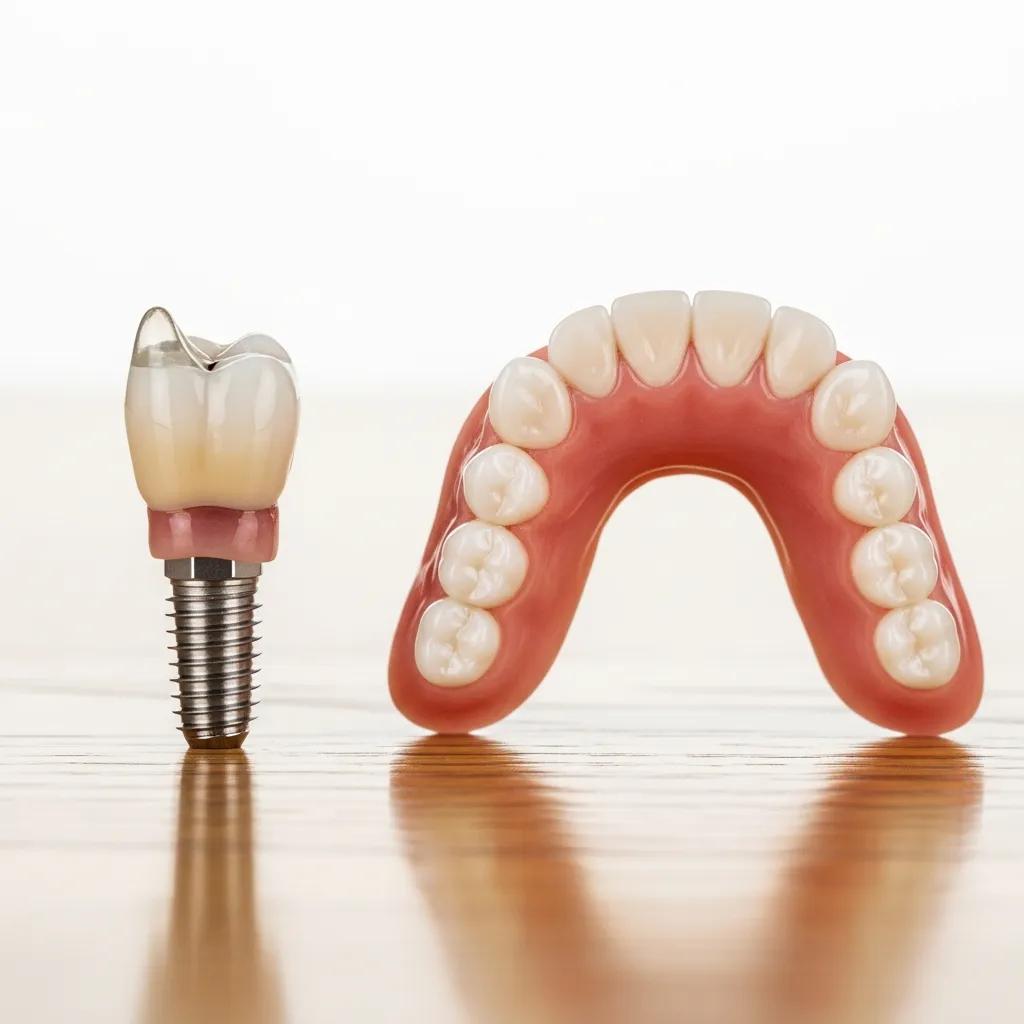
Understanding the Real Cost of Dental Implants: A Clear Comparison and Practical Financing Options
Dental implants are a long-lasting, natural-looking way to replace missing teeth—but the price tag can be confusing. This guide breaks down the costs you’re likely to encounter, from materials and surgery to possible extra fees, and explains common financing choices that make treatment more attainable. Read on so you can compare options and decide what’s right for your smile and your budget.
Choosing implants often involves balancing clinical needs, aesthetic goals, and financial planning. A clear sense of likely steps and costs helps you plan time off work, budget for unexpected items, and set realistic expectations for recovery and follow-up care.
What Are the Key Components That Drive Implant Costs?
Several core elements determine how much a dental implant will cost: the implant materials, the complexity of the surgery, and any additional procedures needed to prepare your mouth. Knowing these pieces helps you predict the overall financial commitment and ask the right questions at your consult.
As dental technology advances, treatments can become more effective—and sometimes more expensive—so cost is an important part of planning care that fits your needs.
Modernization and innovation in treatment methods are pushing health care costs upward. Higher-quality care often brings higher prices. Dentistry is no exception—implantology is rapidly evolving. Patients frequently face choices between different treatment types, and the financial aspect plays a major role in those decisions. Other considerations include aesthetics and the longevity of the treatment.
Cost-utility analysis of an implant treatment in dentistry, 2021
How Do Implant Materials and Surgery Type Affect Price?
The implant material and the surgical approach are major cost drivers. Titanium implants are widely used for their strength and biocompatibility, which typically makes them pricier than alternatives. Surgical complexity also matters: a simple placement is less expensive than a case that needs bone grafting or a sinus lift. Talk through options with your dentist so you understand which elements apply to your treatment and why.
Beyond the metal implant itself, the visible crown or prosthesis contributes to cost. Crowns are made from different materials (porcelain-fused-to-metal, all-ceramic, or zirconia, among others), and choices affect appearance, wear characteristics, and price. Your clinician can explain trade-offs so you choose a material that matches your goals for strength, color match, and budget.
Another factor is the surgical workflow and whether the practice uses in-house labs, digital planning, or outsourced dental laboratories. Digital planning and guided surgery can improve accuracy but may add to fees. Discuss the full workflow during consultation so you can compare like-for-like quotes between providers.
What Hidden or Additional Costs Should You Expect?
Besides the implant and crown, there are other charges to plan for: pre-operative exams, diagnostic imaging (X-rays or CT scans), lab fees, and post-operative visits. Complications or follow-up treatments can add unexpected costs. Ask your provider for a full cost estimate that lists likely extras so you won’t be surprised later.
Common additional items that sometimes appear on estimates include:
Temporary restorations or provisional crowns while the implant integrates with bone.
Fees for anesthesia or sedation if you choose IV or monitored sedation rather than local numbing.
Prescription medications for pain or infection prevention, and any follow-up splints or protective appliances.
Specialist fees if an oral surgeon or periodontist performs parts of the care plan rather than a general dentist.
Laboratory surcharges for custom shading, milling, or express turnaround.
When comparing quotes, ask each provider to itemize these extras. Some clinics bundle items into a single package price; others list them individually. Knowing which approach a practice uses lets you compare total expected outlays more accurately.
How Do Implant Costs Compare with Dentures and Bridges?
Implants usually cost more up front than dentures or bridges, but they often offer better long-term value. Implants are designed to be permanent and require less replacement and fewer adjustments over time, which can reduce lifetime costs compared with removable options.
This comparison matters because many patients pay for implants out of pocket, making it important to weigh short-term expense against long-term benefits.
Dental implant treatment can be an excellent option for replacing missing teeth, but access through public health programs is limited in many places. Most patients therefore pay privately, often at considerable cost. While people commonly expect to contribute to dental care, implant treatment is generally more expensive than alternatives like removable dentures. There is limited research on how dentists decide to offer implants or how patients weigh the choice to pay for them.
Paying for treatments?
Influences on negotiating clinical need and decision-making for dental implant treatment, CE Exley, 2009
What Are the Long-Term Cost Differences Between Implants and Dentures?
Over time, implants can be more economical. Upfront implant costs typically range from $3,000 to $6,000 per tooth, while dentures often need replacement every 5–10 years, creating recurring expenses. With proper care, an implant can last for decades or even a lifetime, which may make it a better investment depending on your situation.
To make an informed comparison, look beyond the sticker price. Consider scheduled maintenance, possible relines or adjustments for dentures, periodic crown replacement for implants, and any health-related benefits that reduce future care—such as the way implants help preserve bone and avoid damage to adjacent teeth that some bridge designs require. Over a multi-decade horizon the higher initial investment in implants can be offset by fewer replacements and fewer associated repairs.
How Do Durability and Maintenance Affect Total Expenses?
Implants are built to stay in place; they don’t need the frequent adjustments or replacements that dentures do. Maintenance usually consists of routine dental check-ups and good at-home oral hygiene rather than costly repairs, so long-term upkeep is generally lower for implants.
Maintenance tips that help protect your investment include regular professional cleanings, using recommended interdental cleaners around implant-supported crowns, and avoiding habits that increase stress on restorations (for example, heavy clenching or chewing very hard objects). Some providers recommend periodic professional assessments of implant stability and the prosthetic fit to catch small issues early and avoid larger costs later.
What Financing and Insurance Options Can Help Cover Implant Costs?
Financing can make implants more within reach. Many practices offer payment plans, and there are third-party options designed specifically for dental care that spread the cost over months or years.
How Can Patients Access Affordable Financing for Implants?
Common routes include in-office payment plans, dental credit cards, and personal loans. Practices may partner with financing companies to offer manageable monthly payments tailored to individual budgets. Bring financing questions to your consultation so you can compare plans before committing.
When evaluating financing options, review the full terms carefully. Key points to check include whether monthly payments are interest-free for a promotional period, what interest rate applies after any promotional period ends, whether there are origination or application fees, and if there are penalties for early repayment. Ask whether the clinic will provide a written payment plan that clearly lists what parts of treatment are covered by the plan and what happens if additional procedures become necessary.
What Insurance Coverage Typically Applies to Implant Procedures?
Insurance coverage varies: some plans cover part of the cost—especially when implants are considered medically necessary—while others exclude implants altogether. Review your policy carefully and speak with your insurer and dental office to understand what’s covered and how to submit claims.
Before accepting a treatment plan, request a pre-treatment estimate from your insurer if possible. Some practices will help by submitting predetermination forms that let you see what portion your insurance is likely to pay. Even when insurance covers only part of the procedure, it can still reduce out-of-pocket expense for diagnostic imaging, preparatory work, or follow-up visits.
Who Is a Good Candidate for Implants, and Does Age Affect Cost?
Good candidates usually have healthy gums and sufficient jawbone to support an implant. Age itself isn’t a strict barrier, but older adults may need additional assessments or preparatory treatments that affect pricing.
Why Are Patients Aged 40–60 Often the Main Group Seeking Implants?
People in their 40s to 60s commonly pursue implants because tooth loss becomes more likely and this age group often has the financial means and motivation to invest in a permanent solution. Studies also show high satisfaction rates among patients in this range.
That said, candidacy depends on overall health and local oral conditions rather than age alone. Healthy younger adults with missing teeth and sufficient bone can be excellent candidates, and older adults in good health are often treated successfully with careful planning and appropriate preparatory care.
How Does a Patient’s Health Affect Treatment Planning and Cost?
Medical history and overall health can change the plan. Conditions that affect healing or bone quality may require extra tests, specialist referrals, or preparatory procedures, which can raise costs. Be open about your medical background so your provider can recommend a safe, tailored plan.
Smoking, certain chronic conditions, and medications that affect bone metabolism or healing are typical examples of factors that might change the treatment timeline or require additional support. Working with your provider to optimize health before surgery can reduce the risk of complications and may reduce the need for additional corrective procedures.
How Can a Free Consultation Clarify Your Personalized Implant Costs?
Booking a no-cost consultation is a practical first step. It lets your dentist examine your mouth, discuss options, and provide a tailored estimate, so you get a realistic sense of cost before moving forward.
What Happens During a Dental Implant Consultation?
Your appointment typically includes a full oral exam, X-rays or a CT scan to check bone density, a review of treatment options, a projected timeline, and a detailed cost estimate. It’s the time to ask about alternatives, risks, and financing so you leave with a clear plan.
To make the most of your consultation, bring relevant records if you have them (recent X-rays, a list of current medications, and any prior treatment notes). Expect the clinician to walk you through a proposed timeline that covers healing phases, provisional restorations, and final restoration placement. You should leave with a written treatment plan and a clear explanation of what is included in the quoted price.
Suggested checklist of questions to ask at the consult:
Which parts of the work will the primary clinician perform and which will involve a specialist?
What diagnostic imaging is included in the estimate, and will additional scans be needed later?
How long will healing take, and what follow-up visits are required?
Are there warranty terms for the prosthesis or guarantees on the surgical work?
What financing options are available, and can the clinic provide an itemized estimate?
How Does the Consultation Improve Cost Transparency?
A thorough consult outlines likely steps and potential extra costs up front. Knowing what to expect minimizes surprises and helps you compare providers confidently.
Ask the clinic to provide a written estimate that separates one-time fees from possible conditional charges (for example, charges that apply only if bone grafting becomes necessary). This written clarity is helpful when comparing several providers and when checking coverage with insurance or a financing partner.
What Questions Do Patients Commonly Ask About Implant Pricing?
People often want to know how regional differences affect price and whether implants provide good value over time.
How Much Do Dental Implants Usually Cost in Different Areas?
Prices can vary with location: urban clinics may charge more due to higher overhead, while smaller or rural practices may be less expensive. Expect typical per-implant costs to fall between $3,000 and $6,000, subject to local market differences.
When seeking multiple estimates, compare what each quote includes rather than simply looking at the headline number. Some providers include imaging and follow-up in a package; others do not. Ask for a breakdown and estimated timeline so you can fairly compare the level of care that corresponds with each price.
Are Implants Worth the Investment Compared with Alternatives?
Many patients find implants worth the cost because of their durability, comfort, and the way they preserve oral health. Compare upfront price with long-term maintenance and quality-of-life benefits to decide what’s best for you.
When evaluating value consider practical outcomes such as comfort while eating, improvement in speech compared with removable options, the ease of maintenance, and the potential to avoid future costs associated with bone loss or damage to adjacent teeth. Patient satisfaction is often high when implants are chosen for the right clinical reasons and when expectations are managed through good communication with the provider.
How Do Market Trends and Data Affect Implant Pricing?
Market demand, new materials, and technological advances all influence pricing. As more providers adopt implant techniques and materials improve, costs can shift—sometimes up because of innovation, sometimes down due to competition.
What Do Recent Reports Say About Adoption and Costs?
Recent data show steady growth in implant adoption as awareness and access increase. While average prices remain relatively stable, expect modest changes due to inflation and evolving techniques.
New approaches—digital planning, same-day provisionalization, and improvements in implant surface technology—may change practice patterns and influence fees. Over time, increased provider experience and competition in some markets may help lower costs, while in other areas the adoption of premium materials and techniques may push costs higher.
How Do Regional and Provider Differences Change Price?
Provider experience, practice location, and facility costs all affect pricing. It pays to get multiple estimates and compare what’s included—materials, imaging, follow-ups—so you can judge overall value, not just the sticker price.
When comparing providers, consider clinical experience, patient reviews, and whether the practice offers follow-up support and a clear process for handling complications. A lower initial price may be attractive, but a thorough, reliable clinic that includes appropriate follow-up can reduce long-term risk and cost.
What Tools Help Patients Compare Implant Costs Effectively?
Several resources make comparison easier: cost tables, provider estimates, and patient case studies. Use them together to get a full picture.
How to Use Cost Tables and Visual Guides?
Tables that break down components—implant, surgery, and extras—help you see where your money goes. Lay out estimates from different clinics side by side to compare what’s included and spot hidden fees.
A practical approach is to create a simple comparison sheet that lists each clinic down the left column and cost components across the top. Add columns for warranty terms, expected timeline, and notes on who performs each step (general dentist vs specialist). This visual comparison helps you weigh price against quality and convenience rather than making a decision based solely on the lowest quoted total.
Component
Description
Cost
Implant Material
Titanium implant
$3,000 – $6,000
Surgical Procedure
Basic implant placement
$1,000 – $2,500
Additional Treatments
Bone grafting, sinus lift
$500 – $3,000
This table outlines the main cost components so you can better estimate your total expense and compare quotes from different providers.
Where Can You Find Patient Testimonials and Case Studies?
Look for patient stories and before-and-after case studies on clinic sites and review platforms—these give practical insight into recovery, satisfaction, and real-world costs.
When reviewing testimonials, pay attention to details such as how the clinic handled complications (if any), whether the patient reports receiving clear cost estimates upfront, and how long follow-up care lasted. Reviews that mention specific parts of the workflow, such as the use of digital planning or the responsiveness of the clinic to questions, are especially helpful when comparing providers.
To get a personalized estimate, book a consultation and discuss your needs with a clinician.
Many practices provide custom payment plans to help patients manage costs over time.
Frequently Asked Questions
What factors influence the total cost of dental implants?
Major factors include the implant material, surgical complexity, and any preparatory work like bone grafts. Location, the dental team’s experience, and imaging or lab fees also affect the final price.
Are there financing options specifically for implant treatment?
Yes. Options include in-office payment plans, specialized dental credit cards, and personal loans. Ask your clinic which plans they offer and compare interest rates and terms before deciding.
How can patients make sure they’re getting good value for implants?
Compare multiple providers, read patient reviews, and confirm what’s included in the quoted price. Check provider credentials, ask about materials and warranties, and consider long-term benefits, not just the initial cost.
What should patients look for when choosing a provider for implants?
Look for experience in implant dentistry, clear treatment planning, modern imaging and lab support, and good patient reviews. A thorough consultation and transparent pricing are also strong indicators of quality care.
How do dental implants affect oral health over time?
Implants help preserve jawbone by restoring the natural forces of chewing, which reduces bone loss. They don’t require altering adjacent teeth and, with proper care, can significantly improve function and appearance long term.
What risks or complications should patients be aware of?
Potential issues include infection, nerve irritation, sinus complications, and implant failure—often related to insufficient bone or poor placement. A careful evaluation and following post-op instructions lower these risks.
How should patients prepare for an implant procedure?
Follow your dentist’s pre-op instructions, which may include stopping certain medications and quitting smoking. Arrange transportation if sedation is used, maintain good oral hygiene, and plan for recovery time and follow-up visits.
Conclusion
Knowing the cost components, likely extras, and financing options helps you make an informed decision about dental implants. A free consultation can clarify what your treatment will involve and produce a personalized estimate. When you’re ready, schedule a consult to explore the best path to a confident, lasting smile.