From Consultation to Completion: How Much Do Dental Implants Really Cost in Waco?
Dental implants are permanent tooth replacements consisting of a surgically placed implant post, an abutment, and a final crown that together restore chewing, speech, and appearance for missing teeth. This article explains how dental implants work, provides localized cost ranges for single implants through full-arch solutions in Waco, and maps the step-by-step treatment timeline so you know what to expect from consultation to final restoration. Many patients worry about unpredictable pricing, lengthy timelines, and financing; understanding the implant components, common cost drivers, and real recovery stages reduces uncertainty and helps you plan. You will learn clear cost ranges, factors that change price (bone grafts, materials, number of implants), practical ways to make implants affordable in Waco, and how modern technologies and provider choices influence outcomes. After reviewing these essentials we’ll compare implants to bridges and dentures and explain why a tailored free implant consultation is the most reliable way to get an accurate estimate and treatment plan.
What Are Dental Implants and How Do They Work?
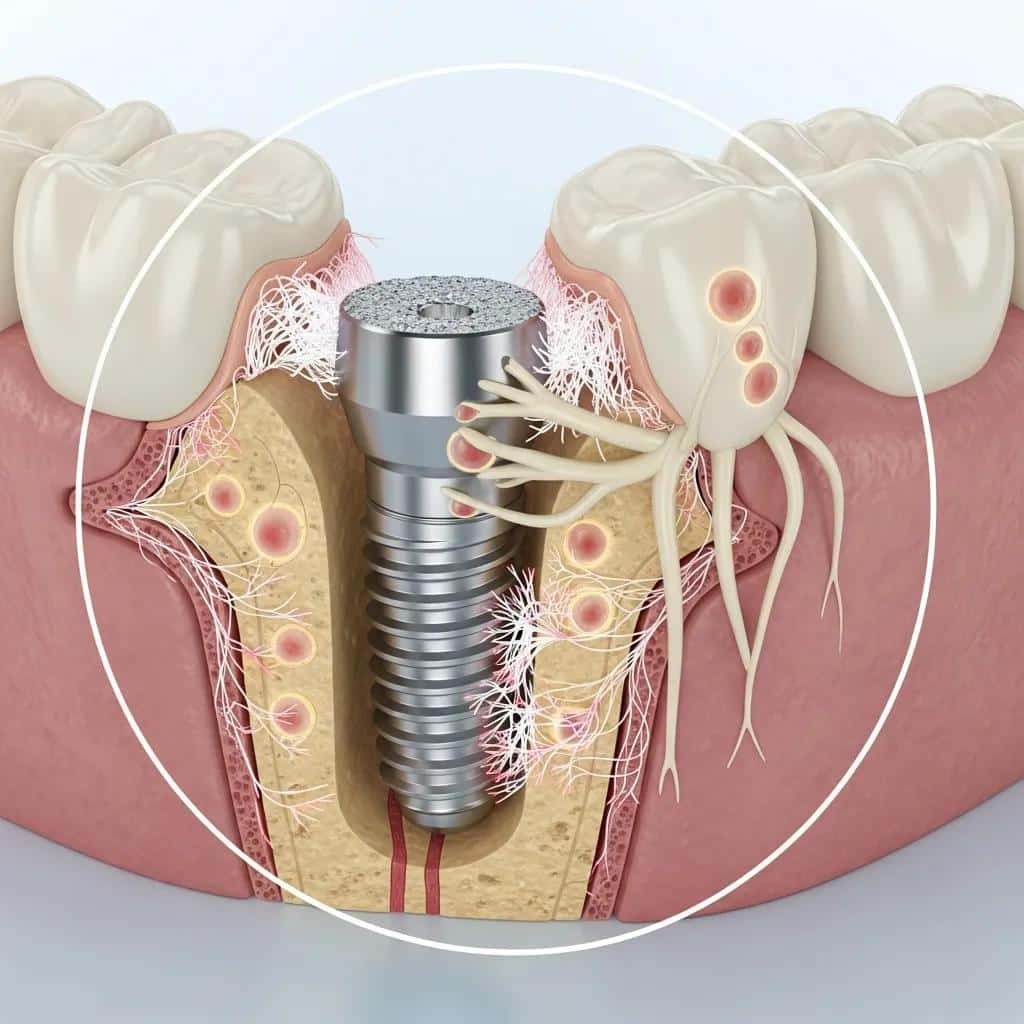
Dental implants are engineered tooth replacements that restore function and preserve jawbone by integrating directly with bone tissue. The implant post serves as an artificial root and the crown restores visible chewing surfaces, while osseointegration — the biological bonding of bone to the implant surface — is the mechanism that makes implants stable and long-lasting. Implants work by transferring chewing forces into the jaw, which helps maintain bone volume and facial structure compared with removable prosthetics. Understanding these mechanics clarifies why implants often represent a higher upfront investment but deliver superior long-term value for function, comfort, and oral health. The next section breaks down the implant’s parts so you can see how each element contributes to cost and performance.
What Are the Main Parts of a Dental Implant?
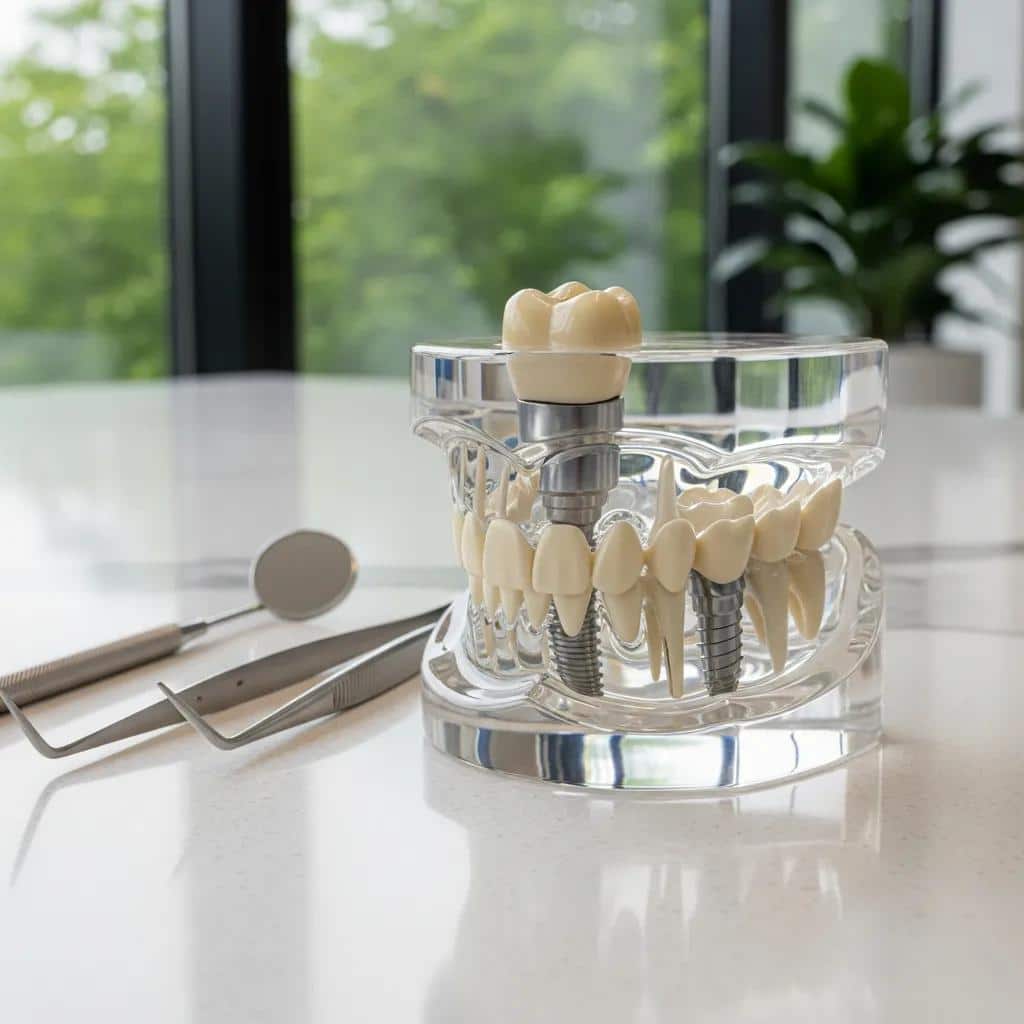
A dental implant system has three primary components: the implant post (fixture), the abutment that connects post to restoration, and the final crown or prosthesis that replaces the visible tooth. The implant post is usually a threaded titanium or zirconia cylinder placed in bone, the abutment is a small connector piece that supports the crown, and the crown is custom-made to match surrounding teeth in color and shape. Material choices—titanium for strength or zirconia for esthetics—affect both clinical decisions and cost without changing the implant’s core function. Knowing these parts helps patients understand line items on estimates and why separate charges may appear for the post, abutment, and crown.
How Does Osseointegration Affect Implant Success?
Osseointegration is the biological process where bone cells grow tightly around the implant surface, creating a durable mechanical bond that enables long-term chewing stability. Successful osseointegration depends on bone quality and quantity, precise surgical placement, and patient factors such as systemic health and smoking status; when integration proceeds as expected, success rates exceed 90–95% over many years. Poor bone or infection can hinder integration and require preparatory steps like bone grafting or sinus lifts, which increase cost and lengthen the timeline. Understanding osseointegration emphasizes why careful diagnostic imaging and planning matter and why the initial consultation is critical to forecast timeframes and fees.
How Much Do Dental Implants Cost in Waco?
Dental implant pricing in Waco varies widely depending on the type of implant solution, materials chosen, surgical complexity, and required preparatory treatments. Typical localized ranges help set expectations: single implant solutions cost substantially less than multi-implant bridges or full-arch reconstructions, and additive procedures like bone grafting or sinus lifts raise total costs. Cost transparency improves when you break estimates into components (implant post, abutment, crown, surgical fees), so patients can compare quotes and ask targeted questions about what’s included. Below we present a concise cost-comparison table and follow with a summary of variables that drive price differences and what typical estimates include.
Different implant types and restorative scopes come with different price ranges and inclusions.
Implant Type
Typical Cost Range (Waco)
What’s Typically Included
Single implant with crown
$2,000 – $4,500
Implant post, abutment, single crown; surgical placement fees may be included
Implant-supported bridge (2–3 posts)
$6,000 – $15,000
Multiple posts, abutments, bridged restorations; lab and surgical fees vary
Full-arch solutions (All-on-4/All-on-6)
$15,000 – $40,000 per arch
Multiple implants, fixed prosthesis, planning/surgery; often excludes grafts and sedation
Mini implant (temporary/retention)
$500 – $1,500 per implant
Smaller-diameter posts often used for denture retention; crown cost separate
This table clarifies how single-tooth solutions differ from full-arch approaches in scope and cost inclusions. The next subsection provides a snippet-style average for single implants to capture quick-read queries.
What Is the Average Cost of a Single Dental Implant in Waco?
A single dental implant with a final crown in Waco commonly falls in the range of about $2,000 to $4,500 when the bone and surrounding tissues are healthy and no grafting is required. That estimated range typically covers the implant post, a prefabricated or custom abutment, and the crown, though some practices itemize surgical fees and lab charges separately. Patients should confirm whether diagnostic imaging, anesthesia, and follow-up visits are included, because those items can add several hundred dollars. For anyone with bone loss or complex anatomy, additional preparatory procedures raise the price and extend the treatment timeline.
What Factors Influence the Total Cost of Dental Implants?
Several predictable factors drive implant costs; understanding them helps you evaluate quotes and avoid surprises. The most common drivers include the number of implants, need for bone grafting or sinus lifts, implant material and brand, complexity of surgery (such as immediate placement), need for sedation or general anesthesia, and laboratory fees for custom crowns or prostheses. Surgeon experience and local market pricing also influence fees, as do advanced planning tools like 3D imaging and surgical guides that improve precision but add to upfront costs. Reviewing these factors with your clinician during a free consultation produces a tailored estimate that reflects your unique treatment plan.
Common cost drivers include:
Number of implants needed: more implants = higher implant and surgical fees.
Bone grafting or sinus lift: adds material and surgical time.
Implant material/brand and prosthetic complexity: premium materials and custom lab work increase price.
Anesthesia and imaging: sedation, CBCT scans, and guided surgery add to the total.
How Does Bone Grafting Affect Implant Pricing?
Bone grafting restores lost jawbone volume to provide a stable foundation for implants; it may be required when prior tooth loss or periodontal disease has reduced bone height or density. Graft types vary (autograft, allograft, xenograft), and each has different material and surgical costs; on average, a straightforward graft procedure adds several hundred to a few thousand dollars to an implant treatment plan. Grafting also extends the timeline because the graft must integrate before implants can be placed in many cases, which affects overall treatment duration and interim restorations. When reviewing estimates, ask whether grafting materials and subsequent visits are included and what alternatives exist if minimal augmentation is needed.
What Are the Cost Differences Between Titanium and Zirconia Implants?
Titanium implants are widely used for their strength, proven osseointegration record, and cost-effectiveness, while zirconia implants offer tooth-colored aesthetics and may be preferred when metal-free solutions are sought. In general, zirconia implants can be somewhat more expensive due to material costs and fewer long-term clinical datasets, and custom zirconia abutments or crowns can increase laboratory fees. Clinically, titanium remains the standard for multi-root and posterior replacements because of strength; zirconia is attractive for anterior esthetic zones but sometimes requires different surgical considerations. Discuss material options with your provider to balance esthetics, clinical suitability, and price for your specific case.
How Can You Make Dental Implants Affordable in Waco?
Affordability strategies for dental implants combine insurance navigation, third-party financing, tax-advantaged accounts, and in-clinic payment arrangements to spread cost without compromising treatment quality. Knowing which options apply to your situation reduces sticker shock and helps you move forward with care. Below is a comparative table of common financing and insurance approaches followed by practical tips and an explanation of how a free consultation helps map a payment plan that fits your budget.
Several payment and coverage approaches can reduce out-of-pocket costs for implant care.
Option
Typical Terms
What It Covers
CareCredit / Third-party financing
6–60 month plans, variable interest
Covers dental procedures; spreads payments over time
In-house payment plan
Monthly installments arranged with clinic
Flexible terms often interest-free or low interest for set periods
Dental insurance contributions
Partial coverage, limits per year
Often covers preparatory work (extractions, x-rays) but not full implant cost
HSAs / FSAs
Tax-advantaged funds, immediate use
Can pay for eligible dental procedures including implants and grafts
This comparison shows that financing and tax-advantaged accounts provide practical ways to manage implant costs while insurance may offset preparatory care rather than the implant itself. Next, we list actionable affordability strategies and what patients should ask during financial discussions.
Practical ways to make implants affordable:
Use third-party dental financing to spread costs over months or years while starting treatment sooner.
Check dental insurance for coverage of preparatory work and submit claims for any eligible components.
Maximize HSAs or FSAs for tax-advantaged payment of dental services.
Ask about the clinic’s in-house payment plans or discounts for combined procedures.
What Dental Insurance Plans Cover Dental Implants?
Many dental insurance plans have limited or no coverage for the implant post and crown, but they may cover related services like extractions, imaging, and some aspects of preparatory care. Policies vary widely: some plans offer partial prosthetic coverage or allow a portion of implant-related fees under major services, while others classify implants as non-covered. To understand your benefits, request a pre-treatment estimate from your insurer and have your dentist submit a predetermination that details the planned services and codes. This process clarifies out-of-pocket responsibilities and helps you plan financing around identifiable covered items.
What Payment Plans and Financing Options Are Available?
Third-party financing providers commonly offer installment plans that cover dental implants with promotional no-interest periods or longer-term options with interest; CareCredit is a widely used example in dental care, though specific plan names should be verified with the clinic. Many clinics also offer in-house payment arrangements that allow patients to pay in monthly installments directly to the practice under agreed terms. HSAs and FSAs are convenient tax-advantaged accounts that patients can use to pay eligible dental expenses, effectively reducing net cost. Discuss available plan options during your free consultation so you can compare interest costs, monthly payments, and how long you’ll pay before making a decision.
How Does a Free Dental Implant Consultation Help with Cost Planning?
A free dental implant consultation produces an itemized treatment plan that lists required procedures, anticipated materials, and estimated fees so patients can make an informed financial decision. During the consult, clinicians typically perform an exam, review imaging (such as X-rays or 3D scans), explain implant options, and discuss financing and timeline variants that affect price. Getting this detailed estimate in writing allows you to compare financing offers and insurance predeterminations accurately and prevents surprises later in treatment. For personalized cost planning and to review payment options including in-house plans or third-party financing, schedule a free implants consultation with Affordable Dentist Near Me of Waco to receive a tailored estimate.
What Are the Step-by-Step Procedures for Getting Dental Implants?
The implant journey progresses through defined clinical stages: consultation and diagnostics, any required extractions or grafts, surgical implant placement, osseointegration healing, abutment placement, and final crown or prosthesis delivery. Each stage has typical timeframes and patient expectations, and understanding these steps helps set realistic planning for work, travel, and budget. Below is a numbered procedural summary followed by expanded descriptions of the consultation, surgical/healing stages, and recovery expectations to give you practical insight into what each phase entails.
Initial consultation and diagnostic imaging.
Tooth extraction (if needed) and site preparation or bone grafting.
Surgical placement of the implant post.
Osseointegration healing period (several weeks to months).
Abutment placement and soft tissue healing.
Final crown fabrication and attachment; ongoing maintenance.
This ordered list clarifies the main milestones from consultation to final restoration and will be expanded in the following subsections.
What Happens During the Initial Dental Implant Consultation?
During the initial consultation the clinician reviews medical and dental history, performs an oral exam, and obtains imaging—often 3D scanning—to evaluate bone quantity and identify anatomical considerations. The visit includes a discussion of treatment options (single implant, bridge, or full-arch), material choices (titanium vs zirconia), and a preliminary cost estimate tied to the chosen solution. Patients should bring a list of current medications and dental insurance information and be prepared to ask about recovery time, who will perform surgery, and what follow-up is required. The consult concludes with a personalized treatment plan and scheduling options, which set expectations for subsequent surgical appointments.
What Are the Surgical and Healing Stages of Dental Implant Placement?
Implant surgery typically involves placing the implant post into prepared bone under local anesthesia, sometimes combined with conscious sedation for patient comfort, and requires precise angulation and depth to ensure predictable osseointegration. Immediately after placement, patients experience a short recovery period with swelling and mild discomfort managed by medication and post-op instructions; long-term healing occurs during the osseointegration phase, which can take 2–6 months depending on site and grafting. If grafting was required, the timeline extends to allow graft consolidation before implant placement or between staged procedures. Careful adherence to oral hygiene and follow-up visits ensures successful integration and timely progression to abutment and crown phases.
What Is the Typical Recovery Timeline and Aftercare for Dental Implants?
Short-term recovery from implant placement usually involves manageable pain and swelling for 48–72 hours, with soft diet and cold-compress strategies helpful during the early days, while long-term healing involves gradual bone remodeling around the implant over weeks to months. Regular follow-ups monitor tissue healing and integration; once osseointegration is validated, the abutment is placed and the soft tissues shaped before final crown fabrication and placement. Long-term aftercare includes good oral hygiene, routine dental checkups, and avoiding tobacco, which is known to impair integration. If any signs of infection or unusual pain arise, prompt evaluation by your provider minimizes complications and preserves implant prognosis.
After understanding the step-by-step process, many patients are ready to review candidacy and exact costs; scheduling a free implant consultation at Affordable Dentist Near Me of Waco connects you with clinicians who will assess your case, show available technologies, and prepare a written estimate to guide your financial choices.
What Are the Benefits and Risks of Dental Implants Compared to Alternatives?
Dental implants deliver superior chewing function, better bone preservation, and longer-term stability compared to removable dentures and conventional bridges, but they require surgical procedures and an upfront investment. Evaluating benefits and risks side-by-side helps patients decide which option fits their lifestyle, budget, and oral health goals. The table below compares core aspects and is followed by lists of advantages and potential complications so you can weigh short-term costs against long-term value.
Option
Short-term Cost
Longevity
Function & Maintenance
Dental implant
Higher upfront
10–30+ years with care
Restores chewing, preserves bone, requires normal hygiene
Dental bridge
Moderate upfront
5–15 years, may need replacement
Replaces missing tooth but requires adjacent tooth preparation
Removable denture
Lowest upfront
5–10 years for relines/replacements
Lower chewing efficiency; requires maintenance and adhesives
This lifecycle view highlights why implants can offer better long-term value despite higher initial costs. The next lists summarize the key advantages and common risks to balance decision-making.
Advantages of dental implants over bridges and dentures:
Preserve jawbone by transmitting functional forces to bone, reducing resorption.
Restore near-natural chewing ability and comfort, improving diet and nutrition.
Longevity with proper care often exceeds alternatives, lowering replacement frequency.
Common risks and complications associated with implants:
Surgical risks: infection, bleeding, or nerve irritation in rare cases.
Implant failure or poor osseointegration in patients with poor bone or health factors.
Additional procedures such as grafting increase complexity, cost, and recovery time.
What Advantages Do Dental Implants Offer Over Dentures and Bridges?
Implants outperform dentures and bridges in comfort, chewing efficiency, and bone preservation, which contributes to facial structure maintenance and fewer long-term adjustments. While bridges may require grinding down adjacent healthy teeth and dentures rely on suction or adhesives, implants replace the tooth root and avoid compromise to neighboring teeth. For many patients, the ability to eat a varied diet, speak confidently, and avoid removable prostheses represents a major quality-of-life improvement. These advantages often justify the initial investment when evaluated over a decade or more.
What Are the Potential Risks and Complications of Dental Implants?
Potential complications include localized infection, implant failure due to poor integration, damage to adjacent anatomical structures, and sinus complications for upper posterior implants; careful assessment and surgical planning reduce these risks. Patient-related risk factors such as smoking, uncontrolled diabetes, or poor oral hygiene increase the likelihood of complications and require modification of treatment plans. Most complications are manageable when identified early, and experienced providers use preventive measures—antibiotics when indicated, sterile technique, and precise imaging—to mitigate common issues. Knowing the risks helps you follow pre- and post-operative instructions and select the right provider for your case.
How Long Do Dental Implants Last and What Is Their Success Rate?
When placed and maintained appropriately, dental implants demonstrate high long-term success rates commonly reported in modern literature as excellent over the first decade, with many implants lasting 10–30 years or longer when oral hygiene and follow-up care are maintained. Success rates depend on patient selection, surgical technique, and prosthetic design; favorable conditions such as adequate bone, healthy gums, and no tobacco use greatly improve prognosis. Regular dental visits and proper home care contribute to longevity by detecting issues early and preventing peri-implant disease.
Considering lifespan and reduced replacement cycles, implants frequently provide better lifetime value than bridges or dentures.
What Advanced Technologies Does Affordable Dentist Near Me of Waco Use for Dental Implants?
Affordable Dentist Near Me of Waco uses modern diagnostic and planning technologies that improve implant precision, patient comfort, and predictability of outcomes. Advanced tools such as 3D imaging and computer-guided surgical planning allow clinicians to visualize bone anatomy and plan implant position in three dimensions, reducing surgical time and improving prosthetic fit. The clinic’s integration of these technologies supports consistent results and can minimize complications that otherwise increase total cost. The table below summarizes common technologies, their benefits, and the practical impact on treatment.
Technology
Benefit
Impact on Treatment
3D imaging (CBCT)
Detailed bone and anatomical visualization
More accurate planning, fewer surprises during surgery
Computer-guided surgery
Precise implant placement
Reduced chair time and improved restorative outcomes
Surgical guides & planning software
Improved implant angulation and depth control
Higher predictability, better prosthetic fit
How Do 3D Imaging and Computer-Guided Surgery Improve Implant Outcomes?
Three-dimensional imaging provides a volumetric view of bone, nerves, and sinuses so clinicians can choose optimal implant size, angle, and position before surgery, reducing intraoperative adjustments and the risk of complications. Computer-guided surgery translates virtual plans into precise clinical execution through surgical guides, which limit human error and shorten operating time while enhancing prosthetic alignment. These technologies together improve patient comfort, minimize healing surprises, and often reduce the need for corrective procedures, indirectly controlling costs associated with complications or remakes. For patients, the benefit is clearer expectations, shorter surgeries, and a smoother path to the final restoration.
Which Implant Brands and Materials Are Offered at the Clinic?
The clinic offers implant systems and restorative materials chosen for clinical reliability and esthetic outcomes, with options that include titanium-based fixtures for strength and tooth-colored zirconia alternatives for metal-free esthetic zones. Material selection is based on clinical indications, patient preferences, and prosthetic goals, balancing cost and long-term performance. Discussing brand and material choices during the consultation clarifies price implications and how those choices will affect final appearance, durability, and maintenance requirements. This informed selection process helps tailor treatment to the patient’s functional and esthetic priorities.
How Do Dental Implant Costs Compare to Other Tooth Replacement Options?
Comparing the total cost and value of implants versus bridges and dentures requires looking beyond initial fees to consider longevity, maintenance, and functional differences. While dentures and bridges often carry lower upfront costs, their shorter lifespans and higher long-term maintenance can result in greater cumulative expense over time. Below is a lifecycle comparison and practical guidance to help you evaluate which option fits your financial and functional goals.
Short-term vs long-term cost considerations:
Dentures: lowest initial cost but frequent relining, adhesives, and replacements can add recurring expenses.
Bridges: moderate initial cost but may compromise adjacent teeth and require replacement when supporting teeth fail.
Implants: higher initial cost but longer lifespan and preservation of bone often yield lower total cost per functional year.
What Is the Cost Difference Between Dental Implants and Dental Bridges?
Upfront, a single implant with crown commonly costs more than constructing a traditional bridge that uses two adjacent crowns, but bridges may result in additional downstream costs if supporting teeth fail or require retreatment. Implants avoid sacrificing healthy tooth structure and usually require less long-term maintenance on adjacent teeth. When estimating value, consider replacement intervals: bridges typically last 5–15 years, whereas implants often function for decades, making implants favorable in lifetime cost assessments despite higher initial investment.
How Do Dentures Compare to Implants in Terms of Cost and Function?
Dentures provide an economical solution for replacing multiple teeth or full arches, but they typically offer lower chewing efficiency and may require frequent adjustments, relines, and replacement over time. Implant-supported dentures combine the cost-effectiveness of dentures with the improved stability of implants but still differ from fixed implant prostheses in feel and function. Patients prioritizing optimal chewing, fixed restorations, and jawbone preservation often find that implants represent better long-term value despite higher upfront cost, particularly when financing or payment plans make treatment feasible.
Why Choose Affordable Dentist Near Me of Waco for Your Dental Implants?
Affordable Dentist Near Me of Waco positions implant care around transparent pricing, everyday low fees, and accessible consultations so patients can get clear, personalized guidance without initial cost barriers. The clinic provides free implant consultations to assess candidacy, explain options, and prepare itemized estimates that help patients plan financially and medically. Providers at the clinic, including Dr. Mike Pham and Dr. Peter Vo, are part of the implant care team offering services and treatment planning; patients can discuss materials, technologies, and financing options during the complimentary visit. This combination of affordability messaging, modern technology, and no-cost consultation helps align clinical quality with realistic payment pathways for Waco residents.
What Expertise Do Dr. Mike Pham and Dr. Peter Vo Bring to Implant Dentistry?
Dr. Mike Pham and Dr. Peter Vo are named clinicians at Affordable Dentist Near Me of Waco who provide implant-related services and treatment planning at the clinic. During the free implant consultation, these providers evaluate your clinical needs, review imaging, and explain options such as single implants, implant-supported bridges, or full-arch solutions so you can make an informed decision. Meeting with the providers allows patients to discuss the clinical rationale for materials and surgical approaches and to receive a written estimate specific to their anatomy and restorative goals. This direct provider involvement ensures continuity from diagnosis through restoration.
How Does the Clinic Ensure Affordable, High-Quality Dental Implant Care?
The clinic emphasizes “Everyday Low Fees” and offers free implant consultations as part of its approach to make implant care more accessible while maintaining quality through technology and standardized workflows. Key patient-facing benefits include transparent, itemized estimates at no cost, discussion of financing and payment options during the consult, and use of diagnostic tools that reduce surprises and optimize treatment timing. By combining clear pricing messages with clinical planning and provider involvement, the practice aims to deliver predictable outcomes at affordable terms that align with patient priorities.
For personalized pricing, candidacy assessment, and a written treatment plan including financing options, schedule a free implants consultation at Affordable Dentist Near Me of Waco located at 4573 Lake Shore Drive, Waco, TX 76710. The free consult is designed to provide a tailored plan and clear cost estimate so you can move from consultation to completion with confidence.