What Factors Affect Dental Implant Success Rates? Comprehensive Guide to Ensuring Long-Term Implant Longevity
Dental implants have revolutionized restorative dentistry, providing a reliable solution for tooth loss. Understanding the factors that influence dental implant success rates is crucial for patients considering this procedure. This comprehensive guide will explore the various elements that contribute to the longevity and effectiveness of dental implants. Readers will learn about the biological, surgical, and lifestyle factors that can impact the success of their implants. Many individuals face uncertainty regarding the durability of dental implants, but by understanding these factors, they can make informed decisions and improve their chances of a successful outcome. This article will cover the definition of dental implants, patient-related factors, the importance of oral hygiene, surgical considerations, post-operative care, common reasons for failure, and why choosing Affordable Dentist Near Me – Crowley can enhance implant success.
What Are Dental Implants and Their Typical Success Rates?
Dental implants are artificial tooth roots, typically made of titanium, that are surgically placed into the jawbone to support replacement teeth or bridges. They are designed to provide a strong foundation for fixed or removable replacement teeth that are made to match natural teeth. The typical success rate for dental implants is around 90-95%, with many factors influencing this statistic.
How Successful Are Dental Implants Over Time?
The success of dental implants can vary over time, with studies indicating that they maintain a high success rate of approximately 95% after five years, about 90-95% after ten years, and around 89-90% after twenty years. Factors such as the patient’s overall health, oral hygiene practices, and the skill of the dental surgeon play significant roles in these outcomes. Patient testimonials often highlight the longevity of their implants, emphasizing the importance of following post-operative care instructions and maintaining regular dental check-ups.
What Is Osseointegration and Why Is It Crucial for Implant Success?
Osseointegration is the process by which the dental implant fuses with the jawbone, providing stability and support. This biological process is crucial for the long-term success of the implant, as it ensures that the implant remains securely anchored in place. Factors affecting osseointegration include the quality of the bone, the type of implant used, and the patient’s health status. Successful osseointegration is essential for achieving optimal implant longevity and function.
Which Patient-Related Factors Influence Dental Implant Success?
Several patient-related factors can significantly influence the success of dental implants. Understanding these factors can help patients prepare for the procedure and improve their chances of a successful outcome.
How Do Systemic Health Conditions Like Diabetes and Osteoporosis Affect Implant Healing?
Systemic health conditions such as diabetes and osteoporosis can adversely affect the healing process after implant placement. Diabetes, especially if poorly controlled, can impair blood flow and delay healing, increasing the risk of implant failure. Osteoporosis may reduce bone density, potentially complicating implant integration, though it is not an absolute contraindication. Patients with these conditions should discuss their health status with their dentist to develop a tailored treatment plan that addresses potential risks.
Further studies corroborate the significant influence of systemic health on the integration and overall success of dental implants.
Systemic Diseases & Medications: Impact on Implant Osseointegration & Success
the most common medications and systemic diseases that can affect bone–implant integration, the success rate and survival rate of dental implants, peri-implant tissue health, and implant.
Do systemic diseases and medications influence dental implant osseointegration and dental implant health?
An umbrella review, A Amato, 2023
What Lifestyle Choices Impact Implant Longevity? Smoking, Alcohol, and Nutrition Explained
Lifestyle choices, including smoking, alcohol consumption, and nutrition, play a critical role in the longevity of dental implants. Smoking has been shown to increase the risk of implant failure due to its negative effects on blood circulation and healing. Excessive alcohol consumption can also impair healing and increase the risk of complications. A balanced diet rich in vitamins and minerals supports overall health and can enhance the healing process after implant surgery.
Research further emphasizes the detrimental effects of smoking on implant success.
Smoking’s Impact on Dental Implant Survival
Purpose: Recent studies implicate smoking as a significant factor in the failure of dental implants in relation to cigarette smoking.
The effect of smoking on osseointegrated dental implants. Part I: implant survival., 2006
How Does Oral Hygiene Affect Dental Implant Outcomes?
Maintaining proper oral hygiene is essential for the success of dental implants. Poor oral hygiene can lead to complications such as peri-implant mucositis and peri-implantitis, inflammatory conditions that affect the tissues surrounding the implant.
Studies consistently highlight the direct correlation between diligent oral hygiene practices and the prevention of peri-implant diseases.
Oral Hygiene Habits and Peri-Implant Health
Peri-implant disease and health are associated with microbial dental plaque. Therefore, oral hygiene plays a role in preventing and treating these diseases. This study aimed to determine the relationships among knowledge of peri-implant status, oral hygiene habits, and peri-implant disease and health.
The effect of individuals’ oral hygiene habits and knowledge levels on peri-implant health and disease: a questionnaire-based observational study, 2024
What Are Best Oral Hygiene Practices to Prevent Peri-implantitis?
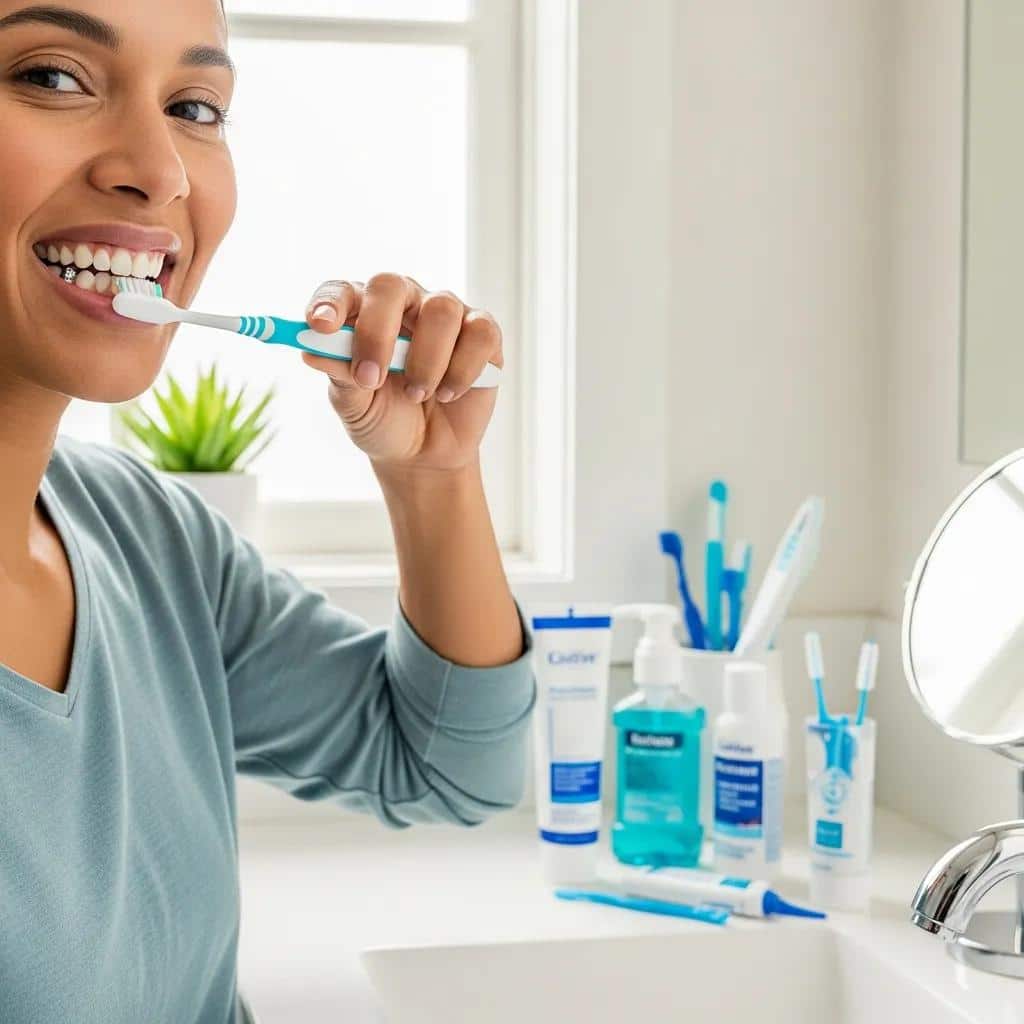
To prevent peri-implantitis, patients should adhere to best oral hygiene practices, including brushing twice daily with a soft-bristled toothbrush, flossing daily or using interdental brushes designed for implants, and using an antimicrobial mouthwash if recommended. Regular dental check-ups and professional cleanings are also crucial for monitoring the health of the implant and surrounding tissues.
How Often Should Patients Have Professional Cleanings After Implant Placement?
Patients should schedule professional cleanings at least every six months after implant placement. However, those with a history of periodontal disease or other risk factors may benefit from more frequent visits. Regular cleanings help remove plaque and tartar buildup, reducing the risk of infection and ensuring the long-term success of the implant.
What Surgical and Clinical Factors Determine Implant Success?
Surgical and clinical factors are critical in determining the success of dental implants. Understanding these factors can help patients make informed decisions about their treatment.
Why Is Adequate Bone Density Essential and When Is Bone Grafting Needed?
Adequate bone density is essential for the successful placement of dental implants. Insufficient bone can lead to implant failure, necessitating bone grafting procedures to enhance the bone structure. Bone grafting involves transplanting bone tissue or bone substitutes to create a stable foundation for the implant, improving the chances of successful osseointegration.
Further research elaborates on the critical role of bone grafting in achieving successful dental implant outcomes.
Bone Grafting Techniques for Dental Implant Success
Bone quality, volume, height and width all play a pivotal role in dental implant stability, success and survival. A lack of adequate bone can be overcome with various bone grafting procedures. Dependent on many factors, including the amount of bone required, the site of implant placement, patient preferences and clinician factors; the type of bone grafting material and procedure undertaken can vary. Supplemental bone can be sourced from a variety of sources, including autogenous, allogenous and xenograft bone. Dependent on the source of the bone, it will have different properties in aiding bone formation, as well as being presented in different formulations, such as bone particles or bone blocks.
Bone grafting techniques and materials for implant dentistry, S Khalid, 2023
How Does Surgeon Expertise and Implant Material Affect Outcomes?
The expertise of the dental surgeon plays a significant role in the success of dental implants. Experienced surgeons are more likely to achieve optimal placement and minimize complications. Additionally, the choice of implant material, such as titanium or zirconia, can impact the success rate. Titanium implants are widely used due to their biocompatibility and strength, while zirconia implants offer a tooth-colored alternative for patients concerned about aesthetics, though long-term data on zirconia implants is less extensive.
How Can Post-Operative Care Maximize Dental Implant Longevity?
Post-operative care is crucial for maximizing the longevity of dental implants. Patients must follow their dentist’s instructions to ensure proper healing and minimize the risk of complications.
What Are Effective Strategies to Prevent Peri-implantitis and Infection?
Effective strategies to prevent peri-implantitis and infection include maintaining excellent oral hygiene, avoiding smoking, and attending regular follow-up appointments. Patients should also be aware of the signs of infection, such as swelling, pain, or discharge, and report any concerns to their dentist promptly.
How Should Patients Manage Implant Stress and Bruxism?
Managing stress and bruxism is essential for protecting dental implants. Patients who grind their teeth should consider using a night guard to prevent excessive pressure on the implants. Stress management techniques, such as relaxation exercises and mindfulness, can also help reduce the risk of bruxism.
What Are Common Reasons for Dental Implant Failure and How Can They Be Avoided?
Understanding the common reasons for dental implant failure can help patients take proactive measures to avoid complications.
What Role Does Peri-implantitis Play in Late Implant Failure?
Peri-implantitis is a significant factor in late implant failure, characterized by inflammation and bone loss around the implant. Preventive measures, such as maintaining good oral hygiene and regular dental visits, are essential for minimizing the risk of this condition.
How Do Lack of Osseointegration and Primary Stability Cause Early Failure?
Lack of osseointegration and primary stability can lead to early implant failure. Factors such as inadequate bone density, infection, and improper placement can hinder the integration process. Patients should work closely with their dental team to address any potential issues before and after surgery.
Why Choose Affordable Dentist Near Me – Crowley for Your Dental Implants?
Choosing the right dental practice is crucial for ensuring the success of dental implants. Affordable Dentist Near Me – Crowley offers a range of services designed to support patients throughout their implant journey.
How Does Our Experienced Team Ensure High Implant Success Rates?
Our experienced team at Affordable Dentist Near Me – Crowley is dedicated to providing high-quality dental care in a warm and welcoming environment. We emphasize thorough assessments and personalized treatment plans to ensure optimal outcomes for our patients. Our commitment to ongoing education and the latest techniques helps us maintain high implant success rates.
What Financing Options and Free Consultations Are Available?
We understand that dental implants can be a significant investment. That’s why we offer various financing options to make treatment more accessible. Additionally, we provide free consultations to discuss your needs and answer any questions you may have about the implant process.
What Are the Best Practices for Long-Term Dental Implant Maintenance?
Long-term maintenance is essential for ensuring the success of dental implants. Patients should adopt practices that support the health of their implants and surrounding tissues.
How to Establish a Regular Check-Up and Cleaning Routine?
Establishing a regular check-up and cleaning routine is vital for maintaining dental implants. Patients should schedule visits every six months or as recommended by their dentist. These appointments allow for professional cleanings and monitoring of implant health, ensuring any issues are addressed promptly.
What Home Care Habits Support Implant Longevity?
Home care habits play a crucial role in supporting implant longevity. Patients should practice daily oral hygiene, including brushing and flossing, and consider using specialized cleaning devices designed for implants. Staying hydrated and maintaining a balanced diet can also contribute to overall oral health and implant success.
Indeed, clinical guidelines underscore the importance of diligent home care for maximizing the lifespan of dental implants.
Dental Implant Maintenance & Home Care for Longevity
According to a set of clinical practice guidelines regarding dental implant maintenance, home care instructions should include educating patients on how to properly brush twice daily.
Dental implant management and maintenance: How to improve long-term implant success, L Levin, 2016