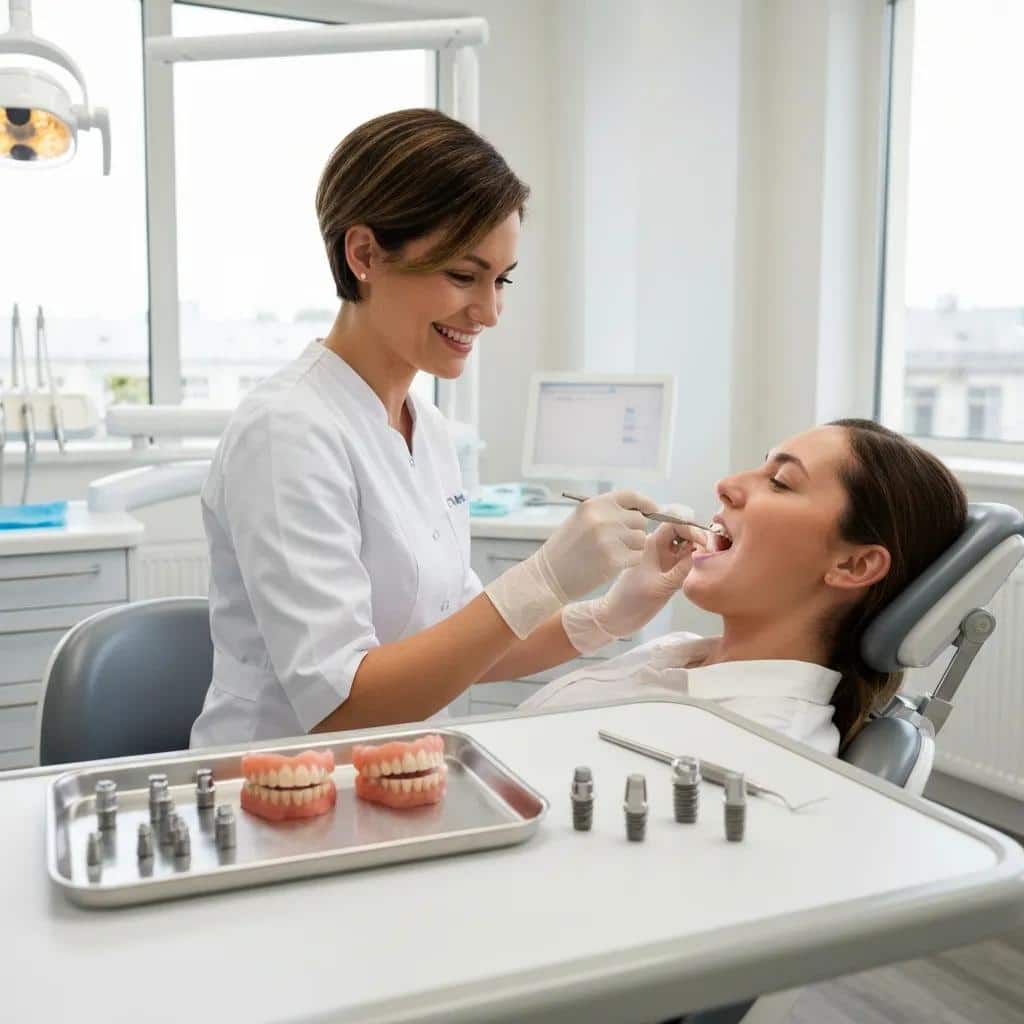
Which Option Lasts Longer? Exploring the Durability of Dental Implants vs. Dentures for Lasting Tooth Replacement
Choosing between dental implants and dentures is a decision about more than looks: it’s about durability, function, long-term cost, and how a tooth-replacement option will perform across decades. Dental implants generally offer a predictable pathway to long-term stability by fusing to the jawbone, while dentures provide a less invasive and lower-cost route that typically requires ongoing adjustments and replacements. This article explains what each option is, how long implants and dentures typically last, which factors determine longevity, and practical maintenance steps that maximize lifespan. Readers in their 40s to 60s will find tailored decision-making guidance that balances bone health, lifestyle, and budget, plus a clear cost-over-time comparison and maintenance checklists. Finally, the piece outlines local, actionable next steps for readers in Tyler, TX who want a personalized durability assessment via a free consultation with Affordable Dentist Near Me of Tyler.
What Are Dental Implants and How Long Do They Last?
Dental implants are titanium or zirconia posts surgically placed into jawbone to replace missing tooth roots, providing a stable foundation for crowns, bridges, or implant-supported dentures. The mechanism—osseointegration, where bone grows onto the implant surface—creates long-term stability and preserves jawbone volume, which directly influences chewing function and prosthetic longevity. This section defines the implant components and typical procedural stages, summarizes expected lifespan statistics, and lists the key factors that determine whether an implant achieves its full durability potential. Understanding implants’ structural and biological advantages sets the stage for comparing them with removable denture options and for planning maintenance strategies that extend life expectancy.
What Is a Dental Implant? Definition and Procedure Overview
A dental implant consists of three core components: the fixture (post) inserted into the jawbone, an abutment that connects the post to the prosthetic, and the prosthetic crown or denture that restores visible tooth structure. The procedure typically follows steps: surgical placement of the fixture, a healing phase for osseointegration, and a restorative phase where an abutment and crown or prosthesis are attached. Materials commonly used—titanium or high-strength ceramic—are chosen for biocompatibility and wear resistance to support long-term function. Recovery usually involves several weeks to months depending on bone quality and whether additional procedures such as bone grafting are required. Proper surgical technique and prosthetic design reduce mechanical stress and support predictable long-term outcomes.
How Long Is the Typical Lifespan of Dental Implants?
Dental implants are designed for long-term service and frequently last 25 years or more; with excellent care many patients maintain functional implants for life. Success rates reported in contemporary literature are often above 90–95% at 10 years for single-tooth implants, though individual results vary by systemic health, oral hygiene, and prosthetic design. Key longevity caveats include peri-implant disease risk, mechanical complications with prosthetic components, and progressive bite-related wear; these can be mitigated by routine maintenance and early intervention. Recent clinical overviews indicate implants outperform removable prostheses in durability when candidacy and follow-up care are appropriate. Taken together, implants present a high-probability route to durable tooth replacement for suitable patients.
What Factors Influence the Longevity of Dental Implants?
Several modifiable and non-modifiable factors determine implant longevity: patient oral hygiene, smoking status, systemic conditions (for example poorly controlled diabetes), bone density at the implant site, occlusal load patterns, and clinician expertise. Good daily plaque control and regular professional check-ups reduce peri-implant inflammation and mechanical failures, while smoking and uncontrolled systemic disease elevate complication risks. Prosthetic design—single crowns versus full-arch prostheses—affects mechanical stress distribution and maintenance needs; splinted solutions or well-engineered occlusion can protect implant components. Early planning that addresses bone grafting, soft tissue management, and prosthetic materials improves the odds of reaching the higher end of expected service life.
Factors Affecting Osseointegration and Longevity of Dental Implants
This literature review aimed to collect data about factors that can affect osseointegration. A comprehensive understanding of these factors is crucial for improving the success rates and longevity of dental implants. By identifying and addressing these determinants, clinicians can enhance the long-term stability and functionality of dental implants.
Factors affecting osseointegration of dental implants: a review, A Sales, 2023
What Are Dentures and What Is Their Expected Durability?
Dentures are removable prosthetic appliances that replace multiple teeth or a full arch and rest on the gums and underlying bone, restoring basic chewing, speech, and aesthetics for edentulous or partially edentulous patients. Their durability depends on type—conventional (removable) dentures, partial dentures, or implant-supported dentures—material choices, and changes in jawbone shape over time that affect fit. This section explains the different denture types, typical lifespan ranges for traditional and implant-supported designs, and the biological and mechanical challenges that drive relining, repairs, and replacements. Understanding how dentures wear and why fit changes occur equips patients to maintain comfort and function while planning realistic replacement cycles.
What Types of Dentures Are Available?
Denture types include complete (full) dentures that replace an entire arch, partial dentures that replace several missing teeth and clasp to remaining teeth, and implant-supported dentures that anchor to dental implants for increased retention. Conventional removable dentures are less invasive and typically lower in upfront cost, making them suitable for many patients who cannot or do not want implant surgery. Implant-supported dentures—whether bar-retained or locator-attached—combine implant stability with removable maintenance and reduce slippage and sore spots. Selection depends on residual tooth support, bone volume, patient dexterity, budget constraints, and desired stability.
How Long Do Traditional and Implant-Supported Dentures Typically Last?
Traditional removable dentures generally last between 5 and 10 years before they need major refurbishment or replacement due to wear, changes in jaw shape, or acrylic fatigue. Implant-supported dentures tend to last longer for functional stability—the implants themselves can be long-lasting while the prosthetic teeth and attachments may require periodic maintenance or replacement every 5–15 years depending on wear and hygiene. Material wear, staining, and occlusal changes drive lifecycle timelines: acrylic teeth wear faster than porcelain, and attachments like clips or locators need replacement at intervals. Regular relining can extend the functional fit of removable dentures but does not stop underlying bone remodeling.
What Challenges Affect Denture Durability?
Denture durability is affected by biological changes such as alveolar bone resorption that alters prosthesis fit, and by mechanical wear of the denture base and teeth leading to occlusal breakdown. Poor fit results in sore spots, instability while chewing, and increased fracture risk; progressive bone loss accelerates these problems and mandates relines or new dentures. Material limitations—acrylic base fatigue and wear of denture teeth—require prosthetic adjustments and periodic laboratory repairs. Prevention strategies include regular professional evaluations, timely relines, attention to diet and bite forces, and considering implant support where long-term stability is a priority.
How Do Dental Implants and Dentures Compare in Durability and Longevity?
When comparing implants and dentures directly, implants typically outlast conventional dentures because implants preserve jawbone and transfer chewing forces through osseointegrated posts, reducing prosthetic movement and bone loss. Durability comparisons must include lifespan of implant fixtures, frequency of prosthetic repairs, maintenance schedules, comfort and function under daily use, and long-term cost modeling that includes replacement cycles. This section provides a data-oriented comparison, a quick-reference EAV table showing lifespan and maintenance attributes, and narrative guidance on comfort, stability, and when implants become cost-effective for patients planning multi-decade outcomes.
Which Lasts Longer: Dental Implants or Dentures?
Dental implants generally last longer than conventional dentures because the implant fixture becomes part of the jaw’s functional architecture, often remaining stable for decades with appropriate care. Conventional dentures are subject to ongoing fit changes driven by bone resorption and material wear that typically require relining or replacement every 5–10 years; implant fixtures avoid that mechanism of failure. Exceptions occur when implants face peri-implantitis, uncontrolled systemic disease, or poor prosthetic design—situations that can shorten implant life. Overall, for patients who are good surgical candidates and willing to invest in maintenance, implants provide superior longevity and functional permanence.
The following table summarizes durability, maintenance, and cost-related attributes for implants versus dentures:
Option
Typical Lifespan
Maintenance Frequency
Common Recurring Cost Drivers
Single-tooth implant (fixture + crown)
25+ years; often lifetime
Daily hygiene; professional peri-implant checks every 6–12 months
Daily cleaning; professional relines/repairs as needed
Relines every 1–3 years; full replacements as bone changes
How Does Comfort and Stability Differentiate Between Implants and Dentures?
Implants generally provide superior comfort because they mimic natural tooth root support and minimize micromovement that causes sore spots and speech interference with removable dentures. Patients with implants experience higher bite force capacity and more reliable chewing efficiency, enabling a broader diet with less concern for slippage. Implant-supported dentures bridge the gap by combining some removability with anchored stability that reduces movement and improves comfort compared with conventional dentures. For many patients, the improved function and comfort with implants translate into better nutrition and quality of life, factors that should be weighed alongside upfront investment.
What Is the Long-Term Value and Cost-Effectiveness of Implants vs. Dentures?
Assessing long-term value requires estimating cumulative costs over a 10–20 year horizon and factoring in quality-of-life differences such as eating comfort, fewer emergency adjustments, and preserved bone health with implants. While conventional dentures are less expensive initially, repeated relines, adhesive costs, repair visits, and eventual replacements can narrow the long-term cost gap, particularly for younger patients who will need multiple denture lifecycles. Implant therapy has higher upfront cost but often lower cumulative replacement frequency and better functional outcomes that many patients view as a long-term investment. Financing options, insurance coverage, and patient priorities about permanence and function all influence which choice delivers better value.
The table below gives a simple 10-year cost-estimate framework to illustrate relative financial impact (estimates used for comparative purposes only; individual quotes vary):
Replacement Option
Attribute
10-year Cost Estimate
Conventional dentures
Replacement every 5–10 years; relines every 2–3 years
This cost-over-time snapshot shows that implants often become cost-effective for patients who prioritize longevity and fewer prosthesis cycles over decades. Financing and insurance acceptance can make implants accessible; patients should evaluate both clinical candidacy and financial planning when deciding.
After reviewing durability data and value considerations, many readers want a personalized assessment to determine candidacy, estimate local pricing, and review financing; Affordable Dentist Near Me of Tyler offers free consultations to help patients in Tyler evaluate implant candidacy and projected outcomes. Call +1-903-231-8303 or visit the local clinic at 601 E Dodge St, Tyler, TX 75701 to schedule a personalized durability assessment and discuss options with Dr. Pham or Dr. Vo.
What Should Patients in Their 40s to 60s Consider When Choosing Between Implants and Dentures?
Patients in their 40s–60s should weigh long-term planning more heavily because choices made now will affect oral function and costs for decades. Key considerations include bone health and the likelihood of requiring grafting, lifestyle factors such as smoking or dietary habits that affect success, the desire for permanence versus removable options, and financial planning including insurance and financing. This section maps clinical attributes to patient-level impact, provides pragmatic scenarios for decision-making, and notes practice-level supports that can ease the path to implant or denture therapy. A personalized assessment at a free consult clarifies how these factors apply to an individual’s situation.
How Does Bone Health Impact the Choice of Tooth Replacement?
Jawbone density and volume determine implant candidacy because osseointegration requires adequate bone for primary stability; low bone height or width may necessitate bone grafting or alternative implant strategies. Bone grafting options can rebuild deficient sites but add procedural steps and healing time; these interventions affect timeline and cost and are a common consideration for patients in middle age who have experienced prolonged tooth loss. Clinicians assess bone with imaging and clinical exams to recommend grafting, sinus lifts, or modified implant placements. Patients with good bone are more likely to enjoy straightforward implant placement, while those with significant resorption may need staged approaches that should be factored into decision-making.
The following table connects clinical attributes to patient-level impacts:
Clinical Attribute
What It Means for Patients
Patient Impact
Jawbone density
Determines implant stability
May require grafting; affects timeline & cost
Gum health
Healthy tissues reduce infection risk
Improves long-term implant/denture comfort
Systemic health
Conditions affect healing
May require medical coordination before implants
How Do Lifestyle and Budget Affect Decision-Making?
Lifestyle factors—smoking, alcohol use, diet, oral hygiene habits, and activity level—influence the success and maintenance burden of both implants and dentures. Smoker status, for example, elevates implant complication risk and may reduce long-term survival; heavy bruxism increases mechanical stress on prostheses and can accelerate wear. Budget constraints steer many toward conventional dentures initially, but financing options and PPO insurance acceptance can make implants feasible; balancing short-term affordability with long-term value is central for 40–60-year-old patients. Practical tradeoffs include choosing implant-supported partial solutions to spread cost while gaining stability, or starting with dentures and transitioning to implants later when finances allow.
The following scenarios illustrate typical decision paths:
Active eater with good bone who values permanence often selects implants despite higher upfront cost.
Patient with tight budget and immediate function needs may opt for conventional dentures with a plan to upgrade later.
Individuals with bone loss can consider staged grafting and implants or implant-supported overdentures to balance stability and cost.
Affordable Dentist Near Me of Tyler accepts most PPO dental insurance plans and offers flexible financing options that can help patients in this age group weigh upfront costs against multi-decade durability; consider a free consultation to explore individualized payment plans and treatment phasing.
Why Choose Affordable Dentist Near Me of Tyler for Dental Implants and Dentures?
Affordable Dentist Near Me of Tyler provides dental implant and denture services with a patient-centered approach designed to support long-term outcomes and comfortable care. The practice emphasizes affordable care, accepts most PPO insurance plans, offers flexible financing, and provides free consultations for implant and denture patients—practical supports that matter when evaluating durability and total cost.
What Makes Our Dental Care Affordable and Patient-Centered?
Affordable Dentist Near Me of Tyler aligns affordability with patient education and supportive financial options to make long-lasting tooth replacement realistic for many patients. Practical affordability features include acceptance of most PPO dental insurance plans and flexible financing that helps spread costs over time for implant or denture treatments. The practice offers free consultations for dental implants and dentures, allowing patients to receive a no-cost assessment that outlines clinical needs, timelines, and cost estimates before committing to treatment. The atmosphere is designed to reduce anxiety and prioritize patient comfort, and patient education during consultations helps individuals make informed choices about durability and maintenance.
Key patient-centered affordability features:
Acceptance of most PPO dental insurance plans.
Flexible financing options to manage upfront investment.
Free consultations to review candidacy and long-term planning.
A relaxing, patient-focused clinical environment.
How Do Our Experienced Dentists Ensure Long-Lasting Results?
Dr. Pham and Dr. Vo work with patients to create treatment plans that prioritize predictable outcomes and long-term durability, focusing on diagnostic precision, prosthetic planning, and maintenance protocols. The practice emphasizes careful assessment of bone and gum health, prosthetic design that minimizes unfavorable forces, and follow-up programs that identify issues early to prevent minor problems from becoming major failures. Post-treatment maintenance—regular check-ups, hygiene reinforcement, and timely prosthetic servicing—forms the backbone of long-term success and is built into recommended care plans. Patients seeking durable outcomes benefit from this continuity of care and the practice’s approach to combining clinical planning with accessible financing and free initial evaluations.
Contact details for scheduling a consult or follow-up care are available locally: Affordable Dentist Near Me of Tyler, 601 E Dodge St, Tyler, TX 75701, phone +1-903-231-8303. Telephonic scheduling is the quickest way to arrange a free consultation and discuss individualized durability planning.
What Are the Most Common Questions About Dental Implant and Denture Longevity?
Patients commonly ask whether implants are more durable than dentures, how often dentures need relining or replacement, whether dentures can be as comfortable as implants, and what maintenance is needed to maximize lifespan. This FAQ-style section gives direct, PAA-optimized answers that summarize the evidence and offer action-oriented guidance about when to schedule an evaluation. Clear, concise answers help readers resolve common uncertainties and identify the next steps for personalized assessment.
Are Dental Implants More Durable Than Dentures?
Yes—dental implants are generally more durable than conventional dentures because implants integrate with bone and transfer chewing forces through a stable foundation, while dentures rely on soft-tissue support and are subject to fit changes. Supporting points include that implant fixtures commonly last decades with appropriate care and that implant support reduces prosthesis movement that causes soft-tissue trauma. Durability is conditional on patient health, oral hygiene, and prosthetic design; implants may be less durable in uncontrolled systemic disease or poor oral hygiene contexts. For many patients pursuing long-term permanence, implants represent the superior durability option.
Maintenance Protocols for Long-Lasting Implant-Supported Dental Prostheses
The objective of this scoping review was to identify available hygiene guidance for home care procedures, as well as periodicity and protocols for the professional maintenance of implant-supported prostheses. Proper maintenance is essential for the long-term success and durability of dental implants.
Maintenance protocols for implant-supported dental prostheses: A scoping review, PM Soares, 2024
How Often Do Dentures Need to Be Replaced or Relined?
Conventional dentures typically require relining every 1–3 years to maintain fit as the jawbone remodels, with full replacements commonly occurring every 5–10 years due to material wear and occlusal changes. Indications for professional attention include persistent sore spots, trouble chewing, shifting during speech, or visible wear of denture teeth. Timely relines and repairs can prolong prosthesis life and maintain function, but they do not stop underlying bone changes that ultimately necessitate replacement. Patients should schedule regular prosthetic reviews to catch fit issues early and avoid emergencies.
Can Dentures Be as Stable and Comfortable as Implants?
Conventional dentures cannot fully replicate the stability and tactile feedback of implant-supported teeth, but implant-supported dentures significantly close the gap by anchoring prostheses to implants for enhanced retention and reduced slippage. In many cases, implant-supported overdentures provide patient comfort and function that approach fixed implant prostheses, especially for lower-arch rehabilitation where conventional dentures often struggle. Realistic expectations and a phased approach—where implant support is added later—allow patients to improve stability and comfort while managing cost.
Implant Overdentures: Predictable Results for Enhanced Stability and Function
The literature indicates that the implant overdenture prosthesis provides predictable results – enhanced stability, function and a high-degree of satisfaction compared to conventional removable dentures.
Tissue-supported dental implant prosthesis (overdenture): the search for the ideal protocol. A literature review, 2012
What Maintenance Is Required to Extend the Life of Implants and Dentures?
Maintenance falls into daily home care and professional follow-up: implants require meticulous plaque control, interdental cleaning around abutments, and professional peri-implant assessments every 6–12 months; dentures require daily cleaning, careful handling, overnight soaking, and periodic relines or repairs per professional advice. Red flags for prompt care include bleeding around implants, looseness of a prosthetic, persistent soreness with dentures, or sudden changes in chewing comfort. A structured maintenance schedule and clear communication with the dental team reduce risks and extend the functional life of both implants and dentures.
Brush twice daily with a soft toothbrush and low-abrasive paste.
Clean under and around implant abutments using interdental brushes or floss.
Remove and soak removable dentures overnight and brush them daily.
How Can You Care for Your Dental Implants and Dentures to Maximize Their Lifespan?
Maximizing lifespan for implants and dentures requires consistent daily care, scheduled professional maintenance, and attention to early warning signs that warrant intervention. Effective routines combine mechanical cleaning, periodic professional assessments, and lifestyle choices that reduce risk. This section provides step-by-step maintenance timelines for implants and dentures, product and technique recommendations, and guidance on when to seek professional support to preserve function and comfort over decades.
What Are the Best Practices for Dental Implant Maintenance?
Daily implant maintenance includes brushing with a soft brush, flossing or using interdental brushes around implants, and avoiding abrasive pastes that can roughen surfaces prone to plaque accumulation. Professional maintenance visits should occur at least every 6–12 months to monitor peri-implant tissue health, check prosthetic components, and perform targeted cleaning below the prosthesis if needed. Patients should avoid smoking and manage systemic conditions like diabetes to reduce biological risks. Recognizing early signs of peri-implantitis—persistent inflammation, bleeding, or suppuration—enables timely treatment that preserves implant longevity.
How Should You Care for Dentures to Prolong Their Durability?
Denture care combines daily mechanical cleaning, careful overnight storage, and scheduled professional relines and adjustments to maintain fit and function. Clean dentures with a non-abrasive denture brush and manufacturer-recommended cleaners, rinse after meals, and avoid hot water that can warp acrylic. Overnight soaking in appropriate solutions helps disinfect and preserve base materials, while periodic relines (every 1–3 years) address fit changes caused by bone remodeling. Seek professional evaluation for cracks, major wear, or persistent sore spots; timely repairs and relines extend service life and maintain oral health.
Denture maintenance timeline summary:
Daily: Brush and rinse after eating; soak overnight.
Every 6–12 months: Professional prosthetic check and cleaning.
Every 1–3 years: Relining or minor repairs as needed.
Every 5–10 years: Consider prosthesis replacement for optimal fit and function.
Consistent adherence to these steps reduces emergency visits and helps patients maintain comfort and chewing efficiency.
How Can You Schedule a Free Consultation to Explore Long-Lasting Dental Implant or Denture Options in Tyler, TX?
A free consultation provides an individualized durability assessment, including an oral exam, imaging to evaluate bone and tissue, a discussion of treatment options and timelines, and an initial cost overview with financing options where applicable. Preparing for the visit by bringing insurance information and a list of questions speeds the consultation and helps the dental team provide a clear plan. This section explains what to expect during a typical free consult at Affordable Dentist Near Me of Tyler and gives explicit booking instructions so readers can take immediate next steps toward durable tooth replacement.
What to Expect During Your Free Dental Implant or Denture Consultation
During the free consultation you will receive a focused oral exam, review of medical history, and imaging as appropriate to evaluate bone volume and gum health; the dentist will outline candidacy for implants or denture options and discuss timelines and maintenance requirements. The visit typically includes a conversation about financing and insurance acceptance and a review of potential additional procedures such as bone grafting if needed. Expect the clinician to explain realistic longevity estimates for recommended options and provide an action plan that includes next steps for treatment sequencing. The consult is designed to equip patients with the information needed to make an informed decision about durability and long-term value.
How to Book Your Appointment with Affordable Dentist Near Me of Tyler
To schedule a free consultation for dental implants or dentures, call Affordable Dentist Near Me of Tyler at +1-903-231-8303 and speak with scheduling staff to arrange a convenient appointment time at the Tyler location. When you call, have your insurance information available—most PPO plans are accepted—and bring any relevant dental history to the consultation for a faster evaluation. The clinic’s address for in-person visits is 601 E Dodge St, Tyler, TX 75701; ask for a free consultation for dental implants or dentures when booking. Preparing questions about longevity, maintenance schedules, and financing will make your visit more productive and help the dental team provide a tailored plan.
Prepare: Gather insurance details and a list of oral-health concerns.
Attend: Expect a clinical exam, imaging as needed, and a tailored plan.
Scheduling a free consult is the recommended next step for anyone in Tyler who wants a personalized analysis of which option—implant or denture—will deliver the best long-term durability for their circumstances.