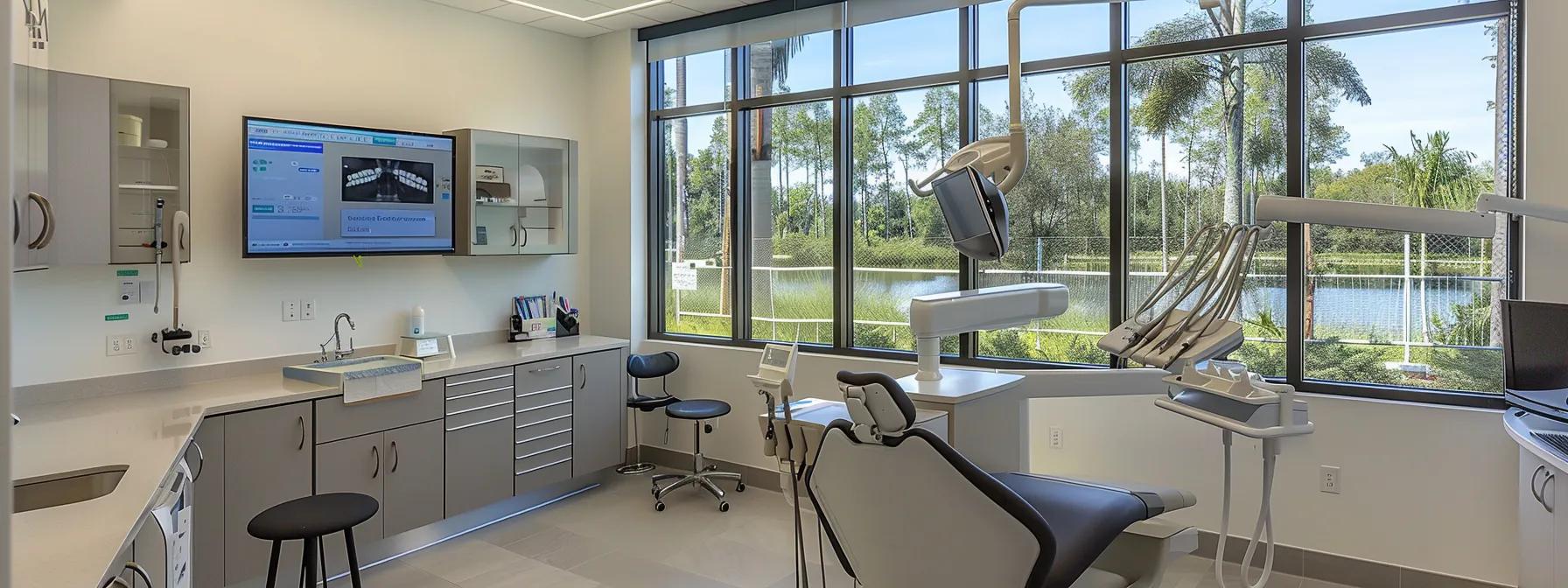
Dental implants serve as a revolutionary solution for those seeking a permanent, natural-looking replacement for missing teeth. In Lake Worth, TX, patients are increasingly turning to dental implant procedures not only to restore their smile aesthetics but also to regain functionality and improve their overall oral health. This article will explore every facet of dental implant solutions available for Lake Worth residents—from understanding what dental implants are to the detailed stages of the implant procedure, and from maintaining long-term oral health to finding a specialized dental implant provider in the area.
For many individuals in the 40-60 age range, tooth loss may result from periodontal disease, injury, or long-term neglect, impacting their self-confidence and daily functions such as chewing and speaking. Dental implants offer a durable alternative that mimics the natural tooth root, anchoring a replacement tooth securely in the bone. With advancements in dental technology and materials like titanium and ceramic crowns, these implants provide not only robust support but also improved aesthetic outcomes.
Patients often worry about complications such as food getting trapped under their dental implants or the risk of implant failure due to underlying medical conditions. However, when performed by an experienced dental implant specialist, the procedure offers a high success rate with minimal risks. Furthermore, dental implants help preserve the jawbone and prevent the facial changes associated with extended periods of tooth loss. The careful planning of the implant procedure, from the initial consultation through post-procedure care, ensures that patients receive a customized treatment plan suited to their unique dental structure and medical history.
This comprehensive guide aims to address common concerns such as the possibility of food impaction under implants, the variety of implant types available for different dental needs, and the significance of proper oral hygiene maintenance post-surgery. It also provides detailed insights into the step-by-step dental implant procedure at Lake Worth clinics, including consultation, implant placement, and subsequent restoration with custom abutments and crowns. Ultimately, the goal is to offer clear, accurate information that helps prospective patients schedule a free consultation and understand how dental implants can restore not just their smile but also their confidence and quality of life.
Transitioning into specific aspects and detailed steps, the following key takeaways provide a brief summary of the essential points covered in this article.
Key Takeaways
Dental implants are a reliable solution for tooth replacement that restore both function and aesthetics.
Lake Worth residents can benefit from a variety of implant options, each tailored to specific dental needs.
The implant procedure involves meticulous planning and post-operative care to ensure long-term success.
Patients are encouraged to schedule a free consultation to discuss personalized treatment plans with specialist implant dentists.
Understanding Dental Implants in Lake Worth
What Are Dental Implants?
Dental implants are small titanium posts surgically placed into the jawbone that serve as artificial tooth roots for mounting replacement teeth or crowns. The primary purpose of these implants is to provide a durable and natural-looking basis for a full dental prosthesis. Fabricated from biocompatible materials such as titanium or zirconia, dental implants are designed to integrate with the bone through a process called osseointegration, thereby creating a stable foundation similar to natural tooth roots. This integration helps distribute biting forces evenly, reducing stress on surrounding tissues and preventing bone loss. In addition, dental implants are celebrated for their longevity, often lasting many decades with proper care and maintenance.
Benefits of Choosing Dental Implants for Tooth Replacement
Dental implants offer numerous benefits over traditional bridges or dentures. Firstly, they ensure bone preservation by stimulating the jawbone, which can significantly lower the risk of bone resorption that typically accompanies missing teeth. Additionally, because dental implants function as stable anchors for prosthesis, patients experience improved chewing efficiency, clearer speech, and a more natural appearance. The custom-made crowns attached to the implant abutments replicate the look and feel of natural teeth. Moreover, implants eliminate the need to alter adjacent teeth—a common drawback of dental bridges—and reduce the discomfort and inconvenience often associated with removable dentures. Enhanced self-confidence and overall oral health are further advantages, making implants a preferred option for tooth replacement among middle-aged and older adults in Lake Worth.
Considering Dental Implants in the Lake Worth Area
Residents of Lake Worth, TX, have access to state-of-the-art dental clinics offering cutting-edge implant technology tailored to individual needs. Local dental providers emphasize a personalized approach, taking into account each patient’s medical history, bone density, and aesthetic goals to develop an optimal treatment plan. With competitive pricing models and affordable monthly payment options, dental implants in Lake Worth are accessible to a broad range of patients. Advances such as digital imaging and 3D planning have improved the precision of implant placement, ensuring that each implant is positioned securely and harmoniously with the facial structure and remaining dentition. Furthermore, many clinics offer free initial consultations to carefully evaluate patient suitability and discuss potential risks associated with factors like xerostomia or periodontal issues.
Are You a Suitable Candidate for Dental Implants?
Patients considering dental implants must undergo a thorough evaluation of their oral and overall health. This typically includes dental examinations, radiographic assessments, and consultations regarding medical history, as conditions such as diabetes or osteoporosis might affect the bone’s ability to integrate with the implant. Ideal candidates possess sufficient bone density and healthy gum tissue, as these factors are critical for the long-term survival and functionality of an implant. Even individuals with previous dental prosthesis challenges can often become suitable candidates with adjunctive procedures like sinus lifts or bone grafts to enhance bone volume. In Lake Worth, specialists use advanced diagnostic tools—including smartpeg osstell devices for stability assessments—ensuring that potential risks are minimized. A detailed discussion about treatment expectations, dental implants’ longevity, and potential complications is integral at the initial consultation stage.
Longevity and Success Rates of Dental Implants
When properly placed and maintained, dental implants boast a success rate exceeding 95 percent, even among patients in their 40s to 60s. The longevity of dental implants is largely influenced by factors such as the patient’s adherence to post-operative care protocols, quality of the implant materials, and the expertise of the dental surgeon. Regular dental check-ups, effective oral hygiene practices, and avoidance of detrimental habits like smoking are essential for ensuring implant durability. Additionally, improvements in implant design and digital planning have further enhanced success rates. In Lake Worth, clinics routinely monitor implant integration through follow-up evaluations and employ state-of-the-art imaging techniques, helping patients to enjoy a stable and long-lasting dental prosthesis free from issues like peri-implantitis or bone loss. This remarkable longevity translates into fewer complications over time and a consistent restoration of chewing function, aesthetic appeal, and overall dental health.
Does Food Get Under Dental Implants and How to Manage It
The Common Concern About Food Trapping Under Dental Implants
A prevalent question among dental implant patients is whether food can get trapped beneath the implant restoration. The answer is that while small amounts of food particles may accumulate near the margins of the crown or implant, proper design and placement of the implant significantly minimize this risk. Dental implant crowns are meticulously contoured to ensure smooth transitions between the prosthetic and the gum line, reducing spaces where plaque and food may lodge. However, some patients might still notice occasional food impaction, especially if the implant is not maintained with diligent oral hygiene practices. The implant structure, when designed with precise margins, creates an intimate fit with the surrounding tissue, thereby helping to prevent food accumulation. Additionally, modern restoration techniques incorporate cementation or screw-retained methods that offer further protection against food trapping.
Why Food Particles Might Accumulate Around Implants
Food particles can accumulate around dental implants due to several factors. Poorly adapted crowns or slight misalignments during the restoration phase can create tiny gaps where food debris may settle. In some cases, the natural anatomy of the gum or slight changes in gum contour over time may contribute to such micro gapes. Moreover, patients with limited manual dexterity might find it more challenging to clean these areas thoroughly. The nature of the food consumed also plays a role; sticky or fibrous foods are more likely to adhere to the surfaces and edges of the implant crown. In contrast, a well-crafted and ideally placed implant minimizes these gaps and facilitates easier cleaning. Understanding these factors underscores the importance of working with experienced dental professionals who employ advanced techniques and materials to minimize any potential accumulation of food particles.
Effective Techniques for Cleaning Around Your Dental Implants
Maintaining impeccable oral hygiene is paramount to preventing food debris from accumulating around dental implants. Patients are advised to use specialized tools such as interdental brushes, floss designed for implants, and water flossers that provide a gentle yet effective means of dislodging food particles from areas that are hard to reach with a standard toothbrush. Additionally, the use of an antimicrobial mouth rinse can help reduce bacterial buildup around the implant site. Regular use of these tools helps ensure that plaque does not convert into harmful tartar, safeguarding the implant and surrounding soft tissues from inflammation and periodontal issues. Dental professionals also recommend periodic professional cleanings to address any areas that might have developed minor plaque accumulation. With a combination of daily care and routine dental check-ups, patients can effectively manage the risk of food impaction, thereby extending the life and performance of their dental implants.
Preventing Food Impaction With Proper Implant Placement and Restoration
Proper implant placement and restoration play an integral role in minimizing food impaction. When dental implants are strategically positioned using advanced imaging techniques and digital planning, the resulting prosthesis achieves optimal contour and marginal fit with the gum tissue. This precision is essential, as even minimal discrepancies can lead to spaces where food and bacteria may accumulate. The use of high-quality materials, such as biocompatible titanium for the implant and custom-milled crowns, ensures that the restoration maintains a tight seal with the surrounding tissue. Furthermore, clinicians often employ angled abutments to better adapt the crown to the natural curvature of the gum line, thereby reducing the likelihood of food particle entrapment. These practices, coupled with adherence to rigorous clinical protocols, help ensure that the final restoration not only appears natural but also performs efficiently in managing food impaction.
What to Do if Food Persistently Gets Stuck Under Your Dental Implants in Lake Worth
If food particles are repeatedly getting stuck under dental implants, it is crucial to consult with your implant specialist to evaluate the cause. Persistent food impaction may indicate that the prosthesis needs adjustment, either by refining the crown margins or altering the occlusal dynamics. A dental professional might recommend minor recontouring of the crown or even a professional cleaning to remove any accumulated debris that regular home care could not address. In some instances, modifications to the dental implant design, such as switching from cemented to screw-retained restorations, can enhance the marginal seal and reduce the risk. Furthermore, if food impaction persists, it might also signal an underlying issue with the fit of adjacent restorations, necessitating a comprehensive review of the entire dental prosthesis. Patients in Lake Worth are encouraged to schedule an evaluation as soon as possible to ensure that their implant remains healthy and functional.
Types of Dental Implants Available for Lake Worth Residents
Single Tooth Dental Implants
Single tooth dental implants are designed specifically to replace one missing tooth. In this procedure, a dental implant is placed into the jawbone to act as a root substitute, and a custom crown is attached to the implant. This solution is ideal for patients who have lost a single tooth due to decay, injury, or periodontal disease. The main advantage is that it preserves the normal structure of the nearby teeth, avoiding unnecessary preparation of adjacent teeth for a fixed bridge. Clinically, single tooth implants have proven to be highly successful, with a high integration rate into the jawbone ensuring long-term stability. They also offer excellent aesthetic outcomes using modern materials such as porcelain or ceramic that mimic the natural translucency of a real tooth. Patients with good bone density and oral health in Lake Worth can often enjoy a pain-free procedure followed by a swift recovery.
Multiple Teeth Replacement With Implant Bridges
When a patient loses several adjacent teeth, an implant bridge provides an effective solution. An implant bridge involves placing two or more implants to support a series of connected crowns, thereby eliminating gaps in a dental arch. This technique avoids the need to prepare multiple healthy teeth for a traditional bridge, reducing the risk of damage to adjacent structures. Implant bridges distribute chewing forces evenly across the bridge and underlying implants, which helps improve the structural integrity and longevity of the restoration. Modern digital imaging techniques allow for precise alignment and customized bridge design, ensuring that the final appliance has a natural appearance and proper function. This approach is particularly beneficial for those who require both improved aesthetics and restored masticatory function in areas prone to tooth loss.
Full Arch Restoration With Implant-Supported Dentures
Full arch implant-supported dentures provide a complete solution for patients who have lost all their teeth in either the upper or lower jaw. In this procedure, multiple dental implants are strategically placed to anchor a full set of replacement teeth. Unlike traditional dentures that may slip or cause discomfort, implant-supported dentures are firmly secured, allowing patients to speak, eat, and smile with confidence. The procedure involves a detailed pre-surgical planning phase to ensure the implants are placed in areas of optimal bone density. Once osseointegration occurs, a full arch prosthesis is fabricated and secured onto the implants, providing unmatched stability and a natural appearance. This solution also helps preserve the jawbone by stimulating it through regular chewing forces, preventing the natural bone resorption that typically occurs with tooth loss.
All-on-4 Dental Implants in Lake Worth
All-on-4 dental implants represent an innovative approach to full arch restoration, particularly for patients with limited bone density. This method uses only four strategically placed dental implants to support a full arch of replacement teeth. The technique leverages angled implant placement to maximize the use of existing bone and avoid the need for additional bone grafting procedures. All-on-4 is highly popular because it minimizes surgical invasiveness and shortens the overall treatment time while still offering robust functional and aesthetic outcomes. Patients benefit from this streamlined procedure through reduced discomfort and downtime, making it an attractive option for those seeking quick yet effective restorative solutions. In Lake Worth, many dental clinics are equipped with the latest technology to execute the All-on-4 procedure with precision, ensuring both the durability of the implants and an appealing, natural smile.
Material Choices for Your Dental Implants
Choosing the right material for dental implants is critical to the success and longevity of the restoration. The most commonly used material is titanium, prized for its biocompatibility and proven track record of osseointegration. Titanium implants are known to integrate seamlessly with the jawbone, fostering a strong, durable bond that supports the overlying prosthesis. Other options include zirconia, which is favored for its aesthetic appeal and metal-free composition, making it an excellent choice for patients with allergies or sensitivities. Modern implant designs may also incorporate advanced coatings that promote faster bone integration and reduce the risks of infection and inflammatory responses. When selecting the material, dental specialists consider various factors including the patient’s medical history, bone density, and aesthetic desires. A well-informed discussion about material choices helps patients set realistic expectations and choose a solution that best aligns with both functional needs and cosmetic preferences.
The Dental Implant Procedure at Your Lake Worth Clinic
Your Initial Consultation for Dental Implants in Lake Worth
The journey to a new smile begins at the initial consultation, where your dental implant specialist in Lake Worth evaluates your dental health and overall medical history. During this appointment, detailed assessments including radiographs and digital scans are conducted to determine bone density and structure. The consultation session serves to address any pre-existing conditions, such as gum disease or inadequate bone volume, that might influence the surgical outcome. In addition to the technical assessments, the dentist discusses your aesthetic goals, functional needs, and potential treatment options, ensuring that you are fully informed about the entire process. This step is crucial for devising a personalized treatment plan that minimizes risks and maximizes the longevity of your implants. Moreover, free consultation offers, along with flexible payment options, make it easier for Lake Worth residents to embark on this transformative journey.
The Dental Implant Placement Process
The dental implant placement process is a multi-step procedure that begins with the surgical insertion of the implant fixture into the jawbone. Under local anesthesia, the dental surgeon creates a small incision in the gum tissue to expose the bone. Using precision instruments and advanced imaging guidance, a pilot hole is drilled at the predetermined site, and the implant is carefully positioned. This technique ensures that the implant aligns perfectly with the existing dental structures, promoting both functionality and aesthetics. During the placement phase, meticulous care is taken to avoid damaging surrounding nerves and blood vessels. The procedure itself is typically quick and minimally invasive, offering a relatively comfortable patient experience. Following the surgical placement, a healing cap may be placed to protect the implant site while allowing the gum tissue to heal over the abutment area.
Healing and Osseointegration After Implant Surgery
After the implant placement, the healing period—referred to as osseointegration—begins. During this phase, the titanium implant fuses with the jawbone over a period of several months. Osseointegration is critical as it stabilizes the implant, ensuring that it can support the forces of chewing and speaking. Patients are instructed to follow specific post-operative care guidelines, such as maintaining proper oral hygiene and avoiding taxing physical activities in the immediate recovery period. Regular check-ups are essential to monitor the progress of bone integration and to address any early signs of complications such as infection or inflammation. With modern implant technologies and improved surgical techniques, osseointegration times have decreased, allowing patients to move on to the next phase of the procedure more quickly.
Attaching Your Custom Abutment and Crown
Once the implant has successfully integrated with the bone, the next stage involves attaching a custom abutment, which serves as a connector between the implant and the final crown. The abutment is meticulously designed to suit the contours of your gum tissue and the overall structure of your mouth. After a small surgical exposure of the implant, the abutment is secured onto the implant fixture. Impressions are then taken to create a custom crown that matches the color, shape, and size of your natural teeth. The final restoration is either cemented or screw-retained onto the abutment, resulting in a lifelike and fully functional tooth replacement. This stage is crucial for ensuring that the new tooth not only looks natural but also blends seamlessly with your existing dentition.
Post-Procedure Care for Dental Implants
After the completion of your dental implant process, post-procedure care is vital for long-term success. Patients are advised to adhere to a strict oral hygiene regimen that includes regular brushing, flossing, and the use of interdental brushes to keep the implant clean. Follow-up appointments allow your dental specialist to monitor healing and address any emerging concerns early on. Dietary guidelines may also be recommended during the initial healing phase, suggesting softer foods and avoiding extremely hot or cold items to prevent discomfort. Over time, as the implant site stabilizes, patients can gradually return to their normal eating habits while continuing to observe a robust dental care routine. Such continued vigilance greatly contributes to the longevity and performance of dental implants, ensuring optimal oral health in Lake Worth.
Maintaining Your Dental Implants for Optimal Oral Health in Lake Worth
Daily Oral Hygiene for Dental Implants
Maintaining optimal oral hygiene is crucial for ensuring the long-term success of dental implants. Daily care should include gentle brushing with a soft-bristled toothbrush to avoid damaging the gum tissue surrounding the implant. It is essential to use a non-abrasive toothpaste that effectively cleans without causing micro-scratches on the prosthetic crown. In addition to brushing, patients should ensure they floss at least once daily to remove any food particles and plaque from areas that are difficult to reach. The practice of maintaining a clean implant environment helps prevent peri-implant diseases, such as peri-implantitis—a condition similar to gum disease that can compromise implant stability. Consistently following these protocols is key to preserving not only the implant but also overall dental health.
Recommended Cleaning Tools for Dental Implants
Using the right cleaning tools can significantly enhance the effectiveness of your home care regimen for dental implants. Specialized tools, such as interdental brushes, floss threaders, and water flossers, are highly recommended for maintaining the delicate areas around implants. Interdental brushes, in particular, are designed to fit into the small spaces between the implant and the gum, ensuring that accumulated plaque is effectively removed. Water flossers use pulsating streams of water to dislodge debris from hard-to-reach places, making them a valuable addition to your dental care routine. Some patients also benefit from the use of antimicrobial mouth rinses, which help reduce the bacterial load around the implants and promote overall gum health. Selecting these tools and using them consistently can make a substantial difference in preserving the longevity of your dental prosthesis.
Regular Dental Check-Ups for Your Implants in Lake Worth
Regular dental check-ups are a cornerstone of successful dental implant maintenance. Even with meticulous home care, professional evaluations are necessary to identify early signs of complications such as inflammation or subtle shifts in implant stability. In Lake Worth, dental offices equipped with the latest diagnostic technologies—such as digital radiography and intraoral cameras—enable precise monitoring of implant integration and the surrounding bone structure. Your dentist will also evaluate the fitting of the crown and check for any signs of wear or decay in adjacent teeth. These periodic visits help in customizing your oral hygiene advice and, if needed, providing professional cleaning to remove calculus buildup. Consistent follow-up care not only prolongs the lifespan of the implant but also ensures that your entire oral ecosystem remains healthy and balanced.
Foods to Approach With Caution After Getting Dental Implants
Following dental implant surgery, certain foods may require cautious consumption to prevent accidental damage to your new prosthetic. Hard, crunchy, or sticky foods can exert excessive pressure on the implant, potentially leading to micro-fractures or loosening of the restoration during the initial healing phase. Patients are advised to gradually reintroduce these food types only after receiving confirmation from their dental specialist that the implant has fully integrated. A diet rich in softer foods during the early recovery stages not only minimizes mechanical stresses on the implant but also allows patients to focus on maintaining excellent oral hygiene. Over time, as healing progresses, most patients can resume a normal diet, although moderation and careful chewing remain advisable to ensure the longevity of the dental implants.
Long-Term Care Strategies for Your Dental Implants
Long-term care involves a commitment to daily oral hygiene, routine professional cleanings, and periodic check-ups to ensure the implant remains secure and free from complications. Patients should adhere to a customized maintenance plan set forth by their implant dentist, which may include specific recommendations for cleaning techniques, the use of specialized oral care products, and lifestyle modifications that reduce risk factors for implant failure. Additionally, adopting a balanced diet that supports overall health can contribute positively to implant survival by enhancing bone density and reducing systemic inflammation. Education on recognizing early signs of issues, such as minor gum bleeding or discomfort, empowers patients to seek timely intervention. With these proactive strategies, dental implants in Lake Worth can continue to function optimally for many years, enabling patients to enjoy the aesthetic and functional benefits of a complete smile.
Finding Your Dental Implant Specialist in Lake Worth
Qualities of a Skilled Lake Worth Implant Dentist
When it comes to selecting a dental implant specialist in Lake Worth, several qualities distinguish top-tier practitioners. A skilled dentist will possess advanced training in implantology and have a track record of successful implant procedures. They should be proficient in the latest digital imaging and 3D planning technologies, which enhance the precision of implant placement. Additionally, a reputable practitioner demonstrates strong patient communication skills, taking time to thoroughly discuss treatment options, potential risks, and post-operative care. Patient testimonials and before-and-after case studies are powerful indicators of a dentist’s proficiency and dedication. Expertise in handling complex cases—especially those requiring additional procedures like bone grafts or sinus lifts—also sets an implant dentist apart as a reliable provider.
Questions to Ask Your Potential Dental Implant Provider
Before committing to a dental implant procedure, it is essential to ask your potential provider a series of questions to ensure that they meet your specific needs. Inquire about their experience with dental implants, including the number of procedures performed and their success rate. Ask if they offer free consultations to evaluate your candidacy and whether they use state-of-the-art technology such as digital planning and smartpeg osstell systems. Other important questions include the types of materials they use, details concerning the post-operative care plan, and the options for financing or monthly payment plans. Clear, transparent answers to these queries can help build trust and ensure that you are choosing a provider who prioritizes both your dental health and financial wellbeing.
Reviewing Patient Testimonials for Dental Implants in Lake Worth
Patient testimonials offer invaluable insights into the quality and reliability of dental implant procedures performed by a clinic. Prospective patients should actively seek reviews and direct testimonials on the clinic’s website, third-party review platforms, and social media channels. Consistent praise regarding the procedural experience, ease of recovery, and long-term results can serve as a strong indicator of successful outcomes. Testimonials that mention factors such as the compassionate care provided by the dental team, the clarity of communication during the consultation phase, and tangible improvements in chewing function and aesthetics are particularly persuasive. These real-life accounts not only guide potential patients in their decision-making process but also reinforce the credibility and expertise of Lake Worth’s leading dental implant specialists.
Understanding the Cost of Dental Implants in Lake Worth TX
The financial aspect of dental implants is a core consideration for many patients. The overall cost can vary based on several factors, including the number of implants required, the need for additional procedures (such as bone grafts or sinus lifts), the materials chosen for the prosthesis, and the reputation and expertise of the clinic. In Lake Worth, many dental offices offer competitive pricing with flexible financing options, including monthly payment plans, to make treatment affordable for patients. It is important for patients to request a detailed breakdown of all costs during their consultation—the quote should cover the surgical placement of the implant, the custom-made crown, and any necessary follow-up care. Transparent pricing policies and options for dental insurance claims contribute to making the decision to proceed with dental implants more accessible. Patients are encouraged to explore all financing solutions available during their free initial consultation.
Scheduling Your Dental Implant Consultation in Lake Worth
Once you have evaluated your options and have a good understanding of the procedure, the next step is to schedule a dental implant consultation. In Lake Worth, clinics are known for offering free initial consultations where patients can discuss their specific needs, view treatment plans, and ask detailed questions about the process and aftercare. This appointment is an opportunity to assess the expertise of the implant dentist, review your dental history, and have advanced diagnostic scans performed if necessary. The consultation also creates a platform to discuss any concerns related to procedural risks, recovery time, and payment options. Timely scheduling of a consultation not only paves the way for personalized treatment but also sets the stage for achieving a restored smile that combines functionality, aesthetics, and improved self-confidence.
Frequently Asked Questions
Q: What is the typical recovery time after dental implant surgery? A: Recovery times vary, but most patients can expect an initial healing phase of a few weeks, during which the gums heal and begin to integrate with the implant. Complete osseointegration—the fusion of the implant with the bone—can take several months. Regular follow-up appointments will help monitor your progress and ensure that your implant is integrating properly.
Q: Are dental implants painful? A: Dental implant surgery is generally performed under local anesthesia, so the procedure itself is largely pain-free. Post-operative discomfort is usually managed with over-the-counter pain relievers. Most patients report only mild soreness that subsides within a few days. It is important to follow your dentist’s aftercare instructions to minimize any discomfort during the healing process.
Q: Can I eat normally after getting a dental implant? A: Initially, you should stick to a soft diet to avoid putting undue pressure on the implant site as it heals. Once the implant has fully integrated and the temporary crown is replaced by your permanent restoration, most patients can return to a normal diet. Your dentist will provide specific guidelines on what foods to avoid in the early stages to ensure a smooth recovery.
Q: How do I care for my dental implants daily? A: Daily care for dental implants involves brushing with a soft-bristled toothbrush, using interdental brushes or floss designed for implant care, and rinsing with an antimicrobial mouthwash to reduce plaque build-up. Regular dental check-ups also help in the early detection of any potential issues. Maintaining high standards of oral hygiene is key to the longevity and health of your implant.
Q: What happens if a dental implant fails? A: Though rare, implant failure can occur due to factors such as infection, poor bone integration, or excessive stress on the implant. If an implant fails, the dental professional will evaluate the causes and may recommend a replacement procedure after addressing any underlying issues. In many cases, revision surgeries or alternative implant strategies can successfully restore function and aesthetics.
Q: Are dental implants suitable for patients with existing oral health issues? A: Dental implants are generally recommended for patients with good overall oral health and sufficient jawbone density. However, individuals with conditions such as uncontrolled diabetes or severe gum disease may require additional treatments to stabilize their oral health before implant placement. A thorough consultation and evaluation by a dental implant specialist in Lake Worth will determine your suitability and any necessary preliminary treatments.
Q: What financing options are available for dental implants in Lake Worth? A: Many dental clinics in Lake Worth offer flexible financing options, including monthly payment plans, to help make dental implants more accessible. During your free initial consultation, you can discuss the cost, insurance coverage, and any available promotional financing programs available at the clinic. Transparent pricing and customized financial plans ensure that treatment is affordable for all patients.
Final Thoughts
Dental implants offer a transformative solution that restores both the function and aesthetics of a complete smile. Lake Worth residents benefit from advanced, personalized treatment plans that incorporate cutting-edge technology and state-of-the-art implant materials. The comprehensive approach—from initial consultation through detailed post-procedure care—ensures high success rates and long-term satisfaction. By scheduling a free consultation, patients can take the first step toward reclaiming their confidence and improving their overall oral health.