Ease of Maintenance: Comparing Dental Implants and Dentures for Dallas Patients
Choosing between dental implants and dentures often comes down to maintenance, daily routine, and long-term oral health — factors that shape comfort, cost, and confidence for Dallas patients. This article explains what dental implants and dentures are, how each is maintained day-to-day and professionally, and how maintenance demands link to longevity, bone preservation, and quality of life. Readers will learn practical step-by-step care routines, troubleshooting signs that require professional attention, and realistic cost considerations specific to Dallas that affect ongoing upkeep. The guide maps comparisons side-by-side, provides structured EAV tables for quick reference, and offers age-focused advice for people in their 40s to 60s who commonly weigh these options. Throughout, semantic connections between components (implant post, abutment, prosthetic crown, denture base, denture teeth) and outcomes (osseointegration, bone preservation, chewing efficiency) are highlighted so you can make a maintenance plan that fits daily life. Practical lists, tables, and clear transition cues will prepare you to discuss realistic next steps — including a no-cost consult option — with a local provider.
What Are Dental Implants and How Are They Maintained?
Dental implants are fixed tooth replacements that consist of a titanium implant post placed into the jawbone, an abutment that connects the post to the prosthetic crown, and the crown or prosthetic restoration that restores chewing function. The implant post integrates with bone through osseointegration, which stabilizes the restoration and preserves jawbone by transmitting chewing forces to the bone. This mechanical and biological integration means maintenance focuses on preventing peri-implant disease through plaque control and regular professional evaluation. Reliable upkeep preserves implant longevity and helps avoid complications such as inflammation, mobility, or prosthetic wear. Understanding implant components and their relationship to oral hygiene prepares patients for precise daily care and scheduled professional checkups that sustain long-term outcomes.
What Defines Dental Implants and Their Benefits?
Dental implants are a hyponym within tooth replacement options, representing fixed, single-tooth implants, multi-unit full-arch solutions, and implant-supported overdentures. The primary mechanism — osseointegration — anchors the implant post to the jawbone, which reduces the bone resorption that follows tooth loss and supports facial structure. Benefits include improved chewing efficiency compared with removable prostheses, a fixed restoration that feels more like natural teeth, and proven long-term durability with appropriate maintenance. Recent clinical literature through 2025 indicates high success rates when implants are placed into healthy bone and followed by consistent hygiene and professional care, making implants a durable restorative dentistry choice. These advantages set the stage for a maintenance routine that resembles caring for natural teeth more than caring for a removable appliance.
How Do You Care for Dental Implants?
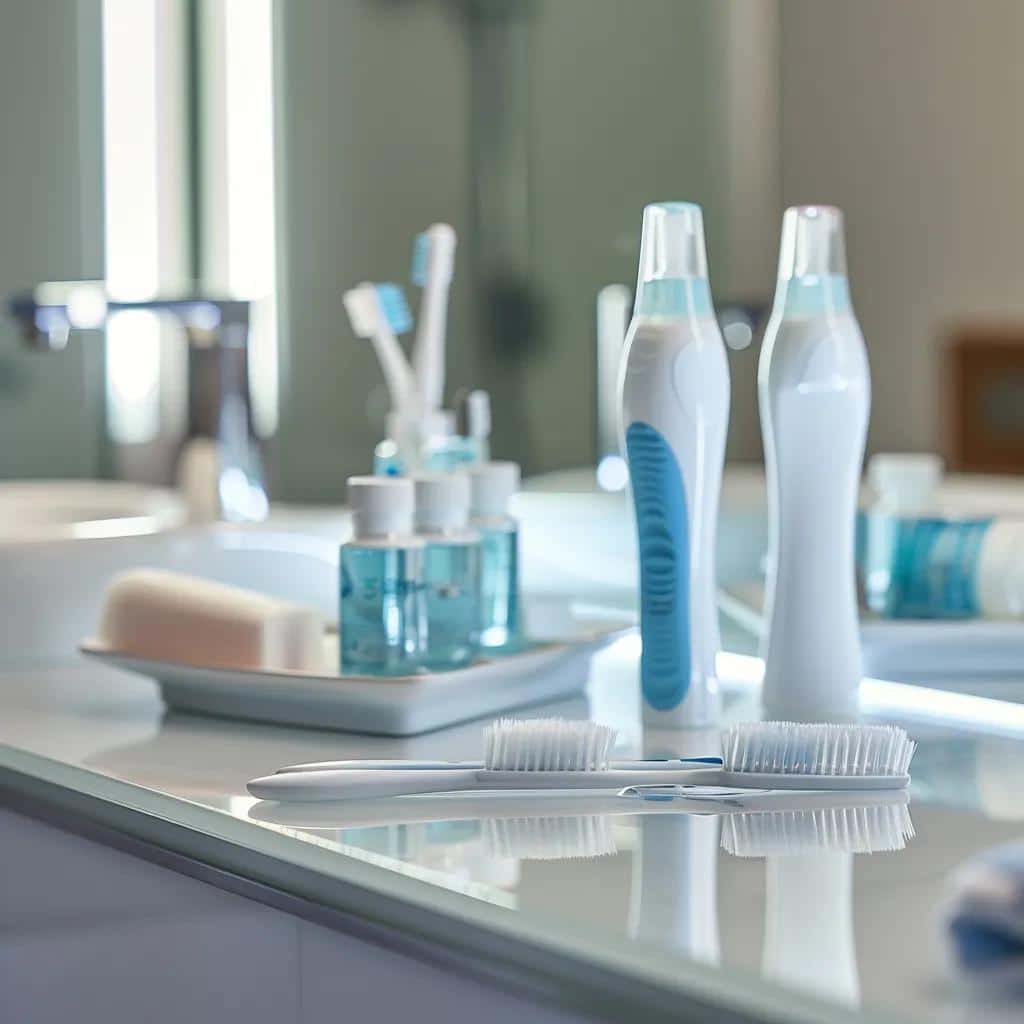
Daily care for dental implants mirrors tooth-like oral hygiene with critical additions focused on interdental cleaning and monitoring for soft-tissue changes. A daily routine includes twice-daily brushing with a soft-bristle or electric toothbrush, daily interdental cleaning using floss or interdental brushes sized to the prosthesis, and an antimicrobial rinse when recommended by your clinician. Professional maintenance typically involves a hygiene visit every 3–6 months for periodontal assessment, removal of biofilm around the abutment interface, and radiographic checks at intervals to confirm bone stability; patients with a history of periodontal disease may need more frequent follow-up. Troubleshooting signs that require prompt attention include persistent redness, bleeding around the implant, mobility of the restoration, or new discomfort; early intervention often limits complications and preserves osseointegration. Knowing these care steps helps patients plan products and appointment cadence to protect their investment and oral health.
For Dallas patients considering implants, Affordable Dentist Near Me of Dallas provides dental implant placement and ongoing implant maintenance services and offers a free dental consult to review implant candidacy and maintenance planning; patients can arrange an online appointment or call the practice to learn how an implant maintenance program would fit their routine. This local consult provides a personalized assessment of bone health, restoration type, and a maintenance schedule tailored to your needs before you commit to surgical treatment.
What Are Dentures and What Does Their Maintenance Involve?
Dentures are removable prosthetic devices that replace missing teeth and surrounding tissues; they can be complete (full) or partial and are supported by the gums, soft tissues, and sometimes implants. The mechanism for dentures relies on careful fit, tissue support, and, when used, adhesives or implant anchors for retention; because they do not transmit chewing loads into the jawbone as effectively as implants, dentures are associated with progressive bone resorption unless supported by implants. Maintenance focuses on appliance hygiene, periodic adjustments or relines to maintain fit, and monitoring oral tissues for irritation or infection. Proper daily care prevents plaque accumulation on denture base and teeth, reduces risk of denture-associated stomatitis, and extends the useful life of the appliance while preserving the health of remaining oral structures. Understanding denture mechanics clarifies why routine removal, cleaning, and professional maintenance are central to their upkeep.
What Types of Dentures Are Available?
Dentures include several hyponyms: complete (full) dentures that replace all teeth in an arch; partial dentures that replace some teeth and clasp to remaining teeth; immediate dentures fitted at the time of extraction; and implant-supported overdentures that combine removable prostheses with implant anchors. Each type has specific maintenance considerations: full dentures require careful overnight soaking and periodic relining as bone changes, partial dentures demand meticulous hygiene around abutment teeth and clasps, immediate dentures need early follow-up as swelling declines, and implant-supported overdentures combine denture cleaning with implant hygiene. Suitability depends on patient factors such as residual bone, oral health, dexterity, and preference for removable versus fixed solutions. Patients in their 40s to 60s often weigh implant-supported options to reduce long-term tissue changes, while some choose removable designs for less invasive initial treatment.
How Should Dentures Be Cleaned and Maintained Daily?
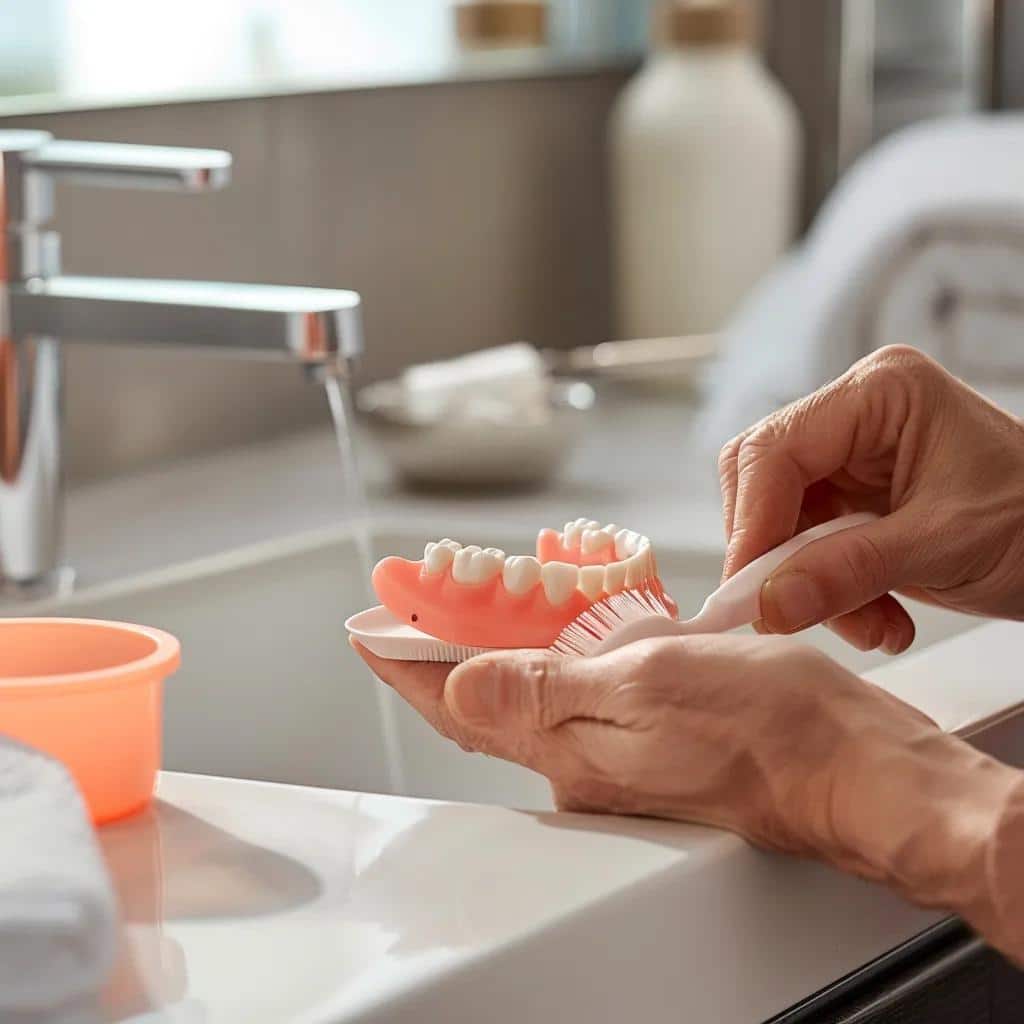
A consistent daily cleaning routine prolongs denture function and protects oral tissues from irritation or infection. Begin by rinsing dentures after each meal to remove loose debris, then brush the denture surfaces with a non-abrasive denture brush and denture cleanser (or mild dish soap) to avoid scratching acrylic; never use regular toothpaste, which can abrade acrylic and create niches for plaque. Soak dentures nightly in an appropriate denture-soaking solution to disinfect and reduce biofilm; overnight removal also gives underlying gums time to recover and reduces denture stomatitis risk. Regularly inspect the denture base and teeth for cracks or wear, and seek professional assessment if the fit feels loose, if sore spots develop, or if chewing becomes difficult; timely relines or adjustments restore retention and comfort. Clear daily habits combined with scheduled professional relines and adjustments keep denture hygiene manageable and reduce oral health complications.
Affordable Dentist Near Me of Dallas fits and services dentures and provides patients with denture maintenance guidance during follow-up visits, and the practice offers a free consult to evaluate denture fit and relining needs so patients can get practical next steps before committing to a treatment plan.
How Do Dental Implants and Dentures Compare in Ease of Maintenance?
Dental implants and dentures represent two maintenance philosophies: implants demand a tooth-like regimen with interdental attention and professional periodontal vigilance, while dentures require appliance-centric cleaning, soaking, and periodic mechanical adjustments. Ease of maintenance depends on patient dexterity, daily schedule, oral environment, and tolerance for removable appliances; implants can feel easier for patients comfortable with flossing and interdental tools, while dentures can be simpler for those preferring removal for cleaning but require more frequent relines and adhesive management. Professional maintenance for implants centers on peri-implant tissue health and monitoring osseointegration, whereas denture maintenance emphasizes refitting, relining, and lab repairs. The following table summarizes maintenance attributes side-by-side to clarify time, frequency, and special product needs for both options.
Low for basic cleaning; moderate for handling and adhesives
This comparison shows implants demand a routine closer to natural tooth care and less frequent full replacements, while dentures require daily removal and periodic mechanical servicing; understanding these trade-offs helps patients match their lifestyle with the right maintenance profile.
What Are the Key Differences in Daily Care Routines?
Daily care for implants emphasizes plaque control at the abutment interface and between prosthetic teeth, using tools such as floss, interdental brushes, and antibacterial rinses to prevent peri-implantitis. In contrast, denture wearers follow a regimen of removal after eating or at bedtime, cleaning the prosthesis externally with non-abrasive cleansers, and soaking overnight to sanitize and prevent odor or fungal buildup. Time commitments differ by task: implants add interdental steps but avoid nightly soaking, while dentures require removal and soaking rituals that some find time-consuming or inconvenient in social situations. Common mistakes include using abrasive toothpaste on dentures, skipping interdental cleaning around implants, or delaying relines until chewing becomes painful; avoiding these errors maintains function and comfort. Recognizing these day-to-day distinctions helps patients choose the option that aligns with their habits and dexterity.
How Does Longevity Affect Maintenance Needs?
Longevity directly affects maintenance frequency and cumulative costs: dental implants often provide long service life—commonly reported at 15–25+ years with proper care—so maintenance emphasizes periodic professional checks and consistent daily hygiene to protect peri-implant tissues. Dentures are subject to material wear and tissue changes that typically require relining or replacement every 5–10 years, which increases the need for visits to the prosthodontist or lab for adjustments. The following EAV-style table breaks down how lifespan influences maintenance attributes and typical actions required over time.
Feature
Attribute
Value
Typical implant lifespan
Replacement frequency
15–25+ years for the implant fixture; prosthetic components may require occasional repair
Typical denture lifespan
Replacement frequency
5–10 years for prosthesis; relines every 1–3 years depending on bone changes
Maintenance implication
Professional visits
Implants: routine periodontal monitoring; Dentures: relines/repairs and fit checks
Long-term planning
Patient action
Implants: invest in daily interdental care; Dentures: budget for periodic relines/replacements
This table highlights that implants reduce the frequency of full replacements while shifting emphasis to tissue health and regular monitoring, whereas dentures require ongoing mechanical maintenance tied to tissue remodeling and prosthetic wear. Understanding these longevity dynamics helps patients plan time, budget, and care routines appropriately.
What Are the Cost Implications of Maintaining Dental Implants vs Dentures in Dallas?
Maintenance costs reflect both procedure type and local market conditions; in Dallas, typical maintenance paths differ because implants have higher upfront surgical and prosthetic costs but generally lower replacement frequency, while dentures have lower initial costs but ongoing relines, repairs, and adhesive expenses over time. Cost drivers for implants include surgical fees, imaging and guided planning, implant components, and laboratory fabrication of crowns or bridges; denture costs primarily involve impressions, prosthesis fabrication, and periodic relines or repairs. Long-term cost models over 10–20 years often show implants having higher initial investment but competitive cost-effectiveness when factoring in fewer full replacements and better chewing efficiency, although patient-specific factors (bone grafts, systemic health) can alter estimates. For precise, personalized pricing and financing options in Dallas, scheduling a free consult with a local practice provides tailored estimates and a transparent maintenance budget.
Intro to local cost comparison table and explanation:
Treatment
Cost Component
Typical Price Range (Dallas)
Notes
Single-tooth implant
Surgery + implant + abutment + crown
$2,000 – $5,000
Range varies by implant system and surgical needs
Implant-supported overdenture
Implants + overdenture prosthesis
$6,000 – $20,000
Depends on number of implants and prosthesis materials
Complete denture (full arch)
Fabrication + fittings
$800 – $3,000
Immediate vs conventional dentures affect price
Ongoing maintenance
Relines, repairs, hygiene visits
$50 – $500 per service
Frequency varies by treatment type and patient factors
This table provides Dallas-relevant ranges to frame expectations without replacing a personalized estimate, and the notes indicate variables that significantly influence final pricing. For Dallas residents, these ranges help compare scenarios such as replacing a worn denture every decade versus maintaining an implant-supported solution with periodic professional care.
How Does Initial Cost Compare Between Implants and Dentures?
Initial cost comparisons hinge on scope: a single-tooth implant typically costs more upfront than a conventional partial denture for the same space, because implants require surgical placement, componentry, and a custom crown. Full-arch implant solutions and implant-supported overdentures scale costs further due to additional implants and lab work, whereas complete dentures have lower fabrication fees but may require immediate relines or adjustments soon after insertion due to tissue changes. Cost drivers include the need for bone grafting or sinus lifts (which increase implant costs), the choice of materials for crowns or denture teeth, and clinician expertise. A free consult is a practical first step for Dallas patients to obtain an itemized estimate that reflects their unique anatomical and functional needs and to explore financing or phased treatment plans that make implant therapy more accessible.
What Are the Long-Term Maintenance Costs?
Over 10–20 years, maintenance costs accumulate through periodic hygiene visits, prosthetic repairs, relines, and potential replacement of prosthetic components. Denture wearers might budget for relines, new denture fabrication every 5–10 years, and ongoing purchases of adhesives and cleaning supplies, while implant patients should plan for regular periodontal maintenance visits, possible prosthetic screw or crown repairs, and occasional laboratory work if restorations change. When comparing cumulative scenarios, implants often demonstrate favorable cost-effectiveness for patients who value longevity and chewing efficiency, but individual medical conditions, smoking status, and bone health influence outcomes. Using a structured long-term projection and discussing financing options during a free consult in Dallas helps patients balance upfront investment against ongoing maintenance to reach a sustainable plan.
How Do Dental Implants and Dentures Impact Oral Health and Bone Preservation?
Implants and dentures exert distinct biological influences on the jaw and oral tissues: implants stimulate the bone through osseointegration and functional loading, which preserves bone volume and helps maintain facial contours, while conventional dentures rest on the mucosa and may accelerate bone resorption over time unless supplemented by implant support. This biological mechanism links directly to observable outcomes — implants slow resorptive processes by restoring load pathways that keep bone metabolically active, whereas dentures shift load distribution away from bone and contribute to gradual ridge shrinkage. Clinical logic and recent studies through 2025 indicate that implant-supported restorations reduce the rate of bone loss compared with conventional dentures, especially in the presence of adequate bone and good hygiene. Understanding these mechanisms helps patients prioritize treatments that align with long-term oral health goals.
Intro to mechanism/outcome table:
Entity
Biological Mechanism
Outcome
Dental implant (osseointegrated)
Mechanical loading transmitted to bone via titanium post
Bone preservation, reduced resorption, improved facial support
Conventional denture
Mucosal support with minimal bone loading
Progressive bone resorption, ridge atrophy over time
Implant-supported overdenture
Combined mucosal and implant anchorage
Greater stability and reduced bone loss compared with mucosal-only support
This table concisely links mechanism to expected outcomes and clarifies why implants are often preferred for preserving alveolar bone and facial architecture over the long term.
Do Dental Implants Prevent Bone Loss?
Yes — dental implants help prevent or slow bone loss by creating a load-bearing interface that stimulates bone remodeling and maintains alveolar height through functional forces transmitted by chewing. The osseointegration process establishes a direct structural connection between bone and the implant surface, transforming chewing forces into signals that preserve bone density in much the same way natural tooth roots do. While implants do not completely eliminate the risk of localized bone changes, they substantially reduce the progressive resorption associated with long-term edentulism, and implant-supported overdentures further improve bone preservation compared with mucosa-supported dentures. For patients concerned about bone loss, implant options often make sense when combined with surgical planning and regular maintenance to sustain osseointegration.
What Are the Oral Health Challenges with Dentures?
Dentures present oral health challenges that require targeted maintenance: ill-fitting dentures can create sore spots and ulcerations, inadequate cleaning can promote candidiasis or denture stomatitis, and ongoing bone resorption alters fit so relines or replacements become necessary. Because dentures lack the root-like stimulation that preserves underlying bone, continued tissue remodeling affects facial support and chewing effectiveness, which can lead to nutritional impacts if patients avoid certain foods. Preventive strategies include daily denture hygiene, regular soft-tissue exams by a clinician, timely relines to restore retention, and consideration of implant support to mitigate progressive bone loss. Patients who follow these steps minimize tissue irritation and maintain oral function while planning for long-term prosthetic care.
What Are the Comfort and Functional Differences Affecting Maintenance?
Comfort and function directly influence how patients approach maintenance: a stable, fixed implant restoration reduces the need to manage adhesives and nightly removal, while removable dentures require consistent handling skills and often create concerns about slips during speech or eating. The functional differences manifest in chewing efficiency — implants typically restore a higher percentage of natural chewing force, enabling a more varied diet and reducing compensatory behaviors that can wear prostheses. Comfort differences also affect hygiene behavior; patients more comfortable with their restoration tend to adhere better to maintenance regimens, while those who experience sore spots or instability may neglect routines or delay professional visits. Understanding how comfort and function interact with maintenance helps clinicians and patients select solutions that match lifestyle and oral-care capabilities.
Are Dental Implants More Comfortable Than Dentures?
In many cases, dental implants are perceived as more comfortable because they are fixed, stable, and avoid mucosal pressure that can cause sore spots, speaking difficulties, or forced dietary restrictions. The fixed nature of implants reduces movement during function, which often translates into higher patient satisfaction with comfort and confidence. Denture discomfort arises from poor fit, suction loss, or tissue changes, and it can be mitigated through relines, adjustments, and, where appropriate, converting to implant-supported prostheses. For patients comparing comfort, implant-based solutions frequently provide a better baseline experience, though individual adaptation and clinical execution determine final outcomes.
How Does Chewing Ability Influence Maintenance and Daily Use?
Chewing ability shapes dietary choices and thus influences wear patterns and cleaning needs: stronger chewing force with implants allows for a broader diet including firmer foods, which can improve nutritional intake but may require attentive prosthetic checkups to ensure crowns and attachments remain secure. Denture wearers often modify diets toward softer foods to reduce instability or discomfort, which reduces mechanical stress on a prosthesis but may contribute to diminished chewing efficiency and altered oral hygiene patterns. Maintenance implications include monitoring for uneven wear, ensuring occlusion is balanced, and adjusting cleaning protocols for retained food debris. Practical eating tips and targeted hygiene strategies help patients preserve both function and the lifespan of their restorations.
What Special Maintenance Considerations Exist for Patients in Their 40s to 60s?
Patients aged 40–60 often face a unique intersection of bone-density changes, systemic health factors, and lifestyle considerations that influence maintenance choices for implants and dentures. Bone density can begin to decline in middle age, which may require preoperative evaluation and possible augmentation for implant candidacy; at the same time, chronic medications or conditions such as diabetes can affect healing and peri-implant tissue stability. For this age group, planning should emphasize long-term maintenance scheduling, clear budgeting for potential repairs or relines, and strategies to preserve oral health through consistent hygiene and professional monitoring. Tailoring maintenance to the realities of career, caregiving responsibilities, and finances helps patients adhere to recommended routines and avoid complications that necessitate costly interventions.
How Does Bone Density Affect Maintenance Choices?
Bone density plays a central role in implant candidacy and influences both initial surgical planning and long-term maintenance protocols: lower bone volume may require grafting or alternative implant strategies such as narrower-diameter implants or increased implant number to distribute load. Patients who undergo bone augmentation must follow a strict maintenance and follow-up schedule to protect graft sites and ensure successful osseointegration, including temporary restrictions on function and careful plaque control to prevent infection. For denture wearers with declining bone density, relines become more frequent as the ridge changes, increasing the maintenance burden and the need for professional oversight. Understanding bone health enables clinicians to recommend maintenance pathways that minimize future complications and extend the life of restorations.
What Financial Planning Should Seniors Consider for Maintenance?
Long-term financial planning considers both recurrent maintenance costs and replacement cycles; patients should compare cumulative expenses over 10–20 years for dentures versus implants and account for maintenance visits, relines, adhesive costs, and potential prosthetic repairs. Financing options, phased treatment plans, and transparent, itemized estimates help patients balance care quality with budget constraints; scheduling a free consult is a practical way to generate a personalized financial plan that matches oral-health goals. For many middle-aged patients, investing in implant solutions can be cost-effective over time due to reduced replacement frequency and improved function, but individual health, preferences, and risk factors must shape any final economic decision. Early planning and clear communication with a provider ease the path to a sustainable maintenance strategy.
Why Choose Affordable Dentist Near Me of Dallas for Dental Implant and Denture Maintenance?
Affordable Dentist Near Me of Dallas provides dental implant and denture services with an emphasis on accessible care, free consultations, and a wide range of restorative and specialty services that support long-term maintenance. The practice offers comprehensive services that include cosmetic dentistry, prosthodontics, periodontics, and implant treatment options, which help create coordinated maintenance plans across disciplines. Patients benefit from everyday low fees and a free dental consult that allows a clinician to evaluate tissue health, discuss implant or denture options, and propose a maintenance schedule tailored to the patient’s lifestyle. With online appointment scheduling and a 24/7 emergency hotline, the practice supports timely professional follow-up that is critical for preserving restorations and addressing maintenance concerns before they escalate.
What Expertise Does Dr. Mike Pham Offer in Implant and Denture Care?
Dr. Mike Pham is the provided contact name associated with Affordable Dentist Near Me of Dallas and represents the clinical point of contact for implant and denture services at the location listed in the allowed business information. The practice’s scope includes dental implants and dentures, and Dr. Pham works within that clinical framework to evaluate candidates, plan restorations, and coordinate maintenance interventions with appropriate specialists when needed. While specific credentials beyond the provided name are not stated, patients can expect that Dr. Pham and the clinical team will assess implant and denture maintenance needs during consultations and follow-up visits, focusing on practical plans that protect oral tissues and extend restoration life. This localized expertise supports the practical, patient-centered maintenance approaches discussed throughout this article.
How Can Free Consultations Help You Decide on the Best Maintenance Option?
A free dental consult provides a no-cost opportunity to receive a clinical exam, imaging when indicated, and a clear discussion of implant versus denture options with individualized maintenance implications.
During the consult, clinicians evaluate bone volume, soft-tissue health, systemic health considerations that affect healing, and daily habits that influence maintenance — then they provide an itemized maintenance plan with recommended appointment cadence and product suggestions. For Dallas patients, the free consult also clarifies local pricing ranges, possible financing or phased treatment strategies, and realistic expectations for long-term upkeep so that patients can make informed decisions without commitment. Scheduling a consult helps translate the general comparisons in this guide into a concrete plan tailored to your oral health and lifestyle.
Practice services: The practice provides dental implants, denture fabrication and maintenance, and a broad range of restorative and specialty services to support comprehensive care.
Patient resources: Free consultations and online appointment scheduling help patients begin treatment planning and maintenance budgeting with minimal barriers.
This business information complements the maintenance-focused guidance above by offering a local, practical route to personalized planning and professional follow-up in Dallas.
Key maintenance takeaways for patients considering implants or dentures:
Daily consistency matters: Regular, correct daily cleaning prevents most complications and supports longevity. Professional follow-up is essential: Scheduled checkups for implants and routine relines or adjustments for dentures prevent small problems from becoming major issues. Plan financially and medically: Consider bone health, systemic factors, and long-term costs when choosing a restorative path.
Quick checklist before your consult:
List current medications and health conditions that might affect bone healing or implant success. Bring photos or records of past dental work to help clinicians understand restoration history. Note daily oral-care habits and dexterity issues so the clinician can recommend realistic maintenance routines.
Using this checklist at your free consult ensures the provider can tailor maintenance recommendations that fit your daily life and long-term goals.
This article has provided structured comparisons, practical daily routines, Dallas-specific cost frameworks, and local options for a free consult so you can convert general knowledge into a personalized maintenance plan. End of article.