The Science Behind Dental Implant Materials: How Titanium and Zirconia Enhance Procedure Success
Dental implants have revolutionized restorative dentistry, providing a reliable solution for tooth loss. The success of these implants largely depends on the materials used, with titanium and zirconia being the most prominent. Understanding the properties and benefits of these materials is crucial for both dental professionals and patients. This article delves into the science behind titanium and zirconia dental implants, exploring their unique characteristics, the osseointegration process, and factors influencing implant longevity. By examining these aspects, readers will gain insights into how material selection impacts the overall success of dental implant procedures.
What Are the Key Properties of Titanium Dental Implants?
Titanium dental implants are renowned for their exceptional properties that make them suitable for long-term use in dental applications. These properties include biocompatibility, corrosion resistance, and mechanical strength. Biocompatibility ensures that the body accepts the titanium implant without adverse reactions, while corrosion resistance protects the implant from degradation in the oral environment. Mechanical strength is vital for withstanding the forces of chewing and biting, ensuring the implant remains stable over time.
How Does Titanium’s Biocompatibility Affect Implant Success?
Titanium’s biocompatibility plays a significant role in the success of dental implants. When titanium is placed in the jawbone, it interacts favorably with the surrounding tissues, promoting healing and integration. Studies have shown that titanium implants achieve high success rates, often exceeding 90% over a decade. This high level of acceptance is attributed to the material’s ability to form a stable bond with bone, a process known as osseointegration. The more effectively an implant integrates with the bone, the more likely it is to remain functional and stable for years.
What Surface Treatments Improve Titanium Osseointegration?
Surface treatments of titanium implants can significantly enhance osseointegration. Various techniques, such as sandblasting, acid etching, and coating with bioactive materials, have been developed to increase the surface roughness and promote bone attachment. For instance, studies indicate that implants with roughened surfaces exhibit improved bone contact and faster healing times compared to smooth surfaces. These advancements in surface technology are crucial for optimizing the performance of titanium implants in clinical settings.
Further research emphasizes how the physical characteristics of an implant’s surface are fundamental to its successful integration with bone.
The coincidental discovery of the tenacious affinity between living bone and tissues, termed as osseointegration, propelled dentistry to a new age of reconstructive dentistry. Interactions between implant biomaterials and biological environments occur at interfaces, and they are affected by the nature of the biomaterial, such as its surface chemistry and energy, roughness, and topography. These parameters play a role during implant integration in bone tissue, and they consequently play a role for osseointegration.
The effects of titanium implant surface topography on osseointegration: literature review, 2019
What Are the Benefits and Limitations of Zirconia Implants?
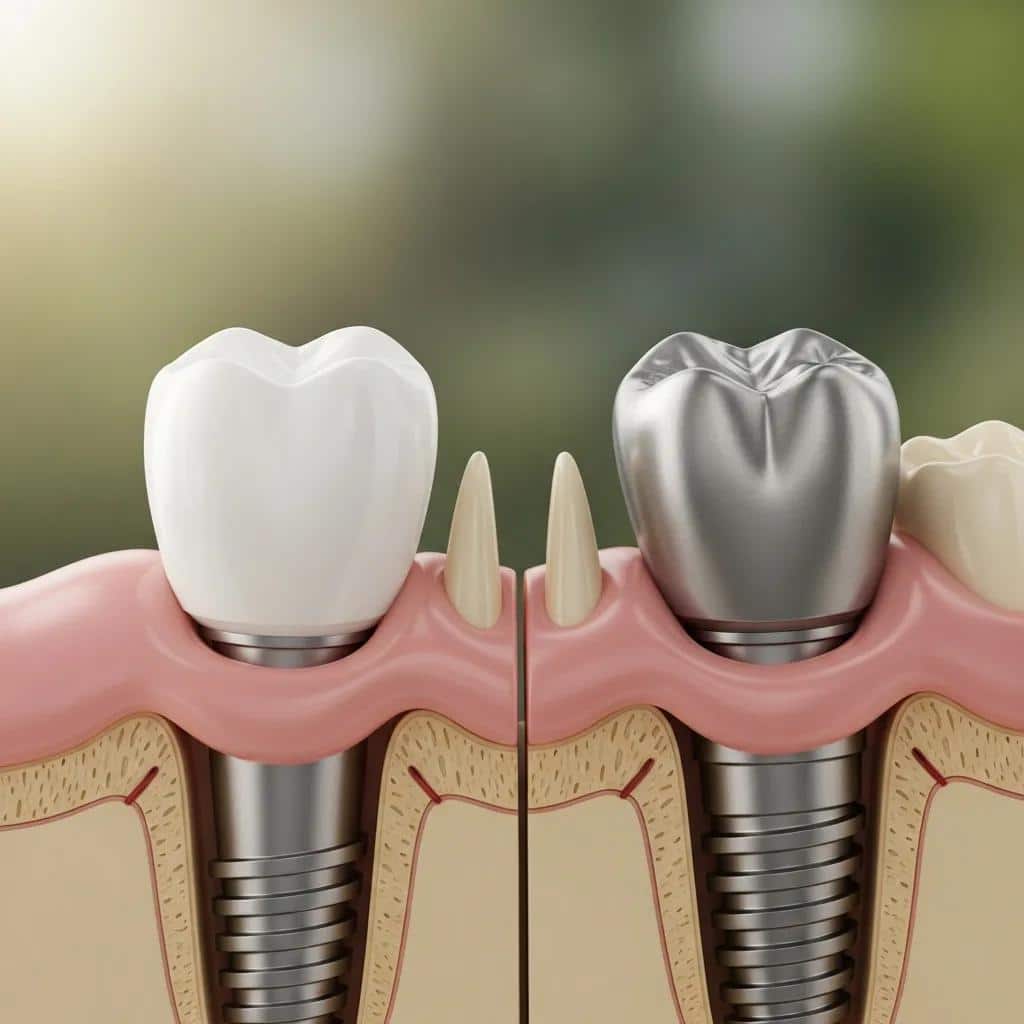
Zirconia implants offer a compelling alternative to titanium, particularly in terms of aesthetics and biocompatibility. One of the primary benefits of zirconia is its tooth-like color, which allows for better cosmetic outcomes, especially in the anterior region of the mouth. Additionally, zirconia is highly biocompatible, reducing the risk of allergic reactions. However, zirconia implants also have limitations, such as lower mechanical strength compared to titanium, which may affect their long-term durability in certain patients.
How Does Zirconia’s Material Science Influence Patient Outcomes?
The material science behind zirconia significantly influences patient outcomes. Zirconia’s unique properties, including its strength and aesthetic appeal, make it an attractive option for many patients. Clinical studies have shown that patients receiving zirconia implants report high satisfaction levels, particularly regarding the natural appearance of their restorations. However, the material’s brittleness can lead to complications in cases where excessive forces are applied, highlighting the importance of careful case selection and planning.
What Are the Aesthetic Advantages of Zirconia Compared to Titanium?
Zirconia implants provide several aesthetic advantages over titanium. The white color of zirconia allows for better integration with natural teeth, making it an ideal choice for visible areas. Additionally, zirconia does not cause the grayish discoloration that can occur with titanium implants, particularly in thin gingival biotypes. This aesthetic benefit is crucial for patients seeking a natural-looking smile, as it enhances the overall appearance of dental restorations.
How Does the Osseointegration Process Contribute to Implant Stability?
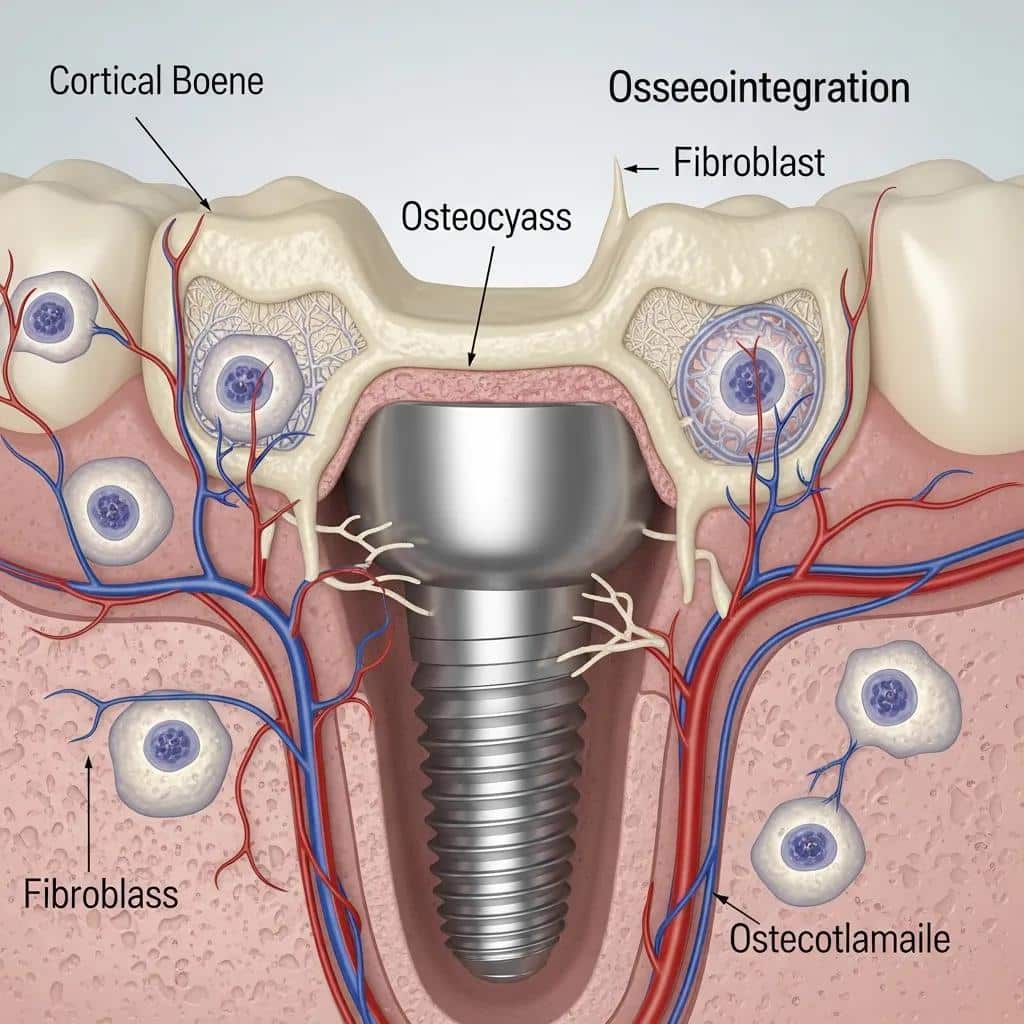
Osseointegration is the biological process through which dental implants become anchored to the jawbone. This process is essential for the stability and longevity of the implant. During osseointegration, bone cells grow and attach to the surface of the implant, creating a strong bond that supports the implant under functional loads. The success of this process is influenced by various factors, including the quality of the bone, the surface characteristics of the implant, and the overall health of the patient.
What Biological Mechanisms Enable Osseointegration?
The biological mechanisms that enable osseointegration involve complex interactions between the implant surface and the surrounding bone tissue. When an implant is placed, it triggers a cascade of biological events, including inflammation, bone remodeling, and cellular proliferation. Osteoblasts, the cells responsible for bone formation, migrate to the implant surface and begin to deposit new bone. This process is critical for achieving a stable and functional implant.
How Do Implant Surface Roughness and Coatings Enhance Bone Integration?
The surface roughness of dental implants significantly affects bone integration. Rough surfaces provide a larger area for bone cells to attach, promoting faster and more effective osseointegration. Additionally, coatings that release bioactive substances can further enhance this process. For example, hydroxyapatite coatings have been shown to improve bone bonding and accelerate healing times. These advancements in implant surface technology are vital for improving clinical outcomes and patient satisfaction.
What Factors Influence Dental Implant Longevity and Failure?
Several factors can influence the longevity of dental implants and the potential for failure. These include the quality of the bone, the patient’s oral hygiene practices, and the type of material used for the implant. Understanding these factors is essential for both dental professionals and patients to ensure the long-term success of dental implants.
Which Causes Lead to Dental Implant Failure?
Dental implant failure can occur due to various reasons, including infection, mechanical overload, and inadequate bone support. Peri-implantitis, an inflammatory condition affecting the tissues surrounding the implant, is a common cause of failure. Additionally, factors such as smoking, uncontrolled diabetes, and poor oral hygiene can increase the risk of complications. Identifying these risk factors early can help in developing preventive strategies to enhance implant success.
How Can Material Selection Prevent Implant Complications?
Material selection plays a crucial role in preventing complications associated with dental implants. Choosing the right material, whether titanium or zirconia, can significantly impact the implant’s performance and longevity. For instance, titanium’s proven track record in osseointegration makes it a reliable choice for many patients, while zirconia’s aesthetic benefits may be preferred in specific cases. Dental professionals must consider individual patient needs and conditions when selecting the appropriate implant material.
How Do Titanium and Zirconia Implants Compare in Clinical Success Rates?
Clinical success rates are a critical factor in evaluating the effectiveness of dental implants. Both titanium and zirconia implants have demonstrated high success rates, but there are nuances in their performance based on specific clinical scenarios.
What Recent Studies Reveal About Implant Material Performance?
Recent studies indicate that titanium implants continue to show superior clinical success rates compared to zirconia, particularly in cases involving high functional loads. However, zirconia implants have been gaining traction due to advancements in material science and surface treatments that enhance their performance. Ongoing research is essential to further understand the long-term outcomes associated with both materials.
Indeed, recent systematic reviews further support the comparable short-term performance of both materials, while highlighting the need for more extensive long-term data.
Zirconia vs. Titanium Implants: Survival, Success & Aesthetics
Based on the 2 RCTs retrieved in the literature, similar survival rates were reported for zirconia and titanium implants in the short term (12 months of follow-up). Future RCTs are warranted to evaluate the long-term outcomes of zirconia implants. Zirconia implants may be the procedure of choice, particularly in the aesthetic zone, since they show a similar survival and success rate as titanium implants on a short-term follow-up.
Survival and success of zirconia compared with titanium implants: a systematic review and meta-analysis, NM Padhye, 2023
How Should Patients Choose Between Titanium and Zirconia Implants?
When choosing between titanium and zirconia implants, patients should consider several factors, including aesthetic preferences, medical history, and the specific clinical situation. Consulting with a dental professional can help patients make informed decisions based on their unique needs. Ultimately, the choice of implant material should align with the patient’s goals for both function and appearance, ensuring optimal outcomes.
While both materials offer distinct advantages, current research suggests specific scenarios where zirconia implants present a valuable alternative to titanium.
Zirconia vs. Titanium Implants: Osseointegration, Clinical Outcomes & Longevity
Osseointegration and soft tissue integration are, according to the reviews, similar between titanium and zirconia implants with similar surface topographies. In certain applications (single tooth restorations and small bridges), the results of zirconia implants are comparable with titanium implants in short-term studies. Currently, they are an addendum to the titanium implant armamentarium for situations where they are useful (patient request, known hypersensitivity to titanium, or questions of esthetics when titanium might appear inappropriate for a certain situation/condition), but long-term studies are needed.
Clinical longevity of zirconia implants with the focus on biomechanical and biological outcome, RJ Kohal, 2020
Property
Titanium Implants
Zirconia Implants
Biocompatibility
High
High
Aesthetic Appeal
Moderate
High
Mechanical Strength
High
Moderate
Corrosion Resistance
Excellent
Good
This comparison highlights the strengths and weaknesses of both titanium and zirconia implants, aiding in the decision-making process for patients and dental professionals alike. For more information or to schedule a consultation, visit “our dental implants page”.
Considering dental implants? “Schedule a consultation” with our experienced team to determine the best option for your needs.