How Titanium and Zirconia Influence the Success of Your Dental Implant Procedure: Benefits, Comparisons, and Patient Outcomes
Dental implants have revolutionized restorative dentistry, providing a durable solution for tooth loss. Among the various materials used for dental implants, titanium and zirconia stand out due to their unique properties and benefits. This article explores how these materials influence the success of dental implant procedures, focusing on their biocompatibility, osseointegration, and patient outcomes. Understanding the differences between titanium and zirconia implants can help patients make informed decisions about their dental health. We will delve into the advantages and limitations of each material, the importance of osseointegration, and the considerations for patients with metal allergies. Additionally, we will outline the steps involved in the dental implant process and provide guidance on finding reliable information and scheduling consultations.
What Are the Key Benefits of Titanium Dental Implants?
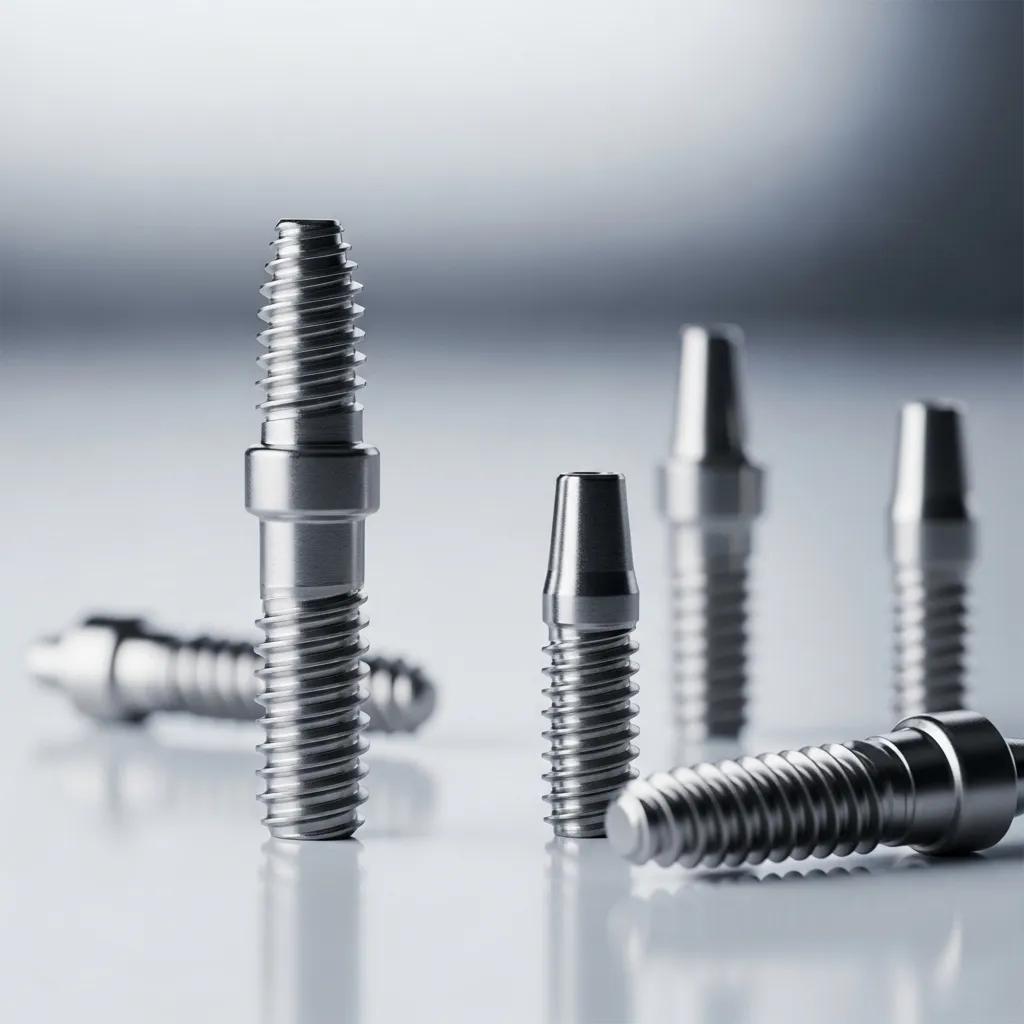
Titanium dental implants are widely recognized for their exceptional biocompatibility and strength, making them a popular choice in dental procedures. The primary benefits of titanium implants include their ability to integrate with bone, high success rates, and durability. These characteristics contribute to the long-term stability and functionality of the implants, ensuring that patients can enjoy their restored smiles for years to come.
How Does Titanium’s Biocompatibility Enhance Implant Success?
Biocompatibility refers to the ability of a material to interact with biological systems without eliciting an adverse reaction. Titanium’s biocompatibility enhances implant success by promoting osseointegration, the process where bone cells attach to the implant surface. This integration is crucial for the stability of the implant, as it allows the implant to become securely anchored in the jawbone. Studies have shown that titanium implants achieve high success rates, often reported as being between 90% to 95% in long-term studies, due to their favorable interaction with the body’s tissues.
What Is the Typical Success Rate of Titanium Implants?
The success rate of titanium implants is influenced by several factors, including the patient’s overall health, oral hygiene, and the quality of the bone where the implant is placed. Research indicates that titanium implants have a success rate of approximately 95% to 98% in healthy individuals. Factors such as smoking, diabetes, and poor oral hygiene can negatively impact these rates, highlighting the importance of patient education and pre-surgical assessments.
How Do Zirconia Implants Compare to Titanium Implants?
Zirconia implants are an alternative to titanium, offering unique advantages and limitations. While both materials serve the same purpose, their properties differ significantly, affecting their performance and suitability for various patients. Understanding these differences is essential for making an informed choice regarding dental implants.
What Are the Advantages and Limitations of Zirconia Implants?
Zirconia implants are known for their aesthetic appeal, as they are tooth-colored and blend seamlessly with natural teeth. This makes them an excellent choice for patients concerned about the visibility of metal in their dental work. Additionally, zirconia is metal-free, which can be beneficial for patients with metal allergies. However, zirconia implants may have limitations in terms of strength and osseointegration compared to titanium. They can be more prone to fracture under excessive force, which can be a concern for patients with high bite forces.
To better understand these differences, researchers have conducted studies comparing the osseointegration and biocompatibility of zirconia and titanium implants.
Titanium vs. Zirconia Dental Implants: Osseointegration & Biocompatibility
1. Titanium and titanium alloys are widely used for fabrication of dental implants. Since the material composition and the surface topography of a biomaterial play a fundamental role in osseointegration, various chemical and physical surface modifications have been developed to improve osseous healing. Zirconia-based implants were introduced into dental implantology as an altenative to titanium implants. Zirconia seems to be a suitable implant material because of its tooth-like colour, its mechanical properties and its biocompatibility. As the osseointegration of zirconia implants has not been extensively investigated, the aim of this study was to compare the osseous healing of zirconia implants with titanium implants which have a roughened surface but otherwise similar implant geometries.
Osseointegration of zirconia implants compared with titanium: an in vivo study, 2008
Are Zirconia Implants a Better Option for Metal Allergy Patients?
For patients with metal allergies, zirconia implants present a viable alternative to titanium. Studies have shown that zirconia is less likely to cause allergic reactions, making it a suitable choice for individuals sensitive to metals. However, it is essential for patients to discuss their specific allergies and medical history with their dental professionals to determine the best material for their implants.
How Does Osseointegration Affect the Longevity of Dental Implants?
Osseointegration is a critical factor in the success and longevity of dental implants. This biological process involves the direct integration of the implant with the surrounding bone, providing stability and support for the prosthetic tooth.
What Is Osseointegration and Why Is It Crucial for Implant Success?
Osseointegration occurs when bone cells grow and attach to the surface of the implant, creating a strong bond. This process is crucial for implant success, as it ensures that the implant remains securely anchored in the jawbone. Factors such as the quality of the bone, the surface texture of the implant, and the patient’s overall health can influence the osseointegration process. Successful osseointegration leads to improved implant stability and longevity.
How Do Surface Treatments Improve Osseointegration in Titanium and Zirconia?
Surface treatments play a significant role in enhancing osseointegration for both titanium and zirconia implants. Techniques such as sandblasting, acid etching, and coating with bioactive materials can increase the surface area and promote better bone integration. Research has shown that implants with enhanced surface treatments exhibit improved osseointegration rates, leading to higher success rates and longer-lasting results.
Further research specifically investigates various surface modifications for zirconia implants to optimize their biological and osseointegration behavior.
Zirconia Implant Surface Treatments for Enhanced Osseointegration
The aim of this review was to critically explore the state of art of zirconia surface treatment to enhance the biological and osseointegration behavior of zirconia in implant dentistry.
Zirconia surface modifications for implant dentistry, ME Galárraga-Vinueza, 2019
What Are the Biocompatibility and Allergy Considerations for Implant Materials?
When choosing between titanium and zirconia implants, biocompatibility and allergy considerations are paramount. Understanding how these materials interact with the body can help patients make informed decisions about their dental health.
Can Patients Be Allergic to Titanium or Zirconia Implants?
While titanium is generally considered biocompatible, some patients may experience allergic reactions to titanium implants. Symptoms can include localized inflammation and discomfort. In contrast, zirconia implants are metal-free and are less likely to cause allergic reactions, making them a safer option for patients with known metal sensitivities.
How Do Biocompatibility Ratings Influence Material Choice?
Biocompatibility ratings are essential for guiding material selection in dental implants. These ratings assess how well a material interacts with biological tissues and can influence a dentist’s recommendation. Patients should discuss their concerns and preferences with their dental professionals to ensure that the chosen implant material aligns with their health needs and lifestyle.
What Are the Steps and Patient Care Practices for Dental Implants in Mansfield?
The dental implant process involves several steps, from initial consultation to post-operative care. Understanding these steps can help patients prepare for their procedures and ensure optimal outcomes.
What Is the Typical Procedure for Titanium and Zirconia Implant Placement?
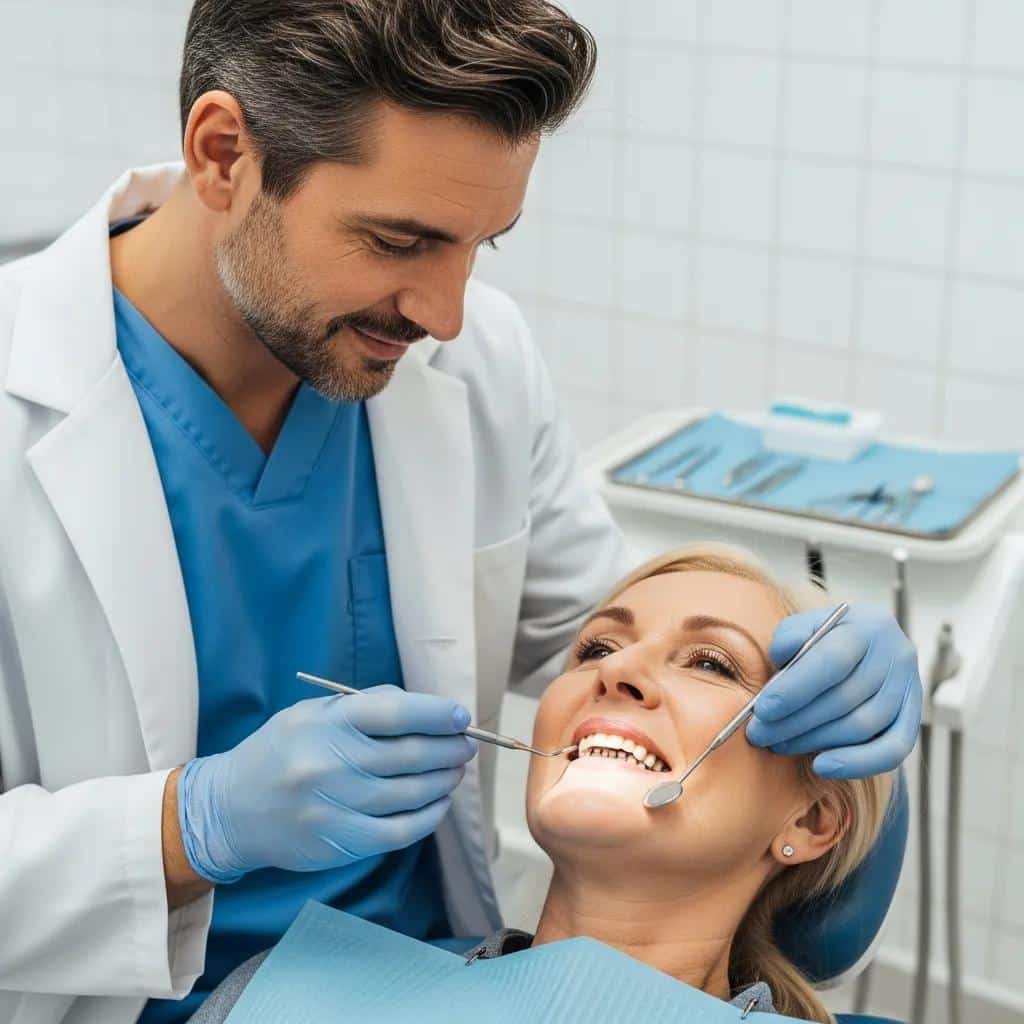
The typical procedure for placing titanium and zirconia implants involves several stages. Initially, a thorough examination and imaging studies are conducted to assess the patient’s oral health and bone structure. Following this, the implant is surgically placed into the jawbone, and a healing period of several months is required for osseointegration to occur. Once the implant has integrated with the bone, a crown is placed on top to complete the restoration.
How Does Localized Care in Mansfield Enhance Implant Outcomes?
Localized care in Mansfield can significantly enhance implant outcomes by providing patients with access to specialized dental professionals and resources. Local practitioners are familiar with the community’s specific needs and can offer personalized care tailored to individual patients. Additionally, having follow-up appointments and support readily available can improve patient compliance and satisfaction.
Where Can Patients Find Reliable Information and Schedule Implant Consultations?
Finding reliable information about dental implants is crucial for patients considering this procedure. Understanding where to seek information can empower patients to make informed decisions.
How to Book Your Dental Implant Consultation in Mansfield?
Patients interested in dental implants can book consultations with local dental practices specializing in implantology. It is advisable to contact the office directly to inquire about appointment availability and any necessary pre-consultation requirements. Many practices offer online booking options for convenience.
What Resources Provide Trusted Clinical Data on Implant Materials?
Patients can access trusted clinical data on implant materials through reputable dental organizations, academic journals, and professional associations. These resources provide valuable insights into the latest research and advancements in dental implant technology, helping patients stay informed about their options.
Material
Advantages
Limitations
Titanium
High strength, excellent osseointegration, proven track record
Potential for metal allergies
Zirconia
Aesthetic appeal, metal-free, suitable for allergy patients
Lower strength, potential for fracture
This comparison highlights the distinct characteristics of titanium and zirconia implants, allowing patients to weigh their options based on personal preferences and health considerations.
For those seeking to schedule a consultation, booking consultations is a straightforward process.
If you’re considering dental implants in Mansfield, it’s essential to find a trusted provider. Dentists in Mansfield offer a range of services to meet your needs.
Understanding the dental implant process is crucial for patients considering this procedure. To further assist you, we recommend scheduling a consultation with a dentist in Mansfield. Book your dental implant consultation today to learn more about your options and receive personalized care.