Please ensure Javascript is enabled for purposes of website accessibility
"People Love Us On Google"

1470+ Google reviews

New patients Welcome! Extended hours!

Essential Guide to Dental Implants Lifespan You Must Know
January 09, 2026  |  Affordable Dentist, blog

Essential Guide to Dental Implants Lifespan You Must Know

The Truth About Dental Implant Lifespan: How Long Do Dental Implants Last and What You Need to Know

Dental implants have revolutionized tooth replacement, offering a durable and effective solution for those missing teeth. Understanding the lifespan of dental implants is crucial for anyone considering this option, as it directly impacts long-term oral health and financial investment. This article delves into the truth about dental implant lifespan, exploring key components, factors influencing longevity, and best practices for maintenance. By the end, you will have a comprehensive understanding of how long dental implants last and what you can do to maximize their lifespan. We will cover essential topics, including the components of dental implants, the role of osseointegration, factors affecting longevity, and how to schedule a consultation at Affordable Dentist Near Me of Tyler.

What Are Dental Implants and Their Key Components?

Dental implants are artificial tooth roots, typically made of titanium, that are surgically placed into the jawbone to support replacement teeth. They function by integrating with the bone through a process called osseointegration, providing a stable foundation for crowns, bridges, or dentures. The key components of a dental implant include the implant post, abutment, and crown, each playing a vital role in the overall function and longevity of the implant.

What Is a Dental Implant and How Does It Work?

A dental implant is a titanium post that serves as a replacement root for a missing tooth. Once placed in the jawbone, it undergoes osseointegration, where the bone grows around the implant, securing it in place. This process typically takes 3 to 6 months and is crucial for the stability and success of the implant. The implant post supports an abutment, which connects the post to the visible crown, completing the restoration.

What Are the Roles and Lifespans of Implant Post, Abutment, and Crown?

The lifespan of each component of a dental implant varies, but generally, the implant post can last 25 years or more with proper care. The abutment, which connects the post to the crown, typically lasts 10-15 years, while the crown itself may need replacement every 5-15 years, depending on material and care. Below is a comparison of the roles and expected lifespans of each component:

ComponentRoleExpected Lifespan
Implant PostServes as the root25 years or more
AbutmentConnects post to crown10-15 years
CrownVisible part of the tooth5-15 years

Understanding these components and their lifespans is essential for anyone considering dental implants, as it helps set realistic expectations for maintenance and replacement.

How Does Osseointegration Affect Dental Implant Longevity?

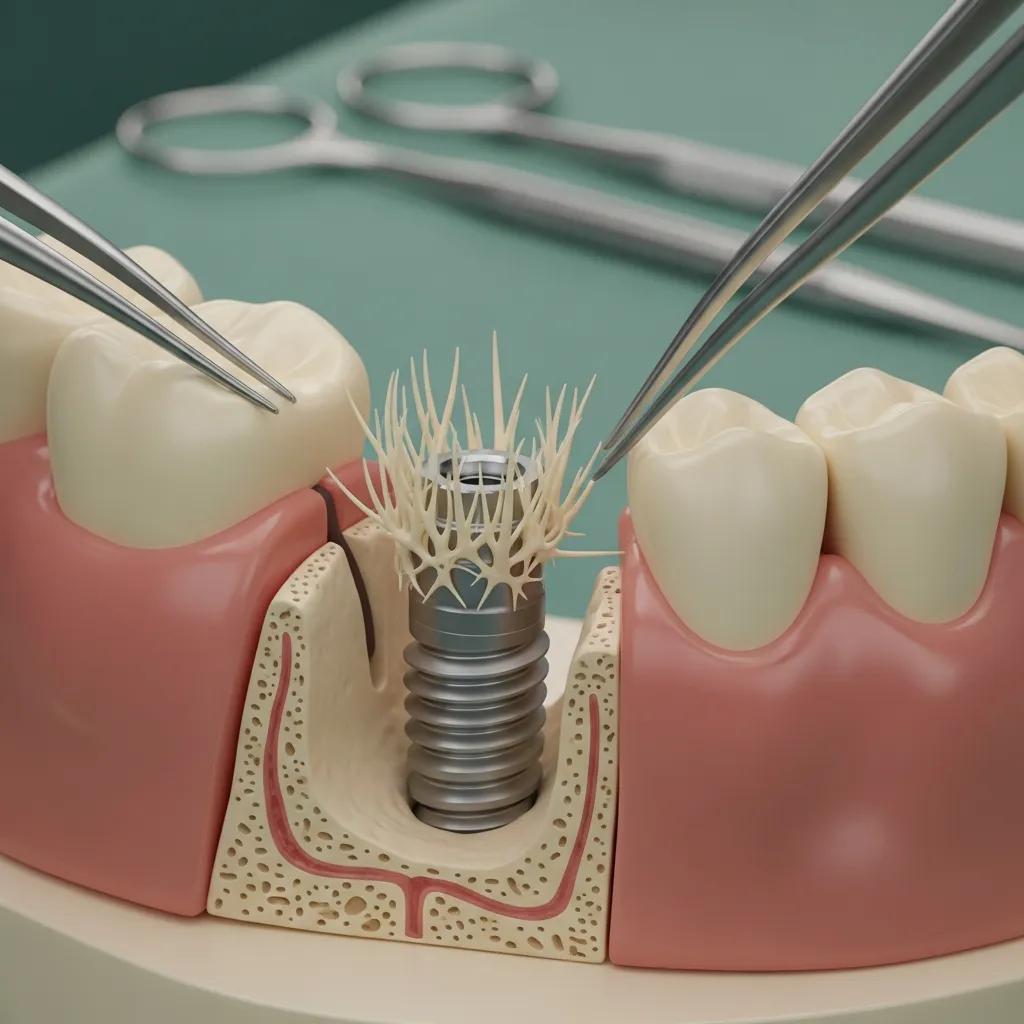
Osseointegration is the biological process where the jawbone fuses with the dental implant, providing stability and support. This process is critical for the long-term success of dental implants, as it directly influences their durability and functionality.

What Is Osseointegration and Why Is It Important?

Close-up of dental implant placement in jawbone model, illustrating osseointegration

Osseointegration occurs when the bone cells grow around the implant surface, creating a strong bond. This integration is vital because it ensures that the implant can withstand the forces of chewing and biting, making it a reliable solution for tooth replacement. Without successful osseointegration, the implant may fail, leading to complications and the need for replacement.

How Does Osseointegration Influence Long-Term Success Rates?

Research indicates that successful osseointegration significantly increases the long-term success rates of dental implants. Studies show that implants with proper osseointegration have a success rate of over 95% after 10 years. Factors such as bone quality, implant placement technique, and patient health can influence osseointegration, making it essential to choose an experienced dental professional for the procedure.

What Factors Influence the Lifespan of Dental Implants?

Several factors can affect the lifespan of dental implants, including oral hygiene, lifestyle choices, and overall health. Understanding these factors can help patients take proactive steps to ensure the longevity of their implants.

How Do Oral Hygiene and Professional Care Impact Implant Durability?

Maintaining excellent oral hygiene is crucial for the longevity of dental implants. Regular brushing, flossing, and professional cleanings help prevent peri-implantitis, an infection that can compromise the implant’s stability. Patients should also follow their dentist’s recommendations for care and maintenance to ensure optimal health.

What Lifestyle and Health Factors Affect Implant Success?

Lifestyle choices, such as smoking and diet, can significantly impact the success of dental implants. Smoking is known to hinder healing and osseointegration, while a balanced diet rich in vitamins and minerals supports oral health. Additionally, underlying health conditions, such as uncontrolled diabetes, can affect healing and implant longevity, making it essential for patients to discuss their health history with their dentist.

What Are the Latest Dental Implant Success Rates and Longevity Statistics?

Recent studies provide valuable insights into the success rates and longevity of dental implants, helping potential patients make informed decisions.

What Is the Average Lifespan of Dental Implants and Crowns?

The average lifespan of dental implants is generally 25 years or more, with many lasting a lifetime with proper care. Crowns, on the other hand, typically last between 5-15 years, depending on the material used and the patient’s oral hygiene practices. This variability highlights the importance of regular dental check-ups and maintenance.

How Do Success Rates Vary by Patient Demographics and Care?

Success rates for dental implants can vary based on patient demographics, including age, health status, and lifestyle factors. Younger patients with good oral hygiene and no underlying health issues tend to have higher success rates. Conversely, older patients or those with health complications may experience lower success rates, emphasizing the need for personalized care plans.

How Can You Maximize Your Dental Implant Lifespan?

Maximizing the lifespan of dental implants involves adopting best practices for care and maintenance, as well as regular professional evaluations.

What Are the Best Practices for Daily Care and Maintenance?

Person brushing teeth, emphasizing daily care for dental implants

To ensure the longevity of dental implants, patients should:

  1. Maintain Oral Hygiene: Brush twice daily and floss regularly to prevent plaque buildup.
  2. Use Antimicrobial Mouthwash: This can help reduce bacteria around the implant site.
  3. Avoid Hard Foods: Chewing on hard objects can damage the crown and abutment.

Implementing these practices can significantly enhance the durability of dental implants.

When Should You Seek Professional Evaluation or Consultation?

Regular dental check-ups are essential for monitoring the health of dental implants. Patients should schedule evaluations at least twice a year or sooner if they experience any discomfort or changes in their oral health. Early detection of potential issues can prevent complications and extend the lifespan of the implants.

How Do Dental Implants Compare to Other Tooth Replacement Options?

When considering tooth replacement options, it’s essential to understand how dental implants stack up against alternatives like dentures and bridges.

What Are the Lifespan Differences Between Implants, Dentures, and Bridges?

Dental implants generally offer a longer lifespan compared to dentures and bridges. While dentures may need replacement every 5-8 years and bridges typically last 10-15 years, implants can last 25 years or more with proper care. This longevity makes implants a more cost-effective solution in the long run.

What Are the Cost-Effectiveness and Benefits of Dental Implants in Tyler, TX?

In Tyler, TX, dental implants may have a higher upfront cost compared to dentures and bridges, but their long-term benefits often outweigh the initial investment. Patients benefit from improved functionality, aesthetics, and oral health, making dental implants a worthwhile consideration for those seeking a permanent solution to tooth loss.

When and How Should You Schedule a Dental Implant Consultation in Tyler, TX?

Scheduling a consultation is a crucial step in the dental implant process, allowing patients to discuss their options and receive personalized care.

What Does the Free Dental Implant Consultation Include?

At Affordable Dentist Near Me of Tyler, the free dental implant consultation includes a comprehensive evaluation of your oral health, a discussion of your treatment options, and an overview of the implant procedure. This initial meeting is an excellent opportunity to ask questions and address any concerns.

How to Prepare for Your Consultation at Affordable Dentist Near Me of Tyler?

To make the most of your consultation, consider bringing the following:

  • A list of medications you are currently taking
  • Any relevant medical history
  • Questions you may have about the procedure

Being prepared will help ensure a productive discussion about your dental implant options.

×