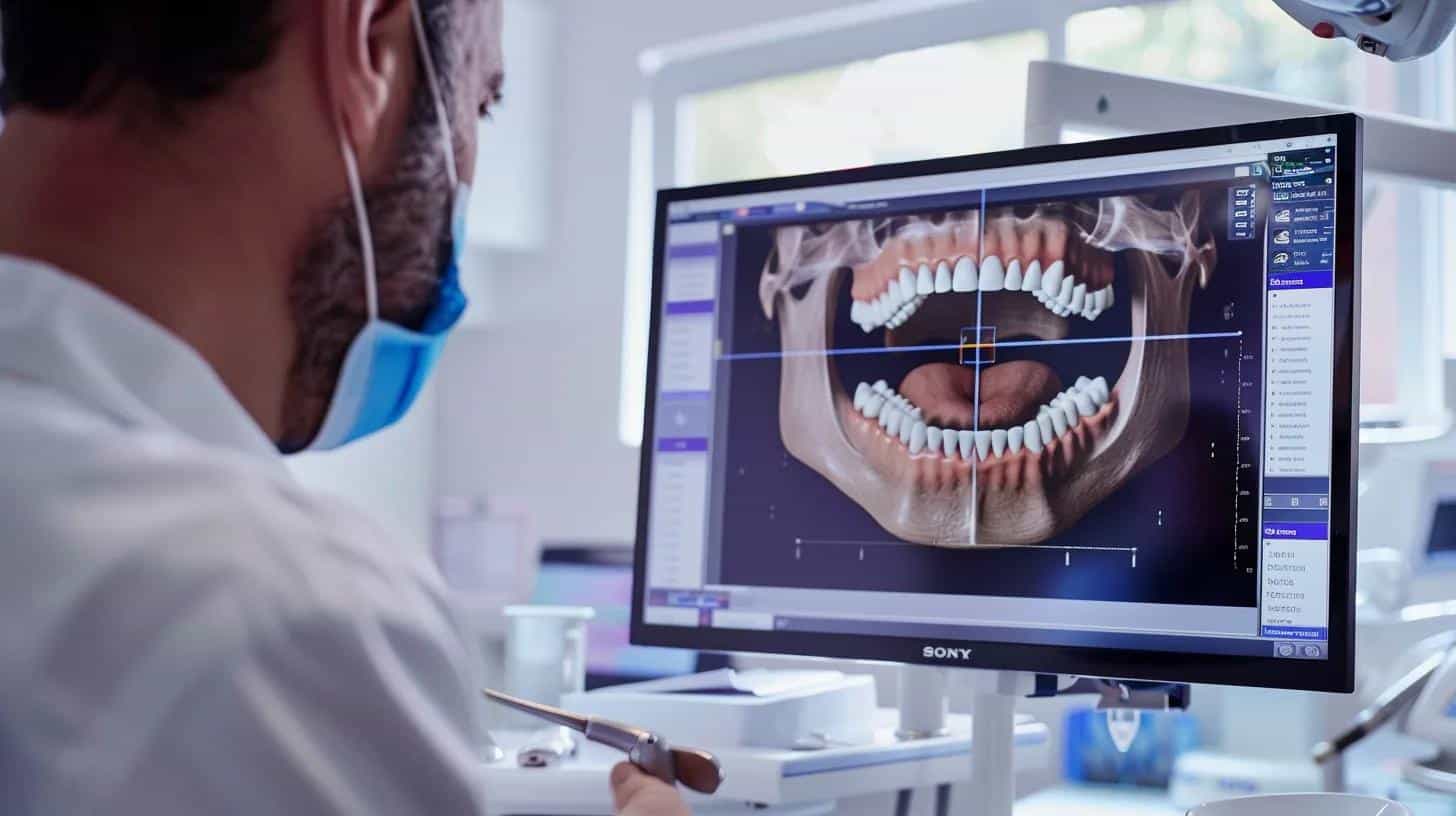
Recognizing Early Signs of Dental Implant Complications: Key Symptoms and Patient Guidance
Introduction
Dental implants have revolutionized the field of restorative dentistry by offering patients a durable, natural-looking replacement for missing teeth. However, like any surgical procedure, dental implants are not completely free from complications. Recognizing early signs of dental implant complications is crucial for ensuring long-term success and optimal oral health. Patients, particularly those between the ages of 40 and 60, who are considering or have already had dental implant surgery need to be aware of potential complications such as peri-implantitis, implant failure, and signs of infection. This article aims to educate patients on the key symptoms and risk factors associated with dental implant complications while providing clear guidance on when to schedule an appointment for a free consultation at a dental office specializing in dentures and dental implants.
Early complication detection is the cornerstone of implant longevity and can avert more serious issues like bone loss, implant failure, or severe infection. A successful dental implant not only restores chewing function and improves aesthetics but also supports overall oral hygiene and self-esteem. However, adverse events such as inflammation, bleeding around the implant, or even subtle discomfort may signal that something is amiss. Since dental implants are often made from titanium and placed close to critical structures such as the maxilla or chin, any issue that disrupts the equilibrium in the surrounding tissues can dramatically affect implant integration and osseointegration—the process by which the implant fuses with the bone.
For patients managing chronic conditions, including osteoporosis or type 2 diabetes, or those undergoing radiation therapy, complications may occur at a higher prevalence. Therefore, understanding the early warning signs can empower patients to seek timely intervention. Throughout this article, detailed descriptions of complications, from peri-implantitis and bleeding to general implant irritation and crown failure, are provided alongside practical advice on maintaining proper oral hygiene and lifestyle modifications. The content is structured to address common queries encountered by patients and to provide clear, evidence-based recommendations for early diagnosis and management of implant issues. In the following sections, each major aspect of implant complications, including causes, symptoms, diagnostic methods, treatment options, and prevention strategies, will be discussed in-depth. This information is intended to help patients make informed decisions and encourage them to schedule a free consultation to discuss their individual risks and treatment options with a dental professional.
Transitioning from understanding the general complications to recognizing specific symptoms will help refine the patient’s vigilance and ensure the success of their dental implants over time.
Key Takeaways
Early detection of dental implant complications is critical for long-term implant success.
Peri-implantitis, implant failure, and inflammation are among the most common complications.
Timely intervention through professional evaluation can preserve implant function and overall oral health.
Patients are encouraged to schedule a free consultation to address any concerns and learn about treatment options.
What Are the Most Common Dental Implant Complications?
Dental implant complications can arise from a variety of factors, and early identification is essential for effective treatment. The most common complications include peri-implantitis, implant failure, and other issues such as bleeding, discomfort, and mechanical problems with the abutment or crown. Understanding each complication in detail is the first step in maintaining implant health.
What Is Peri-Implantitis and How Does It Affect Implants?
Peri-implantitis is an inflammatory condition affecting the soft and hard tissues surrounding a dental implant. It is characterized by red, swollen gums, and in advanced stages, bone loss around the implant. The first sign of peri-implantitis is often subtle bleeding during oral hygiene practices or minor discomfort when chewing. The condition is primarily caused by bacterial colonization and inadequate oral hygiene. As the biofilm accumulates, the resulting inflammation can lead to the breakdown of both the soft tissue and the underlying bone, threatening the implant’s stability and longevity.
Studies have shown that in patients with poor oral hygiene, the risk of developing peri-implantitis increases significantly. Microbial contamination and an improper patient history—such as a history of gingivitis or periodontitis—also contribute to its onset. Once initiated, the inflammatory process may become self-sustaining, making early intervention critical. Treatment typically involves a thorough mechanical debridement of the implant surface combined with antiseptic agents, and in some cases, surgical intervention is necessary.
Preventing peri-implantitis requires rigorous maintenance protocols, including regular dental cleanings and the use of appropriate mouthwash formulations that target bacterial growth without harming the implant surface. Recognizing early signs like slight bleeding or discomfort and immediately consulting with a dentist can halt the progression of this complication before irreversible damage occurs.
What Causes Dental Implant Failure?
Dental implant failure can result from several factors, ranging from surgical technique and patient-related factors to mechanical overload and environmental influences. The most common causes include improper implant positioning, insufficient bone density, and lack of osseointegration. In some cases, failure is a result of undiagnosed systemic conditions, such as uncontrolled diabetes or osteoporosis, which impede the healing process and bone integration.
Implant failure is often multifactorial. Factors such as smoking can exacerbate the risk by impairing blood flow and slowing down the healing process, while poor patient compliance with postoperative care can lead to excessive plaque accumulation and bacterial infection. Moreover, radiation therapy and the use of certain medications may compromise bone healing, increasing the likelihood of implant failure. In some cases, patients experience mechanical complications, where the implant-abutment connection becomes loose or the crown is misaligned, leading to functional and aesthetic issues.
Timely detection of implant mobility, pain, or unusual sensations—such as a metallic taste or the presence of pus—signals that implant failure may be imminent. Diagnostic imaging such as cone-beam computed tomography (CBCT) is used by dental professionals to assess the implant’s condition and surrounding bone levels. Addressing these signs at an early stage is critical to prevent complete implant loss, making patient vigilance and immediate dental evaluation essential.
Which Other Complications Should Patients Know About?
Apart from peri-implantitis and implant failure, patients should be aware of additional complications that may affect dental implants. These include soft tissue recession, chronic inflammation, and mechanical issues with components like the abutment or crown. Recession occurs when the gum tissue surrounding the implant begins to recede, exposing the underlying metal and jeopardizing the aesthetic outcome. Chronic inflammation may also lead to discomfort and can result in the formation of pockets around the implant, which provide an ideal environment for bacterial proliferation.
In some instances, patients may experience sensitivity or pain around the implant site, especially when biting or chewing. The irritation can sometimes be caused by an improperly contoured crown or a loose abutment screw. Another complication includes the development of sinus problems, particularly in the maxillary region, where the proximity of the implant to the maxillary sinus may trigger sinusitis or other inflammatory conditions. Additionally, allergic reactions to the titanium material or other components have been reported, although these are rare.
Addressing these complications involves a combination of proper clinical technique during implant placement and diligent aftercare. Regular dental evaluations, meticulous oral hygiene practices, and patient education about the risks and symptoms of implant complications play a pivotal role in reducing the incidence of these issues. Awareness and prompt management of these complications can preserve not only the implant but the overall oral health of the patient, ensuring a successful functional and aesthetic outcome.
What Are the Early Warning Signs and Symptoms of Dental Implant Complications?
Early detection of dental implant complications is largely dependent on recognizing subtle warning signs and symptoms that may indicate an underlying problem. These early symptoms include abnormal bleeding, pain, swelling, and mobility around the implant site. Since these signs can sometimes be mistaken for temporary discomfort following a dental procedure, it is essential for patients to differentiate between normal healing processes and potential complications.
What Are the Signs of Peri-Implantitis?
The early signs of peri-implantitis include slight bleeding when brushing or flossing, redness, and mild swelling of the gum tissue around the implant. Patients might notice a feeling of tenderness or discomfort at the implant site, especially during routine oral hygiene. As the inflammation progresses, pockets may form around the implant, and bone loss can occur, which may be detected through radiographic imaging. If left untreated, these symptoms can lead to pronounced gum recession and ultimately compromise the stability of the implant.
Studies have indicated that even minimal signs, such as consistent bleeding when using dental floss, should not be overlooked. A careful self-examination combined with regular professional checkups can help detect these early symptoms. Dental professionals often use probing techniques to measure pocket depths, which serve as important diagnostic indicators for peri-implantitis. Patients experiencing such signs should schedule an appointment promptly to prevent further progression.
How Can You Detect Signs of Implant Failure?
Detection of implant failure often begins with noticing abnormal mobility of the implant. Patients should be aware if the implant feels loose or if there is any shift during biting. Another key sign of implant failure is persistent pain that is not alleviated by standard pain relievers. The implant region may also exhibit a metallic taste in the mouth and the formation of pus, which indicates an underlying infection. Radiographs often reveal bone loss surrounding the implant as a direct result of failure.
Diagnostic tests such as percussion tests and mobility evaluations are conducted by dental professionals to confirm implant failure. Additionally, the presence of continuous discomfort, particularly during chewing or pressure application, should be considered as a red flag. Timely detection through these observances, accompanied by a professional evaluation, is essential to address any issues before they escalate and result in complete implant loss.
What Are Other Symptoms Indicating Implant Infection?
Beyond the primary signs of bleeding and mobility, other symptoms that indicate a possible implant infection include unusual odors or taste in the mouth, prolonged pain, and swelling that does not subside over time. Patients might also experience a slight fever and malaise, suggesting that the inflammatory response is affecting the overall well-being. The sensitive tissues surrounding the implant may show signs of irritation, and there may be an increased accumulation of plaque or calculus around the implant site.
Detection often involves a comprehensive clinical examination and may include taking radiographs to evaluate any changes in the surrounding bone structure. It is important that patients monitor their oral hygiene closely and report even minor changes to their dentist, as early intervention can help avert more severe infections. Using advanced diagnostic tools, such as digital X-rays, allows clinicians to ascertain the extent of infection and plan an appropriate treatment strategy that may include antibiotics, deep cleaning, or surgical intervention.
When Should You See a Dentist for Implant Concerns?
Patients should consult their dentist immediately if they observe any early warning signs such as persistent bleeding, discomfort, or changes in the stability of their dental implant. If over-the-counter remedies do not alleviate the symptoms within a few days, it is imperative to schedule a professional evaluation. Dental professionals can perform a detailed assessment and recommend appropriate imaging and diagnostic tests to confirm any complications.
Waiting until symptoms become severe often means more invasive treatment will be required, potentially jeopardizing the implant’s long-term success. Early consultation ensures that minimal intervention is needed, preserving oral health and preventing costly and extensive procedures. Regular follow-ups and professional cleanings are also recommended, especially for individuals with a history of periodontal issues, as part of a proactive approach to dental implant maintenance.
How Are Dental Implant Complications Diagnosed?
Accurate diagnosis of dental implant complications is crucial for implementing effective treatment strategies. Dentists employ various diagnostic tools and imaging techniques to confirm the presence of conditions like peri-implantitis or implant failure. These methods include clinical examinations, probing of the implant site, and radiographic evaluations to assess bone levels around the implant.
What Tests and Imaging Are Used to Diagnose Peri-Implantitis?
Diagnosis of peri-implantitis typically involves a combination of clinical and radiographic assessments. Initially, the dentist will perform a clinical examination, which includes probing around the implant to measure pocket depths. Probing depths greater than 4 millimeters, especially when accompanied by bleeding, strongly indicate inflammation. Additionally, digital radiographs are critical for evaluating bone loss around the implant. These X-rays can detect subtle changes in the bone structure that may not be visible during a clinical exam.
Other diagnostic tools may include the use of laser fluorescence devices to detect changes in the implant environment and microbiological tests to identify specific pathogens associated with peri-implant infections. Combined, these diagnostic methods offer a comprehensive understanding of the condition, ensuring that treatment is tailored to the severity of the inflammation. Early detection via these tests is significant because it enables timely intervention, which can prevent further bone loss and preserve the implant’s functionality.
How Is Implant Failure Confirmed?
Implant failure is generally confirmed through a series of clinical tests and imaging studies. Clinically, the evaluation starts with checking for signs of implant mobility. If the implant exhibits even slight movement, it is a strong indicator of failure. Additionally, the practitioner will assess for signs of persistent pain, abnormal sensations, or changes in occlusion. Radiographic examinations such as periapical X-rays or cone-beam computed tomography (CBCT) scans are then used to observe bone support around the implant. A reduction in bone height or density around the implant is a clear signal of implant failure.
Dentists may also use specific tests to assess the integration of the implant with the surrounding bone, ensuring that osseointegration has not been compromised. In cases where other factors such as mechanical wear or improper placement are suspected, a detailed investigation is warranted. The integration of clinical findings with radiographic evidence provides a definitive diagnosis, allowing for the planning of corrective measures or discussing potential replacement options with the patient.
What Role Do Dentists Play in Early Detection?
Dentists play an essential role in the early detection of dental implant complications. During regular follow-up visits, the dental professional conducts comprehensive evaluations, which include both visual inspections and the use of advanced imaging techniques. Through these evaluations, dentists are able to identify early signs of decay, peri-implantitis, or mechanical failure before they evolve into significant problems. Education and patient communication are central to this process, as dentists instruct patients on maintaining proper oral hygiene and what specific symptoms to watch for.
By carefully monitoring the implant site during routine cleanings and checkups, the dentist can implement early interventions that prevent the progression of complications. A proactive approach, combined with patient adherence to recommended follow-up schedules, significantly increases the chances of long-term implant success. This early detection not only preserves the implant but also mitigates the need for more invasive treatments later. Ultimately, dental professionals serve as the frontline defense in safeguarding the functional and aesthetic outcomes of dental implants.
What Treatment Options Are Available for Dental Implant Complications?
When dental implant complications are diagnosed early, a variety of treatment options are available to correct the issues without significant loss of the implant’s function. The treatment approach depends on the specific complication, its severity, and the overall oral health of the patient. Whether addressing peri-implantitis, implant failure, or other localized infections, timely intervention is key.
How Is Peri-Implantitis Treated?
Treatment for peri-implantitis starts with non-surgical methods such as meticulous debridement of the affected implant surface and the application of antiseptic solutions to reduce bacterial load. These conservative measures are often combined with the use of systemic or locally delivered antibiotics to curb the infection. In cases where inflammation has led to significant bone loss, surgical intervention may be necessary. Procedures such as resective or regenerative surgery can help remove infected tissue and encourage the growth of new bone around the implant.
Laser therapy has also emerged as an effective treatment modality for peri-implantitis, as it can precisely remove infected tissues with minimal impact on surrounding structures. The choice of treatment is based on the severity of the condition, with mild cases responding well to non-invasive techniques and more advanced stages requiring surgical intervention. Patients are typically advised on rigorous oral hygiene practices and may be scheduled for more frequent dental checkups to monitor healing progress. Early treatment not only improves patient comfort but also enhances the likelihood of preserving the dental implant.
What Are the Solutions for Implant Failure?
When an implant shows definitive signs of failure, treatment options are more complex. Implant removal is sometimes necessary if the failure is extensive and the implant is no longer stable. After removal, procedures such as bone grafting or sinus lift may be performed to rebuild the alveolar bone and create a suitable foundation for a new implant. In cases where failure is detected early—indicated by minor mobility or decreasing bone support—minimally invasive approaches and modifications to the occlusion might be sufficient to salvage the implant.
Advanced technologies, including micromotion analysis and digital imaging, are used by dental professionals to determine the viability of corrective measures. In some cases, the implant may be stabilized using specialized abutment components or companion implants to redistribute occlusal forces. Patient-specific factors, such as bone density and overall health, play a significant role in the treatment strategy. The ultimate goal is to restore functionality and aesthetics while minimizing the discomfort and downtime for the patient, reinforcing the importance of regular evaluation and early intervention.
Can Early Treatment Prevent Implant Loss?
Early intervention is critical in preventing the progression of complications that could lead to implant loss. Addressing issues when they are first detected, whether they involve peri-implantitis, inflammation, or mechanical problems, can dramatically increase the success rate of corrective procedures. The use of preventive measures such as regular professional cleanings, improved oral hygiene, and patient education about risk factors—like smoking and systemic conditions—serve as fundamental strategies in reducing complications.
Dental professionals advocate for prompt treatment of any anomalies to halt further deterioration. With correct management, including both nonsurgical and surgical treatments where needed, early intervention preserves the structural and functional integrity of the implant. This preventative approach not only maintains the implant but also reduces the necessity for more invasive and costly procedures in the future. Assurance through a thorough evaluation and immediate treatment can effectively counteract the factors that contribute to implant failure, ensuring the longevity and overall success of dental restorations.
How Can You Prevent Dental Implant Complications?
Preventing complications associated with dental implants is as important as knowing how to treat them. Proactive measures in oral hygiene, regular dental checkups, and lifestyle modifications are essential components of a successful prevention plan. By following evidence-based recommendations, patients can significantly reduce the risk factors that predispose them to complications.
What Are Proper Oral Hygiene Practices for Implants?
Proper oral hygiene is fundamental in preventing inflammation and infection around dental implants. Patients are advised to engage in meticulous tooth brushing with a soft-bristled brush, while also using interdental brushes or floss designed specifically for implants. Antimicrobial mouthwashes that target plaque formation without damaging the titanium surface of the implant are also recommended. Regular professional cleanings help remove any residual plaque or calculus that might accumulate on the implant—particularly in areas that are difficult to reach with routine brushing.
In addition to these practices, the use of specialized toothpaste designed for dental implants can aid in minimizing bacterial adhesion. Patients should avoid abrasive cleaning agents that can damage the implant’s surface or surrounding soft tissues. Maintaining a consistent oral hygiene routine is critical for preventing microbial colonization and subsequent peri-implant inflammation. Effective oral hygiene not only protects the implant but also contributes to overall oral health and longevity of the restoration.
How Often Should You Have Dental Checkups After Implant Placement?
Regular dental checkups following implant placement are essential for early detection of any signs of complications. Typically, patients should schedule a follow-up appointment within the first few months after implant surgery to assess the healing process. Subsequent checkups every three to six months allow the dental professional to monitor the condition of the implant and surrounding tissues, ensuring that no early signs of inflammation, infection, or bone loss are developing.
During these appointments, the dentist will perform detailed oral examinations, use probing methods to assess pocket depths around the implant, and may take radiographs to evaluate bone levels. This proactive monitoring is especially crucial for patients with risk factors such as smoking or systemic diseases, as these patients are at a higher risk for complications. Regular checkups not only enable timely interventions but also reinforce patient education on proper oral hygiene practices, making them a key preventive measure in ensuring implant longevity.
What Lifestyle Factors Increase Risk of Complications?
Certain lifestyle factors can directly contribute to the development of dental implant complications. Smoking, for instance, significantly reduces blood flow to the gum tissues, impairing healing and favoring bacterial colonization. Diet also plays an important role; a nutrient-poor diet can impede bone healing and compromise overall oral health. Stress and lack of sleep are other factors that can weaken the body’s immune response, making it less able to combat infections around the implant.
Excessive alcohol consumption is another risk factor, as it may interfere with the body’s inflammatory response and tissue repair processes. Patients with chronic conditions such as diabetes or osteoporosis are at an increased risk of complications due to their underlying medical issues. By modifying these risk factors—quitting smoking, consuming a balanced diet rich in vitamins and minerals, reducing alcohol intake, and managing stress—patients can significantly improve the outcomes of their dental implants.
How Does Patient Education Improve Implant Success?
Patient education is vital in preventing complications and ensuring the long-term success of dental implants. When patients understand their role in maintaining implant health, including adhering to oral hygiene practices and recognizing early signs of complications, they are more likely to seek prompt professional care. Educational initiatives from dental professionals that focus on the benefits of regular checkups, proper at-home care, and lifestyle modifications empower patients to take an active role in their treatment.
Informative consultations and follow-up sessions, in which patients are provided detailed guidelines and resources, lead to better adherence to postoperative instructions. By being well-informed, patients can detect warning signs early and act quickly, substantially reducing the risk of severe complications. Ultimately, thorough education fosters better communication between the patient and the dental professional, ensuring that risks are managed proactively and implant outcomes are optimized.
What Are the Risk Factors That Increase the Chance of Implant Complications?
Several risk factors can predispose a patient to dental implant complications. Understanding these risk factors allows patients and dental professionals to implement preventive measures proactively. Common risk factors include behavioral aspects such as smoking, systemic medical conditions, and surgical factors related to the implant placement procedure.
How Does Smoking Affect Dental Implant Health?
Smoking has a well-documented adverse effect on dental implant success. Nicotine and other chemicals found in tobacco products reduce blood flow to the implant site, significantly impairing the healing process by limiting oxygen and nutrient delivery to the bone and surrounding tissues. This compromised healing environment can lead to insufficient osseointegration, increasing the risk of infection and implant failure. Studies have shown that smokers are up to three times more likely to experience implant failure compared to non-smokers.
Furthermore, smoking not only affects the local oral tissues but also exacerbates systemic inflammatory responses, contributing to the progression of peri-implantitis. Patients who continue smoking after implant placement are strongly advised to cease all tobacco use to improve surgical outcomes and reduce postoperative complications. Dental professionals commonly recommend cessation interventions and provide support resources. Ultimately, quitting smoking is one of the most effective actions one can take to enhance implant longevity and overall oral health.
What Medical Conditions Contribute to Implant Failure?
Various underlying medical conditions can significantly contribute to dental implant complications. Patients with uncontrolled diabetes, for example, have an impaired healing response due to high blood sugar levels, which can hinder bone regeneration and osseointegration. Similarly, individuals with osteoporosis experience reduced bone density, making it more challenging for the implant to achieve a stable bond with the jawbone.
Other systemic conditions such as autoimmune disorders, immunosuppression due to medications, and a history of radiation therapy in the head and neck region can also compromise the healing process. These medical conditions alter the inflammatory response and delay tissue repair, thereby increasing the risk of infection and implant failure. It is crucial that dental professionals review the patient’s full medical history and coordinate with their healthcare providers to optimize conditions before recommending implant surgery. Addressing these risk factors early on helps create a more favorable environment for successful implant integration.
How Do Surgical and Implant Factors Influence Complications?
The surgical approach and the quality of the implant material itself play a critical role in the overall success of dental implants. Factors such as the precision of implant placement, the size and design of the implant, and the technique used during surgery are critical determinants of long-term implant health. For instance, improper positioning of an implant can lead to overloading or underloading of the prosthesis, resulting in undue stress on the bone that can eventually cause implant failure.
Implant surface characteristics, such as the texture and material composition (commonly titanium), influence the rate of osseointegration. Advances in implant design have led to surfaces that promote better bone cell adhesion and increase integration speed; however, any deviation from optimal surgical protocols can increase the risk of complications such as infection, inflammation, and mechanical failure. Factors such as the duration of the surgery, the presence of contaminants, and the immediate loading protocols all contribute to the outcome. Therefore, a comprehensive preoperative assessment combined with meticulous surgical technique is essential to mitigate risks and enhance the longevity of dental implants.
What Are Frequently Asked Questions About Early Signs of Dental Implant Complications?
Q: How can I tell if my dental implant is infected? A: Early signs of implant infection include slight bleeding during brushing, persistent discomfort or pain, swelling, and sometimes a metallic taste in the mouth. These signs, when combined with redness and inflammation around the implant site, may indicate an infection. Patients noticing such issues are advised to schedule a dental evaluation promptly to prevent further complications.
Q: What causes bleeding around a dental implant? A: Bleeding around a dental implant can be caused by peri-implantitis or inadequate oral hygiene leading to plaque accumulation. Mechanical irritation from an improperly fitted crown or abutment may also contribute. If the bleeding persists or is accompanied by pain and swelling, it is crucial to consult a dentist to assess whether an infection or implant failure is developing.
Q: Is pain normal after dental implant surgery? A: Mild discomfort and some pain are expected for a few days following dental implant surgery as part of the normal healing process. However, prolonged or severe pain might indicate complications such as infection, implant failure, or nerve irritation. Patients experiencing persistent or escalating pain should immediately schedule an appointment for a professional evaluation.
Q: Can dental implants be saved after infection? A: In many cases, early intervention can salvage dental implants affected by infection. Treatment options such as mechanical debridement, local or systemic antibiotics, and, in some cases, laser therapy may successfully eradicate the infection and allow the implant to stabilize. However, the success of these treatments largely depends on the extent of the infection and how promptly it is addressed. Regular dental checkups and proper hygiene are critical to prevent the need for more invasive procedures.
Q: What steps can patients take to prevent dental implant complications? A: Patients can reduce the risk of implant complications by maintaining rigorous oral hygiene, attending regular dental checkups, following post-surgical care instructions meticulously, and addressing early signs of irritation or bleeding promptly. Lifestyle modifications, such as quitting smoking and managing chronic conditions, also play a significant role in ensuring implant success.
Table Comparing Key Dental Implant Complication Features
Before diving into the final section, consider the following table that outlines the key features, risk factors, and outcomes related to dental implant complications. This table provides a snapshot of how factors such as peri-implantitis, implant failure, and other inflammatory conditions compare with regard to cause, symptom severity, and treatment options.
Complication
Primary Cause
Early Signs
Diagnostic Tools
Common Treatments
Peri-Implantitis
Bacterial infection, poor hygiene
Bleeding, swelling, redness
Probing, X-rays, CBCT
Debridement, antibiotics, laser therapy
Implant Failure
Poor osseointegration, mechanical stress
Mobility, persistent pain, radiographic bone loss
Mobility test, Radiographs
Implant removal, bone grafting, new placement
Soft Tissue Recession
Inadequate implant design, inflammation
Exposed implant surfaces, sensitivity
Clinical examination
Soft tissue grafting, crown adjustment
Chronic Inflammation
Bacterial biofilm accumulation
Persistent discomfort, abnormal taste
Clinical exam, Radiographs
Improved hygiene, antimicrobial measures
Sinus Complications
Proximity to maxillary sinus, infection
Sinus pressure, nasal congestion
CBCT, Endoscopic exam
Sinus lift, symptomatic treatment
This table summarizes the conditions and highlights the importance of early detection, proper diagnosis, and timely treatment interventions.
Final Thoughts
Dental implants are a transformative solution for restoring functionality and aesthetics; however, they demand careful monitoring to prevent complications. Early signs such as slight bleeding, discomfort, and implant mobility should never be ignored. Recognizing and addressing issues early can save patients from invasive procedures later. Patients are encouraged to follow a rigorous oral hygiene routine, attend regular dental checkups, and make lifestyle adjustments to minimize risks. If any early warning signs are noticed, scheduling a free consultation with a dental professional can greatly improve outcomes and ensure the longevity of the implant.
Frequently Asked Questions
Q: What are the first signs that indicate dental implant complications? A: The earliest signs often include subtle bleeding around the implant site, mild discomfort during brushing, and slight swelling of the gums. As the condition advances, patients may notice increased sensitivity, a metallic taste, or even a feeling of looseness in the implant. These symptoms highlight the importance of prompt dental evaluation to catch any issues before they escalate.
Q: How can I manage my oral hygiene to protect my dental implants? A: Managing oral hygiene effectively involves using a soft-bristled toothbrush, interdental brushes, and specialized floss designed for implants. Using an antibacterial mouthwash and avoiding abrasive toothpaste can further protect the implant surfaces. Additionally, periodic professional cleanings and regular dental checkups are critical for minimizing the risk of complications. Following your dentist’s individualized care instructions is your best defense.
Q: Are there specific factors in my medical history that increase the risk of implant complications? A: Yes, patients with systemic conditions such as uncontrolled diabetes, osteoporosis, or a history of radiation therapy in the head and neck region have a higher risk of developing complications. Lifestyle factors like smoking and poor nutrition also significantly contribute. Discussing your full medical history with your dentist will allow them to tailor preventive strategies and treatment options that best suit your needs.
Q: Can implant complications be reversed if caught early? A: Certainly. Many implant complications, especially peri-implantitis, can be successfully managed with early intervention. Non-surgical treatments, such as thorough debridement, antibiotic therapy, and laser treatments, have shown positive results in early stages. Prompt professional care not only reverses the condition but also helps preserve the implant, reducing the likelihood that more invasive procedures will be necessary later.
Q: What should I do if I suspect my dental implant is failing? A: If you suspect implant failure—characterized by increased mobility, persistent pain, or significant gum changes—it is important to contact your dentist immediately. Early diagnosis through clinical examination and imaging is essential for determining the best course of action. The sooner a problem is addressed, the higher the likelihood of salvaging the implant or planning an alternative restorative treatment that minimizes discomfort and prevents further complications.
If you are experiencing any early signs of dental implant complications or simply have concerns about the health of your implant, contact our dental office today to schedule a free consultation. Our team in Lake Worth specializes in dental implants and dentures, providing expert evaluation, monthly payment options, and personalized care to ensure your smile remains healthy and vibrant.