Discover Essential Tips for Lasting Dental Implants: How to Maintain and Ensure Longevity
Dental implants provide a durable foundation for chewing, speech, and confident smiles, but their longevity depends on consistent maintenance and informed aftercare. This article teaches practical daily routines, professional monitoring schedules, lifestyle adjustments, and advanced cleaning techniques to optimize dental implant longevity and prevent peri-implantitis. Proper dental implant maintenance supports osseointegration and reduces the risk of implant failure by controlling plaque, protecting soft tissue, and preserving bone around the implant. Readers will learn step-by-step brushing and interdental cleaning methods, when to schedule professional implant check-ups, dietary and behavior changes that support healing, and how to respond quickly to warning signs of complications. The guide also compares tools such as soft-bristled brushes, interdental brushes, and water flossers, outlines professional visit components, and explains personalized care plans based on implant type and health. By following evidence-based hygiene practices and timely professional visits, patients can significantly improve dental implant longevity and function.
How Should You Perform Daily Oral Hygiene for Dental Implant Maintenance?
Daily oral hygiene for dental implant maintenance is a focused routine of gentle brushing, interdental cleaning, and adjunct antiseptic use that removes plaque and protects peri-implant tissues. The mechanism is straightforward: mechanical plaque removal reduces bacterial biofilm that triggers inflammation, preserving soft tissues and supporting osseointegration for long-term implant stability. Implementing a consistent morning and evening regimen lowers peri-implantitis risk and maintains the integrity of the crown, abutment, and surrounding gum tissue. Below is a concise checklist and a comparison table to guide tool selection for daily care.
Follow this three-step daily regimen for reliable implant brushing and interdental cleaning:
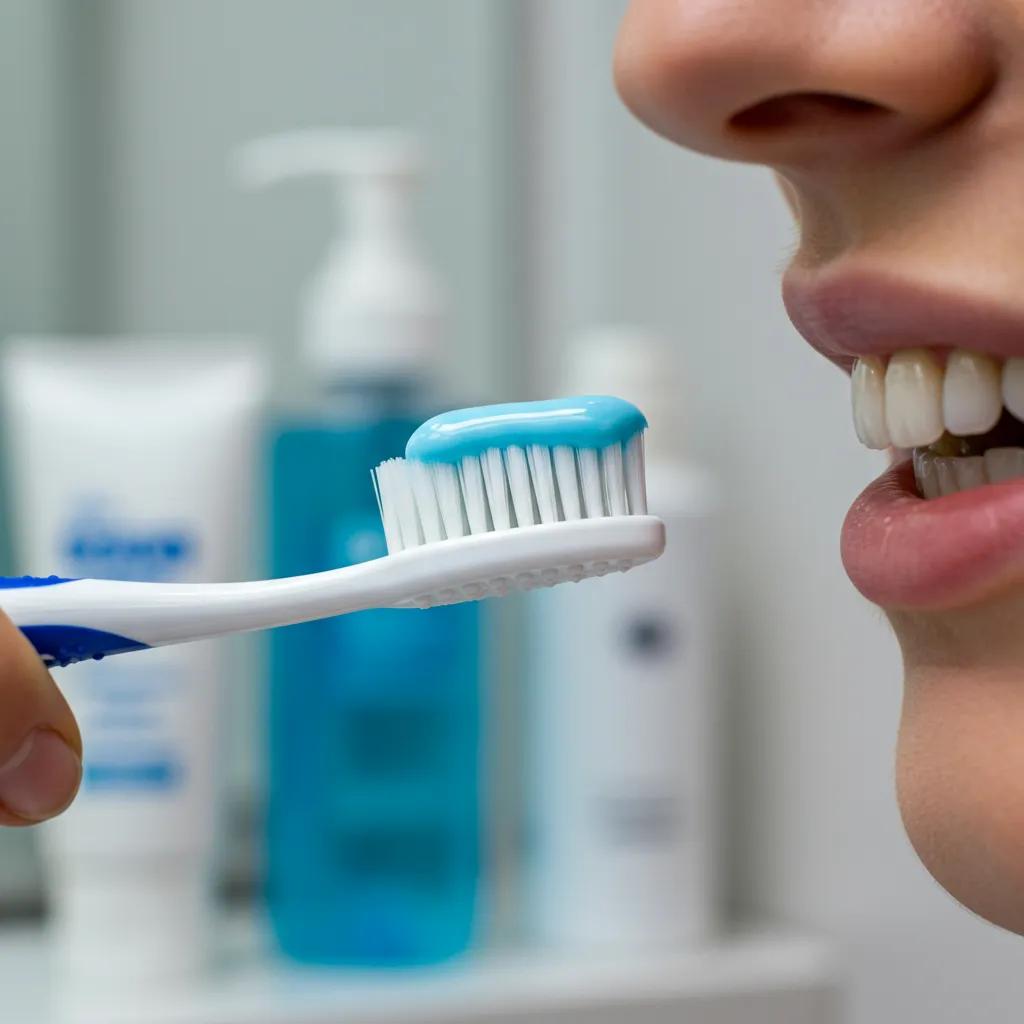
Brush twice daily with a soft-bristled toothbrush using gentle circular motions and light pressure to clean crowns and gum margins.
Clean interdentally once daily using floss, PTFE implant-specific floss, or interdental brushes sized to the embrasure to remove trapped debris.
Use a water flosser or alcohol-free antimicrobial mouthwash as adjuncts to reduce bacterial load and maintain tissue hydration.
This daily checklist offers a practical foundation for implant hygiene and naturally leads into specific brushing techniques and interdental methods for different implant prostheses.
Before comparing cleaning tools, this table summarizes recommended frequencies, pros, cons, and ideal use-cases for common implant hygiene devices.
Tool
Recommended Frequency
Pros / Cons
Soft-bristled toothbrush
Twice daily
Pros: Gentle on tissues and implant margins. Cons: Requires technique to reach abutment interfaces.
Interdental brush (nylon-coated)
Daily where embrasures permit
Pros: Effective plaque removal in wider spaces. Cons: Requires correct sizing to avoid trauma.
Water flosser
Daily as adjunct
Pros: Removes debris and reduces bleeding; useful for limited dexterity. Cons: Not a replacement for mechanical removal in tight contacts.
This comparison clarifies when to favor mechanical interdental cleaning versus irrigating adjuncts, and it prepares the reader for precise brushing and flossing techniques described below.
What Are the Best Brushing Techniques for Dental Implants?
A proper brushing technique for dental implants uses a soft-bristled brush, gentle circular motions, and targeted cleaning at the crown–abutment interface to remove plaque without abrading restorative materials. The reason this technique matters is that aggressive scrubbing or abrasive pastes can roughen prosthetic surfaces and irritate peri-implant mucosa, increasing biofilm retention and inflammation. For practical application, hold the brush at a 45-degree angle to the gumline, use light pressure, and focus for at least two minutes covering all surfaces, including chewing and interproximal zones. Proper technique preserves prosthetic surfaces and supports long-term osseointegration while minimizing soft-tissue trauma that can predispose to peri-implantitis.
Which Flossing and Interdental Cleaning Methods Work Best for Implants?
Interdental cleaning choice depends on contact tightness and prosthesis design; interdental brushes are preferred for wider embrasures, while PTFE or implant-specific floss works better in tight contacts to avoid shredding. This differentiation matters because mechanical plaque removal is the primary defense against peri-implant disease, and the chosen tool must actually reach and disrupt biofilm at the implant interface. Patients with bridges or implant-supported prostheses may require superfloss or floss threaders to access under pontics, while those with single-tooth implants commonly use threadable PTFE floss or gentle interdental brushes. When bleeding, slow, gentle cleaning is advised and patients should report persistent bleeding to their clinician to allow earlier intervention.
What Oral Care Products Are Recommended for Dental Implant Aftercare?
Recommended oral care products for implant aftercare include non-abrasive toothpaste, soft-bristled toothbrushes, alcohol-free antimicrobial mouthwashes, and appropriately sized interdental brushes as the main categories of support. Non-abrasive toothpaste protects implant crowns and adjacent restorations from surface wear, and alcohol-free mouthwashes reduce microbial load without drying peri-implant tissues, which can impair healing. For patients with limited dexterity, a water flosser used at gentle pressure settings complements mechanical cleaning and improves plaque control in difficult-to-reach areas. Choosing products based on implant type, prosthesis design, and clinician guidance helps maintain peri-implant health and prevents material damage.
Why Are Regular Professional Dental Visits Crucial for Dental Implant Longevity?
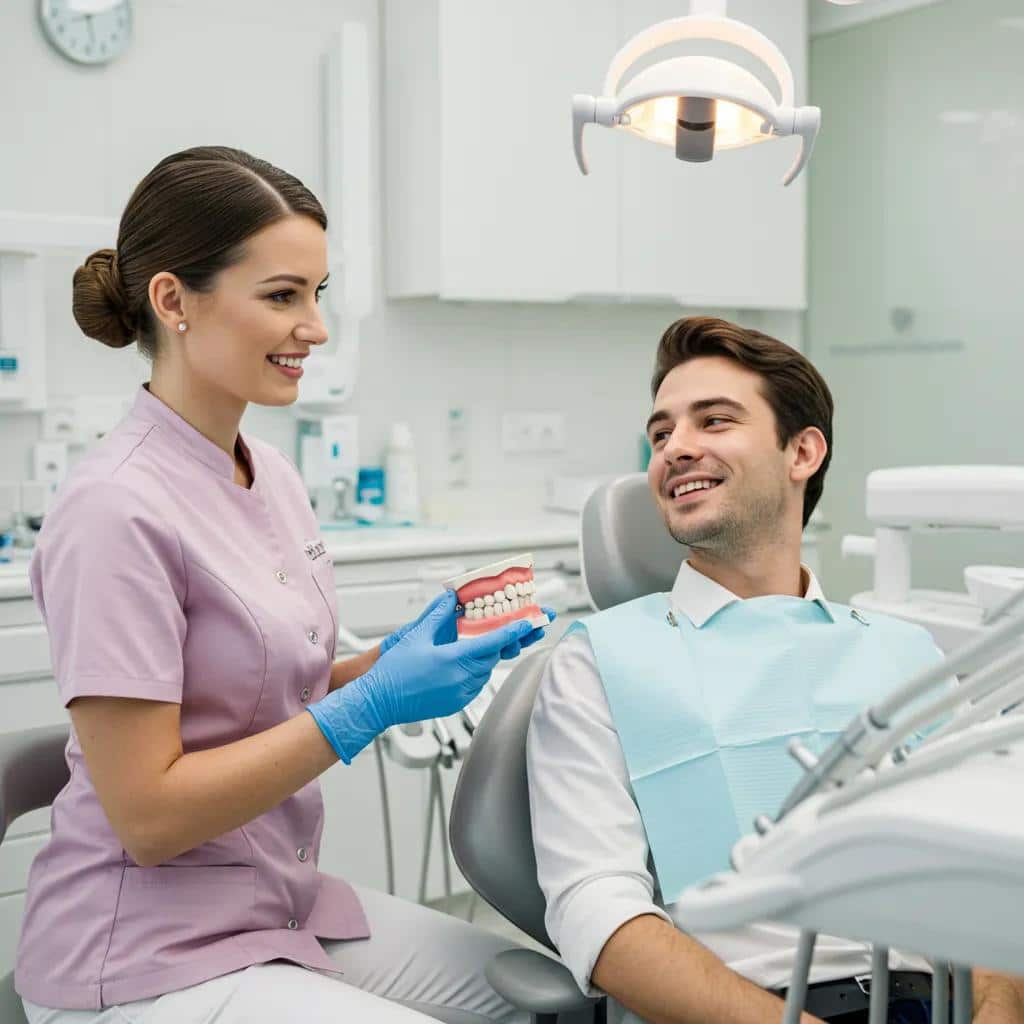
Regular professional dental visits combine clinical examination, implant-safe cleaning, and radiographic monitoring to identify early signs of peri-implant disease and to protect prosthetic integrity. The mechanism is early detection: clinicians use probing, soft-tissue assessment, and targeted radiographs to spot inflammation, pocketing, or bone level changes before they progress to irreversible loss. Routine visits also include implant-safe instrumentation that removes calculus while preserving titanium surfaces and prosthetic components, reducing long-term complications. Below are recommended recall intervals and a breakdown of typical checks performed during professional implant monitoring.
Patients should consider these standard recall frequencies adjusted by risk profile:
Routine for most patients: every 6 months
High-risk patients (history of peri-implantitis, smokers, uncontrolled diabetes): every 3 months
Maintenance intervals are determined collaboratively between patient and clinician
These recall recommendations lead into a detailed check-list of what clinicians perform during implant appointments.
Before showing what happens during visits, the table below outlines common check-up components, suggested frequency, and what each component assesses.
Check-up Component
Recommended Frequency
What Is Checked
Clinical soft-tissue exam
Every recall visit
Assess mucosal health, bleeding on probing, and swelling
Probing and peri-implant measurements
Every recall visit or risk-based
Measure pocket depths and detect changes from baseline
Radiographic review (bitewing/periapical)
Baseline + periodic (risk-based)
Evaluate crestal bone levels and detect bone loss
Occlusion and prosthesis integrity
Every recall visit
Check contacts, wear, and screw/attachment stability
This table clarifies the systematic surveillance approach clinicians use to preserve implant function and to intervene early when issues arise.
How Often Should You Schedule Dental Implant Check-ups?
Scheduling implant check-ups typically follows a risk-adjusted approach: many patients benefit from six-month recalls, while individuals with risk factors may need three-month follow-ups for active maintenance. The reason for more frequent surveillance in high-risk patients is that early mucosal inflammation can progress quickly to peri-implantitis, and shorter intervals improve chances for non-surgical management. Your dental team evaluates systemic and local risks—such as smoking, glycemic control, or previous peri-implant disease—to set the correct cadence and document baseline parameters for comparison. Regularly scheduled visits strengthen preventive care and ensure timely corrections to hygiene routines or prosthetic adjustments.
What Happens During Professional Cleanings and Implant Monitoring?
Professional implant maintenance includes a thorough soft-tissue evaluation, non-abrasive debridement with implant-safe instruments, plaque and calculus removal, and assessment of prosthesis fit and occlusion to prevent mechanical overload. Clinicians avoid metal curettes that can scratch implant surfaces, favoring plastic, carbon, or specialized ultrasonic tips designed for implants to maintain surface integrity. Documenting probing depths and photographic or radiographic records enables tracking of peri-implant bone levels and early detection of mucosal changes. Effective professional maintenance reduces bacterial reservoirs that drive peri-implantitis and supports the longevity of prosthetic components.
How Do Dentists Detect Early Signs of Implant Complications?
Dentists detect early implant complications by combining patient-reported symptoms with clinical exams—looking for bleeding on probing, increased pocket depths, swelling, suppuration, and changes in mobility—plus image-based assessments for bone loss. The detection mechanism relies on comparing current measures to baseline values established after implant placement and prosthetic loading, enabling clinicians to spot deviations promptly. Prompt reporting of symptoms like persistent pain or new mobility expedites diagnostic steps, including targeted radiographs and possible microbiological assessments when indicated. Early detection significantly improves treatment options and outcomes, preventing progression to implant loss.
What Lifestyle and Dietary Choices Support Long-Lasting Dental Implants?
Lifestyle and dietary choices influence implant success through mechanical risk control, nutritional support for bone and soft tissue, and behaviors that affect healing and immune response. Mechanical risks come from hard or sticky foods that place excessive force on crowns or abutments, while nutritional factors—adequate protein, calcium, and vitamin D—support osseointegration and bone maintenance. Smoking and excessive alcohol impair healing and increase infection risk, while unmanaged bruxism applies repetitive overload that can fracture prosthetic components. Below is a comparison of foods to avoid, foods to limit, and recommended choices with rationales to guide daily eating.
Avoid hard and very sticky foods that can dislodge crowns or stress abutments, such as hard candy or chewy taffy.
Limit highly acidic or sugary foods that increase plaque accumulation and soft-tissue inflammation.
Favor nutrient-dense options like dairy, lean proteins, leafy greens, and fortified foods to supply calcium, vitamin D, and protein supporting bone remodeling.
Making targeted dietary choices reduces mechanical wear and supports the biological processes that maintain osseointegration.
The table below compares foods to avoid or limit versus recommended foods and explains their impact on implants.
Food Category
Action
Reason / Impact
Hard, brittle foods
Avoid
Mechanical risk to crowns, abutments, and prosthetic screws
Sticky, chewy foods
Limit
Can trap under prostheses and increase plaque retention
Sugary / acidic snacks
Limit
Promote cariogenic biofilm and soft-tissue inflammation
Calcium- and protein-rich foods
Recommend
Support bone health and tissue repair for osseointegration
This comparison helps patients plan meals that minimize implant stress and promote long-term stability.
Which Foods Should You Avoid and Which Promote Implant Health?
Avoiding mechanically risky foods—hard, crunchy, and sticky items—reduces the chance of crown fracture, abutment loosening, or prosthesis displacement, which are common mechanical failures. Limiting sugary and highly acidic foods lowers plaque accumulation and local inflammation that predispose to peri-implantitis, while emphasizing calcium-rich dairy, lean proteins, and leafy greens supports bone remodeling and soft-tissue repair. Practical meal tips include cutting hard foods into smaller pieces, choosing softer protein sources like fish or cooked legumes, and substituting fresh fruit for sticky confections. These dietary adjustments assist biological healing and the maintenance of osseointegration over time.
How Does Smoking and Alcohol Affect Dental Implant Success?
Smoking reduces blood flow and impairs immune response in peri-implant tissues, increasing the chance of infection, compromised osseointegration, and implant failure, while excessive alcohol can interfere with nutritional status and wound healing. The biological reason is reduced oxygenation and impaired cell-mediated repair, which slows bone integration and limits the ability to resolve early inflammation. Patients are encouraged to reduce or stop smoking and moderate alcohol consumption, as cessation improves healing outcomes and lowers peri-implant disease rates. Clinicians can provide cessation resources and coordinate care with medical providers to support behavior change.
How Can You Manage Bruxism to Protect Your Dental Implants?
Bruxism exerts repetitive occlusal forces that can fracture crowns, loosen abutments, and place microstresses on the bone–implant interface, potentially undermining long-term stability. Protective strategies include obtaining a custom nightguard from a dental professional to distribute occlusal loads, adjusting occlusion when clinically indicated, and exploring stress reduction techniques to lower parafunctional activity. Behavioral approaches such as relaxation exercises and sleep hygiene can reduce nocturnal clenching, while clinical interventions focus on protecting prostheses and monitoring for wear. Coordinated management between patient and clinician reduces mechanical failure risk and prolongs implant service life.
How Can You Recognize and Prevent Common Dental Implant Complications?
Recognizing complications early and applying preventive hygiene and timely professional care minimizes the risk of peri-implantitis, infection, and implant mobility that can lead to failure. The primary mechanism of many complications is untreated plaque-induced inflammation that progresses from mucositis to peri-implantitis with associated bone loss and possible implant mobility. Prevention centers on consistent mechanical plaque control, risk-based professional surveillance, and addressing systemic contributors like smoking and uncontrolled metabolic conditions. The sections below list warning signs, immediate actions for loose implants, and the role of osseointegration in overall stability.
Watch for these common warning signs that require prompt attention:
Persistent bleeding, swelling, or pus around the implant site.
New or increasing pain, a sensation of movement, or visible changes in the prosthesis.
Recurrent bad taste or persistent bad breath that does not improve with routine care.
This concise symptom checklist prepares patients to act quickly and seek professional evaluation without delay.
What Are the Signs and Symptoms of Peri-implantitis and Other Issues?
Peri-implantitis typically presents with bleeding on probing, increased probing depths compared to baseline, mucosal swelling, suppuration, and radiographic evidence of crestal bone loss when assessed by your dental provider. These signs matter because early mucosal inflammation and bone changes can be managed more effectively than advanced disease that compromises implant support. Patients should report changes such as persistent pain, mobility, or new discharge promptly to enable clinical assessment and possible non-surgical or surgical management. Early recognition and intervention improve prognosis and reduce the risk of implant loss.
How Should You Respond to Loose or Damaged Dental Implants?
If an implant feels loose or a prosthetic component is damaged, immediately avoid chewing on that side, maintain gentle oral hygiene without disturbing the site, and contact your dental provider for urgent evaluation. The clinician will determine whether the issue is prosthetic loosening (e.g., screw or crown) versus true implant mobility indicating failure, using clinical assessment and radiographs to guide management. Interim measures may include temporary occlusal adjustments, soft diet recommendations, and expedited scheduling for repair or surgical assessment. Prompt action reduces the risk of further damage and preserves treatment options.
What Role Does Osseointegration Play in Implant Stability and Success?
Osseointegration—direct bone-to-implant contact—is the biological foundation of implant stability and the capacity to withstand functional loads without micromotion that could disrupt healing. Maintaining bone health through plaque control, balanced loading, and addressing systemic factors preserves integration and prevents progressive bone loss that undermines implant support. Infection, uncontrolled mechanical overload, or systemic conditions that impair bone metabolism can disrupt osseointegration and lead to loosening or failure. Understanding this relationship emphasizes why hygiene, lifestyle choices, and professional monitoring converge to support long-term success.
What Are Advanced Cleaning Techniques and Tools for Optimal Implant Care?
Advanced cleaning techniques such as targeted use of water flossers and correctly sized interdental brushes complement mechanical cleaning to access under pontics and around abutments, improving plaque control in challenging anatomies. Water flossers reduce bacterial load in peri-implant sulci, flush debris from prosthesis undercuts, and are particularly valuable for patients with limited manual dexterity or complex prostheses. Interdental brushes provide direct mechanical removal of plaque in embrasures where floss cannot reach, and selecting the correct diameter is key to prevent soft-tissue trauma. Below, find a practical comparison and device best-practice guidance to safely integrate these tools into daily implant care.
The following numbered list compares the main benefits and typical limits of water flossers and interdental brushes:
Water Flossers: Reduce bleeding and are useful for irrigation under prostheses, though they do not replace mechanical plaque removal in tight contacts.
Interdental Brushes: Mechanically remove plaque in wider embrasures and are highly effective when properly sized.
Combination Use: Using both tools often yields superior plaque control compared with either alone, especially for multi-unit prostheses.
This comparison leads into specific device usage tips and safety precautions for implant patients.
How Do Water Flossers and Interdental Brushes Improve Implant Hygiene?
Water flossers improve implant hygiene by flushing out debris, reducing bleeding, and lowering bacterial load in peri-implant pockets, which helps control mucosal inflammation adjacent to prosthetic margins. Interdental brushes mechanically disrupt plaque biofilm in embrasures and under pontic areas where floss may not reach, providing targeted removal that complements irrigants. For most patients, a combined approach—mechanical interdental cleaning once daily plus water irrigation—produces the best outcomes, especially for bridges and full-arch restorations. Use gentle pressure settings and correct brush sizing to maximize efficacy while minimizing soft-tissue trauma.
Research indicates that oral hygiene habits and knowledge significantly impact peri-implant health, with a notable difference in toothpaste type and a very low use of interdental products among patients. The frequency of dental visits also plays a role, with individuals experiencing peri-implantitis visiting the dentist more often due to pain. Crucially, patients with peri-implant health are more likely to identify microbial dental plaque as the primary initiating factor and bleeding on probing as a key determinant of peri-implant diseases.
Oral Hygiene Habits and Knowledge Impact Peri-Implant Health and Disease
1. Peri-implant disease and health are associated with microbial dental plaque. Therefore, oral hygiene plays a role in preventing and treating these diseases. This study aimed to determine the relationships among knowledge of peri-implant status, oral hygiene habits, and peri-implant disease and health.
2. A total of 144 implants in nonsmokers with controlled systemic disease were included in the study. Peri-implant disease and the conditions of the implants were determined with periodontal indices and radiographs based on the 2017 World Workshop on the Classification of Periodontal and Peri-implant Diseases and Conditions and The EFP S3 level clinical practice guideline. Individuals were asked 66 questions regarding demographic information, oral hygiene habits and history, and knowledge of peri-implant diseases. One-way ANOVA was used to compare the three peri-implant disease and condition categories.
3. There was a significant difference between groups regarding toothpaste type (p< 0.05). Gum protection toothpaste was greater in the peri-implant health group. Patients’ use of interdental products was very low; often, no products were used for implant prosthesis. There was no significant difference among the groups regarding oral hygiene product use or oral hygiene habits (p> 0.05). There was a significant difference between groups regarding frequency of visit (p< 0.05). The frequency of visits to the dentist for pain was greater for individuals with peri-implantitis. There is a significant difference between the groups’ answers for the causative and initiating factors of peri-implant disease (p< 0.05). The peri-implant health group answered that microbial dental plaque is the most crucial initiating factor of peri-implant diseases, and bleeding on probing is the most critical determinant of peri-implant diseases at a higher rate than the other groups.
4. Patients’ oral hygiene habits and knowledge levels are almost similar according to peri-implant status. Kno
The effect of individuals’ oral hygiene habits and knowledge levels on peri-implant health and disease: a questionnaire-based observational study, 2024
What Are the Best Practices for Using Specialized Cleaning Devices?
Best practices include selecting properly sized interdental brushes, using a soft-bristled powered or manual toothbrush for crowns, starting the water flosser at low pressure and increasing as tolerated, and avoiding metal instruments on implant surfaces at home. Regular device maintenance—cleaning tips and replacing brushes per manufacturer guidance—prevents bacterial buildup on the devices themselves and preserves hygiene benefits. Patients should be trained by their dental provider on proper angles and insertion techniques to protect peri-implant tissues and prosthetic margins. When used correctly, specialized tools enhance plaque control and reduce long-term complication risk.
How Can Personalized Care Plans Enhance Dental Implant Longevity?
Personalized care plans tailor hygiene regimens, recall intervals, and adjunctive therapies to the implant type, prosthesis design, and the patient’s systemic health to optimize outcomes. The mechanism is risk stratification: by assessing prosthetic access, number of implants, medical conditions, and lifestyle factors, clinicians can prescribe precise daily routines, professional visit cadences, and device selections that address individual vulnerabilities. Examples include more frequent professional debridement for full-arch restorations, specific interdental brush sizes for bridge embrasures, and coordinated care for patients with metabolic conditions. Personalized plans improve adherence by aligning recommendations with the patient’s real-world needs and capacities.
This section describes how implant type and health conditions shape care strategies and why individualized approaches outperform generic maintenance schedules.
How Does Implant Type and Number Affect Aftercare Recommendations?
Single-tooth implants typically allow easier access for daily cleaning with routine interdental tools, while multi-unit bridges and full-arch prostheses often require specialized brushes, floss threaders, or tailored water flosser tips to clean under and between restorations effectively. Prosthetic design influences where plaque accumulates and which tools can access those spaces safely, so clinicians often recommend device combinations and more frequent professional maintenance for complex restorations. All-on-X and full-arch prostheses may need daily irrigation beneath the prosthesis and periodic removal for professional cleaning depending on design. Understanding prosthesis-specific needs enables targeted hygiene strategies that protect both prosthetic and biological components.
What Health Conditions Influence Implant Maintenance Strategies?
Systemic conditions such as diabetes, osteoporosis, or immunosuppression alter healing capacity and infection risk, often necessitating closer surveillance, stricter plaque control, and collaboration with medical providers to optimize outcomes. Medications affecting bone metabolism or immune response can influence osseointegration and long-term stability, making disclosure of full medical history essential for tailored maintenance. Clinicians adjust recall frequency, reinforce hygiene training, and may recommend adjunct antiseptic therapies for patients with higher susceptibility to peri-implant disease. Personalized monitoring and strong communication between patient and provider reduce complication risk in medically complex individuals.
What Are the Most Effective Tips to Prevent Dental Implant Failure?
Preventing dental implant failure centers on consistent daily hygiene, lifestyle modifications to reduce biological risk, and adherence to scheduled professional monitoring so problems are detected early and treated effectively. The primary mechanism is prevention: removing plaque prevents the inflammatory cascade that leads to peri-implantitis, while smoking cessation, bruxism management, and nutritional support protect healing and bone health. Practical top tips include establishing a twice-daily soft-bristle brushing habit, daily interdental cleaning, risk-based recall visits, and immediate reporting of symptoms like bleeding or mobility. Below are prioritized prevention actions and the rationale linking them to measurable outcomes.
Top prevention actions to follow for implant longevity:
Maintain consistent daily oral hygiene: Mechanical plaque control is the most effective defense against peri-implant disease.
Follow risk-based professional recalls: Early professional removal of calculus and assessment prevents progression of inflammation.
Adopt supportive lifestyle changes: Smoking cessation, alcohol moderation, balanced nutrition, and bruxism management reduce biological and mechanical risks.
These actionable tips synthesize hygiene, professional care, and lifestyle into a cohesive prevention plan that supports implant longevity.
How Does Consistent Oral Hygiene Prevent Peri-implantitis and Infection?
Consistent oral hygiene mechanically disrupts plaque biofilm before it matures into a pathogenic community that triggers soft-tissue inflammation and bone resorption characteristic of peri-implantitis. Daily removal of plaque reduces bacterial load and inflammatory mediators, lowering the likelihood of progressive bone loss and implant failure. Adjunct antiseptics and device combinations can help in high-risk patients, but mechanical removal remains central to prevention. Thus, disciplined hygiene routines directly protect osseointegration and long-term implant function.
Why Is Lifestyle Modification Essential to Avoid Implant Complications?
Lifestyle modifications—particularly smoking cessation, alcohol moderation, and improved nutrition—address systemic contributors that impair healing and immune response, lowering infection and failure risks. Smoking impairs blood flow and cellular repair processes required for osseointegration, while poor nutrition and excessive alcohol hinder tissue regeneration and immune competence. Small, sustainable behavior changes combined with clinician support improve physiologic conditions for implant maintenance and reduce complication rates. Integrating lifestyle interventions with oral hygiene and professional care provides a comprehensive strategy for implant preservation.
How Do Regular Check-ups Contribute to Long-Term Implant Success?
Regular professional check-ups enable early detection of soft-tissue inflammation, prosthetic wear, or occlusal overload and permit timely non-surgical or surgical interventions that preserve implants and surrounding bone. Monitoring activities include soft-tissue exams, implant-safe debridement, probing, radiographic comparisons, and occlusion checks that together identify problems before irreversible damage occurs. Adherence to recommended recall intervals tailored to patient risk correlates with improved long-term outcomes by allowing preventive maintenance and quicker corrective actions. Sustained collaboration between patient and dental team is therefore indispensable for lasting implant success.