Longevity of Tooth Replacement Options: A Deep Dive Into Dental Implants vs. Dentures for Lasting Solutions in Dallas
Choosing a durable tooth-replacement option is one of the most important long-term oral health decisions a patient can make, especially for adults approaching or within the 40–60 age range. This article explains how dental implants and dentures work, compares their expected lifespans, examines biological impacts such as bone preservation, and walks through lifecycle costs and patient-centered outcomes to help you make an informed choice. Many readers want clear, evidence-based guidance about longevity, maintenance, and real-world functionality; this guide focuses on those practical questions and lays out a decision checklist tailored to middle-aged and senior patients. You will find technical explanations (how osseointegration works), pragmatic maintenance guidance (relining schedules and replacement triggers), comparative EAV tables for durability and cost, and a mapped patient journey from consult to long-term follow-up. After examining these sections, a local conversion option is presented so readers in Dallas can take the next step with a Free Dental Consult if they choose to pursue care.
What Are Dental Implants and How Do They Ensure Long-Term Tooth Replacement?
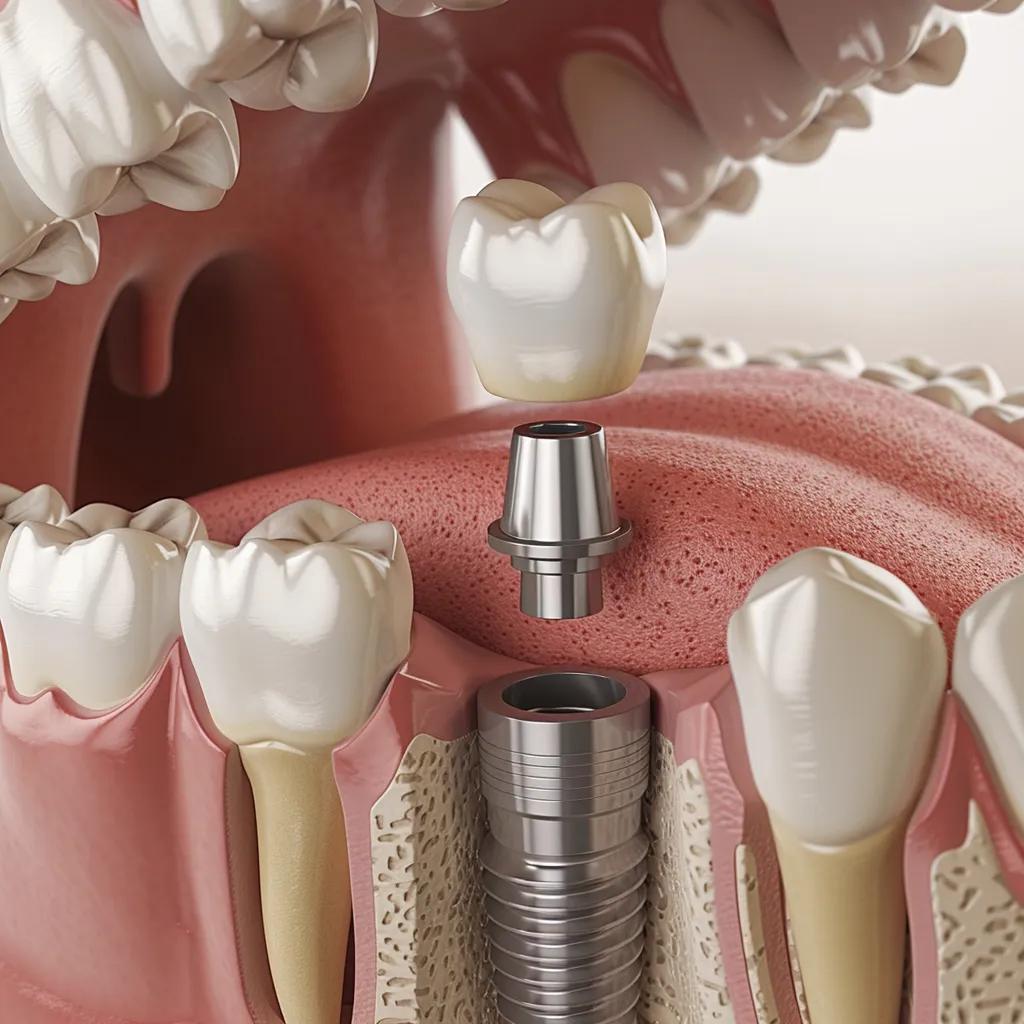
Dental implants are engineered tooth replacements composed of an implanted fixture (the post), an abutment that connects components, and a prosthetic crown or bridge that restores chewing and aesthetics. The implant post is embedded into the jawbone, where a biological process called osseointegration fuses bone to the implant surface, creating mechanical stability and long-term anchorage similar to a natural tooth root. This combination of a biocompatible fixture and a fixed prosthetic produces predictable function, excellent chewing efficiency, and high long-term retention when compared with removable options. Understanding implants begins with their components and the physiology of bone integration, which together explain why implants are widely considered the most durable tooth-replacement option. The next subsection describes osseointegration in detail and explains the clinical timeline that determines implant success and longevity.
What Is the Osseointegration Process and Why Does It Matter for Implant Longevity?
Osseointegration is the direct structural and functional connection between living bone and the surface of a load-bearing implant, and it is the fundamental mechanism that allows implants to function like natural tooth roots. After implant placement, initial stability is followed by a healing window during which osteoblast activity deposits new bone onto the implant surface; clinical stability typically strengthens over weeks to months depending on bone quality and systemic factors. Factors that improve integration include adequate bone density, atraumatic surgical technique, controlled loading protocols, and the absence of smoking or uncontrolled systemic disease, while deficits such as low bone volume or poor oral hygiene raise the risk of failure. Typical integration timelines range from several weeks to a few months, and modern protocols (including staged or immediate loading) adapt timing to individual clinical scenarios. Understanding osseointegration helps patients appreciate why bone health and early postoperative care strongly influence implant longevity and long-term prognosis.
Bioactive Dental Implants: Enhancing Osseointegration and Longevity
Bioactive surface modifications have been proposed to enhance osseointegration and longevity of dental implants. This study aimed to systematically review and perform a meta-analysis on the effectiveness of various bioactive coatings in promoting bone integration and improving implant longevity.
The meta-analysis showed a significant improvement in BIC for surface-modified implants, with an overall MD of 7.29 (95% CI [2.94, 11.65]). Heterogeneity analysis indicated moderate heterogeneity (Tau² = 18.57, Chi² = 16.08, df = 8,P= 0.04, I² = 50%). The test for overall effect yielded Z = 3.28 (P= 0.001). For implant longevity, the overall MD was 7.52 (95% CI [3.18, 11.85]), with moderate heterogeneity (Tau² = 17.28, Chi² = 14.95, df = 8,P= 0.06, I² = 47%). The test for overall effect yielded Z = 3.40 (P= 0.0007).
Bioactive surface changes significantly improved osseointegration and lifespan of dental implants. Collagen-based coatings consistently encouraged early bone integration, while BMP-2 combinations were effective for osseointegration. Optimizing bioactive agent doses and combinations was critical for achieving desired outcomes.
Bioactive surface modifications on dental implants: a systematic review and meta-analysis of osseointegration and longevity, 2024
Which Materials Are Used in Dental Implants and How Do They Affect Durability?
Most dental implants use highly biocompatible materials—primarily titanium alloys and, increasingly, zirconia ceramic—each chosen for specific mechanical and biological properties that affect long-term durability. Titanium alloys are corrosion-resistant, have excellent strength, and have decades of documented clinical success with high survival rates, while zirconia offers a tooth-colored alternative with strong biocompatibility and favorable soft-tissue response for patients with aesthetic concerns. Material choice influences fracture resistance, peri-implant tissue response, and suitability for patients with certain material sensitivities; titanium remains the workhorse for load-bearing posterior restorations while zirconia is selected in select aesthetic or allergy-driven cases. Surface treatments and microtopography also enhance osseointegration by increasing surface area for bone contact, which in turn improves long-term mechanical stability. Choosing the right implant material is a clinical decision that balances durability, aesthetics, and individual patient biology—factors that will be considered alongside maintenance and hygiene to preserve implant longevity.
How Long Do Dentures Last and What Factors Influence Their Lifespan?
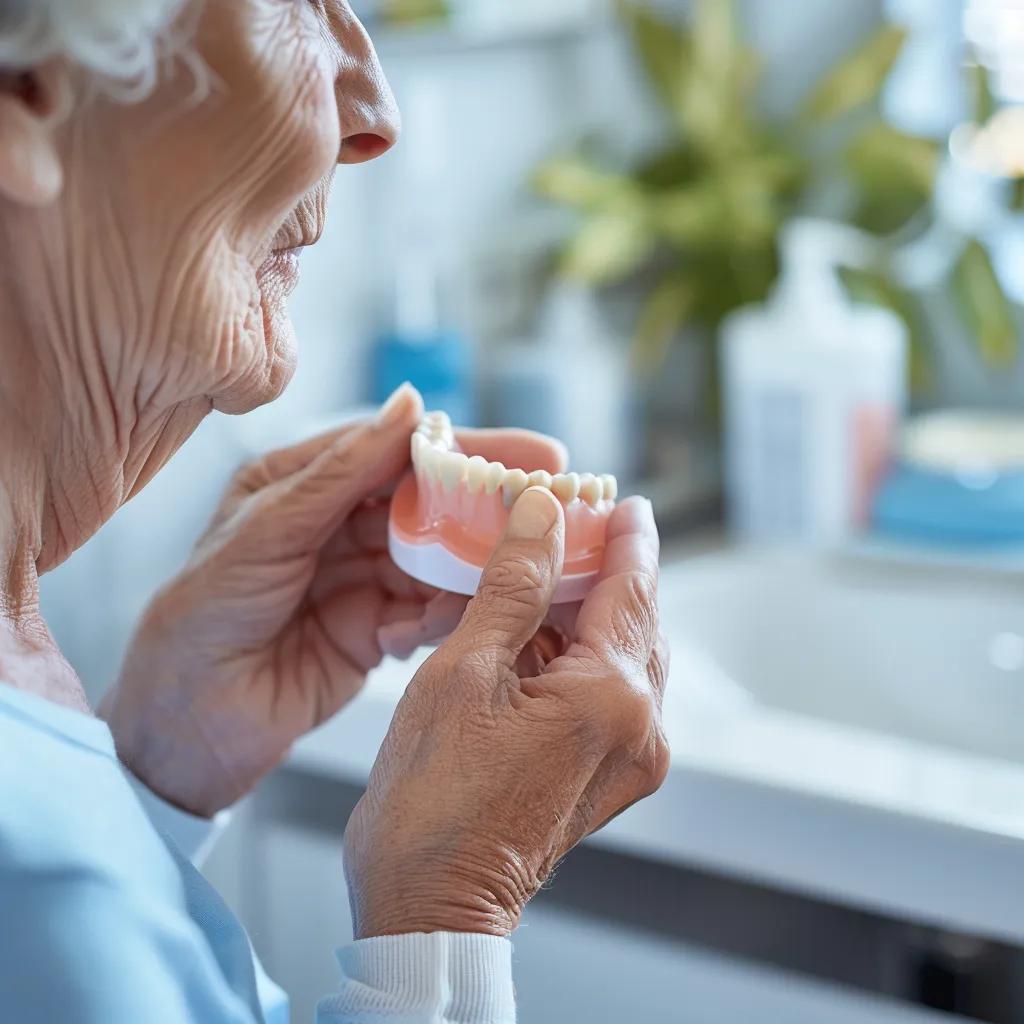
Dentures are removable prostheses that replace missing teeth and surrounding tissues; their longevity depends on prosthesis type, material quality, fit, and the evolving shape of the patient’s jaw. Unlike implants, dentures rest on soft tissues and rely on mechanical retention, adhesives, or implant attachments; because they do not stimulate the jawbone in the same way implants do, progressive bone resorption and tissue changes often lead to fit deterioration over time. Typical clinical experience shows that conventional full or partial dentures require periodic relining, adjustments, or replacement to maintain fit and function, with patient-reported comfort and chewing ability often declining as the underlying bone remodels. Denture lifespan must be considered in the context of maintenance: daily care, timely relines, and avoidance of damaging behaviors (e.g., sleeping with dentures constantly, poor cleaning) prolong usable service. The following subsection differentiates denture types and clarifies how expected durability varies by design and support strategy.
What Are the Different Types of Dentures and Their Expected Durability?
Dentures fall into several categories—complete (full) dentures, removable partial dentures, immediate dentures placed at extraction, and implant-supported overdentures—each with different durability profiles tied to support mechanism and material. Complete and removable partial dentures made from acrylic or porcelain teeth bonded to an acrylic base typically last five to ten years before esthetic wear, base fractures, or fit loss prompt replacement; implant-supported overdentures, anchored by implants, share many functional advantages of implants and generally remain serviceable longer due to improved retention and reduced tissue-borne stress. Immediate dentures provide immediate function but usually require more adjustments and an early reline as healing and bone remodeling progress, while well-designed implant-retained prostheses reduce movement-related wear and the frequency of refittings. Material choice (acrylic vs. higher-cost composites) and fabrication quality also influence fragility and wear resistance, so selecting the appropriate type requires weighing convenience, durability, cost, and the patient’s long-term oral health goals.
How Does Maintenance and Wear Affect Denture Longevity?
Regular maintenance determines how long a denture remains functional and comfortable, because wear patterns, base deformation, and soft-tissue changes accumulate over time and require professional correction. Daily cleaning, overnight soaking when recommended, and avoiding abrasive cleaners extend prosthetic tooth surfaces and reduce staining; professional relining every few years (or sooner if fit declines) restores close adaptation to the soft tissues, while repairs address cracks or broken clasps that would otherwise accelerate failure. Patients who skip routine checks often experience sore spots, reduced chewing function, and an increased risk of residual ridge resorption that accelerates denture destabilization, so scheduled reviews with a clinician help detect early wear and plan relines or rebasing proactively. Clear signs to return for service include persistent looseness, changes in bite, slurred speech, or new sore areas; timely intervention at these points maintains comfort and extends the prosthesis lifespan.
How Do Dental Implants Compare to Dentures in Terms of Longevity and Durability?
Dental implants and dentures occupy different design classes—implants are fixed, osseointegrated prostheses while traditional dentures are removable and tissue-borne—and these differences drive distinct longevity and durability outcomes. Implants, when integrated successfully and properly maintained, offer decades-long service because they anchor directly to bone and transfer functional forces in a physiologic manner, whereas dentures rely on tissue support that changes with age and bone resorption and therefore often require periodic replacement or relining within a predictable timeframe. Durability differences also stem from failure modes: implants may fail primarily from peri-implant disease or mechanical overload, while dentures typically fail due to material wear, fracture, or loss of retention caused by ridge resorption. For many patients, especially those prioritizing long-term stability and jawbone preservation, implants present a more durable long-term solution; the table below summarizes key comparative attributes across longevity, maintenance frequency, bone effects, and typical replacement intervals.
Different prostheses affect lifespan and maintenance in distinct ways; the table below compares core durability attributes for quick reference.
Decades when osseointegrated; component replacements (crowns/abutments) possible every 10–20 years
Routine hygiene visits and periodic prosthetic checks (annual or semiannual)
Conventional Dentures (full/partial removable)
Typically replaced or refitted every 5–10 years due to wear and fit changes
Frequent relines/adjustments; more frequent repairs if dropped or damaged
Implant-Supported Dentures (overdentures)
Longer-term stability than removable dentures; serviceable many years with maintenance
Maintenance of attachments and implant checks; occasional retentive insert replacement
This comparison shows how implants trade higher initial complexity for extended functional longevity, while dentures trade lower initial invasiveness for a needier maintenance profile. The next subsection quantifies lifespan expectations and explores how patient factors produce variance across these averages.
What Are the Average Lifespans of Dental Implants vs. Dentures?
Published survival-rate analyses and clinical registries indicate that dental implants commonly demonstrate high survival rates—often exceeding 90–95% at 5–10 years under favorable conditions—with many implants remaining functional for 15–25 years or more when crowns are maintained and peri-implant health is preserved. Dentures, by contrast, typically require full replacement or significant refurbishment within 5–10 years on average because of wear, changes in fit from bone resorption, and material degradation; implant-supported prostheses generally extend service life beyond conventional dentures by reducing tissue-borne stress and improving retention. Individual factors—smoking, diabetes, bruxism, oral hygiene, and bone quality—can shorten implant survival or accelerate denture deterioration, so quoted averages must be qualified by patient-specific risk profiles. Understanding these statistical trends clarifies why long-term planning and periodic professional follow-up are essential components of any durable tooth-replacement strategy.
How Do Implants and Dentures Differ in Preventing Bone Loss and Preserving Jaw Health?
Implants preserve jawbone by transmitting functional loads into the alveolar bone, which stimulates bone maintenance through normal remodeling processes, while conventional removable dentures lack this root-like stimulation and may accelerate localized resorption by concentrating forces on soft tissues. When teeth are missing, the absence of physiologic load leads to predictable bone volume reduction over time; implants replace that stimulus and thereby reduce the rate of resorption and help preserve facial support and occlusal relationships. Denture wearers often experience progressive ridge flattening and associated aesthetic and functional changes that eventually necessitate relines or new prostheses, whereas implant-retained solutions help maintain bone height and reduce long-term structural changes to the jaw. For patients with inadequate bone volume, adjunctive procedures such as bone grafting can create a suitable foundation for implants, making bone-preserving implant therapy a durable option for long-term oral health.
Dental Implants vs. Dentures: Bone Preservation and Rationale
Natural teeth may maintain more bone than a removable partial denture because the denture may cause basal bone loss. Tooth replacement with implants may preserve intact adjacent natural teeth.
Rationale for dental implants, 2014
What Are the Long-Term Cost Differences Between Dental Implants and Dentures in Dallas?
Evaluating long-term cost requires assessing upfront investment, recurring maintenance, repairs, and replacement cycles, and then projecting these over a 10- to 20-year horizon so patients can compare total cost of ownership rather than only initial fees. Implants typically have a higher upfront cost because of surgical placement, prosthetic components, and possible adjunctive procedures; however, implants usually need fewer full replacements and lower frequency of major repairs, shifting some cost advantage toward implants over multiple decades. Conventional dentures have lower initial expenditures but require more frequent relines, repairs, and eventual replacement, which accumulates over time and can approach or exceed alternative solutions for patients with repeated relines or poor fit complications. For residents of Dallas considering options, Affordable Dentist Near Me of Dallas emphasizes affordability through Everyday Low Fees and offers financing pathways; scheduling a free consult provides a personalized cost estimate based on diagnostic imaging and customized treatment planning.
Treatment Option
Cost Driver
10-year Cost Estimate
Single Implant with Crown
Higher upfront surgery and prosthetic cost; occasional crown replacement
Higher initial investment; lower replacement frequency leading to moderate cumulative cost
Full-arch Dentures (removable)
Lower initial fabrication cost; recurrent relines and replacements
Lower upfront cost but accumulating maintenance leads to moderate cumulative cost over 10 years
Implant-Supported Overdenture
Moderate-to-high initial investment for implants + overdenture; fewer relines
Higher initial cost than removable denture but fewer replacements, better long-term value for many patients
How Does Initial Investment Compare to Lifetime Maintenance Costs?
Upfront implant treatment often looks expensive compared with a conventional denture, but the lifetime maintenance profile differs substantially: implants generally require routine hygiene and occasional prosthetic work, while dentures require relines, rebases, repairs, and more frequent replacements that aggregate over time. When constructing a 10- or 20-year projection, the implant pathway frequently shows lower maintenance-driven spending and fewer unplanned repairs, whereas denture pathways show steady maintenance spikes and periodic replacement costs that can be frequent for some patients. Assumptions in cost models include prosthesis lifespan, frequency of professional relines, and the probability of complication-related repairs; modifying any assumption (for example, a patient who grinds teeth or smokes) changes the projected totals. A personalized consult allows a dentist to estimate these parameters for an individual patient and produce an accurate lifetime-cost comparison tailored to their oral health status.
What Financing and Affordable Options Are Available for Implants and Dentures in Dallas?
Patients commonly use a mix of payment strategies—in-house payment plans, third-party financing, and staged treatment planning—to manage the higher upfront costs of implants while spreading payments over time for budgetary convenience. Many practices also offer promotional or value-based options such as Everyday Low Fees, bundled procedure pricing, and staged treatment to optimize affordability without compromising clinical outcomes. For patients in Dallas seeking tailored financial solutions, scheduling a free consult gives an accurate estimate and explores financing paths that align with personal finances and clinical priorities. Reviewing these options in a structured consult setting helps patients balance immediate affordability with long-term value when choosing between implants and dentures.
What Comfort, Functionality, and Aesthetic Benefits Affect the Longevity Experience of Implants vs. Dentures?
Patient experience—comfort, chewing efficiency, speech clarity, and confidence—shapes perceived longevity because a prosthesis that feels stable and natural is more likely to be maintained properly and used consistently, which in turn supports physical longevity. Implants offer superior stability that closely approximates natural teeth, improving bite force and dietary choices while reducing movement-related sore spots, thereby enhancing long-term satisfaction and reducing the frequency of urgent repairs. Dentures deliver esthetic and functional value quickly and with lower invasiveness, but their shifting fit can produce gradual declines in chewing performance and speech that drive replacement decisions. These subjective outcomes have objective consequences: better function preserves overall nutrition and social well-being, and the clinical durability of a solution is amplified when the patient actively maintains it. The next subsections explore sensation and common disadvantages that inform real-world longevity.
How Do Dental Implants Feel Compared to Natural Teeth?
Dental implants mimic natural teeth in stability and occlusal force distribution because the osseointegrated fixture supports a crown or bridge that transmits functional loads directly into bone rather than soft tissue. Patients often report that implants feel more like natural teeth due to reduced micromovement, improved bite confidence, and the ability to chew a wider variety of foods without fear of slippage or sore spots. Sensory differences remain—implants lack a periodontal ligament and therefore differ slightly in proprioceptive feedback—but the functional gains in force and comfort usually outweigh this subtle sensory distinction for most patients. Over time, the stability and predictable maintenance requirements of implants contribute to a sustained sense of natural function and reduced need for emergency adjustments, which supports long-term prosthesis longevity.
What Are Common Disadvantages of Dentures Over Time?
Dentures can progressively develop issues that undermine comfort and long-term usability, such as loss of retention, sore spots from pressure concentration, reduced chewing efficiency, and speech alterations caused by shifting bases or worn teeth. Material wear and staining degrade aesthetics and occlusal surfaces, and progressive bone resorption can lead to an increasingly unstable fit that requires relines or full replacement. Another common challenge is the maintenance burden—adhesives, nightly cleaning, and frequent professional checks—that some patients find onerous relative to fixed options, and neglect of these tasks accelerates failure. Addressing these disadvantages involves timely relines, careful cleaning, and, when appropriate, transitioning to implant-supported options that reduce tissue-borne stress and increase long-term functional stability.
Prosthetic Component
Clinical Characteristic
Outcome / Patient Experience
Osseointegrated implant post
Direct bone anchorage and load transfer
High stability, improved chewing, fewer sore spots
Mechanical connectors between implants and denture
Improved retention and patient confidence, periodic insert replacement
How Should Seniors and Patients Aged 40-60 Choose Between Implants and Dentures for Long-Term Success?
Patients aged 40–60 face specific considerations—age-related bone changes, evolving medical history, and lifestyle factors such as smoking or diet—that influence the predictability and longevity of tooth-replacement options. Decision-making should begin with diagnostic imaging and bone assessment, evaluation of systemic health factors that affect healing, and a realistic discussion of desired function and aesthetics over decades. A structured checklist helps weigh trade-offs: medical risk profile and bone availability, maintenance willingness, financial planning for upfront versus recurring costs, and personal priorities for chewing comfort or facial support. Many patients in this age range benefit from implants because they preserve bone and provide long-term function, but candidacy depends on individual diagnostics and sometimes pre-implant procedures such as bone grafting. The following subsection details the clinical screening and lifestyle factors most relevant to this demographic.
What Bone Density and Lifestyle Factors Affect Tooth Replacement Longevity in This Age Group?
Bone density and volume are central determinants of implant candidacy and longevity; patients in the 40–60 band can have variable bone status influenced by lifelong factors such as periodontal disease, tooth loss timeline, and systemic conditions like osteoporosis. Diagnostic imaging, such as CBCT, allows clinicians to assess bone width and height and to plan for grafting when necessary; good bone quality reduces complication risk and supports long implant survival. Lifestyle factors—current smoking status, glycemic control in diabetes, alcohol use, and oral hygiene practices—significantly affect healing, osseointegration, and susceptibility to peri-implant disease, so modifying these risks pre-treatment improves long-term outcomes. Patients should discuss these factors openly with their clinician to develop an optimization plan that supports successful, durable tooth replacement.
How Can Patients Maximize the Lifespan of Their Chosen Tooth Replacement?
Longevity for both implants and dentures is maximized through consistent daily care, scheduled professional maintenance, and lifestyle adjustments that reduce risk of complications. For implants, routine plaque control around implant margins, specialized flossing and interdental cleaning, and periodic professional prophylaxis prevent peri-implant inflammation and support long-term stability. For dentures, daily cleaning, avoidance of overnight wear if recommended, and timely relines minimize soft-tissue trauma and preserve fit; patients should return at the first sign of looseness, sore spots, or bite changes. General health optimization—smoking cessation, diabetic control, and nutrient-dense diet—also supports healing and prosthesis longevity, while scheduled follow-ups allow proactive management of wear-related issues before they necessitate full replacement.
Key patient actions to maximize lifespan include:
Follow a daily hygiene routine specific to implants or dentures and attend regular professional cleanings.
Report early signs of looseness, soreness, or changes in fit so clinicians can intervene quickly.
Address systemic risks such as smoking or uncontrolled diabetes before and after treatment to improve outcomes.
Why Choose Affordable Dentist Near Me of Dallas for Your Long-Lasting Tooth Replacement Needs?
Affordable Dentist Near Me of Dallas provides a focused set of services aimed at delivering durable tooth-replacement solutions, including Dental Implants and Dental Dentures, alongside patient-friendly offers designed to lower barriers to care. The practice lists a range of free consultations—Free Dental consultation, Free implants consultation, and Free denture consultation—that allow patients to obtain a professional assessment and tailored plan at no initial cost. Additional value offerings include Everyday Low Fees, a Free Whitening Pen, and Free Laser Whitening with Cleaning, Exam and X-Ray with certain visits, which together create a package of affordability and convenience for Dallas patients evaluating long-term restorative options. For prospective patients ready to take the next step, the primary action message is clear and direct: Get Patient to schedule an appointment for a Free Dental Consult. The practice is located at 14902 Preston Road STE 401 Dallas, Texas 75254 for in-person visits and assessment.
What Free Consultations and Patient Benefits Are Offered for Implants and Dentures?
Affordable Dentist Near Me of Dallas explicitly offers complimentary consult services that help patients understand candidacy, treatment sequencing, and expected timelines without financial commitment, including Free implants consultation and Free denture consultation. During these free consults patients can expect an initial oral exam, diagnostic imaging when indicated (exam and x-ray), a discussion of suitable options, and a clear outline of next steps such as additional diagnostics, treatment sequencing, and financing discussion. The practice’s promotional offers—Free Whitening Pen and Free Laser Whitening with Cleaning—are additional patient benefits that make an initial visit more rewarding while focusing on restorative planning. Scheduling a free consult is the recommended way to obtain a personalized longevity plan and a realistic cost projection tailored to your oral health needs.
What to expect during a free consult: Comprehensive oral exam and diagnostic review including exam and x-ray when appropriate to assess bone and tissue status. Treatment options discussion comparing implants, implant-supported dentures, and removable dentures with clear timelines. Financial and scheduling overview that outlines Affordable Dentist Near Me of Dallas’s Everyday Low Fees and possible financing pathways.
How Do Patient Reviews Reflect the Longevity and Satisfaction of Our Tooth Replacement Services?
Patient feedback commonly highlights themes that map to real-world longevity indicators: long-term comfort, restored chewing function, and perceived value for cost—elements that align with the clinic’s focus on durable restorations and affordable care. Reviews often emphasize improvements in daily function and confidence after implants or implant-supported solutions, and they cite fewer adjustment visits for well-integrated prosthetics, which supports claims about extended service life. Summaries of feedback suggest that patients appreciate the combination of value (Everyday Low Fees) and supportive offers (free consults and promotional whitening) that lower barriers to initiating long-term restorative care. Prospective patients are encouraged to read patient feedback in full and to schedule a free consult to assess how similar outcomes might apply to their clinical situation.
What Are the Most Common Patient Questions About the Longevity of Implants vs. Dentures?
Patients frequently ask a set of concise, high-value questions that target lifespan, bone impact, and cost justification; answering these in short, evidence-aligned statements helps patients form realistic expectations and plan next steps. The FAQ-style answers below distill typical clinical knowledge into actionable guidance and direct readers to schedule a free consult for individualized projections.
Which Lasts Longer: Dental Implants or Dentures?
Dental implants generally last longer than conventional dentures because implants integrate with bone and provide a fixed, load-bearing solution that resists many wear mechanisms common to removable prostheses. Dentures usually require replacement or substantial refurbishment within a 5–10 year window because of material wear and progressive changes in the supporting tissues, while implants often remain functional for decades with appropriate maintenance and healthy peri-implant tissues. Individual results vary with factors such as smoking, systemic health, and oral hygiene—so while implants have superior longevity potential on average, a personalized consult is the best way to determine which option will provide the longest service in a given mouth.
Can Dentures Cause Bone Loss and How Do Implants Prevent It?
Yes—dentures can indirectly accelerate bone resorption because they do not simulate the natural periodontal load-bearing stimulus that preserves alveolar bone; instead, they concentrate forces on the ridge mucosa, which can speed localized bone loss and lead to fit problems. Implants mitigate this process by transferring occlusal forces into the jawbone and stimulating bone remodeling in a physiologic manner, thereby slowing resorption and preserving facial structure over time. For patients concerned about long-term facial support and bone preservation, implant-based solutions offer a biologically protective advantage that contributes to long-term functional and aesthetic stability.
Are Dental Implants Worth the Cost Compared to Dentures?
Implants often justify their higher initial cost through prolonged functional lifespan, superior chewing efficiency, and bone-preserving benefits that reduce later replacement needs and improve quality of life. When evaluating “worth,” patients should weigh financial outlay against expected maintenance, dietary flexibility, aesthetic priorities, and long-term oral health—many find implants cost-effective over multi-decade timelines despite the higher upfront investment. To evaluate cost-effectiveness for an individual case, schedule a Free Dental Consult to receive a personalized estimate, discuss financing, and compare scenarios that reflect your particular oral health status and long-term goals.
Common decision factors to weigh: Functional goals: desire for stable chewing and fewer dietary limitations. Biologic concerns: importance of jawbone preservation and facial support. Financial planning: willingness to invest upfront versus preference for lower initial cost and recurring maintenance.
These concise answers provide actionable guidance, and patients ready to move forward are invited to use the clinic’s complimentary consult offer to generate a tailored plan.