From Comfort to Longevity: Assessing Patient Satisfaction in Dental Implants vs. Other Tooth Replacement Options
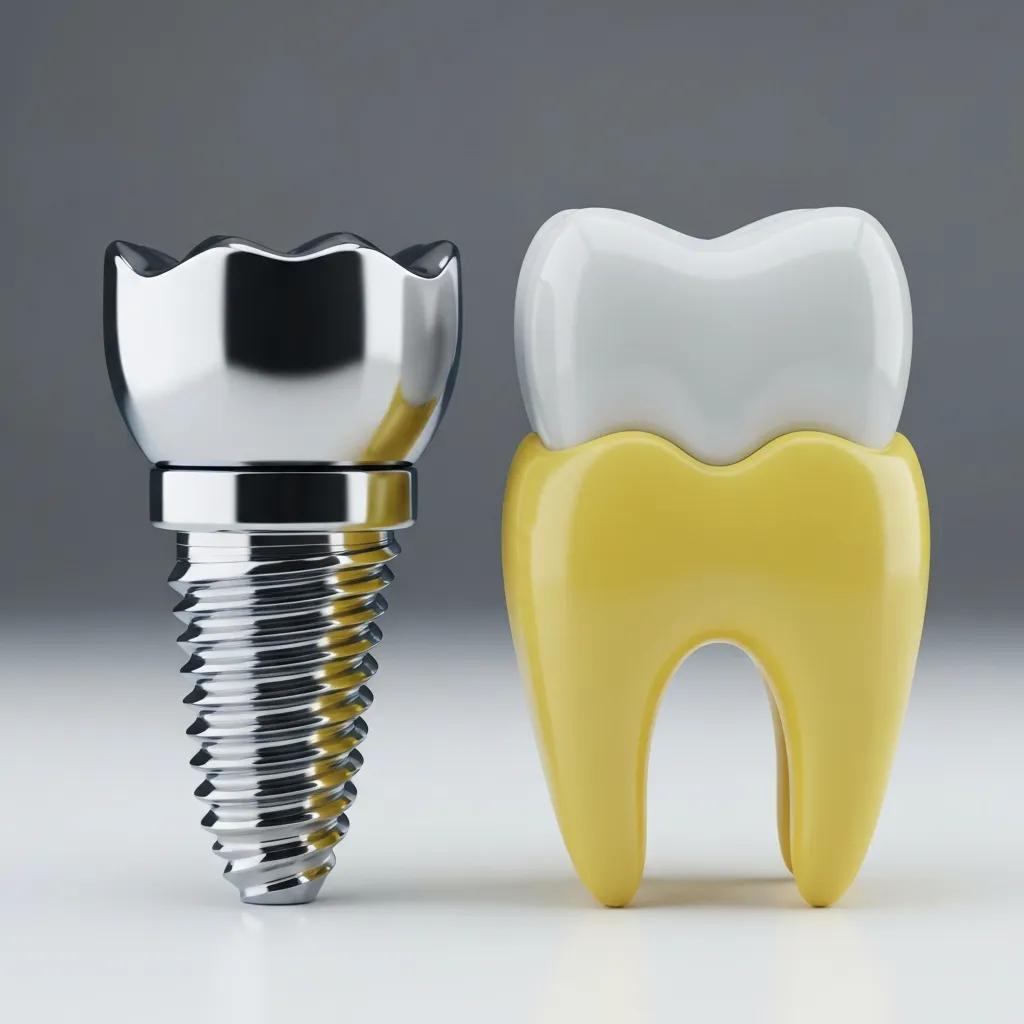
Dental implants are a root-replacement solution that restores missing teeth by anchoring a titanium post into the jawbone, allowing a prosthetic crown to function and feel much like a natural tooth. This article explains how implants compare to other tooth replacement options in terms of comfort, stability, longevity, bone health and overall patient satisfaction, and it maps the decision factors patients in the 40–60 age range commonly face. Many patients weigh immediate comfort against long-term oral health and cost, and understanding the mechanisms behind osseointegration, chewing efficiency, and prosthetic maintenance clarifies why satisfaction diverges across options. We will examine the biological reasons implants often deliver superior outcomes, compare implant-supported overdentures and conventional dentures, contrast implants with fixed bridges, outline alternative choices like partial dentures and Maryland bridges, and walk through the patient journey from consultation to aftercare. Finally, practical sections cover typical costs and financing scenarios and explain how a local practice can support individualized decisions, including a straightforward path to a $79 new patient consultation to evaluate your options.
Why Are Dental Implants Considered the Gold Standard for Patient Satisfaction?
Dental implants are considered the gold standard for many patients because they replace both the visible tooth and its root, enabling osseointegration that stabilizes prosthetic function and preserves jawbone structure. Osseointegration is the biological process in which the titanium implant post fuses with the alveolar bone, providing a stable anchor that restores chewing efficiency and reduces soft-tissue irritation compared with removable prostheses. The result for patients is improved comfort, more natural speech and bite mechanics, and often higher long-term satisfaction because implants minimize the movement and pressure on surrounding gums and adjacent teeth. Recent clinical research and patient-reported outcome studies from 2010–2023 indicate consistently favorable satisfaction profiles for implants across comfort, aesthetics and function, making implants a leading choice for those prioritizing longevity and quality of life. Understanding these mechanisms helps explain why many patients prioritize implant therapy when feasible and how that priority shapes the comparison with alternative tooth replacement options.
Patient Satisfaction with Dental Implants: A Qualitative Study
A diverse cohort of patients treated with dental implants in both anterior and posterior regions of the maxillary and mandibular jaws. Unlike private clinics, where patient flow is more
Patient Satisfaction With Dental Implants in the Upper and Lower Arches Placed in a Tertiary Care Setting: A Qualitative Study, R Suresh, 2025
Dental implants improve perceived naturalness through direct load transfer to bone and reduced mucosal contact, which reduces sore spots and slippage. This biomechanical advantage translates into measurable functional gains, such as higher chewing efficiency and fewer dietary restrictions, and the next subsection explains exactly how osseointegration and prosthetic design restore tactile feedback and function.
How Do Dental Implants Enhance Comfort and Natural Function?
Dental implants enhance comfort and natural function by creating a fixed-to-bone replacement that mimics a natural tooth’s mechanical behavior, reducing soft-tissue movement and providing stable occlusion during chewing. The titanium implant post integrates with bone through osseointegration, which stabilizes the abutment and prosthetic crown so that biting forces distribute into the jawbone rather than compressing the denture-bearing soft tissues. This load transfer restores chewing efficiency and improves tactile feedback compared with removable options, and patients typically report fewer dietary restrictions and improved confidence while speaking and smiling. Because the prosthetic crown attaches to an abutment that is supported by bone, the prosthesis does not move in normal function, substantially decreasing friction-related sore spots and the irritation that commonly arises with removable denture bases. Understanding how this mechanical stability reduces chronic soft-tissue trauma leads naturally into consideration of the long-term bone-preserving effects of implants.
These mechanical and sensory improvements contribute directly to higher patient satisfaction, and they are complemented by long-term oral health benefits which are discussed next.
What Long-Term Benefits Do Dental Implants Offer for Longevity and Bone Health?
Dental implants offer long-term benefits by maintaining alveolar bone volume and reducing the progressive resorption that follows tooth loss, because the implant post stimulates bone through functional loading. Replacing a missing root with a titanium post preserves vertical height and ridge contour compared with pontic-only solutions and removable denture bases that leave bone unstimulated and prone to resorption. The longevity of an implant-supported crown depends on prosthetic wear and peri-implant tissue health, but implants often reduce the need for repeated replacements of entire prostheses, thereby improving lifetime value and continuity of oral function. From the patient perspective, fewer restorative cycles and preserved bone architecture translate into better aesthetics, easier maintenance of hygiene, and lower risk of complicating future reconstructive needs. Recognizing these long-term benefits frames why many clinicians and patients view implants as an investment in both current comfort and future oral health.
To summarize the top implant benefits with supporting evidence, the table below highlights core attributes and the type of supporting evidence available in recent literature.
The primary benefits of dental implants map directly to clinical evidence and patient-reported outcomes.
Benefit / Attribute
Why It Matters
Evidence / Reported Outcome
Comfort & Stability
Fixed prosthesis reduces soft-tissue movement and irritation
High patient-reported comfort and fewer sore spots reported in recent outcome studies (2010–2023)
Longevity
Reduced replacement cycles compared with removable prostheses
Long-term survival and lower cumulative replacement frequency reported in clinical cohorts
Observational and longitudinal studies show less vertical bone loss versus non-root replacement
Function & Chewing Efficiency
Restores bite force and masticatory performance
Improved chewing tests and dietary freedom documented post-restoration
This summary clarifies why implants score highly on patient satisfaction measures: they address mechanical, biological and functional needs simultaneously, which directly influences daily comfort and long-term outcomes.
For patients considering how these implant advantages translate into a local treatment plan, Affordable Dentist Near Me of Tyler (operating as “Dentist in Tyler – Dentures & Dental Implants”) offers experienced implant evaluations and individualized planning to discuss realistic comfort and longevity expectations. If you want to review how implant therapy could fit your anatomy and goals, the practice invites new patients to schedule a $79 NEW PATIENT CONSULTATION to review imaging, discuss likely outcomes and create a personalized plan. This local consultation helps translate general benefits into a patient-specific prognosis and next steps.
How Do Dental Implants Compare to Dentures in Comfort and Stability?
Dental implants and dentures differ fundamentally in foundational support: implants anchor a prosthesis in bone while dentures rest on soft tissue and rely on retention mechanisms, which produces distinct comfort and stability profiles. Implant-supported overdentures and single-tooth implants reduce movement and eliminate the need for denture adhesives in many cases, which improves speech, chewing and social confidence. Conventional full and partial dentures tend to have more soft-tissue contact, greater potential for sore spots, and can accelerate alveolar resorption due to lack of root replacement; this often results in repeated relines and adjustments that affect long-term satisfaction. For patients weighing immediate affordability against functional durability, implant-retained options commonly offer superior day-to-day comfort and fewer functional compromises, especially for those who eat tougher foods or who are sensitive to prosthetic mobility. Understanding these trade-offs helps clarify when a denture remains appropriate and when implant support materially improves the patient experience.
Comparative outcomes also depend on denture fit, expectable maintenance, and prosthetic design, and the next subsection explores specific comfort differences between implant-supported and conventional dentures in practical, patient-centric terms.
What Are the Comfort Differences Between Implant-Supported and Conventional Dentures?
Implant-supported overdentures typically provide better retention and substantially less movement than conventional dentures, which improves comfort during chewing and speaking and reduces mucosal trauma. The stability from two or more implants under an overdenture reduces rocking and displacement, allowing patients to eat firmer foods without the awkward shifting that can cause embarrassment or functional limitation with a conventional denture. Conventional dentures often create pressure points on the mucosa and rely on suction and adhesive for retention, which can cause sore spots and require frequent relining; by contrast, implant-supported designs transfer occlusal forces into bone, minimizing pressure on soft tissues. For many patients, this reduced soft-tissue load and increased predictability of fit enhance confidence in social settings and ease maintenance routines. These practical comfort differences explain why implant-supported options frequently produce higher satisfaction scores across diverse patient groups.
A focused comparison table below shows key comfort and stability attributes across three common approaches.
Before the table, note that the following comparison highlights functional and maintenance differences that most directly affect daily comfort and satisfaction.
Prosthesis Type
Comfort & Stability
Maintenance & Typical Satisfaction
Conventional Denture
Movement-prone, potential sore spots
Regular relines, adhesives; variable satisfaction
Implant-Supported Overdenture
High retention, low movement
Periodic hygiene visits; high satisfaction and improved function
Single-Tooth Implant with Crown
Fixed, natural feel
Routine hygiene like natural teeth; high long-term satisfaction
Implant-supported overdentures can transform a patient’s daily comfort by stabilizing lower-arch prostheses that traditionally rely on soft-tissue support and adhesives. For patients who struggle with denture movement or sore spots, a targeted consultation can evaluate bone suitability and discuss implant-overdenture options during a $79 NEW PATIENT CONSULTATION.
How Do Patient Satisfaction Scores Reflect Stability and Chewing Ability?
Patient satisfaction scores consolidate subjective comfort, chewing function and psychosocial outcomes into measurable indices that help compare prosthetic options across populations. Instruments like oral health-related quality of life measures (e.g., OHIP variants) and specific chewing-efficiency tests capture differences between removable and implant-retained prostheses, typically showing improvements in masticatory performance and social confidence after implant restoration. Higher stability correlates with improved dietary range and fewer compensatory behaviors like avoiding certain foods, which directly influences satisfaction scores. Clinicians interpret these scores alongside functional measures to set realistic expectations: for example, implant-supported restorations often yield larger gains in chewing force and satisfaction than conventional dentures, but individual outcomes depend on bone volume, prosthetic design and patient hygiene. Understanding how quantitative scores relate to daily function helps patients focus on the outcomes that matter most to them—comfort, diet, speech and long-term maintenance.
Interpreting satisfaction metrics in your own context is best done alongside imaging and a functional exam, which a targeted consultation can provide.
What Are the Longevity and Health Advantages of Dental Implants Over Dental Bridges?
Dental implants and fixed bridges both restore missing teeth functionally and aesthetically, but they differ in how they interact with adjacent teeth and alveolar bone, producing different longevity and health profiles. A fixed bridge replaces a missing tooth by creating a pontic supported by abutment crowns on neighboring teeth, which requires preparation of healthy tooth structure and can increase the long-term risk to those adjacent teeth through secondary caries or endodontic issues. Implants, in contrast, replace the root and preserve adjacent tooth integrity by avoiding preparation, thereby sparing neighboring teeth from restorative stress. From an oral health perspective, implants better maintain ridge volume and minimize the cascade of tissue loss that can complicate later restorative options, contributing to longer-term stability and lower cumulative intervention frequency. These differences make implants a preferred option when preserving adjacent teeth and bone is a priority, particularly for patients focused on durable outcomes and minimizing future restorative burdens.
10-Year Patient Satisfaction and Quality of Life After Dental Implants
Patients’ satisfaction also plays a very important role in daily practice. Therefore, the aim of this study was to assess patients’ satisfaction regarding function (phonetics, chewing comfort, stability, cleanability) and aesthetics in patients treated with XiVE and Frialite implants in a private periodontal practice ten years after implant placement. Furthermore, oral health-related quality of life (OHRQoL) was evaluated.
Patient satisfaction and oral health-related quality of life 10 years after implant placement, D Bäumer, 2021
Understanding how implants and bridges affect bone and adjacent teeth clarifies clinical decision-making, and the following subsection explains the bone-preserving mechanisms in more detail.
How Do Dental Implants Prevent Bone Loss Compared to Bridges?
Dental implants prevent bone loss by substituting for the natural tooth root and transmitting functional loading into bone, which maintains osteogenic signaling and alveolar ridge volume. The implant post provides direct mechanical stimulation through mastication, and this load-induced remodeling preserves trabecular and cortical bone compared with pontic-only solutions that leave the alveolus unsupported. A bridge’s pontic sits above the ridge without replacing root function, and while it restores occlusion, it does not prevent the disuse-driven resorption that follows extraction. Over time, this progressive resorption can alter ridge contours and complicate future prosthetic options, whereas implants help maintain ridge height and width, facilitating predictable long-term outcomes. Appreciating this biological distinction can guide patients who prioritize long-term jaw stability and the avoidance of additional bone augmentation procedures in the future.
These bone-preserving advantages influence decisions about whether to choose implant therapy now or accept a bridge with potential trade-offs later.
What Are the Durability and Maintenance Differences Between Implants and Bridges?
Durability and maintenance vary between implants and bridges: implants require ongoing hygiene and peri-implant tissue care but avoid the recurrent crown replacement and adjacent-tooth complications sometimes associated with bridges. Bridges may have predictable lifespans depending on the health of abutment teeth and cementation integrity, and they can fail due to secondary caries under abutments or debonding, which may necessitate replacement or conversion to an implant-based solution. Implants can develop peri-implantitis if hygiene is inadequate, and they require regular monitoring for tissue health; however, when maintained properly, implant-supported crowns often provide long-term stability with fewer interventions affecting adjacent teeth. Patients who value the preservation of natural neighboring teeth must weigh the potential need for future re-treatment of abutment teeth against the implant’s requirement for meticulous hygiene and periodic professional maintenance. Evaluating these trade-offs with a clinician helps match treatment choice to patient priorities and capacity for long-term oral care.
A clear maintenance plan and realistic durability expectations are essential to achieving high satisfaction regardless of the restorative path chosen.
What Are the Alternative Tooth Replacement Options Besides Dental Implants?
Several alternatives to dental implants exist for restoring missing teeth, and each has distinct indications, advantages and limitations that influence patient comfort, cost and longevity. Partial dentures (removable partials) restore multiple missing teeth without extensive surgery and are useful when budget or bone volume limits implant candidacy. Maryland bridges (resin-bonded bridges) conserve adjacent tooth structure by using metal or fiber wings bonded to enamel, making them suitable for smaller space replacements where minimal preparation is preferable. Mini dental implants provide a lower-diameter implant option for limited bone scenarios or denture stabilization, often with less invasive surgery, although they may have narrower indications than standard implants. Understanding the clinical scenarios in which these alternatives are appropriate helps patients and clinicians select solutions that balance immediate needs, affordability and long-term oral health.
To clarify appropriate use cases, the next subsection pairs patient profiles with recommended alternatives and contraindications.
When Are Partial Dentures, Maryland Bridges, or Mini Implants Recommended?
Partial dentures are recommended when multiple teeth are missing and the patient seeks a non-surgical, cost-conscious solution that can be fabricated and adjusted relatively quickly. Maryland bridges suit patients with healthy adjacent teeth and small edentulous spans where conserving tooth structure is a priority and occlusal loads are favorable; they are less suitable in high-bite-force areas or where enamel bonding is compromised. Mini implants are often recommended when reduced bone volume precludes standard implants or when a minimally invasive approach is preferred to stabilize a denture; however, they may not replace the strength of standard implants for single-tooth restorations in high-load zones. Each alternative carries trade-offs—partial dentures may compromise comfort and speech, Maryland bridges may have longevity limits depending on bonding durability, and mini implants may require careful case selection—so matching the option to patient anatomy, function needs and financial constraints is crucial for satisfaction. These considerations guide realistic expectation-setting during consultation.
After evaluating when each option is appropriate, it helps to compare their pros and cons directly against implants for clearer decision-making.
What Are the Pros and Cons of These Alternatives Compared to Implants?
When comparing alternatives to implants, the central trade-offs involve affordability and non-surgical convenience versus long-term function and bone preservation. Partial dentures offer lower upfront costs and reversibility, but they commonly provide less comfort and stability than implant-retained prostheses, and they may require more frequent maintenance and relining. Maryland bridges conserve adjacent tooth structure compared to full-coverage bridges, yet they can be prone to debonding under high functional loads and do not replace root function for bone preservation. Mini implants reduce surgical invasiveness and can stabilize dentures effectively, but they may not deliver the same long-term load-bearing capacity as standard-diameter implants in all cases. These contrasts create a spectrum of choices: non-surgical solutions prioritize lower immediate cost and reduced invasiveness, while implant-based options prioritize long-term durability and oral health preservation. Patients should weigh these pros and cons with an emphasis on the outcomes they value most—comfort, longevity, bone health or initial expense.
A concise pros/cons list helps summarize these trade-offs for quick reference.
Partial dentures: cost-effective and reversible but less stable and may reduce comfort.
Maryland bridges: conservative preparation but possible debonding and no bone stimulation.
Mini implants: minimally invasive and can stabilize dentures but may have limited load tolerance.
These comparisons allow patients to quantify the practical implications of each alternative against implant therapy when planning treatment.
How Does the Patient Journey Impact Satisfaction with Dental Implants and Other Options?
The patient journey—from consultation and diagnostics through surgery, restoration and aftercare—shapes satisfaction because each phase influences comfort, expectations and functional outcomes. A thorough consultation defines the problem, reviews diagnostic imaging and outlines realistic timelines, which reduces uncertainty and aligns patient expectations with likely results. The surgical and restorative stages require clear communication about anesthesia or sedation options, healing timelines and interim prosthetic solutions to manage daily life. Post-operative care, maintenance routines and timely professional follow-up minimize complications like peri-implantitis or denture adjustments and support sustained satisfaction. Addressing anxiety management and providing a supportive, spa-like environment during visits can significantly improve perceived comfort and overall experience, which in turn enhances adherence to aftercare and long-term outcomes. Recognizing that satisfaction is not only a product outcome but also a process outcome underscores the importance of a coherent patient journey.
To make that journey concrete, the following subsection outlines what patients should expect during consultation and procedure steps.
What Should Patients Expect During Consultation and Procedure Steps?
During consultation, patients should expect a comprehensive review that includes medical history, oral examination and diagnostic imaging to assess bone volume, adjacent tooth health and occlusal relationships. The clinician will explain treatment options, recommend a staged plan if necessary (e.g., bone grafting prior to implant placement), and discuss timelines for surgical placement, osseointegration and final restoration. If implants are pursued, the surgical stage involves placing the titanium implant post under local anesthesia with optional sedation, followed by a healing period that allows osseointegration before the abutment and definitive crown or overdenture is attached. Patients commonly receive interim prosthetics or temporary restorations during healing to maintain aesthetics and function, and clear instructions on oral hygiene, diet and follow-up appointments are provided to optimize outcomes. A checklist of questions to ask during consult—bone graft needs, expected timeline, sedation options and maintenance requirements—helps patients leave the first visit with a clear roadmap and realistic expectations.
Preparing a timeline and checklist improves readiness for procedure steps and helps reduce anxiety, which the next subsection addresses.
How Do Healing, Aftercare, and Anxiety Management Affect Comfort?
Healing, aftercare and anxiety management profoundly affect perceived comfort and satisfaction because both physical recovery and psychological experience shape how patients interpret outcomes. Proper wound care, adherence to temporary diet restrictions, and regular professional hygiene visits reduce infection risk and support stable peri-implant tissues; conversely, inadequate aftercare can lead to complications that negatively influence satisfaction. Anxiety management strategies—such as clear pre-op education, relaxation techniques, and sedation dentistry when appropriate—reduce perioperative stress and improve tolerance of surgical steps, which often enhances the subjective comfort reported by patients. A spa-like environment and patient-focused staff interactions can further lower procedural anxiety and encourage follow-through on maintenance routines that protect long-term outcomes. Prioritizing both clinical aftercare and emotional comfort forms a holistic approach that supports superior patient experiences and durable results.
Practical checklists and supportive care protocols bridge clinical treatment to favorable patient-reported satisfaction.
Pre-op checklist: medical history review, medications, imaging confirmation.
These actionable items improve healing trajectories and reduce the incidence of preventable complications, thereby boosting long-term satisfaction.
How Can Affordable Dentist Near Me of Tyler Help You Achieve Long-Term Satisfaction?
Affordable Dentist Near Me of Tyler (operating as “Dentist in Tyler – Dentures & Dental Implants”) provides comprehensive implant and denture services and positions itself as a one-stop shop for restorative and cosmetic dental needs. The practice emphasizes patient comfort with a relaxing, spa-like environment and an education-based care approach that helps patients understand the mechanics and expected outcomes of each option. To make consultations accessible, they offer a $79 NEW PATIENT CONSULTATION designed to evaluate implant candidacy, review imaging and outline a personalized treatment plan. The office accepts most PPO insurance plans and provides affordable payment options to reduce financial barriers, and their service lineup includes dentures, dental implants, cosmetic dentistry, emergency dental care, teeth whitening, root canals and family dentistry to support ongoing oral health needs. This combination of clinical scope, patient-centered amenities and transparent consult pricing aims to reduce friction during the decision process and improve the likelihood of long-term satisfaction.
Ready to take the next step in your dental health journey? You can easily schedule an appointment online to discuss your needs and explore treatment options with our team.
The following subsection describes patient-centered care features and how they relate to better outcomes in practice.
What Makes Our Patient-Centered Care and Spa-Like Environment Unique?
Our patient-centered care integrates comfort-oriented amenities, staff training focused on empathy and clear education about each step of treatment to reduce anxiety and improve adherence to aftercare instructions. The relaxing, spa-like environment lowers stress before procedures, which can enhance procedural tolerance and postoperative perceptions of comfort, while education-based care ensures patients understand osseointegration, maintenance needs, and realistic timelines for longevity. This emphasis on environment and education supports better hygiene compliance and follow-up attendance, both of which are critical for preventing complications such as peri-implantitis and ensuring durable outcomes. A coordinated, one-stop approach to restorative and cosmetic needs simplifies scheduling and helps maintain continuity of care, which contributes to higher long-term satisfaction. These practice features convert clinical advantages into a more positive patient experience from initial consult through maintenance.
Clarifying the role of financial support and accessibility helps patients feel equipped to take the next step, as explained below.
How Do Our Affordable Payment Plans and Free Consultations Support Your Decision?
Affordable Dentist Near Me of Tyler accepts most PPO insurance plans and provides affordable payment options to help patients manage treatment costs without sacrificing quality or continuity of care. The $79 NEW PATIENT CONSULTATION offer reduces the initial barrier to evaluation, enabling prospective patients to obtain diagnostic imaging and a professional treatment plan without a large upfront commitment; this consult helps clarify whether implant therapy, an overdenture or another option best aligns with a patient’s goals and finances. Flexible payment plans and in-house financing allow patients to spread costs over time while maintaining access to restorative care that supports long-term oral health, and accepting PPO plans makes routine follow-up and preventive visits easier to manage. Clear, upfront financial discussions during the consult reduce uncertainty and improve decision confidence, which in turn increases the likelihood of adherence and satisfaction with chosen treatments.
Providing accessible consult pricing and insurance acceptance aligns financial feasibility with clinical excellence and fosters sustained patient engagement.
What Are the Typical Costs and Financing Options for Dental Implants vs. Other Tooth Replacements?
Cost comparisons between implants, bridges and dentures are often framed in relative terms because individual needs—bone grafting, number of implants, prosthetic materials and geographic factors—affect final pricing. Implants generally represent a higher initial investment than conventional dentures or resin-bonded bridges, but their longer service life and potential to avoid future replacements or adjacent-tooth treatment can improve long-term value. Financing considerations include PPO insurance participation, pre-authorization requirements, and the availability of in-house payment plans or third-party lenders that allow monthly payments. Presenting cost in relative tiers helps patients see how upfront expense translates into long-term outcomes: lower initial cost may mean shorter-term solution with more maintenance, while higher initial investment in implants can reduce cumulative interventions and preserve bone, supporting functional longevity. Transparency about these financial trade-offs during a consult helps patients choose the option that best fits both their goals and their budget.
The following table summarizes comparative cost tiers and financing considerations without committing to fixed price points, emphasizing how financing and insurance alter out-of-pocket burden.
Below is a comparative outline showing typical relative cost ranges and financing implications for common restorative options.
Restoration Type
Typical Cost Range
Financing / Insurance Considerations
Dental Implants (single-tooth or implant-supported overdenture)
Higher initial investment
Often financed via payment plans; some PPO plans may cover portions such as imaging or prosthetics
Fixed Bridge (traditional)
Moderate initial investment
May be partially covered by PPOs for crowns; adjacent-tooth risk can add future costs
Conventional Denture
Lower initial investment
Typically the most affordable upfront; PPO coverage commonly applies to partials/full dentures
How Does Insurance Coverage Affect Affordability for Implants and Dentures?
Insurance coverage for implants and dentures varies by plan, but PPO insurance plans frequently cover portions of restorative care such as imaging, preparatory procedures and prosthetic components while implant-specific coverage can differ in extent. Patients should ask about pre-authorization, lifetime maximums and whether the plan treats implants as a prosthetic covered under major services or as an excluded cosmetic option; these distinctions influence out-of-pocket responsibility. For many patients, combining PPO benefits with in-house or third-party financing bridges the gap between clinical recommendation and financial feasibility, and a consult that generates a treatment estimate clarifies coverage expectations. Understanding insurance nuances during the planning stage reduces surprise costs and supports better alignment between clinical recommendations and personal budgets, which contributes to satisfaction with both the process and the outcome.
A focused conversation about coverage at the time of consultation helps patients assess affordability realistically.
What Flexible Payment Plans Are Available for Long-Term Dental Care?
Flexible payment options commonly include in-house financing that allows staged payments across treatment phases, third-party lenders offering low-interest monthly plans, and coordinated billing that applies PPO benefits to eligible components of care. Example approaches include dividing implant therapy into diagnostic, surgical and restorative phases so that each step can be billed and financed separately, or applying payment plans that begin after the initial $79 consultation to allow planning time. Patients evaluating financing options should compare interest rates, repayment terms and any deferred-payment promotions to determine total cost implications and choose a plan that aligns with their cashflow and long-term oral health priorities. Clear financial counseling during the consult reduces stress and ensures that treatment choices reflect both clinical needs and sustainable payment arrangements.
Summarizing financing alternatives in a clear list aids decision-making and prepares patients for productive financial discussions.
In-house payment plans: staged billing and lower administrative friction.
Third-party lenders: fixed monthly payments with transparent terms.
PPO coordination: apply benefits to eligible procedures to reduce upfront costs.
These options, combined with a clear treatment estimate, make long-term restorative care more accessible and support adherence to comprehensive care plans.
What Are the Most Common Patient Questions About Dental Implants vs. Other Options?
Patients commonly ask whether implants are more comfortable than dentures, how long implants last compared with bridges and dentures, and what recovery and maintenance will entail; concise answers that pair direct statements with brief rationale help capture featured snippets and guide decision-ready readers. Addressing these high-frequency questions directly—while offering a pathway to an individualized consult—reduces decision friction and encourages patients to pursue assessments informed by their anatomy and lifestyle. The following subsections provide short, authoritative answers followed by practical guidance for next steps and reference to the consult option for personalized evaluation.
Are Dental Implants More Comfortable Than Dentures?
Yes—dental implants are generally more comfortable than conventional dentures because they provide fixed, bone-anchored support that minimizes movement, pressure on soft tissues and sore spots. The mechanism—osseointegration of a titanium implant post—creates stability that restores chewing and speech function with reduced mucosal contact compared with denture bases, and patients commonly report improved confidence and dietary freedom after switching to implant-supported restorations. Comfort also depends on proper planning and prosthetic design, and adequate bone volume and oral hygiene are essential to maintain peri-implant health and avoid complications that would undermine comfort. For patients considering a transition from dentures to implant-supported solutions, a targeted evaluation during a $79 NEW PATIENT CONSULTATION can determine candidacy and outline expected comfort improvements.
This direct answer and rationale clarify why many patients experiencing denture-related discomfort pursue implant-based stabilization.
How Long Do Dental Implants Last Compared to Bridges and Dentures?
Dental implants can offer long-term stability that often exceeds the lifespan of bridges and conventional dentures when maintained with good hygiene and regular professional care, although longevity depends on individual health, prosthetic materials and maintenance practices. Implants replace root function and can preserve bone, reducing the need for frequent full-prosthesis replacement cycles that are more common with dentures; bridges may require replacement or re-treatment if abutment teeth develop problems over time. Factors that influence implant longevity include peri-implant tissue health, systemic conditions affecting bone and patient adherence to maintenance protocols; similarly, bridges and dentures have failure modes such as secondary caries, debonding or fit deterioration. Discussing realistic longevity expectations in a consult allows patients to compare lifetime costs and functional outcomes and choose the approach that best matches their priorities.
Correcting Peri-Implant Defects for High Patient Satisfaction
This report demonstrates the possibility of correcting peri‑implant soft tissue defects along with high patient satisfaction through a combined mucogingival and prosthetic treatment
The journey is long, but we have started…, S Kulkarni, 2024
A patient-specific longevity estimate is best derived from clinical assessment, which is the focus of a new-patient consultation.
Key takeaway: Implants prioritize long-term function and bone preservation.
Bridge trade-off: Less invasive initially but can impact adjacent teeth long-term.
Denture reality: Lower upfront cost but often more maintenance and replacements.
This summary helps readers weigh durability and maintenance when comparing restorative pathways.