Exploring Alternatives: How to Assess if Dental Implants Are Right for You
Missing or failing teeth change how you eat, speak, and present yourself, and deciding whether dental implants are the right solution requires both clinical facts and personal priorities. This guide explains what dental implants are, how they work biologically, who typically qualifies, and how implants compare with bridges, dentures, and mini implants so you can weigh trade-offs confidently. You will also find a candidacy checklist, clear comparisons of longevity and cost, step-by-step expectations for the procedure, and practical financing options so you can plan next steps. After laying out the clinical criteria and alternatives, the article shows how a local Denton clinic approaches evaluation and offers an early next-step opportunity. Get Dental Patients to schedule a free consult is available as an explicit booking prompt within this article so that readers who are ready can act on an informed decision. Read on to learn the factors that determine suitability, the concrete benefits of implants, when alternatives are preferable, and what to expect from diagnostics and treatment planning.
What Are Dental Implants and How Do They Work?
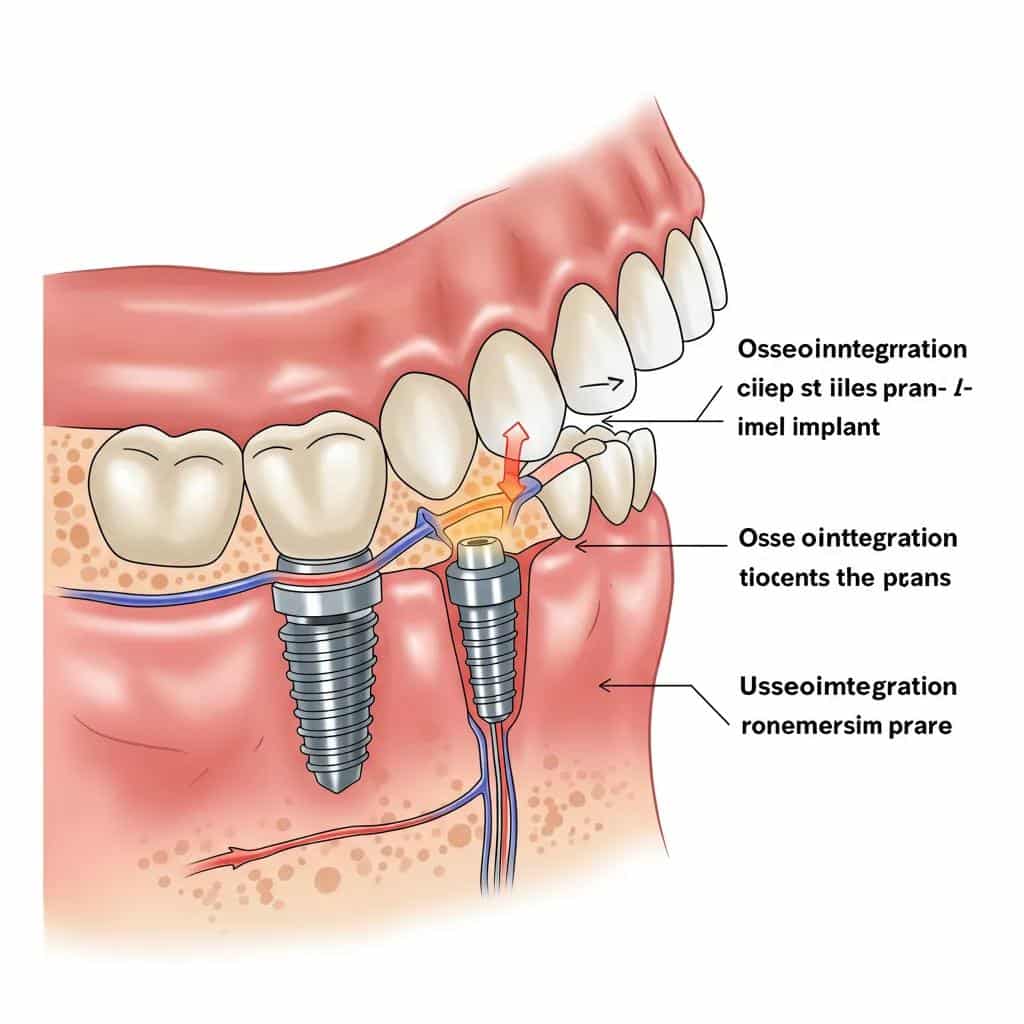
Dental implants are engineered tooth replacements consisting of a sub-gingival post, a connecting abutment, and a visible prosthetic crown that together restore function and form. The implant post (commonly titanium or zirconia) is placed into the jawbone where it acts as an artificial root; through osseointegration the bone grows tightly to the post, creating a stable anchor that supports chewing forces like a natural tooth. Implants differ from removable options because they replace root structure and thereby preserve bone volume over time, which reduces the long-term risk of facial collapse and changes to bite alignment. Understanding these biological mechanisms clarifies why implants are often recommended for patients seeking a durable, natural-feeling restoration. The next subsections break down the components, the osseointegration timeline, and the main patient-facing benefits that make implants a compelling long-term option.
What Are the Key Components of a Dental Implant?
A dental implant system typically includes three functional components: the implant post, the abutment, and the crown. The implant post is the root substitute placed into the jawbone and is most often made from titanium because of its high success rates with osseointegration; zirconia posts are an alternative for patients preferring metal-free options. The abutment connects the post to the crown and provides the shaped platform for the final prosthesis, while the crown is the visible tooth restoration crafted for fit, color and occlusion. Materials and component design affect durability, aesthetics, and long-term peri-implant health, so material selection is an important part of treatment planning. Choosing the right components depends on patient priorities—strength and proven osseointegration for titanium, or aesthetics and biocompatibility considerations for zirconia—and this trade-off is evaluated during the diagnostic phase.
How Does Osseointegration Support Implant Success?
Osseointegration is the biological process by which living bone bonds directly to the surface of the implant post, producing a rigid, load-bearing union that mimics a natural tooth root. The timeline for reliable osseointegration generally spans weeks to several months depending on bone quality, the implant site, and whether bone grafting was required; early mechanical stability is followed by gradual biological integration that can reach clinical success rates above 90–95% in suitable patients. Factors such as adequate jawbone density, controlled systemic conditions, non-smoking, and careful surgical technique all increase the likelihood of successful osseointegration. Recognizing the timeline and risk factors helps patients set realistic expectations about healing and restorative sequencing, which naturally leads to examining who qualifies for implants and what can be done when candidacy is not immediate.
What Are the Main Benefits of Dental Implants?
Dental implants restore chewing function, improve speech, and deliver a natural aesthetic because they replicate both root and crown, unlike removable replacements that sit on the gums. Implants also help preserve jawbone by transmitting functional loading to bone, reducing the resorption that commonly follows tooth loss and helping maintain facial structure and bite alignment over the long term. For patients in the 40–60 age range who value stability and longevity, implants can be cost-effective over time because they reduce the need for frequent replacement and protect surrounding dentition. These advantages make implants a strong option for medically suitable patients who seek a durable, low-maintenance replacement that supports oral health and quality of life; next we’ll examine candidacy criteria so you can determine whether implants are feasible now or after preparatory care.
Am I a Candidate for Dental Implants? Key Factors to Consider
Determining candidacy centers on oral and systemic health, jawbone quantity and quality, lifestyle factors, and the patient’s willingness to commit to long-term maintenance. A comprehensive candidacy assessment typically includes a clinical exam, periodontal evaluation, and CBCT imaging to measure bone volume and proximity to anatomical structures; medical history is reviewed for conditions or medications that could affect healing. When deficits exist—such as insufficient bone or active gum disease—remediation like bone grafting or periodontal therapy can frequently restore eligibility, though these steps add time and cost to the treatment plan. Below is an organized EAV-style table that clarifies major candidacy attributes, typical remediation, and realistic timelines to help you assess whether implants are a near-term option.
Attribute
Diagnostic Threshold
Typical Remediation / Timeline
Bone Height & Width
CBCT-based measurement for implant diameter and length
Denser bone improves initial fixation; lower density may require staged approach
Ridge Morphology
Width less than implant diameter
Ridge augmentation or use of narrow/mini implants depending on case
Bone, gum health, systemic conditions, lifestyle, and hygiene expectations are interconnected and influence both surgical risk and long-term implant survival. The subsequent H3 subsections explain bone considerations, periodontal requirements, systemic and lifestyle influences, and why ongoing oral hygiene is essential for implant longevity.
How Does Jawbone Density Affect Implant Eligibility?
Jawbone density and volume determine whether an implant post can be securely placed and are measured with three-dimensional imaging to assess height, width, and angulation. When the ridge lacks sufficient bone, options include particulate grafts, block grafts, or guided bone regeneration to rebuild volume; healing after grafting typically requires several months before implant placement is advisable, with timelines shaped by graft type and patient biology. Mini implants may be an alternative in narrow ridges where full-size implants are not feasible, but they provide different stability and longevity characteristics that must be weighed carefully. Evaluating bone objectively enables a predictable plan—either direct implant placement or staged graft-and-implant sequencing—so patients can understand trade-offs in time, cost, and outcomes.
What Role Does Gum and Oral Health Play in Candidacy?
Healthy periodontal tissues are essential because active gum disease increases the risk of peri-implantitis and implant failure; therefore, any infection or chronic inflammation should be treated before implant placement. Typical pre-implant periodontal care ranges from deep cleanings (scaling and root planing) to localized surgical periodontal therapy if pockets or bone loss are present, with subsequent re-evaluation to ensure stability before proceeding. After implants are placed, meticulous soft-tissue health and regular professional maintenance dramatically reduce the incidence of inflammatory complications around implants. Ensuring gum health before surgery supports predictable osseointegration and long-term success, which leads naturally to assessing systemic health and lifestyle factors that also affect outcomes.
How Do Overall Health and Lifestyle Impact Implant Suitability?
Systemic conditions such as uncontrolled diabetes, immunocompromise, or certain medications can impair wound healing and osseointegration, so medical management and collaboration with a physician may be necessary before surgery. Smoking is a notable lifestyle factor because it reduces blood flow and healing capacity, increasing implant failure risk; cessation before and after implant surgery is strongly recommended to improve outcomes. Age alone is rarely a disqualifier—rather, metabolic control, bone health, and overall healing capacity are decisive—so individualized medical assessment is essential. Practical steps like optimizing glycemic control, adjusting medications when possible, and committing to smoking cessation can convert marginal candidates into good candidates over time.
Why Is Commitment to Oral Hygiene Essential for Implant Success?
Daily home care and routine professional maintenance are required to prevent biofilm accumulation that can lead to peri-implant mucositis and peri-implantitis, conditions that jeopardize implant stability. A realistic daily hygiene routine includes twice-daily brushing with a non-abrasive brush, interdental cleaning around implants, and occasional antimicrobial rinses when indicated; professional maintenance commonly occurs every 3–6 months depending on risk profile. Patients who accept these responsibilities enjoy higher implant survival rates and fewer complications, while inconsistent care increases the likelihood of costly salvage procedures. Establishing maintenance expectations up front supports both patient decision-making and long-term oral health, and prepares patients for the procedural steps that follow in treatment planning.
What Are the Best Alternatives to Dental Implants?
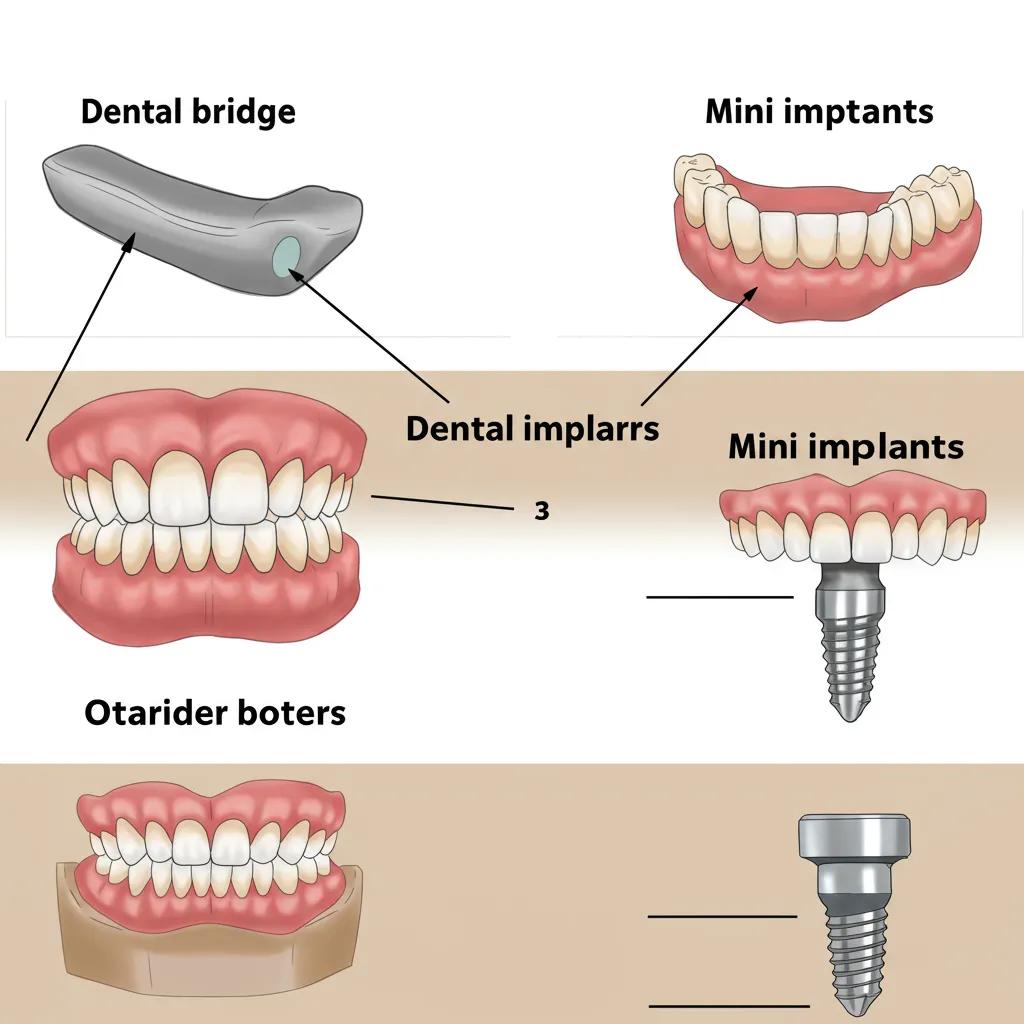
When implants are not feasible immediately, or when patients prefer a different approach, the primary alternatives include dental bridges, removable partial or full dentures, and mini implants that can stabilize dentures. Each alternative has trade-offs in invasiveness, cost, maintenance, and impact on surrounding teeth and bone, so matching the option to patient priorities and anatomical constraints is critical. Bridges provide fixed replacement for short spans but depend on adjacent teeth for support and do not prevent bone loss in the edentulous area. Dentures are less invasive and typically lower cost upfront, but they can accelerate bone resorption and often require adaptation for fit and function. Mini implants can be a minimally invasive stabilizing option for denture retention but offer different longevity and loading characteristics compared to standard implants. The following subsections compare bridges, dentures, and mini implants to help you weigh which alternative fits your needs.
How Do Dental Bridges Compare to Implants?
A dental bridge replaces missing teeth by using crowns on adjacent teeth as anchors, creating a fixed restoration that restores chewing and aesthetics without placing implants in the bone. Bridges are advantageous when adjacent teeth already need crowns or when bone preservation is not a primary concern, but they require preparation of healthy neighboring teeth and do not stimulate the underlying bone, allowing resorption to continue. Lifespan for bridges varies with material and oral hygiene but often ranges from 7–15 years before replacement or repair may be needed, making bridges a viable temporary or mid-term solution. For patients with strong abutment teeth who prioritize a fixed restoration without surgery, bridges remain a reasonable alternative; however, their impact on adjacent teeth and bone health is an important trade-off.
What Are the Advantages and Disadvantages of Dentures?
Dentures—partial or full—offer a non-surgical, cost-effective option to replace multiple missing teeth and can be fitted relatively quickly compared to implants. Advantages include lower upfront cost and reversibility, while disadvantages include reduced chewing efficiency, potential discomfort, and progressive bone resorption under the prosthesis, which can affect fit over time and require relining or replacement. For patients on tighter budgets or who cannot undergo surgery for medical reasons, dentures restore basic function and aesthetics, though they typically require more frequent maintenance and adjustments. Choosing dentures involves balancing accessibility and immediate restoration against longer-term functional and structural changes in the jaw.
Are Mini Implants a Viable Alternative?
Mini implants are narrower-diameter posts used primarily to stabilize removable prostheses or as a temporary solution where standard implants are not possible due to limited ridge width. They are often placed with less invasive techniques and can provide improved denture retention and patient comfort, but they generally have lower long-term load-bearing capacity and may not be ideal for single-tooth permanent restorations in high-bite-force areas. Mini implants can be a bridge between removable dentures and full-size implants, particularly when bone augmentation is not desired or feasible, but patients considering mini implants should understand their different durability and maintenance profile. Ultimately, selection depends on the clinical scenario and the patient’s goals for stability versus permanence.
Short Dental Implants: A Simpler Alternative
Short dental implants have been proposed as a simpler, cheaper, and faster alternative for the rehabilitation of atrophic edentulous areas to avoid the disadvantages of surgical techniques for increasing bone volume.
Comparing short dental implants to standard dental implants: protocol for a systematic review, AR Rokn, 2018
Short dental implants offer a less invasive and potentially more affordable approach for certain cases, particularly in areas with bone atrophy where traditional implants might require extensive augmentation. This approach aims to simplify the treatment process and reduce patient discomfort and recovery time.
How to Compare Dental Implants, Dentures, and Bridges: Pros, Cons, and Costs
When comparing restoration options, evaluate longevity, upfront and long-term costs, invasiveness, aesthetic outcomes, functional performance, and effects on jawbone health. Implants generally offer the greatest longevity and bone-preserving effects but require surgical placement and higher initial investment. Bridges avoid surgery but impact adjacent teeth and do not prevent bone loss where the tooth is missing. Dentures are the most affordable initially but often incur recurring maintenance costs and functional limitations.
To make decisions easier, the table below applies an EAV format—Option | Characteristic | Typical Value—to you can directly compare how each choice maps to patient priorities.
Option
Characteristic
Typical Value / Clinical Impact
Implant (single)
Longevity
Decades with proper care; high bone preservation
Bridge
Invasiveness
No surgery but requires tooth preparation on adjacent teeth
Superior retention; reduces denture movement and improves chewing
This structured comparison surfaces the primary trade-offs and guides matching options to patient profiles such as age, bone status, and budget. Below we expand on longevity, costs, aesthetics, function and bone health to help you interpret the table.
What Are the Longevity and Durability Differences?
Implants are often described as the most durable option, with many patients maintaining functional implants for multiple decades when hygiene and risk factors are well-controlled. Bridges typically last several to 15 years depending on material, oral hygiene, and the status of abutment teeth; failure modes commonly involve decay or fracture of supporting teeth. Dentures have variable lifespans and require relining and replacement as bone resorbs and soft tissues change, typically every 5–8 years depending on wear and maintenance. Durability is influenced by materials (ceramic vs metal-ceramic crowns), patient habits (bruxism, smoking), and maintenance protocols, so realistic expectations and maintenance planning are essential for all options.
How Do Costs Vary Between Implants, Dentures, and Bridges?
Costs vary greatly depending on geographic region, materials, need for grafting or extractions, and whether single-tooth or full-arch restoration is required; single implants typically cost more upfront than a three-unit bridge or a removable partial denture. Variables that increase price include bone grafts, number of implants for full-arch solutions, implant brand and abutment type, and high-end prosthetic materials for superior aesthetics. Because individualized factors dominate pricing, the free consultation is the best way to receive a precise estimate tailored to your anatomy and goals. To help financial planning, the financing EAV table in the financing section below summarizes common payment methods and practical steps.
Cost-Benefit Evaluation of Dental Implants
The growing evidence of the efficacy and effectiveness of dental implants calls for economic evaluations to determine the economic efficiency of this technology for different indications. Such studies must be integrated with the clinical evaluations in order to produce the relevant data. In most cases, dental implants will produce a better outcome than the best alternative technology, but this improvement will only come at greater cost.
Cost–Benefit Evaluation of Dental Implants, 1990
While dental implants often represent a higher initial investment, economic evaluations suggest they can be more cost-effective in the long run due to their durability and the preservation of bone structure, which can prevent future complications and treatments. This perspective highlights the importance of considering the total lifetime cost rather than just the upfront price.
What Are the Aesthetic and Functional Differences?
Implants provide a high degree of aesthetic customization—color, shape and contour match adjacent teeth—and restore most normal chewing efficiency because they transmit force to bone similar to natural teeth. Bridges can also achieve excellent aesthetics but may compromise the structure of neighboring teeth and fail to preserve bone in the edentulous area, which can affect long-term gum contours. Dentures can recreate a natural smile initially but may lack stability and the tactile feedback of rooted teeth, which affects speech clarity and chewing efficiency. Patient priorities—whether permanence and function or lower initial cost and non-surgical treatment—should guide the selection, and a clinical exam will determine which aesthetic and functional goals are achievable.
How Does Each Option Affect Jawbone and Oral Health?
Implants preserve jawbone by providing functional loading that maintains bone volume, which supports facial integrity and occlusal stability over time. Bridges and dentures do not provide the same physiologic stimulation to bone, so the underlying ridge gradually resorbs after tooth loss, potentially leading to changes in fit and facial appearance. Implant-supported overdentures mitigate some bone loss relative to conventional dentures and improve function, whereas standard dentures accelerate resorption compared to pre-extraction baseline. Prioritizing bone preservation is important for long-term oral health, especially for younger patients and those who want to avoid future augmentation procedures.
What Is the Dental Implant Procedure and What Should I Expect?
The implant journey typically begins with diagnostics and treatment planning, progresses through surgical placement and healing, and concludes with restorative steps to attach the abutment and crown; timelines vary with complexity and any preparatory procedures. The initial diagnostic phase includes clinical exams, radiographic imaging, and discussion of medical history and expectations; treatment planning determines whether immediate loading, staged placement, or grafting is required. Surgical placement involves precise osteotomy creation and implant insertion, followed by a healing period for osseointegration. After biological integration, the restorative phase attaches an abutment and final crown or prosthesis, culminating in maintenance scheduling to protect the investment. The H3 subsections below unpack what to expect at the consult, the placement process, recovery timelines, and potential risks.
What Happens During the Initial Free Dental Implant Consultation?
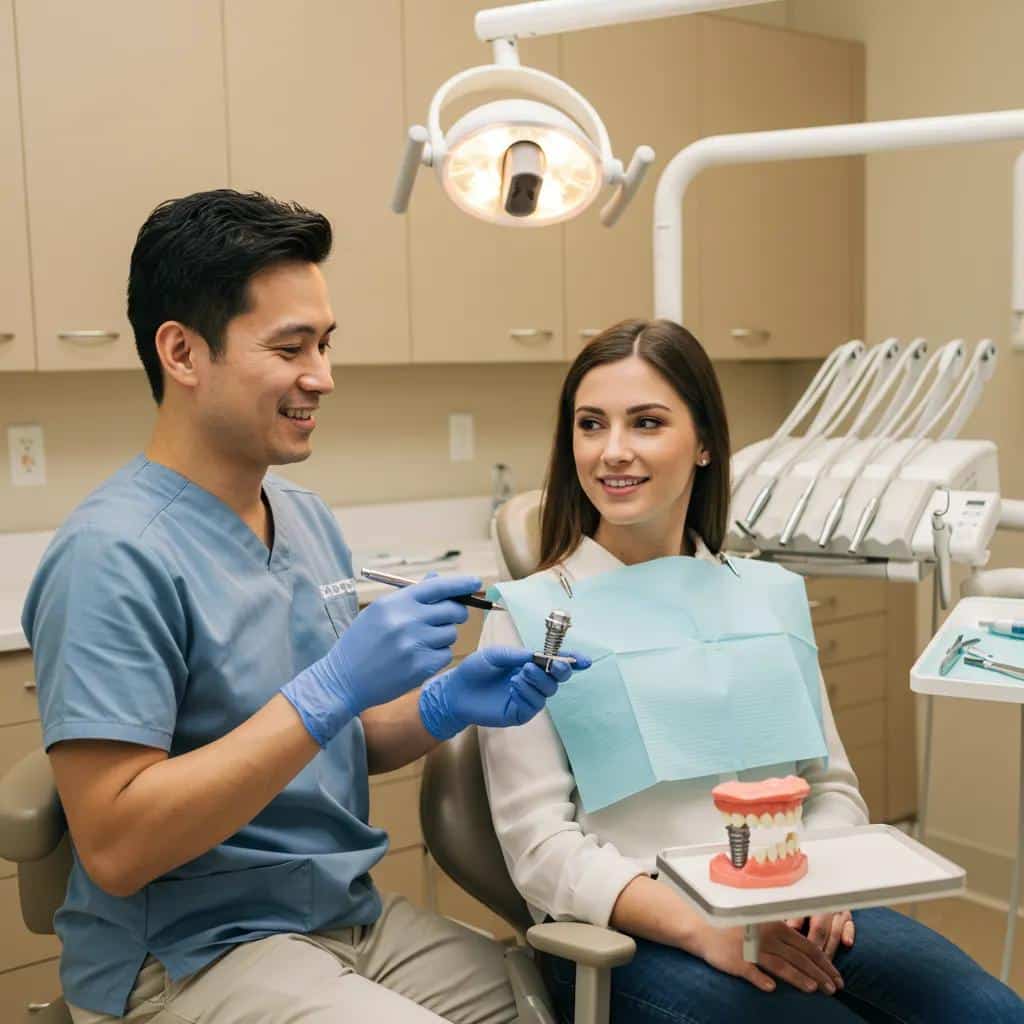
During the initial consult you receive a focused oral exam, imaging review, and individualized treatment discussion that clarifies eligibility, sequencing, and approximate costs; the visit also covers questions about financing and next steps. Get Dental Patients to schedule a free consult — this visit explains diagnostic tests such as CBCT imaging, intraoral photos, and clinical measurements, and it maps out whether grafting, extractions, or other preparatory care will be needed. You should expect a clear timeline for surgery and restoration phases, an explanation of anesthesia or sedation options, and a discussion of the long-term maintenance plan so you understand expected follow-up. The consult is a decision-making appointment: clinicians translate clinical findings into a personalized plan and help you weigh alternatives, preparing you for the treatment pathway that best matches your goals.
What Are the Steps of the Implant Placement Process?
The implant placement process usually follows a sequence: consultation and imaging, any required preparatory care (extractions or grafting), surgical insertion of the implant post, healing and osseointegration, and final restorative attachment of the abutment and crown. Surgical time varies but is typically measured in hours for single implants, and staged approaches add months when grafting is necessary; immediate-placement or immediate-loading protocols are options in select cases with adequate primary stability. Restorative steps include impressions or digital scans followed by fabrication of the crown or prosthesis, with occlusal refinement to balance chewing forces. Clear communication about each step helps patients plan time away from work, manage expectations, and coordinate financing and support.
How Long Is the Recovery and Osseointegration Period?
Short-term recovery after implant surgery commonly involves 1–2 weeks of soft-tissue healing with predictable symptoms like mild swelling and tenderness that resolve with conservative care, while osseointegration is a longer biological process typically spanning approximately 3–6 months depending on site and grafting. Factors that extend healing include bone grafting, sinus lifts, smoking, and systemic conditions; adherence to postoperative instructions—nutrition, oral hygiene, and activity modification—supports timely integration. Follow-up appointments monitor soft tissue and radiographic signs of integration and guide the timing for restorative loading. Understanding these timeframes enables patients to choose treatment pathways that align with lifestyle and scheduling needs.
What Are the Risks and Potential Complications?
Like all procedures, implants carry risks including infection, failure of osseointegration, mechanical failure of components, and rare nerve or sinus complications; most situations are manageable with prompt diagnosis and appropriate treatment. Preventive measures include thorough preoperative assessment, control of periodontal disease, optimization of systemic health factors, and precise surgical technique with appropriate imaging to avoid critical anatomy. If problems arise, management can involve antibiotics, component replacement, grafting, or implant removal and staged re-treatment depending on cause and severity. Knowing the warning signs—persistent pain, increasing swelling, or mobility—helps patients seek timely care, which improves chances for salvage and favorable outcomes.
How Can I Finance Dental Implants? Understanding Costs and Payment Options
Financing dental implants involves understanding insurance limitations, available payment plans, and tax-advantaged accounts that can reduce out-of-pocket burden; transparent planning helps match treatment goals to realistic budgets.
Many dental plans limit coverage for implants or treat them as major restorative procedures with annual maximums, so verifying benefits and potential pre-authorization strategies is important. Third-party financing, in-house payment plans, or healthcare credit products are commonly used to spread costs, and HSAs/FSAs can cover eligible dental procedures using pre-tax dollars. Below is an EAV-style table that compares common payment methods and the practical steps patients should take to prepare financially for implant care. Before the table, consider practical tips—ask for a written estimate, request a staged plan that spreads procedures over time, and discuss available practice financing so you can compare monthly payment options without compromising clinical recommendations.
Payment Method
Practical Use
Patient Action
Dental Insurance
Partial coverage for prosthetics; often limited for implants
Verify annual maximums, ask about code coverage, submit pre-treatment estimate
CareCredit / Third-Party Financing
Spread cost over months/years with applied interest terms
Apply early to confirm limits and compare promotional offers
HSA / FSA
Pre-tax funds eligible for dental procedures including implants
Confirm eligible expense rules and save receipts for reimbursement
In-House Payment Plan
Practice-arranged installments
Request written schedule and compare total costs vs third-party credit
This comparison helps patients weigh timing, cost, and administrative steps for each financing path so you can plan treatment without unexpected surprises. Below are more detailed H3 answers about insurance, HSAs/FSAs, and typical cost ranges.
What Insurance and Payment Plans Are Available?
Most dental insurance plans limit coverage for implants or provide partial reimbursement under major restorative benefits; verifying coverage specifics and deductibles is essential before committing to a plan. Third-party financing options or in-house payment plans can bridge the gap between what insurance covers and the total treatment cost, offering monthly payment options that align with household budgets. Patients should request a pre-treatment estimate and a clear payment schedule so financial decisions are made alongside clinical choices. Discussing financing during the initial consult helps finalize a plan that balances treatment timing with affordability.
How Do HSAs and FSAs Help with Dental Implant Costs?
Health Savings Accounts (HSAs) and Flexible Spending Accounts (FSAs) allow you to use pre-tax dollars for eligible dental procedures, which can materially reduce the net cost of implants when funds are available. To use HSA/FSA funds, keep documentation—itemized receipts and a description of the procedure—so reimbursement aligns with plan requirements. Timing contributions and deploying account balances strategically can offset larger expenses like grafting and multiple implant placements. Consulting your benefits administrator clarifies eligible charges and optimizes tax-advantaged spending for dental care.
What Are the Typical Cost Ranges for Single and Full-Arch Implants?
Cost ranges vary, but single-tooth implants typically incur higher per-tooth costs than bridges at the outset because of the surgical and restorative components involved; full-arch reconstructions multiply implant and prosthetic expenses but can offer superior function and longevity per arch. Variables affecting cost include material selection, implant brand, the need for bone grafting or sinus lifts, anesthesia preferences, and the complexity of the restorative prosthesis. Because individualized anatomic and treatment variables dominate, an in-person consult produces the most accurate estimate, and many practices offer staged treatment plans to align care with financial pacing.
Why Choose Dentist in Denton for Your Dental Implant Needs?
Dentist in Denton – Dentures & Dental Implants provides a local, patient-centered approach that emphasizes comfort, education, and coordinated care across implant and denture services. The clinic presents a one-stop model—offering diagnostics, surgical placement, prosthetic restoration and maintenance—to reduce care fragmentation and to simplify the patient experience. Their environment emphasizes patient comfort and clear communication so individuals understand risks, timelines and financing options before committing to treatment. This patient-centric approach supports predictable outcomes and aligns the clinical plan with each person’s lifestyle priorities.
What Makes Our Clinic’s Approach Unique and Patient-Friendly?
The clinic focuses on patient comfort and education as core differentiators, integrating sedation options and stepwise treatment planning to meet both clinical and personal needs. A spa-like environment and a one-stop care model reduce coordination burdens—imaging, surgery, restoration and follow-up are organized under one care plan—which improves communication and continuity. Emphasizing transparent discussions about alternatives, timelines, and financing helps patients make informed decisions that align with their goals and constraints. This patient-centric approach supports predictable outcomes and aligns the clinical plan with each person’s lifestyle priorities.
Who Are the Dentists Behind Our Implant Services?
The implant services are provided by the clinic’s dental team: Dr. Mike Pham; Dr. Vo; Dr. Dinn; Dr. Sehgal; and Dr. Sanghavi, who collaborate on treatment planning and restorative sequencing. Patients are encouraged to meet the clinicians during the free consult to discuss experience, treatment philosophy, and specific procedural questions without pressure. Detailed clinician profiles and procedural explanations are available at the clinic, and meeting the team early helps build trust before any surgical step. This team-based model ensures multiple perspectives inform complex implant cases for improved planning.
What Do Local Patients Say?
Local patient feedback often emphasizes comfort, clear communication, and coordinated care—attributes the practice highlights when discussing implant pathways and denture options. The clinic invites authentic testimonials and anonymized case summaries with patient consent to illustrate typical outcomes and to help future patients set expectations. If you want to share your experience or review your care, the practice provides clear instructions during follow-up visits for submitting feedback that supports continuous improvement and patient education. Hearing from others who underwent similar care can help prospective patients choose the option that best fits their life.
How Do I Schedule a Free Dental Implant Consultation?
To schedule your initial evaluation, request an appointment through the clinic’s appointment system or contact the front desk for available consult times and preparation instructions. Get Dental Patients to schedule a free consult should be used as your immediate action phrase when you are ready to book the visit and begin the individualized planning process. Bring recent dental records, any radiographs you already have, and a list of current medications so the consult team can prepare a constructive plan. The free consult clarifies clinical findings, expected timelines, and financing approaches and is the best first step for Denton-area patients considering implants.
Frequently Asked Questions
What is the typical recovery time after dental implant surgery?
The recovery time after dental implant surgery varies, but most patients can expect a short-term healing period of 1 to 2 weeks for soft tissue recovery. However, the osseointegration process, where the bone fuses with the implant, typically takes about 3 to 6 months. Factors such as bone quality, the need for grafting, and individual health conditions can influence recovery duration. Following post-operative care instructions and attending follow-up appointments are crucial for a successful recovery and integration of the implant.
Can dental implants be placed immediately after tooth extraction?
In some cases, dental implants can be placed immediately after tooth extraction, a procedure known as immediate implant placement. This approach is feasible when there is sufficient bone density and the extraction site is free from infection. Immediate placement can reduce the overall treatment timeline and preserve bone structure. However, not all patients are candidates for this option, so a thorough evaluation by a dental professional is necessary to determine the best approach for each individual.
What are the signs of dental implant failure?
Signs of dental implant failure can include persistent pain, swelling, or tenderness around the implant site, mobility of the implant, and signs of infection such as pus or fever. Additionally, if the implant does not integrate properly with the bone, it may become loose. Regular follow-up appointments and good oral hygiene practices are essential for monitoring implant health. If any concerning symptoms arise, it is important to contact your dental provider promptly for evaluation and potential intervention.
How do I maintain my dental implants?
Maintaining dental implants involves a combination of good oral hygiene practices and regular dental visits. Patients should brush their implants twice daily with a non-abrasive toothbrush and floss around the implant to prevent plaque buildup. Additionally, routine professional cleanings every 3 to 6 months are recommended to monitor the health of the implant and surrounding tissues. Avoiding tobacco use and managing systemic health conditions also contribute to the longevity of dental implants.
Are there age restrictions for getting dental implants?
There are no strict age restrictions for dental implants; however, candidates should have completed their jawbone growth, which typically occurs in late adolescence. Older adults can also be excellent candidates, provided they have good overall health and bone density. Factors such as systemic health, lifestyle choices, and oral hygiene play a more significant role in candidacy than age alone. A thorough evaluation by a dental professional will help determine suitability for implants regardless of age.
What should I expect during the dental implant consultation?
During the dental implant consultation, you can expect a comprehensive oral examination, discussion of your medical history, and imaging studies such as X-rays or CBCT scans to assess bone quality and quantity. The dentist will explain the implant procedure, discuss candidacy criteria, and outline potential treatment options. This appointment is also an opportunity to ask questions about the process, costs, and financing options, ensuring you have a clear understanding before proceeding with treatment.
What Disqualifies You from Getting Dental Implants?
Active uncontrolled systemic disease (for example uncontrolled diabetes), untreated periodontal infection, heavy smoking, and severe lack of bone without willingness for grafting can disqualify immediate implant placement. Many situations that appear disqualifying can be managed—improved medical control, periodontal therapy, smoking cessation, or bone augmentation often restore candidacy. A clinical exam and imaging during the consultation determine exact eligibility and remediation steps. For marginal cases, staged planning and medical collaboration usually permit eventual implant placement.
How Long Do Dental Implants Last Compared to Other Options?
With proper care, implants can last decades and often function for a patient’s lifetime; bridges commonly require replacement after roughly 7–15 years, while dentures require relining and replacement more frequently. Longevity depends on patient hygiene, materials, systemic health, and occlusal forces. Regular maintenance and monitoring extend prosthesis life and identify issues early, so lifelong care commitments are part of the expected plan for implants. For many patients, the long-term value of implants outweighs higher initial costs given their durability.
Are Dental Implants Worth the Cost?
Implants are worth the cost when patients prioritize permanence, bone preservation, and high-functioning chewing and aesthetics because implants reduce the need for repeated prosthetic replacements and protect adjacent teeth. Cost-effectiveness depends on age, health, and long-term oral-health goals; younger, healthier patients who want a durable solution often find implants a sound investment. Financing options, tax-advantaged accounts, and staged treatment approaches help make implants attainable for many patients who prefer long-term value over short-term savings. Discussing finances at the consultation ensures alignment between clinical recommendations and budget.
How Do I Know If I Need a Dental Implant?
Consider an implant if a tooth is non-restorable, if you experience functional loss or difficulty chewing, or if you want a permanent solution that preserves bone and aesthetics. Diagnostic steps include clinical evaluation, imaging, and assessment of surrounding teeth and tissues to determine whether extraction with implant placement, bridge, or denture is most appropriate. If you have recurring dental problems or are dissatisfied with removable options, a consult can clarify whether implants are a viable permanent solution. The free consultation provides the most reliable pathway to a tailored recommendation.
What Are the Risks of Dental Implant Failure?
Risks include peri-implantitis, failure of osseointegration, mechanical complications such as screw loosening or crown fracture, and rare nerve or sinus issues depending on implant location; patient-specific factors like smoking and uncontrolled systemic disease increase these risks. Preventive strategies include preoperative infection control, optimization of systemic factors, careful surgical planning with CBCT imaging, and rigorous post-op maintenance. Early detection of complications often permits successful management or salvage, underscoring the importance of regular follow-up. Understanding these risks allows patients to make informed choices and to participate actively in prevention.
Key Takeaway: Dental implants preserve bone, restore function, and offer durable aesthetics for suitable candidates who commit to maintenance.
Next Step: For a personalized assessment and to clarify cost and timing, Get Dental Patients to schedule a free consult with the Denton clinic.
Practical Advice: Bring dental records and medication lists to the consult so diagnostics and recommendations can be customized immediately.
Checklist: If you have missing teeth and good overall health, consider implants; if you have untreated periodontal disease or uncontrolled medical issues, seek remediation first.
Decision Rule: Choose implants when long-term function and bone preservation matter most; choose bridges or dentures when surgical risk or budget constraints favor non-surgical options.
This article has covered anatomy of implants, candidacy factors, alternatives, comparison of costs and longevity, the procedural journey, financing pathways, and how a local Denton practice structures care. If you are ready to move from information to a personalized plan, remember: Get Dental Patients to schedule a free consult — that appointment is the practical next step to determine whether implants are right for your individual situation.
Conclusion
Dental implants provide a long-lasting solution that restores function, aesthetics, and bone health for those who qualify. Understanding the candidacy criteria and available alternatives empowers patients to make informed decisions about their oral health. If you’re considering dental implants, take the next step by scheduling a free consultation with our Denton clinic to explore your options. Your journey to a confident smile starts with a personalized assessment today.