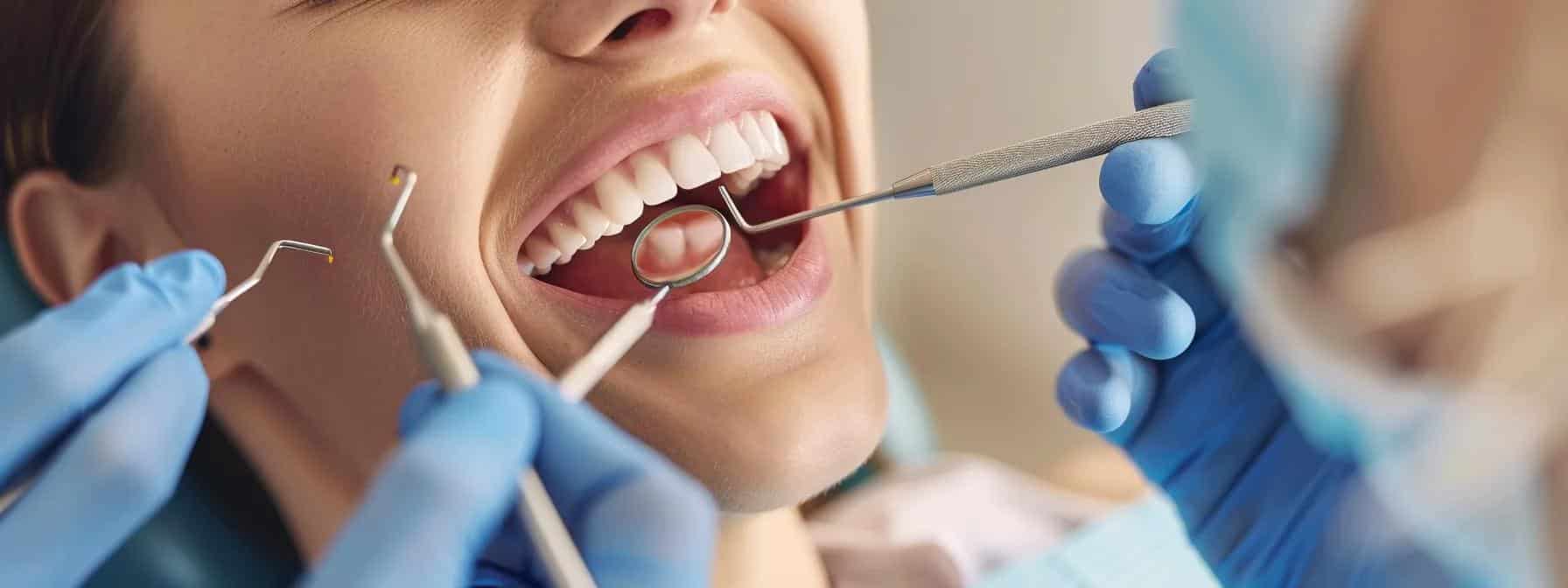
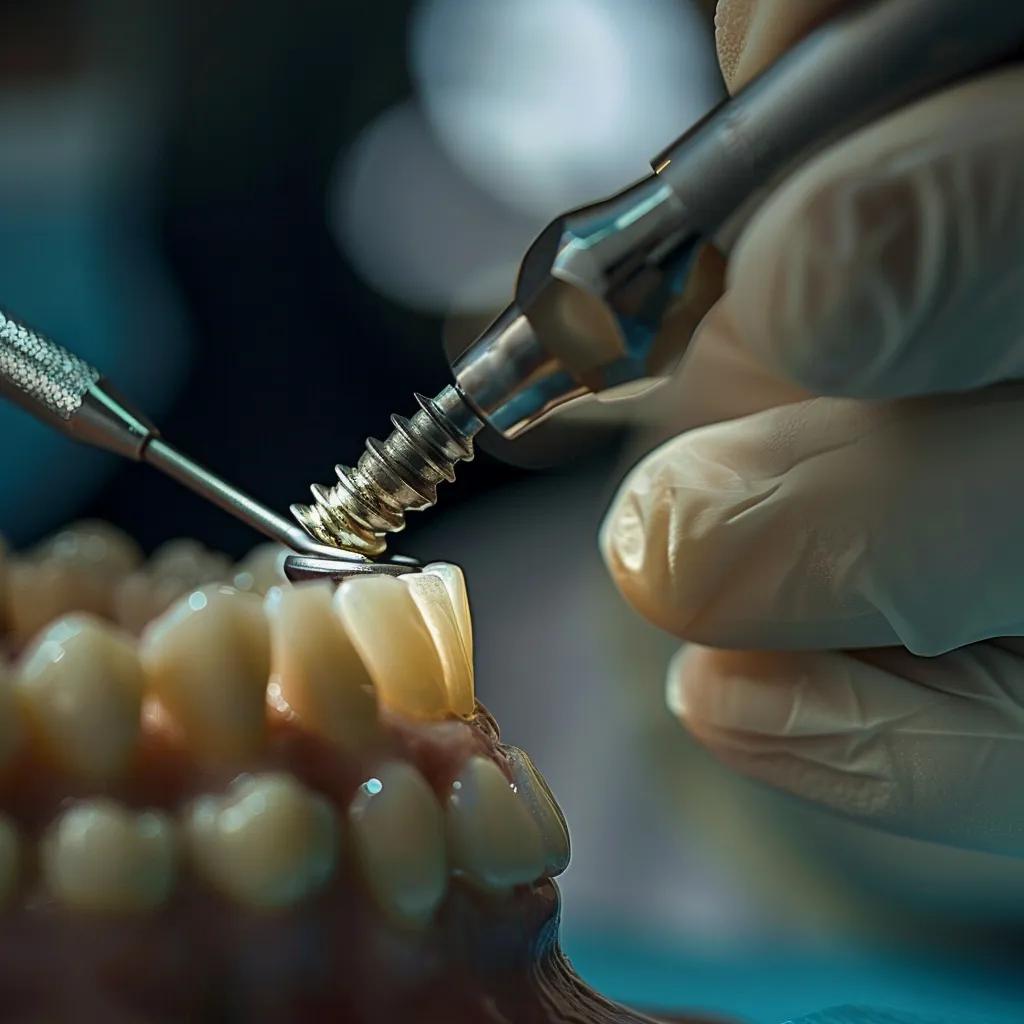
Dental implants depend on healthy gums for proper stability and successful long-term function.
Pre-requisites for implant candidates include both sound gum health and appropriate bone density.
Unhealthy gums can lead to complications such as implant failure and peri-implantitis.
Restorative treatments and enhanced oral hygiene play a critical role in preparing gums for implant surgery.
Mansfield specialists use advanced technologies and thorough assessments to ensure optimal implant outcomes.
The Importance of Healthy Gums for Successful Dental Implants
Healthy gums are essential for dental implants because they provide the soft tissue foundation that supports the integration and longevity of the implant. Healthy gum tissue acts as a barrier that prevents bacterial invasion and inflammation around the implant, ensuring that osseointegration—the process by which the implant fuses with the jawbone—occurs without complications. In addition, strong and well-maintained gums help in achieving an aesthetic outcome that mimics natural tooth anatomy, which is crucial for both function and appearance.
How Gums Provide a Foundation for Dental Implants Healthy gums secure the dental implant by forming a tight seal around it, thereby protecting the underlying bone. The integrity of the gum tissue minimizes the risk of infection and ensures that the crown or abutment remains stable. This protective barrier is particularly important in the early phases following implant placement when the implant is most vulnerable to microbial invasion. Evidence suggests that patients with a periodontal attachment loss of less than 3 mm have a higher implant success rate compared to those with compromised gingival tissues.
Gum Disease as a Barrier to Dental Implants Gingivitis and periodontitis, common forms of gum disease, can lead to inflammation and destruction of the supporting tissue around the implant site. Infected gums not only jeopardize the implant’s structural support but also encourage bone resorption, which can compromise both the implant and adjacent natural teeth. Research indicates that patients with untreated periodontal issues have a significantly increased risk of implant failure, with peri-implantitis reported in many cases where gum disease was prevalent.
Securing the Longevity of Dental Implants Through Gum Health Maintaining excellent gum health is directly related to the longevity and stability of dental implants. Contrary to removable dentures or bridges, implants rely on the natural biological environment of the mouth. Consistent oral hygiene and periodontal maintenance help to preserve both the soft tissue and the underlying bone, ensuring that the implant remains securely in place for many years. Dental professionals often emphasize the role of routine checks as an integral part of post-implant maintenance.
Understanding Osseointegration and Its Relation to Healthy Gums for Dental Implants Osseointegration is the cornerstone of dental implant success. Healthy gums contribute to a conducive environment for bone-to-implant contact by reducing inflammation and promoting tissue healing. When gums are compromised, osseointegration may be hindered due to the increased release of inflammatory mediators. Studies show that successful implants exhibit less than 1.5 mm of bone loss after the first year, a benchmark more readily achieved in patients with healthy, resilient gingival tissues.
Pre-Requisites for Gums Before Receiving Dental Implants
Defining Sufficient Gum Health for Dental Implants Sufficient gum health for dental implants means the absence of active infection, proper thickness, and firmness of the gum tissue, and an adequate band of keratinized tissue around the implant site. Clinically, a healthy gingival margin should demonstrate minimal bleeding on probing with a pocket depth of less than 3 millimeters. This baseline level of gingival health is essential before placing an implant, as it provides the soft tissue support necessary for optimal healing and integration.
Professional Gum Assessment for Dental Implant Candidates A comprehensive periodontal evaluation is a critical pre-requisite to ensure a patient is a suitable candidate for dental implants. Dental professionals perform a full-mouth examination that includes probing measurements, radiographic analysis, and assessments of clinical attachment levels. These assessments help identify any underlying periodontal diseases that may increase the risk of implant complications. Only after a successful periodontal risk assessment can the clinician move forward confidently with the implant procedure.
Addressing Gingivitis Prior to Dental Implants Gingivitis, the early stage of gum disease, must be managed effectively to ensure successful implant outcomes. Professional cleaning, such as scaling and root planing, combined with improved at-home oral hygiene, can reduce inflammation and prevent progression to periodontitis. If gingivitis is left untreated, patients may experience persistent bleeding and inflammation, which can ultimately lead to an infection around the implant site. It is imperative for patients to address these issues early on to safeguard their long-term implant success.
Periodontal Standards for Undergoing Dental Implant Surgery Before proceeding with implant surgery, strict periodontal standards must be met. Patients are generally advised to have a stable periodontal condition with controlled inflammation and no residual pockets deeper than 3 mm. This standard is crucial because any ongoing periodontal disease can significantly jeopardize the success of osseointegration. Moreover, clinicians often recommend a waiting period after periodontal treatment to ensure complete healing and a reduction in inflammatory markers in the blood.
The Role of Bone Density Alongside Gum Health for Dental Implants While healthy gums provide a soft tissue foundation, the quality and density of the underlying bone (maxilla or mandible) are equally important. Bone density plays a pivotal role in the mechanical stability of an implant. In some cases, even when the gums are healthy, insufficient bone density may necessitate grafting procedures to rebuild the alveolar ridge. Therefore, a dual approach addressing both soft tissue and bone health is essential for long-term dental implant success.
Complications Arising From Dental Implants in Unhealthy Gums
Why Unhealthy Gums Increase Dental Implant Failure Unhealthy gums can lead to a higher propensity of implant failure due to their reduced ability to form a protective seal around the implant. The presence of bacteria and inflammation from conditions such as periodontitis can result in the breakdown of the peri-implant tissues. This deterioration increases the risk of implant mobility and eventual loss. Clinical studies reveal that patients with poor gum health have a failure rate that can be double compared to those with maintained periodontal conditions, emphasizing the need for pre-surgical gum treatment.
Understanding Peri-Implantitis Risk With Poor Gum Health for Dental Implants Peri-implantitis is an inflammatory condition affecting the gums and bone around dental implants. It is primarily triggered by bacterial biofilm accumulation and is exacerbated by unhealthy, recession-prone gums. The condition is characterized by bleeding on probing, pocket formation, and significant bone loss, often culminating in implant failure if not addressed promptly. Advanced imaging and periodic periodontal evaluations become critical for early detection and intervention, reducing the risk of systemic complications.
Aesthetic Issues With Dental Implants and Compromised Gums Compromised gums can lead to several aesthetic concerns following dental implant placement. The lack of adequate gum tissue may result in an unnatural appearance compared to the surrounding teeth. This is particularly noticeable in the anterior (front) region of the mouth, where even minor discrepancies in gum contour can influence the overall smile aesthetics. Restorative procedures, such as soft tissue grafting, might be necessary to correct these appearance-related issues and ensure that the implant blends seamlessly with natural dentition.
Managing Pain From Dental Implants When Gums Are Not Healthy Patients with unhealthy gums often report increased discomfort and sensitivity following implant surgery. Inflammation around the implant can exacerbate post-operative pain, complicating recovery. Managing this pain requires a multi-faceted approach, including anti-inflammatory medications, enhanced oral hygiene, and potentially, adjunctive therapies such as laser treatments. A proactive pain management strategy is essential to facilitate quicker healing and prevent further tissue degradation surrounding the implant.
Systemic Health Implications of Infected Gums Around Dental Implants The infection in compromised gum tissues does not remain localized; it can have systemic implications. Infected gums contribute to an inflammatory response that may exacerbate conditions such as cardiovascular disease and diabetes. Maintaining gum health is paramount not only for implant success but also for overall well-being. Chronic inflammation from persistent periodontal disease can elevate systemic inflammatory markers, potentially triggering adverse health events beyond the oral cavity.
Restoring Gum Health to Qualify for Dental Implants
Available Gum Treatments Before Your Dental Implants Before undergoing dental implant procedures, patients with gum issues can benefit from a range of professionally administered treatments. Options such as scaling and root planing, laser periodontal therapy, and the use of local antimicrobial agents are widely available to control the disease process. In cases where the gum tissue is severely compromised, regenerative procedures such as soft tissue grafts may be necessary to rebuild the gingival architecture, ensuring an optimal environment for the implant.
Enhancing Oral Hygiene for Dental Implant Preparation A rigorous oral hygiene protocol is crucial prior to dental implant surgery. Brushing twice daily with a soft-bristle toothbrush, daily flossing, and the use of antiseptic mouth rinses like chlorhexidine can significantly reduce the bacterial load in the mouth. Consistent oral hygiene not only prepares the gums for implant placement but also helps sustain implant health in the long run. Dental professionals may also prescribe a tailored hygiene regimen to address individual patient needs, ensuring that risk factors for periodontal disease are minimized.
Gum and Bone Augmentation Procedures for Dental Implants In scenarios where there is a deficiency in gum tissue or bone volume, augmentation procedures can restore the necessary structure for implant support. Soft tissue grafts are performed to thicken the gums, while bone grafting procedures, such as sinus lifts or ridge augmentation, rebuild the underlying osseous structures. These surgical interventions require a period of healing during which the patient must adhere to strict post-operative care instructions, ultimately creating a stable foundation that maximizes the potential for successful osseointegration.
Healing Timeframes for Gums Before Dental Implant Placement Healing is a critical factor in the success of restorative procedures. Typically, patients are advised to wait several weeks to months after periodontal therapy before proceeding with implant surgery. This waiting period ensures that the gums and bone have adequately healed and that inflammation is completely resolved. During this timeframe, clinicians often re-evaluate tissue health, adjusting treatment plans as necessary to guarantee that the surgical site is primed for implant placement.
Nutritional Support for Gum Healing Prior to Dental Implants Proper nutrition plays an often-overlooked role in the healing of gum tissues. A balanced diet rich in vitamins C and D, calcium, and omega-3 fatty acids promotes collagen synthesis and tissue regeneration. Nutritional supplements may be recommended for patients who do not receive sufficient nutrients through diet alone. By optimizing nutritional intake, patients can support the natural healing process, reducing recovery times and enhancing the resilience of the gingival tissues prior to implant surgery.
Securing Dental Implants in Mansfield: A Focus on Gum Health
Choosing a Mansfield Provider for Your Dental Implants and Gum Care Selecting the right dental provider in Mansfield is paramount for achieving optimal implant outcomes. Providers specializing in dental implants not only offer state-of-the-art surgical techniques but also incorporate comprehensive periodontal assessments as part of their treatment protocol. An experienced Mansfield dentist will evaluate your gum health and, if necessary, perform preliminary treatments to optimize your candidacy for implants. Patient testimonials often highlight the personalized care and affordability of services offered, ensuring that quality care is accessible to a wide range of individuals.
The Gum Health Evaluation Process for Dental Implants in Mansfield During your initial consultation, a detailed evaluation of your gum tissue will be conducted. This typically includes clinical examinations, periodontal probing, and radiographic imaging to assess both the soft tissue and underlying bone structure. The evaluation process is designed to identify any inflammation, recession, or signs of periodontal disease that may affect the implant. Providing a trustworthy and transparent appraisal, Mansfield specialists will discuss your treatment plan, outlining any necessary interventions before moving forward with the implant procedure.
Patient Experiences With Dental Implants and Gum Treatment in Mansfield Many patients in Mansfield have shared positive experiences regarding the impact of comprehensive gum treatments on their implant outcomes. Through a combination of minimally invasive procedures and personalized aftercare, individuals report not only improved implant stability but also enhanced overall oral health. These testimonials serve as evidence that a dedicated focus on gum health contributes significantly to the long-term success of dental implants. Patients also appreciate the flexibility of payment options and complimentary initial consultations, which help reduce the financial burden of treatment.
Aftercare Protocols for Dental Implants From Mansfield Specialists Post-operative care is a vital component of ensuring the longevity of dental implants. Mansfield providers emphasize routine follow-up visits, professional cleaning, and the use of specialized oral hygiene products designed to maintain gum health. These aftercare protocols are meticulously designed to detect early signs of inflammation or peri-implantitis, enabling prompt intervention. Consistent monitoring by your dental team in Mansfield is crucial to maintaining both functional and aesthetic success over time.
Advanced Gum Health Technologies for Dental Implants in Mansfield Mansfield dental offices often incorporate cutting-edge technologies to monitor and improve gum health around implants. These include digital imaging systems that offer precise measurements of gum thickness and density, laser therapy for targeted treatment of periodontal pockets, and advanced biomaterials used in grafting procedures. The integration of these advancements not only enhances treatment outcomes but also boosts patient confidence as they see tangible improvements in the condition of their gums and overall oral health.
Post-Procedure Care for Gums Supporting Your Dental Implants
Immediate Aftercare for Gums Following Dental Implant Surgery Following dental implant surgery, patients are provided with specific instructions to ensure optimal healing of the gum tissues. The immediate post-procedure phase involves careful management of pain and inflammation through prescribed medications and cold compresses. It is critical to avoid vigorous rinsing and to adhere strictly to a soft-food diet during the first 24 to 48 hours. These methods aid in stabilizing the clot formation and reducing the risk of postoperative complications such as bleeding or infection.
Sustained Oral Hygiene Practices for Gums and Dental Implants Long-term success of dental implants is largely dependent on the patient’s commitment to maintaining a stringent oral hygiene routine. Daily brushing with an ultra-soft toothbrush, gentle flossing, and the use of antimicrobial mouth rinses are essential for preserving the health of the surrounding gums. Regular dental checkups allow for early detection of any issues, ensuring that the implants remain clean and free from bacterial buildup. These practices not only support the longevity of the implant but also help prevent complications such as peri-implant mucositis.
Routine Professional Monitoring of Gums With Dental Implants Regular follow-up visits with your dental professional are crucial to monitor the condition of your gums surrounding the implants. During these visits, periodontal probing and radiographic impressions are performed to detect any subtle changes in tissue health. This ongoing evaluation ensures that any early signs of inflammation or implant instability are promptly addressed. Advanced diagnostic tools, such as laser fluorescence devices, can assist in the early detection of potential issues, thus preserving the integrity of the implant.
Identifying and Reacting to Early Gum Issues Affecting Dental Implants Early identification of gum issues is critical in preventing the progression to serious complications such as peri-implantitis. Patients are advised to report any unusual symptoms such as increased bleeding, discomfort, or changes in gum color immediately. Dental professionals recommend a proactive approach where minor issues are treated with in-office cleanings or localized antimicrobial therapy before they escalate. This vigilant response strategy is essential to prolonging the lifespan of the implant and maintaining overall oral health.
Products Recommended for Maintaining Gum Health Around Dental Implants Maintaining healthy gums after implant surgery is supported by a range of oral care products. Dentists often recommend specialized floss designed for implants, soft-bristle toothbrushes, and antimicrobial rinses that help reduce plaque buildup. In some cases, adjunctive probiotic supplements may also be suggested to promote a balanced oral microbiome. These products collectively contribute to sustaining a clean and healthy environment around the implant, thereby minimizing the risk of infection and implant failure.
Final Thoughts
Mature dental interventions like implants are best supported by healthy gums, the cornerstone of sound oral function and aesthetics. By addressing gum issues before implant surgery and adhering to strict aftercare regimens, patients can significantly reduce complications and enhance implant success. Mansfield patients benefit from local expertise, advanced technologies, and affordable care options designed to optimize gum health. With comprehensive evaluations and ongoing maintenance, dental implants can provide a long-lasting solution that restores both function and confidence.
Frequently Asked Questions
Q: How do healthy gums affect the success of a dental implant? A: Healthy gums provide essential support and stability for dental implants. They create a protective barrier that reduces the risk of bacterial invasion and inflammation, facilitating successful osseointegration. Without robust gum tissue, the implant is vulnerable to peri-implant infections, which can lead to implant failure over time.
Q: What steps are involved in assessing gum health before implant surgery? A: The assessment includes a full-mouth periodontal examination, which involves measuring pocket depths, checking for bleeding on probing, and evaluating the clinical attachment level. Radiographs are used to assess bone density and ensure there are no signs of active inflammation. These evaluations help confirm that gum health is adequate for the implant procedure.
Q: What are the common complications associated with dental implants in patients with unhealthy gums? A: Complications include peri-implantitis, increased implant mobility, and eventual implant failure. Unhealthy gums may also lead to aesthetic issues, such as uneven gum lines and discoloration, which can affect the overall appearance of a smile. Addressing gum diseases beforehand can significantly reduce these risks.
Q: How can patients restore their gum health before receiving dental implants? A: Restoration involves professional treatments like scaling, root planing, and sometimes soft tissue or bone grafting. Additionally, rigorous at-home oral hygiene practices and modifications to one’s diet are recommended to promote tissue healing. Patients might also be advised to use specialized antiseptic rinses to decrease bacterial loads prior to surgery.
Q: What aftercare protocols help maintain gum health following implant surgery? A: Aftercare protocols include immediate post-operative instructions such as a soft-food diet and cold compresses to manage swelling, followed by a long-term oral hygiene routine featuring gentle brushing and flossing. Regular follow-up visits with the dental provider ensure early detection of any gum issues, while the use of antimicrobial rinses and specialized care products helps maintain a healthy environment around the implant.
Q: Are there advanced treatment options if a patient’s gums are not healthy enough for implants? A: Yes, advanced treatment options such as laser periodontal therapy, soft tissue grafting, and bone augmentation are available to improve the condition of the gums and the supporting bone. These procedures can create a more favorable environment for implant placement, even in patients who initially have compromised gum health.
Q: How important is the choice of a dental specialist in managing gum health and implant success? A: The choice of a dental specialist is crucial as experienced providers use comprehensive evaluation protocols and advanced technologies to ensure optimal gum and bone health before proceeding with implant surgery. Specialists offer personalized treatment plans and dependable aftercare, which are vital for achieving long-term implant stability and an aesthetically pleasing outcome.