By Affordable Dentist Near Me Editorial Team · Updated 2026-08-19
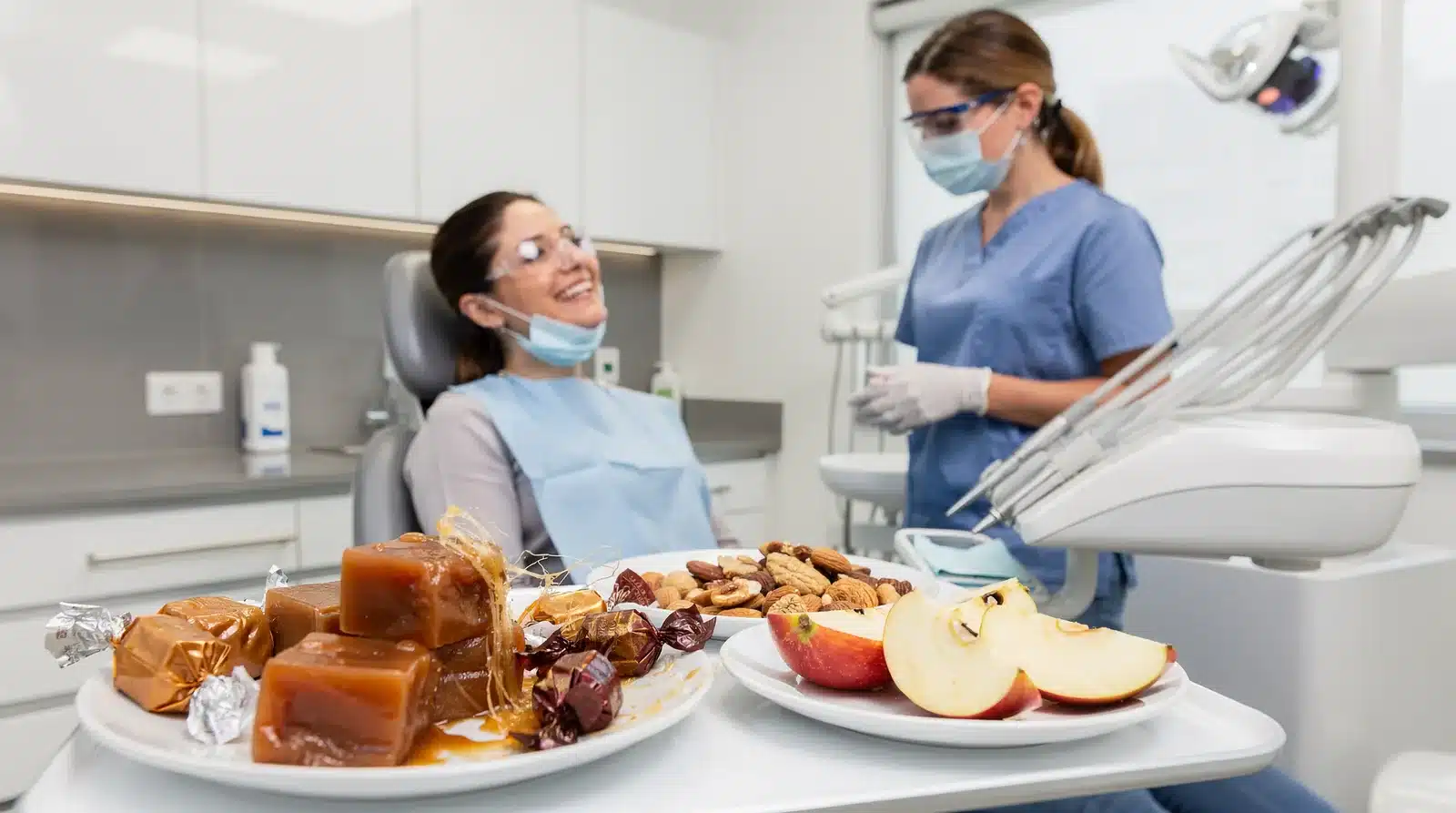
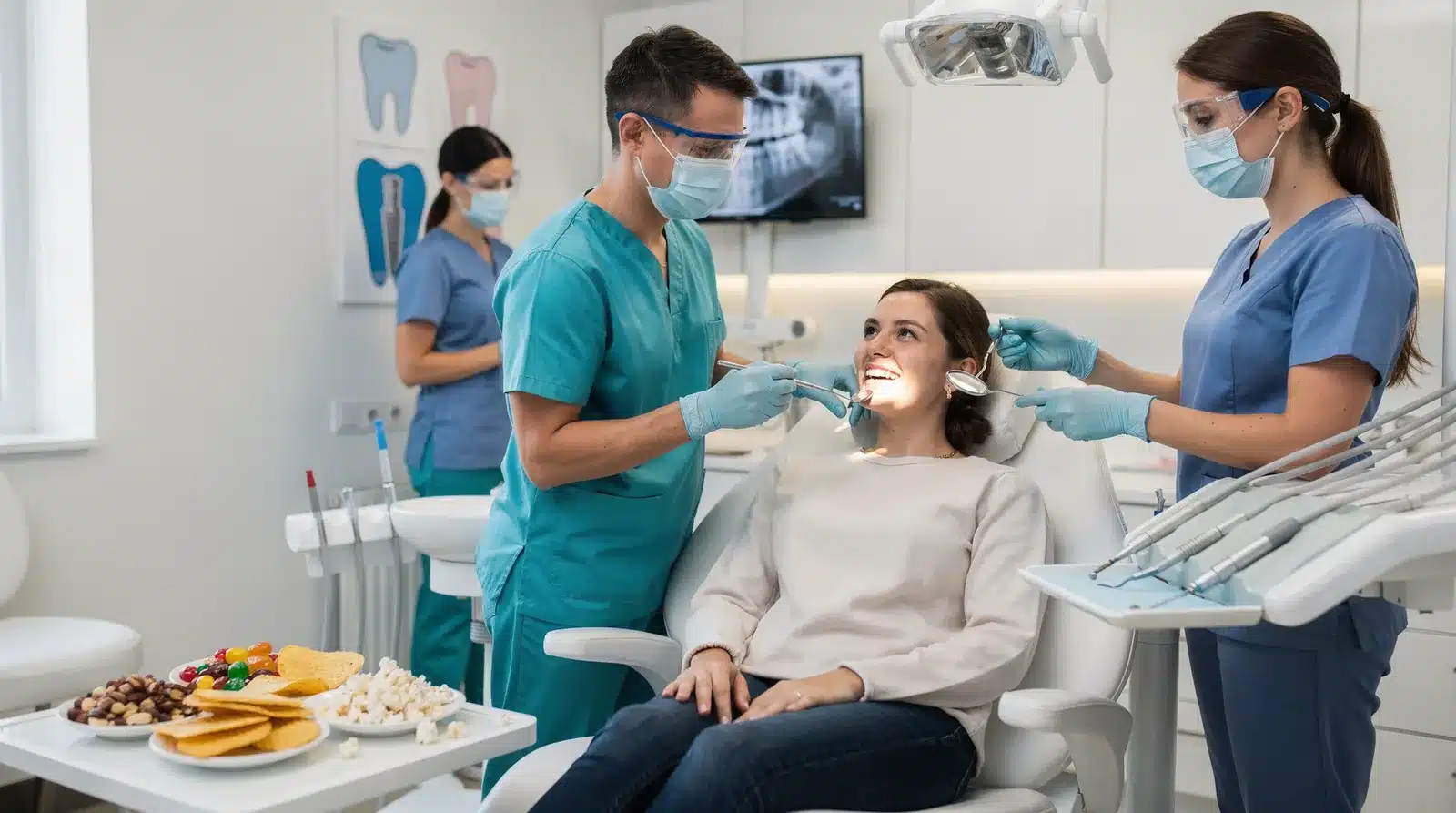
Common [food mistakes after dental implants](https://affordabledentistnearme.com/foods-to-avoid-after-dental-implants-for-optimal-recovery/) include chewing hard nuts, ice, and crunchy raw vegetables too soon, plus sticky candy that tugs at healing gums. Dental implants retain 90% of chewing ability versus dentures’ 20%. Crusty bread and tough steak still strain new implants before full osseointegration.
Key Takeaways
Avoid hard foods like nuts and candy that damage implants and compromise their structural stability.
Skip sticky foods such as caramel that dislodge implants during the critical healing phase.
Eliminate hot beverages immediately after surgery; they increase swelling and delay the healing process.
Eat soft foods for 7-10 days post-surgery to prevent infection and implant displacement complications.
Why Does Diet Matter After Implant Surgery?
Diet plays a critical role after dental implant surgery because the wrong food choices disrupt healing and invite complications. The mouth requires a protected environment during the first weeks of recovery, when the implant fuses with the jawbone. Hard or crunchy foods can shift the surgical site, delay bone integration, and increase the risk of infection. Patients who ignore dietary guidelines often face extended healing times or even implant failure.
What specific threat do hard foods pose during recovery?
Hard foods place dangerous pressure on the new implant before it stabilizes. Nuts, seeds, hard candies, and ice cubes create excess force that the tender surgical site cannot handle. This pressure interrupts osseointegration — the process where the implant bonds with bone tissue. A patient who chews a hard pretzel or a raw carrot too early could loosen the implant post entirely.
How does a soft diet support the healing timeline?
A dental implant recovery diet built around soft, nutrient-dense foods gives the jaw the time it needs to heal properly. Eating soft foods after dental implants reduces inflammation and prevents unnecessary stress on the surgical area. Once healing completes, dental implant patients retain 90% of their natural chewing ability. Far superior to the 20% that dentures provide. That long-term advantage begins with smart nutritional choices in the first weeks.
Affordable Dentist Near Me is located in Fort Worth, TX, US. Following a structured soft-food plan for the first 10–14 days minimizes common food mistakes after dental implants. Protects the investment in a restored smile.
Food Category
Safe During Recovery
Avoid During Recovery
Dairy
Yogurt, smoothies, milkshakes
Hard cheese, ice cream with nuts
Grains
Oatmeal, mashed potatoes, soft bread
Crackers, chips, hard rolls
Protein
Scrambled eggs, fish, tofu
Steak, jerky, fried chicken
Fruits/Veg
Applesauce, pureed soups, avocado
Raw apples, carrots, popcorn
Understanding [Discover the Impact of Before and After Dental Implants](https://affordabledentistnearme.com/discover-the-impact-of-before-and-after-dental-implants/) and [Understanding Normal Pain Levels After Dental Implants](https://affordabledentistnearme.com/normal-pain-levels-after-five-days-of-teeth-implants/) separates a smooth recovery from a troubled one. Every meal becomes an active step toward either protecting or endangering the new implant.
What Hard Foods Should You Avoid?
Hard foods create the most immediate risk to new dental implants. Chewing hard foods like nuts, seeds, and hard candies exerts excessive pressure on the implant site. This pressure causes pain and can disrupt the healing osseointegration process, where the implant fuses with the jawbone. Patients should avoid these items entirely for at least six to eight weeks post-surgery.
Why does osseointegration matter for food choices?
Osseointegration is the biological process that makes dental implants permanent. During the first weeks after surgery, the titanium post must bond securely with the jawbone. Hard foods introduce micro-movements and force that interrupt this bond. Disrupted osseointegration leads to implant failure, requiring additional surgery and expense.
What specific hard foods cause the most damage?
Food Category
Examples
Risk Level
Nuts and seeds
Almonds, peanuts, sunflower seeds
High
Hard candies
Lollipops, jawbreakers, mints
High
Crunchy snacks
Chips, pretzels, popcorn
Moderate
Raw vegetables
Carrots, celery, apples
Moderate
Eating soft foods after dental implants protects the surgical site during this critical healing window. The dental implant recovery diet should focus on smooth, room-temperature items that require minimal chewing. Yogurt, mashed potatoes, scrambled eggs, and smoothies provide nutrition without risking the implant. Patients who follow [dental implant post-op care Longview](https://affordabledentistnearme.com/locations/longview/) guidelines report fewer complications and faster healing times. The food mistakes after dental implants that cause the most setbacks all involve biting into hard textures too soon. Understanding what not to eat after dental implant surgery prevents unnecessary pain and protects the investment in a new smile. Identifying foods to avoid with dental implants before surgery helps patients prepare their kitchen and meal plans in advance.
Which Sticky Foods Can Damage Your Implants?
Sticky foods like caramel, toffee, and chewy candies pose a direct threat to dental implants. These items create suction and tension that can pull at the implant, potentially dislodging it or loosening the abutment. For patients in the early stages of healing, this risk is especially high. The food mistakes after dental implants often begin with a single bite of a sticky treat that seemed harmless.
Why Does Stickiness Matter for Implant Stability?
Dental implants rely on a process called osseointegration, where the titanium post fuses with the jawbone. Sticky foods disrupt this bond by exerting uneven force. The what not to eat after dental implant surgery list always includes these items because they compromise the implant’s foundation. Even after full healing, sticky residues can accumulate around the implant crown, increasing the risk of gum inflammation.
Which Specific Foods Fall Into This Category?
Sticky Food
Why It Harms Implants
Caramel
Pulls at the crown with high adhesion
Toffee
Hardens and creates torque on the post
Chewy candy (e.g., taffy)
Stretches and dislodges healing tissue
Dried fruit (e.g., dates, figs)
Fibers wrap around the implant base
The foods to avoid with dental implants extend beyond obvious sweets. Granola bars, gummy vitamins, and even some breads with dense, sticky crumbs can cause similar problems. A dental implant recovery diet should exclude these items for at least the first 8-12 weeks post-surgery.
What Should Patients Eat Instead?
Eating soft foods after dental implants protects the surgical site. Mashed potatoes, yogurt, smoothies, and scrambled eggs provide nutrition without the pulling force. Patients at Affordable Dentist Near Me in Longview receive a detailed dental implant post-op care Longview guide that lists safe alternatives. The practice emphasizes that avoiding sticky foods is not a temporary inconvenience — it is a long-term investment in implant longevity. One wrong bite can undo weeks of healing, so vigilance pays off.
Are Crunchy or Brittle Foods Safe to Eat?
Crunchy and brittle foods are not safe to eat after dental implant placement. Hard items like nuts, seeds, and hard candies exert excessive pressure on the implant site. This pressure does more than cause discomfort. It can disrupt the critical healing process where the implant fuses with the jawbone, a stage known as osseointegration. Disrupting this fusion risks implant failure and the need for additional procedures.
How Does Pressure Affect the Implant Site?
Excessive chewing force from hard foods directly challenges the stability of the new implant. The implant post needs undisturbed time to bond securely with the bone. When a patient bites down on a tough nut or a crunchy seed, that force transfers through the implant and into the developing bone around it. This creates micro-movements that interrupt osseointegration. The result can be persistent pain, delayed healing, or complete loss of the implant.
What Does Proper Dental Implant Post-Op Care Look Like?
Proper dental implant post-op care requires strict avoidance of these damaging textures. Patients in Longview receiving dental implant post-op care Longview from a trusted provider should follow specific guidelines to protect their investment. The dentist typically advises a strict dental implant recovery diet focused entirely on [eating soft foods after dental implants](https://affordabledentistnearme.com/schedule-appointment/) during the first week or two. This is the period where chewing is most difficult and the risk of complication is highest. Avoiding what not to eat after dental implant surgery — specifically anything hard or crunchy — directly reduces the risk of damaging the implant before it stabilizes.
Quick Guide to Foods to Avoid
Category
Examples to Avoid
Why They Are Harmful
Hard Snacks
Nuts, seeds, popcorn kernels
They exert excessive pressure on the implant site and can lodge against healing tissue.
Brittle Treats
Hard candies, ice chips, chips
They require forceful biting, which can crack the temporary crown or disrupt the implant.
Tough Foods
Raw vegetables, crusty bread
These demand substantial chewing force that the healing site cannot withstand.
Patients who commit to avoiding these food mistakes after dental implants in the early weeks significantly improve their chances of a smooth recovery. Understanding the foods to avoid with dental implants is not just a suggestion. It is a direct factor in long-term implant success. Following the dentist’s instructions on the dental implant recovery diet protects the investment made in a new smile.
How to Plan Your Dental Implant Recovery Diet?
A successful dental implant recovery diet prioritizes soft, non-irritating foods that protect the surgical site and support healing. After dental implant surgery, the mouth requires time to heal, and the implant must integrate with the jawbone. Eating the wrong foods disrupts this process, causing discomfort or even compromising the implant’s stability. Patients in Longview working with a skilled team for dental implant post-op care Longview should plan meals around gentle textures. Avoid anything that requires aggressive chewing.
What Foods Support Healing During Recovery?
The dental implant recovery diet centers on eating soft foods after dental implants to minimize pressure on the surgical area. Suitable options include smoothies, yogurt, mashed potatoes, scrambled eggs, and lukewarm soups. These foods provide necessary nutrition without risking damage to the implant site. Avoiding certain foods prevents complications and supports successful osseointegration, the process where the implant fuses with the jawbone.
Which Foods Require Immediate Avoidance?
Knowing what not to eat after dental implant surgery is equally critical. Hard, crunchy, or sticky items create excessive pressure and can dislodge the implant or irritate the healing tissue. The table below outlines common foods to avoid with dental implants during recovery:
Food Category
Examples
Why to Avoid
Hard foods
Nuts, seeds, hard candies
Excessive pressure disrupts osseointegration
Sticky foods
Caramel, taffy, gum
Pulls on implant site, causes displacement
Crunchy foods
Chips, raw vegetables, popcorn
Sharp edges irritate surgical wound
Hot foods
Scalding soups, coffee
Heat increases swelling and bleeding
Avoiding these food mistakes after dental implants reduces the risk of infection, implant failure, and unnecessary dental appointments. A structured dental implant post-op care Longview plan from Affordable Dentist Near Me helps patients navigate recovery with confidence.
Protecting your dental implants through mindful eating habits ensures they serve you well for years to come. By avoiding hard, sticky, and extremely hot foods during recovery and beyond, you give your investment the best chance to integrate successfully with your jawbone. Your commitment to these dietary guidelines, paired with excellent oral hygiene and regular professional care, transforms your implants into a lasting foundation for a confident, healthy smile.
FAQ
What foods should you avoid immediately after dental implant surgery?
Skip hard nuts, ice, crunchy raw vegetables, sticky candy, and hot beverages. These items strain the surgical site, dislodge implants, increase swelling, and delay healing during the critical recovery phase.
How long should you stick to a soft-food diet after getting implants?
Eat soft foods for 7-10 days post-surgery. Affordable Dentist Near Me recommends following a structured soft-food plan for the first 10-14 days to protect the healing implant fully.
Why do hard foods pose such a serious risk to new implants?
Hard foods like nuts, seeds, and hard candies place dangerous pressure on the unstabilized implant, interrupting osseointegration—the bonding process between the implant and jawbone—and risking complete implant loosening.
Facts
Affordable Dentist Near Me is located in Fort Worth, TX, US.