For many dental patients in Denton, TX, tooth loss affects not only appearance but also chewing, speech, and self-confidence. For new-patient-1 clients, it is often best to schedule appointment early so they can thoroughly discuss how affordable dentures and dental implants can restore function and rejuvenate a smile. This article provides an in‐depth look at the available options for tooth replacement, discussing advantages, processes, and costs. Dental patients in their 40s to 60s seeking durable, low‐maintenance, and cost‐effective options will find that both dentures and implants can greatly improve oral health and quality of life.
Readers will learn about different denture types, the step‐by‐step process for getting dentures in Denton, and the differences between partial and full dentures. The discussion then extends to dental implants, providing an overview of their function, benefits, and cost factors. Finally, we explain how local Denton dental specialists streamline treatment with personalized care, convenient follow-up appointments, and flexible financing options.
Balancing quality with affordability is a common challenge, and our goal is to guide you through the decision-making process. With free consultations, flexible payment plans, and expert care from local Denton dentists, regaining your natural smile and improved oral function is achievable. Whether you choose dentures or implants, understanding the process and your options is essential for lasting satisfaction and effective restoration.
Key Takeaways
Affordable dentures and implants restore tooth function and enhance aesthetics.
The article reviews various denture types, their application process, and care techniques.
Dental implants provide a permanent solution with improved chewing and stability.
It discusses cost factors, insurance coverage, and financing options.
Local Denton specialists offer personalized, convenient care for high-quality treatment.
Understanding Your Options for Dentures in Denton
When addressing tooth loss, selecting the proper denture option is key to restoring function and confidence. Dentures are typically classified as full dentures, which replace an entire arch of teeth, or partial dentures, which bridge gaps of missing teeth. The process generally begins with a comprehensive examination to determine the best solution based on jawbone health, remaining teeth, and lifestyle needs.
Exploring Different Types of Dentures Available Locally
In Denton, patients can choose among several denture options suited to various clinical and budget needs. Full dentures are used when all teeth in an arch are missing and rely on suction or adhesive for retention. Partial dentures are designed for patients who retain some natural teeth and often use clasps or precision attachments for extra security.
Implant-supported dentures have also become popular. In this option, dental implants are placed in the jaw midline to stabilize the denture, reducing slippage and improving chewing efficiency. Research indicates that implant-supported dentures can increase biting force significantly while providing a natural feel—boosting self-esteem along with functionality.
Local Denton providers tailor treatments based on oral anatomy and overall dental health, ensuring that each plan supports periodontal health and optimal prosthetic performance.
The Process of Getting New Dentures in Denton
The denture process in Denton typically begins with a consultation to review the patient’s dental history and current condition. X-rays and dental impressions are taken to develop an accurate treatment plan and custom design a denture to fit the patient’s unique dental arch. A wax trial helps verify fit, bite, and esthetics before the final denture is produced.
After fabrication, patients attend a series of fitting appointments to ensure comfort and proper function. Adjustments are made as needed, and follow-up appointments secure the denture’s fit as oral tissues and jawbone positions may change over time. Denton dental specialists emphasize strict oral hygiene to maintain the appearance and durability of dentures.
What to Expect With Partial Versus Full Dentures
The choice between partial and full dentures depends on the extent of tooth loss. With partial dentures, remaining natural teeth serve as anchors, allowing for a lighter appliance and less drastic changes inside the mouth. Full dentures, however, are needed when all teeth in an arch are missing and may require adhesives or implant supports for added stability.
While partial dentures are often more stable and less expensive, both types require regular maintenance. Routine dental check-ups will include adjustments and relines to accommodate changes in the oral cavity. Advances in denture materials have made modern appliances lighter and more natural in feel compared to older designs.
Caring for Your Dentures for Longevity
Proper denture care is essential. Patients are advised to brush dentures daily with a non-abrasive cleanser and soak them overnight in a cleaning solution to prevent plaque buildup and staining. Regular handling should be done carefully to prevent drops that can cause fractures.
Routine professional cleanings and adjustments are important to monitor both the dentures and any remaining natural teeth. Denton specialists remind patients that as the jawbone recedes over time, denture relining or replacement may be necessary for optimal performance. Simple tips such as storing dentures in water when not in use and avoiding harsh chemicals help maintain their durability and color.
Finding a Trusted Provider for Dentures in Denton
Choosing a reliable dental provider in Denton is vital. Local clinics specialize in modern denture techniques, offering options ranging from traditional to implant-supported dentures. A trusted provider will offer a comprehensive consultation, detailed treatment planning, and clear maintenance protocols, often using advanced digital imaging and CAD/CAM technology for precise fabrication.
Many Denton providers offer free consultations and flexible financing options, ensuring that cost does not compromise quality care. Their patient-focused approach and commitment to clear communication ensure that every treatment phase is managed professionally.
Considering Dental Implants as a Tooth Replacement Solution
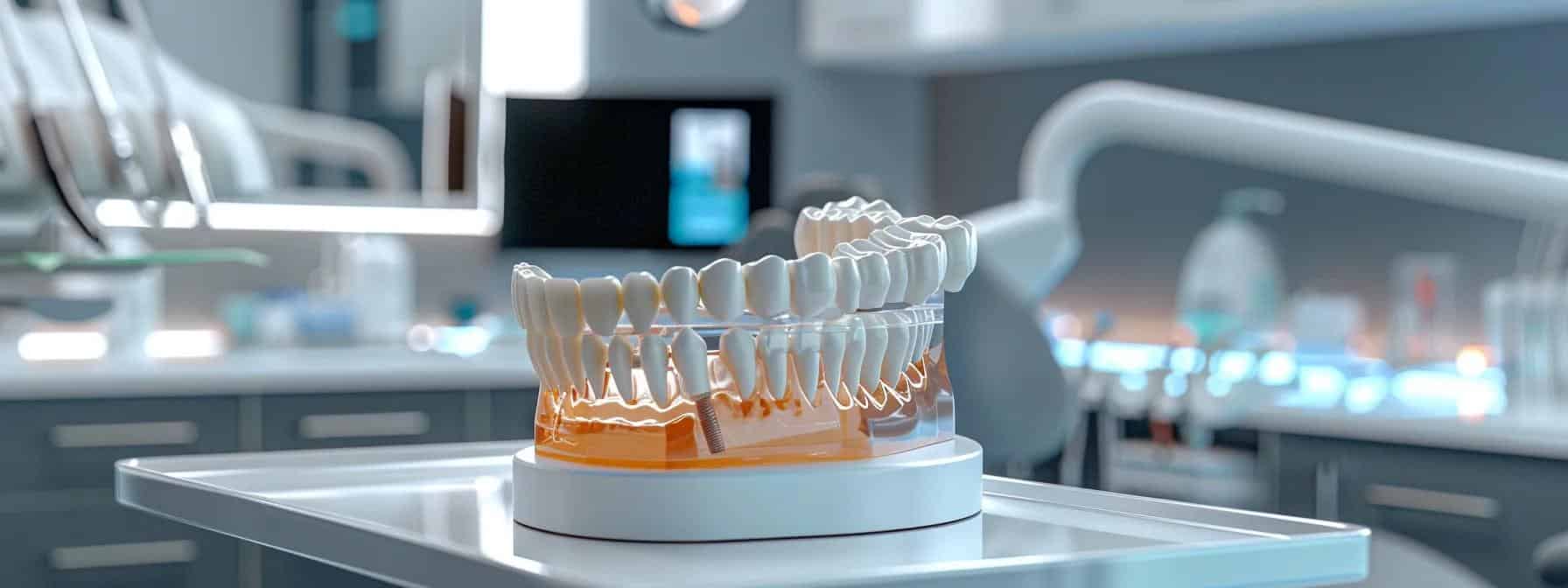
Dental implants provide a revolutionary and long-lasting alternative to conventional dentures by mimicking natural tooth roots. Made from biocompatible titanium, implants are surgically anchored into the jawbone, offering a stable foundation for crowns, bridges, or dentures. This method preserves bone density and prevents deterioration associated with tooth loss.
An Overview of Dental Implants and Their Function
Dental implants rely on osseointegration—a process where the implant fuses with the jawbone, creating a secure and robust foundation that mimics natural tooth roots. Custom-designed for each patient, implants ensure an optimal fit that enhances both comfort and appearance. With success rates exceeding 95%, implants have become the gold standard for permanent tooth replacement.
During the surgical procedure, small incisions expose the jawbone before the precise drilling and placement of the titanium implant. Over several months, the implant integrates with the bone, and a prosthetic tooth or bridge is subsequently attached, resulting in a durable and lifelike replacement that requires minimal maintenance compared to dentures.
Benefits of Choosing Dental Implants for Oral Health
Dental implants offer many advantages beyond tooth replacement. They prevent bone resorption by providing mechanical stimulation similar to natural roots, thus preserving jawbone structure and maintaining a youthful facial profile. Unlike traditional bridges, implants do not compromise neighboring teeth, offering a more conservative restoration approach.
Implants also enhance chewing and speech function and are easier to clean, since they can be maintained like natural teeth with regular brushing and flossing. Despite a higher initial investment, implants are cost-effective over the long term due to their longevity and reduced maintenance needs.
Are You a Suitable Candidate for Dental Implants?
Suitability for dental implants is determined through a comprehensive evaluation of oral health, bone density, and medical history. Denton specialists use imaging studies such as cone-beam computed tomography (CBCT) scans to assess jawbone quality. Patients with conditions like uncontrolled diabetes or severe osteoporosis may require additional treatment before implant placement.
A commitment to good oral hygiene and regular dental visits is essential. Smoking and active periodontal disease must be managed to ensure a healthy environment for implant integration. Denton providers discuss each patient’s expectations and lifestyle to recommend the most appropriate treatment plan, whether it is a single-tooth replacement or a full-arch restoration.
The Dental Implants Procedure From Start to Finish
The dental implant procedure is carefully planned and executed in stages. Initially, a pre-surgical assessment—including digital scans, X-rays, and dental impressions—helps create a tailored treatment plan. Once planning is complete, the implant surgery is scheduled.
Under local anesthesia, small incisions in the gum expose the jawbone, where a channel is drilled for precise implant placement. The titanium implant is then secured, and the gum is sutured over it to allow undisturbed healing. Over the next three to six months, osseointegration occurs, integrating the implant with the bone.
After integration, a minor procedure exposes the implant, and a healing abutment is placed to shape the gum tissue before a custom crown, bridge, or denture is attached. Regular follow-ups ensure successful healing and allow for any necessary adjustments.
Maintaining Your Dental Implants for Lasting Results
Once in place, dental implants require standard oral hygiene practices, including brushing and flossing, similar to natural teeth. Regular check-ups are essential to monitor the implant’s condition and prevent complications such as peri-implantitis. Denton specialists may recommend antimicrobial mouthwash and specialized brushes to keep the implant and surrounding tissue clean.
Dietary modifications are minimal after healing, although patients are advised to avoid extremely hard or sticky foods immediately following treatment. Avoiding smoking and controlling conditions like diabetes further supports implant longevity. With proper care, implants can provide a natural and durable solution for decades.
Getting a Personalized Cost Estimate for Your Dental Implants
The cost of dental implants depends on factors such as the number of implants needed, case complexity, and any additional procedures like bone grafts or sinus lifts. In Denton, specialists offer personalized consultations where digital imaging and a review of your medical history lead to a tailored cost estimate. Costs are typically broken down into surgical fees, prosthetic fabrication, and maintenance. Denton providers also discuss financing options—including monthly payment plans and dental insurance coverage—to help make implants an affordable long-term investment.
What Influences the Cost of Full Mouth Dental Implants?
Full mouth dental implants are an advanced treatment, with costs influenced by several factors including the number and type of implants and the surgical procedures required. Additional procedures such as bone grafts or sinus lifts, as well as the choice between implant-supported dentures and individual implants, can significantly affect the overall expense.
Factors Determining the Price of Full Arch Dental Implants
Key factors in pricing full arch dental implants include the condition of the jawbone—patients with significant bone loss may require bone grafting—and the quality and brand of the implant system. Premium systems with advanced design features typically carry a higher cost but also offer increased longevity and stability. The complexity of the surgical procedure and the need for advanced imaging further impact both cost and treatment duration.
Location and provider expertise also influence pricing. Denton clinics balance competitive pricing with high-quality care through comprehensive treatment plans that cover pre-surgical evaluations, implant placement, healing, and final restoration. Detailed discussions during consultations ensure that patients receive a clear, personalized estimate.
Comparing Costs of Implant-Supported Dentures and Traditional Implants
Implant-supported dentures usually require fewer implants, which can reduce the number of surgeries and overall material costs, while still providing excellent stability and function. In contrast, traditional implant restorations generally involve an implant for each missing tooth, leading to higher initial costs. However, the long-term benefits—such as improved chewing function and reduced need for adjustments—often justify the expense. Denton providers offer clear cost comparisons during consultations so that patients can make informed decisions based on their financial situation and desired outcomes.
Understanding Different Full Mouth Dental Implant Techniques
Various techniques are used for full mouth implant restorations. The All-on-4 method, which uses four strategically placed implants to support a full arch, is popular for its efficiency and reduced surgical time. Alternative methods may involve more implants and staged surgeries over several months, offering enhanced stability and esthetic results but at a higher cost. Denton specialists evaluate each patient’s oral health and bone density to select the most appropriate technique, using digital simulations and 3D modeling to help patients visualize results.
Financing and Payment Options for Full Mouth Dental Implants
Given the substantial cost of full mouth dental implants, many Denton clinics provide flexible financing options. These include monthly payment plans, no-interest financing, and partnerships with dental insurance providers. Transparent, itemized estimates break down surgical fees, prosthesis fabrication, and follow-up care. Comprehensive consultations not only address cost concerns but also explore alternative treatment options, ensuring that patients receive a solution that is both effective and affordable.
Getting a Personalized Cost Estimate for Your Dental Implants
This section reaffirms that full mouth dental implant costs vary by case. A personalized consultation in Denton—complete with digital imaging and individual medical history review—ensures that each treatment plan is cost-efficient, medically appropriate, and tailored to long-term dental goals.
Accessing Affordable Dentures and Dental Implants in Denton
Affordability is crucial in dental care, especially when extensive treatment is needed. Denton clinics work to provide access to dentures and implants at competitive prices without sacrificing quality. Advances in technology and streamlined treatment planning have helped reduce costs while upholding high standards.
How We Make Dentures and Implants More Accessible in Denton
Local Denton practices invest in state-of-the-art technology and efficient workflows to lower treatment expenses. Strategies such as digital impressions, same-day provisional prosthesis fabrication, and improved supply chain management help pass cost savings on to patients. Clinics may also offer special promotions and subsidized programs for patients with limited insurance coverage.
Patient care coordinators guide every step of the process—from consultation to treatment—ensuring that each service is clearly explained and financially manageable.
Insurance Coverage for Dentures and Dental Implants
Dental insurance can significantly reduce the financial burden. Many plans cover a portion of the costs for dentures and implants, including benefits for routine exams and maintenance. Denton clinics work closely with insurance companies to verify benefits and maximize reimbursement through detailed treatment planning and clear cost breakdowns. Patients are advised to review their policies as coverage levels vary.
Payment Plans Available for Your Treatment
Understanding that dental expenses can be high, many Denton practices offer various payment plans. These options include no-interest financing, low monthly installments, and deferred payments, making it easier to manage the total cost over time. Treatment plans are customized to each patient’s financial situation, ensuring full transparency from the initial consultation.
Comparing Value and Quality With Affordability
Striking a balance between value, quality, and cost is key. Denton clinics emphasize state-of-the-art materials and advanced techniques while keeping treatments affordable. Detailed comparisons between traditional dentures, implant-supported dentures, and full dental implants help patients understand the long-term benefits and savings, making higher-quality restorations a sound investment.
The Advantages of Choosing Local Denton Specialists for Dentures and Implants
Choosing a local Denton specialist offers significant advantages, including personalized care and convenience that larger chains may not provide. Local providers are deeply familiar with community needs and offer tailored solutions for regional dental challenges.
Personalized Care From Your Denton Dental Team
Local dental teams in Denton prioritize individualized care. They take time during consultations to understand each patient’s dental history and treatment priorities, leading to better outcomes. Every step—from evaluation and planning to final fitting—is managed with a focus on both functional and cosmetic requirements.
Convenient Follow-Up Appointments for Dentures in Denton
Local providers offer flexible scheduling for adjustments, maintenance, and repairs, making follow-up appointments both convenient and timely. This regular care is essential for monitoring denture and implant performance, ensuring early intervention when issues arise.
Supporting Your Community by Choosing Local Dental Implant Providers
Supporting local dental providers not only offers dedicated service but also strengthens the community economy. Patients benefit from the personalized attention of providers who understand local demographics and regional dental challenges, often resulting in higher satisfaction and more responsive care.
Understanding Local Needs for Dental Restorations
Local Denton specialists are uniquely positioned to address the specific dental restoration needs of the community. They consider factors such as dietary habits, socio-economic conditions, and demographic trends to recommend treatments that deliver both functionality and aesthetic appeal. This community-focused approach ensures culturally sensitive and clinically effective care.
Making an Informed Decision About Your Dental Restoration
Choosing between dentures and dental implants requires careful consideration of long-term oral health, lifestyle, and financial implications. Informed decision-making involves a collaborative process between the patient and the dental team, weighing the benefits and potential drawbacks of each option. Whether you choose traditional removable dentures or opt for the permanence of dental implants, factors like longevity, maintenance, and overall impact on quality of life must be considered.
Questions to Ask About Dentures and Dental Implants
It is important to ask specific questions during your consultation. Key inquiries might include: – “What are the success rates of dentures compared to implants?” – “Are there specific risks associated with either option?” – “What type of post-treatment care and adjustments are typically required?” – “What is the expected lifespan of the restoration?”
These questions, along with inquiries about financing and bundled service options, will help ensure a well-informed decision.
Comparing the Longevity of Dentures Versus Dental Implants
Dental implants are generally more permanent than dentures. While dentures may need relining or replacement every 5 to 7 years, implant-supported prostheses are designed to last for decades with proper care. This longevity, combined with improved stability and oral hygiene, often makes implants a more cost-effective and durable solution over time, despite a higher initial investment.
How Your Lifestyle Impacts Your Choice of Dental Solution
Lifestyle factors play a significant role in choosing the right dental restoration. Active individuals or those concerned about denture slippage during meals or exercise may prefer the fixed stability of dental implants. Conversely, patients seeking a non-surgical, more affordable solution might opt for traditional dentures, provided they are comfortable with the maintenance and periodic adjustments required. Occupational demands and social engagements also influence the decision, making personalized consultations critical to aligning treatment with lifestyle needs.
Schedule a Consultation for Dentures or Dental Implants in Denton
The decision between dentures and dental implants is highly personal. Denton specialists invite you to schedule a consultation to discuss your specific needs, review treatment options, and understand the financial details. During the consultation, digital scans, X-rays, and bone density evaluations help design a customized treatment plan. This initial appointment is an essential step toward restoring your smile and function, with expert advice ensuring that your long-term dental health goals are met.
Table: Comparison of Denture and Implant Options
Before diving into further details, consider the following table comparing key attributes between dentures and dental implants:
Treatment Option
Stability
Longevity
Maintenance Needs
Additional Procedures
Cost Consideration
Full/Partial Dentures
Removable, less stable
5–7 years on average
Regular cleaning, occasional relines
May require adhesives
Lower initial cost
Implant-Supported Dentures
Highly stable
Up to lifetime
Routine hygiene like natural teeth
Bone grafting, sinus lift
Higher initial cost, long-term savings
Traditional Dental Implants
Fixed, permanent
Up to lifetime
Low maintenance, like natural teeth
Custom fabrication for crowns
Higher upfront investment
This table highlights factors influencing the choice between dentures and implants. While dentures offer an affordable short-term solution, implants provide superior stability and longevity, often making them a more sound long-term investment.
Following the table, it is important to note that factors such as bone density and daily habits significantly affect the final treatment decision. Denton specialists tailor their recommendations to match both your goals and budget.
Frequently Asked Questions
Q: What are the main differences between dentures and dental implants? A: Dentures are removable appliances that replace missing teeth, while dental implants are permanently fixed into the jawbone. Implants, due to osseointegration, offer superior stability and longevity compared to dentures. Although dentures are initially more affordable, implants generally last longer and require less maintenance.
Q: How long does the dental implant process take? A: The process typically spans several months. It begins with an evaluation and planning session, followed by surgical implant placement. Osseointegration takes about three to six months, after which an abutment and prosthesis are attached. Follow-up visits ensure proper healing and final adjustments.
Q: Can I finance my dentures or dental implants? A: Yes, many Denton dental clinics offer flexible financing options, including monthly payment plans, no-interest financing, and assistance with dental insurance claims. These options help spread the cost over time without compromising on quality.
Q: What kind of care do dentures and implants require? A: Both require diligent oral hygiene and routine check-ups. Dentures should be cleaned daily with a non-abrasive cleanser and soaked overnight, while implants are maintained like natural teeth through regular brushing, flossing, and professional cleanings.
Q: Who is a good candidate for dental implants? A: Ideal candidates have adequate jawbone density and overall good oral health. Commitment to maintaining a rigorous oral hygiene routine and managing conditions such as periodontal disease is also essential. Denton providers evaluate each patient’s medical history, including factors like smoking and chronic illnesses, before recommending implants.
Q: How do implant-supported dentures differ from traditional dentures? A: Implant-supported dentures are secured by dental implants, providing a fixed, stable fit unlike traditional dentures, which rely on suction and adhesives. This enhanced stability improves chewing and speech and preserves the jawbone by stimulating natural bone growth. Though the initial cost is higher, the long-term benefits often justify the investment.
Q: What should I expect during my initial consultation for dentures or dental implants? A: During the consultation, a comprehensive oral examination is performed, including imaging studies such as X-rays and digital scans. Your dental history, bone density, and treatment expectations are reviewed, and options are explained in detail along with associated costs, ensuring you can make an informed decision about your care.
Final Thoughts
Restoring your smile with dentures or dental implants in Denton, TX, is a significant investment in your overall health and quality of life. From initial evaluation and personalized treatment planning to final restoration, you receive a durable, natural-looking solution that complements your lifestyle. Local Denton dental specialists combine advanced treatment techniques with compassionate care and flexible financing options, making high-quality dental restoration accessible to all. Schedule your free consultation today and take the first step toward a confident, healthy smile.