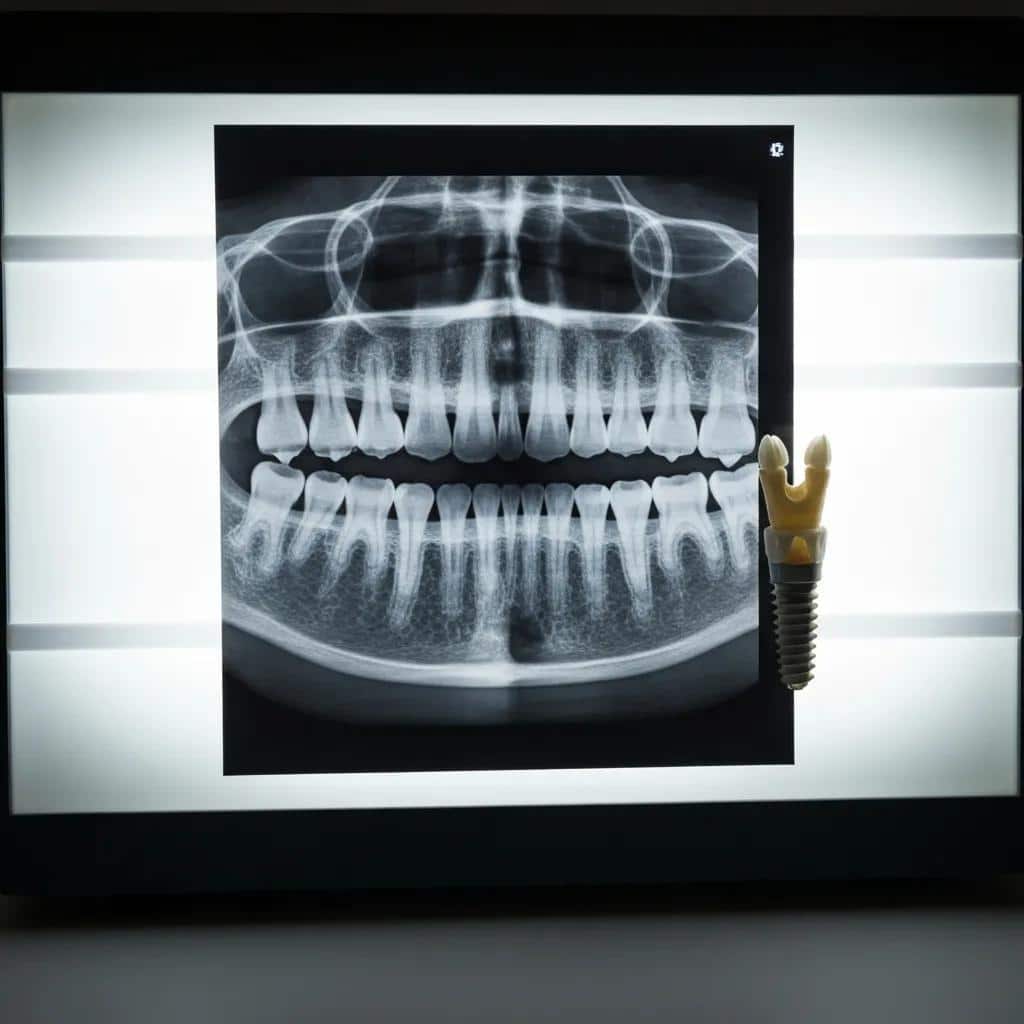
Health Issues That Can Delay or Prevent Dental Implant Surgery — Who’s Eligible, What the Risks Are, and Practical Solutions
Dental implants replace missing teeth with a fixed, long-term solution. They rely on osseointegration — the biological bonding of a titanium implant to your jawbone — to restore function and stability. Certain systemic illnesses, local oral problems, medications, and lifestyle factors can interfere with that healing process, so it’s important to know which issues may delay or temporarily prevent implant placement. This article walks through the common medical and dental barriers to implant candidacy, explains the biology behind delayed healing or implant loss, offers evidence-based ways to reduce risk, and lays out practical next steps you can take. We cover general eligibility criteria and specific conditions (diabetes, osteoporosis), the effects of periodontitis, how smoking and autoimmune disease change planning, medication-related concerns, timing after cancer treatment, and the value of a full consultation. Where relevant, we note that Dentist in Denton – Dentures & Dental Implants offers a $79 FREE DENTAL CONSULTATION and a Free Dental Implant Consult (30 minutes) for a personalized evaluation and treatment roadmap. Read on to self-assess common risks, learn the clinical thresholds dentists use, and find the steps that often let patients with complex health histories become good implant candidates.
What general health issues affect dental implant eligibility?
Eligibility for implants comes down to two main areas: local oral health (infection, bone volume, soft tissue condition) and systemic health that affects healing or increases surgical risk. Systemic conditions change immune response, blood flow at the surgical site, and bone remodeling — all essential for osseointegration — while local disease supplies bacteria that can prevent stable integration. Recognizing the common medical and dental factors that influence candidacy helps you and your clinician prioritize treatment and decide when it’s safe to place implants. Below you’ll find a short checklist and a compact clinical-reference table to help self-assess and identify sensible next steps.
Many people become implant candidates after medical stabilization or dental treatment; when concerns remain, coordinated care with medical specialists is usually needed to reduce risk and time surgery appropriately.
Common issues clinicians review before recommending dental implants include:
Chronic systemic diseases such as diabetes, advanced osteoporosis, or uncontrolled autoimmune conditions.
Active cancer treatment (chemotherapy or recent head/neck radiation) that suppresses immunity or harms local blood supply.
Medications that affect bone remodeling or increase bleeding risk, for example bisphosphonates or some SSRIs.
Local oral problems: active periodontitis, untreated infections, inadequate jawbone volume, or poor oral hygiene.
The brief matrix below summarizes how these conditions typically affect implant planning and common steps clinicians take to reduce risk.
Require improved glycemic control and medical clearance before placement
Active periodontitis
Local bone loss and persistent bacterial biofilm raise peri-implantitis risk
Complete periodontal therapy and show stability before implant surgery
Osteoporosis / antiresorptive therapy
Lower bone density and altered remodeling can reduce primary stability
Assess jawbone with imaging; consider grafting or alternate protocols
Recent chemotherapy / head/neck radiation
Systemic immunosuppression or local vascular compromise
Coordinate timing with oncology; often wait and obtain specialist clearance
This table is a quick guide to whether you might need further medical testing or dental pre-treatment; the next step for most people is a detailed evaluation with imaging and medical review.
Which medical conditions commonly prevent dental implants?
Few conditions are absolute, but some act as temporary or relative contraindications depending on severity and control. Absolute contraindications are uncommon; however, uncontrolled systemic disease, ongoing IV bisphosphonate therapy, or severe, untreated oral infections usually warrant postponing surgery. For safety, clinicians typically request current medical documentation, relevant lab results, and specialist clearance when oncology or autoimmune care is active. Many prohibitive conditions work through the same biological problems: poor bone formation, reduced blood supply, or persistent infection that prevents stable osseointegration. With targeted medical optimization — for example better glucose control or completion of periodontal therapy — patients with chronic conditions often reach implant candidacy and achieve outcomes similar to the general population when managed appropriately.
If you think one of these issues applies to you, schedule a Free Dental Implant Consult to review your history and plan safe next steps.
How does overall oral health influence implant success?
Your mouth is the local environment where implants must heal. Bacterial biofilms and periodontal inflammation directly harm healing and long-term implant health. Healthy gums and no active bone loss let clinicians place implants predictably and lower the chance of peri-implantitis — the inflammatory loss of bone and tissue around an implant. Before surgery we clear infections, perform debridement or curettage when needed, and may delay placement until pockets and inflammation are controlled. After placement, maintenance and patient commitment to hygiene are essential; studies show implants in patients with treated periodontitis need closer recall but can remain durable when monitored. In short, controlling gum disease and keeping excellent hygiene often opens the door to safe implant treatment, even for patients with a history of gum problems.
If your exam shows active disease, book the Free Dental Implant Consult to get a tailored periodontal stabilization plan and realistic timelines for implant placement.
How does diabetes affect implant surgery and healing?
Diabetes influences implant outcomes mainly through chronic high blood sugar, which impairs small-vessel circulation, immune cell function, and collagen production — processes that slow healing and raise infection risk. Well-controlled diabetes usually carries only a modestly higher complication rate compared with non-diabetic patients, while poorly controlled diabetes is linked to significantly higher rates of implant failure and post-op infection. Current guidelines recommend checking glycemic control (HbA1c, fasting glucose) before elective implant surgery so clinicians can stratify risk and add appropriate infection-prevention measures. Knowing how hyperglycemia disrupts osseointegration helps patients and providers set realistic optimization goals so implant therapy can proceed safely.
In practice, dentists often ask for documented glycemic targets and physician collaboration before scheduling implants; these precautions lower infection rates and improve integration success.
What are the risks of uncontrolled diabetes for dental implants?
Poorly controlled diabetes increases infection risk, slows new blood-vessel formation and collagen production, and disturbs the balance of bone-forming and bone-resorbing cells — all key to early osseointegration. The result can be longer healing times, more post-op complications (wound opening, peri-implant infections), and a higher chance of implant failure during the initial healing phase. While studies vary, the degree of risk depends on the level of glycemic control, other health conditions, and oral hygiene. Because the biological mechanisms are well understood, the main strategy is metabolic control plus enhanced perioperative infection prevention when needed. That’s why elective implants are often postponed until glucose control meets an agreed clinical target.
If you have diabetes, schedule a Free Dental Implant Consult to review your HbA1c, coordinate with your physician, and build a personalized implant timeline.
How can diabetes be managed to improve implant eligibility?
Preparing for implant surgery with diabetes means setting measurable targets, working with your medical team, and boosting infection prevention. Typical goals include achieving an acceptable HbA1c (as agreed with your dentist and physician), reducing day-to-day glucose swings, and ensuring you understand perioperative glucose care. Coordination with your primary care physician or endocrinologist lets clinicians adjust medications and confirm stable control before surgery. Dentists may also use stricter sterile protocols, prescribe prophylactic antibiotics when indicated, and schedule closer post-op follow-up to catch problems early. With these steps, many patients with diabetes reach outcomes comparable to non-diabetic peers.
To turn these recommendations into a practical plan, consider the Free Dental Implant Consult with Dentist in Denton – Dentures & Dental Implants to align medical optimization with implant timing.
In what ways do osteoporosis and bone loss affect implant success?
Jawbone density and quality are essential for primary implant stability and long-term load-bearing. Implants depend on mechanical engagement at placement and biologic remodeling over months to fully integrate. Systemic osteoporosis lowers bone mass and can change the bone microarchitecture, making initial fixation more challenging and increasing the need for bone grafts or wider, denser implant designs. Local bone loss — from long-term tooth loss or periodontal disease — also reduces available volume and may require ridge augmentation or sinus lifts to rebuild support. We assess bone with panoramic radiographs and CBCT scans and plan grafting or implant selection based on both systemic bone health and local anatomy.
Understanding how systemic bone disease interacts with jaw anatomy lets us target interventions that restore volume and biomechanical support for predictable implant success.
Bone Condition / Intervention
Jawbone Impact
Recommended Solution / Success Notes
Systemic osteoporosis
Lower bone mineral density, possible reduced primary stability
Pre-op imaging, consider grafting or denser implant designs; coordinate with physician
Localized ridge resorption
Reduced width/height at implant site
Ridge augmentation, onlay grafts, or staged implant placement as needed
Sinus pneumatization
Reduced posterior maxillary height
Sinus lift augmentation to create vertical height for implants
Bone grafting (autogenous/allograft)
Restores volume and scaffold for remodeling
Often enables implants in previously insufficient sites with high success when healed
Why is jawbone density crucial for dental implants?
Bone density affects how well an implant gets primary stability — the mechanical anchorage right after placement — which is required for later biological osseointegration. Dense cortical bone yields higher insertion torque and micro-stability; low-density trabecular bone may need longer healing or extra fixation to avoid micromotion that compromises integration. CBCT imaging measures bone volume and density and helps plan implant diameter, length, and whether grafting is necessary. When ridge width or height is insufficient, surgeons address it with augmentation before or during implant placement. Careful pre-surgical planning based on jawbone assessment is key to predictable long-term results.
Assessing density guides selection of grafting or implant protocols that match the patient’s anatomy and overall bone health.
How do bisphosphonate medications impact implant surgery?
Bisphosphonates and other antiresorptive drugs affect bone remodeling by suppressing osteoclast activity. While they stabilize bone in many patients, in rare cases they can increase the risk of medication-related osteonecrosis of the jaw (MRONJ) after invasive dental procedures. The absolute risk is low for most oral bisphosphonate users but higher with long-term or high-dose IV therapy. Best practice is full medication disclosure, coordination with the prescribing physician, and careful risk assessment; in selected situations a drug holiday may be discussed with the medical team, though guidance varies. When implants are planned for patients with a history of antiresorptive therapy, thorough informed consent and meticulous surgical technique, plus strong preventive oral hygiene, help minimize complications.
If you take bisphosphonates or similar drugs, tell us at your Free Dental Implant Consult so we can coordinate planning with your physician.
Why is gum disease a barrier to dental implant surgery?
Active periodontal disease creates a chronic inflammatory, bacteria-rich environment that harms the bone and soft tissues needed for implant success. Periodontitis produces pockets of biofilm and progressive alveolar bone loss; placing an implant into that setting increases the chance bacteria will colonize the implant surface and lead to peri-implantitis. Because of this, periodontal stabilization is generally required before implants: clinicians aim to reduce pocket depths, resolve infection, and re-establish healthy tissue before moving forward. Ongoing maintenance and excellent home care after placement are just as important because implants lack the protective periodontal ligament of natural teeth and are vulnerable if plaque control slips. Treating gum disease first usually restores candidacy and improves long-term outcomes.
Stabilizing periodontitis often means staged therapy and re-evaluation; schedule the Free Dental Implant Consult to map a periodontal-to-implant timeline if gum disease is present.
How does active periodontitis prevent implant placement?
Active periodontitis prevents immediate implant placement because the inflamed, bacteria-laden environment interferes with the clean bone–implant interface needed for osseointegration. The biofilm releases enzymes and inflammatory mediators that drive bone loss and delay healing, while inflamed soft tissues raise the risk of surgical-site contamination. Clinicians look for signs such as bleeding on probing, deep pockets, pus, and radiographic bone loss to decide whether to delay implants. Evidence-based care calls for eliminating active infection through scaling, root planing, or surgical periodontal treatment before attempting implants. Most providers proceed only after documented periodontal stability to reduce early and late failures.
Once periodontitis is controlled, the next step is reassessing bone volume and timing for implants — topics we cover during the consult.
What pre-treatment is needed to address gum disease before implants?
Periodontal pre-treatment follows a stepwise plan: start with non-surgical therapy (scaling and root planing), reinforce home care, and re-evaluate to confirm tissue stability. If pockets or defects persist, surgical periodontal procedures — flap access, osseous recontouring, or regenerative work — may be needed to restore anatomy and reduce pocket depth. After active therapy, a period of maintenance care with more frequent professional cleanings confirms stability; many clinicians ask for several months of documented health before placing implants. The frequency of maintenance and need for regeneration depend on defect severity and response to treatment. Successful pre-treatment lowers bacterial load and inflammation, creating the environment implants need to succeed long-term.
If you’re in periodontal care now, the Free Dental Implant Consult can align your maintenance schedule with implant timing and evaluate grafting needs.
How do smoking and tobacco use affect implant healing and success?
Smoking and nicotine harm healing by narrowing blood vessels, reducing oxygen delivery, and impairing immune cells. These changes slow soft-tissue closure and bone remodeling around implants. Clinically, smokers have higher rates of early implant failure and later complications such as peri-implantitis compared with non-smokers; risk rises with the number of cigarettes per day. Mechanisms include reduced angiogenesis and weaker neutrophil response, which together lower infection resistance and bone remodeling capacity. Because quitting markedly improves outcomes, many clinicians advise a smoke-free period around surgery and offer support for cessation. Addressing tobacco use before treatment is one of the most important modifiable factors in implant planning.
Reducing or stopping tobacco use before surgery improves circulation and immune response, directly increasing the chance of predictable osseointegration.
What is the impact of nicotine on blood flow and osseointegration?
Nicotine causes vasoconstriction that limits microvascular perfusion at surgical sites, cutting oxygen and nutrient delivery needed for new blood-vessel growth and early bone formation. The result is slower soft-tissue healing and a higher chance of bacterial invasion at the implant interface, which undermines the initial stability needed for osseointegration. Research shows slower revascularization and higher inflammatory markers in smokers versus non-smokers. Those microvascular and immune deficits translate to measurable differences in implant survival and complication rates, especially when other risks (poor hygiene, systemic disease) are present. That biological picture explains why clinicians counsel smoking cessation to improve outcomes.
Better perfusion and immune recovery after quitting help normalize healing timelines and reduce post-op complications; recommended cessation windows are reviewed during planning.
How can quitting smoking improve implant outcomes?
Stopping smoking before implant surgery reduces vasoconstriction, restores oxygenation, and improves immune function — all of which support more reliable osseointegration and fewer infections. Clinically, we encourage patients to stop several weeks before surgery and to remain abstinent through the critical healing period; long-term cessation further lowers late complications such as peri-implantitis. Support options include counseling, medications, and community resources to increase quit success. Even temporary cessation around the operative window meaningfully improves tissue perfusion and healing markers, helping implants integrate more predictably. For many patients, a documented smoke-free interval becomes part of the pre-op optimization plan.
If you use tobacco, discuss practical cessation strategies during the Free Dental Implant Consult so we can set a realistic quit timeline tied to your implant schedule.
What role do autoimmune diseases play in implant eligibility?
Autoimmune diseases and the medications used to treat them change immune balance and inflammation, which can delay healing or raise infection risk. Conditions such as rheumatoid arthritis, systemic lupus erythematosus, and Sjögren’s syndrome affect oral tissues and systemic healing to varying degrees — disease activity and the specific immunomodulators in use are key risk factors. Clinicians assess disease stability, current medications (including biologics and steroids), and coordinate with rheumatologists or other specialists to plan surgery during lower-activity periods. Personalized plans that adjust medication timing, add infection prophylaxis, and increase post-op monitoring often let many autoimmune patients safely receive implants.
Coordinated planning with your specialist reduces flare risk and informs perioperative medication strategies, improving the chance of successful implant therapy.
Which autoimmune conditions affect healing and implant success?
Autoimmune disorders such as rheumatoid arthritis and lupus may slow wound healing and raise infection risk because of the disease itself and the immunosuppressive drugs used to treat it. Sjögren’s syndrome also reduces saliva and affects mucosal health, which can change how tissues respond around implants. The impact on implant prognosis depends on disease control and the level of immunosuppression; active flares or high-dose steroid use typically increase surgical risk. For this reason, rheumatology clearance and careful timing or adjustment of medications are often part of the plan. With controlled disease and good coordination, many autoimmune patients complete implant therapy successfully.
If you have an autoimmune diagnosis, include your specialist’s input during the Free Dental Implant Consult so we can build a safe, individualized plan.
How is personalized care tailored for autoimmune patients?
Personalized care for autoimmune patients focuses on scheduling surgery during periods of low disease activity, reviewing immunosuppressive regimens with the prescribing clinician, and planning more frequent post-op checks to catch problems early. Practical steps include obtaining recent labs or clinic notes that document control, discussing temporary modification of biologic therapies when supported by your specialist, and setting wound-care protocols that account for slower healing. Post-op maintenance visits are often more frequent to monitor for infection or delayed integration. By aligning medical and dental teams around a clear perioperative strategy, many autoimmune patients receive implants with results similar to the general population when disease control is optimized.
Coordinate these steps at your Free Dental Implant Consult so your rheumatologist’s recommendations are part of the surgical plan.
Which medications can delay or prevent dental implant surgery?
Several drug classes influence bone healing, infection risk, or bleeding tendencies and therefore affect implant timing and technique. Antiresorptives (bisphosphonates, denosumab) have been linked in certain scenarios to medication-related osteonecrosis of the jaw. Observational studies have noted associations between SSRIs or some proton-pump inhibitors and bone metabolism changes, while chronic NSAID use can blunt early inflammatory signals needed for bone remodeling. Anticoagulants raise perioperative bleeding risk and require coordinated management, and long-term systemic steroids impair healing and immune response. Full medication disclosure lets clinicians stratify risk, obtain medical input, and — when appropriate — plan perioperative medication adjustments or drug holidays with the prescriber to lower complications.
The medication reference table below lists common drug classes, how they affect bone or healing, and typical clinical implications to guide discussion with your dental team.
Medication / Drug Class
Effect on Bone or Healing
Clinical Implication / Suggested Action
Bisphosphonates / Denosumab
Inhibit osteoclast-mediated remodeling; risk of osteonecrosis
Require full disclosure; coordinate with prescriber; high-risk cases may defer invasive work
SSRIs (selective serotonin reuptake inhibitors)
Observational links to reduced bone density and altered remodeling
Discuss risk; surgeon may adjust protocol or monitor bone healing closely
NSAIDs (chronic use)
Inhibit prostaglandin pathways involved in early bone healing
Consider perioperative management plan to balance analgesia and healing needs
Anticoagulants
Increased bleeding risk during surgery
Coordinate with physician for perioperative anticoagulation plan to minimize bleeding
What common drugs interfere with bone healing and osseointegration?
Clinicians routinely review antiresorptives (bisphosphonates, denosumab), certain antidepressants (SSRIs), long-term corticosteroids, and chronic NSAIDs — each affects bone remodeling or complication risk in different ways. Antiresorptives reduce turnover and are rarely associated with osteonecrosis after invasive dental work. SSRIs have been linked in some studies to lower bone density, though evidence is mixed and risk is relative. Chronic steroids blunt inflammatory responses and collagen formation, raising infection and delayed-healing risks. Since effects vary by dose, route, and duration, clinicians collect a complete medication list and often consult the prescribing physician to determine safe timing or modifications.
Provide a full medication list early in planning so we can put tailored risk-reduction measures in place.
Why is full medication disclosure important before implant surgery?
Full disclosure matters because many prescription and over-the-counter agents affect bleeding, immune function, or bone biology; leaving out medications can lead to avoidable complications. Clinicians use a medication list to assess risk, arrange medical clearances, and decide whether temporary pauses, dose changes, or alternate therapies are needed. Accurate documentation also ensures informed consent reflects your real risk profile. Bring an up-to-date list — including supplements and topical agents — to every pre-op visit so the dental team can coordinate care with other providers and create safe perioperative protocols. Transparent medication communication is a cornerstone of safe implant care.
Bring your complete med list to the Free Dental Implant Consult so the team can create a secure, evidence-informed plan.
How does cancer treatment influence implant timing and success?
Cancer treatments like chemotherapy and head/neck radiation change implant timing and outcomes because they affect immune function and local blood supply. Chemotherapy can cause temporary myelosuppression and low neutrophils, making elective surgery unsafe until counts recover; radiation to the jaw reduces vascularity and raises the risk of osteoradionecrosis, a serious complication after invasive oral surgery. In some cases, adjunctive therapies (for example, hyperbaric oxygen) have been used as part of a multidisciplinary plan, but recommendations vary and require specialist input.
Because of this complexity, implants after cancer therapy require careful, multidisciplinary planning to balance oncologic safety and oral rehabilitation goals.
What are the effects of radiation therapy on the jaw and healing?
Radiation causes progressive changes in bone and soft tissue — reduced blood flow, fibrosis, and impaired remodeling — that increase infection risk and slow healing. The irradiated jaw has lower perfusion and decreased regenerative capacity, which raises the chance of osteoradionecrosis after surgery. Clinicians consider radiation dose, field, and time since therapy when assessing risk; implants in irradiated bone require detailed risk discussions, possible adjunctive measures, and close follow-up. Collaboration with the radiation oncology team is essential to weigh the benefits and risks of implant rehabilitation in previously irradiated areas. With appropriate precautions and careful selection, implants can succeed in some irradiated patients, but decisions are individualized and cautious.
Coordinating with your oncology team helps clarify safe timelines and any adjunctive therapies that could reduce surgical risk.
When is it safe to schedule dental implants after chemotherapy?
Scheduling implants after chemotherapy depends on hematologic recovery, absence of ongoing immunosuppression, and oncologic clearance. Clinicians generally wait until neutrophil and platelet counts are back to safe levels and the oncologist agrees it’s appropriate to proceed. Typical practice includes verifying recent bloodwork, confirming no ongoing myelosuppression, and ensuring the patient isn’t on maintenance immunosuppression that would impair healing. The waiting period varies by regimen and individual recovery, so timing is decided case by case with oncology input. Once systemic recovery is documented, dental surgery may proceed with standard perioperative precautions and closer post-op monitoring to support osseointegration.
Bring recent oncology notes or lab results to the Free Dental Implant Consult so we can determine personalized timing and testing needs before scheduling surgery.
Why is a comprehensive consultation essential for patients with health issues considering implants?
A comprehensive consult combines medical history, medication review, imaging, and risk assessment to create a safe, evidence-based implant plan tailored to patients with complicating health factors. For medically complex patients, the consult identifies modifiable risks, the specialists who should be involved, and the sequence of pre-treatments such as periodontal therapy or bone grafting. The visit produces a clear agenda: necessary imaging (CBCT/x-rays), a medical-clearance checklist, a discussion of timing and alternatives, and an initial treatment estimate. This process reduces surprises, sets realistic expectations, and raises the odds of success by addressing systemic and local barriers before surgery. As a next step, our clinic offers services that quickly convert the evaluation into a coordinated treatment plan.
Dentist in Denton – Dentures & Dental Implants provides a Free Dental Implant Consult (30 minutes) and a $79 FREE DENTAL CONSULTATION option for patients who want a focused review of medical complexities and a personalized implant roadmap.
What does a Free Dental Implant Consult include for patients with medical concerns?
For medically complex patients, the Free Dental Implant Consult usually includes a thorough medical and medication history review, an intraoral exam, and diagnostic imaging to assess bone volume and periodontal status. The consult identifies medical issues needing physician collaboration, recommends any required labs or specialist clearances, and outlines treatment sequencing — for example, periodontal stabilization followed by grafting and staged implant placement. You’ll get an initial discussion of timelines, risks, and maintenance needs; the consult produces an evidence-based next-step plan rather than an immediate surgery date. This structured approach ensures the dental and medical teams share a coordinated plan for safe care.
Bring your medication list and recent medical records to the consult so we can start interdisciplinary coordination right away.
How can patient success stories inspire confidence despite health challenges?
Short, anonymized case summaries show that patients with controlled diabetes, prior periodontal disease, or managed autoimmune conditions can often receive implants after proper optimization and coordinated care. These examples demonstrate that staged periodontal therapy, targeted grafting, and timed surgery after medical clearance frequently transform initially risky situations into successful rehabilitation. Key elements in those successes include measurable disease control pre-op, full medication disclosure, and strict adherence to maintenance after implant placement. Sharing these pathways helps patients understand realistic expectations, required commitment, and the practical steps that make implant therapy possible despite health challenges.
If you’re managing health issues, the Free Dental Implant Consult will review similar cases and map out an actionable plan so you can safely explore implant options.
Frequently Asked Questions
What lifestyle changes can improve dental implant success?
Certain lifestyle changes make a real difference. Quitting smoking is one of the most important steps because tobacco impairs healing and raises complication risk. Eating a balanced diet rich in vitamins and minerals supports tissue repair. Good oral hygiene — regular brushing, flossing, and professional cleanings — prevents infections that threaten implants. Staying hydrated and managing stress also aid recovery. These practical steps help create the conditions implants need to heal and last.
How long does the dental implant process take?
Timing varies by case, but most patients should expect several months from evaluation to final restoration. The planning phase may take a few weeks. After implant placement, osseointegration — the fusion of implant and bone — typically requires 3 to 6 months. Once integrated, the final crown is placed over a few additional weeks. Overall, plan for roughly 4 to 8 months, depending on healing and any preparatory treatments like grafts or periodontal work.
Are there alternatives to dental implants for missing teeth?
Yes. A traditional dental bridge uses adjacent teeth for support, partial dentures offer a removable option for several missing teeth, and full dentures replace an entire arch. Each alternative has trade-offs in cost, appearance, function, and maintenance. Your dental professional can help you choose the best option based on oral health, lifestyle, and budget.
What are the signs of implant failure?
Warning signs include ongoing pain or discomfort at the implant site, persistent swelling or redness, pus or discharge, noticeable mobility of the implant, changes in bite or alignment, and trouble chewing. If you notice any of these, contact your dentist promptly. Early evaluation and treatment give the best chance to address problems and protect your oral health.
How can I prepare for dental implant surgery?
Start with a comprehensive consultation to review your medical history and medications. Improve oral hygiene and complete any recommended pre-treatments, such as periodontal therapy. Avoid smoking and limit alcohol before surgery. Arrange for post-op support and transportation home after the procedure. Follow your dentist’s pre-operative instructions closely — they’re designed to reduce risk and promote smooth healing.
What is the cost of dental implants, and does insurance cover them?
Implant costs vary by case complexity, implant type, and location. On average, a single implant (including the surgical procedure and crown) typically ranges from $3,000 to $4,500. Dental insurance may offer partial coverage, but policies differ widely. Check with your insurance provider and discuss financing options with our office to understand total costs and available payment plans.
Conclusion
Knowing which health issues can delay or prevent implant surgery helps you and your care team plan for the best outcome. By addressing systemic conditions, optimizing oral health, and reviewing medication risks, many patients improve their candidacy and enjoy smoother recoveries. The first step is a tailored evaluation — schedule your Free Dental Implant Consult today to explore options. With the right planning and coordination, many patients overcome barriers and benefit from the long-term function and confidence that implants provide.