How Dental Implants Work for Optimal Functionality: Comprehensive Guide to Procedure, Benefits, and Materials
Dental implants have revolutionized the field of restorative dentistry, providing a durable solution for tooth loss that closely mimics the function of natural teeth. This comprehensive guide will delve into how dental implants work, their benefits, and the materials used in their construction. Many individuals face challenges with missing teeth, which can affect their ability to chew, speak, and maintain a confident smile. Dental implants offer a reliable solution that restores both functionality and aesthetics. In this article, we will explore the components of dental implants, the step-by-step procedure, the various types available, and the financial considerations for patients in Crowley, Texas.
What Are Dental Implants and How Do They Restore Tooth Function?
Dental implants are artificial tooth roots made of biocompatible materials that are surgically placed into the jawbone to support replacement teeth. They restore tooth function by providing a stable foundation for dental crowns, bridges, or dentures. The key components of a dental implant include the implant post, abutment, and dental crown. This innovative solution not only replaces missing teeth but also helps maintain the integrity of the jawbone, preventing bone loss that often occurs after tooth extraction.
The selection of these biocompatible materials is crucial for the long-term success and integration of dental implant prostheses.
Biocompatible Materials for Dental Implant Prostheses
In this review study, the role of biocompatible materials in dental implants is investigated in in the biocompatible material effects and their role in supporting dental implant prostheses.
The role of biomaterials and biocompatible materials in implant‐supported dental prosthesis, R Eftekhar Ashtiani, 2021
What Are the Key Components of a Dental Implant?
Implant Post: This is the titanium or zirconia screw that is surgically inserted into the jawbone, serving as the root of the artificial tooth.
Abutment: This connector piece sits on top of the implant post and holds the dental crown in place.
Dental Crown: The visible part of the implant that resembles a natural tooth, providing the aesthetic appearance and functionality.
These components work together to create a strong and durable replacement for missing teeth, ensuring optimal functionality.
How Do Dental Implants Mimic Natural Tooth Roots?
Dental implants mimic natural tooth roots through a process called osseointegration. This occurs when the implant post fuses with the surrounding jawbone, creating a stable and secure foundation for the replacement tooth. The stability provided by implants allows patients to chew and speak with confidence, similar to their natural teeth. Additionally, the presence of the implant post stimulates the jawbone, preventing the bone loss that typically follows tooth loss.
How Does the Dental Implant Procedure Work Step-by-Step?
What Happens During the Initial Consultation and Assessment?
During the initial consultation, the dentist will assess the patient’s dental health, including taking X-rays and creating a treatment plan. This assessment is crucial for determining the suitability of dental implants and identifying any necessary preparatory procedures, such as bone grafting.
How Are Implants Surgically Placed and What Is Osseointegration?
Anesthesia: Local anesthesia is administered to ensure patient comfort during the procedure.
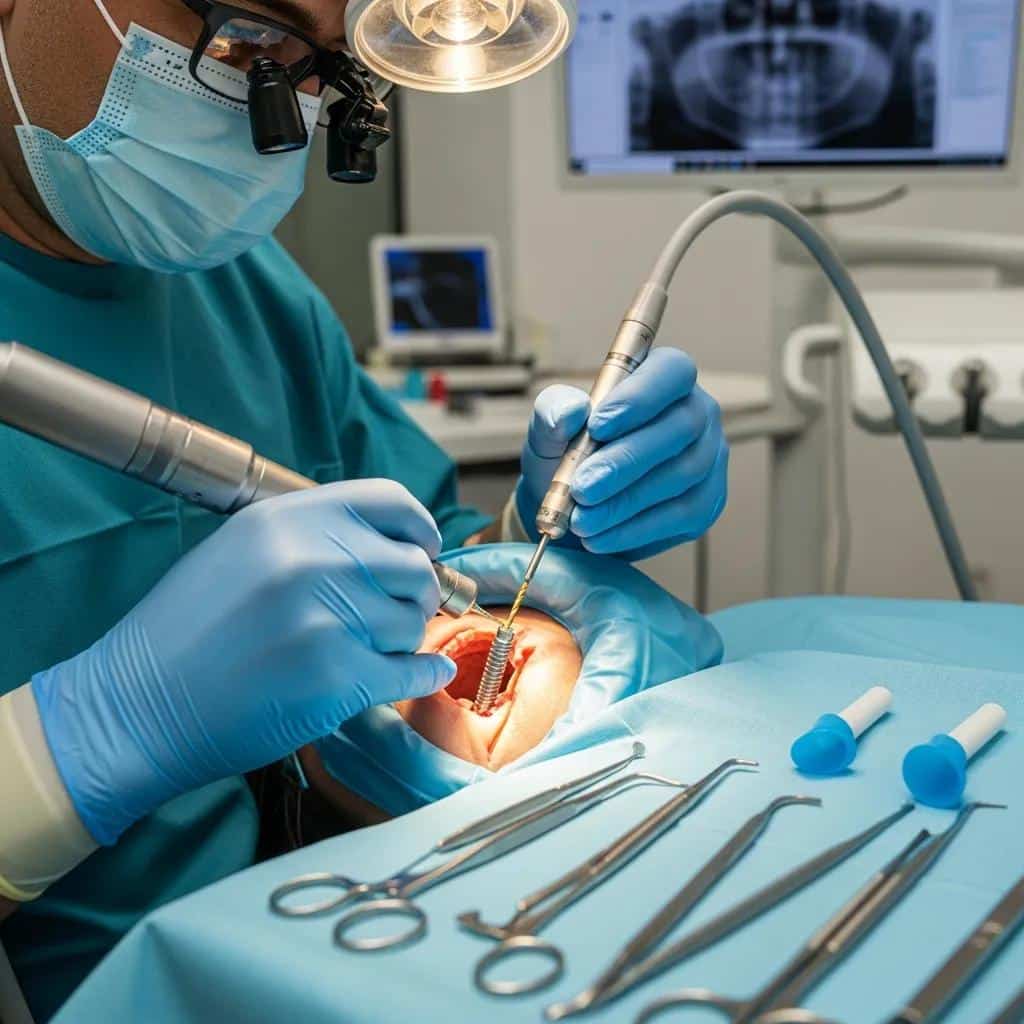
Implant Placement: The dentist makes an incision in the gum tissue to expose the jawbone and then drills a hole to insert the implant post.
Healing Period: After placement, a healing period of 3 to 6 months is typically required for osseointegration to occur, allowing the implant to fuse with the jawbone.
This meticulous process ensures that the dental implant is securely anchored, providing a long-lasting solution for tooth loss.
What Are the Benefits of Dental Implants for Optimal Functionality?
How Do Implants Improve Chewing and Speech?
Dental implants significantly improve chewing efficiency and speech clarity. Unlike traditional dentures, which can slip or move, implants provide a stable foundation that allows patients to eat a wide variety of foods without discomfort. Additionally, the secure fit of implants helps restore normal speech patterns, eliminating the mumbling or slurring that can occur with ill-fitting dentures.
How Do Dental Implants Prevent Bone Loss and Preserve Facial Structure?
One of the most significant advantages of dental implants is their ability to prevent bone loss and preserve facial structure. The implant post stimulates the jawbone, mimicking the function of natural tooth roots. This stimulation is essential for maintaining bone density and preventing the sunken appearance that often accompanies tooth loss. By preserving the jawbone, dental implants contribute to a more youthful facial appearance.
What Types of Dental Implants and Materials Are Available?
What Are the Differences Between Titanium and Zirconia Implants?
Titanium implants are the most commonly used due to their biocompatibility and strength. They have a long history of successful use in dental procedures. Zirconia implants, on the other hand, are a newer option that offers a tooth-colored appearance, making them aesthetically appealing. Both materials have their advantages, and the choice between them often depends on the patient’s specific needs and preferences.
Research further explores the intricate biological mechanisms behind the osseointegration of both titanium and zirconia implants.
It is clear that histologic and histomorphometric studies cannot unravel the biological mechanisms behind faster osseointegration. Most information on how surface modifications
Osseointegration of titanium, titanium alloy and zirconia dental implants: current knowledge and open questions, V Chappuis, 2000
Further studies emphasize that zirconia implants not only offer superior aesthetic properties but also demonstrate enhanced osseointegration.
encompass the mechanisms, factors affecting, and methods to assess osseointegration, followed Additionally, the zirconia implants have better osseointegration and esthetic properties
Contemporary concepts in osseointegration of dental implants: a review, D Rokaya, 2022
Which Implant Types Best Suit Different Patient Needs?
Endosteal Implants: These are the most common type, placed directly into the jawbone.
Subperiosteal Implants: These are placed under the gum but above the jawbone, suitable for patients with insufficient bone height or volume.
The choice of implant type is determined by factors such as bone density, oral health, and personal preferences.
How Affordable Are Dental Implants in Crowley, Texas, and What Financing Options Exist?
What Is the Average Cost of Dental Implants in Crowley?
The average cost of dental implants in Crowley can vary based on several factors, including the type of implant, the complexity of the procedure, and the dentist’s experience. Generally, patients can expect to pay between $3,000 and $5,000 per implant, which includes the surgical procedure and the crown.
What Special Offers and Payment Plans Does Affordable Dentist Near Me – Crowley Provide?
Affordable Dentist Near Me – Crowley offers various financing options to make dental implants more accessible. They provide free consultations to discuss treatment plans and payment options, ensuring that patients can find a solution that fits their budget. Additionally, flexible payment plans are available to help manage the cost of treatment over time.
What Should Patients Expect During Recovery and Maintenance After Implant Placement?
What Are the Post-Procedure Care Guidelines for Dental Implants?
After implant placement, patients should follow specific care guidelines to ensure proper healing. This includes maintaining good oral hygiene, avoiding hard or sticky foods initially, and attending follow-up appointments for monitoring. Pain and swelling are common but can be managed with prescribed or over-the-counter medications.
How Can Patients Ensure Long-Term Success and Oral Health?
To ensure long-term success, patients should commit to regular dental check-ups and maintain excellent oral hygiene practices. Brushing and flossing around the implant area are crucial for preventing infection and ensuring the longevity of the implant.
Why Choose Affordable Dentist Near Me – Crowley for Your Dental Implants?
What Expertise and Technology Support Optimal Implant Functionality?
Affordable Dentist Near Me – Crowley employs experienced dental professionals who utilize advanced technology to enhance the precision and effectiveness of implant procedures. Their commitment to ongoing education ensures that patients receive the highest standard of care.
How Does Sedation Dentistry Enhance Patient Comfort During Implant Procedures?
Sedation dentistry is offered to enhance patient comfort during implant procedures. This approach allows patients to undergo treatment without anxiety, ensuring a more relaxed experience. Various sedation options are available, tailored to meet individual needs.
What Are the Most Common Questions About Dental Implants in Crowley?
How Long Do Dental Implants Last and What Are Their Success Rates?
Dental implants are designed to last many years, often 25 years or more, with a success rate of over 95% when properly cared for. Factors such as oral hygiene, regular dental visits, and lifestyle choices can influence the longevity of the implants.
Are Dental Implants Suitable for Patients with Bone Loss or Allergies?
Patients with bone loss may still be candidates for dental implants, often requiring bone grafting or sinus lift procedures to ensure adequate support. Additionally, those with allergies to certain materials should discuss their concerns with their dentist to explore suitable options, such as zirconia implants for metal sensitivities.