Dental Implants Explained: How Long Does Recovery Take Compared to Other Options?
Dental implants are a popular solution for tooth loss, providing a durable and aesthetically pleasing alternative to traditional dentures and bridges. This article will explore the recovery process associated with dental implants, comparing it to other options like dentures and dental bridges. Understanding the recovery timeline is crucial for patients considering dental implants, as it can significantly impact their decision-making process. We will delve into the key phases of recovery, the influence of osseointegration, and how recovery times differ among various dental restoration methods. Additionally, we will discuss factors that can affect recovery duration and success, as well as tips for maximizing recovery. Finally, we will touch on the costs and financing options available for dental implants in Dallas.
What Are the Key Phases of Dental Implant Recovery?
The recovery process after dental implant surgery involves several key phases that are essential for successful healing and integration of the implant. Understanding these phases can help patients prepare for what to expect during their recovery journey.
What Happens During the Immediate Post-Surgery Phase?
Immediately following dental implant surgery, patients may experience swelling, discomfort, and bleeding. Pain management is crucial during this phase, and dentists often recommend over-the-counter pain relievers or prescribed medications to alleviate discomfort. Patients should also follow specific aftercare instructions, such as applying ice packs to reduce swelling and maintaining a soft diet to avoid irritating the surgical site. Monitoring for any signs of infection, such as increased pain or unusual discharge, is also important during this initial recovery period.
How Does Soft Tissue Healing Progress in Weeks 1-2?
During the first two weeks post-surgery, soft tissue healing begins as the gums start to close around the implant. Patients are advised to practice gentle oral hygiene, avoiding vigorous brushing near the surgical site. Signs of proper healing include reduced swelling and discomfort. It’s essential to attend follow-up appointments to ensure that the healing process is on track and to address any concerns that may arise.
How Does Osseointegration Influence Dental Implant Healing Time?
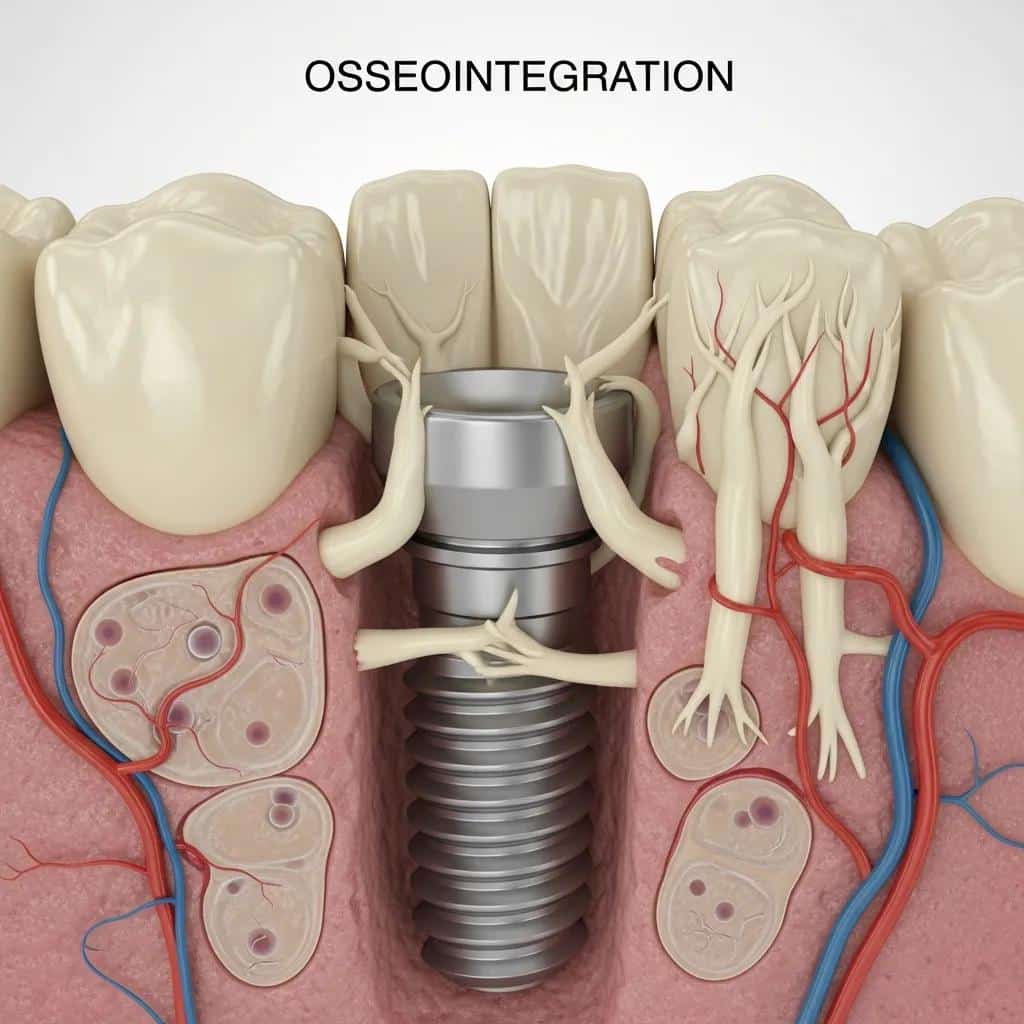
Osseointegration is a critical process in dental implant recovery, where the implant fuses with the jawbone, providing stability and support. This phase is vital for the long-term success of the implant.
What Is Osseointegration and Why Is It Critical?
Osseointegration refers to the biological process where bone cells attach to the surface of the dental implant, creating a strong bond. This integration is crucial because it ensures that the implant can withstand the forces of chewing and biting. Without successful osseointegration, the implant may fail, leading to complications and the need for additional procedures.
How Long Does Osseointegration Typically Take?
Typically, osseointegration takes about 3 to 6 months, depending on individual factors such as bone quality and overall health. During this time, patients may be advised to avoid placing excessive pressure on the implant. Regular check-ups with the dentist are essential to monitor the healing process and ensure that osseointegration is progressing as expected.
What Is the Recovery Timeline After Abutment Placement and Crown Installation?
After osseointegration is complete, the next steps involve placing the abutment and crown, which are essential for restoring the function and appearance of the tooth.
How Does Gum Tissue Adapt After Abutment Placement?
Once the abutment is placed, the gum tissue will need time to heal around it. This process typically takes about 1 to 2 weeks. Patients should continue to follow their dentist’s aftercare instructions, which may include avoiding hard foods and maintaining good oral hygiene to promote healing.
When Can Patients Expect Final Restoration and Normal Function?
Patients can generally expect to receive their final crown about 2 to 4 weeks after the abutment placement. At this point, normal function can be restored, allowing patients to eat and speak comfortably. Regular follow-up appointments are crucial to ensure that the crown fits properly and that the implant remains stable.
How Does Dental Implant Recovery Compare to Dentures?
When considering tooth replacement options, understanding the differences in recovery between dental implants and dentures is essential.
What Are the Healing and Adaptation Differences Between Implants and Dentures?
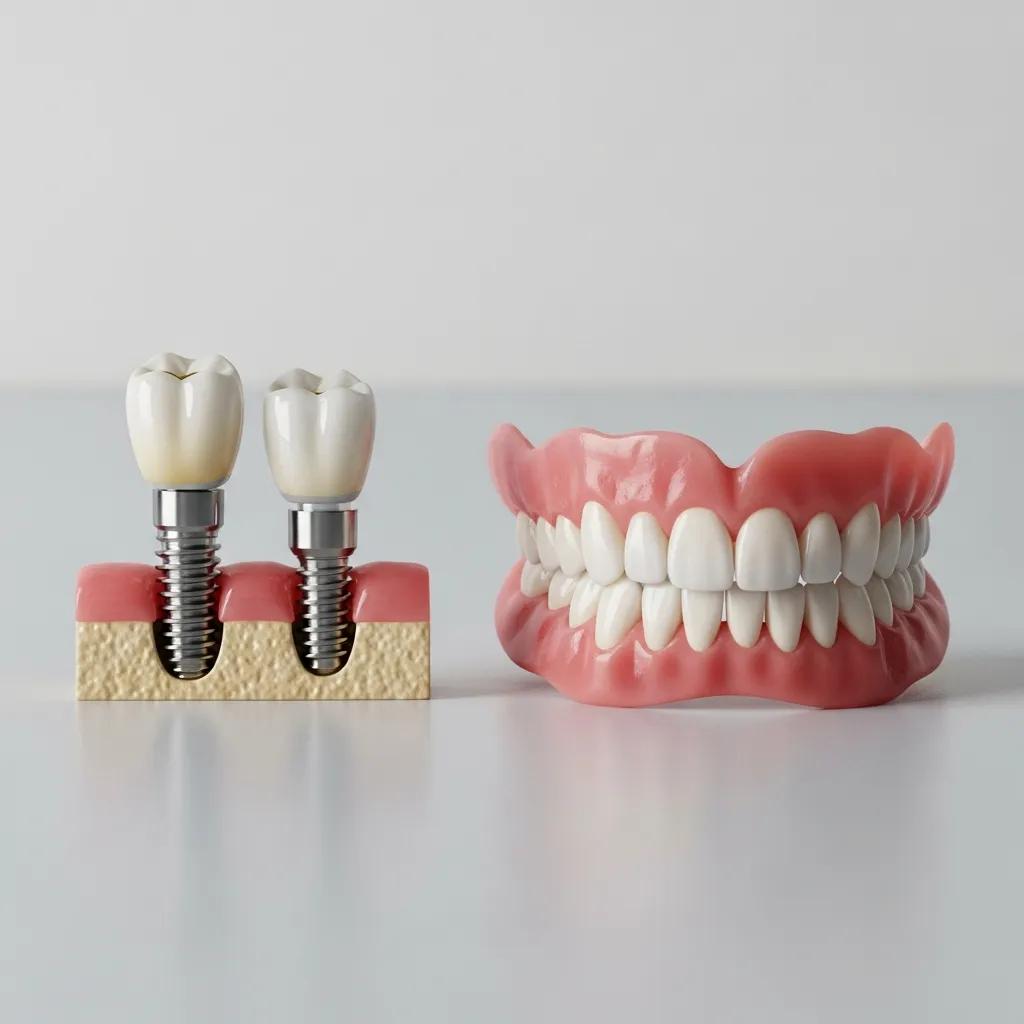
Dental implants require a surgical procedure and a longer recovery time due to osseointegration, while dentures can often be fitted immediately after tooth extraction or once healing has occurred. However, dentures may require adjustments over time as the jawbone changes shape, leading to discomfort and the need for replacements. In contrast, dental implants provide a more stable and long-lasting solution.
How Do Implants Benefit Bone Health Compared to Dentures?
Dental implants help preserve bone health by stimulating the jawbone through the process of osseointegration. This stimulation prevents bone loss, which is a common issue with dentures that do not provide the same level of support. As a result, implants can contribute to better long-term oral health.
How Does Dental Implant Recovery Compare to Dental Bridges?
Dental bridges are another common solution for tooth loss, but their recovery process differs from that of dental implants.
What Is the Recovery Process for Dental Bridges Versus Implants?
The recovery process for dental bridges is generally quicker, as they do not require surgery. Patients can often receive their bridges within a few weeks after tooth preparation. However, bridges rely on adjacent teeth for support, which can lead to complications if those teeth are not healthy.
How Do Longevity and Maintenance Differ Between Bridges and Implants?
Dental implants typically have a longer lifespan than bridges, which may need to be replaced every 5 to 15 years. Implants, when properly cared for, can last 25 years or more, often a lifetime. Maintenance for implants involves regular dental check-ups and good oral hygiene, while bridges may require more frequent adjustments and replacements.
What Factors Affect the Duration and Success of Dental Implant Recovery?
Several factors can influence the recovery time and overall success of dental implants.
How Do Bone Quality and General Health Impact Healing?
Patients with good bone quality and overall health tend to experience faster recovery times. Conditions such as osteoporosis or diabetes can slow down the healing process and may require additional treatments, such as bone grafting, to ensure successful osseointegration.
What Is the Effect of Smoking and Number of Implants on Recovery?
Smoking can significantly hinder the healing process, increasing the risk of complications and implant failure. Additionally, the number of implants placed can affect recovery time; multiple implants may require a longer healing period compared to a single implant due to the increased surgical trauma.
How Can Patients Maximize Their Dental Implant Recovery?
To ensure a smooth recovery process, patients can take several proactive steps.
What Are the Recommended Aftercare Practices and Diet During Recovery?
Patients should adhere to their dentist’s aftercare instructions, which may include a soft diet, avoiding strenuous activities, and maintaining excellent oral hygiene. Staying hydrated and consuming nutrient-rich foods can also support the healing process.
Why Are Follow-Up Appointments Important for Healing?
Regular follow-up appointments are crucial for monitoring the healing process and addressing any potential issues early on. These visits allow the dentist to assess osseointegration and ensure that the implant is stable and functioning correctly.
What Are the Costs and Financing Options for Dental Implants in Dallas?
Understanding the financial aspects of dental implants is essential for patients considering this option.
What Is the Average Cost Range for Dental Implants in Dallas?
The average cost of dental implants in Dallas can vary widely based on factors such as the number of implants needed and the complexity of the procedure. Generally, patients can expect to pay between $3,000 and $5,000 per implant, including the surgical procedure and crown placement.
What Financing Plans and Discounts Does Affordable Dentist Near Me of Dallas Offer?
Affordable Dentist Near Me of Dallas offers various financing options and discounts to make dental implants more accessible. Patients can inquire about payment plans and special promotions during their consultation. Additionally, the clinic emphasizes “EVERYDAY LOW FEES,” ensuring that patients receive quality care without breaking the bank.