How to Ensure Long-Lasting Dental Implants: Expert Care and Maintenance Tips for Mansfield Patients
Dental implant longevity refers to the expected functional life of an implant-supported tooth or prosthesis and the clinical practices that keep it stable and healthy over years or decades. This guide explains why implants last, how osseointegration secures an implant post to the jawbone, and what day-to-day routines produce the specific benefit of fewer complications and reliable chewing and aesthetic outcomes. Many patients worry about peri-implantitis, mechanical wear, or lifestyle factors that shorten implant lifespan; this article promises clear prevention steps, actionable home-care routines, and professional maintenance strategies aimed at extending the longevity of dental implants. You will learn daily oral hygiene actions, the role of professional cleanings and check-ups, diet and lifestyle adjustments, early warning signs of complications, realistic lifespan expectations, how to choose the right implant type, post-op aftercare, and how local patient experiences reflect durable results. Throughout, keywords like dental implant care routine, longevity of dental implants, peri-implantitis prevention, and Mansfield TX implant dentist are integrated to help you find the right local care path and prepare for a low-friction consult if you choose to move forward.
Why Choose an Expert Mansfield Dentist for Long-Lasting Dental Implants?
A local expert provides the clinical skill, follow-up systems, and patient education needed to maximize implant lifespan by optimizing surgical placement, prosthetic design, and maintenance protocols. Skilled placement reduces biomechanical stress on the implant crown and abutment and increases the chance of stable osseointegration, which directly improves long-term function and aesthetics. Choosing a provider with a consistent Education-Based Care approach helps patients adopt the exact home-care and follow-up behaviors that lower the risk of peri-implantitis and mechanical failure. The next paragraphs explain the clinic-level trust signals to evaluate and how a focused consult can align treatment planning with your long-term goals.
What Makes Dr. Elvis Le the Trusted Implant Specialist in Mansfield?
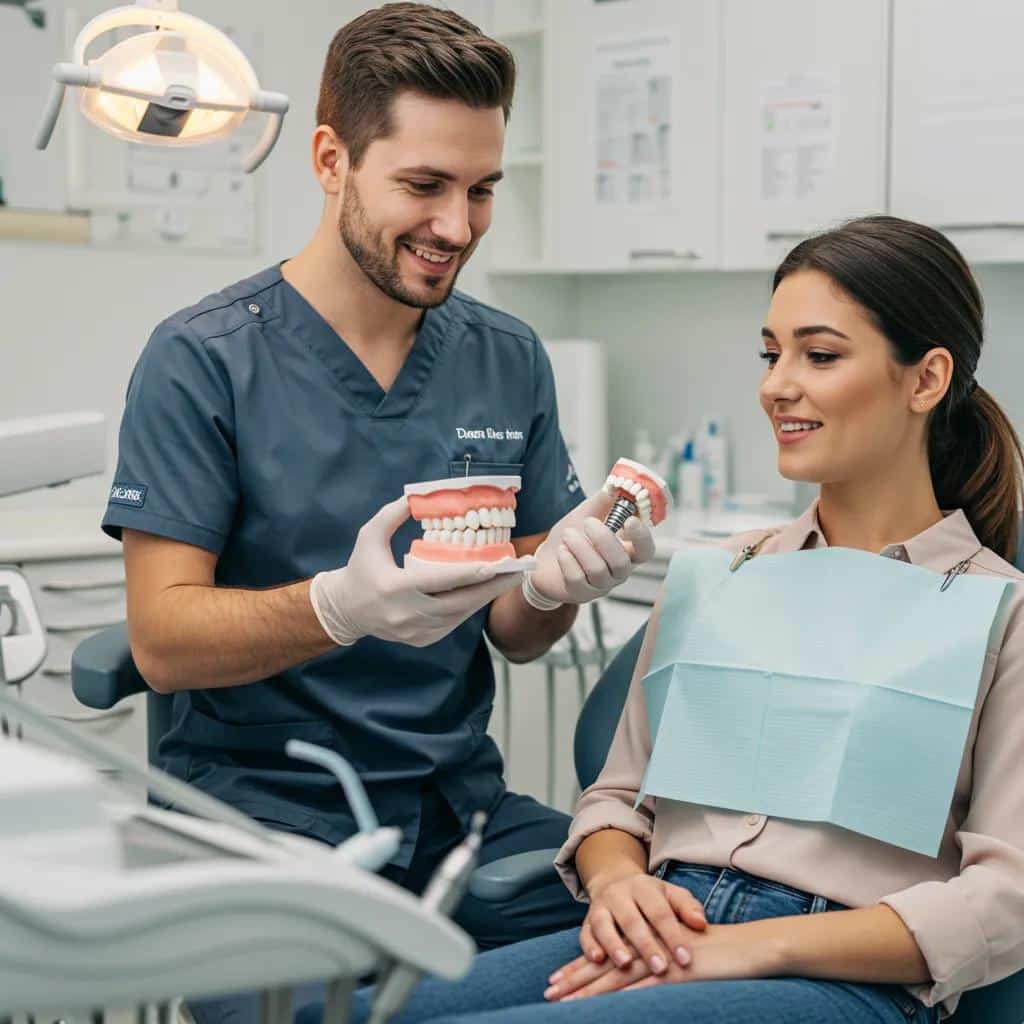
Dr. Elvis Le holds a Doctor of Dental Surgery degree and focuses on clear patient education and restorative outcomes that support implant longevity. His patient-centered approach emphasizes explaining treatment phases—implant post placement, osseointegration period, abutment connection, and final crown restoration—so patients know the reasons behind each step and how to protect their investment. Local trust signals such as consistently positive patient feedback and a relaxing, spa-like environment contribute to a care experience that reduces anxiety and improves adherence to follow-up. Understanding the clinician’s credentials and communication style helps you select the right Mansfield TX implant dentist to deliver predictable results.
How Does Education-Based Care Improve Implant Longevity?
Education-Based Care trains patients to perform implant-specific oral hygiene, recognize early warning signs, and commit to scheduled maintenance visits that catch problems before they escalate. In practice, this means hands-on instruction in brushing and interdental cleaning, written aftercare timelines, and personalized recall schedules tailored to a patient’s risk profile such as smoking or previous periodontal disease. Education reduces uncertainty and empowers patients to take preventive action, which lowers rates of peri-implant inflammation and implant failure. This preventive education also prepares patients to follow post-operative restrictions and maintain the home routines that directly preserve implant health.
How to Schedule Your $79 Free Dental Implant Consultation in Mansfield?
If you are considering implant treatment and want a low-friction first step, the clinic offers a $79 FREE DENTAL CONSULTATION for new patients to evaluate implant candidacy and outline a personalized plan. During that consult, you can review implant options, ask about financing and PPO coverage, and receive education on maintenance and expected timelines. To schedule, reference the practice name when booking so staff can prepare relevant diagnostic needs and financial information for your visit. This simple consult is designed to provide clarity and reduce barriers to beginning implant treatment while aligning expectations for long-term success.
What Are the Daily Oral Hygiene Practices to Extend Dental Implant Life?
Daily oral hygiene for implants means focused actions that control plaque at the implant crown, abutment interface, and adjacent tissues because bacterial accumulation is the primary driver of peri-implantitis. A reliable routine includes gentle but thorough brushing with a soft-bristle toothbrush, interdental cleaning with appropriately sized brushes, and adjunctive rinses when indicated; these steps reduce biofilm and support healthy soft tissue integration. Implementing these habits produces measurable benefits: lower inflammation, reduced probing depths, and decreased need for intensive clinical interventions. The following subsections provide practical how-to guidance, tool recommendations, and frequency guidance you can adopt immediately.
How to Brush and Floss Properly Around Dental Implants?
Brushing around an implant requires a soft-bristle brush and a technique that removes plaque at the implant crown margin without abrading the gum tissue. Use small, gentle circular motions and an angulation that reaches the sulcular margin; this cleans the abutment-crown junction where biofilm accumulates. For interdental cleaning, implant-friendly floss or interdental brushes sized to the interdental space remove trapped debris and disrupt bacterial colonies; water flossers are a helpful alternative for patients with limited dexterity. Avoid aggressive horizontal scrubbing that can traumatize peri-implant tissue; instead, focus on consistent, thorough cleaning that maintains tissue health and prevents inflammation.
Which Mouthwashes and Tools Are Recommended for Implant Maintenance?
Non-alcoholic antiseptic rinses help control microbial load without irritating soft tissues and are often recommended for short-term use during healing or flares of inflammation. For daily maintenance, adjunctive tools include interdental brushes, soft-bristled toothbrushes, implant-specific floss, and an oral irrigator for patients with tight contacts or restorative bridges. Professional-grade instruments used in clinic differ from home tools but the correct home devices support clinical outcomes by reducing plaque and minimizing mechanical stress. Consult your implant dentist for product selection; product choice depends on prosthetic design (single-tooth implants versus implant-supported dentures) and personal comfort.
How Often Should You Clean Your Dental Implants at Home?
A consistent daily routine means brushing twice per day and performing interdental cleaning at least once each day, with additional targeted cleaning after meals if needed. Weekly checks—looking for redness, bleeding, or changes in crown mobility—help you document subtle trends that could indicate early peri-implant disease. If you have risk factors like a history of periodontal disease, smoking, or bruxism, increase the frequency of interdental cleaning and consider professional maintenance more often. These home-based checkpoints enable earlier professional intervention and preserve implant stability.
Introductory list: Key daily actions for implant home care are summarized below and help structure a reliable routine.
Brush with a soft-bristle toothbrush for two minutes twice daily, angling toward the sulcus.
Clean between teeth and implants once daily using interdental brushes or implant-specific floss.
Use a non-alcoholic antiseptic rinse when recommended by your dentist during healing or flare-ups.
These daily practices, combined with scheduled professional care, create the foundation for long-term implant survival and reduce the likelihood of peri-implantitis.
Hygiene Action
Recommended Product/Tool
Frequency
Brushing
Soft-bristle toothbrush, non-abrasive toothpaste
Twice daily
Interdental cleaning
Interdental brushes sized to space, implant floss
Once daily (or after meals)
Irrigation
Oral irrigator (low-to-medium pressure)
Daily if needed
Antiseptic rinse
Non-alcoholic chlorhexidine or povidone-based rinse (as directed)
Short-term or per dentist’s advice
How Do Professional Dental Cleanings and Check-Ups Support Implant Longevity?
Professional maintenance differs from routine cleaning for natural teeth because implants require specialized instruments and diagnostic checks to monitor bone and soft tissue health. Regular professional visits allow clinicians to detect early peri-implantitis, evaluate probing depth changes, perform targeted debridement with implant-safe instruments, and take radiographs when needed to assess bone levels. These clinical actions reduce the likelihood of progressive bone loss and mechanical complications, translating into longer functional life for the implant. The next subsections describe why local continuity of care matters, what to expect during implant-specific cleanings, and how to book maintenance appointments at the practice.
Why Are Regular Implant Check-Ups Essential in Mansfield?
Regular check-ups identify soft-tissue inflammation and early bone changes before symptoms progress to advanced peri-implantitis requiring complex intervention. Continuity with a local provider supports timely management because the clinician knows your surgical history, prosthetic design, and risk profile. In addition, local environmental factors such as access to follow-up care and prompt scheduling reduce delays in treatment that can worsen outcomes. Scheduling regular visits also serves as a behavioral anchor that motivates sustained home care and timely reporting of symptoms.
What to Expect During a Professional Dental Implant Cleaning?
A professional implant maintenance visit commonly includes a clinical exam with peri-implant probing, assessment of prosthetic components for mobility or loosening, gentle removal of subgingival and supragingival deposits with implant-safe instruments, and patient-specific home-care reinforcement. Radiographs may be taken periodically to monitor crestal bone levels and confirm stable osseointegration of the implant post. After cleaning, the clinician will advise on recall intervals and any additional interventions, ensuring action plans align with your implant risk factors.
How to Book Your Implant Maintenance Appointment with Dentist In Mansfield?
Booking an implant maintenance visit at Dentist In Mansfield- Dentures and Dental Implants involves requesting a recall specifically for implant care so staff can allocate appropriate time and instruments. Bring information about your prosthetic components and any recent symptoms to help the clinician focus the visit. The practice accepts most PPO dental insurance plans and offers flexible financing options to reduce cost barriers to ongoing maintenance; discussing coverage during scheduling helps set expectations. Regular appointments ensure issues are addressed early and implant longevity is actively managed.
Professional maintenance checklists make appointments efficient and consistent:
Pre-visit: note any bleeding, mobility, or discomfort.
Visit: clinical exam, implant-safe debridement, radiographic checks if indicated.
Post-visit: personalized home-care adjustments and recall scheduling.
These structured maintenance steps complement home care and are central to preserving implant health over time.
Peri-Implantitis: Diagnosis, Prevention, and Treatment Strategies
Peri-implant inflammations represent serious diseases after dental implant treatment, which affect both the surrounding hard and soft tissue. Due to prevalence rates up to 56%, peri-implantitis can lead to the loss of the implant without multilateral prevention and therapy concepts. Specific continuous check-ups with evaluation and elimination of risk factors (e.g. smoking, systemic diseases and periodontitis) are effective precautions. In addition to aspects of osseointegration, type and structure of the implant surface are of importance. For the treatment of peri-implant disease various conservative and surgical approaches are available. Mucositis and moderate forms of peri-implantitis can obviously be treated effectively using conservative methods. These include the utilization of different manual ablations, laser-supported systems as well as photodynamic therapy, which may be extended by local or systemic antibiotics. It is possible to regain osseointegration. In cases with advanced peri-implantitis surgical therapies are more effective than conservative approaches. Depending on the configuration of the defects, resective surgery can be carried out for elimination of peri-implant lesions, whereas regenerative therapies may be applicable for defect filling. The cumulative interceptive supportive therapy (CIST) protocol serves as guidance for the treatment of the peri-implantitis. The aim of this review is to provide an overview about current data and to give advices regarding diagnosis, prevention and treatment of peri-implant disease for practitioners.
Which Diet and Lifestyle Choices Help Maintain Long-Lasting Dental Implants?
Diet and lifestyle choices influence healing, osseointegration, and the mechanical load placed on implant-supported restorations; managing these factors improves long-term success. Nutritional intake that supports wound healing, avoiding high-risk foods immediately after surgery, and controlling habits such as smoking and excessive alcohol intake all contribute to better outcomes. The following subsections detail specific foods to avoid, how smoking and alcohol affect implant success, and when mouth guards become an essential protective device.
What Foods Should You Avoid to Protect Your Dental Implants?
Immediately after implant surgery, avoid hard, crunchy, sticky, or extremely hot foods that can displace clots, stress sutures, or damage provisional restorations. Examples include hard candies, crunchy nuts, sticky caramels, and tough meats—these pose mechanical risks to the implant site. As implants fully integrate, be mindful of repetitive high-force chewing on one side or biting into extremely hard items that can stress the implant crown or abutment. Instead, choose softer protein sources, cooked vegetables, and foods cut into manageable pieces to distribute occlusal forces safely.
How Does Smoking and Alcohol Affect Implant Success?
Smoking impairs blood flow and immune response, which reduces osseointegration potential and increases infection risk—current research shows smoking is a consistent negative predictor of implant success. Heavy alcohol use similarly compromises healing and immune competence, which can delay recovery and increase complication rates. Quitting smoking before implant surgery improves outcomes; clinicians often advise a cessation timeline to optimize healing. Discuss your habits during consultation so the care plan can compensate for modifiable risks.
When and Why Should You Use Mouth Guards for Implant Protection?
Mouth guards protect implant restorations from bruxism, sports-related trauma, and accidental forces that can cause crown fracture or abutment loosening. Custom-fitted night guards distribute occlusal forces evenly and reduce micro-mobility at the implant-abutment interface, protecting bone and soft tissue. Sports guards prevent acute impact damage for athletes with implant-supported teeth. If you have bruxism, clenching, or high occlusal loads, talk with your dentist about a custom-fitted guard to minimize mechanical wear and prolong implant longevity.
Introductory list: Lifestyle actions that support implant longevity include dietary adjustments, cessation of harmful habits, and protective devices.
Avoid sticky, hard, or extremely chewy foods during healing and minimize them long-term.
Stop smoking before surgery and maintain abstinence during early healing to improve osseointegration.
Use custom night guards for bruxism and custom sports guards for athletic activities.
A focused lifestyle plan reduces both biological and mechanical threats to implant integrity and supports lasting function.
What Are the Common Signs of Dental Implant Complications and How to Prevent Them?
Recognizing early warning signs of implant complications enables prompt intervention and prevents progression to irreversible bone loss or implant failure. Key red flags include persistent pain, swelling, bleeding on probing, increasing probing depths, and any change in crown mobility; these symptoms indicate possible peri-implantitis or mechanical issues. Preventive measures combine excellent home hygiene, regular professional maintenance, cessation of high-risk behaviors, and timely surgical or non-surgical interventions when early disease is detected. The next subsections describe symptom recognition, prevention strategies, and how the clinic manages complications.
How to Recognize Early Symptoms of Peri-Implantitis and Other Issues?
Early peri-implantitis symptoms include redness of the gum tissue around the implant, bleeding when brushing or probing, increased pocket depths compared to prior exams, localized swelling, and occasionally mild discomfort. Mobility of the restoration or a change in how the implant feels during chewing is a critical sign that requires urgent clinical assessment. Document onset, frequency, and any associated systemic symptoms; noting these details when contacting your dentist speeds diagnosis and improves outcomes. Early recognition triggers minimally invasive therapy rather than extensive revision.
What Are the Best Solutions for Preventing Implant Failure?
Prevention combines clinical protocols—regular implant maintenance, targeted debridement, and radiographic monitoring—with patient behaviors such as consistent interdental cleaning and smoking cessation. Clinicians may offer individualized recall intervals, peri-implant maintenance programs, and reinforcement of home-care technique to high-risk patients. When early disease is detected, non-surgical therapy (professional debridement and antiseptic measures) is often effective; surgical intervention is reserved for advanced bone loss or persistent infection. Timely action preserves bone and avoids the need for complex revision procedures.
How Can Dentist In Mansfield Help with Implant Complication Management?
Dentist In Mansfield- Dentures and Dental Implants provides diagnostic assessment and staged interventions for complications, including targeted debridement, local antiseptic therapy, antibiotic management when indicated, and referral pathways for specialist surgical care if needed. The practice’s Education-Based Care model ensures patients understand warning signs and the importance of prompt treatment to prevent progression. Early contact with the clinic after noticing symptoms allows the team to tailor an urgency-appropriate response and protect long-term implant outcomes.
List: Immediate actions when you notice red flags
Note the symptoms (bleeding, mobility, swelling) and the date they started.
Avoid manipulating the implant site and maintain gentle oral hygiene.
Contact your dental provider promptly to arrange an evaluation and treatment plan.
Acting quickly on early signs preserves bone and soft tissue health and reduces the chance of implant loss.
Complication Focus
Early Sign
Immediate Preventive Action
Peri-implant mucositis
Redness, bleeding on probing
Increase daily hygiene, schedule professional debridement
Peri-implantitis
Increased probing depths, radiographic bone loss
Prompt clinical assessment, non-surgical therapy or surgical referral
Mechanical loosening
Mobility or altered bite
Avoid chewing on the side, arrange same-day evaluation
How Long Do Dental Implants Typically Last and What Factors Influence Their Lifespan?
Dental implants are designed for long-term function; current research indicates many implants achieve survival rates above 95% in controlled populations and can last 20–30 years or longer with appropriate care. Longevity depends on factors such as implant type and prosthetic design, surgical technique and osseointegration quality, patient health (smoking, diabetes), and adherence to maintenance visits. Understanding these drivers helps set realistic expectations and focuses preventive strategies on modifiable risks. The following subsections provide average lifespan context, how All-on-4 and similar advances affect durability, and the patient factors clinicians evaluate when estimating implant lifespan.
What Is the Average Lifespan of Dental Implants with Proper Care?
With proper placement and consistent maintenance, many single-tooth and multiple-tooth implants function for decades; published success rates often exceed 95% at five to ten years and many cases remain stable for 20–30 years. Lifespan varies by prosthetic type—implant crowns may require replacement due to wear while the implant post remains integrated—so prosthetic maintenance is part of the longevity equation. Regular monitoring, early intervention for peri-implantitis, and control of systemic factors sustain these outcomes. These realistic expectations help patients plan for maintenance and potential restorative refreshes over a lifetime.
How Do Advances Like All-on-4 Implants Improve Longevity?
All-on-4 and similar full-arch approaches distribute occlusal forces across multiple implants and allow for immediate restoration in selected cases, which can improve function and patient satisfaction when surgical indications are met. Biomechanically, using strategically angled posterior implants reduces cantilever forces and improves load distribution, supporting prosthetic longevity. Clinical evidence for All-on-4 demonstrates favorable medium- and long-term outcomes when combined with careful prosthetic design and ongoing maintenance. Candidate selection—bone quality, systemic health, and commitment to follow-up care—determines whether these advances translate into durable results.
What Patient Factors Affect Implant Durability?
Modifiable factors include smoking status, oral hygiene habits, uncontrolled diabetes, and bruxism; each increases biological or mechanical stress on implants and can shorten lifespan. Non-modifiable factors such as bone quality and anatomic limitations influence initial prognosis and may require adjunctive procedures like bone grafting to optimize outcomes. Behavioral interventions—smoking cessation, improved hygiene, use of occlusal guards—combined with clinical monitoring mitigate many risks. Discussing these factors during planning helps the clinician align implant selection and maintenance strategies to maximize durability.
Implant Type
Average Lifespan Estimate
Typical Maintenance Needs
Single-tooth implant
20–30+ years with care
Routine hygiene, crown replacement as needed
Multiple-tooth implants
20–30+ years depending on load
Regular maintenance, monitoring of abutments
All-on-4 full-arch
10–20+ years for prosthesis, implants often longer
Prosthetic relines/replacements, frequent professional maintenance
How to Choose the Right Dental Implant Type for Long-Term Success in Mansfield?
Selecting the correct implant type balances clinical suitability, cost considerations, healing time, and patient preferences for aesthetics and function. Key choices include single-tooth implants, multiple implants, All-on-4 full-arch solutions, and implant-retained dentures; each has trade-offs in surgical invasiveness, restoration complexity, and maintenance. Evaluating bone volume, occlusion, systemic health, and lifestyle factors guides the decision, and a careful consult translates clinical findings into a recommended prosthetic pathway. The next subsections list locally offered types, provide a decision framework, and explain financing and insurance considerations to reduce cost barriers.
What Are the Different Types of Dental Implants Offered Locally?
Local implant options typically include single-tooth implants for isolated gaps, multiple implants for adjacent missing teeth, implant-supported bridges, All-on-4 full-arch restorations for edentulous arches, and implant-retained dentures that improve stability for partial or full dentures. Each hyponym—single-tooth implants, multiple-tooth implants, All-on-4 implants, implant-supported dentures—addresses distinct clinical scenarios and prosthetic demands. Indications depend on bone availability, patient goals, and budget; clinicians will match prosthetic type to clinical feasibility and long-term maintenance considerations.
How to Decide Which Implant Type Fits Your Needs Best?
Decision-making combines medical suitability (bone volume, systemic health), functional needs (chewing forces, aesthetic expectations), and financial considerations (budget, insurance, financing). Ask these key questions: Do you want a fixed or removable restoration? Is bone grafting acceptable to you? What are your long-term maintenance expectations? A structured consult uses imaging and risk assessment to recommend single-tooth implants for isolated replacement, All-on-4 for full-arch candidates with limited bone, or implant-retained dentures when cost and retention are priorities. This checklist-driven approach simplifies complex choices and leads naturally to scheduling a consult.
What Financing Options Are Available for Dental Implants in Mansfield?
The practice accepts most PPO dental insurance plans and offers flexible financing options to reduce upfront cost barriers for implant care. During the $79 FREE DENTAL CONSULTATION, patients can discuss coverage estimates, phased treatment plans, and payment arrangements tailored to their needs. Transparent financial planning helps patients choose implant types and timing that match clinical goals and budget constraints. Discussing insurance and financing early ensures you understand out-of-pocket obligations and can commit to the maintenance schedule that supports long-term success.
Implant Type
Consideration
Notes (cost, healing time, suitability)
Single-tooth implant
Cost per tooth, shorter prosthetic time
Suitable when adjacent teeth are healthy
All-on-4
Immediate function possible, higher initial cost
Good for full-arch replacement with limited bone
Implant-retained denture
Lower cost than fixed arches, easier hygiene
Ideal for improving denture stability and function
Introductory list: Questions to bring to your implant consult
Do I qualify for single implants or will I need bone grafting?
What are the expected timelines and stages for my chosen implant solution?
How will insurance and financing options apply to this treatment plan?
These preparatory questions make your consultation efficient and ensure treatment choices align with long-term maintenance commitments.
What Are the Best Practices for Aftercare Following Dental Implant Surgery?
Aftercare protocols protect the surgical site, support osseointegration, and prevent early complications that jeopardize implant survival. Immediate care focuses on controlling bleeding and swelling, avoiding disruption of the surgical site, and following prescribed medications and diet restrictions. Over the weeks and months, graduated activity and oral hygiene adjustments support healing while scheduled follow-up visits confirm stable integration and appropriate prosthetic progression. The following subsections outline pain and swelling management, recommended activity restrictions, and when to contact your dentist about post-operative concerns.
How to Manage Pain and Swelling After Implant Placement?
Pain and swelling are common in the first 24–72 hours and are best managed with cold packs, head elevation, and safe over-the-counter analgesics unless a prescription is provided. Apply intermittent cold for the first 48 hours and transition to warm compresses if recommended to aid circulation after the acute phase. Follow the clinician’s medication plan; avoid NSAIDs only if specifically instructed otherwise. Persistent or worsening pain, fever, or increasing swelling are red flags that require prompt clinical evaluation to rule out infection.
What Are the Recommended Activities and Restrictions Post-Surgery?
In the immediate postoperative period, avoid heavy exertion, bending, or extensive physical activity that increases blood pressure and may worsen bleeding. Stick to a soft diet, avoid hot liquids, and do not disturb the surgical area with the tongue or fingers. Gentle oral hygiene around the surgical site is important—use a soft-bristle brush and avoid vigorous rinsing; after 24 hours, saline rinses may be recommended to assist cleanliness. Gradually resume normal activities as healing progresses and follow the clinician’s timeline for returning to regular chewing and restorative phases.
When Should You Contact Your Dentist About Post-Operative Concerns?
Contact your dentist promptly if you experience uncontrolled bleeding, severe or increasing pain despite medication, persistent fever, sudden mobility of the implant restoration, or signs of spreading infection such as facial swelling. Also, report symptoms that deviate from the expected healing timeline, like prolonged numbness or loss of function. When calling, have your surgery date and a clear description of symptoms ready to help staff prioritize and schedule an appropriate urgency level. Early contact ensures interventions are timely and preserves long-term outcomes.
List: Immediate post-op checklist for the first 72 hours
Apply intermittent cold packs and keep your head elevated to manage swelling.
Follow prescribed medications and avoid disturbing sutures or the surgical area.
Maintain a soft diet and avoid strenuous activity until cleared by your dentist.
Routine follow-up, radiographic checks as indicated
Confirm osseointegration and finalize prosthetics
How Do Patient Testimonials and Success Stories Reflect Long-Lasting Dental Implant Results?
Patient experiences illustrate how durable implant outcomes translate into improved chewing, speech, and confidence, and they reveal the behavioral and clinical commitments behind long-term success. Testimonials often highlight the practical benefits of a clear education-based approach: patients who understand home care and attend maintenance visits report fewer complications and greater satisfaction. While individual results vary, aggregated patient stories provide context for what consistent maintenance, lifestyle adjustments, and prompt problem reporting produce over time. The next subsections summarize common patient themes, concrete quality-of-life improvements, and where to view visual evidence.
What Do Mansfield Patients Say About Their Implant Experience?
Local patients frequently describe increased comfort during chewing, better aesthetics, and reduced anxiety about removable prostheses after implant treatment, especially when their care included clear instruction and reliable follow-up. Patients often emphasize that understanding maintenance expectations made them more likely to keep appointments and adhere to home care routines. These thematic reviews reflect how Education-Based Care supports long-term satisfaction and functional outcomes. Hearing these themes helps prospective patients anticipate both benefits and responsibilities.
How Have Dental Implants Improved Quality of Life for Local Patients?
Implants restore chewing efficiency, enabling a broader diet and improved nutrition, while also improving speech clarity and self-esteem related to smile aesthetics. Many patients report fewer social anxieties and greater willingness to eat comfortably in public, which translates into improved social engagement and quality of life. Longevity becomes an investment: consistent maintenance and periodic restorative refreshes preserve these functional and psychosocial gains for years.
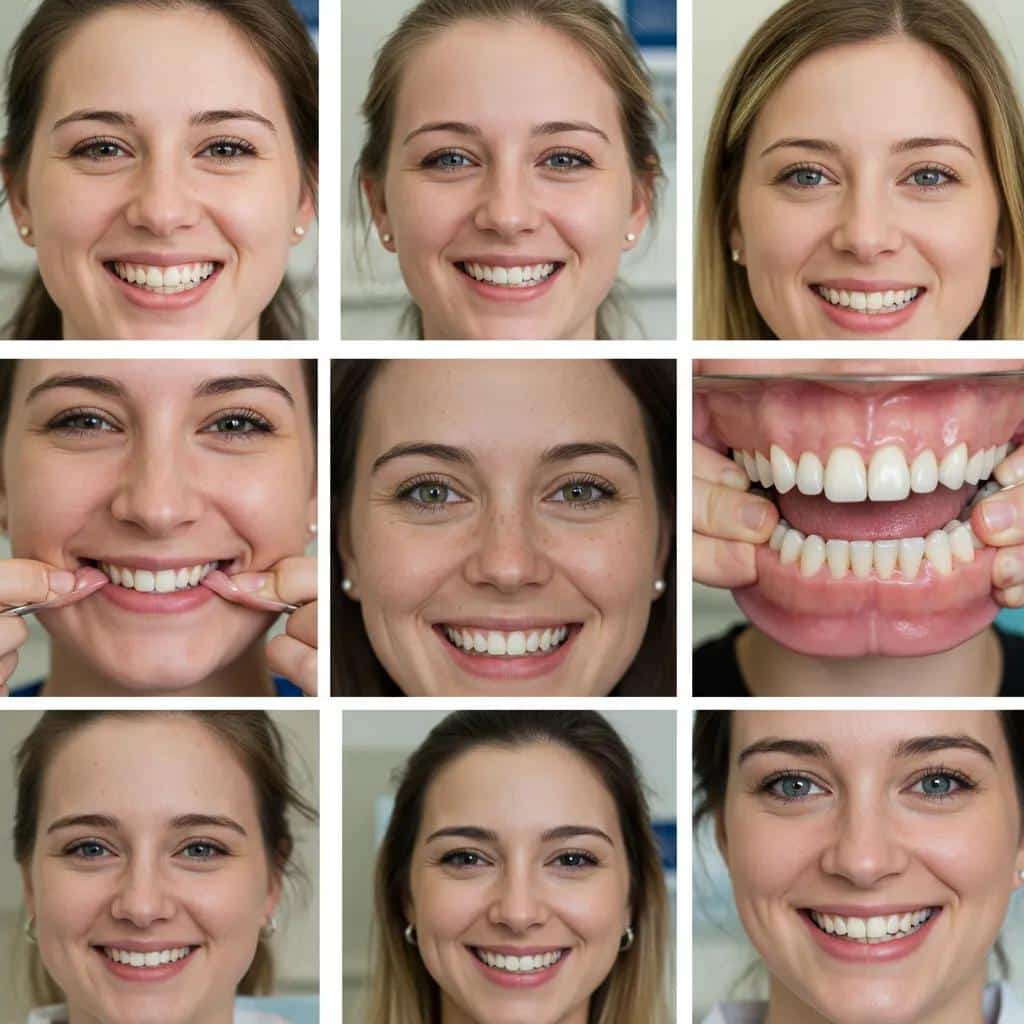
Where to View Before-and-After Dental Implant Photos?
A visual gallery helps prospective patients evaluate real-world results—look for consistent lighting, angles, and timelines that show the prosthetic transition from provisional to final restoration. When viewing photos, focus on tissue contour, alignment, and how the prosthesis integrates with adjacent natural teeth, which indicate thoughtful prosthetic design. Consent and privacy considerations mean galleries are curated, and staff can guide you through representative cases that match your clinical situation.
List: What to look for in patient success stories and photos
Functional outcomes: improved chewing, restoration of bite force.
Aesthetic integration: color, contour, and harmony with adjacent teeth.
Maintenance narratives: evidence of durable results tied to follow-up care.
These patient-centered insights demonstrate how clinical technique plus patient adherence produce long-lasting implant benefits.
This article emphasizes education, consistent home care, and professional maintenance as the pillars of implant longevity. If you are considering implants and want a personalized assessment, the $79 FREE DENTAL CONSULTATION offers a practical first step to evaluate candidacy and plan long-term care with Education-Based Care guidance from Dr. Elvis Le at Dentist In Mansfield- Dentures and Dental Implants.