By Dentist in Denton – Dentures and Dental Implants Editorial Team · Updated 2026-08-25
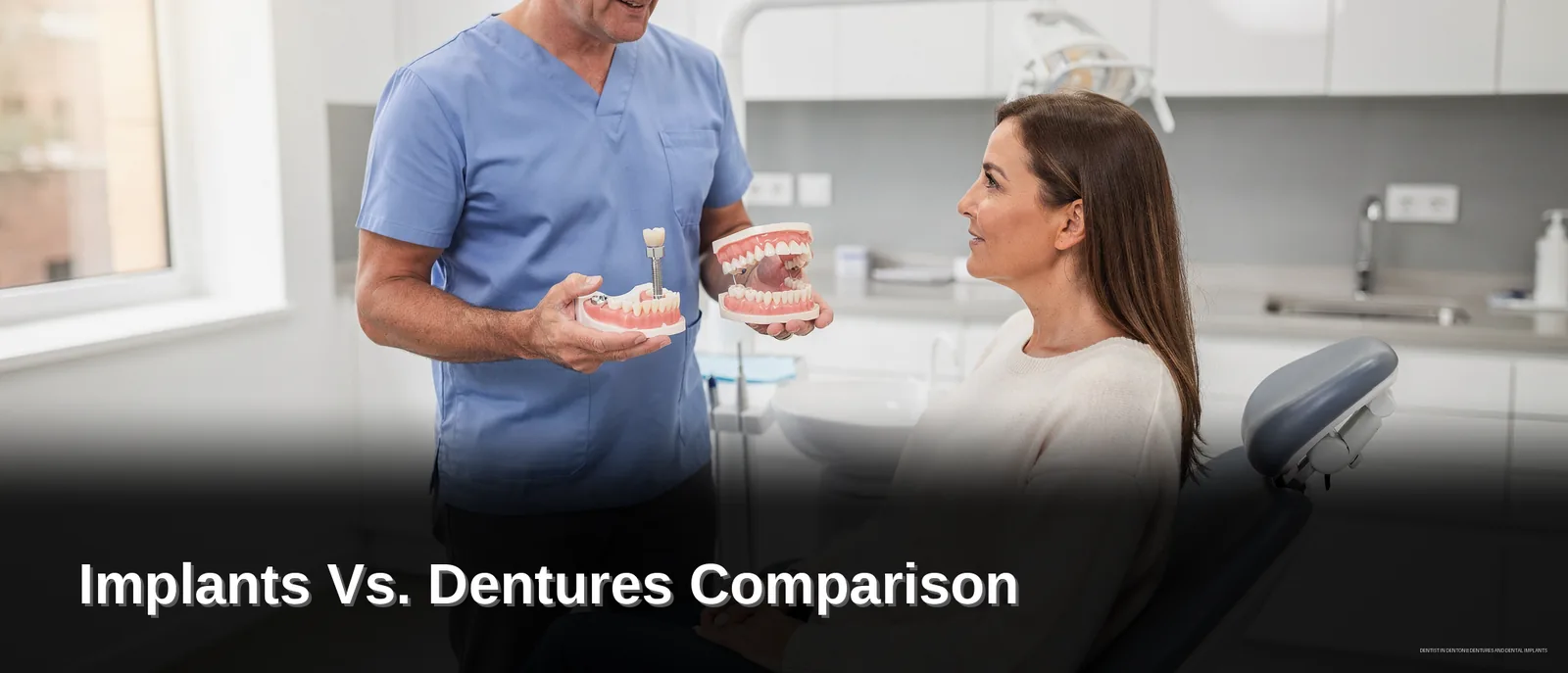
For Implants vs. Dentures Comparison, dental implants and dentures differ in permanence, cost, and care: implants fuse to the jawbone for a fixed, long-term solution. Traditional dentures rest removably on the gums and cost less upfront. Denton County residents facing bone loss often need grafting before implants. The provided sources do not mention that Dentist in Denton offers a free exam and X-rays.
Key Takeaways
Dentures are removable appliances that sit on gums; implants use titanium posts surgically anchored in jawbone.
Dental implants provide long-term durability and comfort, while dentures offer quicker, more affordable tooth replacement solutions.
Implant success depends on adequate jawbone density; denture suitability varies based on remaining teeth and gum health.
Dentures require daily removal and cleaning; implants function like natural teeth with standard oral hygiene practices.
What are the key differences between implants and dentures?
Dentures are removable appliances that sit on the gums to replace missing teeth. Dental implants are titanium posts surgically anchored into the jawbone for a permanent, fixed replacement. This fundamental structural difference drives every other distinction between the two options — from stability and comfort to cost and maintenance. Dentist in Denton – Dentures and Dental Implants offers both custom full and partial dentures and dental implants as core restorative services, giving patients a choice based on their specific needs.
How do dentures and implants function differently?
Dentures consist of a base plate that fits over the gum tissue, with replacement teeth made of porcelain, plastic, or a combination of both. These appliances rely on suction, adhesive, or clasps to stay in place. Dental implants, by contrast, integrate directly with the jawbone through a process called osseointegration, creating a permanent anchor that does not shift or slip during eating or speaking.
Feature
Dentures
Dental Implants
Placement
Removable, sits on gums
Surgically anchored in jawbone
Materials
Porcelain, plastic, or both
Titanium posts with custom crowns
Stability
May shift or slip
Fixed and stable
Bone health
Does not prevent bone loss
Stimulates bone, prevents deterioration
Despite these differences, dentures and implants ultimately serve the same purposes. Both help patients chew foods that would otherwise be difficult to eat, support facial muscles to prevent a sunken appearance, improve speech clarity, and restore confidence. The choice between them depends on factors like bone density, budget, and lifestyle preferences.
Which option is more affordable upfront and long-term?
Traditional dentures present a lower upfront cost compared to dental implants, making them the more affordable immediate solution for missing teeth. For patients prioritizing a quick, budget-friendly fix, traditional dentures often meet the need without a surgical procedure. The provided sources do not state that new patients receive a free exam and X-rays.
How does long-term value compare between dentures and implants?
While traditional dentures cost less initially, dental implants offer superior long-term durability and improved oral health that can offset higher upfront expenses over time. Dentures typically require periodic relining, adjustments, and replacement every five to seven years, which adds to the total cost of ownership. Dental implants, by contrast, can last decades with proper care and often preserve jawbone structure, reducing future dental complications and associated expenses.
Factor
Traditional Dentures
Dental Implants
Upfront cost
Lower initial investment
Higher initial cost
Lifespan
5–7 years, requires replacement
15–25+ years, potentially lifetime
Maintenance cost
Relines, adhesives, replacement fees
Standard oral hygiene, occasional checkups
Insurance coverage
Most plans cover partial or full cost
Often partially covered; varies by plan
What payment options help manage treatment costs?
The provided sources do not mention that the practice accepts Medicaid. Flexible financing options and a Dental Discount Plan provide alternatives for patients without insurance. These payment structures allow clients to choose the long-term value of implants without bearing the full financial burden immediately, making an [Implants vs. Dentures Comparison](https://affordabledentistnearme.com/are-dental-implants-similar-to-bridges-and-dentures/) more practical for individual budgets.
How do comfort and stability compare between the two?
Traditional dentures are removable appliances that rest directly on the gums, while dental implants anchor permanently into the jawbone. This fundamental difference creates a stark contrast in daily comfort and stability. Patients wearing traditional dentures often experience movement or slipping during eating and speaking, which can cause frustration and self-consciousness. Dental implants eliminate this instability entirely by providing a fixed foundation that feels like natural teeth.
Do traditional dentures slip during normal use?
Yes, traditional dentures shift because they sit on top of the gums without any permanent attachment. The removable design relies on suction or adhesive for grip, which weakens over time. This movement makes chewing certain foods difficult and can cause clicking sounds during conversation. Many patients find themselves avoiding social situations or restricting their diet to accommodate the instability.
How do dental implants improve stability?
Dental implants are titanium posts surgically placed directly into the jawbone, creating a permanent anchor for replacement teeth. This integration with the bone prevents any movement during eating or speaking. The fixed nature of implants allows patients to bite into apples, chew steak, and laugh without worrying about their teeth shifting. For patients with significant bone loss, bone grafting may be required before implant placement, which extends the treatment timeline but ensures a stable long-term result.
Feature
Traditional Dentures
Dental Implants
Attachment
Removable, sits on gums
Surgically anchored in jawbone
Movement during use
Frequent slipping
No movement
Eating restrictions
Many foods difficult
Nearly all foods possible
Adjustment period
Weeks to months
Shorter, more natural feel
The provided sources do not contain information about an on-site lab or same-day solutions at Dentist in Denton.
What are the pros and cons of each for daily life?
Tooth loss disrupts everyday routines. Eating and speaking become challenging tasks. The emotional toll is equally significant, as shame and confidence issues often lead to social withdrawal. Choosing between dentures and implants directly affects how a person navigates meals, conversations, and self-image on a daily basis.
How do dentures affect daily comfort and function?
Traditional dentures restore basic abilities. They help a person chew foods that would otherwise be impossible to eat. Dentures also support facial muscles, improve speech clarity, and increase self-esteem by providing a natural-looking smile. The main drawback involves maintenance. Dentures are removable appliances that sit on the gums, requiring nightly removal for cleaning and soaking. Some patients find the adhesive and potential slippage during eating or speaking frustrating.
What daily advantages do dental implants offer?
Dental implants function differently. These titanium posts are surgically anchored into the jawbone for a permanent, fixed replacement. The key daily benefit is stability. Implants do not require removal for cleaning — a person brushes and flosses them just like natural teeth. This eliminates the need for adhesives, soaking solutions, or worry about slippage. The trade-off involves the initial process. Implants require surgery and a healing period before the final restoration is placed. For patients with urgent dental needs, the practice offers same-day emergency dentistry and walk-in availability to address immediate concerns.
Daily Factor
Traditional Dentures
Dental Implants
Cleaning routine
Removed nightly; requires soaking
Brushed and flossed like natural teeth
Eating stability
Potential slippage with sticky or hard foods
Fixed in place; no movement
Speech impact
May click or shift; requires adjustment period
Natural feel; no interference
Emotional confidence
Restores smile; adhesive anxiety possible
Permanent solution; no removal worry
How do I choose the right option for my needs?
Selecting between dentures and dental implants requires evaluating budget, oral health, lifestyle, and personal preferences. No single solution works for every patient. The right choice depends on individual circumstances, including the condition of remaining teeth, jawbone density, and long-term goals for comfort and function.
What factors should patients consider first?
Budget often drives the initial decision. Traditional dentures typically cost less upfront and provide a quicker solution for replacing missing teeth. Patients seeking affordability and immediate results may find dentures the more practical starting point. However, long-term costs differ. Dentures require periodic relining and replacement, while implants involve a higher initial investment but can last decades with proper care.
How does overall health influence the decision?
Implants vs. Dentures Comparison must account for medical history. Individuals with certain health conditions may not be suitable candidates for implant surgery. Conditions such as uncontrolled diabetes, autoimmune disorders, or heavy smoking can impair healing and increase implant failure risk. A thorough medical evaluation helps determine candidacy. Patients with significant bone loss may need bone grafting before implant placement, which extends the treatment timeline.
The Dentist in Denton – Dentures and Dental Implants team, led by Dr. Charles Kim, DDS, provides personalized consultations to guide patients through these considerations. Discussing options in detail with a dentist remains essential. Patients should also explore other alternatives, such as dental bridges, which may bridge the gap between dentures and implants in terms of cost and stability.
Factor
Traditional Dentures
Dental Implants
Upfront cost
Lower
Higher
Treatment timeline
Weeks
Months
Bone health requirement
None
Adequate density needed
Longevity
5-10 years
20+ years
Surgical candidacy
Universal
Health-dependent
FAQ
What is the main structural difference between dentures and implants?
Dentures are removable appliances that rest on the gums, while dental implants are titanium posts surgically anch
Conclusion
In closing, the choice between dental implants and dentures depends on your lifestyle, budget, and long-term oral health goals. Implants offer permanence and natural function, while dentures provide an accessible, non-surgical alternative. Both restore your smile and confidence when properly maintained. The Denton team evaluates your unique situation to recommend the solution that fits your needs, ensuring you receive personalized care designed for lasting results.