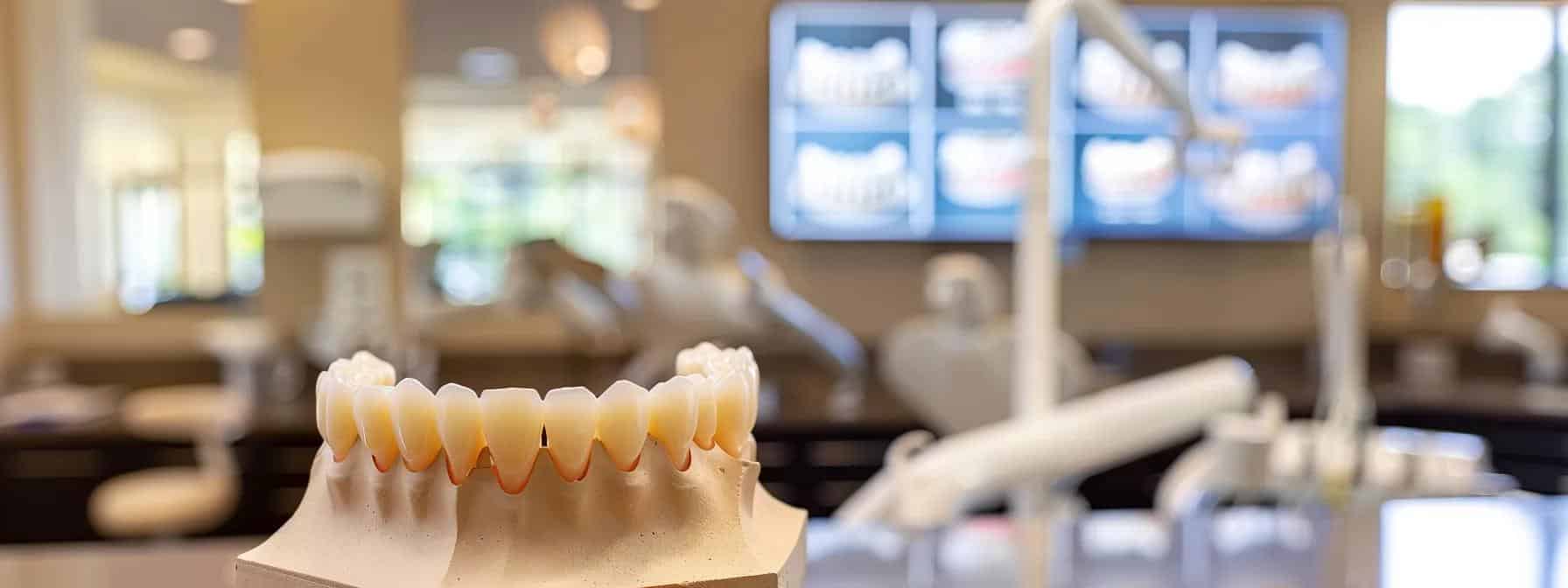
Dental crowns are custom-made restorations that protect, strengthen, and enhance the appearance of damaged teeth.
They are essential for repairing severe decay, restoring function, and improving aesthetics in cosmetic dentistry in Fort Worth.
Multiple materials such as porcelain, ceramic, and metal alloys are available to suit different clinical needs and patient preferences.
The crown procedure involves consultation, tooth preparation, temporary placement, and eventual fitting of the permanent crown.
Proper maintenance and regular check-ups ensure the longevity and effectiveness of dental crowns.
Understanding Dental Crowns and Their Purpose
Dental crowns are comprehensive restorations that encapsulate the entire visible portion of a tooth, protecting it from further damage while restoring its structure and function. They are commonly employed after extensive tooth decay, fractures, or when previous dental repairs, like fillings or inlays, are insufficient to support the tooth structure. In Fort Worth, TX, dental crowns play a crucial role not only in restoration but also in aesthetic enhancements; local clinics often encourage patients to schedule appointment to explore their options. Dental patients seeking cosmetic dentistry benefit from crowns as they mimic the natural color, shape, and translucency of real teeth, with options available that range from full porcelain to porcelain-fused-to-metal crowns.
The purpose of dental crowns extends beyond mere protection; they also enhance the tooth‘s appearance and functionality during biting, chewing, and speaking. This holistic restoration process is particularly important for patients with damaged roots or weakened enamel. Modern dental crowns are designed using advanced computer-aided design and manufacturing (CAD/CAM) technology, ensuring precision fits, patient comfort, and long-term durability. They are integral in fixed prosthodontics, offering predictable, esthetic, and functional outcomes. As dental clinics in Fort Worth emphasize oral hygiene and preventative care, crowns also serve to protect the remaining healthy tooth structure from external bacterial influences like dental plaque and decay.
Furthermore, dental crowns provide a critical solution for those undergoing cosmetic dentistry, helping to restore smiles that have been compromised by age, injury, or previous dental work. They are often used in conjunction with other restorative procedures, such as dental implants or bridges, to create a balanced and attractive dental profile. Studies have demonstrated that the use of high-quality dental porcelain crowns can reduce bacterial accumulation and improve overall oral hygiene, especially when paired with modern toothpaste and correct brushing techniques. By combining technology with advanced dental materials, crowns not only restore the tooth but also contribute to improved aesthetics and patient confidence in their smile.
Can You Put a Crown on a Decayed Tooth? Addressing Concerns
When facing significant tooth decay, many patients wonder if placing a dental crown is a viable option. The answer is yes—provided that the decay is addressed and the tooth structure is adequately prepared for the crown. Dental crowns can be placed on decayed teeth once the decay has been removed, and the remaining tooth structure is rebuilt using dental cement or composite resin. This process is crucial since the crown serves both as a protective cover and as a means to restore the lost integrity of the tooth.
Assessing tooth decay for crown placement involves thorough radiographic and clinical examinations. Dentists in Fort Worth evaluate the severity of decay and determine if the tooth can support a crownrestoration. Often, if the tooth is extensively decayed, a build-up or core procedure is performed to create a stable foundation. Preparing a decayed tooth typically includes removing all infected tissue, placing a dental lining if needed, and shaping the remaining structure to accommodate the crown. The process reinforces the tooth‘s root and remnant structure, allowing for the crown to seal out bacteria and prevent further decay.
When placing a crown on a treated tooth, the dentist may use a local anesthetic to ensure the patient’s comfort throughout the procedure. After decay removal and core preparation, an impression is taken to design a custom-fitted crown. In cases where a tooth is too decayed or fractured beyond repair, an extraction followed by a dental implant might be recommended. However, with modern restorative techniques, many decayed teeth can be successfully managed with dental crowns. Clinical studies have shown that teeth restored with crowns exhibit longevity rates exceeding 10–15 years, especially when combined with proper oral hygiene practices and regular dental check-ups.
Successful outcomes with dental crowns for decayed teeth in Fort Worth have encouraged many dental practices to adopt conservative approaches that preserve as much natural tooth structure as possible. The process empowers patients to regain full dental functionality and achieve a natural-looking smile despite previous extensive decay. By opting for a crown over extraction, patients benefit from a quicker recovery and reduced need for subsequent invasive procedures. The transformation is not only functional but also esthetically pleasing, as modern crowns can be color-matched to the patient’s natural teeth.
Benefits of Choosing Dental Crowns in Fort Worth
Choosing dental crowns in Fort Worth offers an array of benefits, ranging from reinforced tooth strength to dramatic improvements in smileaesthetics. One of the primary advantages is the ability to reconstruct and protect a weakened or extensively damaged tooth. Dental crowns restore the tooth’s natural function, making it easier to chew, speak, and maintain overall oral hygiene. Patients often report a significant boost in confidence after receiving a dental crown, especially when corrective cosmetic dentistry is involved.
Strengthening weak or damaged teeth with crowns involves encasing the tooth in a durable material that prevents additional fractures or decays. Crowns act as an external splint over the remaining tooth structure, which is especially beneficial in cases of rootcanal-treated teeth or teeth that have undergone significant restorative procedures. Additionally, improved oral hygiene through routine brushing with quality toothbrushes and toothpaste further extends the life of the dental crown. The procedure itself is designed to minimize discomfort through the use of local anesthetics, with dentists meticulously ensuring that the crown fits exactly over the tooth’s contour.
Improving your smile with natural-looking dental crowns is another significant benefit. Modern dental crowns are available in a range of materials, including porcelain and zirconium dioxide, which mimic the translucency and texture of natural tooth enamel. This blend of technology and cosmetic dentistry provides patients with restorations that integrate seamlessly with their natural dentition. Patients using crowns also benefit from the protection provided by high-quality dental cement and sealants, which guard against bacterial penetration and dental plaque accumulation.
Long-term protection offered by dental crowns is lauded by both patients and dental professionals. Crowns made from durable materials such as gold alloy or lithium disilicate are known for their longevity and resistance to decay. The comfort and fit of modern dental crowns are further enhanced due to digital impression techniques, ensuring that the margins of the crown perfectly match those of the underlying tooth. Additionally, dental crowns help maintain proper occlusion (bite alignment), which is critical for preventing future dental issues like TMJ disorders or uneven wear.
Enhancing oral health with Fort Worth dental crown solutions ultimately leads to better overall dental outcomes. The integration of preventive measures, proper oral hygiene techniques, and advanced dental materials creates a comprehensive approach to dental restoration. Patients who opt for crowns experience not only functional improvement but a significant uplift in self-esteem owing to their enhanced smile and restored dental integrity.
The Dental Crown Procedure at Your Fort Worth Dentist
The dental crown procedure in Fort Worth is a multi-step process that begins with a detailed consultation and ends with the secure placement of a permanent crown. During your initial consultation for dental crowns in Fort Worth, the dentist conducts a comprehensive oral examination, which includes X-rays and digital scans, to assess the condition of the tooth. This evaluation determines whether a crown is the most appropriate restorative solution, particularly if the tooth has experienced significant decay, trauma, or damage. Based on this assessment, a customized treatment plan is developed that is tailored to each patient’s unique dental needs and aesthetics.
The second phase involves tooth preparation and impression taking for your crown. At this stage, the dentist removes a small portion of the tooth material to create space for the crown. This step is critical in ensuring that the crown fits snugly over the prepared tooth without interfering with the bite. Local anesthetic is often used to minimize any discomfort during the procedure. Once the tooth is shaped, an impression is taken, which serves as the blueprint for the fabrication of your custom crown. High-precision digital scanners are increasingly being utilized to capture the exact dimensions, enhancing the accuracy of the final restoration.
While your custom dental crown is being fabricated in a state-of-the-art dental laboratory, a temporary crown is placed on the prepared tooth. This temporary crown serves as a protective barrier, maintains the tooth’s natural shape, and ensures that the patient can continue their routine activities without interruption. The temporary phase also allows the patient to test the comfort and functionality of the crown before the final version is installed. Modern temporary crowns are made from durable composites that offer both aesthetics and strength for the duration of the waiting period.
The final step involves fitting and securing your permanent dental crown. When the permanent crown arrives from the laboratory, the dentist removes the temporary crown and carefully fits the new restoration onto the tooth. Minor adjustments might be made to ensure that the fit is perfect and that the crown aligns properly with the surrounding teeth. Once satisfied with the adjustment, the permanent crown is permanently cemented in place using advanced dental adhesive or cement, ensuring a secure bond that can withstand extensive biting forces. This stage is crucial, as a well-cemented crown not only protects the underlying tooth structure but also contributes to the overall aesthetic appeal of the patient’s smile.
Throughout the dental crown procedure, your Fort Worth dentist prioritizes both function and aesthetics, drawing on extensive experience in restorative and cosmetic dentistry. Detailed instructions on post-op care, such as using a soft-bristle toothbrush, avoiding excessively hard foods, and maintaining scheduled dental check-ups, help ensure the longevity of the crown. The entire procedure aims to restore the natural function of the tooth while boosting the patient’s confidence through improved smileaesthetics and enhanced oral health.
Types of Dental Crowns Available in Fort Worth
In Fort Worth, dental patients can choose from an array of dental crown types that cater to varying restoration needs and cosmetic preferences. Porcelain dental crowns for a natural look are among the most popular choices. They are valued for their brilliant translucency, closely resembling natural tooth enamel, making them ideal for front teeth restorations. Porcelain crowns are also resistant to staining and, when meticulously color-matched, result in a highly aesthetic finish that integrates seamlessly with adjacent teeth.
Ceramic dental crowns provide a combination of strength and aesthetics. They are made purely of ceramic material, which offers excellent biocompatibility and a natural appearance without the risk of metal allergies. These crowns are particularly recommended for patients with sensitivities to materials like nickel or chromium. Their durability, alongside the use of advanced glazing techniques, results in crowns that mirror the natural gradations of color and texture inherent in human teeth. Multiple studies have confirmed that ceramic crowns sustain their integrity over time, with minimal wear and tear even under the stress of constant use.
Gold alloy and metal dental crowns for durability offer outstanding longevity and strength. Although less aesthetic than ceramic options, these crowns are an excellent choice for molars or teeth that endure significant chewing forces. Gold and metal crowns are known for their excellent fit and resistance to corrosion, making them ideal for patients requiring robust restorations. They also require less tooth reduction than porcelain crowns, preserving more of the natural tooth structure, which is critical in ensuring long-term oral health. Despite cosmetic concerns, many patients value metal crowns for their proven reliability and cost-effectiveness in the long run.
Porcelain-fused-to-metal dental crowns serve as a hybrid option that combines the best features of both porcelain and metal restorations. The metal substructure provides essential strength and resilience, while the porcelain overlay delivers a natural and aesthetic appearance. These crowns are particularly useful when patients desire both durability and a superior cosmetic result. The versatility of porcelain-fused-to-metal crowns has made them a common choice in many Fort Worth dental practices, as they offer an optimal balance between functionality and visual appeal.
Selecting the right type of dental crown for your needs in Fort Worth involves thorough consultation with your dental technician and dentist. Factors such as the extent of tooth damage, bite force, aesthetic requirements, and any potential material allergies must be taken into account. A detailed assessment of your oral hygiene practices, dietary habits, and previous restoration outcomes will also guide the selection process. Additionally, dental insurance considerations and the possibility of monthly payment plans are discussed, ensuring that the chosen crown type meets both clinical and financial criteria.
Providing multiple options empowers patients to make informed choices that align with their long-term dental goals. In Fort Worth, dental clinics leverage modern laboratory techniques and precision imaging to ensure that each crown fabricated meets the highest standards of quality, durability, and aesthetics. The end result is a restoration that not only functions optimally but also enhances the overall beauty of the patient’s smile.
Caring for Your Dental Crowns in Fort Worth for Lasting Results
Proper care for dental crowns is essential to maintain their longevity and functionality. Daily oral hygiene practices for crown maintenance are the cornerstone of preserving the integrity of both the crown and the natural tooth underneath. It is recommended that patients brush twice daily using a toothpaste that is specifically designed for sensitive dental restorations. Using a soft-bristle toothbrush, alongside flossing and possibly even using an antimicrobial mouthwash, helps to reduce dental plaque buildup around the crown margins. Fort Worth dental clinics often advise patients to be mindful of the techniques they use during brushing, ensuring minimal disturbance to the crown’s cemented surface.
In addition to routine hygiene, patients should be aware of the types of foods to approach with caution with dental crowns. Hard, sticky, or extremely chewy foods can compromise the bond between the crown and the natural tooth, potentially leading to dislodgement or fractures. It is prudent to avoid biting directly into hard items such as ice, nuts, or hard candies. Adopting a dietary pattern that supports oral health, inclusive of crunchy fruits and vegetables which can aid in natural cleaning, is encouraged. Detailed dietary instructions are typically provided after the crown placement, tailored to ensure long-lasting results.
Regular dental check-ups for crown longevity in Fort Worth are also paramount. Through periodic examinations, dentists can detect early signs of wear, marginal leakage, or potential decay at the base of the crown, allowing for timely intervention. These visits often include professional cleanings and radiographic evaluations to assess the overall performance of the crown in situ. Such routine maintenance not only supports the crown’s durability but also contributes to the patient’s overall oral hygiene, preventing issues like gingivitis or periodontal disease that can indirectly affect crown performance.
Identifying potential issues with your dental crown requires you to be observant of changes in sensitivity, discomfort, or noticeable loosening. Early detection of such symptoms by the patient, coupled with prompt dental consultation, plays a significant role in averting more severe complications. Fort Worth dental professionals emphasize patient education regarding the warning signs that may indicate a need for crown repair or replacement. Incorporating a maintenance regimen with specialized dental products, such as fluoride mouth rinses and enamel-strengthening toothpaste, can further fortify the crown’s bond to the natural tooth structure.
Finally, understanding how long you can expect your dental crowns to last is crucial for planning future dental care. Research indicates that with diligent care, dental crowns can last 10 to 15 years or longer. Factors influencing this duration include the type of crown material used, the patient’s oral hygiene practices, and the overall health of the tooth being restored. Fort Worth dentists provide detailed guidance on upkeep and lifestyle modifications that can maximize the lifespan of your dental crown, ensuring that it continues to offer the necessary protection and aesthetic benefits for years to come.
The Dental Crown Procedure at Your Fort Worth Dentist
The procedure for dental crowns at a Fort Worth dental practice is meticulously planned to ensure optimal outcomes while maintaining patient comfort throughout. The process begins with your initial consultation for dental crowns in Fort Worth. During this appointment, the dentist conducts a comprehensive examination that includes both clinical assessments and diagnostic imaging such as X-rays. This detailed evaluation is essential to determine whether the tooth in question is a suitable candidate for a crown or if alternative treatments are necessary. The discussion during the consultation addresses the patient‘s dental history, overall oral hygiene, and any concerns about aesthetics or functionality, ensuring that the treatment plan is customized to meet individual needs.
Once it is established that a dental crown is appropriate, the next phase involves tooth preparation and impression taking for your crown. The dentist carefully numbs the area with a local anesthetic, minimizing any discomfort during the procedure. Afterwards, a small layer of the tooth‘s outer structure is removed to create the necessary space for the crown, ensuring that it can be placed without interfering with the patient’s natural bite. Following this preparation, a detailed impression or digital scan of the tooth is made. This measurement is crucial, as it will be used to fabricate a custom dental crown that fits perfectly over the prepared tooth. The precision of this step affects not only the crown’s functionality but also its durability and aesthetic appeal.
While your custom crown is being fabricated in an advanced dental laboratory, a temporary crown is placed on the prepared tooth. Temporary crowns are made from resilient resin or composite material and serve as a protective cover. This allows patients to continue with their regular activities and protects the exposed tooth from bacterial contamination and sensitivity. The temporary crown also provides a preview of the potential final restoration, giving the patient assurance about the impending outcome.
The final appointment for your dental crown involves fitting and securing your permanent crown. During this phase, the temporary crown is carefully removed, and the permanent crown is tested for a proper fit. Adjustments are made on the spot to ensure that the crown seamlessly integrates with the patient‘s existing dentition and that there is no discomfort or misalignment. Once the fit and appearance are confirmed, the dental crown is cemented into place using state-of-the-art dental adhesive or cement, creating a strong bond that is designed to withstand daily wear and tear. The entire procedure is organized to ensure maximum comfort and efficiency, with each step making use of modern dental technology and materials.
After the crown placement, detailed aftercare instructions are provided to the patient. These include recommendations for oral hygiene practices, dietary cautions, and scheduling regular follow-up visits. The goal is to ensure that the crown remains secure and functions optimally over the long term. Your Fort Worth dentist will advise on the use of specially formulated toothpaste and mouthwash, techniques to minimize occlusal stress, and the importance of timely dental check-ups. Through this detailed and carefully coordinated process, patients in Fort Worth receive a restoration that not only meets but exceeds expectations in terms of longevity, functionality, and aesthetic appeal.
Frequently Asked Questions
Q: What is a dental crown? A: A dental crown is a custom-made restoration that fully encases a tooth to restore its shape, size, strength, and appearance. It protects a damaged tooth and promotes long-term oral health while improving the overall aesthetics of the smile.
Q: How long does a dental crown last? A: With proper care and regular dental check-ups, most dental crowns can last between 10 and 15 years. Longevity depends on the crown material, oral hygiene practices, and overall dental health, with some crowns lasting even longer.
Q: Can I eat normally with a dental crown? A: Yes, once your dental crown is securely placed, you can eat and speak naturally. However, it is recommended to avoid extremely hard or sticky foods that may damage the crown or dislodge it over time.
Q: Is the dental crown procedure painful? A: The procedure is generally performed under local anesthesia, making it comfortable for the patient. Any post-procedure sensitivity is mild and can usually be managed with over-the-counter pain relievers.
Q: How do I care for my dental crown? A: Good oral hygiene practices, including regular brushing with the appropriate toothpaste, flossing, and routine dental check-ups, are essential. Also, avoid habits that can stress the crown, such as chewing hard objects, to ensure long-lasting protection.
Final Thoughts
Dental crowns represent a vital restorative option in Fort Worth, TX, offering both remarkable protection and improved aesthetics for compromised teeth. They not only shield weakened tooth structures from further decay but also contribute to a natural, radiant smile that boosts a patient‘s confidence. With a well-defined multi-step procedure that ranges from initial consultation to final cementation, dental crowns exemplify modern dental innovation by combining technology with personalized care. Patients are encouraged to maintain strict oral hygiene and schedule regular check-ups to preserve the benefits of their crowns, ultimately ensuring a healthy, bright future for their smile.