Dental implants are today’s most recognized solution for replacing missing teeth and restoring a natural smile. In Lake Worth, TX, patients can access state-of-the-art dental clinics that specialize in implant solutions tailored to individual needs. As people age, missing teeth and related dental issues can affect chewing, speech, and self-confidence. This article takes an in‐depth look at how dental implants work, when they are necessary, the different types available, the procedures involved, and the benefits and financial considerations. Successful dental implants not only restore aesthetics but also reestablish oral function, preserve jawbone density, and protect overall mouth structure.
The purpose of this article is to guide patients in their 40s to 60s through the evaluation process for dental implants. Readers will learn how missing teeth can lead to complications such as bone loss, the role of technology like sinus lifts and screw retention systems, and how materials such as titanium or zirconia are employed to create strong, natural-looking implants. By exploring clinical assessments, recovery standards, cost factors, and financing options, the article highlights factors that influence the long-term durability and success of implant procedures. With free consultation options available at local clinics, the information provided helps patients feel informed about their choices and confident in scheduling a consultation with a Lake Worth dental implant specialist.
Over the following sections, the article covers determining if a tooth implant is necessary, different implant types, the implant procedure, benefits, and costs. Each topic is discussed with reference to clinical procedures, scientific terminology, and real-world examples that underline the advantages of dental implants over traditional dentures or bridges. Whether considering a single-tooth implant or a full-mouth restoration, understanding the fundamentals of the procedure is essential. The article also addresses concerns regarding healing, advanced technology, and post-procedure care to ensure every patient has realistic expectations and knows the pathway to a healthy, functional, and aesthetically pleasing smile.
Dental implants represent both an investment in oral function and quality of life. With local clinics offering affordable care and monthly payment plans, Lake Worth residents are encouraged to pursue implants as a long-term solution to tooth loss. This article provides technical details and benefits while empowering readers to take the next step in their dental health journey by scheduling a free consultation for personalized evaluation and treatment options.
Key Takeaways
Dental implants offer a long-lasting solution to missing teeth by restoring function and aesthetics.
Various types of implants and procedures are available in Lake Worth, each suited for different dental needs.
The process includes consultation, surgical placement, osseointegration, and restoration with a custom crown.
Financing options such as insurance coverage and payment plans make dental implants accessible.
Quality care in Lake Worth is enhanced by advanced technology and experienced dental professionals.
Understanding When a Tooth Implant Is Necessary in Lake Worth
Determining the need for a tooth implant in Lake Worth involves evaluating signs of bone loss, damage to adjacent teeth, and compromised jaw structure. An implant may be necessary when a patient experiences constant discomfort, difficulty chewing, or a noticeable gap in their smile. Early diagnosis through a thorough dental evaluation is key to preventing further complications such as periodontal disease or bone resorption. Many patients ask, “Do I really need a dental implant?”—and typically, the answer is yes when dental decay, infection, or trauma have led to problems with traditional treatments.
Signs You Might Need Dental Implants
Chronic discomfort and sensitivity in the gums where a tooth is missing often indicate the need for implants. Patients report heightened sensitivity to temperature changes and challenges in chewing, linked to gradual deterioration of surrounding bone tissue. A gap left by a missing tooth can cause adjacent teeth to shift and result in bite problems and increased wear. Digital radiographs and CT scans have shown that even small gaps may significantly weaken jaw structures over time. Visible changes in facial symmetry or a sunken jawline also prompt an implant evaluation. Early intervention not only enhances oral functions but may prevent future surgical needs.
Evaluating if Dental Implants Are Your Best Tooth Replacement Option
Before proceeding with an implant, a detailed evaluation of dental history and oral health is crucial. Dentists assess bone density, gum health, and systemic conditions such as diabetes or heart disease that could affect surgical healing. The evaluation typically includes a consultation with a dental implant specialist who uses advanced imaging to assess the available bone in the jaw. Patients can compare implant durability—which can last for decades—with conventional bridgework or dentures that may need frequent adjustments. Data shows that implants can improve mastication efficiency by up to 40% compared to traditional methods, preserving bone structure and overall oral health.
Health Conditions Affecting Dental Implant Candidacy
Certain health conditions influence whether dental implants are a safe option. Uncontrolled diabetes, severe osteoporosis, and blood-thinning disorders may affect healing. Habits like smoking are linked to delayed osseointegration—the process where the implant fuses with the jawbone. Dental professionals require a comprehensive medical history and sometimes additional blood tests before scheduling surgery. Patients with periodontal disease or chronic infections in the mouth may also face higher risks of implant failure. Addressing these issues through pre-surgical treatments or lifestyle modifications can improve the chances of a successful outcome.
The Impact of Missing Teeth on Your Oral Health
Missing teeth affect both appearance and function. Over time, adjacent teeth may shift into the empty space, leading to bite discrepancies and even temporomandibular joint (TMJ) issues. This shifting creates uneven pressure distribution, which can deteriorate remaining teeth. Studies indicate that patients with missing teeth are at higher risk for periodontal disease and bone loss. Implants help stabilize the jawbone, prevent bone resorption, and support natural facial contours, underscoring the importance of timely intervention.
Consulting With a Lake Worth Dental Implant Specialist
If signs suggest implant necessity, consulting with a dental implant specialist in Lake Worth is the next step. The specialist conducts a personalized evaluation, discussing both immediate dental needs and long-term oral health implications. The consultation includes a review of dental history, a clinical examination, and imaging to assess implant suitability. Patients then receive clear, step-by-step guidance about the procedure and aftercare, turning a complex process into an approachable treatment plan.
Exploring Different Types of Dental Implants Available in Lake Worth
Dental implants come in various types to suit different dental scenarios. In Lake Worth, TX, the selection ranges from single-tooth implants to solutions for complete mouth restoration. This section examines these types to help patients choose an implant that best meets their needs. Although replacing a missing tooth may seem straightforward, technological intricacies and material choices play a significant role in the success of an implant.
Single Tooth Implants for Individual Tooth Replacement
Designed for patients missing one tooth, single tooth implants offer a permanent solution that closely mimics the structure and function of natural teeth. A single implant typically includes a titanium or zirconia post surgically placed in the jawbone, an abutment connecting the post to the crown, and a custom-designed crown mimicking a natural tooth. This method preserves adjacent teeth and maintains proper alignment in the dental arch. Clinical studies have indicated success rates exceeding 95% when proper protocols are followed. Customized to match natural tooth color and shape, these implants provide a seamless appearance and improved functionality.
Implant-Supported Bridges to Replace Multiple Missing Teeth
For patients missing several adjacent teeth, implant-supported bridges are a stable and cosmetically appealing solution. Instead of placing an implant for every missing tooth, two or more implants serve as anchors for a bridge. This approach avoids unnecessary surgery while still providing excellent stability. The bridges distribute chewing forces evenly, preserve the jawbone, and prevent shifting of surrounding teeth. Patients have noted improved chewing efficiency and satisfaction with the natural feel of these prostheses due to their secure attachment.
Full Mouth Dental Implants for Complete Smile Restoration
Full mouth dental implants offer a comprehensive solution for patients who have lost most or all of their natural teeth. This method involves multiple implants across the jaw supporting either a fixed bridge or a removable overdenture. Full mouth restorations not only enhance aesthetics but also significantly improve chewing and speaking abilities by providing a stable set of permanent teeth. The procedure is complex and requires thorough planning, including computer-guided implant placement and pre-surgical bone grafting if needed. Despite its complexity, full mouth implants deliver outstanding long-term results and dramatic improvements in quality of life, especially for patients who have long suffered with ill-fitting dentures.
All-on-4 Dental Implants as a Secure Denture Alternative
The All-on-4 technique revolutionizes full-mouth restoration by using four angled implants to support a full arch of replacement teeth. This method minimizes the number of required implants and often eliminates the need for bone grafting, making it a cost-effective and efficient option. The angled placement maximizes the use of available bone, ensuring stability and durability. Clinical evidence supports high satisfaction rates with All-on-4 implants due to their strong performance and relatively short recovery period. Patients enjoy improvements in both speech and chewing, along with a natural appearance that avoids the inconveniences of removable dentures.
Materials Used in Dental Implants Like Titanium and Zirconia
Dental implants are typically made from biocompatible materials that integrate well with the human body. Titanium, valued for its strength and resistance to corrosion, has been the gold standard for decades due to its proven ability to fuse with bone—a process called osseointegration. Zirconia, a ceramic material, offers superior aesthetics with its tooth-like color and is ideal for patients with metal sensitivities. Both materials have high success rates; the choice depends on individual factors such as jawbone thickness and aesthetic demands. Advances in surface treatment technology further enhance implant longevity and performance, ensuring each implant feels natural.
The Dental Implant Procedure at Our Lake Worth Clinic
The dental implant procedure at our Lake Worth clinic is designed to be patient-friendly, efficient, and highly effective. From the initial consultation to post-procedure care, every step is carefully planned to ensure a smooth shift from a missing tooth to a fully restored smile. The process involves advanced surgical techniques and modern technology to monitor healing and ensure optimal outcomes.
Your Initial Dental Implant Consultation and Assessment
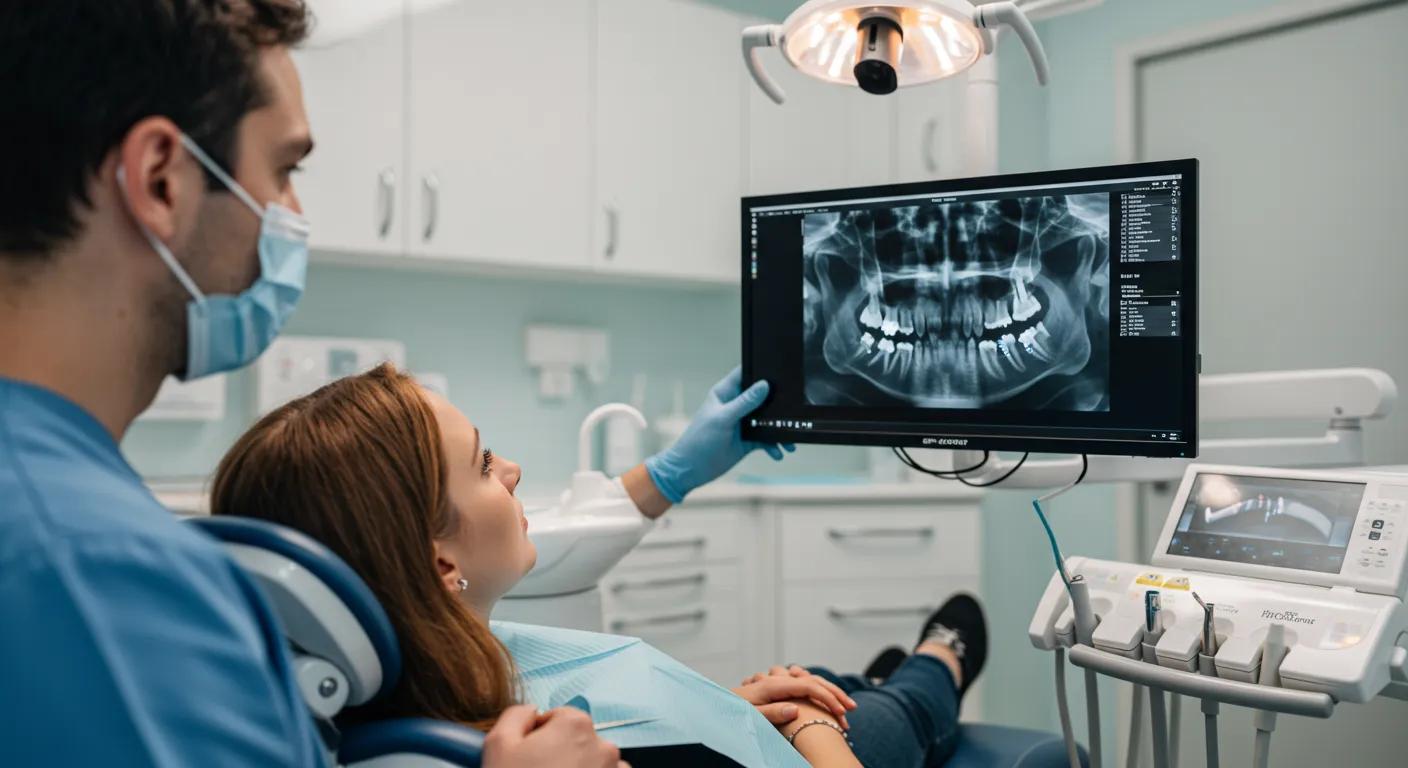
Patients begin with a thorough dental examination that includes digital radiographs—and sometimes a CT scan—to assess bone density and overall oral health. This comprehensive evaluation helps the specialist determine the best treatment plan by considering jawbone structure, tissue quality, and patient health. A review of medical and dental history ensures that any systemic issues that could impact healing are well managed. The consultation also gives patients the opportunity to ask questions and understand the long-term benefits of dental implants, laying the groundwork for a personalized and effective treatment plan.
The Surgical Placement of Dental Implants
Implant placement is performed under local anesthesia to ensure patient comfort. In this phase, the dentist drills a small hole in the jawbone for the implant post. Precision, aided by computer-guided tools, is essential for optimal stability. The implant—typically titanium or zirconia—is then inserted into the bone. This minimally invasive procedure requires a high level of expertise to protect surrounding structures, as proper placement is critical to the healing process and long-term performance of the implant.
Healing and Osseointegration After Implant Surgery
After placement, the healing process, known as osseointegration, begins as the implant bonds with the adjacent bone over three to six months. During this time, the body replaces damaged bone with healthy tissue, permanently incorporating the implant into the jaw. Patients must follow strict post-operative care, maintain excellent oral hygiene, and avoid excessive pressure on the implant site. Regular follow-up appointments help monitor progress, ensuring the implant becomes stable enough to withstand everyday chewing and speaking forces.
Attaching the Abutment and Custom Crown
Once osseointegration is complete, the abutment is attached to the implant in a minor procedure. A precise impression of the patient’s mouth is then taken to fabricate a custom crown that matches the color, shape, and size of the natural teeth. This crown is permanently secured onto the abutment, creating a natural appearance and restoring full functionality for chewing and speaking.
What to Expect During Recovery From Dental Implant Surgery
Recovery at our Lake Worth clinic is closely monitored through personalized care plans. Immediately following surgery, patients may experience some swelling and discomfort, which can be managed with prescribed pain medications and cold compresses. Detailed post-operative instructions help ensure proper care of the implant site. Patients are advised to eat soft foods and avoid strenuous activities, with regular check-ups to monitor healing. Most patients resume normal activities within a few days, and full functional recovery is expected by the time the custom crown is attached.
Benefits of Choosing Dental Implants in Lake Worth
Choosing dental implants in Lake Worth offers numerous benefits beyond restoring a smile. Implants provide a permanent solution that enhances both the appearance of a natural smile and overall oral health. Clinical research and patient testimonials consistently demonstrate improvements in chewing efficiency, speech clarity, and self-esteem.
Improved Appearance and a Natural-Looking Smile
Custom-made crowns on implants closely mimic natural teeth, resulting in a seamless, attractive smile that boosts confidence. Unlike traditional dentures, implants remain securely in place, so patients can smile without fear of shifting or loose prosthetics. Advanced dental technology ensures that implants integrate flawlessly with natural teeth, preserving facial structure and a youthful appearance.
Enhanced Chewing Ability and Speech
Implants are firmly anchored in the jawbone, offering the stability needed for vigorous chewing and effective biting. This enhanced stability allows patients to enjoy a wider variety of foods without misalignment concerns. Additionally, implants restore proper bite alignment, which is essential for clear speech. Improved chewing performance also promotes better digestion.
Long-Term Durability and Reliability of Dental Implants
With proper care, dental implants can last for decades, often outlasting bridges or dentures. Their high success rate—exceeding 90% over 10 to 15 years—is due to durable, biocompatible materials like titanium and zirconia, and the bonding process of osseointegration. This reliability reduces the need for frequent repairs or replacements, making implants a cost-effective long-term solution.
Preservation of Jawbone and Facial Structure
Dental implants help prevent bone loss and preserve the natural shape of the face. When a tooth is lost, the surrounding bone tends to deteriorate, which can lead to facial sagging. Implants stimulate the jawbone similarly to natural tooth roots, maintaining both bone density and facial contours.
The Positive Impact of Dental Implants on Quality of Life
Beyond aesthetic improvements and restored chewing function, implants have a profound effect on overall well-being. Patients report enhanced self-confidence, improved social interactions, and reduced psychological distress. With no need for adhesives or frequent adjustments, implants simplify daily routines and support a more active, worry-free lifestyle while making oral hygiene simpler and more effective.
Considering the Cost and Financing for Dental Implants in Lake Worth
The cost of dental implants can be significant, but understanding the factors that influence pricing and the available financing options can simplify the decision process. In Lake Worth, many clinics offer competitively priced implant procedures along with monthly payment plans.
Factors Influencing the Cost of Dental Implants in Lake Worth
Implant costs depend on the number of implants required, the complexity of the procedure, any necessary preparatory work (like bone grafting or sinus lifts), and the materials used (titanium versus zirconia). Additional considerations include clinic overhead, technology utilization during surgery, and the expertise of the dental surgeon. For instance, advanced computer-guided surgery ensures precise placement, which may raise upfront costs but lowers complication risks.
Average Price Range for Dental Implant Procedures
Typically, a single dental implant in Lake Worth ranges from $1,500 to $6,000, which generally covers the implant post, abutment, and custom crown. Full-mouth restorations or All-on-4 procedures may range from $20,000 to $50,000, depending on the complexity and number of implants. Although the initial cost can be high, the durability of implants often makes them more cost-effective over time compared to other tooth replacement methods.
Understanding Insurance Coverage for Dental Implants
Dental insurance for implants can be complex, with many policies classifying them as elective or cosmetic. However, partial coverage may be available if implants are deemed medically necessary to restore oral function and prevent further bone loss. Patients should review their insurance plans and consult with their dental provider, who can assist with documentation and claims.
Available Financing Options and Payment Plans in Lake Worth
Many clinics partner with third-party financing companies to offer monthly payment plans, low-interest loans, and deferred payment options. These plans make it easier for patients to spread out the cost of treatment while enjoying transparent pricing and personalized cost analysis during a free consultation.
The Long-Term Value of Investing in Dental Implants
When evaluating dental implants, it is important to consider their long-term benefits. Unlike temporary solutions, implants provide a permanent restoration of function and appearance. Their durability leads to fewer follow-up procedures and long-term savings. Additionally, implants contribute to overall oral health by preserving the jawbone and preventing further complications associated with tooth loss.
Finding Quality Dental Implant Care in Lake Worth
Finding a reputable dental implant provider in Lake Worth is essential to ensure high-quality care and long-term implant success. With multiple clinics available, patients should choose a provider that combines state-of-the-art technology, experienced professionals, and personalized follow-up care.
What to Look for in a Lake Worth Dental Implant Provider
Patients should prioritize experience, advanced technology, and comprehensive treatment planning when selecting a provider. Key factors include board certifications, years of experience in implant dentistry, and proven success rates. Digital imaging and computer-guided implant placement add accuracy and safety, while patient testimonials and before-and-after case studies offer insight into the provider’s effectiveness. Transparent communication throughout the treatment process and flexible financing options are also important.
The Role of Advanced Technology in Dental Implant Success
Advanced technologies like 3D imaging, CBCT scans, and computer-guided surgical planning have greatly increased precision and reduced risks during implant procedures. These tools provide detailed views of the jawbone, ensuring accurate implant placement and maximum stability while streamlining the process for quicker turnaround times.
Reading Patient Reviews and Testimonials for Lake Worth Dentists
Patient reviews and testimonials are valuable resources for evaluating dental implant providers. Prospective patients should seek reviews that mention outcomes such as improved function, confident smiles, and efficient recovery. Detailed case studies and before-and-after photos can provide additional assurance of quality care and successful results.
Scheduling Your Dental Implant Consultation in Lake Worth
Taking the first step means scheduling an initial consultation with a trusted dental implant specialist. During this appointment, patients receive a comprehensive oral evaluation, discuss treatment options, and address any questions about the procedure, recovery, or costs. Many clinics offer a free initial consultation to help patients understand the process and begin their journey toward a restored smile.
Post-Procedure Care and Maintenance for Your Dental Implants
Proper post-procedure care is critical to ensuring the longevity of dental implants. Patients receive detailed instructions on oral hygiene, dietary guidelines, and activity restrictions immediately after surgery. Regular dental check-ups and professional cleanings are essential to monitor the implant, address any inflammation, and maintain overall oral health. Specialized tools, such as interdental brushes and water flossers, may be recommended to prevent plaque buildup around the implants.
Detailed Comparison Tables and Lists
Below is a comprehensive table comparing different dental implant materials based on their properties, benefits, and common uses in Lake Worth clinics:
Material
Composition
Benefit
Integration
Typical Use
Titanium
Metal alloy
High strength and durability
Excellent
Single and multiple tooth implants
Zirconia
Ceramics
Superior aesthetics, metal-free
Very Good
Patients with metal allergies
Titanium-Zirconia Hybrid
Composite
Balanced strength and aesthetics
Excellent
Customized implant restorations
Gold Alloy
Precious metal
High biocompatibility and corrosion resistance
Moderate
Specific abutment connections
Stainless Steel
Metal blend
Low cost
Good
Temporary fixtures
Nano-Structured Alloy
Advanced metal
Enhanced cell adhesion and faster osseointegration
Excellent
Innovative dental restorations
Polymer Composite
Synthetic resin
Lightweight, flexible
Fair
Specialized prosthesis fittings
This table provides an at-a-glance reference for patients considering the various implant materials, highlighting factors such as biocompatibility, aesthetic value, and integration quality.
Below is a list of seven key factors to consider when choosing the ideal dental implant solution:
Bone Density Assessment – Critical for Implant Stability Thorough evaluation of bone density ensures a sturdy foundation and reduces future complications. Advanced imaging techniques help measure bone thickness and quality.
Material Selection – Titanium vs. Zirconia The choice of material affects the implant’s longevity and aesthetics. Titanium offers durability while zirconia provides superior cosmetic outcomes.
Surgical Precision and Technology – Enhancing Outcomes Computer-guided surgery and 3D imaging enable precise placement, minimizing risks and ensuring optimal functionality.
Patient Medical History – Ensuring Appropriate Candidacy A detailed review of health, including any chronic conditions or medications, is essential to predict successful osseointegration and healing.
Post-Operative Care Protocols – Preventing Implant Failure Clear instructions on oral hygiene, diet, and regular check-ups help maintain implant health and ensure long-lasting results.
Cost and Financing Options – Making Implants Affordable A comprehensive cost analysis and flexible payment plans enable patients to invest in permanent dental solutions without financial strain.
Provider Expertise and Clinic Reputation – Confidence in Care Choosing a provider with a proven track record and advanced technology assures patients of quality care and better outcomes.
Below is another table summarizing the key benefits of dental implants:
Benefit
Explanation
Impact on Quality of Life
Long-Term Outcome
Enhanced Aesthetics
Custom crowns provide a natural appearance
Boosts self-confidence
Improved facial symmetry
Improved Chewing Efficiency
Stable implants improve mastication of food
Better digestion
Increased satisfaction at meals
Preservation of Bone Structure
Prevents bone loss and maintains jaw mass
Maintains facial contours
Long-lasting oral health
Durability and Longevity
Materials like titanium ensure decades-long support
Reduced need for repairs
Cost-effective in the long run
Improved Speech
Maintains proper tooth alignment and bite function
Clearer pronunciation
Enhanced social interactions
Oral Hygiene and Maintenance
Easier to clean than removable dentures
Fewer dental issues
Lower risk of periodontal disease
Increased Overall Confidence
A stable, attractive smile boosts self-esteem
Enhanced mental wellbeing
More positive lifestyle choices
Frequently Asked Questions
Q: What are the signs that I might need dental implants? A: Signs include persistent gaps in the smile, difficulty chewing, and noticeable changes in facial structure. Shifting adjacent teeth, increased sensitivity, or discomfort due to bone loss should prompt an evaluation by a dental specialist using imaging technology.
Q: How long does the dental implant process take? A: The entire process typically ranges from several months to over a year, depending on bone healing and any preparatory procedures like bone grafting. The surgical placement is usually completed in one session, while osseointegration takes three to six months before the final crown is placed.
Q: Are dental implants expensive, and is there financing available? A: Dental implants can be a significant investment. Many clinics in Lake Worth offer flexible financing options and monthly payment plans, and some insurance may cover part of the cost if the implants are medically necessary. A detailed cost estimate during consultation will clarify expenses.
Q: What materials are used in dental implants and how do they compare? A: Implants are commonly made from titanium and zirconia due to their high biocompatibility. Titanium is preferred for its durability and strength, while zirconia is chosen for its aesthetic appeal, especially when a metal-free option is desired. Your provider will recommend the best option based on your dental condition and aesthetic needs.
Q: How are dental implants maintained after the procedure? A: Post-operative maintenance involves regular dental visits, diligent oral hygiene including brushing and flossing, and the use of specialized cleaning tools to prevent plaque buildup. Following your dentist’s care instructions is crucial to ensure the implant remains functional and infection-free.
Q: What should I expect during the recovery phase after implant surgery? A: Recovery may include mild discomfort, swelling, and sensitivity. Pain is managed with prescribed medications and cold compresses, and patients are advised to eat soft foods and avoid strenuous activity. Follow-up appointments monitor healing as the jawbone integrates with the implant.
Q: Is there a risk of implant failure and how can it be minimized? A: Although dental implants have a high success rate, risks such as infection, insufficient bone integration, or mechanical complications exist. These risks can be minimized through comprehensive pre-surgical evaluations, meticulous surgical technique, and diligent post-operative care. Patients with underlying health issues should work closely with their provider to minimize complications.
Final Thoughts
Dental implants offer an outstanding solution for restoring a natural smile and enhancing overall oral function. With advanced surgical techniques and cutting-edge technology, patients in Lake Worth receive tailored treatment plans designed for long-term durability and improved quality of life. From the initial consultation through post-operative care, every step is personalized to ensure high-quality results. With flexible financing options and a commitment to excellence, dental implant solutions represent a smart, lasting investment in oral health.