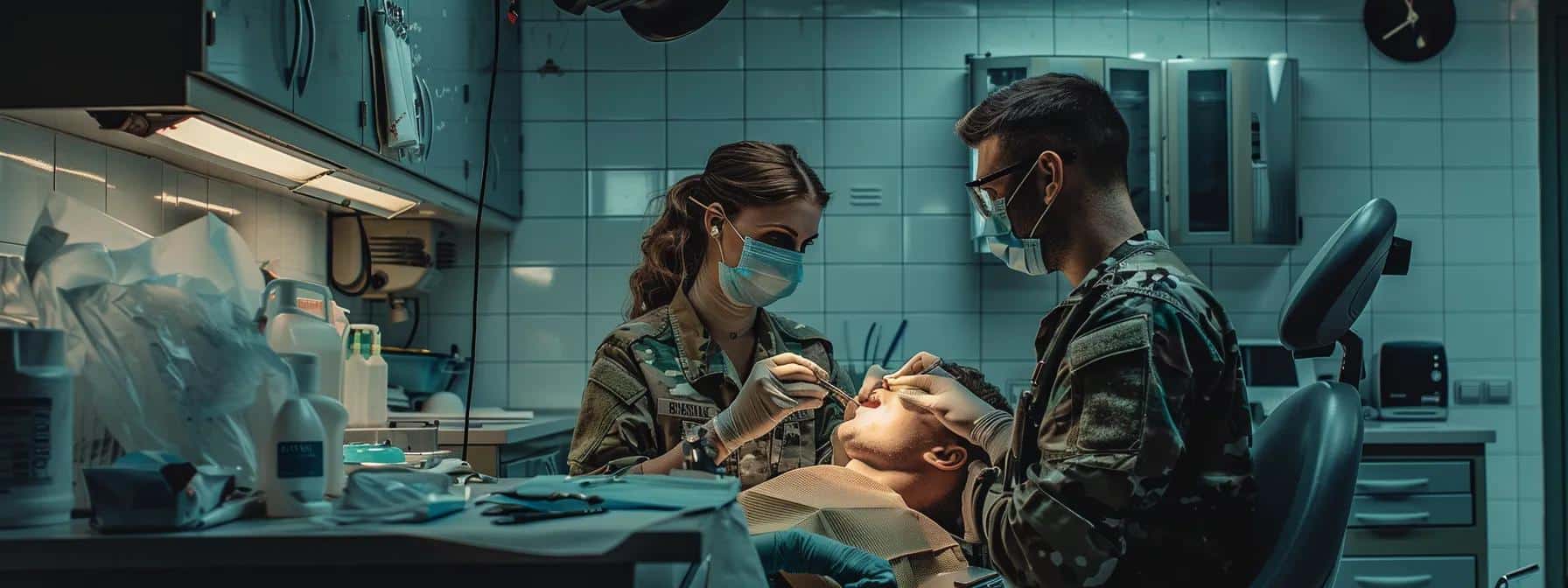
Is It Possible to Join the Army if a Person Needs Dental Implants?
Joining the Army is a major decision that requires meeting strict medical and dental standards. Dental health is pivotal in the enlistment process, and many wonder how conditions—such as a need for dental implants—affect eligibility. For those who are new patient 1, it is wise to schedule appointment early to ensure all dental criteria are met. Army dental standards ensure recruits maintain optimum oral health during rigorous training and active service. These standards cover overall oral health, account for specific conditions, and review pre-existing dental work including implants and dentures. Because dental performance is critical to readiness, prospective enlistees must understand how dental issues are evaluated and learn the steps necessary to secure a waiver if needed.
This article provides an overview of Army dental standards for recruitment and explores how dental implants, dentures, and related procedures influence enlistment prospects. It explains general dental requirements, implications of needing implants or dentures, and details the medical waiver process. For dental patients in their 40s to 60s considering orthodontic or prosthetic solutions, understanding these regulations is essential for planning treatment before contacting a recruiter. The resource also emphasizes maintaining dental records and consulting both military and civilian dental experts.
By examining topics such as distinguishing minor from major dental problems and the Army’s policy on pre-existing dental work, the article offers clear guidance and dispels common misconceptions. Real-world examples and practical tips are provided to help prospective recruits overcome dental challenges and avoid setbacks in their military career.
Transitioning into the details of Army dental recruitment standards, the following sections break down each element to equip potential enlistees with the knowledge they need.
Key Takeaways
The Army enforces strict dental standards—including guidelines for implants and dentures—to ensure readiness.
Both general dental health and specific conditions are evaluated during recruitment.
Applicants with significant pre-existing dental work may need to secure waivers.
Proper treatment planning and thorough documentation are critical to overcoming enlistment obstacles.
Understanding these standards helps candidates prepare effectively for Army service.
Understanding Army Dental Standards for Recruitment
Army dental standards are designed so that every applicant’s oral health supports the physical and tactical demands of military service. Recruits must have a dentition free from acute infections, severe periodontal disease, or pain that might impair performance. These requirements minimize disruptions during training and deployment, where dental emergencies can affect both individual well-being and unit effectiveness.
General Dental Health Requirements for Army Applicants
Applicants must have good overall dental health characterized by the absence of active dental infections, significant decay, or severe periodontal disease requiring immediate treatment. During the initial examination, factors such as tooth count, restoration integrity, and the health of periodontal tissues are evaluated. Consistent oral hygiene is crucial; poor dental care can lead to infections that become liabilities during sensitive operations. Recruiters review radiographs and dental records to ensure no underlying conditions compromise physical or tactical readiness.
Applicants should have no symptoms of dental pain, abscess formation, or decay likely to necessitate invasive treatments soon. Any irregularities—such as improperly healed dental work or unresolved chronic conditions—are scrutinized carefully. While some restorations are acceptable, they must be stable and well documented to satisfy Army demands.
Additionally, candidates are evaluated on routine dental care practices. The Army favors those who maintain regular cleanings and check-ups. These standards are periodically updated to reflect advancements in dental technology and practices, ensuring that recruits possess a level of oral health that supports the physical endurance and operational resilience required of service members.
Specific Conditions Affecting Dental Eligibility for Service
The Army reviews specific dental conditions on a case-by-case basis to assess overall fitness for service. Conditions such as severe periodontal disease, untreated cavities, or extensive restorative work that may require future intervention are of particular concern. Issues affecting chewing efficiency, causing chronic pain, or potentially leading to systemic infections are rigorously evaluated. For example, any condition that hinders proper nutrition or risks rapid dental deterioration under stress is taken very seriously.
Candidates with a history of significant dental injuries or untreated issues may be subject to additional evaluations. Experts review previous treatments, emergency interventions, and prognosis of restorative procedures. In many instances, an applicant’s dental history must be stable and fully treated before clearance is granted. Predictability and stability in oral health help mitigate risks of unexpected dental emergencies during intensive military operations.
Furthermore, conditions like chronic xerostomia (dry mouth) or systemic diseases that exacerbate dental issues are also considered. These factors are evaluated based on their potential to cause rapid decay, gum disease, or complications during stressful periods such as training or deployment. The comprehensive evaluation ensures that each candidate’s dental state is consistent and unlikely to require extensive interventions during service.
How Needing Dental Implants Influences Enlistment Prospects
Dental implants are used as permanent replacements for missing teeth and are effective in restoring both function and aesthetics. However, in Army recruitment, the need for dental implants can affect eligibility due to the potential challenges these restorations present. The Army closely examines the healing process and structural integrity of implants; instability or failure of an implant may lead to more severe dental issues while on active duty.
Typically, military examiners review how long it has been since the dental implant was placed to ensure sufficient healing and integration into the bone. Implants must be fully healed, showing no signs of infection, inflammation, or loosening. The standards require that implants be stable because a compromised implant can interfere with oral function and even cause systemic infections under high-stress conditions.
A thorough review of dental records, including radiographs confirming successful osseointegration, is conducted to identify potential complications such as peri-implantitis—an inflammatory condition affecting the tissues around the implant. If early signs of complications are detected, candidates may need further consultations or treatment before final approval. Although having implants is not an automatic disqualification, their condition and stability significantly influence enlistment outcomes.
Timing is crucial; implants should ideally be performed well before the application process to allow ample healing time. If an implant is recent, additional documentation or a medical waiver might be required. The goal is to ensure that recruits can rely on their implants throughout Army service without unexpected dental emergencies. Clear documentation of the implant procedure, post-operative care, and long-term prognosis is essential for approval.
The Army’s Stance on Pre-Existing Dental Work
Most adults have some pre-existing dental work such as fillings, crowns, bridges, or implants, and these are generally acceptable for Army recruitment as long as they are stable and functional. Evaluators are interested in whether previous dental treatments were performed correctly and if they can withstand the demands of military service. The key is ensuring that there is no potential for these restorations to lead to dental emergencies in the field.
During the review, examiners look for signs that past restorative work may need additional treatment. For instance, chipped crowns or deteriorated fillings might be cause for concern if they could interrupt service. The timing of these procedures is also important; recent work may require extra scrutiny to ensure full integration and stability. Stability of dental work indicates that no immediate further treatment is needed, which is a positive factor for enlistment.
Furthermore, having long-term documentation from the treating dentist is essential. This includes details about the materials used, quality of work, and any follow-up care that was recommended. Comprehensive dental records, along with radiographs and visual examinations, confirm that the restorations meet the Army’s standards. If there are signs of potential failure, candidates may be advised to have remedial procedures before enlistment.
Differentiating Between Minor and Major Dental Issues for Service
Army examiners differentiate between minor and major dental issues based on the potential risk they pose during service. Minor issues, such as small fillings, routine crowns, or slight enamel wear, are typically acceptable if they are asymptomatic and well maintained. These minor dental imperfections are considered a normal part of adult dental history and are unlikely to interfere with military training when properly managed.
In contrast, major dental issues include extensive decay, severe periodontal disease, significant dental injuries, or improperly healed implants and restorations showing signs of failure. Major problems not only endanger overall health but can also become liabilities in field operations where immediate dental care is not available. The Army prioritizes ensuring that any condition that might trigger a dental emergency is fully resolved before enlistment.
The evaluation process for dental issues involves comprehensive examinations supported by radiographic analysis. Advances in dental imaging allow examiners to accurately classify issues; for example, while a minor worn filling can be monitored, a large restoration showing secondary decay may require further evaluation. The assessment considers the likelihood of a dental issue worsening during the physical demands of basic training and deployment.
Candidates with minor issues may be advised to maintain stricter oral hygiene and follow-up care. Those with major issues will likely need corrective treatments before reapplying. Overall, the Army’s criteria ensure that only recruits with a stable, functioning, and asymptomatic dental condition are accepted for service.
Dental Implants and Their Acceptance in Military Service
Dental implants have become a popular solution for missing teeth, offering durable and natural-looking replacements. In military service, however, the acceptance of dental implants depends on several factors including healing status, durability, and the absence of complications. Military dental examiners require evidence that implants have fully integrated with the jawbone—a process called osseointegration—and that they remain free of infection and inflammation.
Current Army Regulations Regarding Dental Implants
The Army’s regulations require that dental implants be fully healed and free from complications such as peri-implantitis, a chronic inflammatory condition affecting the surrounding tissues. Evaluators review radiographs, clinical photographs, and detailed dental records to ensure the implant meets rigorous structural and functional standards. These measures are intended to ensure that the implant can withstand the physical demands of military service, including high-stress and limited dental care situations.
Recent policy updates emphasize a required waiting period—often several months—between the implant procedure and the application process. This waiting period allows any potential issues to become apparent and be addressed before enlistment. Candidates are advised to provide comprehensive documentation from their dentist, including details of the surgical procedure, post-operative care, and follow-up visits, to prove long-term success.
Complete healing is essential for maintaining performance under duress. Any sign of instability or questionable healing could impair both the individual’s dental health and their readiness. Therefore, strict adherence to healing timelines and thorough documentation are critical for candidates with dental implants.
The Status of Your Dental Implant Procedure Matters
The timing of a dental implant procedure is critical in determining enlistment eligibility. Army examiners are cautious of recent implant placements; an implant must have been in place long enough—generally six months or more—to ensure complete healing and integration with the jawbone. This waiting period helps ensure that there are no adverse reactions compromising the implant’s stability.
During evaluation, dental records that detail surgical placement and post-operative progress are vital. Radiographic images are reviewed for signs of proper integration and sufficient bone density around the implant. Clear evidence that the implant functions normally—with no bone loss or inflammation—is essential. If criteria are not met, candidates may be required to obtain a medical waiver. The waiver process weighs the risk of future complications to ensure that only candidates with reliable dental status can serve.
Furthermore, the overall dental history, including other restorations, is considered. Consistent oral hygiene and regular check-ups are indicators of long-term stability. For candidates with multiple dental procedures, the cumulative effect is reviewed to ensure overall health aligns with Army standards. Ultimately, while implants offer many benefits, their acceptance depends on proven complete healing and functionality.
Requirements for Fully Healed Dental Implants for Enlistment
To be acceptable for enlistment, dental implants must appear fully integrated with the jawbone, with no signs of loosening, inflammation, or bone resorption. Dental records should indicate that the implant has been in place for a documented period—typically at least six months—to ensure complete osseointegration.
The evaluation process includes clinical examinations and radiographic assessments to confirm stability. Radiographs verify adequate bone density around the implant and ensure that no bone loss is present. Additionally, if an implant crown is used, it must be properly aligned and provide functional occlusion with the opposing dentition. Any misalignment or improper contact can add undue stress, potentially leading to complications during the rigorous physical demands of military service.
Candidates must provide comprehensive documentation from their dental care provider detailing the procedure, materials used, and post-operative healing. This documentation is crucial for the evaluators’ assessment and may be supplemented by follow-up examinations by military dental specialists. Only implants that have demonstrated consistent stability and satisfactory function are approved for enlistment.
Potential Complications With Dental Implants During Army Service
Even though dental implants are generally successful, complications such as peri-implantitis, implant loosening, or mechanical failure may occur during Army service if the implant is not fully stable. Such complications can result in pain, infection, and the need for emergency dental interventions, which could disrupt training or deployment.
Diagnosis of these complications involves both clinical examinations and radiographs. For example, peri-implantitis is identified by inflammation of the surrounding soft tissue and gradual bone loss. In the demanding conditions of military training—where routine dental care might not be immediately available—even minor complications can escalate rapidly. Physical impacts during training or combat may worsen these issues, making it essential for candidates to have a documented history of stable implants.
The Army’s policy requires certainty that an implant will not cause problems during service. If there is any doubt regarding long-term stability or if an implant has shown minor complications, additional dental treatment or a medical waiver may be necessary. Preventive measures such as regular follow-ups with a military dental specialist and strict oral hygiene practices (using antimicrobial mouthwash, brushing, and flossing) are recommended to reduce the risk of complications.
Documentation Needed for Applicants With Dental Implants
Comprehensive documentation is a cornerstone of the Army’s evaluation for applicants with dental implants. Dental records must provide a complete picture of the implant procedure, its outcome, and its current condition. Typically, this documentation includes clinical notes, radiographs, and detailed reports from the applicant’s dental professional. These records verify that the implant was performed correctly and that it has fully healed and integrated with the jawbone.
Applicants must submit records detailing the surgical procedure—including the date of placement, the type of implant used, and any adjunctive treatments such as bone grafts or sinus lifts. Detailed post-operative reports that track healing over several months are critical. Radiographs from follow-up visits help confirm osseointegration and ensure there is no bone loss or signs of infection. If complications occurred, documentation should include a description of corrective measures and the current status of the implant.
In addition, the Army requires a letter from the treating dentist attesting to the stability and integrity of the implant, confirming the absence of complications and advising on the long-term prognosis. Maintenance records that confirm routine care and check-ups further establish that the implant is well managed. This thorough documentation not only supports an applicant’s case for enlistment but also streamlines the waiver process if needed.
Considering Dentures When Aspiring to Join the Army
Similar to dental implants, the use of dentures raises specific considerations during Army recruitment. Dentures, whether complete or partial, provide a prosthetic solution for tooth loss and can be essential for individuals who have experienced significant dental decay or trauma. However, in military service, the stability, functionality, and maintenance of dentures are crucial in determining eligibility. The Army has established clear policies to ensure that dentures do not interfere with oral function during strenuous activities.
Army Policies on Candidates Requiring or Using Dentures
The Army’s stance is that prosthetic devices such as dentures must be well-fitted, functional, and maintained properly. Evaluators carefully examine the fit of dentures to ensure there are no issues like slippage or discomfort that might affect the candidate’s ability to eat, speak, or perform physically demanding tasks. The goal is to ensure that every recruit has a level of oral functionality that is resilient under the rigors of military training and field operations.
Candidates with dentures must provide documentation verifying the history, maintenance, and current stability of their prostheses. This documentation should include detailed dental records showing how a proper fit was achieved, any adjustments made over time, and evidence that the dentures are stable under stress. The Army evaluates whether the dentures can withstand vigorous physical activities and whether they might cause oral injuries during combat or training. Guidelines also require that any issues with denture fit be corrected before enlistment or that a waiver is obtained if ongoing dental care is planned.
Types of Dentures and Their Impact on Military Eligibility
Different types of dentures—complete, partial, or implant-supported—have varied implications for military eligibility. Complete dentures, which replace an entire arch of teeth, are scrutinized closely for retention and stability, whereas partial dentures may benefit from support from the remaining natural teeth. Implant-supported dentures, which offer stability similar to natural teeth, are generally viewed more favorably.
The impact of dentures on eligibility is determined by how well they restore oral function and contribute to overall dental health. Candidates with well-fitted and properly maintained dentures are more likely to meet Army standards, provided that the prosthesis supports effective chewing, speaking, and oral hygiene. Factors that can negatively affect eligibility include frequent need for adjustments, discomfort during use, or a history of denture-related infections. The evaluation process involves a comprehensive review of the prosthetic’s performance as well as the candidate’s adherence to an effective maintenance routine.
Candidates should be ready to explain the type of denture they use, how it is maintained, and any modifications made to improve stability—especially during sports or other physical activities. Military dental evaluators value consistency in dental function, and any indication that dentures may pose a liability will prompt further evaluation or recommendations for additional treatment.
Maintaining Dentures During Basic Training and Deployment
Maintaining dentures during the demanding periods of basic training and deployment is a significant concern for candidates who rely on them. Military service involves rigorous physical activities and challenging environments that can complicate denture care. The Army provides guidelines for managing dental prosthetics under such conditions, emphasizing regular cleaning, proper storage, and periodic adjustments to maintain a secure fit.
Candidates are advised to follow strict oral hygiene protocols, which include cleaning dentures several times a day with appropriate, non-damaging cleansers. Using a soft-bristled brush and non-abrasive denture cleanser is recommended to prevent wear or scratches that may shelter bacteria. Additionally, proper storage of dentures during sleep and training helps avoid unnecessary physical stress. If denture adhesives are used, they must be approved by a military dental specialist.
In addition to hands-on care, candidates must maintain clear documentation of their denture maintenance routines and any adjustment history. This documentation assists in initial evaluations and guides long-term management during service. The Army’s recommendations for on-the-go care help ensure that any issues can be addressed proactively without compromising performance.
Alternatives to Dentures That May Affect Army Acceptance
Some candidates who rely on conventional dentures may explore alternative prosthetic solutions, such as implant-supported dentures or fixed bridgework, which can offer greater stability. These alternatives often provide enhanced comfort and functionality, reducing the risk of dislodgement or discomfort during high-intensity activities. The Army tends to favor options that closely restore natural dental function and minimize the need for removable prostheses.
Candidates transitioning to these alternative solutions should consult with both military and civilian dental professionals. A thorough review of their dental condition combined with recommendations for more stable prosthetic options can improve enlistment prospects. Documentation that demonstrates successful conversion from traditional dentures to implant-supported restorations, along with evidence of improved functional outcomes, can strengthen a waiver application if needed.
Securing Dental Records for Dentures Prior to Enlistment
Before contacting a recruiter, candidates using dentures must secure complete and current dental records. These records should detail the type of dentures used, the fitting timeline, and documentation of all maintenance visits and adjustments. Such records provide a clear history of dental management and prove that the prosthesis is both functional and well maintained. They also serve as a critical resource during the military dental evaluation process.
Dental records should involve collaboration with the candidate’s dentist to ensure that all treatments, follow-ups, and adjustments are thoroughly documented. High-quality radiographs and photographs may be used to verify the condition and fit of the dentures. Including records of any previous dental emergencies or remedial procedures further strengthens the candidate’s dental profile. Detailed documentation reduces uncertainty and enhances credibility, making it an essential component of the enlistment process.
The Medical Waiver Process for Dental Implant and Denture Cases
The Army provides a medical waiver process for candidates whose dental conditions do not fully meet standard enlistment criteria. This process evaluates each case individually, allowing candidates with dental implants or dentures to explain their condition and present documentation that confirms the stability of their dental work. Applicants seeking a waiver must provide compelling evidence that their dental condition will not interfere with the demands of military service.
Applying for a Dental Waiver for Army Enlistment
Applicants must submit a formal waiver request accompanied by comprehensive dental records supporting their case. The waiver application typically includes detailed descriptions of all dental procedures performed, such as implant placements or denture fittings, along with the outcomes of these treatments. Candidates are required to submit radiographs, clinical photos, and letters from their treating dentists confirming the absence of ongoing issues. A personal statement describing how the candidate maintains their dental health and the steps taken to minimize complications is also expected.
The waiver application is reviewed by a panel of military dental examiners who assess whether the candidate’s dental condition is stable and unlikely to pose a risk during service. The decision depends on the consistency of dental care and the thoroughness of documentation. If approved, the waiver permits enlistment despite dental work that would otherwise be disqualifying. Applicants must ensure their records are complete and current to avoid gaps or inconsistencies that could lead to a denial.
Supporting Documentation for Dental Implant Waivers
For cases involving dental implants, supporting documentation must include detailed postoperative records, radiographic images that show successful osseointegration, and clinical notes from follow-up examinations. A letter from the treating dentist should specifically address the long-term stability of the implant and confirm the absence of complications such as infection or loosening. This documentation provides proof that the implant is both functional and capable of withstanding the physical challenges of military service.
In addition, candidates might be required to undergo further evaluations by military dental specialists who can independently assess the implant’s condition. This multi-step evaluation ensures that only implants with demonstrated long-term success and stability are accepted. The more robust the documentation, the greater the likelihood of obtaining a waiver.
Factors Increasing the Likelihood of Waiver Approval for Dentures
Similar to implant cases, the waiver process for candidates with dentures depends on the quality and stability of the prosthesis. Key factors that can increase waiver approval include detailed records showing consistent denture maintenance, evidence of a stable fit, and documented positive outcomes from any adjustments. The supporting documentation must clearly indicate that the dentures adequately restore oral function and will not hinder the candidate’s performance under physically demanding conditions.
Candidates who have transitioned to alternative solutions, such as implant-supported dentures, may have a stronger waiver case. Documentation demonstrating that previous issues have been resolved, combined with regular annual dental evaluations, can significantly bolster the application. Consistency in care and detailed records are essential to convince waiver evaluators that the dental condition is manageable during active duty.
Typical Timelines for Dental Waiver Decisions
The timeline for dental waiver decisions varies based on the complexity of the case and application volume. Typically, the process takes several weeks to a few months. During this period, candidates may be asked to attend additional dental examinations or provide further documentation if questions arise regarding their initial submission. It is advisable to initiate the waiver process well in advance of the intended enlistment date. While expedited processing may be available in some cases, the focus is on ensuring that all necessary evidence is thoroughly considered. Maintaining open communication with recruiting officers during the process is recommended.
What Happens if Your Dental Waiver Is Denied
If a dental waiver is denied, candidates are usually advised to undergo additional dental treatment to address the issues that led to the denial. This might include remedial procedures to stabilize implants or improve denture fit and function. Once the corrective treatments are completed and healing is confirmed, candidates can reapply for the waiver with updated and comprehensive documentation. A denial indicates that the current dental condition poses a significant risk during service, emphasizing the importance of achieving a stable dental status before reapplying. Denial does not permanently preclude future enlistment; it simply requires further treatment and documentation.
Preparing Your Dental Health for Army Application Success
Successfully preparing your dental health for Army application requires a proactive approach to both immediate and long-term oral care. Candidates should address any existing dental issues well before beginning the recruitment process by scheduling a comprehensive dental examination to identify and treat problems that could jeopardize eligibility. Developing an action plan in consultation with a qualified civilian dentist is critical for ensuring that dental conditions are stabilized and optimized for the demands of military service.
Steps to Address Dental Issues Before Contacting a Recruiter
Prospective recruits should begin with a full dental evaluation as early as possible in the application process. This evaluation should include a thorough review of existing restorative work, such as crowns, implants, and dentures. Based on this evaluation, candidates should obtain a treatment plan to address identified issues, including scheduling any necessary procedures to ensure complete healing before enlistment. It is important to document every dental appointment and retain copies of all records—including radiographs and clinical notes—for use in waiver applications or proof of stability during recruitment.
Taking these proactive measures not only increases the likelihood of a successful application but also demonstrates a candidate’s commitment to maintaining optimal oral health. Ideally, this preparation should begin at least six months before contacting a recruiter to allow adequate time for treatments and healing. Developing a consistent home-care regimen and maintaining regular dental check-ups can help prevent new issues from arising.
Consulting a Civilian Dentist About Army Dental Standards
Effective communication with a civilian dentist who is familiar with Army dental standards is a key part of the preparation process. Such professionals can provide insights into what constitutes acceptable dental work for recruitment and advise which procedures may require additional healing time or further documentation. A dentist knowledgeable in military requirements can help tailor a treatment plan that addresses the candidate’s specific needs—whether finalizing recent implant procedures, adjusting dentures, or initiating preventive measures.
Professional consultation can help identify potential risks and offer recommendations to improve overall prognosis. By reviewing the candidate’s dental history and current condition, the dentist can ensure that all treatment records are complete and up-to-date, which is essential for a favorable evaluation by military dental examiners.
Options for Completing Dental Implant Treatment Pre-Enlistment
For candidates requiring dental implant treatment, timing and complete healing are essential. Options include scheduling implant surgery well in advance and ensuring that thorough follow-up care is available. Ideally, treatment should be completed at least six months prior to the application process to allow proper osseointegration. In some instances, accelerated healing protocols may be considered if clinically indicated, but these should only be pursued under strict medical supervision.
Candidates might also consider seeking a second opinion or consulting with a specialist in implant dentistry to ensure that the planned procedure meets Army standards. Meticulous documentation of every step—from the surgery to the recovery process—is critical. This documentation should include detailed radiographs, post-treatment evaluations, and follow-up care notes, all of which can improve the chances of approval during the Army’s dental evaluation process.
Managing Dentures Effectively in Preparation for Service Demands
For those relying on dentures, effective management before recruitment is vital. This involves establishing a routine that emphasizes proper cleaning, ensuring a secure fit, and scheduling regular professional adjustments. Candidates should have their dentures evaluated by their dentist to remedy any issues such as poor fit or discomfort, which could interfere with essential functions like chewing and speaking.
Part of preparing dentures for Army service includes learning advanced care techniques—for example, using non-abrasive cleansers, following proper storage protocols overnight, and undergoing routine evaluations to modify the fit as needed. Keeping a record of all denture-related dental visits and any adjustments made demonstrates that the prosthetic is well maintained and capable of withstanding the rigorous demands of military service. Effective management reduces the likelihood of emergencies and supports overall oral health, contributing to a more favorable evaluation during enlistment.
Finding Local Dental Solutions Such as Dentures in Denton for Pre-Service Care
For candidates residing in areas like Denton, access to high-quality local dental care is essential to address pre-enlistment needs. Local dental practices specializing in prosthetic dentistry can provide personalized treatment plans, timely adjustments, and the thorough documentation required for military recruitment. Modern techniques and materials used in constructing dentures improve their durability and functionality. Working closely with a local dentist also allows candidates to establish a consistent, tailored care routine.
Having reliable local dental solutions means that any emergency issues can be swiftly addressed, reducing potential delays in the recruitment process. For candidates aiming to meet Army standards, state-of-the-art dental care available within the community is a significant advantage. This proactive approach not only facilitates the transition into military life but also supports long-term oral wellness during service.
Long-Term Oral Health in the Army With Implants or Dentures
Long-term oral health is critical in maintaining overall well-being and operational readiness during military service, particularly for individuals joining with dental implants or dentures. The Army provides comprehensive dental care for its personnel, ensuring that recruits have access to routine dental check-ups, preventive care, and prompt interventions if issues arise.
Dental Care Provided by the Army After Enlistment
Once enlisted, service members have access to Army dental clinics and mobile dental units that offer a full spectrum of dental services. These services include routine cleanings, advanced periodontal treatments, and emergency dental care. For recruits with implants, periodic evaluations are scheduled to ensure that the implants remain stable, while denture wearers are given guidance on frequent adjustments and maintenance so that their prostheses function effectively across various operational environments.
The Army’s dental programs emphasize preventive care, equipping service members with the knowledge and tools essential to maintain excellent oral hygiene. Regular dental exams help identify potential issues early, thereby protecting overall health and reducing disruptions during deployments or training exercises.
Maintaining Dental Implants Throughout a Military Career
For recruits with dental implants, long-term care is vital to the restoration’s durability and stability. The Army encourages routine dental evaluations—including clinical assessments and radiographic imaging—to monitor the integration of implants with the jawbone. Service members are trained to adhere to strict oral hygiene practices, such as proper brushing techniques and regular use of antimicrobial mouthwashes, to prevent infections around the implant. These preventive measures help minimize the risk of complications like peri-implantitis or mechanical failures that could compromise the implant during strenuous military tasks.
Training on self-care combined with periodic professional check-ups ensures that any deviations from expected implant stability are quickly identified and managed. This proactive maintenance, supported by readily available Army dental services, helps ensure robust and long-term oral health throughout a military career.
Managing Dentures While Serving Active Duty
Service members who require dentures benefit from structured dental care programs that facilitate ongoing maintenance and adjustments of their prosthetic devices. The Army provides access to specialists who can modify denture fit and function as needed to accommodate changes in the oral environment over time. Regular dental check-ups help ensure that dentures continue to serve effectively without causing discomfort or impairing the ability to eat and speak. Additionally, modern denture fabrication techniques and high-quality materials contribute to their durability in the demanding conditions of active duty.
The Army’s commitment to long-term oral health involves offering continuous dental care, including emergency interventions, and advising service members on preventive care strategies for maintaining denture hygiene. Although the enlistment process may present initial challenges for candidates with dentures, the long-term support provided by Army dental programs ensures that these individuals can serve safely and effectively.
Impact of Dental Health on Deployment and Special Assignments
Oral health is closely linked to overall physical performance and readiness, particularly for military personnel deployed in challenging environments or assigned to special units. For individuals with dental implants or dentures, maintaining optimal oral health is not just about aesthetics—it directly affects nutrition, communication, and overall well-being. Poor dental health can lead to systemic infections, nutritional deficiencies, and decreased morale, which may impair performance during critical missions.
The Army’s emphasis on robust dental care helps prevent dental emergencies that could disrupt deployments or specialized assignments. Ensuring that dental implants and dentures perform reliably throughout service is paramount. Soldiers are encouraged to adhere to stringent oral hygiene practices and to use the available dental services to proactively manage any issues, thereby supporting a high level of operational readiness even under adverse conditions.
Future Considerations for Army Personnel With Dental Prosthetics
Advancements in dental technology will continue to shape how dental prosthetics are managed in military service. The Army remains at the forefront of integrating new dental care methods and materials to improve the longevity and performance of implants and dentures. With ongoing research and innovative techniques, future service members can anticipate even more reliable outcomes and enhanced preventive care measures. Emphasis on long-term dental health will ensure that recruits not only meet current standards but are also well-prepared to adapt to evolving military demands.
Continued investment in advanced dental care and training will support the overall health and readiness of all service members, including those with pre-existing dental prosthetics. This forward-thinking approach is vital for maintaining high standards of health and ensuring that every recruit is capable of meeting the challenges of military life over the long term.
Frequently Asked Questions
Q: How does dental implant stability affect Army enlistment? A: Dental implant stability is critical because the implant must be fully integrated with the jawbone and free from complications. Stability is confirmed through clinical examinations and radiographs showing proper osseointegration. Unstable implants or signs of infection may require further treatment or a waiver before enlistment is approved.
Q: What documentation is required for dental implants when applying to the Army? A: Applicants must provide detailed dental records—including radiographs, clinical notes, and a letter from the treating dentist confirming that the implant is stable and fully healed. This documentation helps evaluators determine that the implant poses no risk during military service.
Q: Can I still join the Army if I wear dentures? A: Yes, candidates with dentures can join provided that their prostheses are well-fitted, stable, and properly maintained. Comprehensive documentation of denture history, maintenance records, and regular dental evaluations are required to ensure that the dentures do not interfere with oral function during service.
Q: What should I do if my dental waiver for implants or dentures is denied? A: If a dental waiver is denied, candidates will likely need to undergo additional dental treatment to correct the issues. Once treatment is completed and healing is confirmed, they can reapply for the waiver with updated documentation to support their dental stability.
Q: How often will I need dental check-ups if I have implants or dentures in the Army? A: Service members with dental implants or dentures are generally encouraged to have regular dental check-ups—typically once or twice a year. During these visits, dental specialists assess the condition of the implant or denture, check for complications, and make any necessary adjustments to ensure ongoing oral health.
Final Thoughts
Maintaining strong oral health is essential for any prospective Army recruit, especially for those with dental implants or dentures. By understanding Army dental standards and taking proactive measures to ensure that all restorative work is stable and fully healed, candidates can significantly improve their enlistment prospects. Comprehensive documentation, regular dental evaluations, and proper maintenance practices are crucial to meeting these rigorous standards. With meticulous preparation and strict adherence to guidelines, applicants can effectively overcome dental challenges and confidently pursue a career in service.