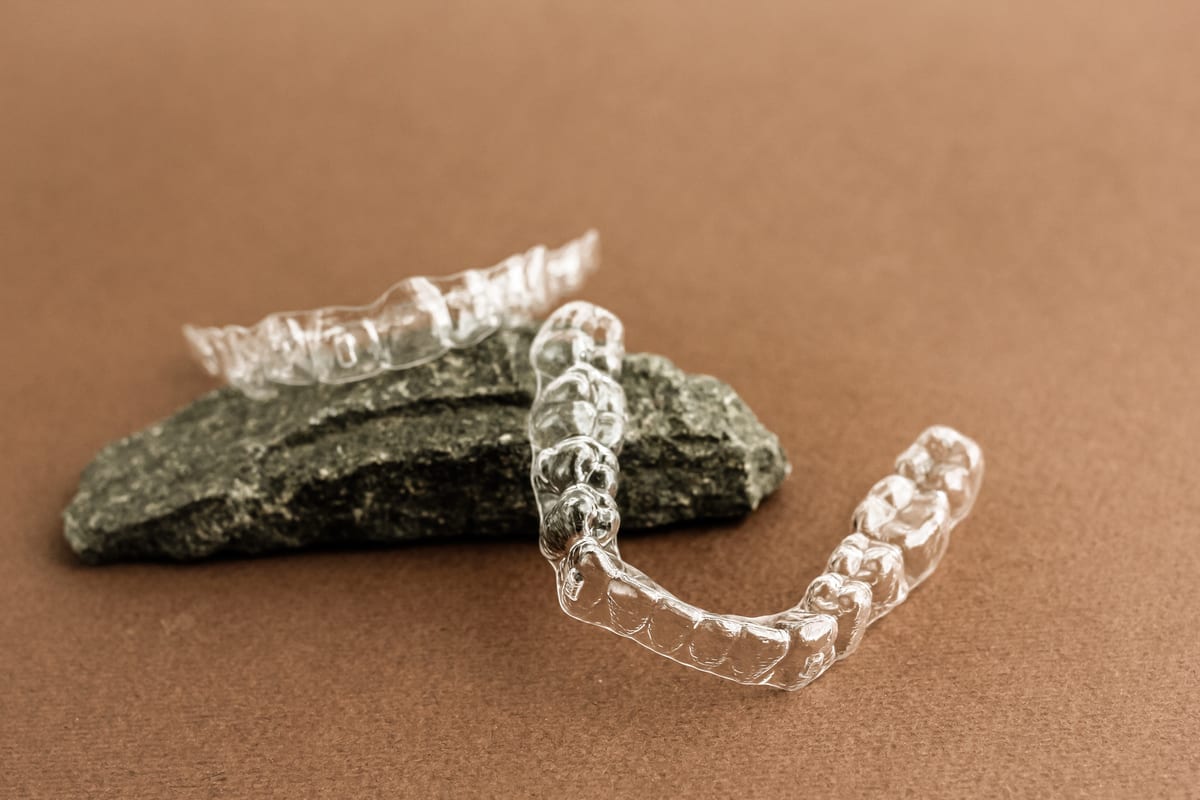
Not every smile concern is the same — and not every bite problem responds to the same treatment. Many patients in Tyler, TX ask whether their specific issue qualifies for Invisalign. Understanding what Invisalign can and cannot fix helps you make a confident, informed decision. This guide walks you through the most common bite problems and where Invisalign fits the picture.
What Makes a Bite Problem Invisalign-Friendly in Tyler?
Invisalign uses a series of clear, removable aligners to shift teeth gradually into position. These aligners work best on mild to moderate alignment issues. More complex structural problems may require a different approach entirely. Knowing your candidacy upfront saves time and sets realistic expectations.
Invisalign is generally a strong option when your teeth need controlled, incremental movement. It is less effective when significant skeletal correction is involved. Your dental team evaluates your bite using digital scans and X-rays to determine fit. This assessment is the foundation of any treatment recommendation.
- Mild to moderate tooth crowding
- Small gaps between teeth
- Mild overbites and underbites
- Open bites with limited skeletal involvement
- Crossbites without major jaw discrepancy
Crowding and Spacing: Where Invisalign Performs Best
Tooth crowding happens when there is not enough space in the jaw for all teeth to align properly. Invisalign handles mild to moderate crowding reliably and predictably. Severe crowding — where teeth are significantly overlapped or rotated — may need traditional braces or even tooth extraction first. Your provider will measure the degree of crowding before recommending a plan.
Spacing issues like gaps between front teeth respond well to Invisalign treatment. The aligners apply gentle, consistent pressure to close these spaces over time. Large gaps caused by missing teeth are a different situation altogether. In those cases, options like Dental Crowns In Tyler Tx Dentist In Tyler Dentures Implants Tyler or dental implants may be considered alongside or instead of aligners.
Results from Invisalign for crowding and spacing are often impressive when candidacy is appropriate. Patients typically notice visible progress within the first few months. Wearing aligners for the recommended 20 to 22 hours daily is key to staying on track. Skipping wear time leads to slower or incomplete results.
Overbites, Underbites, and Crossbites: What Invisalign Can Handle
An overbite occurs when the upper front teeth overlap too far over the lower teeth. Invisalign with attachments can correct mild to moderate overbites effectively. Severe overbites, especially those rooted in jaw structure, often need orthodontic appliances or surgical intervention. Your dental provider will grade your overbite to determine the right path.
Underbites — where the lower teeth sit in front of the upper teeth — are trickier to treat. Mild underbites may respond to Invisalign, but moderate to severe cases usually require braces or jaw surgery. Skeletal underbites, where the lower jaw protrudes significantly, are rarely Invisalign-friendly. Early treatment in younger patients can sometimes prevent more complex correction later.
Crossbites happen when upper and lower teeth do not align side to side as they should. Invisalign can address certain dental crossbites with precision attachments. However, crossbites that involve jaw misalignment typically need more comprehensive orthodontic care. A thorough examination is always the first step to understanding your options.
- Mild overbite — often Invisalign-compatible
- Severe overbite — may require additional appliances
- Mild underbite — sometimes treatable with Invisalign
- Skeletal underbite — usually requires braces or surgery
- Dental crossbite — frequently addressed with Invisalign
- Skeletal crossbite — typically needs broader orthodontic treatment
When Traditional Braces Work Better Than Invisalign
Traditional braces remain the gold standard for complex orthodontic cases. They apply force in ways that clear aligners simply cannot replicate. If your teeth need significant rotation, vertical movement, or jaw realignment, braces are usually more effective. This is not a disadvantage of Invisalign — it simply reflects what each system is designed to do.
Patients with severe crowding, large skeletal discrepancies, or multiple simultaneous corrections often achieve better results with braces. Braces also work well for patients who may struggle with aligner compliance. Since braces are fixed, they do their job around the clock without relying on patient discipline. For teenagers especially, this can be a meaningful advantage.
Some patients experience dental emergencies during orthodontic treatment that complicate their plan. A broken bracket, shifting tooth, or sudden pain may need immediate attention. If you ever experience sudden dental discomfort, reaching out to a provider who handles Emergency Tooth Pain Care In Woodway Tx Tyler is always a smart move. Timely care protects your treatment investment and your oral health.
How Our Dental Team in Tyler Evaluates Your Candidacy
Our dental team in Tyler takes a detailed, personalized approach to every Invisalign consultation. We use digital impressions and bite analysis to map your exact alignment concerns. This technology lets us show you a projected treatment simulation before you commit. You leave the consultation with a clear picture of what is possible for your smile.
We also discuss your lifestyle, goals, and timeline during the evaluation. Invisalign works beautifully for the right candidate — and we want to make sure that is genuinely you. If braces or another treatment serve you better, we will say so honestly. Patient education always comes before treatment recommendations in our practice.
Periodontal health is another factor we evaluate before starting any alignment treatment. Active gum disease or bone loss can interfere with tooth movement and healing. Addressing these concerns first sets you up for a safer, more successful outcome. Healthy gums are the foundation of any effective orthodontic journey.
Conclusion: Find Out If Invisalign Is Right for Your Bite
Understanding whether your bite problem is Invisalign-friendly in Tyler starts with an honest evaluation. Invisalign works exceptionally well for many common alignment issues — but it is not the right fit for every case. The key is knowing the difference before you start. Our dental team is here to give you clear, straightforward answers based on your individual needs. Book Now to schedule your appointment with our team.
Frequently Asked Questions
Can Invisalign fix my overbite completely?
Invisalign can correct mild to moderate overbites effectively, especially when the issue is dental rather than skeletal. More severe overbites involving jaw structure may require additional orthodontic appliances or a combined approach. A consultation with our Tyler dental team will help determine what level of correction is realistic for your specific bite.
How do I know if my crowding is too severe for Invisalign?
Mild to moderate crowding is typically well within the range that Invisalign can address. Severe crowding — where teeth are heavily rotated or overlapped — may require traditional braces for the best outcome. During your consultation, we use digital scans to measure the exact degree of crowding and recommend the most effective solution.
Does Invisalign work for underbites?
Invisalign can treat mild dental underbites where the jaw alignment is not a primary factor. Moderate to severe underbites, particularly those caused by jaw protrusion, usually require braces or surgical correction. The earlier an underbite is treated, the more options are typically available.
What happens if I am not a good candidate for Invisalign?
If Invisalign is not the right fit for your bite problem, there are still effective treatment paths available. Traditional braces, combined orthodontic and restorative approaches, or referral to a specialist may be appropriate. Our dental team in Tyler will walk you through every option so you can make an informed choice that fits your goals.
How long does Invisalign treatment take for bite problems?
Treatment time varies based on the complexity of your case. Simple spacing or mild crowding may take as little as six to twelve months. More involved bite corrections can take eighteen months or longer. Your dental provider will give you a realistic timeline during your initial consultation based on your specific alignment needs.