Is Your Smile Worth It? Comprehensive Dental Implant Lifespan Insights and Restoration Benefits
Dental implants are a surgical tooth-replacement option that permanently anchors prosthetic teeth to the jaw using a titanium implant post that integrates with bone, delivering durable function and natural appearance. This guide explains life expectancy for implant components, compares implants to bridges and dentures, reviews local costs and financing options for Dental Implants in Mansfield, TX, and outlines practical steps to extend implant longevity for patients aged 40–60. Many people weigh upfront price against long-term value; implants often preserve jawbone and chewing efficiency in ways that change the calculus over a decade or more. Throughout this article you will find evidence-based ranges for implant posts, abutments, and crowns, clear comparisons with conventional restorations, practical maintenance protocols, and specific local pathways to a Free Dental Implant Consult at a Mansfield clinic. The goal is to equip you with the information needed to decide whether an implant-based restoration is the right investment for oral health, function, and quality of life. After we define expected lifespans and influencing factors, the article moves into comparative costs, financing options available locally, daily care routines, age-specific benefits, and how to schedule a free consult with Dentist In Mansfield- Dentures and Dental Implants.
What Is the Expected Lifespan of Dental Implants?
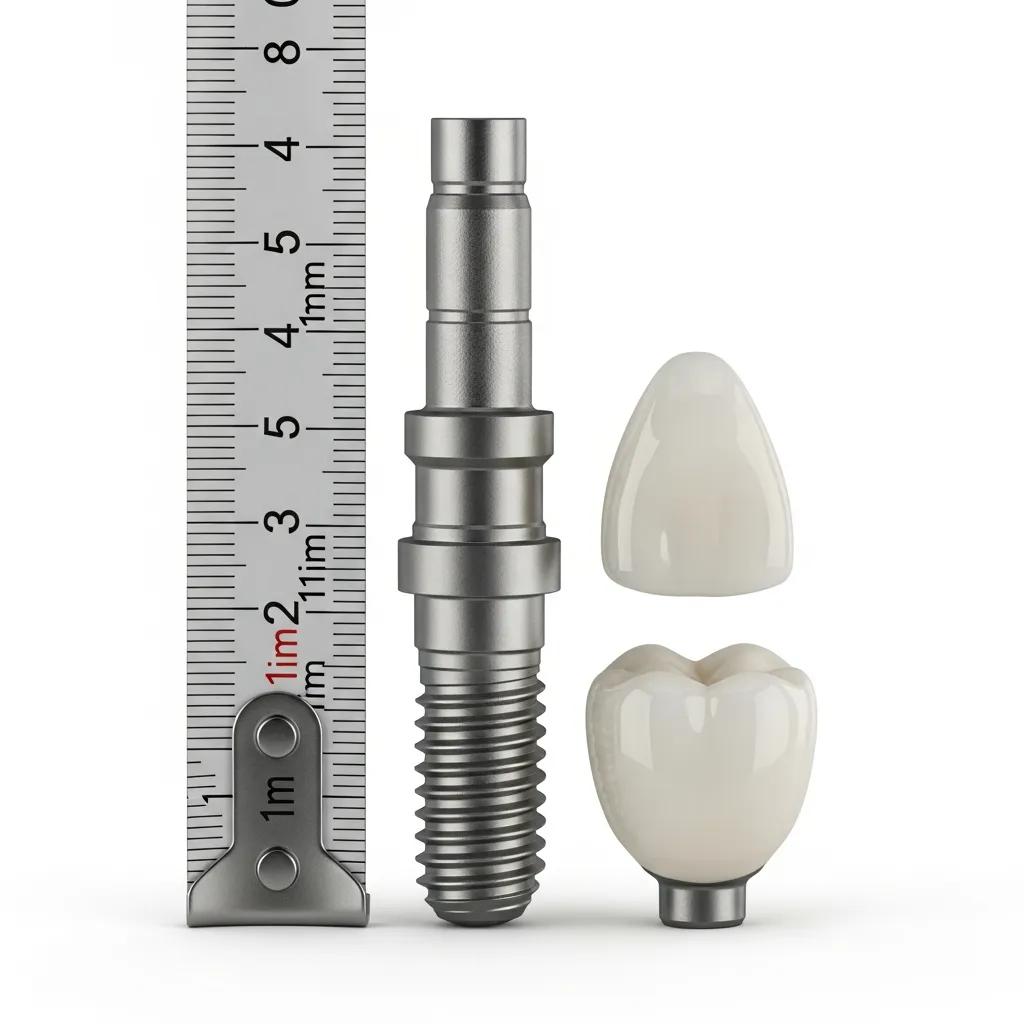
Dental implants typically have two distinct lifespan categories: the titanium implant post, which can last many decades or effectively a lifetime when osseointegration is successful, and the prosthetic components (abutment and crown), which commonly require replacement or maintenance over time. The implant post functions by integrating with bone (osseointegration), stabilizing chewing forces and preventing progressive bone loss; this mechanism is why many clinicians report high long-term success rates exceeding 90–95% at ten years in current research. Prosthetic crowns and abutments, however, endure functional wear, esthetic concerns, and occasional fracture or loosening, leading to average crown lifespans often cited around 10–15 years depending on materials and habits. Patient systemic health, oral hygiene, parafunctional forces such as bruxism, smoking, and the anatomical location of the implant (posterior molar vs. anterior incisor) influence both component longevity and overall success. Understanding these component-specific expectations helps patients set realistic timelines and maintenance plans, and it naturally leads to a closer look at how long posts and crowns last in practice and what modifiable factors most affect durability.
How Long Do Dental Implant Posts and Crowns Typically Last?
The implant post (titanium fixture) is designed to integrate with bone and, when properly placed and maintained, often remains stable for decades or the lifetime of the patient. Modern implant systems emphasize biocompatible surfaces and precise surgical guides to maximize osseointegration; recent longitudinal studies report cumulative implant survival rates above 90% at ten years, though individual outcomes vary. By contrast, implant crowns—made of ceramic, porcelain-fused-to-metal, or zirconia—face wear, chipping, and esthetic degradation, so many patients plan on crown replacement every 10–15 years depending on bite forces and diet. Abutments, the connector pieces between post and crown, may last similarly to posts but can require replacement if damaged, if a different prosthetic emerges, or if esthetic demands change; abutment replacement is less frequent than crown replacement but more likely than post replacement. For patients wanting a compact view of component lifespans, the following table summarizes typical ranges and common replacement triggers to set realistic expectations.
Wear, screw loosening, prosthetic redesign or esthetic change
Implant crown (prosthetic)
10–15 years (typical)
Wear, fracture, staining, esthetic update
This breakdown clarifies why the implant post is often considered a long-term investment in oral health, while crowns and abutments are treated like maintainable components subject to periodic renewal. The next section explores the patient and procedural factors that most directly influence these lifespans, including oral hygiene, systemic health, and surgical technique.
What Factors Influence Dental Implant Durability and Success Rates?
Multiple interacting factors determine whether an implant achieves long-term success, and they can be grouped into patient-related, procedure-related, and location-related categories to guide risk-reduction strategies. Patient factors include systemic disease control (for example, diabetes management), smoking status, periodontal health before placement, and consistent oral hygiene—all of which affect healing and long-term tissue stability around the implant. Procedural factors encompass implant design and material, the quality and quantity of available bone, surgical technique, immediate vs. delayed loading protocols, and whether adjunctive procedures such as bone grafts or sinus lifts were required; each decision alters mechanical load distribution and osseointegration potential. Location matters: molars experience higher occlusal loads and may require wider or multiple implants, while anterior sites emphasize esthetics and soft-tissue management, influencing component selection and maintenance needs. Mitigation strategies include smoking cessation, optimizing medical conditions before surgery, routine professional cleanings, using night guards for bruxism, and selecting implant systems and prosthetic materials suited to functional demands. Considering these factors helps patients and clinicians create individualized plans that maximize the likelihood of long-term implant survival and minimize the need for invasive revisions.
How Do Dental Implants Compare to Bridges and Dentures in Longevity and Value?
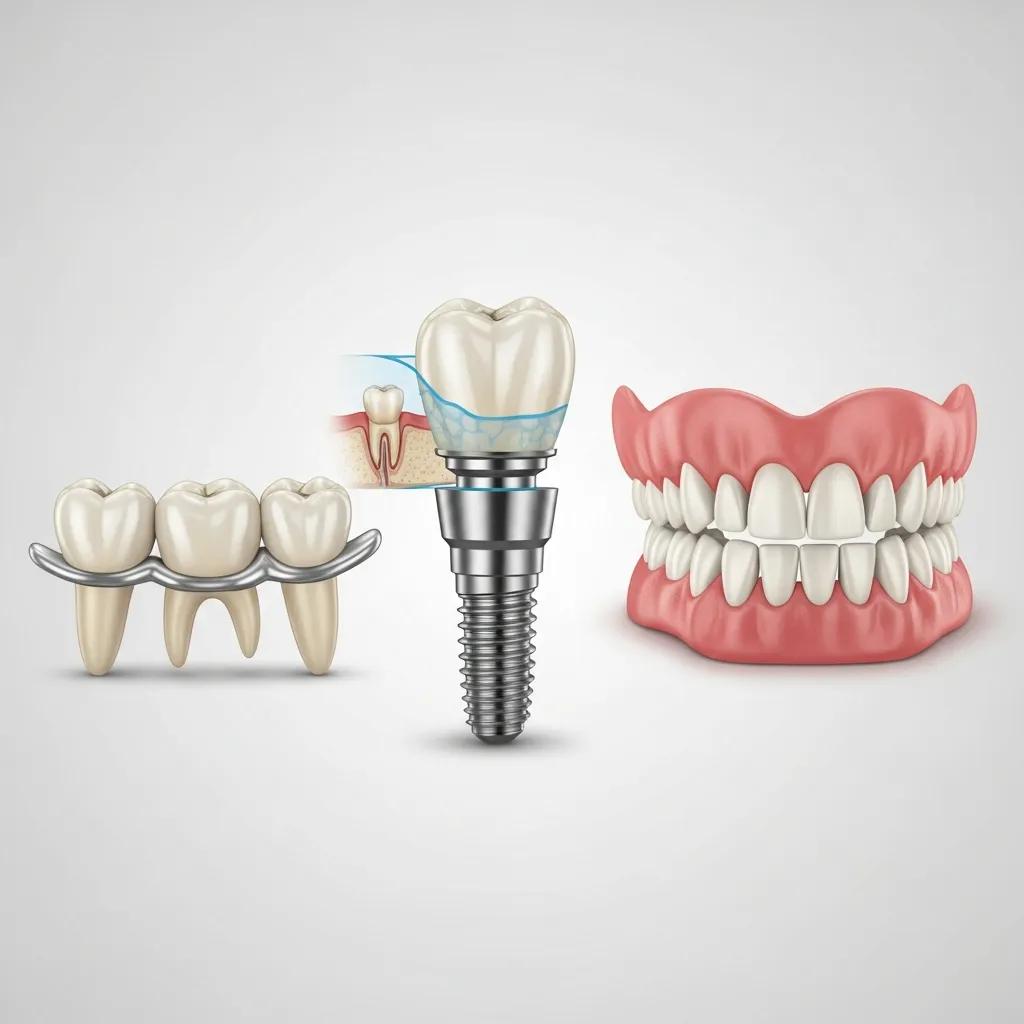
Dental implants differ substantially from traditional bridges and removable dentures in how they interact with jawbone, distribute chewing forces, and require maintenance over time, producing distinct longevity and value profiles. Implants preserve local bone by transmitting functional loading into alveolar bone via osseointegration, which slows resorption and maintains facial support; bridges and dentures do not replicate this mechanism and may accelerate bone loss beneath replaced or edentulous areas. Functionally, implants offer fixed stability and often superior chewing efficiency compared with removable dentures, and they avoid the need to shave down adjacent teeth as required for traditional bridges, preserving natural tooth structure. Over multi-decade horizons, the cumulative costs of bridge replacement, repeated denture relines, and associated alveolar bone loss can make implants more cost-effective for many patients despite higher initial investment. To illustrate these differences side-by-side across lifespan, maintenance cycles, pros/cons, and long-term cost tendencies, the table below provides a concise comparison to inform value-focused decisions.
Restoration Type
Typical Lifespan
Replacement / Maintenance Interval
Pros
Cons
Single-tooth implant
Many decades (post) / crowns 10–15 yrs
Crown replacement every 10–15 yrs
Preserves bone, independent tooth replacement, high chewing efficiency
Higher upfront cost, surgical procedure required
Fixed dental bridge
7–15 years typically
Bridge replacement every 10–15 yrs; adjacent teeth prepared
Quicker non-surgical option, lower initial cost
Removes tooth structure, does not prevent bone loss
Denture (removable)
5–8 years (base/fit variable)
Periodic relines; replacement 5–8 yrs
Lower initial cost, non-surgical
Reduced chewing efficiency, bone resorption, sore spots
This comparison highlights the ways implants provide long-term structural and functional advantages that can outweigh upfront expense for many patients looking at 10–30 year horizons. The decision still depends on individual oral health, budget, and preferences, so evaluating lifetime costs and quality-of-life outcomes is essential; local financing and payment options can make implant therapy more accessible for Mansfield patients seeking durable tooth replacement. Transitioning from value comparisons, the next subsection quantifies lifespan differences and the impact of maintenance on each option.
What Are the Lifespan Differences Between Implants, Bridges, and Dentures?
When quantified, dental implants generally outlast bridges and removable dentures primarily because the titanium post remains stable in bone while crowns and prostheses are renewed periodically. Implants themselves commonly show survival rates above 90% at ten years, while bridges rely on the health of abutment teeth and often need redoing within 7–15 years due to decay, fracture, or abutment failure. Removable dentures typically require relining every few years and full replacement within 5–8 years as bone and soft tissue contours change; their fit and function degrade faster than fixed options. Proper maintenance—good hygiene, regular professional care, and addressing parafunctional habits—can extend the lifespan of crowns and bridges, narrowing the practical gap in specific cases, but only implants directly counteract alveolar bone loss. Considering these patterns helps patients anticipate periodic costs and interventions, and it leads naturally into a discussion of cost-effectiveness over long timelines and when implants start to become the more economical choice.
Are Dental Implants More Cost-Effective Than Bridges and Dentures Over Time?
Evaluating cost-effectiveness across a 10–30 year window requires accounting for initial fees, periodic maintenance, replacement cycles, and health outcomes such as preserved bone and nutrition-related benefits. Implants have a higher upfront price but lower frequency of major restorative replacement (post often indefinite, crowns periodic), while bridges and dentures have lower start-up costs but recurring expenditures for rework, relines, and potential treatment of secondary problems like caries on abutment teeth or bone resorption complications. A simple lifetime-cost perspective shows that if a bridge requires replacement once or twice over 20 years, and a denture needs relines and at least one replacement, the cumulative expense approaches or exceeds implant-based solutions—especially when factoring in restorative work on neighboring teeth. These calculations depend on assumptions about material quality, patient habits, and coverage; therefore, personalized financial modeling during a consultation yields the most accurate picture. For Mansfield residents, discussing local payment plans can clarify affordability, and the next major section details typical pricing ranges and financing types available at a local clinic.
Research further supports the long-term financial benefits of implants, often finding them more cost-effective than traditional bridges despite higher initial costs.
The results of the cost-utility analysis suggest that implant treatment with an implant-supported single crown is more cost-effective than treatment with the three-unit fixed dental prosthesis. However, patients are generally very often faced with the decision on choosing the type of treatment, and the financial side of things play an important role in their decision, sometimes the most important. Other factors that influence their final decisions include aesthetics, durability of the treatme
Cost-utility analysis of an implant treatment in dentistry, 2021
What Are the Costs and Financing Options for Dental Implants in Mansfield, TX?
Understanding local price ranges and financing options makes it possible to align clinical goals with budget realities when considering Dental Implants in Mansfield. Typical prices vary by service type—single-tooth implants, implant-supported bridges, and full-arch restorations all have different cost structures influenced by implant brand, abutment/crown materials, and any adjunctive procedures such as bone grafting or sinus lifts. Clinics in Mansfield commonly provide transparent estimates during consultation and offer a mix of in-house affordable payment plans and flexible financing options to spread cost over time, making implants attainable for many patients. The clinic Dentist In Mansfield- Dentures and Dental Implants explicitly offers a Free Dental Implant Consult and Free New Patient Consultation, and patients can use such consultations to receive personalized quotes that reflect their specific anatomy and treatment complexity. Below is a practical local price-range table with financing option types typically available through the clinic’s financial programs and third-party lenders to give readers a realistic starting point.
Financing for full-arch, flexible payment schedules, consultations for cost breakdown
This table presents estimated local ranges and the types of financing that can lower up-front barriers, but exact pricing depends on diagnostic imaging, need for grafting, and the final prosthetic design; therefore a Free Dental Implant Consult is the recommended next step to get precise pricing tailored to your case. After outlining typical price drivers, the next subsection presents more detail on how those ranges are built and what additional procedures most frequently increase cost.
What Is the Typical Price Range for Dental Implants in Mansfield?
Single-tooth implant costs in Mansfield typically reflect the combined fees for implant placement, abutment connection, and the final crown, and these components drive the $2,000–$5,000+ range per tooth depending on material choices and complexity. Complex cases that require bone grafting or sinus augmentation will add to the estimate, and multi-unit restorations such as implant-supported bridges or full-arch solutions increase costs proportionally but can lower per-tooth expense when planned strategically. Lab fees for custom prosthetics, the use of premium materials like zirconia, and the need for guided-surgery tools contribute to variance in pricing; clinics often itemize estimates so patients can see where costs originate and make informed choices. Because the Mansfield clinic offers a Free Dental Implant Consult, prospective patients can have imaging, exam findings, and a detailed cost plan reviewed at no charge, which helps convert broad ranges into an individualized estimate and financing discussion. Understanding these typical ranges prepares patients for financial conversations and leads into the available payment strategies that clinics commonly offer.
Which Affordable Payment Plans and Financing Options Are Available?
When immediate payment is a barrier, clinics frequently present several structured approaches to reduce out-of-pocket strain while keeping clinical quality intact, and these options include in-house affordable payment plans and flexible financing options through third-party lenders. In-house payment plans typically split the total into monthly installments arranged directly with the clinic, lowering upfront fees and enabling staged treatment. Flexible financing options usually involve third-party medical or dental loan providers that offer fixed-term financing with predictable monthly payments; eligibility and rates vary, so a Free New Patient Consultation is an ideal time to review and prequalify. Some clinics also accommodate staged approaches—treating higher-priority areas first, then completing additional phases later—to spread cost without compromising clinical sequencing. Discussing eligibility and terms during the Free Dental Implant Consult ensures patients select the financing structure that balances cost, timing, and treatment goals.
How Can You Maximize the Longevity of Your Dental Implants?
Maximizing implant longevity depends on daily care, professional maintenance, lifestyle choices, and prompt attention to warning signs; an integrated maintenance plan reduces biological and mechanical risks. Daily oral hygiene practices minimize biofilm and peri-implant inflammation, while periodic professional cleanings with implant-aware clinicians monitor soft tissue health and prosthetic integrity. Lifestyle modifications—most importantly smoking cessation and medical optimization for systemic conditions like diabetes—directly improve healing and long-term tissue stability around implants. Mechanical protection from night guards for bruxism and sensible dietary habits (avoiding excessively hard or sticky foods) protect prosthetic crowns and reduce fracture risk. An actionable approach combines daily routines, scheduled professional assessments, and responsive care when early symptoms appear; the next subsections provide specific daily practices and a discussion of lifestyle impacts with recommended recall intervals.
Before implementing daily routines, it helps to know the key steps to follow every day to protect implant health and identify early warning signs that require professional care.
Brush twice daily with a soft-bristled toothbrush: Gentle mechanical cleaning removes plaque without abrading peri-implant tissues.
Use interdental brushes or floss around implants once daily: Cleaning under contacts and around abutments prevents biofilm accumulation.
Rinse with an antimicrobial mouthwash as recommended: Short-term antimicrobial rinses can reduce bacterial load during healing or episodes of inflammation.
These daily steps focus directly on preventing the microbial-driven processes that can lead to peri-implantitis and implant failure, and they form the foundation of a long-term maintenance program. The following summary explains how these daily habits connect to professional care patterns.
Regular adherence to these daily steps dramatically lowers implant-related inflammation and supports the effectiveness of scheduled professional maintenance, making routine home care the cornerstone of implant longevity and enabling clinicians to detect and treat issues early.
What Daily Care Practices Enhance Dental Implant Lifespan?
A specific morning and evening regimen that combines mechanical cleaning and interdental hygiene helps prevent plaque accumulation and soft-tissue inflammation around implants. Use a soft-bristled toothbrush or an electric toothbrush with a sensitive head to clean prosthetic crowns and adjacent tissues, and pair brushing with an interdental brush or PTFE floss to clean the contact areas around abutments where plaque commonly hides. Avoid abrasive whitening pastes or hard-bristled brushes that can roughen surfaces and accelerate wear; instead choose non-abrasive toothpaste and implant-safe tools. For patients with higher risk (history of periodontal disease or diabetes), adjunctive use of antimicrobial rinses or chlorhexidine short courses may be recommended by the clinician to control bacteria during flare-ups. Consistent daily care both prevents biological complications and reduces the frequency of emergency visits, supporting the long-term function of implant restorations.
How Do Lifestyle Choices and Regular Check-Ups Affect Implant Durability?
Lifestyle choices such as smoking, uncontrolled systemic disease, and heavy alcohol use increase the risk of peri-implant inflammation and compromise healing, while quitting smoking and optimizing medical conditions improve success rates and tissue stability. Professional recall intervals—often every three to six months for patients with high periodontal risk and six to twelve months for lower-risk patients—allow clinicians to monitor bone levels, check prosthetic fit, and perform targeted cleaning around implants with instruments safe for implant surfaces. Night guards for bruxism protect crowns and abutments from excessive occlusal forces that cause fracture or screw loosening, and dietary moderation reduces sudden impact loads on restorations. Together, lifestyle modification and scheduled professional maintenance form a proactive strategy that dramatically reduces mechanical and biological complications, preserving implant function and appearance for decades.
What Are the Unique Benefits of Dental Implants for Patients Aged 40-60?
For patients aged 40–60, dental implants offer a combination of functional, structural, and psychosocial advantages that align with typical midlife priorities such as maintaining nutrition, appearance, and long-term oral health. Implants maintain alveolar bone by transmitting physiological chewing forces into the jaw, which preserves facial support and reduces the likelihood of later-stage bone loss that complicates future restorations. Functionally, implants restore near-natural chewing efficiency, enabling a varied diet that supports overall health and chronic disease prevention—this is especially important in middle age when dietary adequacy impacts metabolic and cardiovascular health. Psychologically, stable fixed restorations like implants improve self-image, public speaking confidence, and social interactions compared with removable options that can shift or click. These benefits combine to make implants an attractive, long-term oral-health investment for the 40–60 cohort, and the next subsections detail the biological mechanism of bone preservation and the everyday quality-of-life improvements patients typically experience.
How Do Implants Prevent Jawbone Loss and Improve Oral Health?
Implants prevent jawbone loss through osseointegration: the implant post becomes a functional part of the jaw by transferring chewing forces to bone, stimulating bone remodeling and maintaining volume. When a natural tooth is lost and not replaced by an implant, the lack of functional load leads to resorption—over years this process diminishes ridge height and width, complicating later restorations and altering facial contours. By contrast, an implant preserves the local biomechanical environment and helps maintain the periodontal architecture of neighboring teeth. This preservation of bone supports better long-term oral health by reducing future needs for complex grafting and by maintaining stable occlusion, which simplifies maintenance and improves prosthetic predictability. Recognizing this mechanism clarifies why implants are considered a structural therapy, not merely a cosmetic one, and it leads to a consideration of the psychosocial benefits that follow.
In What Ways Do Dental Implants Enhance Confidence and Quality of Life?
Restoring teeth with implants often yields immediate psychosocial benefits through improved appearance, speech clarity, and the confidence to eat comfortably in social situations, which collectively enhance daily quality of life. Fixed implant restorations remove the concerns associated with removable dentures—no slipping, no adhesives, and a predictable bite—leading to fewer social anxieties and greater spontaneity when eating or speaking. Patients frequently report better nutrition from regained ability to chew a wider range of foods, which supports systemic health and energy levels important in midlife. The stability and esthetics of implants also reduce ongoing maintenance stress and repeated restorative cycles, freeing patients from recurring dental work that can be time-consuming and costly. These quality-of-life improvements often weigh heavily in the decision-making process, reinforcing the value proposition of implants beyond purely financial calculations.
How Can You Schedule a Free Dental Implant Consultation in Mansfield?
Scheduling a Free Dental Implant Consult or Free New Patient Consultation in Mansfield is a straightforward process designed to remove barriers to evaluating implant candidacy and to provide a personalized treatment plan without initial cost. During the free consult you will receive a focused exam, diagnostic imaging as needed, a discussion of treatment options and expected timelines, and an overview of the price range and financing choices tailored to your needs. The appointment helps convert general cost ranges into an individualized estimate that accounts for bone structure, number of missing teeth, and any preparatory procedures like grafting. To make booking clear and simple, the following step-by-step bullets explain how to prepare for and secure your consultation at Dentist In Mansfield- Dentures and Dental Implants, and the final subsection covers what to expect during the consult so you arrive prepared.
Call the clinic at (817) 567-2529 to request a Free Dental Implant Consult: Phone booking connects you directly with scheduling staff who can reserve your visit and note any immediate questions.
Use the clinic’s online scheduling option or patient portal to request the Free New Patient Consultation: Online booking typically asks for basic contact and insurance information to streamline your visit.
Prepare key information before your appointment: Bring a list of medications, any prior dental records or X-rays if available, and questions about treatment goals or financing to maximize the consult’s value.
What Should You Expect During a Free Dental Implant Consult?
A Free Dental Implant Consult normally includes a medical and dental history review, an oral exam focused on implant sites, diagnostic imaging when indicated, and an explanation of treatment options with associated timelines and rough cost ranges. The clinician evaluates bone quality and soft-tissue health, discusses whether bone grafting or other preparatory steps are needed, and outlines the sequence from surgical placement to final prosthesis, including estimated recovery periods. Time allocation varies, but most free consults last 30–60 minutes depending on complexity and imaging needs; patients should prepare a list of medications, prior dental records if available, and questions about financing or materials. The consultation concludes with a recommended personalized plan and an invitation to schedule definitive treatment or further diagnostic steps; because the consult is free, patients can obtain this comprehensive assessment without initial financial commitment. Knowing this agenda helps patients arrive with the right information and expectations, smoothing the path to informed decision-making.
How to Easily Book Your Appointment with Dentist In Mansfield?
Booking an appointment with Dentist In Mansfield- Dentures and Dental Implants is efficient by phone or through the clinic’s online scheduling tools, and the staff are prepared to set up the Free Dental Implant Consult or the Free New Patient Consultation with minimal friction. When you call (817) 567-2529, the scheduling team can guide you through available appointment times, explain required intake forms, and note any imaging that will be needed at the visit; if you prefer online booking, use the clinic’s scheduling form to request the consult and expect a confirmation. Bring a list of current medications and any recent dental records to speed the diagnostic process, and be ready to discuss financing preferences if you want a preliminary affordability conversation during the consult. Booking early is recommended for complex cases requiring imaging; the Free Dental Implant Consult gives you the opportunity to receive a clear plan and an individualized cost estimate without an initial consultation fee.
Phone booking: Call (817) 567-2529, request a Free Dental Implant Consult, and confirm available times and prep instructions.
Online request: Use the clinic’s scheduling interface to submit a Free New Patient Consultation request and await confirmation.
Prepare for visit: Bring medications, prior dental X-rays if available, and a list of questions about financing or treatment sequencing.
These booking steps are designed to minimize uncertainty and get you on a clear clinical pathway; the Free Dental Implant Consult is the best next step to convert general information into a personalized plan that addresses both clinical needs and affordability.