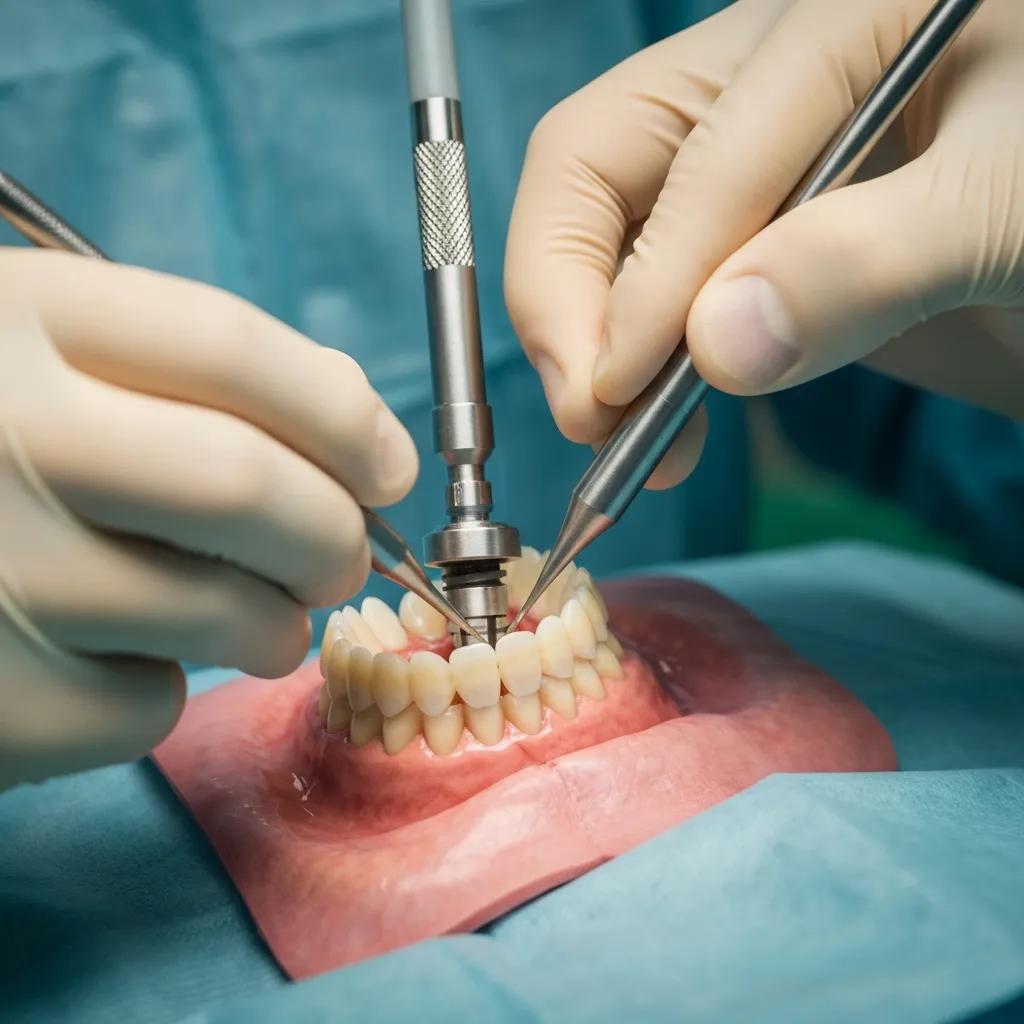
Understanding Dental Implant Cost and Patient Concerns During the Implant Process
Dental implants replace missing teeth with a permanent, functional solution anchored to the jawbone, and cost is one of the top concerns patients raise when considering this treatment. This guide explains what drives dental implant pricing in Dallas, answers common worries about pain and recovery, outlines financing and insurance options, and walks through the clinical and long-term value that justify the investment. Readers will learn how implant components, additional procedures, provider experience, and technology factor into final pricing, and how to prepare for a free dental implant consultation to get a personalized estimate. The article covers pain management and sedation choices, detailed recovery milestones, warning signs of complications, and practical steps to manage costs using insurance, HSA/FSA, and flexible payment plans. By the end you will have clear expectations for timeline, costs, clinical risks and benefits, and the exact next step for a free, itemized consultation to evaluate candidacy and financing options with a Dallas clinic.
What Are the Main Factors Influencing Dental Implant Cost in Dallas?
Dental implant cost varies because the procedure is a bundle of discrete services, materials, and expertise: the implant fixture, the abutment, the crown, laboratory work, imaging, and any required adjunctive procedures such as bone grafting or sinus lifts. These elements interact—more implants, complex bone grafting, or advanced imaging increase total cost—while provider experience and local lab fees also shape the final price. Technology such as 3D imaging (CBCT) and guided surgical guides adds accuracy and may raise upfront cost while reducing long-term risk. Understanding these factors helps patients interpret itemized estimates and compare value across providers rather than comparing single-line prices. The next section presents a practical, scannable cost breakdown of common implant components so readers can see typical Dallas-area ranges and how each piece contributes to the total.
This table breaks down the primary implant components and typical Dallas-area ranges to give a transparent baseline for planning and comparison.
Component
Role in Treatment
Typical Dallas Range
Implant fixture (implant body)
Anchors into bone, foundation for prosthesis
$1,500 – $3,000
Abutment
Connector between implant and crown; can be titanium or zirconia
$300 – $500
Dental crown (laboratory and materials)
Final visible tooth replacement (porcelain/zirconia)
$1,000 – $3,000
Bone grafting (if needed)
Restores bone volume to support implant
$300 – $1,500
Sedation/Anesthesia
Nitrous oxide, oral or IV sedation where applicable
$150 – $800
This EAV table shows how the fixture, abutment, crown, grafting and sedation each carry a portion of total cost; combining mid-range estimates provides a realistic single-tooth range. Keep in mind that these are typical ranges—not guarantees—and final prices reflect clinical complexity and chosen materials.
Key variables beyond component costs include the number of implants, the need for staged surgery (extraction then grafting then implant), and lab choices for crowns (premium ceramic labs cost more). Provider factors—surgeon or restorative dentist experience, surgical setting (office vs surgical center), and use of guided surgery—also influence pricing because they affect risk, precision, and long-term outcomes. Understanding how these variables combine helps patients ask targeted questions at a consultation and compare itemized quotes rather than headline prices.
What Components Make Up the Total Cost of Dental Implants?
The total cost of a dental implant is a sum of distinct elements: the implant fixture (titanium or zirconia), the abutment that connects implant to crown, the crown itself and lab fees, any grafting or sinus procedures, surgical supplies, and imaging or guided-surgery fees. The implant fixture is the structural component that integrates with bone (osseointegration); abutment type and crown material drive aesthetic and functional outcomes, and both affect cost. Labs charge for custom ceramic crowns and occasional specialized frameworks for implant-supported dentures or bridges; premium materials like full-contour zirconia increase durability and price. Imaging such as CBCT adds diagnostic precision and is often recommended to evaluate bone volume and proximity to nerves or sinuses, which can prevent complications but increases the upfront fee.
Patients should expect that materials and techniques chosen for longevity—such as high-quality crowns and precise implant systems—raise initial cost but can lower lifetime costs by reducing the need for repairs or replacements. This component-driven view makes it easier to understand itemized quotes: an inclusive estimate should list each of these elements so patients see where costs arise and how choices (material, number of implants) change the total.
How Do Additional Procedures Affect the Price of Dental Implants?
Additional procedures like tooth extractions, bone grafts, sinus lifts, and soft-tissue grafts commonly change both the timeline and the price of implant care. A socket preservation graft after extraction can preserve bone and reduce later grafting needs, while a block graft or particulate graft rebuilds deficient ridges at higher cost and with longer healing. Sinus lifts for upper posterior implants are necessary when the sinus floor is close to planned implant sites; this adds complexity and expense because it often requires specialist skills and healing time before implant placement. Similarly, impacted teeth or chronic infections may require extraction and healing that extend the treatment window and raise fees.
Decisions about graft type depend on bone volume, systemic factors, and long-term prosthetic goals; less invasive grafts are less expensive but may not provide sufficient volume for certain implant placements. Patients with insufficient bone should plan for additional visits, imaging, and staged surgery—each contributing to cost. Knowing which adjunctive procedures are likely during your assessment lets you anticipate a realistic timeline and budget and reduces surprise charges later.
How Can Patients Manage Dental Implant Costs with Financing and Insurance?
Managing implant costs involves understanding what insurance covers, leveraging tax-advantaged accounts, and using patient-friendly financing to spread payments. Many patients combine partial insurance benefits for crowns, HSA/FSA funds, and third-party financing or in-house payment plans to make implants affordable without compromising clinical quality. A clear first step is to get a personalized, itemized estimate and to verify benefits directly with your insurer; at the same time explore HSA/FSA eligibility and reputable patient financing that matches your repayment preferences. Transparent communication with your provider about budget constraints allows the care team to propose phased treatment plans or alternative materials that preserve function and appearance while fitting your financial plan.
Below is a concise comparison of common financing and coverage options to help patients choose practical pathways for payment.
Option
What It Covers or Provides
Coverage / Typical Use
Dental insurance (PPO)
Often covers portions of crown/lab fees, rarely the implant fixture
Partial coverage for crown; fixture usually excluded
HSA / FSA
Pre-tax funds usable for qualified dental treatments
Can pay entire treatment out-of-pocket with tax benefit
Third-party financing (CareCredit-style)
Installment plans with promotional periods
Monthly payments; terms vary by plan
In-house payment plans
Clinic-managed payment schedules
Flexible monthly plans arranged with provider
This table clarifies how each pathway functions: insurance may offset prosthetic parts but often excludes the implant fixture; HSA/FSA provide tax-efficient payment; external lenders and in-house plans allow spreading costs. The right mix depends on a patient’s coverage, urgent needs, and preference for shorter vs longer repayment.
When patients are comparing options, practical steps include requesting an itemized treatment plan, bringing insurance cards and HSA/FSA information to the consult, and asking a provider to model monthly payment scenarios. After reviewing financing choices and insurance realities, the natural next step is to obtain a personalized cost estimate and discuss in-house flexibility: Affordable Dentist Near Me of Dallas offers free dental implant consultations to deliver tailored pricing and explain in-house flexible payment plans, making it easier to evaluate options without obligation. This clinic-level offer is a direct next step for patients who want a personalized quote and financing conversation at no cost.
Negotiating Dental Implant Costs: Patient and Clinician Decision-Making Factors
The aim of this study is to examine how clinicians and patients negotiate clinical need and treatment decisions within a context of finite resources. Dental implant treatment is an effective treatment for missing teeth, but is only available via the NHS in some specific clinical circumstances. The majority of people who receive this treatment therefore pay privately, often at substantial cost to themselves. People are used to paying towards dental treatment costs. However, dental implant treatment is much more expensive than existing treatments – such as removable dentures. We know very little about how dentists make decisions about whether to offer such treatments, or what patients consider when deciding whether or not to pay for them.
Paying for treatments? Influences on negotiating clinical need and decision-making for dental implant treatment, CE Exley, 2009
The significant cost of dental implants often necessitates careful negotiation and consideration of financial resources by both patients and clinicians, as highlighted in research examining decision-making factors.
What Flexible Payment Plans Does Affordable Dentist Near Me of Dallas Offer?
Affordable Dentist Near Me of Dallas provides flexible payment options designed to help patients spread the cost of implant treatment and manage affordability while maintaining clinical standards. The clinic highlights in-house flexible payment plans that allow patients to divide the balance into monthly installments and typically helps coordinate third-party financing where longer terms are needed. During the free dental implant consultation, administrative staff review eligibility for in-house plans and explain documentation, deposit requirements, and estimated monthly payments tailored to the individualized treatment plan. Patients are encouraged to bring insurance and HSA/FSA information to the consult so the team can model combined payment pathways that minimize out-of-pocket spikes.
An example scenario demonstrates affordability: for a mid-range single-tooth implant plan, spreading the balance over 12–24 months can reduce monthly payments to manageable levels; the free consult provides exact numbers. This brief clinic mention is meant to reinforce that financing options exist and that a no-cost consult at the Dallas location will produce a concrete payment plan suited to each patient’s situation.
How Does Dental Insurance and Alternative Financing Cover Implant Costs?
Dental insurance policies vary: many insurance plans partially cover restorative components such as crowns but classify the implant fixture as an elective or excluded service, resulting in limited fixture coverage if any. Verification with your insurer—requesting specifics on implant fixtures, abutments, and crowns—is essential before scheduling. Alternative financing using HSA and FSA funds is widely accepted and can pay for qualified implant expenses, providing tax advantages that effectively lower net cost. Third-party lenders and in-house plans fill the gap when insurance coverage is limited; lenders offer structured repayment and promotional interest-free periods that can reduce short-term burden.
To verify coverage, patients should obtain pre-treatment estimates using the provider’s itemized plan and then submit this estimate to their insurer for a benefits breakdown. Bring plan ID and recent benefit statements to the free consultation to expedite the process. Understanding these coverage patterns allows patients to combine resources—insurance, HSA/FSA, third-party financing—and choose the most cost-effective pathway.
What Are Common Patient Worries About Pain and Discomfort During Dental Implant Surgery?
Many patients worry about pain during surgery, postoperative discomfort, fear of anesthesia, and anxiety about recovery. Pain expectations vary by procedure complexity, but modern implant surgery typically involves local anesthesia and established analgesia protocols that keep intraoperative pain minimal and postoperative discomfort controllable. Sedation dentistry options further reduce anxiety and improve the patient experience, and clear post-op analgesic plans—usually a short course of anti-inflammatories and, when necessary, prescription pain meds—help manage early soreness. Understanding typical sensations, the timeline of pain and swelling, and available sedation methods reassures patients and reduces anticipatory anxiety as they plan treatment.
The next subsections explain expected pain levels and describe sedation options available to mitigate both physical pain and procedural anxiety so patients can make informed choices at their consultation.
Is Dental Implant Surgery Painful and How Is Pain Managed?
Most patients report minimal pain during implant placement because local anesthesia reliably blocks surgical sensation, and perioperative monitoring ensures comfort. During the procedure you may feel pressure but not sharp pain, and local anesthesia combined with supplemental sedation if requested controls both pain and anxiety. Postoperative discomfort commonly peaks in the first 48–72 hours with swelling and mild-to-moderate soreness that responds to standard anti-inflammatory medications and, when indicated, short-course prescription analgesics. Providers give clear post-op instructions—ice, soft diet, and oral hygiene modifications—to reduce complications and control pain; following these instructions typically leads to rapid symptom improvement.
Patients with higher anxiety levels or anticipated extensive surgery should discuss sedation options and multi-modal analgesia at the consultation so a customized pain-management plan is established. Clear expectations about manageable, short-term discomfort reduce fear and improve recovery confidence.
Post-Operative Pain Management After Dental Implants: A Systematic Review
To evaluate the clinical efficacy of various analgesic medications in mitigating orofacial pain following dental implant surgery.
2. A systematic search was conducted to identify randomized controlled clinical trials (RCTs). The primary outcomes examined were post-operative pain (POP) and consumption of rescue analgesics following implant placement; secondary outcomes included adverse effects, post-operative inflammation, infection, swelling, bleeding, patient satisfaction, and quality of life. Random effects meta-analysis was conducted for risk ratios of dichotomous data.
3. Nine RCTs fulfilled the eligibility criteria. Individual studies and meta-analysis of two studies indicated that nonsteroidal anti-inflammatory drugs (NSAIDs) significantly reduced POP and consumption of rescue analgesics after dental implant placement compared to placebo. Transdermal administration of NSAIDs may be superior to the oral route as it was similarly effective for POP control and resulted in fewer side effects. Glucocorticoids administered as primary analgesics or NSAID adjuvants resulted in comparable pain sensation compared to NSAIDs alone. Caffeine-containing analgesics were reported as acceptable and effective for the treatment of POP and swelling when compared to codeine adjuvants. With regard to analgesic dosing schedules, pain modulation may be most critical during the first 72 h following dental implant placement. Risk of bias assessment indicated an overall low risk of bias across the included trials.
Post-operative pain management in dental implant surgery: a systematic review and meta-analysis of randomized clinical trials, I Khouly, 2021
Systematic reviews confirm that effective pain management strategies, including the use of NSAIDs and careful attention to dosing schedules within the first 72 hours, are crucial for mitigating post-operative discomfort following dental implant surgery.
What Sedation Options Are Available to Reduce Anxiety and Pain?
Sedation choices for implant surgery range from minimal sedation with nitrous oxide to oral sedatives and monitored IV sedation for deeper relaxation. Nitrous oxide provides light sedation and rapid recovery, oral sedation (usually a prescribed anxiolytic taken pre-op) slows responsiveness while maintaining consciousness, and IV sedation offers deeper sedation with closer monitoring for patients who prefer limited awareness during surgical steps. Local anesthesia remains the fundamental pain-blocking method in all cases, and sedation choices are based on medical history, procedure complexity, and patient preference. Safety protocols include monitoring vital signs, trained staff oversight, and clear pre-op instructions—fasting requirements when appropriate—and post-op transportation plans for sedated patients.
Discussing sedation candidacy at the free consultation ensures the clinical team tailors an option that balances comfort, safety, and recovery needs. Patients should ask about sedation levels, monitoring, and recovery expectations to choose the most appropriate approach.
What Should Patients Expect During Dental Implant Recovery and Aftercare?
Recovery after implant placement follows predictable milestones: immediate post-op care (first 24–72 hours) focused on swelling and pain control, early soft-tissue healing during the first week, and the longer osseointegration phase over weeks to months during which the implant integrates with the jawbone. Aftercare emphasizes oral hygiene adapted to healing sites, temporary dietary modifications, and adherence to medication and follow-up visits to monitor integration and prosthetic planning. Understanding the timeline for when normal chewing resumes and when final crowns are placed reduces anxiety and helps patients plan work and social schedules. The following table summarizes typical recovery milestones, timeframes, and recommended care.
Recovery Milestone
Typical Timeframe
Recommended Care
Immediate post-op (first 24–48 hours)
0–2 days
Rest, ice, soft diet, prescribed analgesics
Early soft-tissue healing
3–14 days
Gentle oral hygiene, avoid hard foods, follow suture care
Osseointegration period
6–12 weeks (variable)
Regular follow-ups, avoid heavy loading on implant site
Final restoration placement
After stable integration
Crown or prosthesis placement and occlusion check
This EAV timeline clarifies what to expect and how to support healing; most patients progress through these milestones uneventfully when instructions are followed and follow-up visits are kept.
Patients should anticipate the first 24–72 hours as the most symptomatic window—ice, elevation, and medications reduce swelling and pain—then gradual improvement with soft-tissue closure within one to two weeks. Osseointegration takes longer and is a critical biological phase where the implant bonds to the bone; loading is staged to protect this process and ensure long-term success. Regular clinical checks and radiographs allow clinicians to confirm progress and plan the final prosthetic phase with confidence.
How Long Is the Typical Recovery Time After Dental Implant Surgery?
Initial recovery for most patients spans several days to two weeks for soft-tissue healing, while functional integration (osseointegration) generally takes six to twelve weeks depending on bone quality and patient factors. Early return to light activities can occur within a few days, but strenuous exercise and heavy chewing are restricted until healing stabilizes. Factors that lengthen recovery include smoking, uncontrolled systemic disease (e.g., uncontrolled diabetes), and extensive grafting procedures that require additional healing. Patients should plan for follow-up visits at one week, and then periodically during the osseointegration phase to confirm bone healing and readiness for the final restoration.
Setting realistic expectations about timing helps patients schedule work and travel and reduces anxiety over perceived delays. Discussing individual risk factors during the free consultation allows the team to provide more precise timelines for each patient.
What Are the Best Practices for Post-Operative Care to Ensure Healing?
Effective post-operative care minimizes complications and supports rapid healing: maintain prescribed medications, use cold packs for initial swelling, follow a soft diet for the first week, and practice gentle but consistent oral hygiene around the surgical site. Avoid smoking and alcohol during the healing window because both impair bone healing and increase infection risk. Attend scheduled follow-up visits so clinicians can remove sutures if needed, assess soft-tissue closure, and confirm osseointegration progress with clinical exams and imaging. If signs like persistent bleeding, increasing pain after 72 hours, fever, or implant mobility occur, contact the provider promptly for evaluation.
A simple checklist summarizes daily actions patients should follow to promote healing and protect their investment:
Take medications as prescribed and complete any antibiotic course if advised.
Apply intermittent ice during the first 48 hours and rest with head elevation.
Eat soft foods and avoid chewing directly on the implant site until cleared.
Maintain gentle oral hygiene and use recommended rinses per instructions.
Adhering to these practices significantly reduces complication risk and helps ensure stable, predictable outcomes.
What Are the Potential Complications and Risks Associated with Dental Implants?
Dental implants are highly successful, but potential complications include surgical site infection, peri-implant mucositis or peri-implantitis, nerve injury causing altered sensation, sinus perforation for upper-jaw implants, and mechanical complications such as implant loosening or crown failure. Recognizing early warning signs and acting promptly reduces the likelihood of long-term failure. Providers minimize risk through thorough pre-operative assessment, careful surgical technique, appropriate use of imaging, and a planned follow-up schedule that catches problems early. Understanding these risks and the clinic’s mitigation strategies improves patient confidence and supports better outcomes.
The next sections list common clinical signs of infection or failure and describe how a Dallas clinic implements protocols to reduce these risks and manage complications when they occur.
What Are the Signs of Dental Implant Failure or Infection?
Early signs of infection or implant failure include increasing pain after the initial recovery window, excessive or worsening swelling, persistent discharge or bleeding, fever, and mobility of the implant or prosthetic component. Later signs include chronic inflammation of tissues around the implant, progressive bone loss seen on radiographs, and loosening of the prosthetic crown or abutment. Prompt evaluation is essential if any of these signs appear; diagnostic steps typically include a clinical exam, radiographic imaging to assess bone support, and, if needed, microbiological testing. Early intervention—such as local debridement, antibiotics, or minor surgical revision—often resolves issues and preserves the implant.
Patients should be instructed to contact their provider immediately when worrying signs arise and to attend all scheduled follow-ups that allow early detection before minor issues progress into implant failure.
How Does Affordable Dentist Near Me of Dallas Minimize Implant Risks?
Affordable Dentist Near Me of Dallas emphasizes careful pre-operative assessment and modern planning protocols to reduce implant complications, including thorough medical history review, clinical exam, and appropriate imaging to evaluate bone volume and anatomy. The practice uses established sterile techniques during surgery, and the treatment team monitors healing through scheduled follow-ups to detect early signs of infection or integration problems. When adjunctive procedures (grafts, sinus lifts) are required, the team plans staged care to optimize bone quality before implant placement. Clinicians coordinate restorative and surgical planning to ensure implant positions support predictable long-term prosthetic outcomes.
Mentioning the clinic’s approach helps patients understand how local practices translate into safer care; discussing these measures during the free consult provides a personalized risk assessment and mitigation plan tailored to each patient’s anatomy and health profile.
How Do Dental Implants Improve Oral Health and Why Are They Worth the Investment?
Dental implants restore chewing function, preserve adjacent teeth, prevent the bone loss that follows tooth loss, and provide long-term esthetics and stability compared with removable dentures or conventional bridges. By replacing the root function, implants transmit functional forces to bone and maintain alveolar volume, reducing future bone deterioration and adjacent tooth shifting. Over time, implants often result in lower maintenance costs than removable prostheses because they do not require ongoing adhesives and can last decades with proper care. The long-term health and quality-of-life benefits—improved diet, speech, and self-confidence—are central reasons many patients view implants as a sound long-term investment.
The following list summarizes primary long-term benefits in a focused way.
Function Restoration: Implants restore near-natural chewing force and improve dietary options.
Bone Preservation: Osseointegration preserves alveolar bone and facial structure.
Durability: High-quality implants and crowns can last many years with appropriate care.
These benefits frame implants not as a one-time cost but as an investment in oral health that can prevent downstream expenses associated with bone loss and prosthetic replacements. After reviewing benefits, the most practical next step is a free, individualized consultation to confirm candidacy and run a cost/benefit assessment for your particular case; Affordable Dentist Near Me of Dallas offers a Free Dental Implant Consult to evaluate these factors and provide a personalized plan.
What Are the Long-Term Benefits of Dental Implants Compared to Alternatives?
Compared to removable dentures and fixed bridges, dental implants offer superior preservation of bone, avoid preparation of adjacent healthy teeth, and provide more stable chewing and phonetics. Bridges require reduction of neighboring teeth to support a pontic, which can compromise long-term health of that tooth, whereas single-tooth implants leave adjacent teeth untouched. Dentures may be less expensive initially but often require relines, adhesives, and replacement over time and do not prevent continued bone loss under the prosthetic. Implants typically deliver higher patient satisfaction for comfort and function and, when maintained, can outlast alternatives, making them cost-effective in the long run.
Understanding these comparative pros and cons lets patients weigh immediate cost differences against lifetime durability, maintenance, and oral-health preservation.
Am I a Good Candidate for Dental Implants?
Good candidacy for implants includes adequate bone volume or willingness to undergo augmentation, healthy gums free of active periodontal disease, and general medical conditions that are controlled; smoking and uncontrolled systemic disease can reduce success rates. Many patients who initially seem ineligible become candidates after preparatory procedures such as grafting or periodontal therapy. A candidacy checklist includes healthy soft tissues, sufficient bone or planned augmentation, realistic expectations about timeline, and commitment to oral hygiene and follow-up. The free consult is the most reliable way to determine candidacy because clinicians combine clinical exam and imaging to propose personalized options and, when necessary, preparatory steps to expand candidacy.
Patients with concerns about systemic health or lifestyle factors should bring their medical history to the consult so the team can offer safe, individualized recommendations and discuss alternatives if implants are not the best immediate choice.
How Can Patients Prepare for Their Free Dental Implant Consultation in Dallas?
Preparing well for a free dental implant consultation ensures you get the most value from the appointment: assemble your medical history, a list of current medications, dental insurance information, and any recent dental records or x-rays if available. Prepare specific questions about cost breakdown, timeline, sedation options, and what preparatory procedures might be necessary; asking for an itemized estimate helps you compare financing options and insurance coverage. Bring a list of priorities—function, esthetics, timeline—so the clinician can tailor recommendations. The consult aims to produce a personalized plan, a transparent itemized quote, and a financing discussion so you leave with clarity, not pressure.
Below is a practical checklist of what to bring and ask during the consult to make it efficient and actionable.
Documents: Insurance card, HSA/FSA details, and any recent dental records or radiographs you have.
Medical summary: A concise list of medications and relevant medical conditions.
Questions: Prepared questions about itemized cost, predicted timeline, sedation, and payment options.
What Happens During a Free Dental Implant Consultation?
A free dental implant consultation generally includes a medical and dental history review, a focused oral exam, and appropriate imaging to evaluate bone volume and anatomic considerations; the clinician then explains treatment options and prepares an itemized treatment plan and cost estimate. The visit may include CBCT imaging if indicated to assess bone quantity and nerve/sinus relationships, and the restorative goals are discussed so implant position supports the final prosthetic outcome. The clinician reviews sedation options and post-op expectations, and administrative staff outlines financing choices and next steps including scheduling if the patient wishes to proceed. The consultation’s objective is to deliver a clear, personalized roadmap—clinical steps, estimated cost with itemization, timeline, and financing options—so patients can make informed choices.
Patients are encouraged to use this free consult to ask targeted questions and to request example timelines and payment scenarios that match their preferences.
How Can Patients Use the Consultation to Address Cost and Anxiety Concerns?
Use the free consultation to request a detailed, line-item quote that separates implant fixture, abutment, crown, lab fees, grafting, imaging, and sedation so you can compare apples-to-apples across providers and plan financing. Ask the clinical team to model payment scenarios using HSA/FSA funds, in-house plans, and third-party financing to understand monthly commitments. To reduce anxiety, discuss sedation candidacy and the clinic’s perioperative pain-management protocols, and consider requesting a pre-op visit or phone call to review the plan and recovery expectations. Bringing a support person to the consult can also help with emotional support and with capturing detailed information.
To schedule a no-cost, no-pressure Free Dental Implant Consult and receive a personalized, itemized treatment plan and financing discussion, contact Affordable Dentist Near Me of Dallas and request the Free Dental Implant Consult at their Dallas location (14902 Preston Road STE 401 Dallas, Texas 75254). During that appointment you will receive clinical assessment, imaging as needed, a written estimate and payment-plan options so you can decide with full information.
This article provided a strategic, itemized view of what affects dental implant cost in Dallas, practical ways to manage payment, realistic expectations about pain and recovery, clear warning signs of complications, and a step-by-step preparation guide for the Free Dental Implant Consult. By focusing on component-level pricing, financing pathways, clinical safety protocols, and recovery milestones, patients can evaluate implants as a long-term oral-health investment and choose the path that fits their financial and medical needs.