What Affects the Lifespan of Your Dental Implants? Practical, Patient-Focused Answers
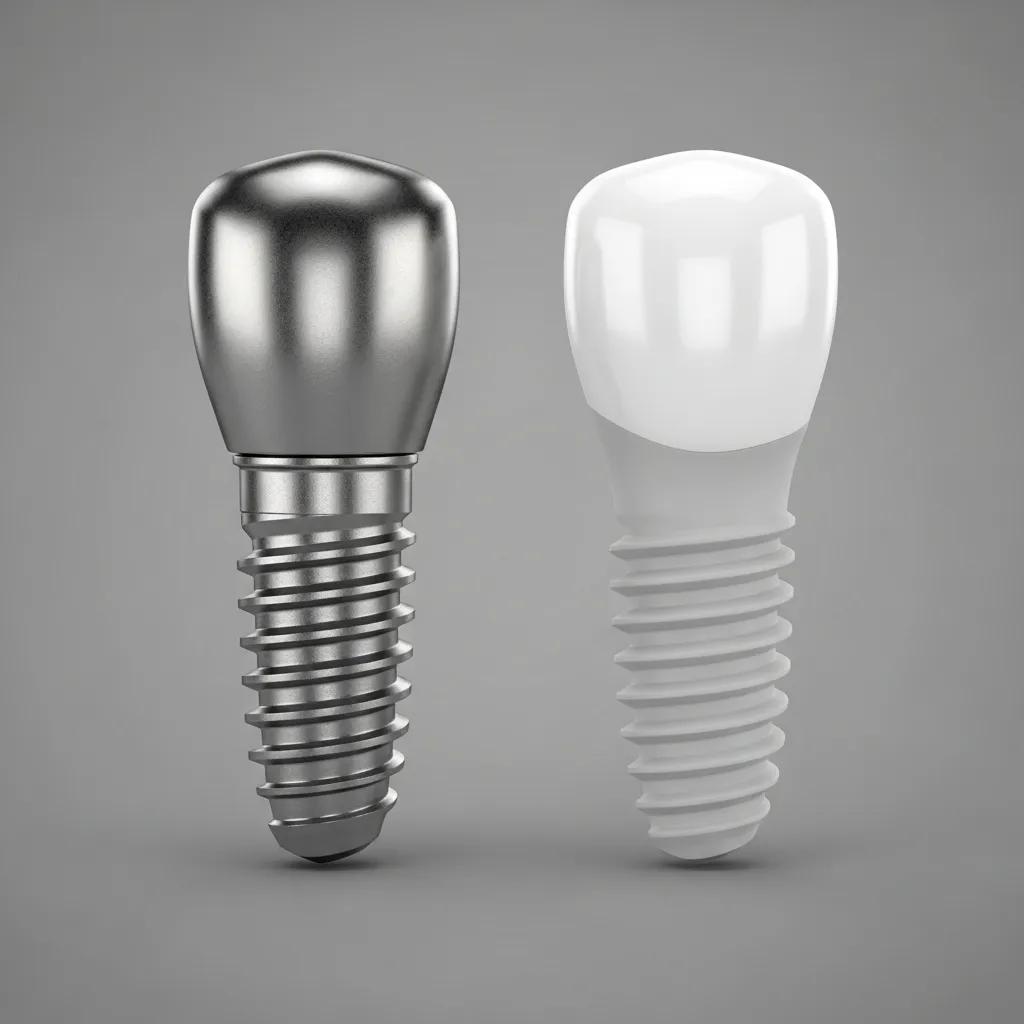
Dental implants replace missing teeth by anchoring a titanium or zirconia post in the jaw and attaching a prosthetic crown. Knowing how long each part typically lasts helps you protect that investment. In many cases the implant post becomes stable for decades, while the crown and abutment may need maintenance or replacement over time. This guide walks through the biological and mechanical factors that affect implant life, simple daily care, material choices, and how health and habits change outcomes here in Grand Prairie and beyond. You’ll find evidence-based timelines for each component, practical cleaning tips, warning signs to watch for (like peri-implantitis), and how thoughtful surgical planning and material selection improve results. Each section gives clear, doable steps so you can plan with your care team. Read on to learn typical lifespans, daily and professional maintenance schedules, and how a free consult can help build a plan that fits your needs.
How Long Do Dental Implants Typically Last? Understanding Lifespan and What to Expect
Implants often last many years because the post bonds with the jawbone in a process called osseointegration. That bond stabilizes the restoration and helps it resist mechanical problems. More often than not the parts that need attention are the prosthetic pieces—the crown and abutment—and the health of the surrounding gum and bone. Knowing which parts usually require service helps you budget, plan follow-ups, and set realistic expectations. Below we break down typical component lifespans and the main factors that can change those timelines so you know what to watch for at your check-ups.
What Are the Expected Lifespans of Implant Components? Titanium Posts, Abutments, and Crowns Explained
Titanium and zirconia posts are built to be long-lasting; many studies show posts functioning 20 years or more when bone and gum health are good. Crowns take the most wear from chewing and diet, so they often need replacement sooner—commonly around 10–15 years depending on material and habits. Abutments connect the post and crown and can last as long as crowns but may need change if they loosen, wear, or require aesthetic updates. The table below gives realistic expectations so you can plan maintenance without assuming the whole implant has to be removed.
Introductory table: typical longevity expectations for implant components
Component
Typical Lifespan
Longevity Notes
Implant post (titanium/zirconia)
Lifetime / 20–30+ years
Depends on osseointegration and bone health; often stable long-term
Abutment
10–15+ years (variable)
May require replacement for wear, screw loosening, or aesthetic changes
Prosthetic crown
10–15 years average
Subject to wear, fracture, and material-dependent replacement cycles
Seeing the parts separately helps explain why routine care focuses on gum health and prosthetic checks—to keep the post secure and extend the life of the whole restoration.
What Factors Influence the Overall Durability of Dental Implants? Key Determinants
Biology, mechanics, and behavior all play a role. Bone quality and quantity at the implant site affect initial stability and how forces transfer over time—weak bone raises the risk of bone loss. Oral hygiene matters: unchecked plaque increases the chance of peri-implantitis. Systemic conditions like uncontrolled diabetes slow healing and raise complication risks. Mechanical issues—bite forces, prosthetic design, and grinding—can overload parts and cause early failures. The next section covers hygiene steps that reduce biological risk and habits you can change to improve long-term outcomes.
How Does Oral Hygiene Impact the Lifespan of Dental Implants? Practical Care and Maintenance
Good daily care prevents plaque from building up around implant restorations and the nearby tissue. Removing biofilm mechanically every day, plus regular professional cleanings, keeps inflammation—and later bone loss—at bay. Using the right tools and gentle technique avoids damaging soft tissue while still removing harmful bacteria. Below we cover practical brushing and interdental tips and recommend tools that match different prosthetic designs so you can keep your implants healthy without guesswork.
What Are the Recommended Brushing and Flossing Techniques for Implants?
Use a soft-bristled toothbrush and gentle, short vibratory strokes around the crown margin to remove plaque without rubbing or damaging tissues. Choose a low-abrasive toothpaste made for restorations and angle the brush to reach where the crown meets the gum. Interdental cleaning is just as important: use waxed floss or implant-specific floss for tight contacts, and the correct-sized interdental brush for wider gaps—never force a brush that’s too big. If you have limited dexterity, an electric toothbrush with a pressure sensor and floss holders can make care easier and safer. These habits help prevent early gum inflammation that can lead to bone loss if ignored.
List intro: Key brushing and interdental steps to protect implants
Brush twice daily with a soft brush or electric toothbrush, focusing on the crown margin.
Interdental clean once daily using floss, implant-specific floss, or the right interdental brush.
Avoid abrasive pastes and hard scrubbing that can wear restoration margins or irritate tissue.
These simple steps form the daily foundation for keeping implants healthy and lasting longer.
Which Cleaning Tools Help Maintain Dental Implants? Water Flossers, Interdental Brushes, and More
Water flossers are great at flushing food and reducing bacteria around implants and are especially useful for bridges or implant dentures and for people with limited hand movement. Interdental brushes come in sizes; picking the right one cleans contacts well without injuring tissue. Single-tuft brushes and soft picks reach tight areas around abutments and crown margins. Short-term antimicrobial rinses can help after surgery or during flare-ups—but use them under professional advice. Sonic or oscillating electric brushes give feedback and limit harmful pressure while cleaning effectively. The best tool mix depends on your prosthetic design and ability—your clinician can recommend the right combination.
What Health and Lifestyle Factors Affect Dental Implant Longevity? Managing Risk for Long-Term Success
Your overall health and habits affect how well implants heal and stay healthy. Conditions that impair healing or bone metabolism raise the risk of early or late problems, so medical coordination is important for people with chronic illnesses. Smoking and heavy drinking reduce blood flow and immune response, increasing infection and delayed integration risks. Grinding or clenching puts repeated stress on parts and accelerates wear. The sections below explain specific medical conditions and behaviors and offer clear steps to lower risk before and after implant treatment.
How Does Diabetes and Other Medical Conditions Influence Implant Lifespan?
Uncontrolled diabetes reduces blood flow and immune response, which can slow osseointegration and increase infection risk—so keeping blood sugar under control before surgery is critical. Working with your primary care provider to reach reasonable A1c targets lowers complication rates; clinicians may also plan perioperative antibiotics and closer follow-up. Conditions like osteoporosis or certain autoimmune diseases change how bone remodels and may call for grafting or other adjuncts during planning. Patients with these conditions often benefit from customized maintenance schedules and more frequent checks to spot early bone changes or inflammation. Coordinated medical and dental care improves the odds of long-term success.
List intro: Medical-management actions to reduce implant risk
Achieve and document glycemic control before surgery for diabetic patients.
Coordinate care with medical specialists for autoimmune or bone-health concerns.
Plan enhanced monitoring and preventive steps when systemic risks are present.
These measures make surgery safer and reduce long-term complications.
What Are the Effects of Smoking, Alcohol, and Teeth Grinding on Implants?
Smoking lowers blood flow and weakens tissue healing while encouraging harmful oral bacteria—together these raise the chance of peri-implantitis and implant problems. Quitting before and after surgery significantly improves outcomes. Heavy drinking can affect nutrition and immunity, slowing healing, so moderation and medical advice are recommended around the procedure. Bruxism (teeth grinding) puts implants and prosthetics under repeated excessive force, which can loosen screws, fracture crowns, and speed bone loss; night guards, occlusal adjustments, and careful prosthetic design reduce these risks. Combining habit changes, protective devices, and smart restorative planning gives implants the best chance to last.
How Do Implant Materials and Design Influence Dental Implant Lifespan? Titanium vs. Zirconia
Material and prosthetic design change how implants integrate, look, and hold up. Titanium is well-proven for strong osseointegration and predictable performance under load; zirconia is tooth-colored and beneficial where you want to avoid metal show-through, especially in the front. Prosthetic choices—screw-retained vs. cemented crowns, abutment shape, and occlusal design—dictate force distribution. Poor design can speed wear and failure. Below we compare materials and tie those choices to typical component lifespans so you can discuss options with your dentist.
What Are the Benefits and Longevity Differences Between Titanium and Zirconia Implants?
Titanium implants have a long track record for strong integration and durability across many situations, which makes them the go-to in high-load areas. Zirconia gives better aesthetics and avoids metal, which can matter where gums are thin—though long-term comparative data are still growing. Titanium tends to be the stronger choice for back teeth, while zirconia is chosen for metal-free, front-zone cases. Each material has maintenance notes—zirconia restorations are sensitive to sudden lateral forces, and titanium users should watch soft-tissue health. Your clinician will recommend materials based on your anatomy, bite, and cosmetic goals.
Introductory table: Material comparison for implant posts
Material
Benefit
Longevity Consideration
Titanium
Proven osseointegration and strength
Excellent long-term survival in varied conditions
Zirconia
Superior aesthetics and metal-free option
Emerging long-term data; careful case selection needed
Hybrid designs
Combines material advantages
Clinician selects based on site and load requirements
This side-by-side view helps you frame the conversation with your dentist about what will work best for your mouth.
How Long Do Implant Crowns and Abutments Typically Last?
Crowns on implants wear out at different rates depending on material, bite forces, and habits—average replacement falls around 10–15 years, shorter with heavy grinding and longer with careful care. Abutments, especially screw-retained ones, often last many years but can need replacement if screws loosen, threads wear, or aesthetics change; checking torque and tissue health reduces surprises. Adjusting the bite, using nightguards for grinders, and making conservative repairs early help avoid more invasive replacements. Regular checks catch wear early so fixes can be small rather than full replacements.
What Role Does Dentist Expertise and Surgical Precision Play in Implant Longevity? Quality Matters
Experience and careful planning are central to predictable implant results. Pre-op imaging, accurate 3D planning, and selecting the right implant size limit overload and bone loss. Gentle surgical technique that protects soft tissue and achieves proper depth and angulation helps early stability and reduces inflammation. Restorative planning that sets the bite and crown contours for easy cleaning prevents plaque build-up. In short, skilled placement and prosthetic design make a big difference in how long an implant serves you.
How Does Surgical Skill Affect Osseointegration and Implant Success?
Technical skill matters for primary stability — a strong early sign that osseointegration will succeed. Careful bone handling, precise osteotomy preparation, and correct implant sizing reduce micro-movement during healing and lower failure risk. Decisions about immediate versus delayed loading depend on achieved stability and the patient’s overall risk. Guided surgical templates and modern planning tools improve accuracy in complex cases and help ensure predictable restorative outcomes. Choosing experienced clinicians and proven techniques increases the chance of long-term success.
Why Choose Experienced Dentists at Affordable Dentist Near Me – Grand Prairie for Your Implants?
At Affordable Dentist Near Me – Grand Prairie our dentists, Dr. Le and Dr. Maia, offer implant care in a modern clinic with an on-site lab for faster prosthetic adjustments and better fit. An on-site lab reduces turnaround time and helps us fine-tune restorations to minimize microgaps that can trap plaque. We emphasize affordable care with “EVERYDAY LOW FEES” and provide financing options to make treatment more accessible. Our local reputation—620 Google Reviews averaging 4.8—reflects consistent patient satisfaction. Schedule a free consult to learn your options.
What Are the Common Complications That Can Shorten Dental Implant Lifespan? Prevention and Early Detection
Problems like peri-implant mucositis, peri-implantitis, mechanical failures, and prosthetic fractures can shorten implant life. Early detection and timely treatment make most issues manageable. Peri-implantitis is a bacterial-driven inflammation that can move from reversible soft-tissue changes to bone loss if not addressed—so good home care and regular exams are key. Mechanical problems—loose screws, broken abutments, or fractured crowns—often start with subtle symptoms. Regular monitoring, imaging when needed, and quick treatment of inflammation help protect implants and avoid major reconstruction.
What Is Peri-implantitis and How Does It Affect Implant Health?
Peri-implantitis is an infection-driven inflammation that causes progressive bone loss around an implant and can lead to failure if left untreated. Early-stage peri-implant mucositis affects only the soft tissue and is usually reversible with better hygiene and professional cleaning. Once bone loss starts, treatment is more involved and may include surgical cleaning and regeneration. Risk factors include poor oral hygiene, smoking, leftover cement from crowns, and systemic health issues. Catching problems early gives the best chance for conservative treatment and recovery.
Peri-Implantitis: Prevalence and Risk Factors
Peri-implantitis is a biological complication that can cause bone loss around implants and potentially lead to implant failure. Many factors have been linked to its development; a history of periodontitis is a recognized risk that increases the likelihood of peri-implant disease.
Knowing what raises the risk of peri-implantitis helps you and your dentist plan prevention and early treatment.
List intro: Common warning signs of implant problems and immediate actions
Persistent bleeding or swelling around the implant that doesn’t improve with home care — get checked promptly.
New mobility or a change in your bite that could signal prosthetic or bone issues — seek urgent assessment.
Repeated pain, discharge, or pus near the implant site — immediate care can limit bone loss.
Acting quickly on these signs increases the chance of conservative fixes instead of losing the implant.
What Are the Signs of Implant Failure and When Should You Seek Help?
Warning signs include ongoing pain beyond normal healing, increasing mobility of the restoration, swelling with drainage, or sudden changes in how your bite feels. If you notice any of these, contact your dentist right away for an exam and imaging if needed. Early-stage problems often respond to less-invasive treatments; advanced bone loss may require more complex care. Quick assessment is especially important if you have risks like uncontrolled diabetes or continue to smoke, since these conditions speed progression and complicate recovery.
How Can You Maximize the Lifespan of Your Dental Implants? Practical Tips
Daily hygiene, habit changes, and scheduled professional maintenance are the most effective ways to extend implant life. Use the right tools—brushing, interdental cleaning, and a water flosser where appropriate—to control biofilm. Protect against grinding with a nightguard, ensure the prosthetic is well designed for your bite, and manage health risks like smoking or uncontrolled diabetes. The sections below turn those ideas into concrete daily habits and a recommended professional schedule you can follow to keep implants working well for years.
What Daily Habits Support Long-Term Implant Health?
Focus on plaque control, protecting soft tissues, and avoiding damaging behaviors. A simple routine: brush gently twice a day with a soft brush, clean between teeth once daily with floss or the right interdental brush, and use a water flosser if helpful to reach under restoration margins. Skip abrasive pastes and don’t use your teeth to open packages or bite very hard items. If you grind, wear a nightguard to prevent repeated wear. Regular check-ups let us catch small issues early and make conservative repairs before they become big problems.
Dental Implant Hygiene and Maintenance Protocols
Proper implant care and maintenance is essential as implants become more common. Studies looking at how oral health professionals advise patients show the importance of clear hygiene instructions and routine maintenance to support long-term implant health.
Following recommended hygiene and maintenance protocols helps keep implants healthy over the long term.
Short local invitation: tailored maintenance planning
Get Dental Patients to schedule a free consult. Affordable Dentist Near Me – Grand Prairie offers a free implant consult to create a maintenance plan that matches your daily routine, protective needs, and prosthetic design.
How Often Should You Schedule Professional Check-Ups and Cleanings?
Your recall interval depends on risk. Low-risk patients typically come every six months. Those with a history of periodontal disease, smokers, people with diabetes, or grinders often benefit from three-month check-ups. During maintenance visits we check soft tissue, remove biofilm, evaluate occlusion, and take X-rays when needed to catch early bone changes. More frequent visits let us perform targeted cleanings, topical care, and small adjustments that prevent progression to costly repairs. Talk with your dentist at your consult to set a recall schedule that fits your risk and prosthetic complexity.
Risk Factors for Periodontitis and Peri-Implantitis
Both periodontitis and peri-implantitis share many risk factors. Modern dental practice focuses on identifying and managing those risks to reduce disease and support long-term implant health.
Identifying and managing those risks is a key part of preventing implant-related disease.
List intro: Typical maintenance schedule tiers
Routine patients (low risk): Professional check every six months for hygiene and exam.
Moderate risk: Recall every 3–4 months for enhanced cleaning and tissue monitoring.
High risk: Quarterly or more frequent visits with radiographic checks and targeted care.
Matching recall frequency to risk helps preserve implant function long term.
Why Choose Affordable Dentist Near Me – Grand Prairie for Dental Implants? Local Expertise, Value, and Care
Affordable Dentist Near Me – Grand Prairie combines clinical experience and patient-focused access to support implant success for our neighbors in Grand Prairie. Our team (Dr. Le and Dr. Maia) works from a modern clinic with an on-site lab for faster adjustments. We keep care approachable with “EVERYDAY LOW FEES” and financing options, and our local reviews—620 Google Reviews averaging 4.8—reflect consistent patient satisfaction. Schedule a free consult to talk through your options and next steps.
What Financing Options and Offers Are Available for Dental Implants in Grand Prairie?
We aim to make implant care accessible. Our practice offers financing options and flexible payment plans so you can spread costs while receiving high-quality treatment. Financing also allows staged treatment and avoids compromising on materials or technique. A free consult removes the information barrier—you’ll get a personalized cost estimate and payment-plan overview from our treatment coordinator so you can make a clear decision without surprises.
How Can You Schedule a Free Dental Implant Consultation with Our Experienced Team?
Scheduling a free consult is easy: use our online booking tool or our Google Business Profile, or visit us at 2501 I-20 Grand Prairie, TX 75052 to speak with our staff. At the consult we’ll review your dental history, do a clinical exam, and discuss any imaging needed and treatment choices. Bring previous dental records, your medication list, and notes about health conditions to speed the visit. We’ll explain prosthetic options, maintenance needs, and financing so you can choose what’s best for your smile. Get Dental Patients to schedule a free consult.
Frequently Asked Questions
What are the signs that my dental implant may be failing?
Watch for persistent pain, swelling, or any discharge around the implant, and for movement of the restoration. Changes in bite or chewing comfort can also warn of trouble. If you notice these signs, call us—early evaluation often lets us treat problems without removing the implant.
How can I prevent peri-implantitis?
Preventing peri-implantitis starts with consistent home care—brush twice daily, clean between teeth daily, and keep regular professional cleanings every three to six months based on your risk. Avoid smoking and manage systemic conditions. Report any redness, bleeding, or discomfort early so we can intervene quickly.
What lifestyle changes can enhance the longevity of my dental implants?
Quit smoking, limit heavy alcohol use, and keep chronic conditions like diabetes under control. Protect teeth from grinding with a nightguard if needed. These changes reduce infection and mechanical wear and help implants last longer.
How often should I replace my dental implant crown?
Crowns commonly last 10–15 years but this varies with material, bite forces, and habits like grinding. Regular check-ups help spot wear early so repairs can be simple. Your dentist can give a more specific timeline during your consult.
What should I do if I notice changes in my dental implant?
If you see increased mobility, pain, swelling, or any unusual discharge, contact us right away. We’ll do an exam and any needed X-rays to find the cause and recommend treatment. Fast action improves the chances of saving the implant.
Are there specific foods I should avoid after getting dental implants?
During healing, avoid hard, sticky, or very chewy foods that stress the implant. Hard candies, ice, and very tough meats are best avoided. Start with soft foods and follow your dentist’s timeline for returning to a normal diet.
How can I ensure my dental implants last a lifetime?
Consistent oral hygiene, regular professional maintenance, avoiding harmful habits like smoking, and managing health conditions are the best steps. Follow your dentist’s recall schedule and use protective devices if you grind. With the right care, implants can provide many years of reliable function.
Conclusion
Knowing what affects implant longevity gives you control over your long-term results. With good daily care, smart lifestyle choices, and scheduled professional maintenance, you can significantly extend the life of your implants. If you’d like personalized advice, schedule a free consultation with our team—we’ll help you build a care plan tailored to your mouth and goals.