Dental Implants 101: Understanding Average Lifespan and Key Factors Impacting Durability
Dental implants are small surgical fixtures that replace missing teeth by bonding with the jawbone to restore chewing, comfort, and appearance. With the right care, implants commonly last 20 years or more — and many patients keep them for life. This guide walks you through what implants are, how osseointegration (the bone‑to‑implant healing process) creates a stable foundation, and why different parts — the post, abutment, crown or prosthesis — have different replacement timelines. You’ll find evidence‑based lifespan ranges, the main things that shorten or extend implant life, and practical steps you and your dental team can take to protect your investment. For people in Grand Prairie, Affordable Dentist Near Me – Grand Prairie offers a Free Dental Implant Consult to review your case and explain options — a simple next step if you’re ready to move from learning to planning. This article covers implant mechanics, component lifespans, warning signs, maintenance checklists, local cost context, quick FAQs, and why many patients choose our clinic for implant care.
What Are Dental Implants and How Do They Work?
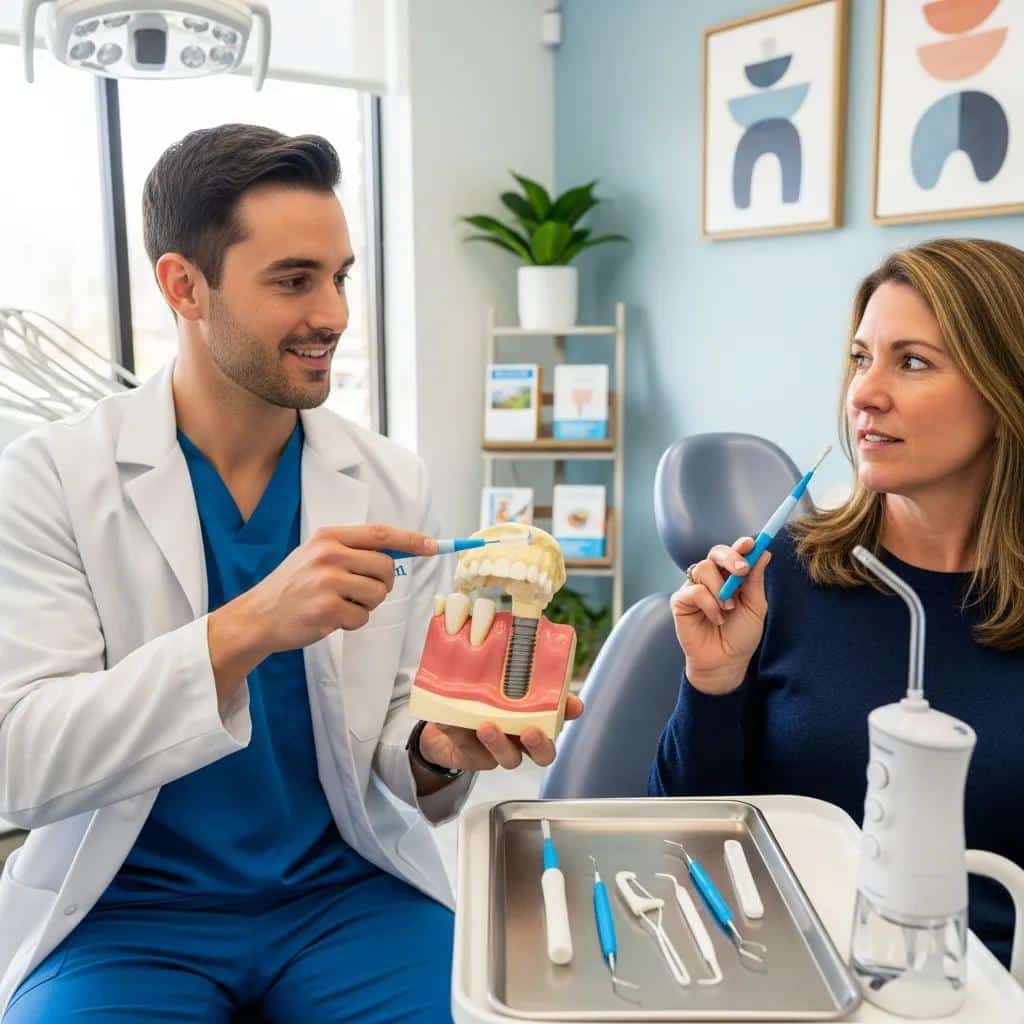
A dental implant replaces a missing tooth with three main parts: a biocompatible post placed in the jawbone, an abutment that connects the post to the restoration, and a crown or denture that restores function and looks. Most posts are titanium (some are zirconia) and act like artificial tooth roots. Over weeks to months, bone cells grow onto the implant surface in a process called osseointegration, creating a stable, load‑bearing foundation. When integration is successful, implants help preserve bone, restore bite force, and support surrounding teeth — which improves oral health and confidence. Today’s planning tools, like CBCT imaging and 3D surgical guides, help dentists place implants precisely and reduce complications. Knowing how implants are built and how they heal helps set realistic expectations about durability and the maintenance that keeps them working long term.
What Are the Main Components of a Dental Implant?
The three main parts are the implant post (fixture), the abutment, and the crown or prosthesis. The post is anchored in bone and is designed for long‑term integration. Abutments link the post to the restoration and transfer chewing forces. The final prosthetic — a single crown, an abutment‑retained crown, or an implant‑supported denture — takes the most wear and usually needs replacement sooner than the buried post. Understanding these roles explains why the implant “root” often lasts much longer than the visible restoration and why care focuses on both the biological and mechanical pieces.
How Does Osseointegration Affect Implant Stability?
Osseointegration is the biological bond between bone and implant that develops over weeks or months after placement. Early stability depends on implant design, surgical technique, and the quality of the patient’s bone. During healing, bone remodels around the implant and turns initial mechanical stability into lasting biological fixation. Factors like bone density, surgical trauma, overall health, and smoking can speed up or slow down this process. Dentists use guided techniques and careful loading schedules to protect the healing implant. Good osseointegration lowers the risk of movement and long‑term failure; poor integration raises the chance of early loss and makes later restoration harder. That’s why planning and postoperative care matter so much.
Implant success depends directly on osseointegration, and many clinical and behavioral factors influence that process.
Factors Affecting Osseointegration for Dental Implant Success
A review of selected articles identified multiple factors that either enhance or inhibit osseointegration. The authors conclude that considering these factors can improve implant integration and overall success — while some variables may hinder the process.
Factors affecting osseointegration of dental implants: a review, A Sales, 2023
The growing demand for implants makes understanding osseointegration essential — the bone‑implant interaction is the foundation of long‑term success.
Factors Influencing Osseointegration in Dental Implants
This literature review collects published data on variables that affect osseointegration. Given the popularity of implants, the study emphasizes how implant‑bone interaction ultimately determines anchorage and clinical outcomes.
Factors affecting osseointegration: a literature review, M Goutam, 2013
What Is the Average Lifespan of Dental Implants?
Overall, implants show excellent long‑term survival. Many clinical studies report survival rates above 90–95% at 10 years, but actual lifespan depends on the component, the patient, and maintenance. The buried implant post — when well placed and integrated — can last decades or even a lifetime. Prosthetic parts (crowns, abutments, removable overdentures) typically need periodic replacement because of wear, fracture, or esthetic changes. Typical ranges: implant posts often last 20+ years (and may be lifelong), abutments commonly last 10–20 years, crowns average 8–15 years, and implant‑supported dentures may need relines or replacement every 5–15 years. These ranges reflect clinical experience and highlight that prosthetic maintenance, more than the post, often dictates long‑term upkeep.
Different implant components follow different maintenance and replacement timelines.
Component
Typical Longevity
Notes
Implant post (fixture)
20+ years to lifetime
High biocompatibility; longevity tied to osseointegration and bone health
Abutment (titanium/zirconia)
10–20 years
May require replacement for wear, esthetics, or connection issues
Crown (porcelain/ceramic)
8–15 years
Subject to wear, fracture, staining; maintenance likely
Implant-supported denture / prosthesis
5–15 years
Prosthesis components (acrylic teeth, attachments) wear faster and may need relines or replacement
This comparison shows why the buried post often outlasts the visible restoration and why monitoring both biological and prosthetic health matters.
How Long Do Different Implant Components Typically Last?
Each piece — post, abutment, crown, prosthesis — has its own expected service life. The post is meant to be long‑lasting because it’s anchored in bone and made from biocompatible materials; many remain stable beyond 20 years when bone and soft tissues are healthy. Abutments may need replacement for fit, wear, or esthetics. Crowns and removable prostheses face chewing forces, material fatigue, and staining, so they’re the parts patients replace most often. Factors like grinding, diet, and hygiene affect how soon parts need attention. Knowing these differences helps you plan for maintenance and future costs.
Can Dental Implants Last a Lifetime?
Yes — under ideal conditions. If bone support is good, hygiene is excellent, systemic health is controlled, and harmful habits are avoided, the implant post can last a lifetime. Crowns and dentures, however, usually need replacement at some point. Studies show many patients keep implants for decades when care and planning are appropriate. Following your dentist’s maintenance plan, treating parafunctional habits like bruxism, and attending regular checkups all greatly increase the odds of lifetime function for the implant foundation. Still, realistic planning anticipates periodic prosthetic refreshes even when the post remains sound.
What Factors Affect Dental Implant Durability?
Implant durability reflects a mix of biological, behavioral, material, and technical factors that affect osseointegration and tissue stability. Key elements include oral hygiene and the risk of peri‑implantitis, bone density and volume at the site, systemic health that affects healing, lifestyle choices like smoking and grinding, and the quality of materials and placement technique. Many of these risks are manageable — for example, grafting can improve deficient bone, quitting smoking helps healing, and digital planning reduces placement errors. Good patient education and shared treatment planning let clinicians tailor care and monitor changes early to protect implant longevity.
The table below summarizes major durability factors, their effects, and practical steps to reduce risk.
Factor
Effect on Durability
Action / Impact
Oral hygiene / biofilm
Increased peri-implantitis risk
Daily plaque control, interdental cleaning, regular professional cleanings
Bone density / volume
Impaired initial stability
CBCT diagnosis, bone grafting, staged placement to improve prognosis
Smoking
Reduced healing, higher failure rates
Smoking cessation support significantly improves outcomes
Bruxism / occlusal overload
Mechanical failure, prosthetic fracture
Nightguards, occlusal adjustments, monitoring
Implant material & placement quality
Biocompatibility and stress distribution
Use of proven materials; CBCT and guided surgery improves precision
This summary shows many risk factors are modifiable. Combining solid planning with patient‑centered maintenance reduces long‑term problems.
How Does Oral Hygiene Impact Implant Longevity?
Hygiene is one of the most important factors. Bacterial biofilm around implants can cause inflammation, bone loss, and peri‑implantitis if left unchecked. Daily mechanical cleaning — a soft brush plus appropriate interdental tools — lowers plaque at the crucial interfaces and preserves peri‑implant tissues. Professional visits let your clinician clean under the gum line, probe around implants, and take x‑rays to catch early bone changes. Studies show poor hygiene is a leading cause of late implant failure, so patient education and routine follow‑up are essential to long‑term success.
Why Is Bone Density Important for Implant Success?
Bone density and volume affect primary stability at placement and the quality of osseointegration during healing. Denser bone gives better mechanical interlock and support for chewing forces. If a site lacks volume or density, bone grafting can rebuild support and create a predictable environment. CBCT imaging helps dentists evaluate anatomy and plan grafting or staged placement. Proper bone reduces micromotion and stress on the implant, lowering the risk of early failure and later bone loss. Early diagnosis and planning improve long‑term prognosis.
How Do Lifestyle Choices Like Smoking and Bruxism Affect Durability?
Smoking reduces blood flow and impairs immune response at the surgical site, which slows healing and raises the risk of complications. Bruxism places excessive forces on implants and restorations, which can lead to fractures or implant overload. Studies consistently show higher failure rates for smokers and better outcomes when patients stop smoking around the time of surgery. For grinding, strategies include custom nightguards, occlusal adjustments, and restorations designed to distribute forces evenly. Addressing these habits before treatment and providing support — smoking cessation resources or protective appliances — helps protect both biological and prosthetic components.
What Role Do Implant Materials and Placement Quality Play?
Material choice (typically titanium or zirconia) affects biocompatibility, appearance, and mechanical performance. Titanium has a long track record for osseointegration and flexibility in restorative options; zirconia offers metal‑free aesthetics but has a different evidence base. Equally important is surgical technique: digital planning with CBCT and 3D guides improves accuracy, avoids vital anatomy, and sets up better prosthetic outcomes. Careful placement minimizes micro‑gaps and stress points that can lead to biological or mechanical issues. Using proven materials with precise planning yields the most predictable long‑term results.
Primary stability — the initial fit and hold of the implant — plays a key role in successful osseointegration.
Primary Stability’s Role in Dental Implant Osseointegration
This work reviews how primary stability influences osseointegration and the clinical factors used to evaluate implant stability after placement. Primary stability is a key predictor of successful integration.
Role of primary stability for successful osseointegration of dental implants: Factors of influence and evaluation, F Javed, 2013
How Can You Maximize the Lifespan of Your Dental Implants?
Making implants last combines consistent daily care, scheduled professional maintenance, managing parafunctional habits, and lifestyle choices that support healing. Patients who keep a steady cleaning routine, attend regular checkups, wear recommended appliances for grinding, and manage medical conditions tend to have fewer complications. Dentists usually recommend maintenance every three to six months depending on your risk profile; visits typically include probing, selective x‑rays, and professional cleaning to remove biofilm. Catching soft tissue changes or prosthetic wear early often prevents more invasive treatment later. The checklist below links actions to timing and the benefits for implant longevity.
A practical maintenance checklist ties care steps to recommended timing and their benefit.
Care Step
Frequency
Benefit / Reason
Oral hygiene routine (brush + interdental)
Daily
Reduces plaque and prevents peri-implant inflammation
Professional implant maintenance visit
Every 3–6 months
Early detection of bone loss; professional debridement
Radiographic evaluation
As indicated (baseline and periodic)
Monitors bone levels and implant integration
Nightguard for bruxism
Nightly if indicated
Reduces mechanical overload and prosthetic fracture
Medical condition review (diabetes, meds)
At each recall
Optimizes systemic conditions that affect healing
Use this checklist as a starting point to discuss a personalized plan during a Free Dental Implant Consult.
What Are the Best Daily Cleaning Practices for Implants?
Daily care focuses on removing biofilm gently but effectively. Brush with a soft or powered brush designed for implants, use interdental brushes sized for the contacts, and consider a water flosser for hard‑to‑reach areas under bars or around abutments. Implant‑specific floss or floss threaders help when contours make cleaning tricky. Avoid abrasive cleaners or aggressive scrubbing that could damage restorations. Regular, consistent cleaning combined with professional maintenance greatly lowers the risk that mucositis will progress to peri‑implantitis.
How Often Should You Schedule Professional Check-Ups?
Recall intervals are tailored to your risk but commonly range from three to six months. During visits your clinician will check probing depths, soft tissues, occlusion, and take selective x‑rays to monitor bone levels. They’ll also remove biofilm in areas you can’t reach at home. Patients with prior peri‑implantitis, heavy grinding, or certain health conditions may need more frequent visits; low‑risk patients can often maintain good outcomes on a standard schedule. A personalized recall plan helps catch problems early and protects both the implant and the restoration.
How Can Addressing Bruxism Improve Implant Durability?
Treating bruxism lowers the chronic forces that speed prosthetic wear, loosen components, and even cause bone loss. Custom nightguards spread forces and protect crowns and connections from damaging stress. In some cases, clinicians will adjust occlusion or redesign restorations to better tolerate lateral loads. Severe grinding may require a multidisciplinary approach — behavioral therapy, stress management, or medical referral. Combining appliance therapy with regular monitoring helps catch wear early and prevents fractures or implant failure.
What Lifestyle Changes Support Long-Term Implant Health?
Simple lifestyle choices can make a big difference: quitting smoking, controlling blood sugar if you have diabetes, eating a balanced diet, and avoiding very hard foods all help healing and long‑term success. Smoking cessation improves blood flow and reduces infection risk; good glycemic control lowers inflammation and supports bone remodeling. Tell your dentist about any medications that affect bone health so they can plan appropriately. Making these changes before and after treatment gives implants the best chance to succeed.
What Are the Common Causes and Signs of Dental Implant Failure?
Implant failure may show up early (during the healing phase) or late (months or years later). Early failures are often due to poor osseointegration, infection, or inadequate primary stability. Late failures are frequently caused by peri‑implantitis, mechanical overload, or prosthetic breakdown. Warning signs include persistent pain, swelling, pus, deeper probing depths, visible bone loss on x‑rays, or a loose restoration. Early recognition and prompt care improve the chance of saving the implant. Prevention focuses on tissue health, sound prosthetic design, and managing lifestyle and medical risks.
What Are Early and Late Signs of Implant Failure?
Early signs (weeks to months after placement) include persistent pain, swelling, marked mobility, or failure to meet expected healing milestones. Late signs (months to years later) start more subtly: chronic inflammation, bleeding on probing, increased pocket depths, bone loss on x‑rays, and prosthetic loosening. Early complications often stem from surgical trauma or systemic healing problems and need quick evaluation. Late problems can begin quietly but progress to significant bone loss and mobility if untreated. Report any unusual symptoms right away to maximize salvage options.
What Are the Most Frequent Causes of Implant Complications?
The most common causes are peri‑implantitis from biofilm and host response, biomechanical overload (bruxism or poor occlusion), inadequate bone at placement, smoking and uncontrolled medical conditions, and technical or prosthetic errors. Peri‑implantitis results from plaque and inflammatory response and leads to progressive bone loss. Overload can break abutments, screws, or crowns and contribute to marginal bone loss. Careful planning, good hygiene, and regular maintenance reduce these risks and improve long‑term survival.
How Can Implant Failure Be Prevented or Treated?
Prevention centers on risk reduction: excellent oral hygiene, timely professional maintenance, smoking cessation, medical optimization, and careful surgical planning with appropriate materials and guided placement. Treatments range from improved hygiene and professional cleaning for early mucositis to debridement, local antimicrobials, or surgery with regenerative techniques for established peri‑implantitis. Mechanical issues like loose screws or fractured prosthetics are often repairable or replaceable. If an implant is unsalvageable, removal followed by site regeneration and reimplantation or alternative prosthetics may be needed. A prevention‑first strategy with close monitoring gives the best chance to avoid invasive treatments.
How Much Do Dental Implants Cost in Grand Prairie and What Are Your Consultation Options?
Implant cost varies by case and usually includes the implant post, abutment, crown, diagnostic imaging, and any grafting or preparatory procedures. Local pricing reflects material choices, complexity, and provider experience. Exact fees depend on your personalized plan, so transparent itemization during your consultation is important. For Grand Prairie patients looking for an easy starting point, Affordable Dentist Near Me – Grand Prairie offers a Free Dental Implant Consult — a no‑obligation visit to review your situation, explain options, and outline likely next steps. The clinic focuses on affordability, experienced dentists, and modern tools, and you can book by phone or online to fit your schedule.
Typical cost components include:
Diagnostic imaging and planning: needed to evaluate bone and plan placement.
Implant fixture and placement procedure: the surgical phase to place the post.
Abutment and final crown or prosthesis: restorative components to complete the tooth.
Adjunctive procedures: bone grafting or sinus lifts when anatomy requires augmentation.
Knowing these pieces helps you prepare for financing conversations at the Free Dental Implant Consult.
What Makes Affordable Dentist Near Me – Grand Prairie a Trusted Choice?
Affordable Dentist Near Me – Grand Prairie is a local office offering implants and dentures with a focus on affordability, patient comfort, and modern diagnostic tools. Trust signals include a large number of patient reviews and a high average rating. The practice is located at 2501 I-20 Grand Prairie, TX 75052 and can be reached at contact phone number (+1-817-200-7086). The Free Dental Implant Consult lowers the barrier to get personalized information about candidacy, timing, and costs. Online booking and extended hours add convenience, while experienced clinicians and modern imaging help improve planning and outcomes.
How Can You Schedule a Free Dental Implant Consultation?
To schedule a Free Dental Implant Consult, call +1-817-200-7086 or use the clinic’s online appointment system . The consult is a low‑commitment chance to review your concerns, discuss implant candidacy, and outline needed imaging and treatment sequencing. It’s also a good time to ask about costs, financing, and the timeline from imaging to surgery and final restoration. Use the consult to gather clear expectations before deciding on treatment.
What Financing Options Are Available for Dental Implants?
Financing varies by patient and should be discussed during the Free Dental Implant Consult. Common approaches include in‑office payment plans, third‑party financing, and staging treatment to spread costs. Ask for an itemized estimate, discuss phased treatment to prioritize essential work first, and inquire about any promotions or affordability programs. Treat financing as an individual conversation so you can pick the option that fits your budget.
Frequently Asked Questions
What are the potential risks associated with dental implants?
Implants are generally safe but carry risks like infection, nerve irritation, or sinus issues. Early problems can come from surgical trauma or failed osseointegration. Later issues often stem from peri‑implantitis caused by bacterial biofilm. Mechanical overload from grinding or poor occlusion is another risk. Discussing these possibilities with your dentist helps reduce them and improves the chance of a good outcome.
How can I tell if my dental implant is failing?
Watch for persistent pain, swelling, pus, or increased mobility of the implant or restoration. Early problems may show as poor healing; later issues can present as chronic inflammation, bone loss on x‑rays, or loosening of the prosthetic. If you notice any of these signs, contact your dental professional promptly for evaluation.
What lifestyle changes can enhance the success of dental implants?
Key changes include quitting smoking, managing chronic conditions such as diabetes, eating a balanced diet, and using protective devices for grinding. Good oral hygiene and regular dental visits also play a big role. These steps improve healing and support long‑term implant health.
Are there any dietary restrictions after getting dental implants?
After surgery, avoid hard, crunchy, or sticky foods that could stress the implant site during healing. Stick to soft foods at first and slowly reintroduce more variety as you heal. Your dentist will give personalized dietary guidance based on your procedure and recovery.
How does the cost of dental implants compare to other tooth replacement options?
Implants usually cost more upfront than dentures or bridges, but they often last longer and provide better function and comfort. When you factor in longevity and quality of life, many patients find implants to be a worthwhile investment. Discuss total costs and replacement timelines during your consult to compare options fairly.
What should I expect during the recovery process after implant surgery?
Recovery commonly includes some swelling, soreness, and minor bleeding for a few days. Follow post‑op instructions for pain control and diet. Follow‑up visits monitor healing and osseointegration. Most people return to normal activity within a week, but full integration can take several months depending on individual healing.
How can I maintain my dental implants for long-term success?
Maintain implants with daily brushing and interdental cleaning, regular professional cleanings every three to six months (or as recommended), and by addressing habits like bruxism and smoking. Keep medical conditions under control and follow your dentist’s recall schedule. These habits help implants remain functional and healthy for years.
How Long Do Dental Implants Really Last?
With good planning and care, implants can last 20 years or more, and many implant posts remain functional for a patient’s lifetime when bone and soft tissues stay healthy. Crowns and prostheses usually need replacement sooner because of wear. Lifespan depends on hygiene, smoking, medical health, prosthetic design, and bite forces. Regular professional maintenance and timely treatment of problems greatly improve longevity. Plan for occasional prosthetic updates even if the implant foundation remains solid. A Free Dental Implant Consult can clarify your personal outlook and budgeting for future maintenance.
What Causes Dental Implants to Fail?
Implants can fail for biological reasons — chiefly peri‑implantitis from biofilm and host response — or mechanical reasons like overload, prosthetic fracture, and connection failures. Smoking and uncontrolled diabetes increase risk. Surgical factors, lack of bone, and poor prosthetic design also contribute but can often be mitigated with careful planning and technique. Early detection and quick action are key to prevent reversible issues from becoming irreversible.
Can Dental Implants Last a Lifetime?
Yes — especially the implant post — if peri‑implant tissues stay healthy, systemic conditions are controlled, and mechanical overload is avoided. Prosthetic pieces usually need periodic renewal. Lifelong success requires teamwork between patient and dentist: diligent hygiene, scheduled maintenance visits, and management of risks like smoking and bruxism. A Free Dental Implant Consult helps estimate how likely lifetime service is for your particular case.
How Do You Make Dental Implants Last Longer?
Focus on consistent daily care, regular professional maintenance, managing bruxism and medical conditions, and choosing appropriate restorative materials. Key actions: brush and clean between teeth daily, attend recalls every three to six months, wear a nightguard if you grind, and address smoking or medical issues that impair healing. Periodic x‑rays and clinical checks let your dentist catch bone changes early so they can act before major loss occurs.
What Is the Success Rate of Dental Implants?
In well‑selected patients with proper maintenance, clinical success rates typically exceed 90–95% at 5–10 years. Individual outcomes depend on host factors, site conditions, and follow‑up care. Success means functional stability, no infection, acceptable esthetics, and patient satisfaction. Discuss your personal risk and success probability during a Free Dental Implant Consult for the most relevant estimate.
Why Choose Affordable Dentist Near Me – Grand Prairie for Your Dental Implant Needs?
Affordable Dentist Near Me – Grand Prairie offers local advantages for implant patients: a commitment to affordable care, focus on patient comfort and pain management, and modern diagnostic tools like CBCT for precise planning. The practice’s address (2501 I-20 Grand Prairie, TX 75052) and phone (+1-817-200-7086) make it easy to reach us. Public reviews (1470+ with a 4.8 average) reflect broad patient satisfaction. The Free Dental Implant Consult is a low‑pressure first step to get personalized guidance before committing to treatment.
How Do Experienced Dentists and Modern Technology Improve Implant Outcomes?
Experienced clinicians use judgment plus digital tools — CBCT imaging, 3D surgical guides, and careful restorative planning — to place implants with predictable angulation and depth. Technology reduces placement errors, avoids vital anatomy, and helps design restorations that spread forces evenly. Combined with clinical experience, these tools translate into higher success rates, fewer complications, and better aesthetic and functional outcomes.
What Do Patients Say About Their Implant Experiences?
Patient feedback for the clinic is broadly positive, reflected in a large review count and high average rating. The volume and score (1470+ reviews, 4.8 average) suggest consistent, patient‑centered care across clinical quality, comfort, and convenience. Individual experiences vary, so we recommend pairing review insight with a personal Free Dental Implant Consult to see if the practice is the right fit for you.
How Does the Clinic Ensure Patient Comfort and Personalized Care?
The clinic emphasizes comfort, clear communication, and personalized treatment plans. Options to manage anxiety and pain are available, and scheduling is designed to reduce barriers to care. The Free Dental Implant Consult gives you a no‑obligation chance to ask questions, evaluate candidacy, and review timelines and costs. Clear communication about maintenance and affordability helps align treatment with your goals and supports long‑term success.
This article covered implant mechanics, component lifespans, key durability factors and how to mitigate them, a step‑by‑step maintenance plan, warning signs and treatment options, local cost context and consultation steps, FAQs, and clinic‑specific information to help you decide.
Conclusion
Knowing how long implants last and what affects their durability helps you make informed choices about tooth replacement. By addressing risk factors, keeping a solid hygiene routine, and following up with your dental team, you can greatly improve implant longevity. For a personalized assessment and next steps, schedule a Free Dental Implant Consult today — and take the first step toward a confident, healthy smile.