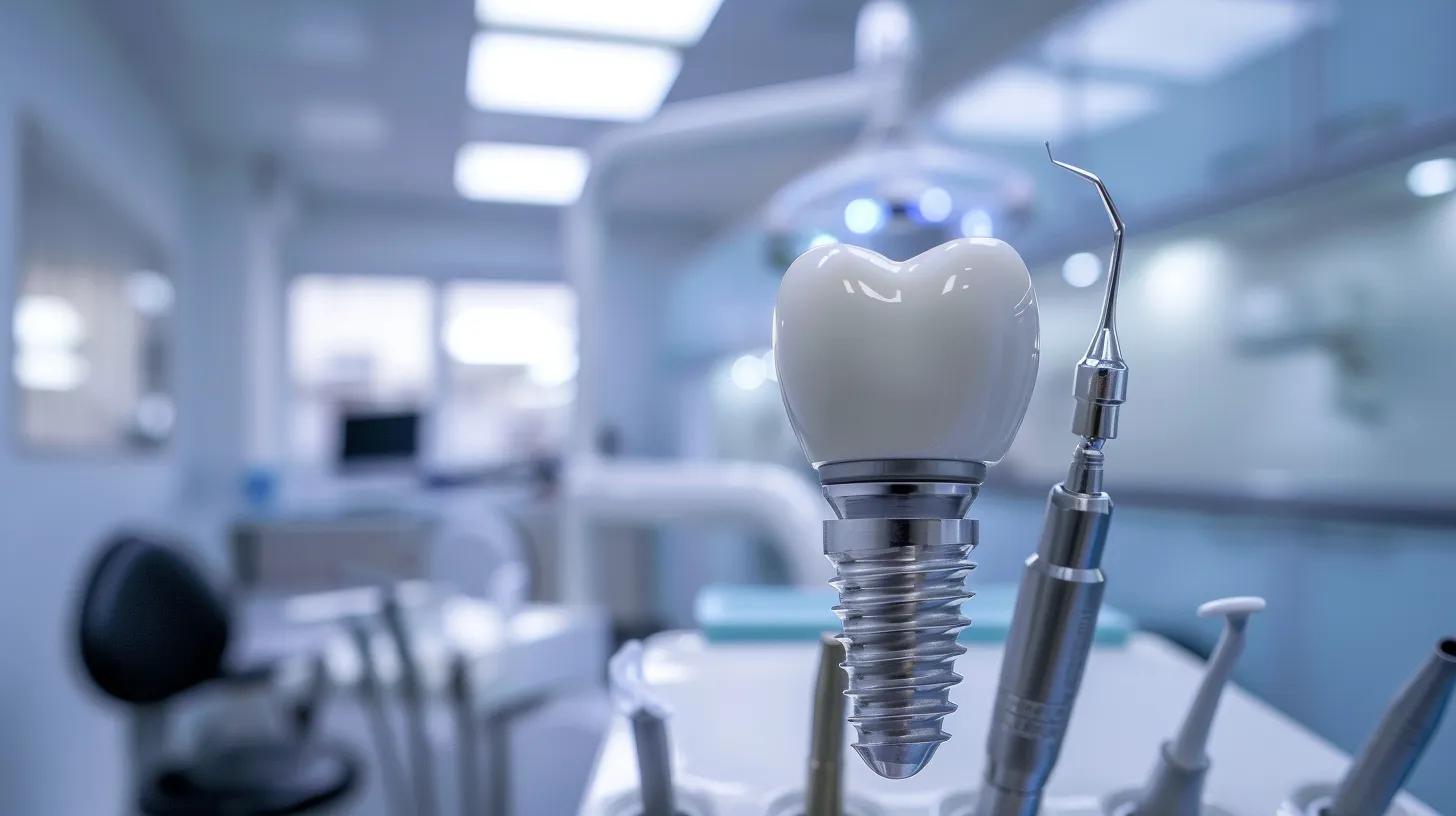
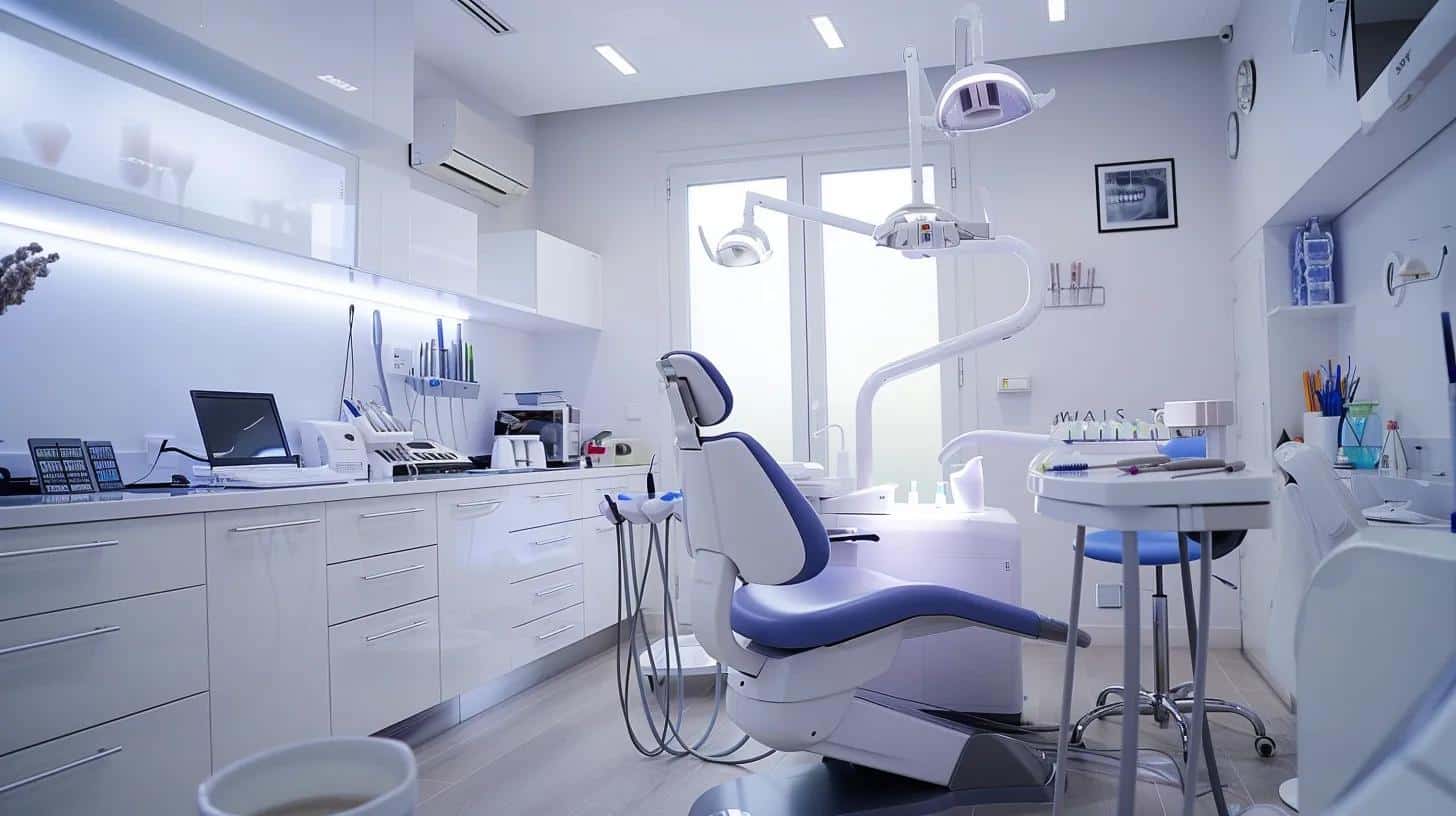
Dental implants offer a revolutionary solution for restoring smiles and confidence among patients, especially those in their 40s to 60s who seek a natural look and long-term dental health benefits. For new patient inquiries, this treatment can be an excellent option to regain functionality and self-assurance. As individuals age, tooth loss or decay can negatively impact both functionality—such as chewing and speaking—and appearance, leading to a decline in self-esteem. Dental implants, made from biocompatible materials like titanium and ceramic, serve as artificial tooth roots that provide a stable foundation for prosthetic teeth. This advanced dental treatment not only mimics natural tooth structure but also helps preserve the jawbone and facial structure. Patients are encouraged to schedule appointment with their dental professional for further evaluation and care.
At a dental office in Lake Worth that provides free consultations and flexible payment options, patients receive personalized evaluations to determine their candidacy for dental implants. The treatment involves several critical steps including a thorough evaluation, implant placement, healing (osseointegration), and crown attachment, with each phase requiring careful attention and a customized approach based on the patient’s medical history and oral health. This comprehensive guide explains modern dental implants, the reasons for choosing implants over other options, the detailed procedure for implants in Lake Worth, and the importance of diligent post-procedure care. It also provides answers to frequently asked questions about dental implants and actionable steps to schedule a free consultation, ensuring potential patients make an informed decision.
With the integration of cutting-edge technology, such as digital imaging and computer-guided implant planning, dental implants continue to evolve in both safety and effectiveness. This article aims to educate patients about each aspect of the implant process while reinforcing the value that dental implants offer in restoring function, aesthetics, and overall oral health. By understanding the materials used, comparing dental implants to alternatives like dentures or bridges, and following proper care techniques, patients can ensure the longevity of their restorations. Ultimately, dental implants not only improve chewing and speech clarity but also contribute positively to one’s overall health and quality of life by effectively managing issues such as gingivitis and bone loss.
Transitioning now from the general overview, the following key takeaways provide a concise summary of the most essential insights.
Key Takeaways
Dental implants are modern restorations that replace missing teeth with a durable, natural-looking alternative.
They help preserve jawbone and facial structure while enhancing chewing ability and speech clarity.
The multi-step procedure in Lake Worth includes consultation, placement, healing, crown attachment, and diligent post-procedure care.
Regular professional checkups and strict oral hygiene are crucial for long-term implant success.
Understanding Modern Dental Implants
Modern dental implants are considered the gold standard in tooth replacement therapy due to their ability to replicate the function and aesthetics of natural teeth. But what exactly constitutes a dental implant? A dental implant is a small screw-like structure typically made from titanium or zirconia that is surgically implanted into the jawbone. Once placed, it acts as an artificial tooth root, supporting a prosthetic crown or bridge. The implant integrates with the bone through a process called osseointegration, ensuring a secure and stable foundation.
What Constitutes a Dental Implant?
Dental implants consist of several key components: the implant post (the titanium screw that binds to the jawbone), the abutment (the connector between the implant and the prosthetic tooth), and the crown (the visible part that resembles a natural tooth). This design provides patients with a durable solution that mimics the structural integrity of a natural tooth. Implants are selected based on individual patient evaluation, which considers factors such as bone density, overall oral health, and the location of the missing tooth. The materials used for the post, such as titanium, are chosen for their excellent biocompatibility and corrosion resistance, meaning that they are unlikely to cause adverse reactions in the body.
The Function of Dental Implants in Restoring Smiles
Dental implants function as reliable anchors within the jawbone to support new dental prostheses. By providing a stable base, they allow for improved chewing performance, enhanced speech clarity, and a natural facial appearance. Unlike removable dentures, implants eliminate the issues of slippage and discomfort, thus enabling patients to enjoy a variety of foods without worry. Furthermore, dental implants stimulate bone growth through the natural process of osseointegration, preventing the bone loss commonly seen with tooth loss. This stimulation not only maintains the bone’s density and strength but also helps in preserving the overall structure of the face, reducing signs of premature aging.
Materials Used for Durable Dental Implants
The durability of dental implants is greatly attributed to the use of high-grade materials such as titanium and zirconia. Titanium, known for its strength and biocompatibility, is the most commonly used material due to its proven track record and long-term success rates. Zirconia, a ceramic alternative, offers superior aesthetics due to its tooth-like color and is a valuable option for patients with metal sensitivities. Additionally, advancements in surface engineering have enabled implants to have micro-rough surfaces that promote faster and stronger osseointegration with the jawbone. These materials are key to the implant’s ability to withstand daily forces such as chewing and grinding, ensuring stability and longevity.
Comparing Dental Implants to Other Tooth Replacement Options
Dental implants offer several advantages over traditional tooth replacement options like dentures and dental bridges. Unlike dentures, which can be uncomfortable and prone to instability, implants are fixed in place and require no adhesives. Moreover, while dental bridges rely on the support of adjacent healthy teeth—with the risk of compromising their integrity—implants stand independently without affecting surrounding teeth. They also contribute to bone preservation, as the implant’s stimulation mimics the natural loading on the jawbone, a benefit that neither dentures nor bridges provide. Comprehensive studies and patient testimonials frequently highlight that implants result in better chewing efficiency, improved speech, and enhanced aesthetic outcomes, making implants a preferred choice among patients with long-term tooth loss.
Key Reasons to Choose Dental Implants
Dental implants are not only about replacing missing teeth; they represent a comprehensive approach to ensuring sustained oral health and functionality. Patients choose dental implants for reasons that extend beyond aesthetics. They offer a reliable and lasting solution that helps to restore both function and confidence.
Achieve a Natural Look and Feel With Dental Implants
Dental implants are designed to mimic natural teeth in shape, size, and color. This natural appearance comes from the custom-designed crowns that are fused to the implant abutments. These crowns are crafted with precision to match the patient’s existing dentition and facial structure. The natural look of implants makes them a popular choice for those seeking to enhance their smile without the artificial appearance associated with some dentures. Additionally, the secure fit provided by the implant post leads to a comfortable wear, enabling patients to smile, laugh, and speak without self-consciousness. Clinical data suggests that patients often report a 95% satisfaction rate with the aesthetic results of implants, attributing to their increased confidence and improved quality of life post-procedure.
Improve Chewing Ability and Speech Clarity
Dental implants restore chewing efficiency by providing a stable foundation, which in turn aids in better food processing and digestion. Unlike removable dentures that can slip and require frequent adjustments, implants ensure that the prosthetic teeth remain in fixed position, thereby allowing patients to eat a wider variety of foods without discomfort. Additionally, proper tooth replacement with implants plays a significant role in enhancing speech clarity. The presence of a full dental arch helps in the formation of precise sounds, thereby reducing issues like lisping or slurred speech often seen with ill-fitting dentures. Research indicates that implant recipients experience a 40% improvement in chewing efficiency compared to traditional bridge or denture patients.
Preserve Jawbone Health and Facial Structure
One of the primary functional benefits of dental implants is their ability to preserve jawbone density. When a tooth is lost, the underlying bone tends to resorb over time due to the lack of stimulation, leading to facial sagging and an aged appearance. Implants counteract this process by stimulating the bone through regular biting forces, similar to natural teeth. This prevention of bone loss not only supports the dental implant prosthesis but also maintains the overall shape of the face. Studies have shown that patients who receive implants exhibit up to a 60% reduction in bone loss compared to those who opt for dentures. This long-term benefit is essential for maintaining a youthful and structurally sound appearance over time.
The Long-Term Value of Dental Implant Restorations
Though dental implants may require a higher initial investment compared to other tooth replacement options, their long-term value is well documented. Implant restorations typically have a lifespan of 10 to 20 years, with many patients enjoying successful outcomes for decades provided they adhere to proper oral hygiene and regular dental checkups. The durable nature of implants means fewer replacements and lower cumulative costs over time, making them a cost-effective solution in the long run. Additionally, the improved quality of life—measured by better chewing, improved speech, and enhanced aesthetics—often outweighs the upfront expenses. A comprehensive cost-benefit analysis reveals that patients who opt for implants face fewer adjustments, repairs, or replacements, leading to overall higher satisfaction levels and better oral health stability.
Your Dental Implant Procedure in Lake Worth
Patients in Lake Worth seeking dental implants undergo a customized and carefully planned procedure that spans multiple stages. The process is designed to ensure that each patient receives optimal treatment tailored to their unique dental needs. Understanding every step of the dental implant procedure can alleviate patient concerns and set clear expectations for the treatment journey.
Initial Consultation for Dental Implants in Lake Worth
The journey begins with an initial consultation, where a comprehensive dental evaluation is conducted. During this appointment, the implant dentist reviews the patient’s medical history, performs a thorough examination of the oral cavity, and uses diagnostic imaging techniques—such as digital X-rays and 3D scans—to assess bone density and structure. This evaluation is critical for determining the patient’s suitability for dental implants and deciding on the most appropriate implant design and placement strategy. In Lake Worth, experienced implant specialists prioritize clear communication and patient education to ensure that individuals understand the procedural details, required follow-ups, and the expected outcome of the treatment, thereby establishing a strong foundation for a successful procedure.
The Dental Implant Placement Process
Following the consultation, the next phase is the surgical placement of the dental implant. The implant, typically a small titanium post, is carefully inserted into the jawbone under local anesthesia. The meticulously planned surgical procedure coordinates the implant’s placement angle and depth to maximize stability and promote successful osseointegration. Advances in digital implantology allow for precise, computer-guided surgeries, minimizing discomfort and reducing the risk of complications. The positioning of the implant must consider the aesthetic alignment with adjacent teeth, ensuring that the final restoration looks natural. Patients in Lake Worth receive detailed pre- and post-surgical instructions to help them prepare for the procedure and manage recovery effectively.
Healing and Osseointegration of Dental Implants
After the implant placement surgery, a critical healing period ensues—commonly ranging from three to six months—during which the process of osseointegration takes place. Osseointegration is the process by which the implant post fuses with the jawbone, forming a strong, permanent bond. This period is essential because it determines the long-term success and stability of the implant. During healing, patients are advised to follow strict dietary and oral hygiene guidelines to minimize strain on the implant site and prevent infections. Many clinics in Lake Worth advise temporary restorations during this phase to ensure that function and appearance are maintained while the implant integrates with the bone.
Attaching Your Custom Dental Crown
Once osseointegration is complete, it is time to attach the dental crown to the implant. The abutment, which serves as the connector between the implant and the crown, is fitted onto the integrated implant post. The customized crown is then designed to match the shape, size, and color of the patient’s natural teeth, ensuring a seamless transition between the restored and natural areas of the mouth. The final restoration not only restores the patient’s ability to eat and speak properly but also enhances the appearance of their smile. Advanced ceramic materials are often used for crowns due to their excellent aesthetics and durability. This final step is celebrated as the culmination of the multi-stage process that began with a thorough dental evaluation.
Post-Procedure Expectations for Lake Worth Dental Implant Patients
Following the complete restoration of the dental implant, patients receive clear post-procedure instructions to ensure favorable long-term outcomes. These guidelines include maintaining a rigorous oral hygiene routine, scheduling regular professional follow-ups, and adopting lifestyle modifications to protect the implant from excessive stress or trauma. Patients typically experience minimal discomfort post-surgery, with any initial swelling or soreness managed effectively through prescribed medication and at-home care. In Lake Worth, dental professionals emphasize the importance of early detection and intervention for any signs of implant complications such as peri-implantitis or gum inflammation. With proper care, dental implants provide a lasting solution that enhances overall oral health and improves quality of life, making them an excellent choice for patients seeking durable and natural-looking restorations.
Why Diligent Care for Your Dental Implants Is Paramount
Post-procedure maintenance is critical to ensuring the longevity and success of dental implants. Diligent care involves regular cleaning, routine dental check-ups, and careful observation of any changes around the implant site. Proper maintenance prevents common complications such as peri-implantitis—a condition marked by infection and inflammation of the tissues surrounding the implant—which can eventually lead to implant failure if not promptly addressed.
Maintaining Gum Health Around Your Dental Implants
Patients must adopt rigorous oral hygiene practices to maintain the health of their gums around dental implants. This includes brushing at least twice daily with a soft-bristled toothbrush and using dental floss or interdental brushes designed to clean hard-to-reach areas. The importance of preserving clean, healthy gum tissue cannot be overstated; healthy gums form a protective barrier against bacteria that could compromise the implant. Regular professional cleanings and checkups are essential to monitor gum health and prevent the early signs of inflammation. In addition, specialized mouth rinses may be recommended by the implant dentist to reduce bacterial load and promote overall periodontal health, thus ensuring the implant remains stable and functional over time.
Preventing Peri-Implantitis and Implant Failure
Preventing peri-implantitis is a top priority for implant patients. This condition develops when harmful bacteria accumulate near the implant site, leading to inflammation and potential bone loss. To mitigate this risk, patients should adhere to strict oral care routines and avoid factors that could compromise the implant site, such as smoking or neglecting routine dental visits. The periodontal maintenance program often includes professional cleaning and the use of antiseptic mouth rinses. Research has demonstrated that patients who engage in regular implant maintenance experience a significantly lower incidence of peri-implantitis compared to those who do not maintain a diligent care regimen. Through early detection and preventive practices, implant failure can be minimized, and the long-term success of the restoration is further secured.
Daily Oral Hygiene Practices for Dental Implant Longevity
Consistent daily oral hygiene is the cornerstone of dental implant longevity. Beyond standard brushing and flossing, using adjunctive aids such as water flossers, interdental brushes, and professional-grade toothpaste can further protect the implant from plaque buildup. Patients are counseled to be mindful during meals and to avoid hard or sticky foods that could potentially disrupt the implant assembly. Establishing a comprehensive home-care routine that includes thorough cleaning techniques helps maintain a pristine oral environment. Dental professionals in Lake Worth often provide personalized demonstration sessions, ensuring that each patient understands the specifics of caring for their new implants, which directly correlates to the implant’s durability and performance.
The Role of Regular Professional Checkups for Your Implants
Regular professional follow-ups play a crucial role in the maintenance of dental implants. These appointments allow the dental team to monitor the condition of the implant, check for early signs of complications, and provide professional cleanings that remove accumulated plaque and tartar. During these visits, professionals use advanced diagnostic tools such as digital radiographs to assess bone integration and tissue health around the implant. This proactive approach ensures that any emerging issues, be they related to inflammation or mechanical wear, are addressed promptly, thereby extending the life of the implant and safeguarding the patient’s overall oral health. Patients who adhere to scheduled appointments tend to report fewer complications and maintain higher satisfaction with their implant restorations over time.
Protecting Your Investment in Dental Implants
Dental implants represent a significant investment in both oral health and quality of life. Protecting this investment extends beyond routine cleaning—it includes adopting a lifestyle that supports overall wellness. This involves avoiding deleterious habits such as tobacco use, managing systemic conditions like diabetes, and ensuring that dental checkups are never missed. The financial aspect of implants is also a concern for many patients; therefore, taking proactive care means fewer costly repairs or replacements in the future. Clinics in Lake Worth often emphasize that a well-cared-for implant can last for decades, provided that patients strictly follow both at-home care protocols and professional maintenance schedules. By safeguarding the implant through attentive care, patients not only preserve their dental function but also enhance the longevity and return on investment of their restorative treatment.
Selecting a Trusted Provider for Dental Implants in Lake Worth
Choosing the right implant provider is as crucial as the implant procedure itself. Patients must look for a dental office that combines technical expertise, state-of-the-art technology, and exemplary patient service. When selecting a provider in Lake Worth, several key factors must be considered—including the provider’s experience, technology adoption, and patient testimonials. The quality of care received from a trusted implant provider will significantly impact the treatment outcome, risk of complications, and overall satisfaction with the dental implant restoration.
Qualities of an Experienced Lake Worth Implant Dentist
An experienced implant dentist should have a proven track record in dental implantology, with a history of successful outcomes substantiated by patient reviews and clinical data. Such dentists are well-versed in advanced techniques such as computer-guided implant placement and laser-assisted procedures, which minimize discomfort and promote faster healing. They also maintain rigorous professional development and certifications from reputable dental organizations, ensuring that their skills and knowledge remain current with industry innovations. In addition to technical competencies, the implant dentist should demonstrate excellent communication skills, allowing patients to feel comfortable and informed at every stage of the process. This level of expertise builds trust and ensures that patients receive a customized treatment plan tailored to their specific needs.
Reviewing Patient Testimonials and Success Stories
Patient testimonials and success stories serve as powerful endorsements for any dental practice. These real-world accounts provide insight into patient satisfaction, the level of post-operative care, and the overall treatment experience. Prospective patients should carefully review online reviews, case studies, and before-and-after galleries published by the dental office in Lake Worth. Notably, high success rates and positive feedback indicate reliability and a high standard of care. Many satisfied patients report significant improvements in both functionality and aesthetics, which not only supports the claims of enhanced quality of life but also reinforces the dental office’s commitment to long-term patient care. A solid reputation built on testimonial evidence is often the deciding factor in choosing the right implant provider.
Technology and Techniques Utilized for Dental Implants
State-of-the-art technology plays a pivotal role in the success of dental implants. Clinics that invest in digital imaging, cone-beam computed tomography (CBCT), and computer-aided design and computer-aided manufacturing (CAD/CAM) systems are better positioned to deliver precise and predictable outcomes. These technologies enable clinicians to plan implant placement with extraordinary accuracy, mapping the jawbone in 3D and ensuring optimal implant positioning. In addition, modern techniques reduce the invasiveness of surgical procedures, minimizing discomfort and accelerating recovery times. Advanced sterilization practices and the use of high-quality biomaterials further enhance the efficacy and biocompatibility of the implants. By staying at the forefront of technological advancements, implant providers in Lake Worth ensure that every patient receives the most efficient and effective care available.
Understanding Treatment Plans and Costs in Lake Worth
A comprehensive treatment plan for dental implants includes not only the surgical procedure but also a detailed roadmap that outlines every stage of the process—from initial consultation and imaging to implant placement, healing, crown fabrication, and follow-up care. Clear communication regarding treatment plans and associated costs is essential in building patient confidence. Providers in Lake Worth offer transparent pricing structures and flexible financing options, including monthly payment plans and free initial consultations. This openness allows patients to make informed decisions without facing unexpected financial burdens. When treatment plans are customized to address the unique needs of each patient, the overall outcome is enhanced by a structured and meticulously planned approach. This fosters a sense of security and trust while ensuring that patients understand both the clinical and financial aspects of their dental implant journey.
Answering Your Questions About Dental Implants
Clear and straightforward answers to common questions about dental implants empower patients to make informed decisions. Addressing these frequently asked questions not only demystifies the process but also helps potential patients overcome hesitation and schedule a consultation.
Are Dental Implants a Painful Procedure?
Dental implant surgery is generally not painful due to the use of local anesthesia and modern surgical techniques that minimize discomfort. Patients may experience slight soreness or swelling in the days following the procedure, which can be managed with over-the-counter pain medication and rest. Most individuals report that the discomfort is similar to that of a routine tooth extraction. Additionally, the precise and minimally invasive nature of current implant procedures contributes significantly to reducing patient anxiety and postoperative pain. With appropriate aftercare and pain management instructions, most patients quickly resume normal activities. The effectiveness of local anesthesia and the experience of the clinical team ensure that the procedure remains comfortable and well-tolerated, facilitating a smoother healing process.
How Long Do Dental Implants Typically Last?
Dental implants are designed to be a long-term solution, often lasting 10 to 20 years or even a lifetime with proper care. The longevity of an implant depends on several factors, including the patient’s oral hygiene, bone quality, and adherence to regular dental checkups. Evidence from long-term studies shows that implant survival rates exceed 95% when patients follow recommended maintenance regimens. Unlike other tooth replacement options, dental implants offer a durable foundation that not only supports the prosthetic crown but also continues to stimulate the surrounding bone, thereby preventing bone resorption. This remarkable durability makes implants a highly cost-effective solution over the long run, even when factoring in the initial investment. Consistent follow-up care and good lifestyle habits further ensure that patients enjoy the full benefits of their implant restoration for many years.
Am I a Suitable Candidate for Dental Implants?
Most patients with adequate jawbone density and good overall health are suitable candidates for dental implants. A thorough consultation and diagnostic imaging, such as digital radiographs or CBCT, are used to assess the condition of the jawbone and determine whether any additional procedures, such as a bone graft or sinus lift, are necessary. Candidates should be free from systemic conditions that impair healing, such as uncontrolled diabetes or severe heart disease. For patients with a history of periodontal disease, proper treatment and maintenance are required prior to considering implants. The implant team in Lake Worth conducts a detailed evaluation of the patient’s medical and dental history to confirm candidacy for implants. With modern enhancements in surgical techniques and postoperative care, even patients with complex dental histories can benefit from this transformative treatment option.
What Is the Success Rate of Dental Implants?
The success rate of dental implants is remarkably high, with clinical studies reporting survival rates between 95% and 98% over a 10-year period. Success is defined not only by the stability of the implant but also by the overall improvement in oral function and aesthetics. Factors contributing to high success rates include advanced imaging techniques for precise implant placement, the use of high-quality biocompatible materials, and diligent patient follow-up care. Additionally, the integration of new surface treatments on implants accelerates osseointegration, thereby reducing healing times and the likelihood of complications. By following a comprehensive treatment protocol and adhering to strict oral hygiene practices, patients in Lake Worth consistently achieve outstanding results that enhance both their confidence and quality of life.
Addressing Insurance and Financing for Dental Implants in Lake Worth
Many patients are concerned about the cost of dental implants. Most dental offices in Lake Worth offer flexible financing options and accept various dental insurance plans to help offset the expense. Providers typically offer free initial consultations to determine the most cost-effective treatment plan. Financing options may include monthly payment plans that are designed to make the investment in dental implants more manageable. It is important for patients to discuss all available options with their dental provider to understand the full scope of treatment costs. Transparent discussions regarding payment structures, in conjunction with detailed treatment plans, help to ensure that all financial concerns are addressed upfront. This clear communication builds trust and further supports patients in making an informed decision about pursuing dental implants.
Frequently Asked Questions
Q: What pre-surgical evaluations are required before a dental implant procedure? A: Pre-surgical evaluations typically include a comprehensive dental examination, digital X-rays or 3D scans, and a review of the patient’s medical history. These assessments are critical in determining the suitability of the jawbone for implant placement and identifying any conditions that might require additional treatments such as bone grafting or periodontal therapy. This thorough evaluation ensures that the dental implant procedure is customized to meet each patient’s unique needs.
Q: How does the healing process after dental implant surgery work? A: The healing process, known as osseointegration, involves the gradual bonding of the implant to the jawbone, which generally takes place over three to six months. During this phase, the body naturally integrates the implant as if it were a real tooth root. Patients are advised to follow strict post-operative care, including maintaining excellent oral hygiene and regular professional checkups, to ensure optimal healing and long-term implant stability.
Q: Can dental implants improve my overall oral function? A: Yes, dental implants significantly improve oral function by restoring the strength and stability of the jaw, which enhances chewing efficiency and speech clarity. Unlike traditional dentures that may slip or require adhesives, implants provide a secure, permanent foundation for the prosthetic tooth, ensuring improved functionality and contributing to better overall oral health.
Q: What risks are associated with dental implant surgery? A: While dental implant surgery is considered safe and effective, potential risks include infection, minor post-operative discomfort, and, in rare cases, implant failure due to insufficient bone density or improper placement. Adhering to a comprehensive treatment protocol and maintaining excellent oral hygiene minimizes these risks. Most complications can be managed with prompt professional care, ensuring a high success rate.
Q: Is it possible to replace all missing teeth with dental implants? A: Yes, it is possible to replace a single tooth, multiple teeth, or even a full arch using dental implants. Depending on the extent of tooth loss, treatment options include a single implant-supported crown, implant-supported bridges, or full-mouth reconstruction with implant overdentures. Your dental provider will design a treatment plan tailored to your individual needs and desired outcomes, ensuring that your restoration not only looks natural but also functions like real teeth.
Final Thoughts
Dental implants in Lake Worth provide a robust, long-lasting solution for restoring missing teeth and enhancing overall oral health. By understanding modern implant technology, the detailed procedural steps, and the importance of diligent post-implant care, patients can enjoy improved chewing ability, speech clarity, and facial aesthetics. Choosing an experienced implant provider with state-of-the-art technology ensures high success rates and patient satisfaction. For those seeking a transformative solution that integrates seamlessly with their natural dentition, scheduling a free consultation is the essential next step towards reclaiming a confident, healthy smile.
Component
Material/Attribute
Benefit
Comparison Value
Implant Post
Titanium/Zirconia
High biocompatibility and strength
95-98% success rate
Abutment
Customized metal or ceramic
Secure connection and aesthetic match
Optimized for individual cases
Crown
Porcelain or composite
Natural appearance and durability
Matches patient’s dentition
Osseointegration
Bone-implant fusion
Long-term stability and bone health
3-6 months healing period
Diagnostic Imaging
Digital X-rays/3D scans
Precision in implant placement
Reduces surgical risk
Maintenance Routine
Regular cleanings and checkups
Prevents peri-implantitis
Essential for longevity
Financing Options
Monthly payment plans
Affordable access to quality implants
Flexible payment structures
Before undergoing dental implant treatment, reviewing such a table can help patients understand the functional components, benefits, and performance metrics associated with their implant solution. The detailed attention to each aspect reinforces the long-term value of choosing dental implants.
Final Call to Action
Patients interested in experiencing the significant benefits of dental implants are encouraged to schedule a free consultation. With expert guidance, personalized treatment plans, and convenient payment options available, this is the ideal time to invest in a solution that restores both function and confidence. Contact the dental office in Lake Worth today to begin your journey toward a healthier, more radiant smile.
Frequently Asked Questions
Q: How can I best prepare for my dental implant procedure? A: Preparation for a dental implant procedure involves a pre-operative consultation where the dentist evaluates your oral health and reviews your medical history. This step may include additional dental cleanings, addressing any existing gum infections, and undergoing imaging tests such as digital X-rays or 3D scans. Preparing properly helps ensure that you achieve optimal healing and long-term success with your implant procedure.
Q: What type of anesthesia is used during implant surgery? A: Local anesthesia is commonly used during dental implant surgery to ensure that the patient experiences minimal discomfort throughout the procedure. In some cases, sedation options may also be available to help anxious patients relax. The choice of anesthesia is determined based on the complexity of the surgery and the patient’s medical history, ensuring a safe and comfortable experience.
Q: Are there any dietary restrictions during the healing process? A: During the healing phase, particularly during the osseointegration period, patients are advised to maintain a soft-food diet to reduce pressure on the implant site. Avoiding very hard, crunchy, or sticky foods minimizes the risk of disturbing the implant as it integrates with the bone. Your dentist will provide specific dietary guidelines to promote a smooth healing process and protect your investment.
Q: How do dental implants help prevent further dental issues? A: Dental implants not only replace missing teeth but also play a crucial role in preventing further dental problems. By stimulating the jawbone, implants help maintain its density and prevent bone loss, which is critical for resisting infections and maintaining facial structure. Furthermore, the stability of implants ensures that adjacent teeth remain properly aligned, reducing the risk of additional dental complications.
Q: What follow-up care is necessary after receiving dental implants? A: Follow-up care after dental implant surgery is essential to guarantee long-term success. This typically includes regular dental checkups every six months, professional cleanings, and daily at-home oral hygiene practices using specialized tools like water flossers or interdental brushes. Following these recommendations helps maintain healthy gum tissue around the implant and prevent complications such as peri-implantitis.
Q: Can my dental insurance help cover the cost of implants? A: Many dental insurance plans provide partial coverage for dental implants. However, coverage levels can vary significantly depending on the provider and plan details. It is advisable for patients to check with their dental insurance company and discuss available financing options during the consultation. Dental offices in Lake Worth often work with patients to explore all potential insurance benefits and provide flexible payment plans to make the treatment more affordable.
Q: How do I know if I am a good candidate for dental implants? A: A good candidate for dental implants typically has sufficient jawbone density, stable oral health, and no uncontrolled systemic diseases that could impede healing. The decision is made based on a comprehensive evaluation by your implant dentist, which includes medical history analysis, imaging studies, and periodontal assessments. If any deficiencies are found, preparatory procedures like bone grafting may be recommended to improve candidacy before proceeding with implant surgery.