Can Dental Implants Fail? Understanding Causes, Symptoms, and Solutions for Patients
Dental implants are a common, long-lasting way to replace missing teeth and restore a natural look. Like any medical treatment, they’re not without risks — implants can sometimes fail. This page explains the main reasons implants fail, the signs to watch for, and the treatments your dentist might suggest. If you’re thinking about implants or are worried about one you already have, this guide will help you understand your options and what our team at Affordable Dentist Near Me – Grand Prairie can do to support you.
Before starting treatment, a careful evaluation helps identify whether implants are the best option for you. That evaluation typically includes a review of your medical history, a clinical exam, and imaging such as x-rays or a cone beam scan when needed. These steps let your dentist evaluate bone volume, detect existing infections, and plan the implant position so it will function and be easy to clean.
What Are Dental Implants and How Do They Work?
A dental implant is a metal post, usually titanium, placed into the jawbone to act as an artificial tooth root. Once in place, it supports a crown, bridge, or denture and provides a stable, natural-feeling replacement. The implant succeeds when the bone grows tightly around it — a process called osseointegration — which gives the restoration strength and long-term stability.
Implants come in different shapes and sizes and may have surface treatments designed to encourage bone attachment. Your dentist selects the implant type based on the quality and quantity of available bone, the location in the mouth, and the type of final restoration you need. Correct three-dimensional placement is important for long-term function and hygiene.
What Is a Dental Implant and Its Purpose?
Implants replace missing teeth so you can chew, speak, and smile with confidence. They help preserve surrounding teeth and jawbone and can support single crowns, bridges, or full-arch dentures. For people who’ve lost teeth due to injury, gum disease, or other causes, implants are often the most durable option.
How Does Osseointegration Affect Implant Success?
Osseointegration is when your bone bonds to the implant’s surface. Good bone quality, the right implant material, and precise surgical technique all matter for this healing. If the bone doesn’t integrate well, the implant can become loose or fail — so these factors are key to long-term success.
The timeline for osseointegration varies by location and individual healing. In many cases, clinicians allow several weeks to a few months before placing the final crown or loading the implant. During that period, controlling infection, avoiding excessive forces, and following aftercare instructions support integration.
Research underlines how complex osseointegration is and why it’s essential for lasting implant results.
Understanding Osseointegration: Key to Dental Implant Success & Failure
Osseointegration describes the direct structural and functional connection between living bone and an implant surface. It’s a cornerstone of implant stability and a necessary step before loading an implant with a crown or denture. Many factors affect how bone forms and stays at the implant interface, and clinicians study these to improve outcomes.
Osseointegration: an update, 2013
What Are the Common Causes of Dental Implant Failure?
Several issues can lead to implant problems. Knowing the most common causes helps you and your dentist reduce risk and catch issues early.
Failures may occur soon after surgery (early failure) or years later (late failure). Early problems commonly relate to infection, poor bone quality, or surgical trauma. Late failures are often linked to biological issues such as peri-implant disease or mechanical problems like overload from an imbalanced bite or a poorly fitting restoration.
How Does Peri-implantitis Lead to Implant Failure?
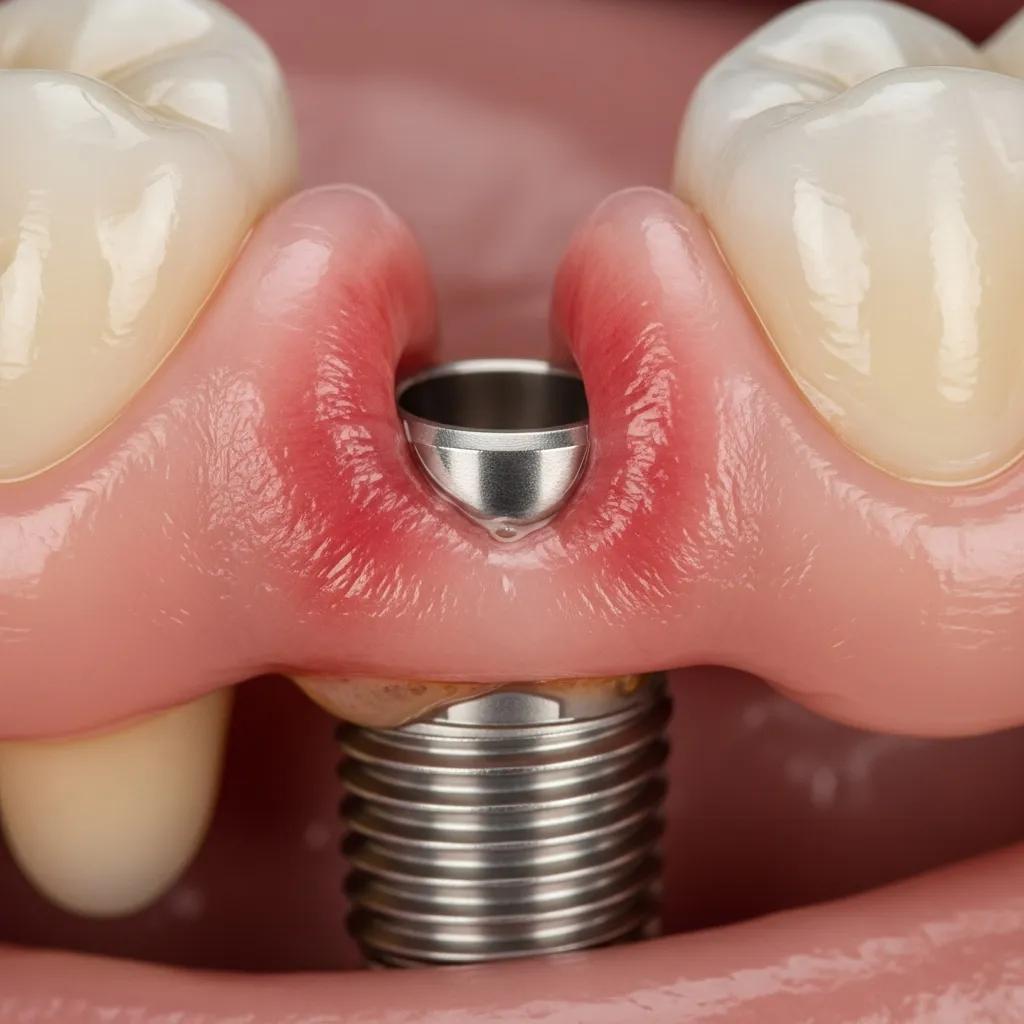
Peri-implantitis is an infection and inflammation of the tissues around an implant. It shows up as redness, swelling, bleeding when probed, and bone loss near the implant. If it’s not treated, the infection can weaken the supporting bone and eventually cause the implant to fail. Regular cleanings and careful home care are important to prevent it.
Peri-implant mucositis is a reversible inflammatory stage limited to soft tissues around the implant; if left uncontrolled it can progress to bone loss and peri-implantitis. Early detection and non-surgical care can often halt progression, but advanced cases may need surgical cleaning and bone regeneration.
Recognizing what contributes to peri-implant inflammation helps clinicians prevent and treat it more effectively.
Influencing Factors of Peri-Implantitis & Mucositis Complications
Recent studies focus on peri-implant mucositis and peri-implantitis as key biological complications after implant therapy. Researchers evaluate multiple factors that affect how severe these conditions can become, helping dentists identify risks and personalize care.
Influencing factors regarding the severity of peri-implantitis and peri-implant mucositis, L Bereșescu, 2024
What Role Do Risk Factors Like Smoking and Diabetes Play?
Certain health and lifestyle factors raise the chance an implant will fail. Smoking slows healing and raises infection risk. Poorly controlled diabetes can reduce blood flow and impair recovery. Tell your dentist about these and other medical issues so they can plan treatment and manage risks.
Other risk contributors include conditions that affect bone healing, long-term steroid use, some antiresorptive medications, and habits such as heavy alcohol use or bruxism (teeth grinding). Your dentist may recommend blood sugar control, smoking cessation, or a nightguard to protect implants in patients who grind their teeth.
What Are the Symptoms and Signs of a Failing Dental Implant?
Spotting warning signs early gives you the best chance of saving an implant or avoiding bigger problems. Here’s what to watch for.
How to Recognize Pain, Swelling, and Implant Mobility?
Common warning signs include ongoing pain at the implant site, swelling, bleeding, and any movement of the implant or the visible crown. If you notice these changes, contact your dentist promptly so they can evaluate the implant and surrounding tissues.
In addition to clinical symptoms, your dentist will use x-rays to look for bone loss around the implant and may measure pocket depths with a probe to track tissue health. Sometimes signs are subtle, so keeping scheduled maintenance visits helps detect early changes before symptoms become pronounced.
What Are Early vs. Late Signs of Implant Complications?
Early signs often include mild discomfort, small amounts of swelling, or light bleeding when the area is cleaned. Later-stage problems can show as severe pain, obvious swelling, pus, and loose implants. Keeping up routine dental visits helps catch problems while they’re still treatable.
Researchers are exploring ways to detect peri-implant disease earlier — even before clear clinical signs appear.
Early Diagnosis of Peri-Implant Diseases & Future Implant Failure
Standard diagnosis relies on clinical checks and x-rays, but these alone don’t always predict future bone loss or implant failure. Studies suggest that biomarkers could help identify tissue breakdown sooner, giving clinicians an earlier warning before symptoms are obvious.
Peri-implant diseases diagnosis, prognosis and dental implant monitoring: a narrative review of novel strategies and clinical impact, A Correia, 2023
What Treatment Options Are Available If a Dental Implant Fails?
If an implant fails, your dentist can recommend several paths forward depending on the cause and how healthy the surrounding bone and gum tissue are.
Non-surgical options may include professional cleaning of the implant surface, targeted use of local or systemic antibiotics when appropriate, and improved home care instructions. When non-surgical care is insufficient, surgical approaches aim to remove infected tissue, clean the implant surface, and regenerate lost bone using grafts and membranes.
How Is Implant Removal and Replacement Performed?
Removing a failed implant is usually done with local anesthesia to keep you comfortable. The implant is gently taken out and the area assessed. If the bone and tissue are healthy enough, a new implant might be placed right away; otherwise, we’ll wait and rebuild the site before placing a replacement.
In some situations a staged approach gives the best long-term result: first remove the implant and treat the infection, then place bone graft material and allow healing before placing a new implant. Your dentist will explain the expected timeline and the steps to optimize healing before reimplantation.
What Are Bone Grafting and Other Repair Procedures?
When bone has been lost, a graft can rebuild the area so it can support a new implant. Grafts can come from your own bone, a donor, animal sources, or synthetic materials. Dentists may also use membranes or growth factors to encourage healing and better integration.
Soft tissue grafting may accompany bone grafts when gum tissue needs improvement for both health and esthetics. The goal is to restore a stable, cleanable environment that lowers the chance of recurrent infection and supports a long-lasting restoration.
How Can Dental Implant Failure Be Prevented?
Preventing failure combines smart home care, regular dental visits, and lifestyle choices that support healing and oral health.
What Oral Hygiene Practices Reduce Failure Risk?
Good oral hygiene is essential. Brush gently twice a day with a soft brush, clean between teeth and around implants with floss or interdental brushes, and use an antimicrobial rinse if recommended. Professional cleanings help remove plaque that could lead to infection.
Pay special attention to the margins where the crown meets the gum and use tools recommended by your dentist or hygienist. If you have difficulty cleaning a particular area, your team can show you techniques or devices that make daily maintenance easier.
How Do Regular Check-ups and Risk Management Help?
Routine check-ups let your dentist monitor the implant and catch early signs of trouble. During visits, we’ll tailor advice for any health risks you have and adjust care to protect your implant.
Your dentist may suggest a personalized maintenance schedule—often every three to six months—based on your risk profile. Managing chronic conditions, maintaining stable blood sugar levels if you have diabetes, and avoiding tobacco are some of the most effective steps patients can take to protect their implants.
What Is the Success Rate and Longevity of Dental Implants?
Dental implants are very successful for most people and can last many years with proper care. Knowing what affects longevity helps set realistic expectations.
How Long Do Dental Implants Typically Last?
Most implants have a long-term success rate — roughly 90–95% at 10 years in many studies. With good oral care and healthy habits, implants often last 15 years or more. Individual results depend on bone quality, surgical technique, and how well you follow aftercare instructions.
Longevity also reflects how well the prosthetic (crown or denture) is designed and maintained. Proper occlusion, regular wear checks, and timely repairs to fractured or worn components help extend the life of the restoration and reduce stress on the implant.
What Factors Influence Implant Survival Rates?
Implant survival depends on overall health, chronic conditions (notably uncontrolled diabetes), smoking, the amount and quality of bone, where the implant is placed, and how closely you follow post-op care. Lifestyle choices like smoking and diet also play a big role.
Oral habits such as bruxism, inadequate hygiene, poorly fitting restorations, and unmanaged periodontal disease around natural teeth increase risk. Collaboration between the surgical and restorative team to design a prosthesis that is easy to clean and distributes forces evenly contributes strongly to success.
What Should Patients Do If Their Dental Implant Fails?
If you suspect an implant is failing, act quickly — early treatment improves the odds of saving the implant or rebuilding the site for a replacement.
When to Seek Professional Dental Consultation?
Contact your dentist if you notice pain, swelling, bleeding, pus, or any looseness in the implant or crown. Prompt assessment and treatment help prevent further damage and make successful repair more likely.
During the consultation the dentist will review your symptoms, examine the implant, and usually take x-rays. They will explain recommended options, timelines, and what to expect during treatment so you can make an informed choice.
How Does Affordable Dentist Near Me – Grand Prairie Support Patients?
At Affordable Dentist Near Me – Grand Prairie, we focus on practical, compassionate care. Our team evaluates implant problems, explains your options in plain language, and creates a personalized plan — from conservative treatments to removal and replacement when needed. We also offer free consultations to review your concerns and recommend the best next steps.
We coordinate care across specialties when needed, so patients requiring bone grafting, periodontal treatment, or specialist surgery receive a clear plan and follow-up. Our aim is to restore function and appearance while minimizing future risk.
Frequently Asked Questions
What Lifestyle Changes Can Help Ensure Dental Implant Success?
Simple changes make a big difference. Quitting smoking is one of the most helpful steps because smoking slows healing and raises infection risk. Eating a balanced diet with enough vitamins and minerals supports recovery. Staying active and managing chronic conditions like diabetes also improves your healing environment. These habits give implants a better chance to succeed.
Practical tips include: follow a nutrient-rich diet during healing, avoid chewing hard foods on a new implant until cleared by your dentist, and follow any medication or mouth rinse instructions closely. If you use tobacco, ask about support programs to quit before implant surgery.
How Do I Care for My Dental Implants After Surgery?
Follow your dentist’s instructions closely. Avoid hard or sticky foods for the recommended time, keep the area clean with gentle brushing, and use any prescribed rinses. Attend follow-up visits so your dentist can monitor healing and address any concerns early.
In the first days after surgery, gentle rinsing with warm salt water or a prescribed rinse can reduce bacteria and soothe tissues. As healing progresses, resume careful flossing and interdental cleaning around the implant to prevent plaque buildup.
What Should I Expect During the Dental Implant Procedure?
Expect a step-by-step process: an exam and imaging to check bone health, implant placement under local anesthesia, and a healing period of several months for osseointegration. After healing, your dentist attaches an abutment and crown to restore function and appearance. Ask questions beforehand so you feel confident about each step.
Many patients appreciate a timeline and written aftercare instructions; ask your dentist for these so you know when to return for suture removal, follow-up x-rays, and the final restoration appointment.
Are There Alternatives to Dental Implants?
Yes. Dentures offer a removable solution for multiple missing teeth, and bridges can fill gaps by anchoring to adjacent teeth. Each option has trade-offs in cost, comfort, and maintenance. Your dentist can help you choose the best fit for your mouth and lifestyle.
Considerations include how long you want the solution to last, how much bone is available, and whether you prefer a fixed or removable option. Your dentist will review pros and cons in the context of your oral health and budget.
How Can I Tell If My Dental Implant Is Healing Properly?
Normal healing includes gradual reduction in swelling and pain. Healthy gum tissue looks pink and does not bleed excessively. If pain persists, swelling increases, or the implant feels loose, contact your dentist. Regular check-ups let the dentist confirm the implant is integrating well with the jawbone.
Your dentist may use x-rays at follow-up visits to confirm stable bone levels around the implant. If there is any concern, they will outline monitoring or treatment steps to address issues early.
What Are the Financial Considerations for Dental Implants?
Costs vary by case complexity, implant type, and the provider’s fees. Ask about the total expected cost — including consultations, surgery, and follow-ups. Many practices offer financing or payment plans, and insurance coverage varies, so check your policy and discuss payment options with our office.
When comparing estimates, confirm whether fees include exams, imaging, bone grafting if needed, the implant fixture, abutment, and final crown. Understanding the full scope up front helps avoid unexpected expenses.
What Are the Early Signs of Dental Implant Failure?
Early warning signs include mild, ongoing discomfort, slight swelling, bleeding when the area is probed, and changes in how the gum looks around the implant. If these symptoms don’t improve, see your dentist for evaluation.
Keeping a simple journal of symptoms between visits—such as noting increases in sensitivity, odor, or any drainage—can help your dentist make an early diagnosis and choose the most appropriate treatment.
Can a Failed Dental Implant Be Salvaged or Replaced?
Often a failed implant can be treated or replaced. The right approach depends on why it failed and how healthy the surrounding bone and gum tissue are. A dental exam will determine whether salvage, grafting, or replacement is the best option.
Salvage attempts may be reasonable when there is only early soft-tissue inflammation and limited bone loss. When loss is extensive, removal and staged reconstruction often lead to a more predictable long-term outcome. Your dentist will explain expected success rates and timelines for each option.
Conclusion
Knowing what can cause implant failure and spotting early signs helps protect your smile. With good home care, regular dental visits, and attention to health risks, most people enjoy long-lasting implants. If you have concerns, schedule a consultation with our experienced team at Affordable Dentist Near Me – Grand Prairie — we’ll help you understand your options and take the next step toward a healthy, confident smile.
We encourage patients to ask questions and bring up any worries early. Timely communication, personalized maintenance, and a clear treatment plan are the best defenses against implant failure and the foundation for long-term success.