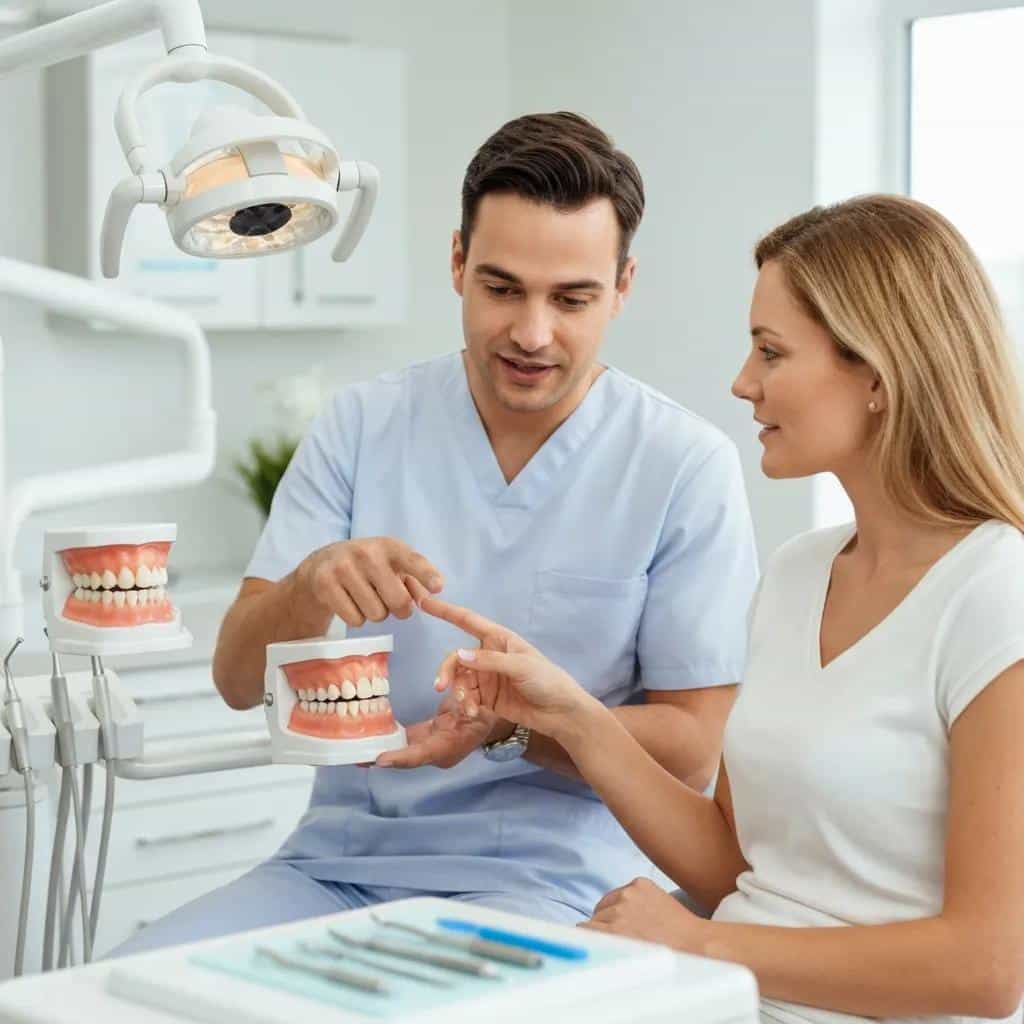
Dental Implants vs. Dentures: Which Provides Better Long-Term Comfort?
Dental implants and dentures are two fundamentally different approaches to tooth replacement: implants are titanium posts that fuse to the jawbone and support crowns or prostheses, while dentures are removable prostheses that rest on the gums and rely on suction, adhesives, or attachments. This article explains how each option works, compares comfort and longevity, and shows how choices affect chewing efficiency, speech clarity, facial aesthetics, and long-term oral health. Many patients prioritize comfort, stability, and low-maintenance solutions; understanding mechanisms such as osseointegration, ridge resorption, and attachment systems helps clarify why one option may fit a particular lifestyle. We will examine types of dentures and implant solutions, compare maintenance and lifecycle costs, and evaluate hybrid approaches like implant-supported overdentures that blend stability with lower cost than full fixed arches. Along the way, the article will highlight practical decision factors—health, bone condition, budget, and daily function—and point readers toward a local, patient-focused next step: a professional consultation to get a personalized plan that balances comfort and longevity.
What Are Dental Implants and How Do They Provide Superior Comfort?
Dental implants are medical-grade titanium fixtures placed into the jawbone that integrate with bone tissue through osseointegration, creating a stable foundation for prosthetic teeth and delivering comfort that closely mimics natural dentition. The implant mechanism distributes chewing forces into bone, preserves alveolar volume, and prevents the micro-movement that causes sore spots with removable prostheses, resulting in a stable, secure bite and reliable speaking function. Clinically, implants reduce reliance on adhesives and eliminate most slippage, which translates into predictable chewing efficiency and fewer dietary restrictions for active adults. Understanding the implant parts—the post, abutment, and implant crown—clarifies how each component contributes to a natural feel and long-term durability. The following subsections break down what an implant is, why implants are comfortable long-term, and how they preserve jawbone and facial structure, preparing readers to compare implants with denture alternatives.
What Is a Dental Implant and How Does It Work?
A dental implant consists of three primary components: the implant post (a titanium fixture placed into the jawbone), the abutment (a connector), and the prosthetic crown or bridge that restores visible chewing surfaces and aesthetics. Osseointegration, the biological process by which bone grows tightly around the titanium implant, creates a direct load-bearing connection that functions similarly to a tooth root, stabilizing the prosthesis and maintaining bite force. The clinical timeline typically includes surgical placement of the implant, a healing period for bone integration, and later attachment of the abutment and crown—though immediate restorations are possible in select cases. This root-analog structure is why implants feel anchored and transmit mechanical stimulation to bone, distinguishing them from removable prostheses that rest on soft tissues. Understanding these components helps patients appreciate why implants often feel and perform like natural teeth and why they are considered a durable, long-term restorative option.
Improving Osseointegration of Dental Implants: Surface Characteristics
Improving osseointegration of dental implants. The purpose of this review is to discuss the different types of dental implant surfaces and the influence of surface characteristics on osseointegration. Some mechanisms involved in the osseointegration vary depending on whether the implant surface is smooth or rough, and how it interacts with the surrounding bone tissue.
Improving osseointegration of dental implants, CN Elias, 2010
Why Are Dental Implants More Comfortable Long Term?
Implants provide superior long-term comfort primarily because they are fixed to the jawbone, eliminating micro-movements that cause friction, sore spots, and the need for adhesives that characterize removable dentures. Fixed implants restore more of the natural bite force, improving chewing efficiency, enabling a wider range of foods, and reducing the cognitive load of worrying about prosthesis movement during conversations or laughter. The material compatibility of titanium and the biological stability of osseointegration minimize chronic irritation to soft tissues, which often produces persistent discomfort with poorly fitting dentures. Patient-centered studies and clinical experience indicate improved speech clarity and a greater sense of oral ownership with implants, which contributes to psychosocial comfort and confidence. These functional and psychosocial gains set the stage for understanding how implants also influence long-term bone health, which is discussed next.
Osseointegration and Dental Implant Surface Innovations
On osseointegration in relation to implant surfaces. This review discusses osseointegration mechanisms and an introduction to surface innovations with relevance for osseointegration. Since the early 1980s, and his team, the dental implant surfaces have been modified from the original smooth titanium to various rough and textured surfaces to enhance osseointegration.
On osseointegration in relation to implant surfaces, 2019
How Do Dental Implants Preserve Jawbone and Facial Structure?
Implants act like natural tooth roots by transmitting mechanical loads into the jawbone, which stimulates bone remodeling and helps maintain alveolar ridge height; without this stimulation, bone typically resorbs after tooth loss. Bone preservation reduces progressive ridge flattening, which in turn maintains better support for facial soft tissues and lowers the risk of the sunken appearance that can accompany long-term edentulism and denture wear. Clinically, preserved bone improves prosthesis fit and makes future restorative options more predictable, reducing the frequency of corrective procedures such as relines or complete replacement. When bone volume is insufficient, adjunctive procedures like bone grafting can restore foundation for implants, but the primary mechanism remains mechanical stimulation delivered by implants. Recognizing the link between implants and jawbone preservation clarifies why implants often provide both superior comfort and lasting facial aesthetics over time.
Contemporary Concepts in Dental Implant Osseointegration: A Review
Contemporary concepts in osseointegration of dental implants: a review. To identify pertinent articles on osseointegration of dental implants, we searched PubMed, Scopus, and Web of Science databases for original research articles, review articles, and meta-analyses published in English from January 2010 to December 2021. The search terms used were “dental implant”, “osseointegration”, “surface modification”, “biomaterials”, and “clinical outcomes”.
Contemporary concepts in osseointegration of dental implants: a review, D Rokaya, 2022
What Are Dentures and What Comfort Challenges Do They Present Over Time?
Dentures are removable dental prostheses designed to replace multiple missing teeth and restore function and esthetics without surgical implant placement, making them a lower-upfront-cost option for many patients. There are multiple denture types—full, partial, and immediate—and each uses different retention mechanisms such as tissue adaptation, clasps, suction, or adhesives; these mechanics determine initial comfort but can shift over time as oral anatomy changes. While dentures deliver quick functional restoration and can be manufactured and fitted in relatively few appointments, long-term comfort challenges arise from soft-tissue pressure, mucosal irritation, and progressive bone resorption that alters fit and stability. This section explains denture types and mechanics, enumerates common comfort problems, and describes how bone loss progressively undermines fit and facial appearance, preparing readers to weigh conventional dentures against implant-based alternatives.
What Types of Dentures Are Available and How Do They Work?
Denture options include full (complete) dentures that replace all teeth in an arch, partial dentures that clip onto remaining teeth or attach with clasps, and immediate dentures placed right after extractions to provide temporary function during healing. Full dentures rely on mucosal contact and suction for retention, partial dentures leverage remaining teeth for support, and immediate dentures prioritize continuity of appearance and function while definitive prostheses are fabricated. Adhesives and relines can improve retention temporarily, but these are maintenance measures rather than permanent fixes when underlying bone changes occur. The design, materials, and fabrication technique influence comfort during initial use, yet the long-term success of any denture depends heavily on ridge anatomy and ongoing adjustments. Understanding these distinctions helps patients anticipate the maintenance needs and expected adaptation period for each denture type.
Introductory list: Common denture retention methods and what they imply for comfort.
Tissue suction: Provides passive retention for full upper dentures but is sensitive to ridge shape.
Adhesives: Improve retention temporarily but add daily maintenance and taste/texture considerations.
Clasps and attachments: Offer stability for partials but can stress abutment teeth and gums.
Summary: Retention strategies determine early comfort, but ongoing fit depends on bone stability and periodic professional adjustments, which leads into common comfort issues discussed next.
What Comfort Issues Are Common with Dentures?
Removable dentures commonly cause pressure points and sore spots as tissues adapt to new load distribution, leading to localized inflammation and periodic adjustments by the prosthodontist or dentist. Slippage during eating or speaking can create embarrassment and functional limitations, pushing patients to restrict certain foods or avoid social situations—an important quality-of-life factor. Over time, ridge resorption changes the prosthetic border relationships, causing looseness that increases reliance on adhesives and frequent relines, which are recurring costs and inconveniences. Some patients experience gagging or taste alterations due to palatal coverage on upper dentures, and adaptation typically requires weeks to months with variable outcomes. These predictable comfort challenges contrast with the stability offered by implants and set up the discussion on how bone loss specifically worsens denture-related problems.
How Does Bone Loss Affect Denture Fit and Facial Appearance?
Jawbone resorption after tooth loss begins within months and accumulates over years, progressively reducing ridge height and changing the contour of underlying bone that dentures depend on for support. As bone resorbs, dentures lose intimate contact with tissue surfaces and become ill-fitting, which increases friction, sore spots, and the need for relining or complete replacement—usually on a 5–10 year cycle depending on wear and anatomical change. A shrinking alveolar ridge also reduces vertical dimension, potentially producing a collapsed facial profile or “sunken” appearance that affects aesthetics and prosthetic biomechanics. These aesthetic and functional consequences create a feedback loop: worse fit leads to more soft-tissue trauma, which accelerates deterioration of comfort and increases maintenance burdens. Understanding this trajectory explains why bone-preserving options like implants can materially improve long-term comfort and appearance.
Introductory table explaining denture type attributes and expected lifespan.
Denture Type
Comfort & Retention Mechanism
Typical Lifespan / Maintenance
Full Denture
Tissue-bearing, suction, adhesives
5–8 years; periodic relines and adjustments
Partial Denture
Clasps/attachments to remaining teeth
4–8 years; may require clasp adjustment and repairs
Immediate Denture
Placed post-extraction for temporary function
Short-term; requires rebasing or replacement after healing
Summary: Different denture types offer faster restoration and lower upfront cost but carry predictable maintenance and lifespan limitations tied directly to how they interact with changing oral anatomy.
How Do Dental Implants and Dentures Compare in Comfort, Stability, and Longevity?
Direct comparisons between dental implants and dentures show divergent profiles: implants provide fixed stability and bone stimulation that favor long-term comfort and fewer functional compromises, while dentures offer non-surgical, lower-cost initial solutions that often require ongoing maintenance to preserve comfort. Comfort and stability depend on mechanics: implants are load-transferring root analogs that minimize movement, whereas dentures rely on soft-tissue support and are subject to displacement, adhesives, and relines. Longevity differs significantly—implants often last decades or become a lifetime solution when maintained, while dentures typically need replacement every 5–10 years due to wear and anatomical change. Below we provide a focused comparison across key attributes including comfort, lifespan, maintenance, and costs, using an EAV-style table to highlight practical trade-offs for patients considering quality-of-life outcomes.
What Are the Key Differences in Comfort and Stability?
Implants offer a fixed, natural-feeling restoration that restores more bite force and reduces micro-movement against soft tissues, leading to consistent comfort during function. Dentures are removable and can slip or press on mucosa, causing sore spots and speech variability that affect confidence and diet choices. Implant-supported overdentures provide a hybrid outcome—improved retention and reduced movement over traditional dentures while using fewer implants than a full fixed arch, delivering a balance between comfort and cost. Patient-reported outcomes and clinical experience consistently show higher satisfaction scores for fixed implant solutions relative to traditional removable prostheses, especially in active adults seeking unrestricted diet and social ease. Recognizing these differences is vital when aligning replacement options to patient priorities like eating hard foods, speaking without concern, and minimizing ongoing adjustments.
Introductory EAV comparison table for implants vs dentures.
Accelerates resorption due to lack of root stimulation
Maintenance
Routine oral hygiene + periodic professional checks
Daily removal and cleaning; relines and adhesives
Summary: The EAV comparison highlights implants as a long-term investment in comfort and bone preservation, while dentures offer immediate restoration with predictable maintenance and replacement cycles.
How Long Do Dental Implants Last Compared to Dentures?
Dental implants, when placed and maintained properly, have survival rates that commonly extend decades and can function as a lifetime solution for many patients, though crowns and prosthetic components may require periodic replacement. Dentures generally wear and lose fit over time, with expected replacement cycles of roughly every 5–10 years depending on materials, wear, and anatomical changes; relines and repairs may be needed more frequently. Longevity for implants depends on factors such as oral hygiene, smoking status, systemic health, and bone quality, whereas denture longevity is primarily driven by bone resorption and material wear. When calculating lifecycle cost and convenience, implants often become more cost-effective over long horizons despite higher initial investment because they reduce recurring replacement and adhesive expenses. These lifecycle dynamics make it important for patients to weigh near-term budgets against long-term comfort and value.
How Do Maintenance and Care Requirements Differ?
Daily hygiene for implants resembles natural tooth care and includes thorough brushing, interproximal cleaning, and periodic professional evaluations to monitor peri-implant tissues, which helps prevent infection and preserves longevity. Dentures require nightly removal, brushing, soaking in cleaner, and regular clinic visits for relines and adjustments; adhesives may be used daily and can alter taste or comfort. Implant-supported overdentures require a hybrid routine—clean around implant attachments plus prosthesis cleaning—while full fixed-implant restorations need the same meticulous hygiene as natural teeth. Professional maintenance frequency typically ranges from every 3–6 months for implants to similar or greater intervals for denture checks, but denture visits often include relines or rebasing due to anatomical changes. A practical maintenance checklist helps patients understand the daily and periodic tasks required for each option.
Introductory numbered checklist for maintenance differences.
Daily oral hygiene: Brush and floss around implants; remove and clean dentures nightly.
Professional care: Implant exams every 3–6 months; denture checks for fit and relines as needed.
Special care: Manage adhesives and soaking solutions for dentures; monitor peri-implant tissues for signs of inflammation.
Summary: Maintenance routines vary in type rather than frequency; implants demand precise hygiene to protect tissue health, while dentures require consistent prosthesis care and reactive adjustments as anatomy changes.
What Are the Cost Implications of Implants vs. Dentures Over Time?
Upfront costs for dental implants are higher because they involve surgery, implant components, and laboratory work, but implants often reduce recurring expenses like relines, adhesive purchases, and frequent replacements that come with dentures. Dentures present a lower initial financial barrier but can accumulate costs over time through periodic relines, rebasing, repairs, and eventual replacement every several years. Financing options and PPO insurance acceptance can materially alter out-of-pocket burdens; discussing these with a provider yields patient-specific lifecycle estimates. When comparing 5-, 10-, and 20-year horizons, implants typically show greater cost-effectiveness for patients planning decades of use, especially those valuing restored function and lower maintenance. Understanding these economic trade-offs helps patients align treatment choices with both comfort goals and financial realities.
Summary: Lifecycle comparisons favor implants for long-term comfort and lower recurring maintenance costs, while dentures may be the pragmatic choice for immediate, lower-cost restoration with predictable future maintenance.
Which Tooth Replacement Option Offers the Best Quality of Life and Patient Satisfaction?
Quality of life after tooth replacement depends on functional outcomes—chewing, speech, comfort—and psychosocial factors like confidence and social engagement; clinical evidence and patient reports frequently favor fixed implant solutions for these combined outcomes. Implants restore bite force closer to natural levels, enabling a more varied diet and eliminating the constant worry about prosthesis movement that often accompanies removable dentures. The psychological impact of a stable, natural-feeling restoration should not be understated: many patients report improved confidence, easier public speaking, and greater willingness to participate in social activities after implant therapy. Below, we explore specific functional benefits and summarize anonymized testimonial-style outcomes that illustrate how different solutions affect day-to-day living and long-term satisfaction, and then present a practice-level next step for readers considering options locally.
How Do Dental Implants Improve Chewing, Speech, and Confidence?
Implants restore occlusal force and stability, which increases chewing efficiency and allows patients to include firmer foods that are often avoided with dentures, directly expanding dietary variety and nutritional options. Because implants remain fixed relative to jaw movement, they reduce phonetic changes and eliminate speech inconsistencies caused by denture slippage, improving articulation and verbal confidence. Psychosocially, the permanence and natural appearance of implant restorations reduce self-consciousness, increase social interaction, and often diminish anxiety around public situations such as dining out or speaking engagements. These functional and psychosocial gains combine to deliver measurable improvements in quality-of-life indices used in dental outcome research. Understanding these multifaceted benefits helps patients prioritize attributes that matter most to their daily routines.
What Are Common Patient Testimonials About Comfort and Longevity?
Many patients describe a transition from intermittent denture discomfort—sore spots, adhesive dependence, and social anxiety—to a sense of normalcy after implants, noting greater comfort during meals and stable speech in social settings. Others highlight the reduced maintenance burden and relief at no longer needing nightly cleaning routines or frequent relines, which contributes to a perception of long-term convenience and lower cumulative hassle. Short, anonymized testimonial themes commonly include restored confidence in public, regained ability to eat favorite foods, and long-term satisfaction with reduced clinic visits for prosthesis adjustments. These real-world perspectives underscore how implant choices can transform daily habits and social engagement, which leads many patients to seek a personalized consultation to quantify expected outcomes.
Business integration: For patients in Tyler seeking a local next step, Affordable Dentist Near Me of Tyler (also known as Dentist in Tyler – Dentures & Dental Implants) offers consultation options to evaluate how implant or denture choices will affect quality of life. The practice highlights a promotional $79 consultation and also provides targeted free implant and denture consults for qualifying patients, accepts most PPO insurance plans, and offers flexible financing to help align treatment choices with budgets. This clinic-level support helps translate the quality-of-life discussion into a personalized plan that addresses comfort, longevity, and financial considerations.
How Do Implant-Supported Dentures Compare to Traditional Dentures in Comfort?
Implant-supported dentures—also called overdentures—combine the stability benefits of implants with the cost and prosthetic simplicity of removable dentures, producing a hybrid that often resolves many of the comfort limitations associated with traditional dentures. These prostheses anchor to two or more implants via attachments such as bars, balls, or locators, providing retention and minimizing lateral movement while allowing removal for cleaning. The mechanical support transfers some load into bone through implants, which reduces ridge pressure and sore spots, improves chewing efficiency compared to unsupported dentures, and extends the functional service life of the prosthesis. This section explains the mechanisms, attachment types, and reasons why implant-supported overdentures often represent a practical middle ground for patients seeking improved comfort without the full cost of fixed full-arch restorations.
What Are Implant-Supported Dentures and How Do They Work?
Implant-supported dentures connect a removable prosthesis to underlying implants using connectors such as ball-and-socket attachments or milled bars that clip into housings within the denture base, combining removable cleaning with fixed-point retention. The clinical workflow includes placing implants in strategic positions, allowing osseointegration, and fabricating a prosthesis that aligns precisely to the attachments to enable secure retention. Attachment systems vary by retention strength and maintenance needs—bar systems provide maximum stability but require more complex laboratory work, while locator systems are simpler and cost-effective with straightforward replacement of nylon inserts. Patients benefit from reduced movement, improved bite force, and fewer sore spots compared to traditional dentures, while still retaining the convenience of a removable prosthesis for hygiene. These mechanics help explain why implant-supported options are often recommended for patients who want significant comfort improvements without full-arch fixed solutions.
Introductory EAV table comparing implant-supported overdentures with traditional dentures.
Feature
Implant-Supported Overdentures
Traditional Dentures
Retention
Attachment to implants (high)
Tissue suction/adhesive (variable)
Comfort
Reduced mucosal pressure; fewer sore spots
Higher soft-tissue irritation risk
Bone Stimulation
Partial—implants provide localized stimulation
Minimal; accelerates resorption
Maintenance
Clean around attachments; periodic insert change
Daily cleaning, frequent relines
Cost
Mid-range (implant + prosthesis)
Lower upfront, higher long-term maintenance
Summary: Implant-supported overdentures deliver significantly better retention and reduced soft-tissue trauma than conventional dentures, offering a balanced solution in comfort and long-term function.
Why Do Implant-Supported Dentures Provide Enhanced Stability and Comfort?
By anchoring the denture to osseointegrated implants, implant-supported overdentures eliminate most lateral and vertical displacement that causes friction and mucosal injury with traditional dentures, thereby reducing sore spots and improving patient confidence while eating and speaking. The partial transfer of occlusal forces to bone stimulates localized bone maintenance around the implants, which helps preserve ridge anatomy and slows the fit deterioration that usually undermines conventional denture comfort. Because attachments are replaceable and serviceable, clinicians can maintain retention predictably without remaking entire prostheses, simplifying long-term care. For many patients, implant-supported overdentures strike a pragmatic balance: substantially improved comfort and stability with a financing-friendly pathway compared to full fixed-arch implant restorations. These benefits make implant-supported overdentures a common recommendation for patients seeking durable comfort with lower procedural intensity.
What Factors Should You Consider When Choosing Between Dental Implants and Dentures?
Selecting between implants and dentures requires assessing oral and systemic health, jawbone quality, lifestyle priorities such as diet and activity level, and financial considerations including insurance and financing options. Medical history elements—diabetes control, smoking, and medications affecting healing—affect candidacy for implants and should be evaluated with appropriate imaging and clinical exams. Lifestyle factors include the desire for fixed restorations, tolerance for surgical procedures, and willingness to commit to diligent hygiene necessary for implant longevity. Financially, implants represent a larger upfront investment that often pays off through reduced recurring maintenance, while dentures offer a lower initial cost but ongoing reline and replacement expenses; insurance coverage and flexible financing can change the calculus. The next subsections provide a decision matrix for typical patient profiles and explain why a free dental consultation is a critical step for making the right individualized choice.
Introductory decision checklist listing core factors to evaluate.
Health status: Medical conditions and smoking influence healing and candidacy.
Bone condition: Adequate jawbone volume supports implants; grafting may be required.
Lifestyle needs: Diet, activity, and social preferences determine desired function.
Budget & insurance: Evaluate initial costs versus lifecycle expenses and financing.
Summary: These core factors form the decision framework clinicians use to recommend an implant, overdenture, or traditional denture pathway; an individualized consult translates these criteria into a tailored treatment plan.
How Do Health, Lifestyle, and Budget Influence Your Choice?
Health conditions that impair healing, such as uncontrolled diabetes or heavy tobacco use, increase risk for implant complications and may necessitate alternative approaches or pre-treatment optimization; conversely, well-controlled health profiles favor implant success. Lifestyle considerations—an active social life, preference for unrestricted diet, or a profession requiring confident speech—often push patients toward fixed or implant-supported solutions for their superior functional and psychosocial outcomes. Budget constraints may lead patients to choose conventional dentures initially, with staged plans to transition to implant-supported options over time as finances permit; the availability of PPO insurance acceptance and flexible financing can make implants more accessible. Clinicians typically evaluate these variables using a decision matrix that balances medical eligibility, desired outcomes, and financial feasibility, offering staged or hybrid treatment roadmaps based on priorities. This pragmatic approach keeps the patient’s goals central and informs whether immediate dentures, implant-supported overdentures, or full fixed-arch implants are recommended.
Why Is a Free Dental Consultation Important for Making the Right Decision?
A free dental consultation provides a personalized clinical exam, imaging review (such as X-rays or 3D scans if indicated), and a tailored discussion of candidacy, expected outcomes, and cost estimates that are essential for selecting the most comfortable long-term solution. During the consult, clinicians assess bone volume, occlusal patterns, and soft-tissue health, then translate clinical findings into realistic expectations about comfort, maintenance needs, and timeline for treatment options including implants, overdentures, and conventional dentures. The appointment is also the appropriate moment to review insurance coverage details—particularly PPO acceptance—and to discuss financing plans that can alter the practical choice between immediate affordability and long-term value. For patients, this consult demystifies the process, answers case-specific questions, and results in a documented treatment proposal that aligns medical reality with personal goals. Scheduling a consult is the logical next step after weighing the technical and lifestyle factors outlined above.
Business integration and CTA: Affordable Dentist Near Me of Tyler offers a consultation pathway designed to answer these exact questions: their practice provides a $79 promotional consultation option and targeted free dental implant and denture consults in certain cases, accepts most PPO insurance plans, and offers flexible financing to help patients evaluate both clinical candidacy and budget. Clinicians at the practice, including Dr. Pham, Dr. Vo, and Dr. Dinh, conduct individualized exams, discuss imaging needs, and produce a patient-centered plan so readers can convert information into action.
What Are the Most Frequently Asked Questions About Dental Implants vs. Dentures Comfort?
This section addresses common patient questions succinctly and directly, offering clear, featured-snippet-style answers that readers can use to compare implants and dentures on comfort, bone preservation, lifespan, disadvantages, and perceived pain. Each answer begins with a direct lead, followed by a short expansion that introduces nuance such as medical candidacy, cost trade-offs, and expected recovery or adaptation timelines. These concise responses are optimized for quick understanding yet include pointers back to in-depth sections earlier in the article for readers who want expanded explanations. Where appropriate, brief practice-level suggestions point patients toward a consultation to translate general answers into personal recommendations.
Which Provides Better Long-Term Comfort, Implants or Dentures?
In general, dental implants provide better long-term comfort because they are fixed, transmit load to bone, and avoid the soft-tissue friction and slippage that cause chronic denture soreness and functional limitations. Exceptions include patients who cannot undergo surgical procedures or who prefer a low-upfront-cost solution; for them, well-fitted dentures may provide adequate short-term comfort and function when regularly adjusted. The final decision depends on medical eligibility, bone volume, and personal priorities such as diet and maintenance tolerance; a clinical consult will clarify which option aligns with an individual’s goals and constraints.
How Do Implants Prevent Bone Loss Compared to Dentures?
Implants prevent bone loss by providing mechanical stimulation to the alveolar bone—similar to natural tooth roots—which promotes bone remodeling and helps maintain ridge height, whereas dentures rest on soft tissue and do not stimulate bone, allowing resorption to continue. This biological relationship (implant → stimulates → bone remodeling) preserves facial structure and prosthesis fit and reduces the cycle of relines and replacements associated with tissue-supported dentures. As a result, implants contribute directly to both comfort and long-term prosthetic stability.
What Is the Typical Lifespan of Dental Implants vs. Dentures?
Dental implants can last decades and often function as a lifetime solution when patients maintain excellent oral hygiene and receive periodic professional care, while denture prostheses usually need replacement or major relining every 5–10 years due to wear and anatomical change. Factors such as hygiene, systemic health, bone quality, and smoking influence implant longevity, whereas denture lifespan is primarily governed by ridge resorption and material durability. These differences make implants a long-term investment in comfort and reduced replacement frequency.
What Are the Disadvantages of Dental Implants Compared to Dentures?
Implants have higher upfront costs and require surgical placement with associated healing time, which can be a barrier for patients wanting immediate, low-cost solutions; some patients also need bone grafts to become candidacy-eligible. Additionally, implants require commitment to meticulous hygiene and tracking of peri-implant tissue health to prevent complications. Despite these drawbacks, financing options and staged treatment plans can mitigate cost concerns, and the long-term benefits in comfort and reduced maintenance often offset initial disadvantages.
What Hurts More: Getting Implants or Wearing Dentures?
Surgical implant placement involves a finite recovery period with controlled postoperative pain that is typically managed with analgesics and resolves within days to weeks, while denture wear often causes ongoing adaptation soreness, sore spots, and intermittent irritation that can persist indefinitely without repeated adjustments. For many patients, the limited discomfort of healing after implant surgery is preferable to the chronic, low-level irritation that some denture wearers experience. Pain perception varies, but predictable surgical recovery and proactive pain management often make implants a tolerable short-term trade-off for long-term comfort.
How Can You Schedule a Free Consultation at Affordable Dentist Near Me of Tyler?
Affordable Dentist Near Me of Tyler offers structured consultation options geared toward educating patients about implant and denture choices and helping them make a personalized plan based on clinical findings and financial considerations. The free dental implant and denture consultations provide a clinical exam, an initial discussion of imaging needs, and a treatment planning conversation that outlines candidacy, expected timeline, and financing or insurance considerations. While the practice promotes a $79 consultation option as a promotional pathway for some services, qualifying patients may access targeted free consults for implants or dentures; the office accepts most PPO insurance plans and offers flexible financing to make treatments more accessible. Below we list exactly what to expect during a consult and practical steps to book and prepare for your appointment.
What Does the Free Dental Implant and Denture Consultation Include?
A typical free consultation includes a visual clinical examination, a review of recent dental X-rays or a recommendation for diagnostic imaging such as a CBCT scan if indicated, and a candidacy discussion explaining which options—implant, overdenture, or conventional denture—are most appropriate. The clinician will outline likely steps in treatment, estimate timelines, and provide a transparent discussion of likely costs and financing paths, including whether PPO insurance is likely to contribute to the plan. Patients receive a personalized summary of findings and recommended next steps, so they leave with an informed roadmap rather than a vague pitch. This diagnostic-first approach ensures that decisions about comfort and longevity are grounded in an objective assessment of oral health.
How to Contact and Book Your Appointment Easily?
To schedule a consult, patients can call the clinic directly or use the practice’s online scheduling tool to request an appointment—both approaches let you select the consultation type (implant, denture, or general exam) and indicate preferred times. Bring a valid ID, your insurance information if you have PPO coverage, and any recent dental records or X-rays to speed the diagnostic process; notes on dietary habits and specific comfort concerns are also helpful. The practice’s team—led by clinicians such as Dr. Pham, Dr. Vo, and Dr. Dinh—will confirm what imaging is needed and whether the consult qualifies for promotional pricing or a free implant/denture consult. Patients can expect a supportive, low-pressure appointment focused on education, clear options, and a personalized plan to achieve long-term comfort.
Introductory bullet list of what to bring and questions to ask at your consult.
Bring: ID, insurance card, recent dental records/X-rays, list of current medications.
Ask: Which option best preserves bone and comfort? What are estimated timelines and costs?
Confirm: Insurance acceptance, financing options, and whether your consult is promotional or free.
Summary: Preparing these items and questions ensures the consultation efficiently evaluates candidacy and translates clinical findings into a clear, patient-centered treatment plan.
Service Element
Included in Free Consult
Notes
Clinical exam
Yes
Visual and tactile assessment of oral tissues
Imaging review
Yes (if available)
Additional imaging recommended if needed
Treatment options discussion
Yes
Implant, overdenture, or denture pathways
Cost & financing overview
Yes
PPO acceptance and flexible financing discussed
Summary paragraph: The practice’s consult structure is designed to convert general education into a personalized care plan, enabling patients to decide with clarity between implant and denture options based on comfort, longevity, and budget.
Step 1: Prepare records and questions.
Step 2: Call or use the online scheduler to book the consult.
Step 3: Attend the appointment and review the personalized treatment plan.
These simple booking steps translate a reader’s interest into action while preserving the informational focus that helps ensure the right long-term comfort solution is selected.