Why Dental Implants Are Worth the Investment: Affordable Costs, Benefits, and Procedure Insights
By df afd, Affordable Dentist Near Me
Dental implants stand out as a long-lasting solution for those seeking to improve their smile and oral function. By fusing with the jawbone, they offer stability and durability that traditional dentures cannot match. This article will delve into the comprehensive aspects of dental implants, highlighting their costs, financing options, benefits, and the procedure involved. Many patients are concerned about the financial commitment associated with these implants, but understanding the value they bring can empower individuals to make informed decisions.
In this exploration, we will break down the cost structures for dental implants and available payment plans, discuss the significant advantages they offer over dentures, outline the procedure steps, and review how insurance affects affordability. Furthermore, we’ll also introduce optional resources provided by Affordable Dentist Near Me, focusing on affordable dental implants and financing options.
What Is the Cost Breakdown for Dental Implants?
When considering dental implants, understanding the associated costs is crucial for budgeting. The cost of dental implants typically ranges based on various factors, including the materials used and the complexity of the procedure. The average price range for dental implants can be anywhere from $1,500 to $6,000 per implant.
Understanding the Cost-Benefit Analysis of Dental Implants
Cost-benefit measurement usually includes physiologic and psychosocial impacts. It is used been used in dentistry to analyze the value of perioprostheses 9 and of dental implants. A
The economics of complete dentures and implant-related services: a framework for analysis and preliminary outcomes, 1998
How Are Dental Implant Prices Determined?
The cost of dental implants is influenced by several factors:
Material Costs: Premium materials like titanium or zirconia can increase the price.
Geographical Location: Prices vary based on regional differences in the cost of dental care.
Specialist Fees: Generally, specialists such as oral surgeons charge more than general dentists for implant procedures.
What Affordable Financing Options Are Available for Dental Implants?
For patients eager to pursue dental implants yet concerned about affordability, various financing options can help ease the burden:
Payment Plans: Many dental offices offer monthly payment plans, allowing patients to spread out the cost over time.
Personal Loans: Patients can consider personal loans that offer low interest rates specifically for dental treatments.
Insurance Partnerships: Some dentists work with insurance companies to facilitate lower costs for patients with dental coverage.
What Are the Key Benefits of Choosing Dental Implants?
Dental implants provide numerous advantages that make them an appealing choice for individuals considering tooth replacement. Here are some compelling benefits:
Longevity: With proper care, dental implants can last a lifetime, unlike dentures that may require replacement every 5 to 10 years.
Enhanced Oral Health: They improve oral health by preventing bone loss and maintaining the structure of the jaw.
For those interested in affordable options for dental implants, Affordable Dentist Near Me can guide you toward quality care that fits within your budget.
How Do Dental Implants Improve Oral Health and Function?
Dental implants contribute significantly to oral health by:
Supporting Bone Structure: They integrate with the jawbone, thus preventing further bone loss that often occurs with missing teeth.
Preventing Adjacent Teeth Issues: Implants can help keep adjacent teeth from shifting, maintaining overall dental alignment.
Promoting Better Digestive Health: With improved chewing capability, patients can enjoy a wider variety of foods and nutritional options.
Why Are Dental Implants a Better Investment Compared to Dentures?
Comparing dental implants to traditional dentures highlights several reasons why the former is often considered a more worthwhile investment:
Long-Term Cost Savings: Despite upfront costs, dental implants eliminate the need for frequent replacements associated with dentures, leading to overall savings.
Durable Material Use: Made from strong materials like titanium, implants are less prone to wear and damage compared to dentures.
User Satisfaction Rates: Surveys indicate that patients with implants report higher satisfaction levels regarding comfort and functionality compared to denture wearers.
Cost-Effectiveness of Dental Implants vs. Fixed Dental Prostheses
This study evaluates the cost-effectiveness of implants (Implant), insurance fixed dental prosthesis (IFDP) and private fixed dental prosthesis (PFDP) for a single intermediate missing tooth in the molar region to calculate the Incremental Cost Effectiveness Ratio (ICER).
Cost-effectiveness of molar single-implant versus fixed dental prosthesis, 2018
What Are the Dental Implant Procedure Steps?
Understanding the dental implant procedure is important for patients considering this treatment. The process involves several key steps:
Consultation and Planning: Initial assessments include reviewing medical history and imaging studies. A personalized treatment plan is created based on individual needs.
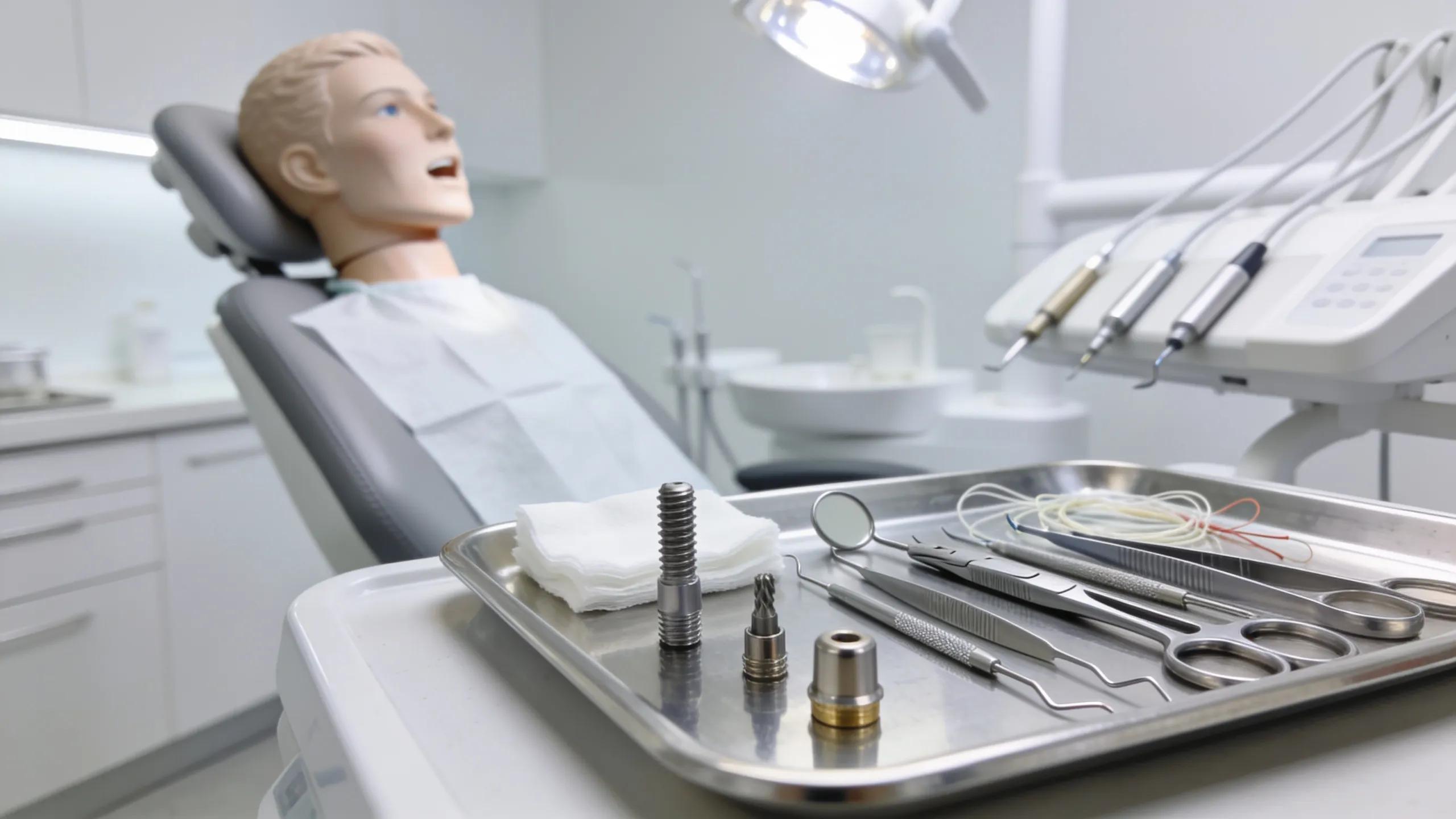
Surgical Placement: The implant is surgically placed into the jawbone, which will take time to integrate with the bone through a process called osseointegration.
Abutment and Crown Placement: Once healed, an abutment is attached to the implant, followed by a custom crown that matches the natural teeth.
What Happens During the Dental Implant Consultation and Planning?
During the consultation, dentists will:
Review Medical History: To ensure safe treatment, understanding patients’ medical backgrounds is crucial.
Perform Imaging Studies: X-rays or CT scans help in analyzing the jawbone’s structure for the successful placement of implants.
Create Customized Treatment Plans: This includes timelines and potential additional procedures such as bone grafts if necessary.
What Is the Surgical Process for Getting Dental Implants?
The surgical process involves:
Preparation: Administering anesthesia to ensure the patient’s comfort during the procedure.
Implant Placement: The titanium post is placed into the jawbone, a straightforward yet critical step.
Aftercare Instructions: Post-surgery guidelines focus on pain management and care to ensure optimal healing.
How Does Insurance Coverage Affect Dental Implant Affordability?
Insurance can significantly impact the financial aspect of dental implants. Many dental plans offer some degree of coverage that can lower out-of-pocket expenses.
Which Insurance Plans Typically Cover Dental Implants?
While coverage can vary, the following types of insurance plans often include benefits for dental implants:
PPO Dental Plans: Many preferred provider organizations (PPO) offer partial coverage for implants.
Dental Discount Plans: These plans provide discounts on services including implants.
Medicare: While not standard, some Medicare Advantage plans may cover dental implants under specific circumstances.
How Can Patients Maximize Insurance Benefits and Payment Plans?
Patients can adopt several strategies to make the most of their insurance and financing options:
Understand Your Plan: Knowing the details of what services are covered helps in effective budgeting.
Negotiate Fees: Some offices allow for negotiation on fees not covered by insurance, which can reduce overall costs.
This breakdown aids patients in understanding various service costs associated with dental implants, and the flexibility of payment options available can help make these procedures more accessible.
Overall, the value of dental implants extends beyond their initial price tags, emphasizing the long-term benefits they offer both functionally and aesthetically. As individuals consider this investment, the resources provided by Affordable Dentist Near Me can facilitate their journey toward better oral health.